

Yamanashi Travel Guide - Free Web & App
Your ultimate guide to Yamanashi. Discover top landmarks, proposed trips, and local tips. Free on the web or via the Evendo companion app.


Yamanashi, Japan pairs Mount Fuji views, alpine valleys, Fuji Five Lakes, historic temples, fruit orchards and Koshu wine with rewarding outdoor travel.
Mountain Landscapes and Lakes
Yamanashi is a landlocked prefecture west of Tokyo, shaped by mountains and dominated visually by Mount Fuji. Its northern and western horizons rise into the Southern Alps, while the Fuji Five Lakes—Lake Yamanaka, Lake Kawaguchi, Lake Saiko, Lake Shōji and Lake Motosu—occupy the volcanic foothills north of the mountain. The prefecture is varied rather than uniform: highland forests and clear lakes give way to deep valleys, river gorges, orchards and the more urbanised basin around Kōfu.Read more about Yamanashi
Fuji Country and Rural Heritage
Fruit, Wine and Seasonal Travel
When is the best time to visit Yamanashi?
Best: May–June, September · 24–27°C| Month | High (°C) | Rainfall (mm) |
|---|---|---|
| January | 9 | 35 |
| February | 9 | 32 |
| March | 14 | 39 |
| April | 20 | 45 |
| May (best) | 24 | 52 |
| June (best) | 27 | 67 |
| July | 29 | 86 |
| August | 30 | 82 |
| September (best) | 27 | 76 |
| October | 20 | 59 |
| November | 14 | 42 |
| December | 10 | 38 |
Getting to and around Yamanashi
How to get there
Transportation
Best attractions in Yamanashi
Yamanashi's attractions range from the internationally recognised Fuji Five Lakes to the deep mountain scenery of the Southern Alps. Lake Kawaguchi is the most developed lakeside base, while Lake Yamanaka, Lake Saiko, Lake Shōji and Lake Motosu offer different combinations of shoreline, forest and Fuji views. Fujiyoshida provides access to the historic Kitaguchi Hongū Fuji Sengen-jinja and the pilgrimage landscape of Mount Fuji, while nearby Oshino Hakkai is known for spring-fed ponds and traditional rural scenery. South of the lakes, Aokigahara's dense forest and the Narusawa Ice Cave and Fugaku Wind Cave are distinctive volcanic attractions, subject to local access guidance. Around Kōfu, Shōsenkyō Gorge offers a dramatic river valley, and the Katsunuma area combines vineyards with seasonal fruit cultivation. Temples including Erin-ji and Kai Zenko-ji, the Kubota Itchiku Kimono Museum near Lake Kawaguchi and Fuji-Q Highland add cultural and family-oriented dimensions.
-
Amusement park
Fuji-Q Highland
Experience record-breaking roller coasters and breathtaking views of Mount Fuji at Fuji-Q Highland, one of Japan's most thrilling amusement parks.
-
Scenic point
Shiraito Falls
Experience the ethereal beauty of Shiraito Falls, where delicate streams of water cascade down a lush cliffside near majestic Mount Fuji.
-
Mountain peak
Mount Fuji
Discover the breathtaking beauty of Mount Fuji, Japan's iconic peak, offering stunning views, rich culture, and unforgettable experiences for every traveler.
-
Toll road rest stop
EXPASA Ashigara Parking Area (Down)
Recharge and refresh at EXPASA Ashigara Parking Area (Down), a scenic Shizuoka rest stop with stunning views, local cuisine, and ample amenities.



Best landmarks in Yamanashi
Mount Fuji is Yamanashi's defining natural landmark, rising above the Fuji Five Lakes and carrying deep religious and artistic significance. The northern pilgrimage landscape includes Kitaguchi Hongū Fuji Sengen-jinja in Fujiyoshida, while Oshino Hakkai's clear spring-fed ponds express the mountain's influence on local water systems and settlement. Aokigahara occupies a broad lava-formed forest on Fuji's north-western flank, with the Narusawa Ice Cave and Fugaku Wind Cave revealing volcanic features within the forest. In central Yamanashi, Shōsenkyō Gorge is recognised for its granite cliffs and river scenery. Important built landmarks include Erin-ji, associated with Takeda Shingen, Kai Zenko-ji in Kōfu and the historic shrine complexes around the Fuji foothills. Together these places show how volcano, water, pilgrimage, agriculture and regional power have shaped Yamanashi's identity.
-
Scenic spot
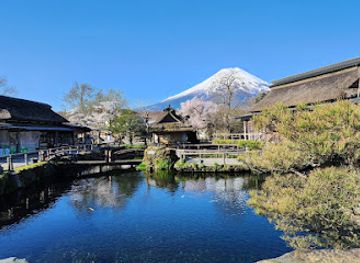
Oshino Hakkai
Discover the serenity of Oshino Hakkai, a breathtaking scenic spot featuring crystal-clear ponds, stunning Mount Fuji views, and rich cultural heritage.
-
Amusement park
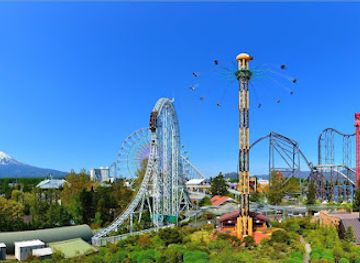
Fuji-Q Highland
Discover the thrill of Fuji-Q Highland, Japan's top amusement park with breathtaking views of Mount Fuji and exciting rides for all ages.
-
Spa garden
Hottarakashi Onsen
Discover the serene beauty and rejuvenating waters of Hottarakashi Onsen, a must-visit spa garden in Yamanashi, Japan, perfect for relaxation and cultural immersion.
-
Park
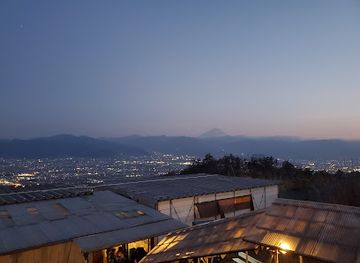
Kawaguchiko Tenjozan Park
Explore the serene beauty of Kawaguchiko Tenjozan Park, where stunning views of Mount Fuji and vibrant landscapes await every traveler.
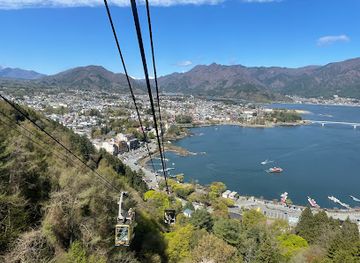
Explore Yamanashi on the map
Plan your trip on one map. See where the top attractions, landmarks, restaurants and hotels are, and book hotels and experiences in a few clicks.
Best hotels in Yamanashi
Best restaurants in Yamanashi
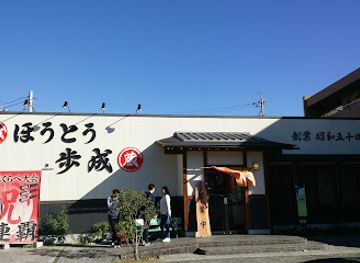
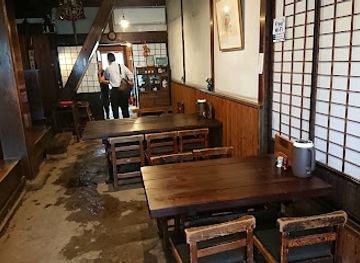
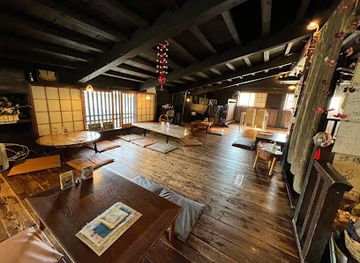
Yamanashi's food culture reflects its enclosed mountain geography, agricultural production and proximity to Mount Fuji. Hōtō is the prefecture's best-known dish: broad noodles simmered with vegetables in a miso-based broth, traditionally served in a substantial pot. In Fujiyoshida, Yoshida udon is a firm, distinctive noodle associated with the local highland town. The Kōfu Basin and Katsunuma are important for peaches, grapes and other orchard produce, while Koshu wine gives the region a strong contemporary dining identity. Restaurants, cafés and traditional establishments are concentrated in Kōfu, Fujiyoshida, Lake Kawaguchi, Katsunuma and other gateway settlements rather than at remote viewpoints or trailheads. Farm shops and seasonal fruit businesses may offer fresh produce, but opening arrangements vary, and rural dining options can be widely spaced outside the principal towns.
-
Japanese
Hoto Funari Fruit line ave
Experience authentic Japanese cuisine at Hoto Funari, where traditional flavors meet local ingredients in Yamanashi's scenic setting.
-
Japanese
皆吉
Experience authentic Japanese cuisine at 皆吉 in Yamanashi, where traditional flavors meet regional specialties.
-
Cafe
蔵元ごはん&カフェ 酒蔵 櫂
Experience the essence of Japanese culture through authentic cuisine at Sakagura Kai in Yamanashi.
-
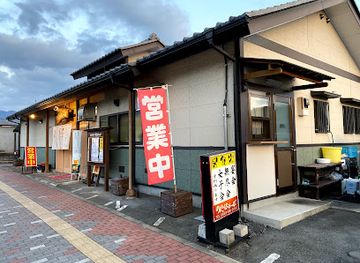
Japanese regional restaurant
のんきばぁーば
Discover the heartwarming flavors of Yamanashi at のんきばぁーば, where traditional Hoto noodles steal the show.
Best bars in Yamanashi
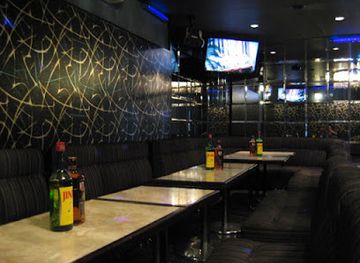
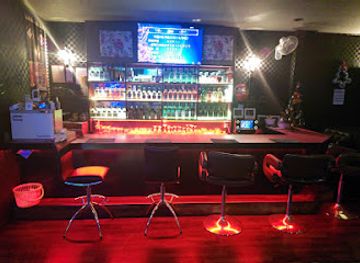
Yamanashi is not a major nightlife destination, and evenings are generally quieter than in Tokyo or Yokohama. Kōfu has the prefecture's broadest selection of izakaya, bars and late-opening restaurants, particularly around the central station area, while Fujiyoshida and Lake Kawaguchi offer a smaller range of casual bars and dining venues for visitors staying near the Fuji Five Lakes. Wine bars, tasting rooms and restaurants associated with the Koshu wine region may provide a more distinctive evening experience, though availability depends on the individual establishment and season. In rural valleys, hot-spring towns and lakeside settlements, the evening atmosphere is usually centred on accommodation dining, local restaurants and traditional inns rather than clubs or organised entertainment. Visitors should not expect substantial nightlife near mountain trailheads, caves or remote natural attractions.
-
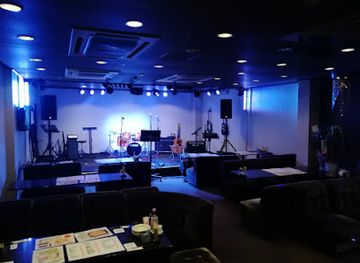
Bar
音酒場キーストーン
Discover the lively nightlife and unique drinks at 音酒場キーストーン, a bar in Fuefuki, Yamanashi that captures the essence of Japanese social culture.
-
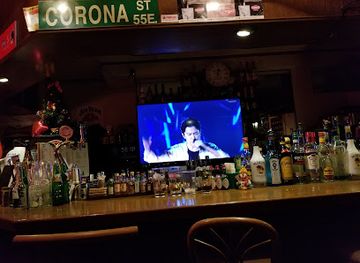
Bar
L.River
Discover L.River, a cozy bar in Yamanashi offering a delightful selection of local drinks and a warm, inviting ambiance perfect for relaxation and socializing.
-
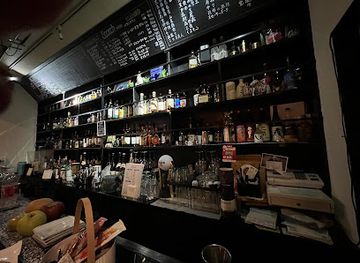
Bar
shot bar & cafe maret みずき
Discover the charm of Shot Bar & Cafe Maret みずき, a perfect blend of local flavors and inviting ambiance in Yamanashi, Japan.
-
Bar
Paradise
Experience the vibrant nightlife of Fuefuki at Paradise, a cozy bar offering local drinks and a welcoming atmosphere.
Best nightclubs in Yamanashi
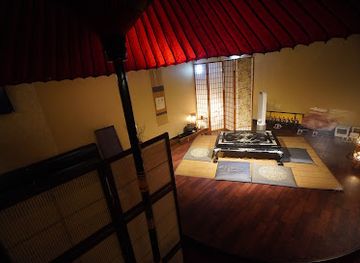
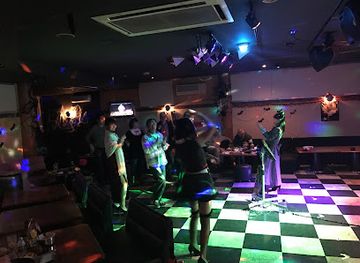
Yamanashi is not a major nightlife destination, and evenings are generally quieter than in Tokyo or Yokohama. Kōfu has the prefecture's broadest selection of izakaya, bars and late-opening restaurants, particularly around the central station area, while Fujiyoshida and Lake Kawaguchi offer a smaller range of casual bars and dining venues for visitors staying near the Fuji Five Lakes. Wine bars, tasting rooms and restaurants associated with the Koshu wine region may provide a more distinctive evening experience, though availability depends on the individual establishment and season. In rural valleys, hot-spring towns and lakeside settlements, the evening atmosphere is usually centred on accommodation dining, local restaurants and traditional inns rather than clubs or organised entertainment. Visitors should not expect substantial nightlife near mountain trailheads, caves or remote natural attractions.
-
Night club
はんなりJapanese Modern Club
Immerse yourself in the lively atmosphere of はんなりJapanese Modern Club, Fuefuki's top destination for modern nightlife and vibrant entertainment.
-
Night club
Akari
Experience the electrifying nightlife of Akari in Fuefuki, where vibrant music and a lively atmosphere come together for an unforgettable evening.
-
Night club
ラウンジ台北
Discover the lively atmosphere of ラウンジ台北, Yamanashi's premier night club offering unforgettable music and dance experiences.
-
Night club
スナック港
Discover the vibrant nightlife at スナック港, a lively night club in Fuefuki, Yamanashi, offering an authentic Japanese experience.
Best shops in Yamanashi
Shopping in Yamanashi is regional and practical rather than concentrated in a single destination-wide retail district. Kōfu provides the widest choice of department stores, specialist shops and food retailers, while Fujiyoshida and Lake Kawaguchi have visitor-oriented shops selling Fuji-themed gifts, local food and outdoor equipment. Koshu wine, grape products, peaches and other seasonal produce are widely associated with the prefecture, particularly around Katsunuma and the Kōfu Basin, although availability follows the agricultural calendar. Yamanashi is also known for jewellery and stone-working traditions in Kōfu, with shops and workshops offering locally produced or regionally marketed pieces. Handcrafted textiles, including fabrics and kimono-related work, can be encountered through specialist cultural venues. In rural areas, farm stands and small shops may be the main retail options, so larger purchases are easier in the principal towns.
-
Shopping mall
Koshu Yume Kouji
Discover the vibrant shopping and cultural experiences at Koshu Yume Kouji, a unique destination in Kofu, Yamanashi, perfect for tourists.
-
Grocery store
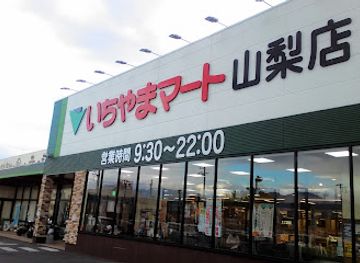
Ichiyama Mart Yamanashi
Explore local flavors and fresh produce at Ichiyama Mart Yamanashi, your gateway to Yamanashi's culinary delights.
-
Shopping mall
Across Plaza Yamanashi
Explore Across Plaza Yamanashi, the ultimate shopping mall in Yamanashi, Japan, blending shopping, dining, and entertainment in a vibrant atmosphere.
-
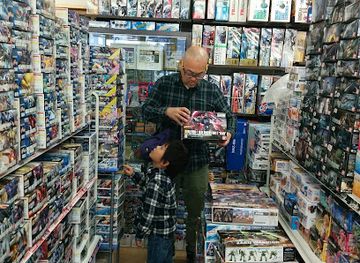
Model shop
くぼたニコニコ堂
Discover the charm of くぼたニコニコ堂, a hidden gem in Yamanashi offering exquisite models and musical instruments for enthusiasts and collectors alike.
Get your free copy of our complete guide to Yamanashi, delivered straight to you.
Everything on this page, from attractions and restaurants to essentials and local phrases, in one PDF you can read offline, print or share.
Already have an account? Sign in
Your Yamanashi guide is ready.
We'll send it to · Not you? Sign out

Getting your guide ready…
We are putting together a fresh copy of the Yamanashi guide. This can take up to a minute.
This can take a few moments. If your browser asks, choose Allow so the download can start. You'll find the guide in your Downloads folder.
Nothing happened? Download it again
Sorry, the guide is taking longer than usual. Please try again in a minute, or get it by email instead.
Yamanashi essentials
Currency and Payment
Safety
Emergency Situations
Do's and Don'ts
Local Tips
From Eve
Local phrases worth knowing
You don't need to get them perfect. A few words go a long way, and locals appreciate the effort.
Basics
| English | Local | Say it |
|---|---|---|
| Hello | こんにちは | [Konnichiwa] |
| Goodbye | さようなら | [Sayonara] |
| Yes | はい | [Hai] |
| No | いいえ | [Iie] |
| Please/You're welcome | どうぞ | [Douzo] |
| Thank you | ありがとう | [Arigatou] |
| Excuse me/Sorry | すみません | [Sumimasen] |
| How are you? | お元気ですか? | [Ogenki desu ka?] |
| Fine. And you? | 元気です。あなたは? | [Genki desu. Anata wa?] |
| Do you speak English? | 英語を話せますか? | [Eigo o hanasemasu ka?] |
| I don't understand | わかりません | [Wakarimasen] |
Eating & Drinking
| English | Local | Say it |
|---|---|---|
| I'd like to see the menu, please | メニューを見せてください | [Menyu o misete kudasai] |
| I don't eat meat | 肉は食べません | [Niku wa tabemasen] |
| Cheers! | 乾杯! | [Kanpai] |
| I would like to pay, please | お会計をお願いします | [Okaikei o onegaishimasu] |
Emergencies
| English | Local | Say it |
|---|---|---|
| Help! | 助けて! | [Tasukete!] |
| Go away! | 行って! | [Itte!] |
| Call the Police! | 警察を呼んで! | [Keisatsu o yonde!] |
| Call a doctor! | 医者を呼んで! | [Isha o yonde!] |
| I'm lost | 道に迷っています | [Michi ni mayotte imasu] |
| I'm ill | 具合が悪いです | [Guai ga warui desu] |
Shopping
| English | Local | Say it |
|---|---|---|
| I'd like to buy... | 買いたいです... | [Kaitai desu...] |
| I'm just looking | 見てるだけです | [Miteru dake desu] |
| How much is it? | いくらですか? | [Ikura desu ka?] |
| That's too expensive | それは高すぎます | [Sore wa takasugimasu] |
| Can you lower the price? | 値段を下げてもらえますか? | [Nedan o sagete moraemasu ka?] |
Time & Numbers
| English | Local | Say it |
|---|---|---|
| What time is it? | 今何時ですか? | [Ima nanji desu ka?] |
| It's one o'clock | 1時です | [Ichiji desu] |
| Half past (10) | 10時半 | [Juji han] |
| Morning | 朝 | [Asa] |
| Afternoon | 午後 | [Gogo] |
| Evening | 夕方 | [Yuugata] |
| Yesterday | 昨日 | [Kinou] |
| Today | 今日 | [Kyou] |
| Tomorrow | 明日 | [Ashita] |
| 1 | 一 | [Ichi] |
| 2 | 二 | [Ni] |
| 3 | 三 | [San] |
| 4 | 四 | [Shi] |
| 5 | 五 | [Go] |
| 6 | 六 | [Roku] |
| 7 | 七 | [Nana] |
| 8 | 八 | [Hachi] |
| 9 | 九 | [Kyu] |
| 10 | 十 | [Ju] |
Transport & Directions
| English | Local | Say it |
|---|---|---|
| Where's a/the...? | ...はどこですか? | [...wa doko desu ka?] |
| What's the address? | 住所は何ですか? | [Juusho wa nan desu ka?] |
| Can you show me (on the map)? | 地図で見せてもらえますか? | [Chizu de misete moraemasu ka?] |
| When's the next (bus)? | 次の(バス)はいつですか? | [Tsugi no (basu) wa itsu desu ka?] |
| A ticket (to ....) | チケット(へ...) | [Chiketto (e...)] |
History of Yamanashi
Volcanic Foundations and Mountain Geography
Yamanashi's physical identity was built by volcanic and tectonic forces. Mount Fuji dominates the south-eastern part of the prefecture, while the Southern Alps and other mountain ranges enclose the Kōfu Basin. Lava flows, springs and forested volcanic terrain have influenced settlement, agriculture and water use for centuries. The Fuji Five Lakes formed in the mountain's foothills, and their landscapes became closely connected with pilgrimage, local livelihoods and later tourism. This geological setting remains central to understanding the contrast between high mountains, enclosed basins, river valleys and fertile orchard country.
Kai Province and Medieval Power
Much of present-day Yamanashi corresponds to the historic province of Kai. From the medieval period, Kai was associated particularly with the Takeda clan, whose most famous leader, Takeda Shingen, governed a powerful domain during Japan's Sengoku era. Kōfu developed as the political centre of the region, and temples, shrines and castle-related sites preserve elements of this history. Kai's enclosed geography encouraged strong regional identities while mountain passes connected it with neighbouring provinces. The legacy of the Takeda period continues in local festivals, place names and heritage interpretation, although the surviving remains are often fragmentary rather than monumental.
Pilgrimage, Agriculture and Local Communities
Mount Fuji has long been a sacred presence in Yamanashi. Pilgrims approached the mountain through settlements and shrine routes, while the Fuji Five Lakes area developed religious associations alongside fishing, farming and forestry. In the Kōfu Basin, irrigation and careful cultivation supported vineyards and orchards, helping agriculture adapt to the region's climate and limited flat land. Temple complexes such as Erin-ji and Kai Zenko-ji reflect the importance of Buddhism and local patronage. Villages, farm landscapes and historic roads still show how communities worked within a mountainous environment rather than treating it simply as scenery.
Modern Transport and the Rise of Wine
Improved roads and railways transformed Yamanashi's relationship with Tokyo and neighbouring prefectures during the modern period. Tourism expanded around Mount Fuji, the lakes, hot-spring settlements and scenic valleys, while fruit cultivation and wine-making became increasingly visible parts of the regional economy. Katsunuma and surrounding areas developed a particularly strong wine identity, building on grape cultivation and the introduction of Western-style wine production in the Meiji era. Modern visitors therefore encounter a prefecture where agricultural landscapes, excursion travel and mountain recreation developed together rather than in separate phases.
Conservation and Contemporary Tourism
The protection and interpretation of Mount Fuji, its forests, lakes and surrounding cultural sites have become increasingly important as visitor numbers and recreational use have grown. Mount Fuji was inscribed as a UNESCO World Cultural Heritage site in 2013 for its cultural significance, a designation that includes related shrines, pilgrimage routes and artistic associations rather than only the summit. Yamanashi continues to balance access with environmental care in places such as Aokigahara, the Fuji Five Lakes and high mountain areas. Contemporary tourism now combines heritage visits, outdoor activity, fruit agriculture, wine and landscape conservation.
Yamanashi in Photos
Browse through our photo collection highlighting the charm and character of the destination.
Cities in Yamanashi
The towns and cities of Yamanashi, and the easiest places to base yourself.

Swipe for more cities
Neighbouring destination travel guides
The closest destinations to Yamanashi, if you have time for more than one.
-

-

-

-

-


Swipe for more destinations
Explore more

Explore more of Kai
Explore Kai in Japan for Mount Fuji views, mountain trails, historic Kofu, Koshu vineyards, seasonal fruit and hearty regional cuisine.
Explore Kai
Explore more of Japan
Discover the harmony of tradition and modernity in Japan, where ancient temples and cutting-edge technology coexist in perfect balance.
Explore Japan