

Free Kai Travel Guide & Mobile App
Explore Kai with free travel guides. Discover regional history, expert tips, proposed trips, and audio guides on web or mobile app.


Explore Kai in Japan for Mount Fuji views, mountain trails, historic Kofu, Koshu vineyards, seasonal fruit and hearty regional cuisine.
Read more about Kai
When is the best time to visit Kai?
Best: April–May, October · 19–24°C| Month | High (°C) | Rainfall (mm) |
|---|---|---|
| January | 8 | 50 |
| February | 8 | 52 |
| March | 13 | 88 |
| April (best) | 19 | 113 |
| May (best) | 24 | 115 |
| June | 28 | 160 |
| July | 30 | 166 |
| August | 31 | 140 |
| September | 27 | 197 |
| October (best) | 21 | 130 |
| November | 15 | 84 |
| December | 8 | 42 |
Getting to and around Kai
How to get there
Transportation
Destinations in Kai
Resorts, valleys and scenic spots worth a trip of their own.

Swipe for more destinations
Best attractions in Kai
Kai's attractions range from urban history to highland landscapes. Kofu provides the Takeda Shrine, museums and access to the castle-town history of the basin, while nearby Erin-ji and other temples connect the Koshu area with the Takeda period. Katsunuma is the centre of vineyard tourism, with tastings, cellar visits and seasonal views across cultivated slopes. Around the Fuji Five Lakes, lakeside walks, boat trips, cycling and clear-day views of Mount Fuji form the main appeal, complemented by major shrines and traditional cultural sites in Fujiyoshida. The northern foothills around Yatsugatake and Kiyosato offer hiking, riding, farm visits and cooler summer conditions. In the west, the Minami-Alps and Hayakawa districts provide hot springs, forested valleys and access to demanding mountain routes. Fruit orchards, farm stands and rural drives are attractions in their own right, especially during grape and peach seasons. Kai's visitor landscape is therefore less about a single concentrated resort and more about moving between basin towns, agricultural slopes, historic sites and mountain environments.
-
Theme park
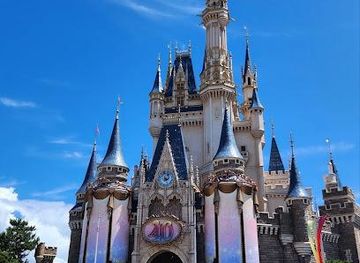
Tokyo Disneyland
Discover the magic of Tokyo Disneyland in Chiba, where enchanting attractions and beloved characters create unforgettable memories for visitors of all ages.
-
Theme park
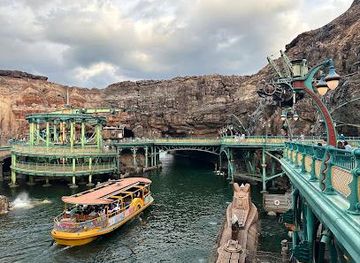
Tokyo DisneySea
Discover the wonder of Tokyo DisneySea, where maritime adventures await amidst enchanting attractions and captivating shows.
-
 Tourist attraction
Osaka Aquarium Kaiyukan
Explore the mesmerizing depths of the Osaka Aquarium Kaiyukan, home to breathtaking marine life and immersive exhibits that educate and inspire.
-
Buddhist temple
Kaminarimon
Discover the iconic Kaminarimon, a stunning gateway to Tokyo's Senso-ji Temple, where history, culture, and spirituality converge in vibrant Asakusa.
Best landmarks in Kai
Mount Fuji is Kai's defining natural landmark, particularly when seen from the Fuji Five Lakes or the northern shores of Lake Kawaguchi. In Kofu, Takeda Shrine occupies the site associated with Takeda Shingen and serves as the region's most recognisable historical reference point. Erin-ji in Koshu is an important temple connected with the Takeda legacy, while the Kitaguchi Hongu Fuji Sengen-jinja in Fujiyoshida marks a historic approach to the sacred mountain and is notable for its forested shrine setting. The Kofu Basin itself is a geographical landmark, enclosed by mountain ranges and patterned with vineyards and orchards. Yatsugatake's volcanic foothills create a contrasting northern horizon, and the Southern Alps dominate the western skyline with high peaks and deep valleys. Traditional temple precincts, old route settlements and vineyard slopes complete a landscape in which natural form and historical movement are closely linked.
-
Shinto shrine
Fushimi Inari Taisha
Explore Kyoto's iconic Shinto shrine: a vibrant tunnel of thousands of vermilion torii gates winding up the sacred Mount Inari.
-
Observation deck
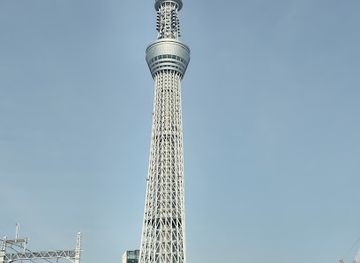
Tokyo Skytree
Experience breathtaking panoramic views from Japan's tallest structure, a symbol of Tokyo's modern spirit and innovative design.
-
Observation deck
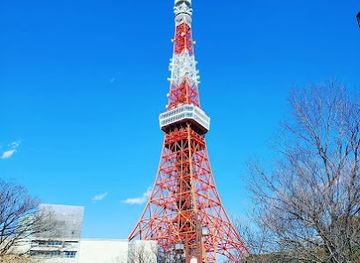
Tokyo Tower
Experience panoramic Tokyo views from this iconic symbol of Japan's post-war rebirth, featuring observation decks and entertainment.
-
Buddhist temple
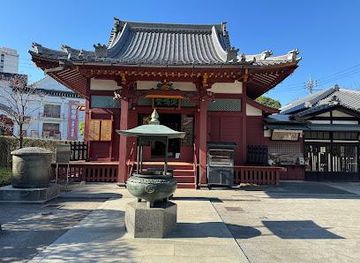
Sensō-ji
Explore Tokyo's oldest temple, Sensō-ji: a vibrant center of Buddhist worship with iconic gates, traditional markets, and a rich cultural history.

Explore Kai on the map
Plan your trip on one map. See where the top cities, national parks and sights are, and book hotels and experiences in a few clicks.
Best hotels in Kai
Best restaurants in Kai
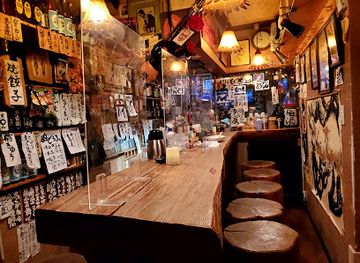
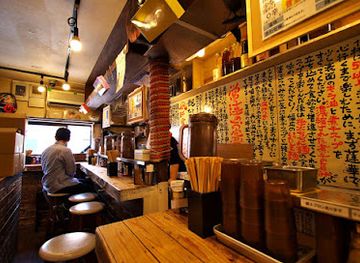
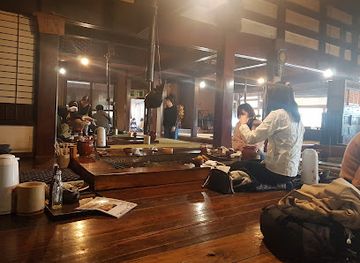
Dining in Kai is closely tied to the Kofu Basin's agriculture and mountain climate. Hoto, broad flat noodles cooked with vegetables in a miso-based broth, is the region's best-known local dish and is commonly served in specialist restaurants and traditional eateries. Seasonal grapes, peaches and plums appear at farm stands, cafés and desserts, while Koshu wine provides the most distinctive local drink tradition. Restaurants may also feature freshwater fish, locally raised meats and produce from the surrounding valleys, though menus vary by district. Kofu has the widest choice of izakaya, cafés and contemporary restaurants; vineyard country adds cellar restaurants and tasting-oriented venues; and mountain settlements tend towards soba shops, family-run diners, hot-spring inns and rural restaurants. Farmers' markets and direct-sales stalls are useful for understanding the region's produce, particularly in summer and early autumn. As in the rest of Japan, service charges and dining customs vary by establishment, but tipping is generally unnecessary.
-
Cafe
Owl Cafe Tokyo
Whisper among wise owls in Akihabara's elegant sanctuary, where soft feathers and Mozart heal hurried hearts in a truly enchanting, therapeutic escape.
-
Tourist attraction
Shinjuku Golden-Gai
Experience the eclectic nightlife of Shinjuku Golden-Gai with its unique bars and delicious ramen restaurants in the heart of Tokyo.
-
Ramen
Ramen Nagi - Shinjuku Golden-gai Honkan
Experience authentic niboshi ramen at Ramen Nagi in Shinjuku's Golden-gai district—a must-visit destination for noodle enthusiasts.
-
Kushiyaki restaurant
Sanrokuen
Experience authentic Japanese flavors at Sanrokuen, a cozy kushiyaki restaurant nestled near scenic Lake Kawaguchi.

Best bars in Kai
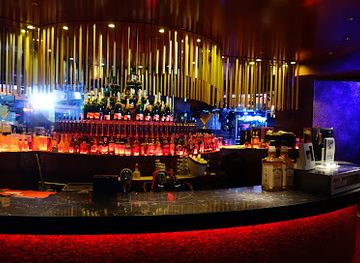
Kai's evening life is concentrated in Kofu rather than spread across a large regional club scene. Around the city centre, visitors find izakaya, small bars, karaoke venues and restaurants where local wine and seasonal food are part of the evening. Koshu and the surrounding vineyard districts focus more on winery tastings, dining and accommodation than late-night entertainment, and many rural venues close relatively early. The Fuji Five Lakes have bars and restaurants aimed at visitors, particularly in larger resort settlements, but the atmosphere is generally quieter outside peak seasons. Traditional pubs and food-led establishments are often more representative of the region than nightclubs. Visitors staying in mountain or hot-spring areas should check transport arrangements in advance, since local buses may finish early and taxis can be limited at night.
-
Cocktail bar
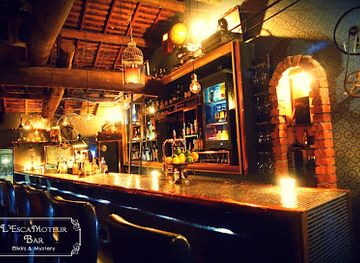
L'Escamoteur
Experience the enchantment of cocktail artistry at L'Escamoteur, a magical bar in the heart of Kyoto, where each drink tells a story.
-
Cocktail bar
Bar Nayuta
Discover the essence of Osaka's nightlife at Bar Nayuta, where expertly crafted cocktails and a vibrant atmosphere await.
-
Bar
The SG Club
Discover the vibrant spirit of Tokyo nightlife at The SG Club, a premier cocktail bar in Shibuya known for innovative drinks and stylish ambiance.
-
Grill
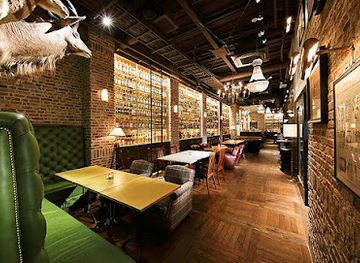
TOKYO Whisky Library
Explore the luxurious world of whiskies at TOKYO Whisky Library, where every sip tells a story and culinary delights await.
Best nightclubs in Kai
Kai's evening life is concentrated in Kofu rather than spread across a large regional club scene. Around the city centre, visitors find izakaya, small bars, karaoke venues and restaurants where local wine and seasonal food are part of the evening. Koshu and the surrounding vineyard districts focus more on winery tastings, dining and accommodation than late-night entertainment, and many rural venues close relatively early. The Fuji Five Lakes have bars and restaurants aimed at visitors, particularly in larger resort settlements, but the atmosphere is generally quieter outside peak seasons. Traditional pubs and food-led establishments are often more representative of the region than nightclubs. Visitors staying in mountain or hot-spring areas should check transport arrangements in advance, since local buses may finish early and taxis can be limited at night.
-
Night club
TK
Discover the electrifying atmosphere of TK Nightclub in Shibuya, Tokyo, where vibrant music and unforgettable nights await.
-
Night club
Kujira Entertainment
Discover the ultimate nightlife experience at Kujira Entertainment, where cocktails, cuisine, and captivating entertainment converge in Shinjuku.
-
Night club
WOMB
Experience the vibrant nightlife of Tokyo at WOMB, a premier nightclub in Shibuya known for its live music and electrifying dance atmosphere.
-
Night club
1 OAK TOKYO
Discover the electrifying nightlife of Tokyo at 1 OAK, where world-class DJs and a vibrant atmosphere create unforgettable experiences.


Best shops in Kai
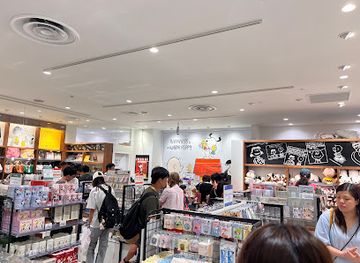
Shopping in Kai is strongest in Kofu, the region's principal commercial centre, where department stores, independent shops, food halls and everyday Japanese retail are concentrated. The wider basin is better suited to buying local produce directly: wineries sell Koshu wines, orchards offer seasonal grapes and peaches, and farm stands stock preserves, dried fruit and other agricultural products. Katsunuma is the most obvious area for wine-related purchases, while roadside shops and markets across Yamanashi provide practical opportunities to buy fruit in season. Traditional crafts and regional food products are more useful souvenirs than generic goods, with local sweets, miso, noodles and bottled wine widely available. Shopping in the Fuji Five Lakes tends to combine tourist-oriented foods and gifts with outdoor equipment and small independent stores. Rural opening arrangements can be limited, so visitors should shop during the day and carry suitable packaging or a plan for transporting bottles and fresh produce.
-
Department store
SEIBU Ikebukuro Main Store
Experience Tokyo's retail heart at SEIBU Ikebukuro Main Store, featuring top brands, gourmet food, and cultural events.
-
Department store
Daimaru Shinsaibashi
Discover the ultimate shopping experience at Daimaru Shinsaibashi, Osaka's iconic department store featuring luxury brands, gourmet food, and local culture.
-
Shopping mall
DECKS
Discover shopping, dining, and entertainment at DECKS in Odaiba, Tokyo - a must-visit destination for tourists exploring the city.
-
Shopping mall
Futako-Tamagawa Rise Shopping Center
Experience the ultimate shopping adventure at Futako-Tamagawa Rise, Tokyo's stylish shopping center with diverse dining and entertainment options.



Get your free copy of our complete guide to Kai, delivered straight to you.
Everything on this page, from attractions and restaurants to essentials and local phrases, in one PDF you can read offline, print or share.
Already have an account? Sign in
Your Kai guide is ready.
We'll send it to · Not you? Sign out

Getting your guide ready…
We are putting together a fresh copy of the Kai guide. This can take up to a minute.
This can take a few moments. If your browser asks, choose Allow so the download can start. You'll find the guide in your Downloads folder.
Nothing happened? Download it again
Sorry, the guide is taking longer than usual. Please try again in a minute, or get it by email instead.
Kai essentials
Currency and Payment
Safety
Emergency Situations
Do's and Don'ts
Local Tips
From Eve
Local phrases worth knowing
You don't need to get them perfect. A few words go a long way, and locals appreciate the effort.
Basics
| English | Local | Say it |
|---|---|---|
| Hello | こんにちは | [Konnichiwa] |
| Goodbye | さようなら | [Sayōnara] |
| Yes | はい | [Hai] |
| No | いいえ | [Iie] |
| Please/You're welcome | お願いします/どういたしまして | [Onegaishimasu/Dōitashimashite] |
| Thank you | ありがとう | [Arigatō] |
| Excuse me/Sorry | すみません/ごめんなさい | [Sumimasen/Gomen nasai] |
| How are you? | お元気ですか? | [Ogenki desu ka?] |
| Fine. And you? | 元気です。あなたは? | [Genki desu. Anata wa?] |
| Do you speak English? | 英語を話せますか? | [Eigo o hanasemasu ka?] |
| I don't understand | わかりません | [Wakarimasen] |
Eating & Drinking
| English | Local | Say it |
|---|---|---|
| I'd like to see the menu, please | メニューを見せてください | [Menyū o misete kudasai] |
| I don't eat meat | 肉は食べません | [Niku wa tabemasen] |
| Cheers! | 乾杯! | [Kanpai!] |
| I would like to pay, please | お会計をお願いします | [Okaikei o onegaishimasu] |
Emergencies
| English | Local | Say it |
|---|---|---|
| Help! | 助けて! | [Tasukete!] |
| Go away! | どこかへ行って! | [Doko ka e itte!] |
| Call the Police! | 警察を呼んで! | [Keisatsu o yonde!] |
| Call a doctor! | 医者を呼んで! | [Isha o yonde!] |
| I'm lost | 迷子になりました | [Maigo ni narimashita] |
| I'm ill | 具合が悪いです | [Guai ga warui desu] |
Shopping
| English | Local | Say it |
|---|---|---|
| I'd like to buy... | …を買いたいです | [… o kaitai desu] |
| I'm just looking | 見ているだけです | [Mite iru dake desu] |
| How much is it? | これはいくらですか? | [Kore wa ikura desu ka?] |
| That's too expensive | それは高すぎます | [Sore wa takasugimasu] |
| Can you lower the price? | 値段を下げてもらえますか? | [Nedan o sagete moraemasu ka?] |
Time & Numbers
| English | Local | Say it |
|---|---|---|
| What time is it? | 今何時ですか? | [Ima nanji desu ka?] |
| It's one o'clock | 1時です | [1 ji desu] |
| Half past (10) | 10時半です | [10 ji han desu] |
| Morning | 朝 | [Asa] |
| Afternoon | 午後 | [Gogo] |
| Evening | 夕方 | [Yūgata] |
| Yesterday | 昨日 | [Kinō] |
| Today | 今日 | [Kyō] |
| Tomorrow | 明日 | [Ashita] |
| 1 | 1 | [1] |
| 2 | 2 | [2] |
| 3 | 3 | [3] |
| 4 | 4 | [4] |
| 5 | 5 | [5] |
| 6 | 6 | [6] |
| 7 | 7 | [7] |
| 8 | 8 | [8] |
| 9 | 9 | [9] |
| 10 | 10 | [10] |
Transport & Directions
| English | Local | Say it |
|---|---|---|
| Where's a/the...? | …はどこですか? | [… wa doko desu ka?] |
| What's the address? | 住所は何ですか? | [Jūsho wa nan desu ka?] |
| Can you show me (on the map)? | 地図で見せてくれますか? | [Chizu de misete kuremasu ka?] |
| When's the next (bus)? | 次の(バス)はいつですか? | [Tsugi no (basu) wa itsu desu ka?] |
| A ticket (to ....) | …への切符 | [… e no kippu] |
History of Kai
Early Settlement and Kai's Ancient Province
Kai developed as an inland province in the mountainous centre of Honshu, with settlement concentrated in river valleys and the Kofu Basin. Ancient routes connected the area with neighbouring provinces across difficult passes, while agriculture depended on managing the basin's rivers and productive alluvial land. Archaeological remains, including prehistoric settlement sites and burial mounds, indicate long occupation before the formation of the medieval warrior governments. The province's geography helped create a distinct regional identity while also making transport and political control dependent on a limited number of mountain corridors.
The Takeda Clan and Sixteenth-Century Kai
Kai is most strongly associated with the Takeda clan, particularly Takeda Shingen, who ruled from the Kofu area during the sixteenth century. Shingen expanded his authority beyond Kai and became one of the leading warlords of the Sengoku period. His administration invested in flood-control works, roads and military organisation, while his campaigns linked the province to wider struggles for control of central Japan. The Takeda legacy remains visible at Takeda Shrine in Kofu, Erin-ji in Koshu and in the historical memory of the region, although later political authorities reshaped Kai after the clan's defeat.
Castles, Temples and Early-Modern Administration
Following the upheavals of the late sixteenth century, Kai was incorporated into the political order established by Toyotomi Hideyoshi and then the Tokugawa shogunate. Kofu became an important castle town and administrative centre, while temples and shrines continued to anchor local communities. The Koshu Kaido and other routes connected Kai with Edo, modern Tokyo, allowing movement of people, goods and officials through the mountains. The province remained landlocked, but its position between eastern and central Japan gave its roads strategic importance.
Silk, Mining and Agricultural Development
During the Edo period and into the modern era, Kai's economy rested on agriculture adapted to its basin and valleys, including sericulture, grain growing and fruit cultivation. Silk production connected rural households to wider commercial networks, while mineral resources in the mountains supported mining activity. Irrigation and river-control projects were essential because the Kofu Basin was fertile but vulnerable to flooding. These industries helped shape settlement patterns and local commerce before the region's modern economy became increasingly associated with fruit, wine, tourism and services.
Railways and the Modernisation of Yamanashi
Railway construction in the late nineteenth and early twentieth centuries reduced Kai's physical isolation and strengthened links with Tokyo and neighbouring prefectures. The Chuo Main Line gave Kofu and the eastern basin a direct connection towards the capital, while branch lines and road improvements opened further valleys and market towns. Modern Yamanashi Prefecture inherited the historical core of Kai, even though its administrative boundaries and institutions belong to the modern Japanese state. Transport made it easier to commercialise grapes, peaches and other crops and encouraged the growth of Kofu as a regional centre.
The Rise of Koshu Wine and Orchard Culture
Grape growing has deep roots in the Katsunuma area, while modern wine production developed through the adoption of European techniques during Japan's modernisation. The Koshu grape became particularly associated with Yamanashi's vineyards and is used for distinctive Japanese white wines. Peach, plum and other fruit orchards also expanded across the sunny slopes around the Kofu Basin. Today, winery visits, harvest-related experiences and direct sales from growers connect Kai's agricultural landscape with contemporary tourism, while preserving the importance of farming to the region's identity.
Kai in Photos
Browse through our photo collection highlighting the charm and character of the destination.
Neighbouring regions of Kai
The closest regions to Kai, if you have time for more than one.
-

-

-

-

-


Swipe for more regions
Explore more

Explore more of Japan
Discover the harmony of tradition and modernity in Japan, where ancient temples and cutting-edge technology coexist in perfect balance.
Explore Japan