

Free Trinity Travel Guide & Mobile App
Plan your Trinity trip with Evendo. Get free guides to top attractions, restaurants, hotels, and bars. Web access or download the mobile app.


Trinity, Jersey: explore rural lanes, Jersey Zoo, Bouley Bay, historic churches and coastal landscapes in a quiet corner of the Channel Islands today.
A Parish of Hedgerows and Coast
Trinity occupies Jersey’s north-eastern interior, where narrow lanes, granite farmhouses and high-banked roads lead towards a rugged coastline. Although it is officially one of the island’s twelve parishes rather than a conventional town, its parish centre has a clear identity centred on Trinity Church, the Royal Jersey Agricultural and Horticultural Society grounds, and a network of country roads that open towards Bouley Bay and the northern headlands. The landscape changes quickly here: sheltered fields and wooded valleys give way to steep coastal slopes, sea views and exposed granite.Read more about Trinity
Wildlife, Gardens and Island Heritage
When is the best time to visit Trinity?
Best: June–August · 22–24°C| Month | High (°C) | Rainfall (mm) |
|---|---|---|
| January | 10 | 85 |
| February | 11 | 76 |
| March | 13 | 66 |
| April | 14 | 55 |
| May | 18 | 46 |
| June (best) | 22 | 35 |
| July (best) | 24 | 29 |
| August (best) | 24 | 32 |
| September | 22 | 38 |
| October | 18 | 48 |
| November | 15 | 57 |
| December | 12 | 68 |
Getting to and around Trinity
How to get there
Transportation
Best attractions in Trinity
Trinity’s attractions are spread through a rural parish rather than gathered around a single civic centre. Jersey Zoo at Les Augrès is the best-known, combining landscaped grounds with Gerald Durrell’s conservation legacy and a continuing emphasis on threatened species. The Eric Young Orchid Foundation offers a horticultural experience in carefully maintained gardens and glasshouses, with its displays reflecting Jersey’s long association with specialist growing. At the Pallot Steam, Motor and General Museum, agricultural machinery, engines and transport provide an accessible account of the island’s working past. Trinity Church and the lanes around the parish centre reveal traditional granite architecture, while Bouley Bay brings visitors to a steep northern coast of harbour, cliffs and open sea. Rural walks link farms, hedgerows and elevated viewpoints, although some routes require care on gradients and uneven ground. Together, these places show Trinity through wildlife, horticulture, engineering, parish life and coastal scenery.
-
Tourist attraction
Eric Young Orchid Foundation
Explore the enchanting Eric Young Orchid Foundation in Jersey, home to a stunning variety of orchids and a sanctuary for plant lovers.
10 min drive · 3.5 km from city centre
-
Tourist attraction
Rozel Harbour
Explore Rozel Harbour: A serene seaside haven in Jersey that combines natural beauty, charming boats, and delightful dining experiences.
9 min drive · 3.0 km from city centre
-
Hiking area
Giffard Bay
Explore Giffard Bay, a breathtaking hiking area in Jersey, perfect for nature enthusiasts seeking stunning coastal views and serene trails.
5 min drive · 1.6 km from city centre


Best landmarks in Trinity
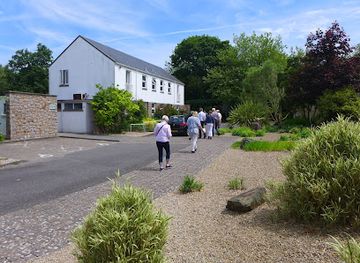
Trinity Church is the parish’s principal historic landmark, its position and dedication expressing the medieval ecclesiastical structure that still shapes Jersey’s landscape. The surrounding churchyard and granite buildings offer a strong sense of the parish’s long rural continuity. At Les Augrès, Jersey Zoo is a cultural landmark as well as a wildlife attraction: it is inseparable from Gerald Durrell’s conservation work and the island’s international environmental profile. Bouley Bay is a natural and cultural landmark, framed by steep slopes and a harbour whose road has become associated with Jersey’s hill-climb motor-racing tradition. The parish’s granite walls, farmhouses and green lanes are less monumental but equally important, preserving the materials and settlement patterns of island life. The Pallot museum adds an industrial dimension through machinery and transport, while the Eric Young Orchid Foundation represents Jersey’s modern horticultural heritage.
-
Zoo
Jersey Zoo
Explore Jersey Zoo, a vibrant wildlife park dedicated to conservation and education, where you can connect with animals from around the globe.
6 min drive · 2.2 km from city centre
-
 Children's camp
Durrell Wildlife Camp
Experience the magic of wildlife at Durrell Wildlife Camp in Jersey, where adventure meets education in a beautiful natural setting.
6 min drive · 2.0 km from city centre
-
Pub
The Trinity Arms
Discover the charm of The Trinity Arms, a cozy pub in Jersey offering delicious local cuisine and a welcoming atmosphere for all visitors.
5 min drive · 1.6 km from city centre
-
Pub
The Rozel Pub & Dining
Experience the charm of The Rozel Pub & Dining in Jersey, where local flavors meet stunning views, perfect for a memorable culinary escape.
9 min drive · 3.1 km from city centre


Explore Trinity on the map
Plan your Trinity trip on one map. See where the top attractions, landmarks, restaurants, bars and hotels are, find what's near where you're staying, and book hotels and experiences in a few clicks.
Best hotels in Trinity
Best restaurants in Trinity
Dining in Trinity is shaped by Jersey’s countryside and proximity to the coast rather than by a large restaurant quarter. Menus across the parish and nearby villages commonly draw on island produce, including Jersey Royal potatoes when in season, dairy products, locally grown vegetables, apples, seafood and the island’s distinctive shellfish and crab traditions. Farm shops and cafés provide opportunities to encounter regional ingredients in informal settings, while traditional pubs and rural restaurants tend to offer British and Channel Island cooking alongside contemporary dishes. Jersey’s Norman-French heritage remains visible in food names and culinary influences, although the everyday scene is broadly varied rather than narrowly regional. For more extensive choice, visitors generally travel towards St Helier, where cafés, international restaurants, bakeries and food shops form the island’s main dining concentration. Reservations and opening arrangements can be particularly important outside the capital and during quieter seasons.
-
Fast Food
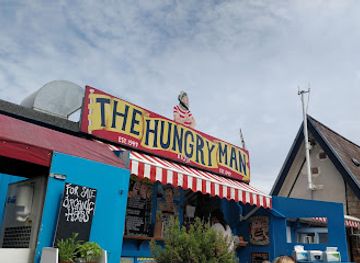
The Hungry Man
Experience delicious fast food at The Hungry Man in Rozel - famous for crab club sandwiches and hearty burgers amidst stunning scenery.
9 min drive · 3.1 km from city centre
-
Restaurant
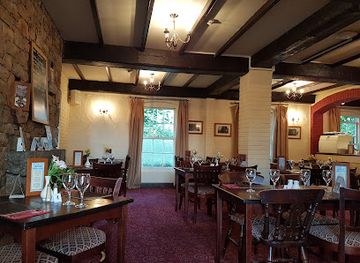
The Trinity Arms
Experience authentic Jersey cuisine at The Trinity Arms, where traditional flavors meet a cozy pub atmosphere.
5 min drive · 1.6 km from city centre
-
Restaurant
The Rozel Pub & Dining
Discover The Rozel Pub & Dining in Jersey: where local flavors meet a cozy atmosphere amidst stunning natural beauty.
9 min drive · 3.1 km from city centre
-
British
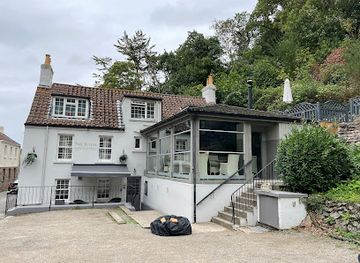
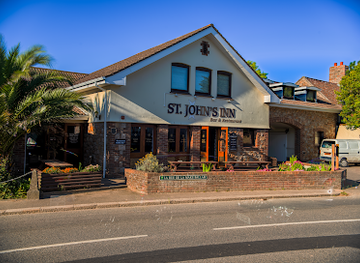
St John's Inn
Discover the heart of British cuisine at St John's Inn in Jersey – where every meal tells a story.
12 min drive · 3.9 km from city centre
Best bars in Trinity
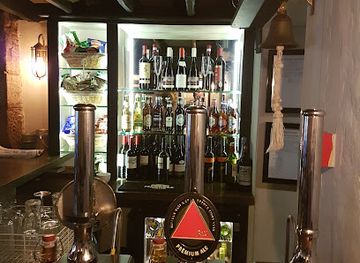
Trinity has a restrained evening scene centred on local pubs, hotel bars, community venues and relaxed meals rather than nightclubs or a dense late-night district. Traditional public houses provide a setting for conversation, televised sport and local social life, while rural restaurants and bars offer quieter evenings surrounded by lanes and farmland. Visitors seeking live music, theatre, cocktail bars or later entertainment will find the broadest choice in St Helier, which is connected to Trinity by road and bus services but may require planning for the return journey. Jersey’s nightlife reflects the island’s relatively small population, with activity influenced by the season and working-week rhythms. Evening walks around rural roads should be approached carefully because lighting and pavements are limited, and transport options become less frequent away from the capital.
-
Pub
The Trinity Arms
Experience the charm of Jersey at The Trinity Arms, a cozy pub offering a delightful menu and a warm atmosphere, perfect for relaxation.
5 min drive · 1.6 km from city centre
-
Pub
The Rozel Pub & Dining
Experience the best of Jersey at The Rozel Pub & Dining, where local flavors meet stunning coastal views in a relaxed atmosphere.
9 min drive · 3.1 km from city centre

Best nightclubs in Trinity
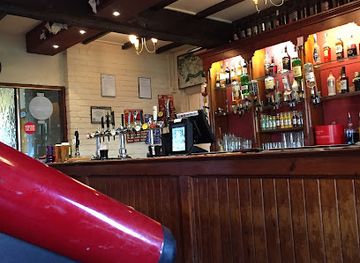
Trinity has a restrained evening scene centred on local pubs, hotel bars, community venues and relaxed meals rather than nightclubs or a dense late-night district. Traditional public houses provide a setting for conversation, televised sport and local social life, while rural restaurants and bars offer quieter evenings surrounded by lanes and farmland. Visitors seeking live music, theatre, cocktail bars or later entertainment will find the broadest choice in St Helier, which is connected to Trinity by road and bus services but may require planning for the return journey. Jersey’s nightlife reflects the island’s relatively small population, with activity influenced by the season and working-week rhythms. Evening walks around rural roads should be approached carefully because lighting and pavements are limited, and transport options become less frequent away from the capital.
-
Pub
The Trinity Arms
Experience the warmth and flavors of Jersey at The Trinity Arms, a charming pub and restaurant in Trinity, known for its delightful menu and inviting atmosphere.
5 min drive · 1.6 km from city centre
-
Youth club
Trinity Youth Club
Discover the vibrant culture of Jersey at Trinity Youth Club, a lively hub for youth engagement, creativity, and community spirit.
17 min walk · 1.4 km from city centre

Best shops in Trinity
Shopping in Trinity is primarily local and agricultural, with farm shops, garden-related retailers and small rural businesses offering a different experience from the main commercial streets of St Helier. Visitors may find Jersey produce such as potatoes, preserves, cider, dairy goods, seasonal fruit and locally made gifts, although stock and opening arrangements vary. Specialist horticultural interests are particularly well represented through the parish’s association with orchids, nurseries and cultivated plants. For a broader selection of independent boutiques, department stores, jewellery, galleries and island food retailers, St Helier is the principal destination. Jersey’s traditional crafts and granite heritage also appear in souvenirs and small-scale artisan goods, but visitors should distinguish genuinely local products from generic island-themed merchandise. Markets and farm outlets are often most rewarding when approached as part of a countryside itinerary rather than as a dedicated shopping district.
-
Charity
Durrell Charity Shop
Uncover unique treasures at the Durrell Charity Shop, where every purchase supports wildlife conservation in Jersey.
6 min drive · 2.1 km from city centre
-
Thrift store
Acorn Enterprises
Discover Acorn Enterprises: Jersey's charming thrift store, cafe, and garden center offering sustainable goods and delightful treats.
5 min drive · 1.5 km from city centre
-
Farm shop
Woodside Farm
Discover local produce and artisanal delights at Woodside Farm, a charming farm shop in the heart of Jersey's picturesque countryside.
5 min drive · 1.7 km from city centre
-
Gas station
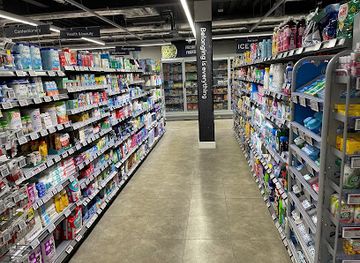
Coop En Route Trinity
Discover the perfect blend of convenience and quality at Coop En Route Trinity, Jersey's ultimate gas station and supermarket.
12 min drive · 3.9 km from city centre


Get your free copy of our complete guide to Trinity, delivered straight to you.
Everything on this page, from attractions and restaurants to essentials and local phrases, in one PDF you can read offline, print or share.
Already have an account? Sign in
Your Trinity guide is ready.
We'll send it to · Not you? Sign out

Getting your guide ready…
We are putting together a fresh copy of the Trinity guide. This can take up to a minute.
This can take a few moments. If your browser asks, choose Allow so the download can start. You'll find the guide in your Downloads folder.
Nothing happened? Download it again
Sorry, the guide is taking longer than usual. Please try again in a minute, or get it by email instead.
Trinity essentials
Currency and Payment
Safety
Emergency Situations
Do's and Don'ts
Local Tips
From Eve
Local phrases worth knowing
You don't need to get them perfect. A few words go a long way, and locals appreciate the effort.
Basics
| English | Local | Say it |
|---|---|---|
| Hello | Bonjour | [bon-ju] |
| Goodbye | Au revoir | [oh rev-war] |
| Yes | Oui | [wee] |
| No | Non | [non] |
| Please/You're welcome | S'il vous plaît | [seel voo pleh] |
| Thank you | Merci | [mer-see] |
| Excuse me/Sorry | Pardon | [par-dohn] |
| How are you? | Comment ça va? | [koh-mohn sah vah] |
| Fine. And you? | Bien. Et toi? | [byen. eh twah] |
| Do you speak English? | Parlez-vous anglais? | [par-lay voo ahn-glay] |
| I don't understand | Je ne comprends pas | [zhuh nuh kohn-prahnd pah] |
Eating & Drinking
| English | Local | Say it |
|---|---|---|
| I'd like to see the menu, please | Je voudrais voir le menu, s'il vous plaît | [zhuh voo-dray vwahr luh meh-new, seel voo pleh] |
| I don't eat meat | Je ne mange pas de viande | [zhuh nuh mahnj pah duh vee-and] |
| Cheers! | Santé! | [san-tay] |
| I would like to pay, please | Je voudrais payer, s'il vous plaît | [zhuh voo-dray pay-yay, seel voo pleh] |
Emergencies
| English | Local | Say it |
|---|---|---|
| Help! | À l'aide! | [ah layd] |
| Go away! | Allez-vous en! | [ah-lay voo ahn] |
| Call the Police! | Appelez la police! | [ah-puh-lay lah poh-leece] |
| Call a doctor! | Appelez un médecin! | [ah-puh-lay uh mayd-sahn] |
| I'm lost | Je suis perdu | [zhuh swee pair-doo] |
| I'm ill | Je suis malade | [zhuh swee mah-lahd] |
Shopping
| English | Local | Say it |
|---|---|---|
| I'd like to buy... | Je voudrais acheter... | [zhuh voo-dray zah-shtay] |
| I'm just looking | Je regarde juste | [zhuh ruh-gard zhust] |
| How much is it? | Combien ça coûte? | [kohn-byen sah koot] |
| That's too expensive | C'est trop cher | [say troh shair] |
| Can you lower the price? | Pouvez-vous baisser le prix? | [poo-veh voo bay-say luh pree] |
Time & Numbers
| English | Local | Say it |
|---|---|---|
| What time is it? | Quelle heure est-il? | [kel uhr ay-teel] |
| It's one o'clock | Il est une heure | [eel ay tewn uhr] |
| Half past (10) | Dix et demie | [dees ay duh-mee] |
| Morning | Matin | [mah-tan] |
| Afternoon | Après-midi | [ah-pray mee-dee] |
| Evening | Soir | [swar] |
| Yesterday | Hier | [ee-air] |
| Today | Aujourd'hui | [oh-zhoor-dwee] |
| Tomorrow | Demain | [duh-mahn] |
| 1 | Un | [uhn] |
| 2 | Deux | [duh] |
| 3 | Trois | [twah] |
| 4 | Quatre | [kat] |
| 5 | Cinq | [sank] |
| 6 | Six | [sees] |
| 7 | Sept | [set] |
| 8 | Huit | [wheat] |
| 9 | Neuf | [nurf] |
| 10 | Dix | [dees] |
Transport & Directions
| English | Local | Say it |
|---|---|---|
| Where's a/the...? | Où est le/la...? | [oo ay luh/lah] |
| What's the address? | Quelle est l'adresse? | [kel ay lah-dress] |
| Can you show me (on the map)? | Pouvez-vous me montrer (sur la carte)? | [poo-veh voo muh mohn-tray (soor lah kart)] |
| When's the next (bus)? | Quand est le prochain (bus)? | [kahn ay luh proh-shahn (bus)] |
| A ticket (to ....) | Un billet (pour ....) | [uhn bee-yay (poor)] |
History of Trinity
Prehistoric Settlement and Sacred Places
Jersey’s earliest communities left evidence of farming, burial and ceremonial activity across the island, and Trinity forms part of this wider prehistoric landscape. The parish contains megalithic remains associated with Jersey’s Neolithic and early Bronze Age past, while nearby sites elsewhere on the island show how communities used elevated ground and coastal approaches for ritual and settlement. These monuments predate the parish boundaries and Christian institutions familiar today, but they establish the depth of human occupation behind Trinity’s apparently rural setting. Granite, which later became the defining building material of Jersey, was already part of the island’s physical and cultural environment. Archaeological remains are best understood as fragments of a wider island society connected by farming, seafaring and exchange with neighbouring parts of Normandy and the Channel region.
The Formation of the Parish
Trinity developed within the medieval ecclesiastical and administrative structure that gave Jersey its twelve parishes. Its name refers to the Holy Trinity, reflected in the dedication of the parish church, while the surrounding settlement pattern grew from dispersed farms, lanes and small centres rather than a single planned town. Jersey’s position close to the Norman coast shaped its political identity: after the Norman Conquest, the island remained linked to the Duchy of Normandy, and following 1066 it became part of the English Crown’s possessions. Medieval agriculture, church authority and seigneurial landholding established patterns that continued to influence Trinity’s fields, boundaries and granite buildings long after the political relationship with Normandy had changed.
Farming, Seafaring and Granite
From the early modern period onwards, Trinity’s economy was shaped principally by agriculture, with dairy farming, cider production and the cultivation of crops supporting households and trade. Jersey’s granite was quarried and worked for houses, walls, churches and harbour structures, giving the parish a strongly local architectural character. The northern coast also connected inland communities with fishing and small-scale maritime activity, particularly around bays such as Bouley Bay. During the eighteenth and nineteenth centuries, Jersey’s trade expanded through links with Britain, France and North America, while the island’s seasonal and commercial life became more closely integrated with St Helier. Trinity remained rural, but its farms and roads were connected to these wider economic networks.
Modern Agriculture and Rural Change
Jersey’s agricultural reputation grew in the nineteenth century, especially through the development and export of the Jersey breed of cattle and the island’s distinctive Royal Jersey potatoes. Agricultural societies helped promote improved practices, livestock breeding and horticulture, while local farms adapted to changing markets and transport. The growth of St Helier and the spread of motor transport gradually altered how residents moved through Trinity, but the parish retained its network of narrow lanes, granite walls and working fields. Orchards, nurseries and horticultural enterprises became important parts of the island’s rural economy. These developments help explain why present-day Trinity combines heritage landscapes with specialist gardens, agricultural collections and continuing countryside activity.
Occupation and Contemporary Identity
Jersey was occupied by German forces from 1940 until Liberation in May 1945, a period that affected every parish through military control, requisitioning, labour demands and restrictions on daily life. Trinity’s rural setting did not place it outside these island-wide experiences, although the most visible fortifications are concentrated in particular coastal and strategic locations. After the war, Jersey experienced social and economic change, including greater mobility, expanded tourism and the gradual transformation of farming. Trinity’s contemporary identity rests on the balance between a settled parish community and a landscape valued for conservation, heritage and recreation. Jersey Zoo, horticultural institutions and agricultural museums give this rural parish a national and international cultural profile.
Trinity in Photos
Browse through our photo collection highlighting the charm and character of the destination.
Cities near Trinity
The closest cities to Trinity, if you have time for more than one stop.
-

-

-

-

-


Swipe for more cities
Explore more

Explore more of Jersey
Discover the charm of Jersey, the largest Channel Island, with its stunning landscapes, rich history, and a delightful blend of British and French cultures.
Explore Jersey