

Free St. Sampson Travel Guide & Mobile App
Plan your St. Sampson trip with Evendo. Get free guides to top attractions, restaurants, hotels, and bars. Web access or download the mobile app.


St Sampson, Guernsey, pairs a working harbour and granite heritage with coastal walks, parish history, island food and easy access to northern Guernsey.
A Harbour Shaped by Granite
St Sampson occupies Guernsey’s north-eastern corner, where sheltered waters, granite quays and working harbour life give the parish a character distinct from the island’s more urban capital, St Peter Port. Its name comes from St Sampson’s Church, an ancient parish church whose tower and stone fabric form the historic centre of the community. Around it, roads lead through residential districts, small businesses and the former quarrying landscapes that helped define northern Guernsey.Read more about St. Sampson
Parish Heritage and Island Life
Exploring at an Unhurried Pace
When is the best time to visit St. Sampson?
Best: July–September · 18–19°C| Month | High (°C) | Rainfall (mm) |
|---|---|---|
| January | 10 | 80 |
| February | 10 | 70 |
| March | 10 | 70 |
| April | 11 | 60 |
| May | 13 | 50 |
| June | 16 | 40 |
| July (best) | 19 | 40 |
| August (best) | 19 | 40 |
| September (best) | 18 | 50 |
| October | 15 | 60 |
| November | 13 | 70 |
| December | 11 | 80 |
Getting to and around St. Sampson
How to get there
Transportation
Best attractions in St. Sampson
St Sampson’s attractions are modest in scale but closely connected to the parish’s working history. St Sampson’s Church provides the essential historical introduction, with its longstanding religious role and granite setting, while St Sampson’s Harbour offers a glimpse of the boats, quays and tidal waters that have supported local life. Oatlands Village occupies a former brickworks site and brings together industrial heritage, crafts, retail and leisure in a distinctive setting. Delancey Park provides open space for recreation close to the built-up parish. Visitors interested in the wider northern landscape can continue towards Bordeaux Harbour, the Alderney ferry viewpoint and the open ground around L’Ancresse, although these lie in neighbouring Vale. The parish is best explored through short linked visits rather than a single formal attraction circuit, with granite walls, harbour entrances and changing sea levels supplying much of the visual character.
-
Museum
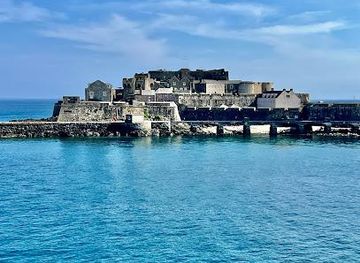
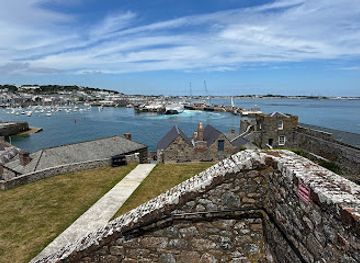
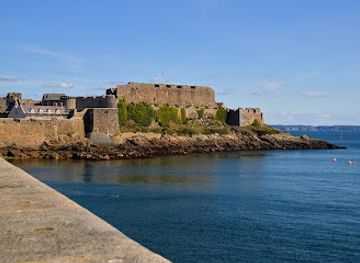
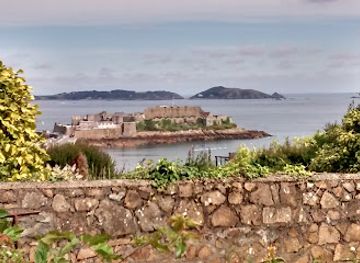
Castle Cornet
Discover the rich history and stunning views of Castle Cornet, Guernsey's iconic maritime fortress, blending heritage with breathtaking landscapes.
17 min walk · 1.4 km from city centre
-
Museum
Castle Cornet
Discover the historical marvel of Castle Cornet, a majestic fortress in Guernsey, rich in military history and stunning coastal views.
17 min walk · 1.4 km from city centre
-
Tourist attraction
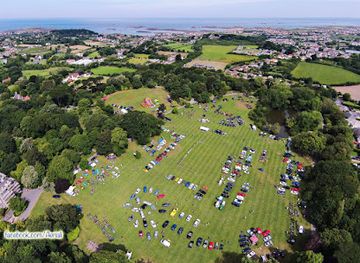
Saumarez Park
Discover the charm of Saumarez Park in Guernsey, a beautiful park with gardens, a museum, and a café perfect for relaxing and exploring.
10 min drive · 3.3 km from city centre
-
Museum
Hauteville House
Explore the historic Hauteville House in Guernesey, a museum dedicated to Victor Hugo's legacy with stunning architecture and inspiring views.
18 min walk · 1.4 km from city centre

Best landmarks in St. Sampson
St Sampson’s Church is the parish’s defining historic landmark, its long religious continuity and granite construction expressing the importance of the parish church in Guernsey’s local system. St Sampson’s Harbour is a different kind of landmark: its quays, harbour mouth and working waters embody the maritime and industrial economy that helped shape the area. Oatlands Village preserves the memory of St Sampson’s brickmaking past, with the former industrial setting giving its shops and visitor facilities a strong sense of place. Delancey Park is a civic and recreational landmark within the parish, representing the later development of public open space for a growing community. Nearby Bordeaux Harbour and the historic landscape of L’Ancresse are important northern Guernsey reference points, but both are in neighbouring Vale and should not be confused with St Sampson’s own landmarks.
-
Museum
Castle Cornet
Explore the 800-year-old Castle Cornet in Guernsey, where history and stunning views combine for an unforgettable experience.
17 min walk · 1.4 km from city centre
-
Museum
Hauteville - Victor Hugo House
Discover the rich history and literary brilliance of Victor Hugo at his enchanting home in Guernsey, a treasure for literature lovers.
18 min walk · 1.4 km from city centre
-
 Hotel
HotelBest Western Moores Central Hotel
Experience the charm of Guernsey at Best Western Moores Central Hotel, where comfort meets convenience in the heart of the island.
9 min walk · 0.7 km from city centre
-
Tourist attraction
Sausmarez Manor
Discover the historical allure and picturesque gardens of Sausmarez Manor, a must-visit heritage site in Guernsey steeped in rich culture and stunning beauty.
10 min drive · 3.3 km from city centre

Explore St. Sampson on the map
Plan your St. Sampson trip on one map. See where the top attractions, landmarks, restaurants, bars and hotels are, find what's near where you're staying, and book hotels and experiences in a few clicks.
Best hotels in St. Sampson
Best restaurants in St. Sampson
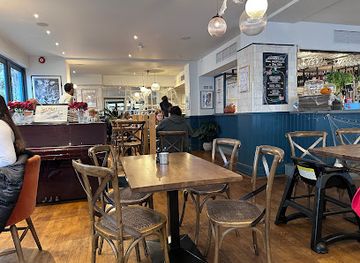
St Sampson’s dining scene reflects Guernsey’s small-island scale, with food found in local pubs, cafés, marina surroundings and informal businesses rather than a dense restaurant quarter. Menus across the parish and nearby northern Guernsey commonly draw on island produce, seafood from surrounding waters, dairy products from the island’s farms and seasonal vegetables. Guernsey Gâche, a sweet fruit bread, and Gâche mêlaïe, a traditional apple-based pudding, belong to the island’s wider culinary tradition, while locally produced butter, cream and seafood often appear in contemporary cooking. The harbour setting makes fish and shellfish a natural part of the regional food culture, though availability changes with landings and season. Oatlands Village adds casual food and refreshment options within a former industrial setting, while a broader choice of cafés, bakeries and restaurants is available in nearby St Peter Port.
-
Brasserie
Dix Neuf
Discover Dix Neuf in Guernsey – where local flavors meet cozy ambiance in an exquisite brasserie experience.
12 min walk · 1.0 km from city centre
-
Restaurant
Slaughterhouse - Randalls
Experience culinary excellence at Slaughterhouse - Randalls in Guernsey; savor fresh flavors with stunning waterfront views.
16 min walk · 1.3 km from city centre
-
Brasserie
Christies Brasserie
Discover exquisite dining at Christies Brasserie in Guernsey - where local flavors meet stunning bay views.
9 min walk · 0.7 km from city centre
-
Thai
The Terrace Garden Cafe
Experience authentic Thai cuisine in a cozy cafe setting at The Terrace Garden Cafe - a must-visit dining destination in Guernsey.
13 min walk · 1.1 km from city centre

Best bars in St. Sampson
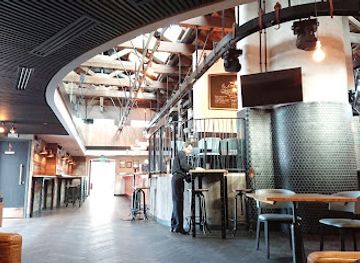
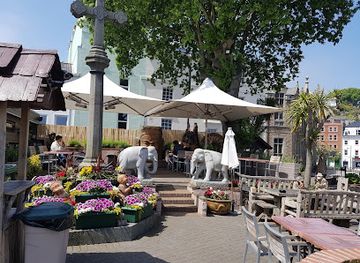
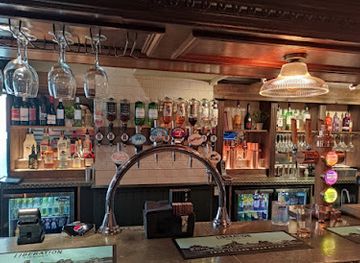
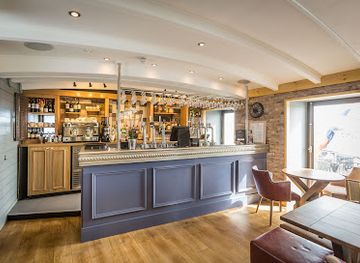
Nightlife in St Sampson is low-key and locally oriented rather than club-centred. Traditional pubs provide the main evening social setting, with conversation, sport and island hospitality taking precedence over late-night entertainment. Harbour and marina areas can offer a scenic setting for an early evening drink or meal, while Oatlands Village contributes occasional leisure and social activity within its former brickworks environment. For theatre, live music, cocktail bars and a wider choice of licensed venues, visitors generally travel to St Peter Port, where the island’s principal concentration of evening entertainment is found. Guernsey’s evenings are also well suited to quieter pursuits: seasonal cultural events, restaurant meals, coastal sunsets and walks through illuminated town streets. Public transport becomes less frequent later in the day, so return arrangements should be checked before travelling between parishes.
-
Pub
Thomas De La Rue
Experience the heart of Guernsey at Thomas De La Rue, where great food, drinks, and camaraderie meet in a vibrant pub atmosphere.
9 min walk · 0.7 km from city centre
-
Bar
Ship & Crown
Discover Ship & Crown: A charming bar and restaurant in Guernsey offering local flavors and stunning coastal views.
10 min walk · 0.8 km from city centre
-
Pub
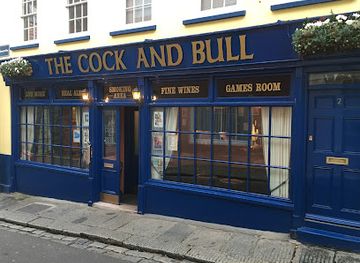
The Cock and Bull
Experience the lively atmosphere of The Cock and Bull, a premier pub in St. Peter Port, Guernsey, known for its diverse beer selection and vibrant live music.
15 min walk · 1.2 km from city centre
-
Grill
The Doghouse
Experience the vibrant flavors and lively atmosphere at The Doghouse, Guernsey's top gastropub and live music venue.
5 min drive · 1.5 km from city centre

Best nightclubs in St. Sampson
Nightlife in St Sampson is low-key and locally oriented rather than club-centred. Traditional pubs provide the main evening social setting, with conversation, sport and island hospitality taking precedence over late-night entertainment. Harbour and marina areas can offer a scenic setting for an early evening drink or meal, while Oatlands Village contributes occasional leisure and social activity within its former brickworks environment. For theatre, live music, cocktail bars and a wider choice of licensed venues, visitors generally travel to St Peter Port, where the island’s principal concentration of evening entertainment is found. Guernsey’s evenings are also well suited to quieter pursuits: seasonal cultural events, restaurant meals, coastal sunsets and walks through illuminated town streets. Public transport becomes less frequent later in the day, so return arrangements should be checked before travelling between parishes.
-
Gastropub
The Pony Inn & Brasserie
Experience the best of Guernsey's culinary delights at The Pony Inn & Brasserie, a gastropub that combines local flavors with a welcoming atmosphere.
7 min drive · 2.4 km from city centre
-
Cocktail bar
Amigos
Experience the vibrant nightlife of Guernsey at Amigos, a cocktail bar renowned for its innovative drinks and lively ambiance.
9 min walk · 0.7 km from city centre
-
Bar
PingQuay
Discover PingQuay, Guernsey's vibrant bar on North Quay, perfect for enjoying drinks with stunning harbor views and lively atmosphere.
11 min walk · 0.9 km from city centre
-
Pub
The London House - Randalls
Experience the charm of The London House, a cozy pub in Guernsey offering delicious food, local ales, and a vibrant atmosphere for all visitors.
7 min drive · 2.3 km from city centre


Best shops in St. Sampson
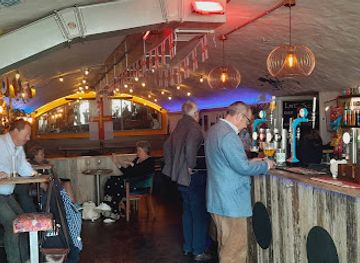
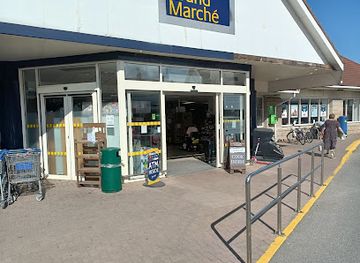
Shopping in St Sampson is practical and dispersed, centred on local services, small businesses and the visitor-oriented facilities at Oatlands Village rather than a major retail street. The former brickworks setting is the parish’s most distinctive place for browsing crafts, gifts, food-related products and independent retail, with the industrial backdrop adding context to the experience. For a larger selection of shops, Guernsey-produced goods, galleries and department-store-style retail, visitors usually continue to St Peter Port, whose central streets and market area form the island’s principal shopping district. Useful island souvenirs include local food products, handmade crafts and items reflecting Guernsey’s maritime and agricultural traditions. Visitors should distinguish genuinely local products from generic imports, while seasonal markets and independent businesses may operate on changing schedules.
-
Supermarket
Coop Nocq Road
Experience the essence of Guernsey at Coop Nocq Road, your go-to supermarket for local treats and fresh produce.
7 min drive · 2.4 km from city centre
-
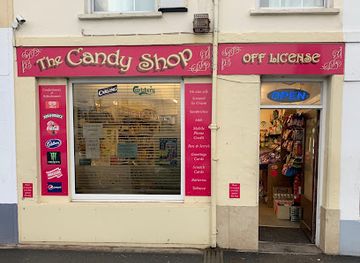
Candy store
The Bridge Candy Shop
Explore The Bridge Candy Shop in Guernsey, a whimsical destination for candy lovers featuring a delightful array of treats and sweet souvenirs.
7 min drive · 2.4 km from city centre
-
Jeweler
Ray & Scott
Discover exquisite fine jewelry at Ray & Scott, a premier jeweler in Guernsey, perfect for special gifts and unique souvenirs.
7 min drive · 2.4 km from city centre
-
Craft store
Craftwise
Experience Guernsey's vibrant creative scene at Craftwise, your go-to destination for crafting supplies, fabrics, and unique party essentials.
7 min drive · 2.4 km from city centre


Get your free copy of our complete guide to St. Sampson, delivered straight to you.
Everything on this page, from attractions and restaurants to essentials and local phrases, in one PDF you can read offline, print or share.
Already have an account? Sign in
Your St. Sampson guide is ready.
We'll send it to · Not you? Sign out

Getting your guide ready…
We are putting together a fresh copy of the St. Sampson guide. This can take up to a minute.
This can take a few moments. If your browser asks, choose Allow so the download can start. You'll find the guide in your Downloads folder.
Nothing happened? Download it again
Sorry, the guide is taking longer than usual. Please try again in a minute, or get it by email instead.
St. Sampson essentials
Currency and Payment
Safety
Emergency Situations
Do's and Don'ts
Local Tips
From Eve
Local phrases worth knowing
You don't need to get them perfect. A few words go a long way, and locals appreciate the effort.
Basics
| English | Local | Say it |
|---|---|---|
| Hello | Salut | [sah-LOO] |
| Goodbye | Au revoir | [oh ruh-VWAH] |
| Yes | Oui | [WEE] |
| No | Non | [NOHN] |
| Please/You're welcome | S'il vous plaît / De rien | [seel voo pleh / duh RYEN] |
| Thank you | Merci | [mehr-SEE] |
| Excuse me/Sorry | Pardon / Désolé | [pahr-DOHN / day-zoh-LAY] |
| How are you? | Comment ça va? | [koh-mahn sah vah?] |
| Fine. And you? | Bien. Et vous? | [byahn. ay voo?] |
| Do you speak English? | Parlez-vous anglais? | [par-lay voo ahn-GLAY] |
| I don't understand | Je ne comprends pas | [zhuh nuh kohm-PROHN pah] |
Eating & Drinking
| English | Local | Say it |
|---|---|---|
| I'd like to see the menu, please | Je voudrais voir le menu, s'il vous plaît | [zhuh voo-DRAY vwahr luh meh-NOO, seel voo pleh] |
| I don't eat meat | Je ne mange pas de viande | [zhuh nuh mahnzh pah deh vee-AHND] |
| Cheers! | Santé! | [sahn-TAY] |
| I would like to pay, please | Je voudrais payer, s'il vous plaît | [zhuh voo-DRAY pay-YAY, seel voo pleh] |
Emergencies
| English | Local | Say it |
|---|---|---|
| Help! | À l'aide! | [ah LEYD] |
| Go away! | Allez-vous en! | [ah-lay vooz ahn] |
| Call the Police! | Appelez la police! | [ah-pley lah poh-LEES] |
| Call a doctor! | Appelez un médecin! | [ah-pley uh mayd-SAN] |
| I'm lost | Je suis perdu | [zhuh swee pair-DOO] |
| I'm ill | Je suis malade | [zhuh swee mah-LAHD] |
Shopping
| English | Local | Say it |
|---|---|---|
| I'd like to buy... | Je voudrais acheter... | [zhuh voo-DRAYZ ash-tay...] |
| I'm just looking | Je regarde juste | [zhuh ruh-GAHR juhst] |
| How much is it? | Combien ça coûte? | [kohm-BYAN sah koot] |
| That's too expensive | C'est trop cher | [say troh shayr] |
| Can you lower the price? | Pouvez-vous baisser le prix? | [poo-vay voo bay-SAY luh pree] |
Time & Numbers
| English | Local | Say it |
|---|---|---|
| What time is it? | Quelle heure est-il? | [kell er ay teel] |
| It's one o'clock | Il est une heure | [eel ay tun er] |
| Half past (10) | Dix heures et demie | [dees er ay duh-MEE] |
| Morning | Matin | [mah-TAN] |
| Afternoon | Après-midi | [ah-PRAY mee-DEE] |
| Evening | Soir | [swah] |
| Yesterday | Hier | [ee-YAY] |
| Today | Aujourd'hui | [oh-zhoor-DWEE] |
| Tomorrow | Demain | [duh-MAN] |
| 1 | Un | [uhn] |
| 2 | Deux | [duh] |
| 3 | Trois | [twah] |
| 4 | Quatre | [kah-truh] |
| 5 | Cinq | [sank] |
| 6 | Six | [sees] |
| 7 | Sept | [sept] |
| 8 | Huit | [weet] |
| 9 | Neuf | [nuhf] |
| 10 | Dix | [dees] |
Transport & Directions
| English | Local | Say it |
|---|---|---|
| Where's a/the...? | Où est...? | [oo ay...] |
| What's the address? | Quelle est l'adresse? | [kell ay la-dress] |
| Can you show me (on the map)? | Pouvez-vous me montrer (sur la carte)? | [poo-vay voo muh mohn-TRAY (soor lah kart)] |
| When's the next (bus)? | Quand est le prochain (bus)? | [kahn ay luh proh-SHAN (bus)] |
| A ticket (to ....) | Un billet (pour ...) | [uhn bee-YAY (poor ...)] |
History of St. Sampson
Early Settlement and Parish Formation
The area now known as St Sampson formed part of Guernsey’s long-settled northern landscape, where fertile ground, sheltered coastal inlets and access to the sea supported successive communities. Prehistoric monuments elsewhere in northern Guernsey testify to settlement long before written records, while the island’s later Christian landscape was organised through parish churches. St Sampson’s parish takes its name from Samson of Dol, the sixth-century Welsh-Breton bishop and missionary whose cult became established in the Channel Islands. The parish church became the focus of local religious and civic life, and the surrounding settlement developed through a mixture of agriculture, fishing, quarrying and maritime trade.
Medieval Church and Community
During the medieval period, St Sampson’s Church served a rural parish whose life was governed by farming, local landholding and the rhythms of the sea. The church’s survival, with later alterations and additions, reflects the continuity of worship on a site associated with the parish for centuries. Guernsey belonged to the Duchy of Normandy until 1204, after which the island remained linked to the English Crown while retaining its own customary institutions and Norman legal traditions. Parish administration became an enduring feature of local government, and St Sampson’s community was shaped as much by its douzaine and local responsibilities as by wider political changes.
Granite, Quarries and Coastal Trade
From the early modern period into the nineteenth century, granite became central to St Sampson’s economy and appearance. Quarries in northern Guernsey supplied stone for buildings, walls, roads and maritime works, while local workers combined quarrying with farming, fishing and seafaring. Harbour improvements supported the movement of stone and other goods, and the parish’s waterfront developed as a practical working environment rather than a purely recreational shore. Granite extraction left visible traces in boundary walls, buildings and excavated ground. Industrial activity also encouraged the growth of associated trades, helping St Sampson become one of the island’s principal working districts.
Nineteenth-Century Industry and Urban Growth
The nineteenth century brought further change as Guernsey’s population expanded and transport links improved. Brickmaking and other industries complemented the older granite economy, with sites such as the works later represented at Oatlands Village recalling this manufacturing past. St Sampson’s proximity to St Peter Port encouraged residential growth while its quays continued to serve local commerce and maritime activity. The parish therefore occupied an intermediate position: rural in its lanes and open spaces, but increasingly connected to the island’s commercial centre. Churches, schools, roads and parish buildings developed alongside this changing social and economic landscape.
Occupation, Reconstruction and Present Identity
Guernsey was occupied by German forces from 1940 until liberation in May 1945, and St Sampson, like the rest of the island, experienced military control, restrictions and disruption to ordinary life. Coastal positions and defensive works altered parts of the shoreline, while the occupation remains an important element of modern Guernsey’s public memory. After the war, housing, roads and services were renewed as the island adapted to changing employment and transport patterns. St Sampson today retains its parish institutions, church, harbours and industrial traces while functioning as a well-connected residential and working area within Guernsey’s wider island community.
St. Sampson in Photos
Browse through our photo collection highlighting the charm and character of the destination.
Cities near St. Sampson
The closest cities to St. Sampson, if you have time for more than one stop.
-

-

-

-

-


Swipe for more cities
Explore more

Explore more of Guernsey
Discover Guernsey, where French and British cultures blend seamlessly amidst stunning coastal scenery, rich history, and delectable cuisine in the charming Channel Islands.
Explore Guernsey