

Dana Biosphere Reserve Travel Guide - Free Web & App
Your ultimate guide to Dana Biosphere Reserve. Discover top landmarks, proposed trips, and local tips. Free on the web or via the Evendo companion app.


Dana Biosphere Reserve in Jordan offers mountain trails, desert valleys, wildlife, village heritage and eco-lodges between the Sharah Mountains and Wadi Araba.
A Landscape of Dramatic Transitions
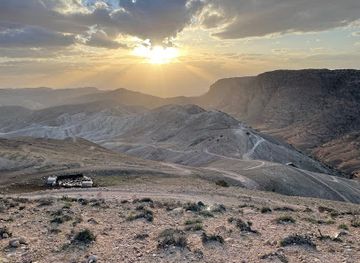
Dana Biosphere Reserve extends across roughly 320 square kilometres in southern Jordan, linking the forested and rugged Sharah Mountains with the arid slopes and gravel plains descending towards Wadi Araba. Its elevation changes create several distinct ecological zones within one protected landscape: cool uplands around Dana village, steep limestone valleys, dry escarpments and the warmer desert environment near Feynan. This vertical range is the reserve’s defining characteristic and supports an unusually varied collection of plants, birds and mammals.Read more about Dana Biosphere Reserve
Villages, Valleys and Conservation
Exploring the Reserve
When is the best time to visit Dana Biosphere Reserve?
Best: March–April, November · 22–29°C| Month | High (°C) | Rainfall (mm) |
|---|---|---|
| January | 18 | 3 |
| February | 20 | 2 |
| March (best) | 22 | 2 |
| April (best) | 29 | 1 |
| May | 36 | 0 |
| June | 40 | 0 |
| July | 43 | 0 |
| August | 42 | 0 |
| September | 38 | 0 |
| October | 33 | 0 |
| November (best) | 26 | 1 |
| December | 20 | 1 |
Getting to and around Dana Biosphere Reserve
How to get there
Transportation
Best attractions in Dana Biosphere Reserve
The reserve’s central attraction is Wadi Dana, a long valley that descends from the highland village towards Feynan and reveals successive changes in rock, vegetation and climate. Dana village itself offers traditional rural character and broad views across the valley, while nearby highland routes provide access to the cooler uplands. Rummana is associated with elevated viewpoints, walking and the reserve’s high-country scenery. In the west, Feynan combines dry desert valleys, wildlife habitat and the remains of ancient copper-mining activity. Birdwatching is rewarding because the reserve’s varied elevations and habitats attract a wide range of species, although sightings are seasonal and never guaranteed. The landscape also supports the possibility of seeing Nubian ibex and other wildlife with patience and luck. Trails, viewpoints and access arrangements can change with weather, conservation requirements and local management, so visitors should check conditions before treating any route as available.
-
Hiking area
Dana Trail
Discover the breathtaking landscapes and cultural heritage on the Dana Trail, a premier hiking destination in Jordan's stunning outdoors.
-
 Hiking area
محمد صبح الخوالده
Explore the breathtaking hiking trails of Muhammad Subh Al-Khawaldeh in Al-Qadisiya for an unforgettable journey through nature's stunning landscapes.
-
Hiking area
الخرارة
Discover the stunning hiking trails and breathtaking vistas of Al-Qadisiya, a hidden gem in Jordan's natural beauty.
-
Park
عيرقا
Explore the tranquility of عيرقا in At-Tafilah, a serene park perfect for picnics, strolls, and nature appreciation in Jordan.


Best landmarks in Dana Biosphere Reserve
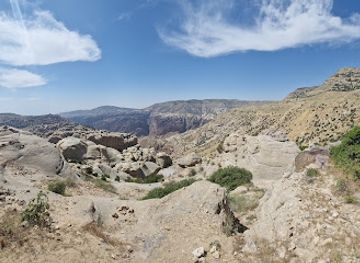
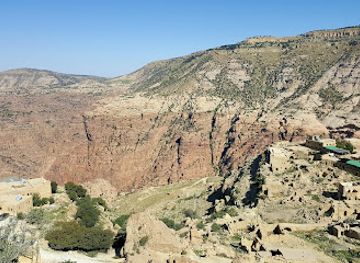
Wadi Dana is the reserve’s defining natural landmark, cutting from the Sharah highlands towards the desert and exposing the sharp transition between cooler mountain habitats and the arid west. The escarpments around Dana village form a defining highland viewpoint, while the dry valleys near Feynan reveal the area’s long history of mineral extraction. Feynan’s ancient copper-mining remains are important cultural and industrial landmarks, linking the modern reserve to Nabataean, Roman and Byzantine activity. Dana village itself is significant as a surviving highland settlement whose terraces and buildings reflect adaptation to a difficult mountain environment. The reserve’s changing rock, altitude and vegetation are landmarks in their own right, illustrating why the area became a major protected landscape. Access to archaeological remains and remote terrain should follow local guidance, since not every visible feature is an open or safe visitor site.
-
Nature preserve
Dana Reserve
Discover the stunning landscapes and rich biodiversity of Dana Reserve, a premier nature preserve in Jordan that captivates all who visit.
-
Hiking area
Dana Trail View
Discover the breathtaking landscapes and tranquility at Dana Trail View, a premier hiking area in Jordan's stunning nature reserve.
-
Hiking area
Dana Biosphere view
Discover the breathtaking landscapes and diverse wildlife of Dana Biosphere View, a must-visit hiking destination in Jordan.
Explore Dana Biosphere Reserve on the map
Plan your trip on one map. See where the top attractions, landmarks, restaurants and hotels are, and book hotels and experiences in a few clicks.
Best hotels in Dana Biosphere Reserve
Best restaurants in Dana Biosphere Reserve
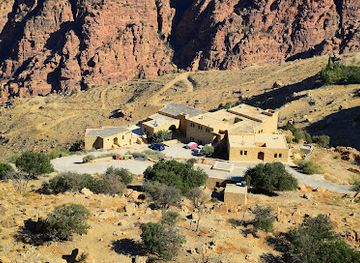
Dining in Dana Biosphere Reserve is closely tied to its small settlements and ecolodges rather than to a broad restaurant scene. Accommodation around Dana and Feynan may provide meals featuring familiar Jordanian fare such as rice, breads, salads, vegetables, lentils, yoghurt and dishes prepared with local herbs, with menus and arrangements varying by property. In village settings, meals can offer a useful introduction to rural hospitality and the food traditions of southern Jordan. Visitors travelling by car should not expect regular cafés or restaurants beside remote trailheads, and packed provisions may be sensible for longer walks. More extensive choice is available in nearby towns and along the main routes, including established Jordanian restaurants serving mezze, grilled meats and tea. Because distances are substantial, confirm meal arrangements with the place where you are staying rather than relying on spontaneous dining inside the reserve.
-
National park
Dana Biosphere Reserve
Explore the breathtaking landscapes and rich biodiversity of Dana Biosphere Reserve - Jordan's premier national park for nature lovers.
-
Nature preserve
Dana Reserve
Discover the breathtaking landscapes and rich biodiversity of Dana Reserve – a must-visit nature preserve in Jordan.
-
Restaurant
Dana and Qadisiyah Local Community Cooperative جمعية أبناء ضانا والقادسية التعاونية
Savor authentic Jordanian cuisine at Dana's unique cooperative restaurant supporting local farmers and artisans.
Best bars in Dana Biosphere Reserve
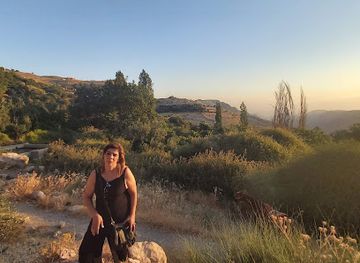
Dana Biosphere Reserve has no conventional nightlife district and is not a destination for nightclubs or late-night bar-hopping. Evenings are generally quiet, with accommodation providers offering communal dining, tea, conversation and views of dark mountain or desert skies. Some ecolodges and guesthouses may arrange cultural activities or informal gatherings, but these depend on the property and season rather than a permanent entertainment programme. Alcohol availability varies by accommodation and local practice, so visitors should not assume that it is served. After sunset, the reserve’s appeal lies in its stillness, stars and low-light environment; walking away from accommodation at night is unwise without local guidance because of uneven terrain, limited illumination and uncertain phone reception. Visitors seeking a livelier evening atmosphere will need to use larger towns outside the reserve, rather than expecting entertainment within Dana or Feynan.
-
Hotel
Dana Tower Hotel
Experience the charm of Jordan at Dana Tower Hotel, where stunning views and exquisite cuisine meet in the heart of nature's paradise.
-
Restaurant
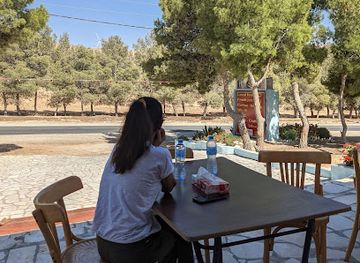
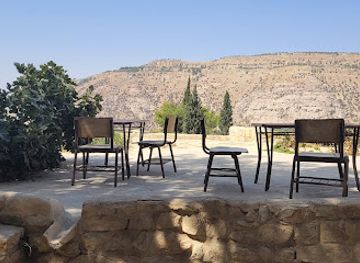
Dana Gate Rest house
Discover the flavors of Jordan at Dana Gate Rest House, a hidden gem in Tafila offering authentic local cuisine and stunning valley views.
-
Restaurant
Dana luxury huts
Experience the natural beauty and luxury of Dana Luxury Huts in the heart of Jordan's stunning biosphere reserve.
-
Restaurant
Fienanas Way Restaurant
Experience the rich flavors of Jordanian cuisine at Fienanas Way Restaurant in Dana, a haven for food lovers amidst stunning landscapes.

Best nightclubs in Dana Biosphere Reserve
Dana Biosphere Reserve has no conventional nightlife district and is not a destination for nightclubs or late-night bar-hopping. Evenings are generally quiet, with accommodation providers offering communal dining, tea, conversation and views of dark mountain or desert skies. Some ecolodges and guesthouses may arrange cultural activities or informal gatherings, but these depend on the property and season rather than a permanent entertainment programme. Alcohol availability varies by accommodation and local practice, so visitors should not assume that it is served. After sunset, the reserve’s appeal lies in its stillness, stars and low-light environment; walking away from accommodation at night is unwise without local guidance because of uneven terrain, limited illumination and uncertain phone reception. Visitors seeking a livelier evening atmosphere will need to use larger towns outside the reserve, rather than expecting entertainment within Dana or Feynan.
-
National park
Dana Biosphere Reserve
Explore the breathtaking landscapes and rich biodiversity of Dana Biosphere Reserve, a true gem for nature lovers and adventure seekers alike.
-
Hotel
Dana Tower Hotel
Discover the tranquil beauty of the Dana Nature Reserve at the Dana Tower Hotel, your perfect retreat in Jordan's stunning landscapes.
-
Hotel
wadi Dana Lodge
Discover serenity at Wadi Dana Lodge, your gateway to the natural wonders of Wadi Dana Nature Reserve in Jordan.
-
Lounge
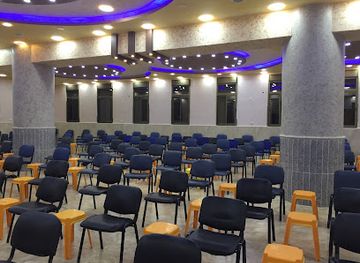
ديوان عشيرة عيال سلمان
Experience the warmth of Basira's local culture at Diwan Aashira Ayal Salman, your perfect lounge destination for relaxation and connection.

Best shops in Dana Biosphere Reserve
Shopping inside Dana Biosphere Reserve is modest and primarily connected with community-based conservation and local hospitality. Visitors may find handmade goods, locally produced foods or crafts through accommodation providers and community initiatives around Dana, although the range and availability vary. Regional products can include herbs, preserves, dried foods and woven or handmade items, while purchases from local producers provide a more direct connection with village life than imported souvenirs. There are no extensive shopping streets or permanent retail districts within the reserve, and remote trailheads offer little commercial infrastructure. Larger selections of food, outdoor supplies and everyday necessities are more likely to be found in nearby towns such as Al-Qadisiyah or on the approach routes. Buy responsibly, avoid objects that may have archaeological significance, and do not remove stones, minerals, plants or historic material from the protected landscape.
-
Nature preserve
Dana Reserve
Explore the stunning landscapes and rich biodiversity of Dana Reserve, a premier nature preserve in Jordan perfect for outdoor adventures.
-
Candy store
Sweets shop originality
Discover the sweetest side of Basira at its renowned candy store, offering a delicious variety of traditional and modern sweets in a charming setting.
-
Juice
Coffee juice world
Discover the vibrant flavors of fresh juices and quality espresso at Coffee Juice World, the perfect spot for tourists in Dana.
-
Home goods store
سليمان هوم للأدوات المنزلية
Discover unique home essentials at سليمان هوم للأدوات المنزلية in Al-Qadisiya, where quality meets local craftsmanship.
Get your free copy of our complete guide to Dana Biosphere Reserve, delivered straight to you.
Everything on this page, from attractions and restaurants to essentials and local phrases, in one PDF you can read offline, print or share.
Already have an account? Sign in
Your Dana Biosphere Reserve guide is ready.
We'll send it to · Not you? Sign out

Getting your guide ready…
We are putting together a fresh copy of the Dana Biosphere Reserve guide. This can take up to a minute.
This can take a few moments. If your browser asks, choose Allow so the download can start. You'll find the guide in your Downloads folder.
Nothing happened? Download it again
Sorry, the guide is taking longer than usual. Please try again in a minute, or get it by email instead.
Dana Biosphere Reserve essentials
Currency and Payment
Safety
Emergency Situations
Do's and Don'ts
Local Tips
From Eve
Local phrases worth knowing
You don't need to get them perfect. A few words go a long way, and locals appreciate the effort.
Basics
| English | Local | Say it |
|---|---|---|
| Hello | Marhaba | [mar-ha-ba] |
| Goodbye | Ma'a as-salama | [ma-a as-sa-la-ma] |
| Yes | Na'am | [na-am] |
| No | La | [la] |
| Please/You're welcome | Min fadlik | [min fa-dlik] |
| Thank you | Shukran | [shuk-ran] |
| Excuse me/Sorry | A'udhran | [au-thran] |
| How are you? | Kayfa halik? | [kay-fa ha-lik] |
| Fine. And you? | Bikhair. Wa ant? | [bi-khair. wa ant] |
| Do you speak English? | Hal tatakallam al-ingliziya? | [hal ta-ta-ka-llam al-ing-li-zi-ya] |
| I don't understand | Ana la afham | [a-na la af-ham] |
Eating & Drinking
| English | Local | Say it |
|---|---|---|
| I'd like to see the menu, please | Urīdu an 'ara al-qayma, min fadlik | [u-ri-du an a-ra al-ka-yi-ma, min fa-dlik] |
| I don't eat meat | Ana la akl la'ham | [a-na la a-kil la-ham] |
| Cheers! | Saha | [sa-ha] |
| I would like to pay, please | Urīdu an adfa', min fadlik | [u-ri-du an ad-fa', min fa-dlik] |
Emergencies
| English | Local | Say it |
|---|---|---|
| Help! | Musaidah! | [mu-sai-dah] |
| Go away! | Imshi! | [im-shi] |
| Call the Police! | Idha' al-shurta! | [id-ha al-shur-ta] |
| Call a doctor! | Idha' al-tabib! | [id-ha al-ta-bib] |
| I'm lost | Ana da'i'! | [a-na da-i] |
| I'm ill | Ana mareed | [a-na ma-reed] |
Shopping
| English | Local | Say it |
|---|---|---|
| I'd like to buy... | Urīdu an ashtarī... | [u-ri-du an ash-ta-ri] |
| I'm just looking | Ana faqat atamayyaz | [a-na faq-at a-ta-may-yaz] |
| How much is it? | Kam haza? | [kam ha-za] |
| That's too expensive | Hatha ghali jiddan | [ha-tha gha-li jid-dan] |
| Can you lower the price? | Hal tasta'thir al-sa'ar? | [hal tas-ta-thir al-sa-ar] |
Time & Numbers
| English | Local | Say it |
|---|---|---|
| What time is it? | Kam al-waqt? | [kam al-waqt] |
| It's one o'clock | Hua al-wahid | [hu-a al-wa-hid] |
| Half past (10) | Nisf al-ashara | [nisf al-a-sha-ra] |
| Morning | Sabaah | [sa-baah] |
| Afternoon | Ba'd al-duhr | [ba-d al-duhr] |
| Evening | Al-masa | [al-ma-sa] |
| Yesterday | Ams | [ams] |
| Today | Al-yawm | [al-yawm] |
| Tomorrow | Ghadan | [gha-dan] |
| 1 | Wahid | [wa-hid] |
| 2 | Ithnayn | [ith-nayn] |
| 3 | Thalatha | [tha-la-tha] |
| 4 | Arba'a | [ar-ba-a] |
| 5 | Khamsa | [kham-sa] |
| 6 | Sitta | [sit-ta] |
| 7 | Sab'a | [sa-ba-a] |
| 8 | Thamania | [tha-ma-ni-a] |
| 9 | Tis'a | [tis-a] |
| 10 | Ashara | [a-sha-ra] |
Transport & Directions
| English | Local | Say it |
|---|---|---|
| Where's the...? | Ayna al...? | [ay-na al] |
| What's the address? | Ma huwa al-`unwan? | [ma hu-wa al-`un-wan] |
| Can you show me (on the map)? | Hal tasta'thirni (ala al-khariţa)? | [hal tas-ta-thir-ni (a-la al-kha-ri-ta)] |
| When's the next (bus)? | Mata sa yantahy al-hawiya al-taliya? | [ma-ta sa yan-ta-hy al-ha-wi-ya al-ta-li-ya] |
| A ticket (to ....) | Tathiq (ila ....) | [ta-thiq (i-la)] |
History of Dana Biosphere Reserve
A Mountain-to-Desert Landscape
Dana’s physical character was shaped over immense geological timescales as uplift and erosion created the escarpments, limestone valleys and desert margins linking the Sharah Mountains with Wadi Araba. The reserve’s dramatic changes in altitude are historically important because they produced a succession of habitats and influenced where people could farm, travel and extract minerals. Seasonal watercourses, sheltered valleys and highland terraces supported different forms of land use, while the western descent opened routes towards the Arabah and the wider deserts of southern Jordan.
Ancient Copper Mining at Feynan
The Feynan area contains one of the most important ancient copper-mining landscapes in the southern Levant. Mining and smelting took place at different periods, leaving archaeological evidence across the valleys and foothills. Copper working was especially significant during the Iron Age and later under the Nabataeans, Romans and Byzantines, when Feynan formed part of a wider network of extraction, production and trade. The surviving remains are a reminder that Dana’s apparent wilderness has long been connected to organised industry and regional commerce.
Nabataean and Roman Connections
Dana lies within a region strongly associated with the Nabataean kingdom, whose capital at Petra controlled important routes across southern Jordan. The mineral resources of Feynan and the corridor towards Wadi Araba brought the area into wider political and commercial systems. Roman and Byzantine administrations continued to use and develop some of the region’s mineral resources. Although Dana is not defined by a single monumental settlement comparable with Petra, its mines, roads and archaeological traces reflect the strategic and economic importance of the surrounding highlands and valleys.
Village Agriculture and Local Life
Dana village developed as a highland farming community, using the cooler elevations and cultivated terraces for crops and livestock. Local life was shaped by the demanding terrain, limited water and the need to connect the uplands with lower valleys and markets. Over time, changing economic conditions encouraged migration from the village, but its buildings and agricultural setting remain important to the reserve’s cultural identity. Today, conservation and tourism initiatives have sought to create local opportunities while retaining connections between residents, traditional knowledge and the surrounding landscape.
Establishing the Biosphere Reserve
Dana Biosphere Reserve was established in 1989 by the Royal Society for the Conservation of Nature as part of Jordan’s developing protected-area network. Its purpose combines the protection of habitats and wildlife with managed tourism, research and community participation. The reserve’s approach helped establish ecotourism as an important part of conservation practice in Jordan, particularly around Dana and Feynan. Modern management must balance visitor access with fragile habitats, scarce water, rural livelihoods and the protection of archaeological landscapes.
Dana Biosphere Reserve in Photos
Browse through our photo collection highlighting the charm and character of the destination.
Cities in Dana Biosphere Reserve
The towns and cities of Dana Biosphere Reserve, and the easiest places to base yourself.
-

-


Swipe for more cities
Neighbouring destination travel guides
The closest destinations to Dana Biosphere Reserve, if you have time for more than one.
-

-

-

-

-


Swipe for more destinations
Explore more

Explore more of Tafileh Highlands
Discover the Tafileh Highlands in Jordan, a serene escape featuring rugged mountains, lush valleys, and a rich tapestry of history and culture.
Explore Tafileh Highlands
Explore more of Jordan
Discover Jordan: A land of ancient cities, breathtaking deserts, and therapeutic seas. Experience the blend of history and modernity in this Middle Eastern gem.
Explore Jordan