

Free Ma'an Travel Guide & Mobile App
Plan your Ma'an trip with Evendo. Get free guides to top attractions, restaurants, hotels, and bars. Web access or download the mobile app.


Ma'an, Jordan, reveals southern desert history through Hejaz Railway heritage, traditional markets and a gateway to Petra, Wadi Rum and Shobak.
A Southern Crossroads
Ma'an lies in southern Jordan on the high plateau east of the great escarpment that descends towards Wadi Musa, Petra and the deserts beyond. It is a practical, understated city rather than a polished resort, with broad roads, low-rise buildings and a strong sense of its importance as a regional centre. Its position has long connected the Levant with the Arabian Peninsula, while the surrounding landscape shifts between dry plateau, rugged valleys and open desert.Read more about Ma'an
Railway and Hashemite Heritage
Everyday Southern Jordan
When is the best time to visit Ma'an?
Best: March–April, November · 25–30°C| Month | High (°C) | Rainfall (mm) |
|---|---|---|
| January | 19 | 38 |
| February | 22 | 32 |
| March (best) | 25 | 26 |
| April (best) | 30 | 14 |
| May | 35 | 7 |
| June | 39 | 0 |
| July | 40 | 0 |
| August | 39 | 0 |
| September | 36 | 0 |
| October | 32 | 11 |
| November (best) | 26 | 20 |
| December | 21 | 30 |
Getting to and around Ma'an
How to get there
Transportation
Best attractions in Ma'an
Ma'an's principal attractions are modest and closely connected to local history rather than large-scale tourism. The old quarters offer glimpses of traditional southern Jordanian building, with weathered stone, mud-brick details and quiet lanes contrasting with the newer city. The central market provides a practical introduction to everyday commerce, from food shops and household goods to cafés serving local residents. The remains and railway buildings associated with the Hejaz Railway are the city's most distinctive heritage interest, recalling the Ottoman line that once carried pilgrims and supplies across the desert. For broader sightseeing, visitors use Ma'an as a point of orientation for Petra, Shobak Castle and Wadi Rum, all outside the city and requiring separate transport. The surrounding plateau also reveals the stark landscape that shaped Ma'an's history, although remote areas should be approached with reliable transport and local guidance.
-
Park
حديقة معان النموذجية
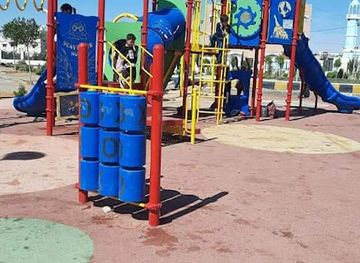
Explore the serene Ma'an Park, a hidden gem for relaxation and picturesque strolls amidst nature's beauty in Jordan.
6 min drive · 1.9 km from city centre
-
Tourist attraction
بركة الحمام
Discover the breathtaking landscapes and cultural heritage at Burka Al-Hammam, a tranquil tourist attraction in Ma'an, Jordan.
8 min drive · 2.7 km from city centre
-
 Park
Parkمنتزه وشلالات الامير هاشم
Experience the enchanting beauty of Prince Hashim Park and Waterfalls in Ma'an, a serene getaway with stunning landscapes and charming waterfalls.
11 min walk · 0.9 km from city centre
-
Garden
الشيخ عمر ياسين صلاح
Discover the enchanting beauty of Sheikh Omar Yasin Salah Garden, a serene escape in Ma'an, Jordan, perfect for nature lovers and tranquility seekers.
8 min drive · 2.6 km from city centre
Explore Ma'an on the map
Plan your Ma'an trip on one map. See where the top attractions, landmarks, restaurants, bars and hotels are, find what's near where you're staying, and book hotels and experiences in a few clicks.
Best hotels in Ma'an
Best restaurants in Ma'an
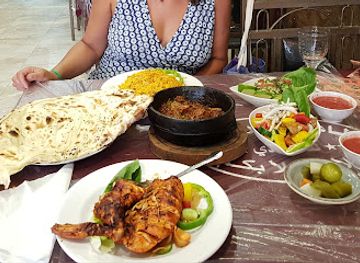
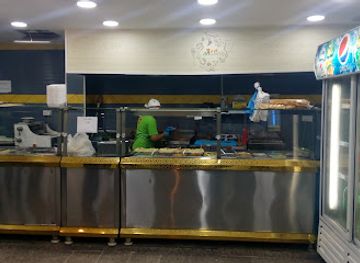
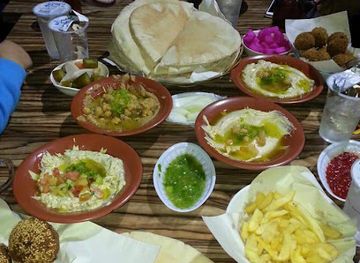
Ma'an's dining scene is local, informal and centred on filling Jordanian staples rather than destination restaurants. Small eateries and cafés serve dishes such as mansaf, Jordan's celebrated lamb and rice dish traditionally accompanied by jameed, as well as maqluba, grilled meats, falafel, hummus and fresh flatbread. Tea and Arabic coffee are part of the everyday rhythm, especially in cafés where residents gather after work or during the evening. Southern Jordanian cooking reflects pastoral traditions, family hospitality and the practical use of grains, rice, yoghurt and meat; desert communities in the wider region are also associated with zarb, meat and vegetables cooked slowly in an underground oven. The market area is useful for snacks, fruit and provisions, while more extensive tourist dining is concentrated in Petra's Wadi Musa rather than Ma'an itself.
-
Restaurant
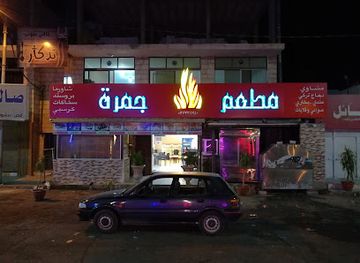
مطعم جمره
Experience authentic Jordanian cuisine at مطعم جمره in Ma'an, where flavor meets tradition in every dish.
11 min walk · 0.9 km from city centre
-
Yemenite
Yemen Palace Mandi
Savor authentic Yemenite flavors at Yemen Palace Mandi in Ma'an – where every bite tells a story of tradition and warmth.
19 min walk · 1.5 km from city centre
-
Restaurant
Farah Wie altaeum huduatuh Restaurant
Discover authentic Jordanian flavors at Farah Wie Altaeum Huduatuh Restaurant in Ma'an - where tradition meets taste!
5 min drive · 1.6 km from city centre
-
Restaurant
Sultan
Experience authentic Jordanian flavors at Sultan in Ma'an - where tradition meets taste in every dish.
9 min walk · 0.7 km from city centre
Best nightclubs in Ma'an
Ma'an has a restrained evening scene shaped by local social customs, with traditional cafés, tea shops and family-oriented restaurants providing most of the public activity after dark. Visitors should not expect a concentrated bar or nightclub district: alcohol is not central to the city's social life, and nightlife is considerably quieter than in Aqaba or Amman. Evenings are more likely to involve conversation over Arabic coffee or tea, a meal, or time spent with local companions. Women and men may encounter different social expectations depending on the setting, so modest dress and respectful behaviour are important. For licensed bars, hotel lounges, live entertainment and a more developed late-evening scene, travellers generally look to larger tourist centres such as Aqaba or hotel areas around Petra, rather than Ma'an itself.
-
Lounge
ديوان الشيخ يونس أبوهلالة
Discover the serene atmosphere and warm hospitality of Diwan Sheikh Younis Abu Halalah in Ma'an, where tradition meets tranquility.
11 min walk · 0.9 km from city centre
-
Lounge
ديوان خالد كريشان
Discover a peaceful retreat at Diwan Khalid Kreshan Lounge, where traditional Jordanian hospitality meets delightful local cuisine in Ma'an.
5 min drive · 1.7 km from city centre
Best shops in Ma'an
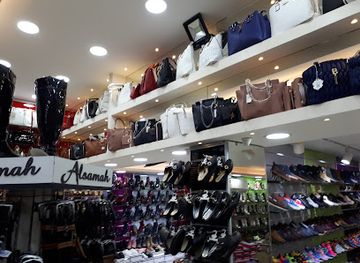
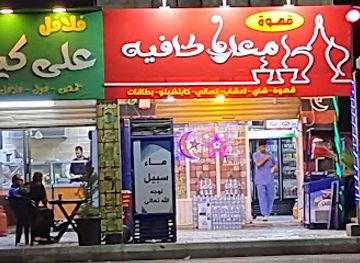
Shopping in Ma'an is practical and locally focused, with small stores, produce sellers, bakeries and the central market providing a more useful window into daily life than a dedicated tourist retail quarter. Visitors can find dates, spices, sweets, flatbreads and other provisions associated with Jordanian households, alongside clothing, household goods and items for travellers heading into the desert. Traditional crafts and Bedouin-inspired textiles are more strongly associated with the wider southern region than with a single specialist market in Ma'an, and genuine goods should be distinguished from generic souvenirs. Petra and Wadi Musa offer more visitor-oriented handicrafts and archaeological-themed products, while Aqaba provides a broader range of modern retail. Bargaining is not automatically expected in every shop, so ask the price and negotiate politely only where it is clearly customary.
-
Clothing store
Ma’an Mall
Experience the best of shopping and dining at Ma’an Mall, a vibrant destination in Jordan offering a taste of local culture and modern retail.
11 min walk · 0.8 km from city centre
-
Shopping mall
Mecca Ma'an Mills and Herbalists
Experience the essence of local culture at Mecca Ma'an Mills and Herbalists, where traditional herbs and spices meet a vibrant shopping atmosphere.
12 min walk · 1.0 km from city centre
-
Coffee shop
معان كافيه
Discover the charming معان كافيه in Ma'an, where local flavors and a cozy ambiance create the perfect coffee experience for every traveler.
5 min walk · 0.4 km from city centre
-
Bakery
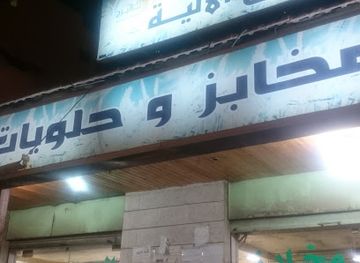
مخابز وحلويات البرج الالية
Discover the sweet side of Ma'an at Al-Borg Bakery and Sweets, where traditional flavors meet delightful pastries in a charming atmosphere.
7 min walk · 0.6 km from city centre

Get your free copy of our complete guide to Ma'an, delivered straight to you.
Everything on this page, from attractions and restaurants to essentials and local phrases, in one PDF you can read offline, print or share.
Already have an account? Sign in
Your Ma'an guide is ready.
We'll send it to · Not you? Sign out

Getting your guide ready…
We are putting together a fresh copy of the Ma'an guide. This can take up to a minute.
This can take a few moments. If your browser asks, choose Allow so the download can start. You'll find the guide in your Downloads folder.
Nothing happened? Download it again
Sorry, the guide is taking longer than usual. Please try again in a minute, or get it by email instead.
Ma'an essentials
Currency and Payment
Safety
Emergency Situations
Do's and Don'ts
Local Tips
From Eve
Local phrases worth knowing
You don't need to get them perfect. A few words go a long way, and locals appreciate the effort.
Basics
| English | Local | Say it |
|---|---|---|
| Hello | Marhaba | [mar-ha-ba] |
| Goodbye | Ma'a as-salama | [ma-a as-sa-la-ma] |
| Yes | Na'am | [na-am] |
| No | La | [la] |
| Please/You're welcome | Min fadlik | [min fad-lik] |
| Thank you | Shukran | [shuk-ran] |
| Excuse me/Sorry | Assef | [as-sef] |
| How are you? | Kif halak? | [kif ha-lak] |
| Fine. And you? | Tamam. Wa ant? | [ta-mam. wa ant] |
| Do you speak English? | Betetkalem inglizi? | [be-tet-ka-lem in-gli-zi] |
| I don't understand | Ana mish fahim | [a-na mish fa-him] |
Eating & Drinking
| English | Local | Say it |
|---|---|---|
| I'd like to see the menu, please | Biddi ara il-qeemat, min fadlik | [bid-di a-ra il-qee-mat, min fad-lik] |
| I don't eat meat | Ana mish bakul lahme | [a-na mish ba-kul lah-me] |
| Cheers! | Sahtein! | [sa-ha-tein] |
| I would like to pay, please | Biddi asir, min fadlik | [bid-di a-sir, min fad-lik] |
Emergencies
| English | Local | Say it |
|---|---|---|
| Help! | Najduni! | [naj-du-ni] |
| Go away! | Ruh hunaak! | [ruh hu-naak] |
| Call the Police! | Ida' al-shurta! | [i-da al-shur-ta] |
| Call a doctor! | Ida' Tabib! | [i-da' ta-beeb] |
| I'm lost | Gha'iyab | [gha-i-yab] |
| I'm ill | Ana mareed | [a-na ma-reed] |
Shopping
| English | Local | Say it |
|---|---|---|
| I'd like to buy... | Biddi ashtri... | [bid-di ash-tri] |
| I'm just looking | Ana bakhudh hawa | [a-na ba-khudh ha-wa] |
| How much is it? | Kam haleeh? | [kam ha-lee] |
| That's too expensive | Hatha ghali jiddan | [ha-tha gha-li ji-dan] |
| Can you lower the price? | Momken takhaf al-siir? | [mom-ken tak-haf al-seer] |
Time & Numbers
| English | Local | Say it |
|---|---|---|
| What time is it? | Kam el-sa'a? | [kam el-sa-a] |
| It's one o'clock | Huwa el-wahid | [hu-wa el-wa-hid] |
| Half past (10) | Nisf el-ashra | [nisf el-ash-ra] |
| Morning | Sabaah | [sa-baah] |
| Afternoon | Duhur | [du-hur] |
| Evening | Masaa | [ma-saa] |
| Yesterday | Ams | [ams] |
| Today | Al-yom | [al-yom] |
| Tomorrow | Ghadan | [gha-dan] |
| 1 | Waahid | [wa-hid] |
| 2 | Ithnayn | [ith-nayn] |
| 3 | Thalatha | [tha-la-tha] |
| 4 | Arba'a | [ar-ba-a] |
| 5 | Khamsa | [kham-sa] |
| 6 | Sitta | [sit-ta] |
| 7 | Saba'a | [sa-ba-a] |
| 8 | Thamania | [tha-ma-ni-a] |
| 9 | Tis'a | [tis-a] |
| 10 | Ashra | [ash-ra] |
Transport & Directions
| English | Local | Say it |
|---|---|---|
| Where's a/the...? | Wayn il... | [wayn il] |
| What's the address? | Shu il-alamat? | [shu il-a-la-mat] |
| Can you show me (on the map)? | Momken tetrikni (ala al-kharita)? | [mom-ken te-trik-ni (ala al-kha-ri-ta)] |
| When's the next (bus)? | Emta il-gaay il-aati? | [em-ta il-ga-y il-a-ti] |
| A ticket (to ....) | Talat | [ta-lat] |
History of Ma'an
An Ancient Route Through Southern Jordan
Ma'an developed in a region used for centuries by travellers moving between the Levant, the Arabian Peninsula and the Red Sea. The wider area was shaped by Nabataean, Roman and later Islamic networks, although the major Nabataean urban centre was Petra rather than Ma'an itself. Water sources, pastoral movement and the needs of pilgrims helped sustain settlements across the southern plateau. Ma'an's importance therefore rested less on monumental architecture than on its location along routes linking agricultural districts, desert communities and pilgrimage roads. Over time, local tribal, religious and trading connections gave the settlement a lasting role in the social geography of southern Jordan.
Ottoman Rule and the Hejaz Railway
Under Ottoman rule, Ma'an became an important station on the Hejaz Railway, constructed between Damascus and Medina in the early twentieth century. The railway reached Ma'an in 1904 and transformed the settlement's strategic value by carrying pilgrims, officials, supplies and commercial goods across the desert. Ottoman railway buildings, trackside remains and the memory of the station era remain central to the city's historical identity. The line also strengthened imperial oversight of the region, while its construction brought new workers, administrative activity and military significance to a place previously defined chiefly by overland movement and local commerce.
The Arab Revolt and a Changing Region
During the Arab Revolt of 1916–1918, the Hejaz Railway became a major target because it supplied Ottoman forces and connected garrisons across Arabia. Railway stations and bridges in the Ma'an region were drawn into the conflict, and attacks on the line disrupted Ottoman communications. The events formed part of the wider wartime transformation of the Arab provinces, though local experiences varied and should not be reduced to the romanticised imagery associated with railway raids elsewhere. The decline of Ottoman authority after the First World War altered Ma'an's political setting and opened the way for new Hashemite administration in Transjordan.
Ma'an and the Emirate of Transjordan
In 1920, Emir Abdullah bin Al Hussein arrived in Ma'an and established an early headquarters there while seeking to organise a Hashemite government in the territory that became the Emirate of Transjordan. In 1921 he moved his seat north to Amman, which developed into the emirate's political capital. Ma'an nevertheless retained importance as a southern administrative and transport centre. Its connection with the early Hashemite state is commemorated in national historical narratives and helps explain why the city occupies a significant place in Jordan's modern political history despite its smaller population and limited monumental core.
A Modern Regional Centre
During the twentieth century, Ma'an expanded as roads, public institutions and modern transport gradually displaced the Hejaz Railway as the principal means of long-distance movement. The city became the administrative centre of Ma'an Governorate and a service hub for surrounding communities, linking the southern plateau with Aqaba, Petra and the desert. Economic change, population growth and periods of political tension have shaped contemporary life, as they have elsewhere in Jordan. Today, the railway survives mainly as heritage, while Ma'an's continuing importance comes from its civic institutions, regional connections and position within the historical landscape of southern Jordan.
Travel experiences inspired by this city

Swipe for more travel diaries
Ma'an in Photos
Browse through our photo collection highlighting the charm and character of the destination.
Cities near Ma'an
The closest cities to Ma'an, if you have time for more than one stop.
-

-

-

-

-


Swipe for more cities
Explore more

Explore more of Jordan
Discover Jordan: A land of ancient cities, breathtaking deserts, and therapeutic seas. Experience the blend of history and modernity in this Middle Eastern gem.
Explore Jordan