

Dana Village Travel Guide - Free Web & App
Your ultimate guide to Dana Village. Discover top landmarks, proposed trips, and local tips. Free on the web or via the Evendo companion app.


Dana Village, Jordan, opens the Dana Biosphere Reserve to canyon walks, mountain landscapes, wildlife, village heritage and the Wadi Araba trail.
Mountain Village and Biosphere Reserve
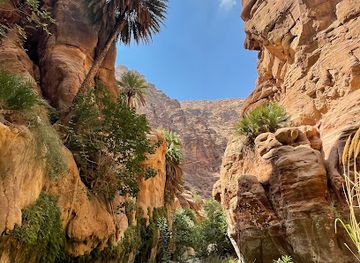
Dana Village stands on the edge of the Dana Biosphere Reserve in southern Jordan, a small stone settlement perched above the dramatic descent of Wadi Dana towards the rift valley. The village is not a conventional resort but a rural gateway into one of Jordan’s most varied protected landscapes, where limestone highlands, dry gorges, sandstone escarpments and the warmer terrain leading towards Wadi Araba occur within a single reserve. The surrounding slopes carry a mixture of juniper woodland, shrubs and open rocky ground, while the lower valleys support plants and wildlife adapted to arid conditions.Read more about Dana Village
Walking, Wildlife and Local Character
When is the best time to visit Dana Village?
Best: March, November–December · 20–29°C| Month | High (°C) | Rainfall (mm) |
|---|---|---|
| January | 18 | 10 |
| February | 19 | 10 |
| March (best) | 24 | 10 |
| April | 34 | 5 |
| May | 41 | 3 |
| June | 46 | 0 |
| July | 49 | 0 |
| August | 49 | 0 |
| September | 45 | 0 |
| October | 38 | 3 |
| November (best) | 29 | 5 |
| December (best) | 20 | 10 |
Getting to and around Dana Village
How to get there
Transportation
Best attractions in Dana Village
-
Hiking area
Wadi Ghuweir
Discover the breathtaking landscapes and tranquil trails of Wadi Ghuweir, a hiking paradise in Al-Mansoura, perfect for nature lovers and adventure seekers.
-
Tourist attraction
Watching the sunset
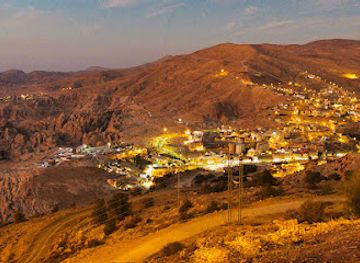
Discover the enchanting sunsets of Wadi Musa, where the ancient landscapes of Petra glow with vibrant colors as day turns to night.
-
Tourist attraction
Little Petra
Explore Little Petra, Jordan - a hidden gem of rock-cut architecture and ancient history, nestled near the famous Petra, offering a serene escape into the past.

Best landmarks in Dana Village
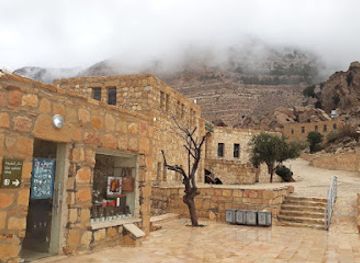
The defining landmark of Dana is the village itself, where stone houses and cultivated terraces occupy a high position above the reserve’s descending valleys. Beyond it, Wadi Dana is the principal natural corridor, cutting through rugged terrain as it links the uplands with lower landscapes towards Wadi Araba. The escarpments and changing rock colours along this system are products of long erosion and the region’s position beside the Jordan Rift Valley. The wider Dana Biosphere Reserve is significant because it protects a sequence of habitats across a pronounced altitudinal and climatic range, rather than a single isolated feature. Rummana represents the reserve’s higher mountain environment, while the Feynan area marks a warmer, drier western zone with its own conservation and archaeological associations. These landmarks are valued less for monumental architecture than for the relationship between geology, ecology, historic settlement and the routes that connect Jordan’s plateau with the southern desert margins.
-
National park
Dana Biosphere Reserve
Explore the breathtaking landscapes, diverse wildlife, and rich cultural heritage of Dana Biosphere Reserve in Jordan, a paradise for nature lovers and adventurers.
-
 Hotel
HotelDana Tower Hotel
Discover serene landscapes and rich biodiversity at the Dana Tower Hotel, your gateway to the stunning Dana Nature Reserve in Jordan.
-
Guest house
Dana Guest House
Discover the serene beauty of Dana Village at the Dana Guest House, your gateway to the wonders of the Dana Biosphere Reserve.
-
Hotel
Dana Moon Hotel
Discover the beauty of Jordan at Dana Moon Hotel, your perfect base for adventure and relaxation in the heart of Dana Village.

Explore Dana Village on the map
Plan your trip on one map. See where the top attractions, landmarks, restaurants and hotels are, and book hotels and experiences in a few clicks.
Best hotels in Dana Village
Best restaurants in Dana Village
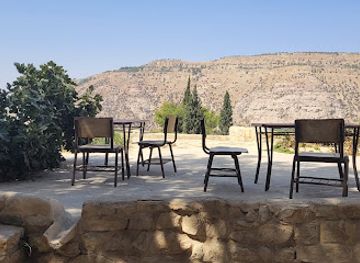
Dining in Dana Village is limited and is generally connected with guesthouses, reserve accommodation and local hospitality rather than a developed restaurant scene. Meals may feature Jordanian home cooking and familiar regional staples such as rice dishes, flatbread, salads, yoghurt, lentil preparations and tea, with ingredients shaped by highland agriculture and household traditions. Visitors should establish meal arrangements with their accommodation, especially when arriving late or planning a full day on the trails, since there may be few alternatives within walking distance. More extensive choice is available in larger towns such as Tafilah or on the routes towards Petra, but these are outside the village and require transport. The nearby reserve accommodation at Feynan has its own food arrangements, yet it is not a village dining district and should be treated as a separate base within the biosphere reserve.
-
Restaurant
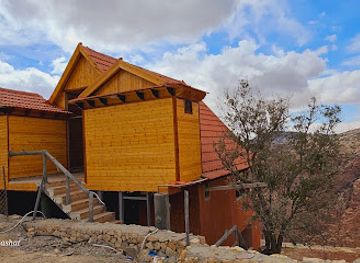
Dana luxury huts
Discover tranquility at Dana Luxury Huts - where luxury meets nature in Jordan's breathtaking biosphere reserve.
-
Restaurant
Fienanas Way Restaurant
Discover authentic Jordanian flavors at Fienanas Way Restaurant in Dana – where every meal tells a story.
-
Restaurant
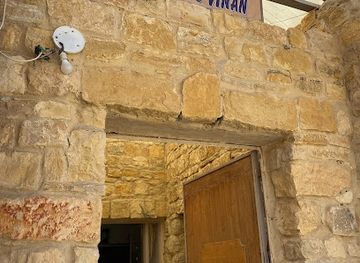
The way to Vinan
Experience authentic Jordanian cuisine at The Way to Vinan in Dana Village, where every dish tells a story and every meal is an adventure.
-
Restaurant
Dana and Qadisiyah Local Community Cooperative جمعية أبناء ضانا والقادسية التعاونية
Discover authentic Jordanian cuisine at Dana and Qadisiyah Local Community Cooperative - where tradition meets taste in a warm community setting.

Best bars in Dana Village
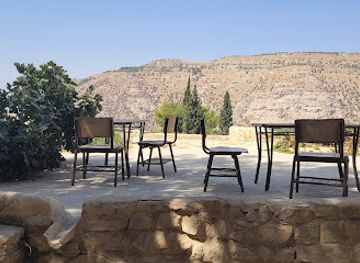
Dana Village has no conventional nightlife district, nightclub scene or concentration of late-opening bars. Evenings are generally quiet and shaped by the rhythms of a small rural community, with visitors spending time at their guesthouse, sharing tea, discussing the day’s walk or observing the dark mountain sky. Alcohol availability should not be assumed, particularly in locally run accommodation, and guests should respect Jordanian cultural norms and the privacy of residents. Traditional hospitality venues and cafés are more readily found in larger towns such as Tafilah, while Petra offers a broader visitor-oriented evening scene, but neither should be described as part of Dana Village itself. Seasonal community events or cultural activities may occur, though they are not a permanent nightlife programme and require local confirmation.
-
Restaurant
Dana luxury huts
Discover the perfect blend of nature and luxury at Dana Luxury Huts, your serene escape in the heart of Jordan's stunning biosphere.
-
Restaurant
Fienanas Way Restaurant
Experience authentic Jordanian flavors at Fienanas Way Restaurant, your culinary haven in the heart of Dana.
-
Juice
Coffee juice world
Experience the flavors of nature at Coffee Juice World, a vibrant juice and espresso bar in the heart of Dana offering refreshing beverages.
-
Restaurant
The way to Vinan
Experience the authentic flavors of Jordan at The Way to Vinan, a charming restaurant in Dana Village offering delicious local cuisine.

Best nightclubs in Dana Village
Dana Village has no conventional nightlife district, nightclub scene or concentration of late-opening bars. Evenings are generally quiet and shaped by the rhythms of a small rural community, with visitors spending time at their guesthouse, sharing tea, discussing the day’s walk or observing the dark mountain sky. Alcohol availability should not be assumed, particularly in locally run accommodation, and guests should respect Jordanian cultural norms and the privacy of residents. Traditional hospitality venues and cafés are more readily found in larger towns such as Tafilah, while Petra offers a broader visitor-oriented evening scene, but neither should be described as part of Dana Village itself. Seasonal community events or cultural activities may occur, though they are not a permanent nightlife programme and require local confirmation.
Best shops in Dana Village
Shopping in Dana Village is modest and centred on local crafts, small provisions and products linked to community-based tourism rather than dedicated retail streets. Depending on the season and the individual accommodation or community outlet, visitors may encounter handmade items, herbal products, foodstuffs or craft goods associated with villages around the reserve, but stock and opening arrangements are not universal. It is sensible to buy substantial supplies, cash and specialist walking equipment in a larger town before arrival. Tafilah and Petra provide broader opportunities for groceries, practical goods and Jordanian handicrafts, although they are outside Dana Village. Purchases from legitimate local producers can support rural livelihoods, while collecting plants, stones or archaeological objects from the reserve is inappropriate and may be prohibited. The most characteristic souvenirs are therefore small locally made products and memories of the village’s agricultural and conservation setting, not mass-market shopping.
-
Hotel
wadi Dana Lodge
Discover the serene beauty of Wadi Dana Lodge, your gateway to adventure in the stunning Dana Nature Reserve, Jordan's picturesque landscape.
-
Hotel
Dana luxury huts
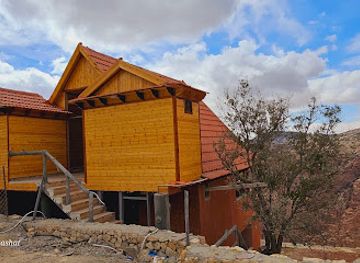
Discover luxurious mountain accommodations and exquisite dining at Dana Luxury Huts, a serene escape in the heart of Jordan's breathtaking landscapes.
-
Bed & breakfast
Dana historic village
Explore the rich culture and stunning landscapes of Dana Historic Village, a hidden gem in Jordan perfect for nature lovers and history enthusiasts.
-
Juice
Coffee juice world
Discover Coffee Juice World in Dana, where refreshing juices and aromatic espresso create the perfect retreat for travelers seeking a taste of local flavor.

Get your free copy of our complete guide to Dana Village, delivered straight to you.
Everything on this page, from attractions and restaurants to essentials and local phrases, in one PDF you can read offline, print or share.
Already have an account? Sign in
Your Dana Village guide is ready.
We'll send it to · Not you? Sign out

Getting your guide ready…
We are putting together a fresh copy of the Dana Village guide. This can take up to a minute.
This can take a few moments. If your browser asks, choose Allow so the download can start. You'll find the guide in your Downloads folder.
Nothing happened? Download it again
Sorry, the guide is taking longer than usual. Please try again in a minute, or get it by email instead.
Dana Village essentials
Currency and Payment
Safety
Emergency Situations
Do's and Don'ts
Local Tips
From Eve
Local phrases worth knowing
You don't need to get them perfect. A few words go a long way, and locals appreciate the effort.
Basics
| English | Local | Say it |
|---|---|---|
| Hello | Marhaba | [mar-ha-ba] |
| Goodbye | Ma'a as-salama | [ma-a as-sa-la-ma] |
| Yes | Na'am | [na-am] |
| No | La | [la] |
| Please/You're welcome | Min fadlik | [min fad-lik] |
| Thank you | Shukran | [shuk-ran] |
| Excuse me/Sorry | Afuwan | [a-fu-wan] |
| How are you? | Kaif halak? | [kaif ha-lak] |
| Fine. And you? | Jayyid. Wa ant? | [jay-yid. wa ant] |
| Do you speak English? | Hal tatakallam al-ingliziya? | [hal ta-ta-ka-lla-m al-in-gli-zi-ya] |
| I don't understand | Ana la afham | [a-na la af-ham] |
Eating & Drinking
| English | Local | Say it |
|---|---|---|
| I'd like to see the menu, please | Awaddu an adhur al-qaeemat, min fadlik | [a-wad-du an ad-hur al-qa-e-mat min fad-lik] |
| I don't eat meat | Ana la akl lahman | [a-na la a-kul lah-man] |
| Cheers! | Sahtain! | [sah-tain] |
| I would like to pay, please | Awaddu an adfa'a, min fadlik | [a-wad-du an ad-fa-a min fad-lik] |
Emergencies
| English | Local | Say it |
|---|---|---|
| Help! | Musaidah! | [mu-sai-dah] |
| Go away! | Irhal! | [ir-hal] |
| Call the Police! | Ittasil bil-shurta! | [it-ta-sil bil-shur-ta] |
| Call a doctor! | Ittasil bil-tabib! | [it-ta-sil bil-ta-bib] |
| I'm lost | Gha'ib | [gha-ib] |
| I'm ill | Ana mareed | [a-na ma-reed] |
Shopping
| English | Local | Say it |
|---|---|---|
| I'd like to buy... | Awaddu an ashtar... | [a-wad-du an ash-tar] |
| I'm just looking | Ana faqat atathabbat | [a-na fa-qat a-ta-thab-bat] |
| How much is it? | Kam hadha? | [kam ha-dha] |
| That's too expensive | Hadha ghali jiddan | [ha-dha gha-li jid-dan] |
| Can you lower the price? | Hal yumkinuk tanzil al-sa'ar? | [hal yum-ki-nuk tan-zil al-sa-ar] |
Time & Numbers
| English | Local | Say it |
|---|---|---|
| What time is it? | Kam al-sa'ah? | [kam al-sa-ah] |
| It's one o'clock | Alwaahid | [al-wa-a-hid] |
| Half past (10) | Nisf | [nisf] |
| Morning | Sabaah | [sa-baah] |
| Afternoon | Duhur | [du-hur] |
| Evening | Masaa | [ma-saa] |
| Yesterday | Ams | [ams] |
| Today | Al-yawm | [al-yawm] |
| Tomorrow | Ghadan | [gha-dan] |
| 1 | Waahid | [wa-a-hid] |
| 2 | Itnin | [it-nin] |
| 3 | Thalatha | [tha-la-tha] |
| 4 | Arba'a | [ar-ba-a] |
| 5 | Khamsa | [kham-sa] |
| 6 | Sitta | [sit-ta] |
| 7 | Saba'a | [sa-ba-a] |
| 8 | Thamania | [tha-ma-ni-a] |
| 9 | Tis'a | [tis-a] |
| 10 | Ashara | [a-sha-ra] |
Transport & Directions
| English | Local | Say it |
|---|---|---|
| Where's a/the...? | Ayna al... | [ay-na al] |
| What's the address? | Ma huw al-alamat? | [ma huw al-a-la-mat] |
| Can you show me (on the map)? | Hal yumkinuk an turiyani (ala al-kharita)? | [hal yum-ki-nuk an tu-ri-ya-ni ala al-kha-ri-ta] |
| When's the next (bus)? | Mata sa yakun al-qadim? | [ma-ta sa ya-kun al-qa-dim] |
| A ticket (to ....) | Tathiq (ila ....) | [ta-thiq ila] |
History of Dana Village
A Landscape Shaped by Water and Uplift
Dana’s physical setting reflects the geological history of southern Jordan. The area lies within the transition between the elevated plateau east of the Jordan Rift Valley and the much lower Wadi Araba depression. Over long geological periods, erosion by water and wind cut deeply into the sedimentary rocks, creating the ravines and changing colours visible around Wadi Dana. The contrast between high limestone country, eroded valleys and lower sandstone terrain explains why the wider reserve contains several distinct ecological zones despite its relatively compact geographical area.
A Long-Established Mountain Community
Dana developed as a small agricultural settlement in the highlands above the Wadi Araba corridor. Local families used the surrounding land for small-scale cultivation, grazing and the collection of natural resources, adapting their lives to steep terrain and limited water. The village’s stone houses and terraces reflect this relationship with the landscape. Dana is often described as several centuries old, though specific details of its earliest settlement are less certain than its long-standing rural character. Its position also placed it within the wider network of routes linking Jordan’s plateau communities with the southern valleys.
Farming, Grazing and Changing Livelihoods
For much of its history, Dana’s economy was closely connected with agriculture and pastoral activity. Terraces and cultivable pockets allowed residents to grow crops in an otherwise dry, mountainous environment, while grazing connected the village with the surrounding slopes and valleys. As economic opportunities and services became concentrated in larger settlements, many residents moved away, leaving parts of the village less fully occupied. This change helped preserve much of Dana’s traditional appearance but also created the need for new forms of employment linked to conservation and responsible tourism.
The Dana Biosphere Reserve
The Dana Biosphere Reserve was established in 1989 and is managed through Jordan’s Royal Society for the Conservation of Nature. It was created to protect an exceptional range of habitats extending from the high plateau towards the lower Wadi Araba landscape. Conservation in the reserve has involved habitat protection, scientific monitoring and efforts to provide local communities with income connected to tourism and environmental stewardship. Dana Village became an important access point for this work, while the reserve’s wider network includes visitor facilities and conservation-oriented accommodation at locations such as Feynan.
Nature Tourism and Village Renewal
In recent decades, walking, wildlife observation and community-based tourism have brought renewed attention to Dana. The village and its surrounding reserve now form part of Jordan’s nature-tourism landscape, alongside better-known archaeological destinations further south. Tourism has not transformed Dana into a busy resort: its value remains tied to limited development, local hospitality and access to protected countryside. The continuing challenge is to balance visitor use with water constraints, fragile habitats, rural livelihoods and the conservation of the reserve’s varied landscapes.
Dana Village in Photos
Browse through our photo collection highlighting the charm and character of the destination.
Neighbouring destination travel guides
The closest destinations to Dana Village, if you have time for more than one.
-

-

-

-

-


Swipe for more destinations
Explore more

Explore more of Tafileh Highlands
Discover the Tafileh Highlands in Jordan, a serene escape featuring rugged mountains, lush valleys, and a rich tapestry of history and culture.
Explore Tafileh Highlands
Explore more of Jordan
Discover Jordan: A land of ancient cities, breathtaking deserts, and therapeutic seas. Experience the blend of history and modernity in this Middle Eastern gem.
Explore Jordan