

Free Balqa Highlands Travel Guide & Mobile App
Explore Balqa Highlands with free travel guides. Discover regional history, expert tips, proposed trips, and audio guides on web or mobile app.


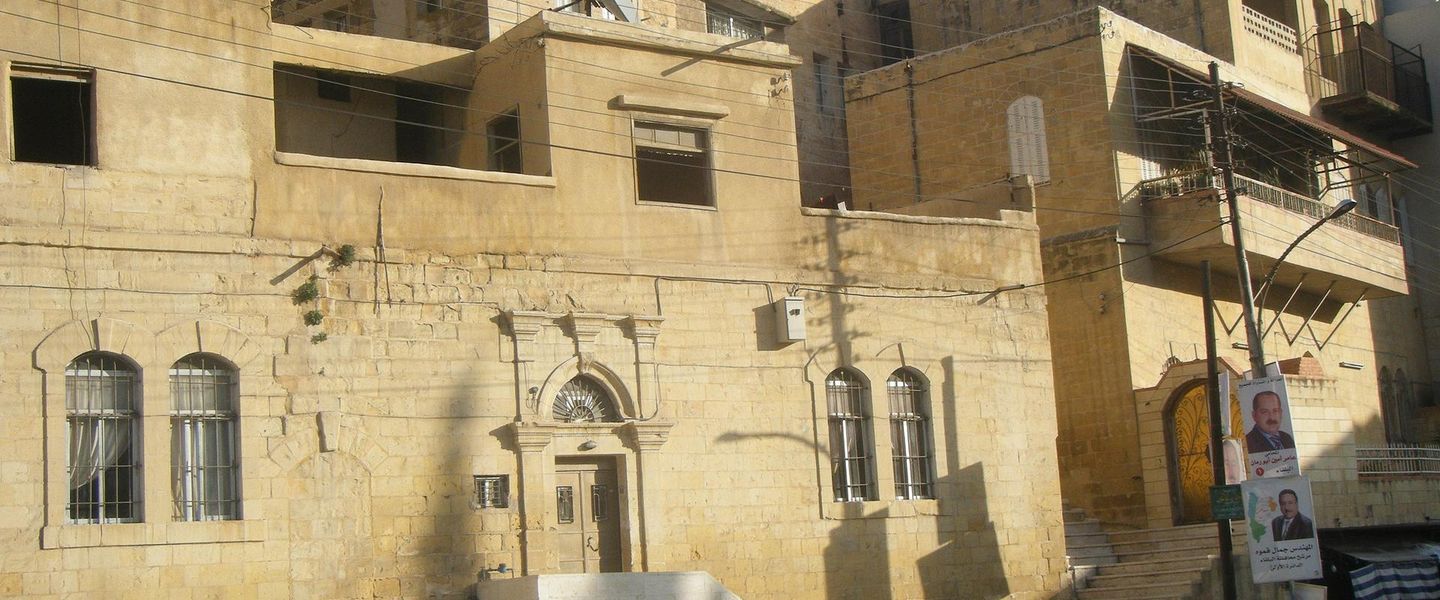


Explore Jordan’s Balqa Highlands for historic As-Salt, olive-covered hills, village culture, limestone architecture and views towards the Jordan Valley.
Read more about Balqa Highlands
When is the best time to visit Balqa Highlands?
Best: May, September–October · 24–29°C| Month | High (°C) | Rainfall (mm) |
|---|---|---|
| January | 11 | 50 |
| February | 13 | 40 |
| March | 16 | 35 |
| April | 20 | 20 |
| May (best) | 25 | 10 |
| June | 30 | 1 |
| July | 32 | 0 |
| August | 32 | 0 |
| September (best) | 29 | 2 |
| October (best) | 24 | 10 |
| November | 18 | 20 |
| December | 13 | 40 |
Getting to and around Balqa Highlands
How to get there
Transportation
Top city travel guides in Balqa Highlands
The cities of Balqa Highlands, and the easiest places to base yourself.
-

-

-

-


Swipe for more cities
Destinations in Balqa Highlands
Resorts, valleys and scenic spots worth a trip of their own.
-

-
-

-


Swipe for more destinations
Best attractions in Balqa Highlands
The Balqa Highlands are best experienced through a combination of heritage, landscape and everyday rural life. As-Salt’s historic centre provides the region’s main cultural attraction, with steep lanes, Ottoman-era houses, small museums, churches, mosques and former commercial streets revealing how the town functioned as a regional market. Guided walks can add context to buildings that may otherwise appear simply residential. Outside Salt, the uplands offer drives through olive-growing country, village viewpoints and agricultural scenery that changes noticeably between spring’s green hills and summer’s dry gold. Fuheis and Mahis provide opportunities to see settled highland communities and their contrasting religious and social histories. Wadi Shu'aib is a significant natural corridor for those interested in rural walking and the relationship between plateau and valley, although routes should be assessed locally and weather watched carefully. The wider area also supports visits centred on local food, seasonal produce, family-run cafés and photographic landscapes rather than large commercial attractions. Travellers should allow time for unplanned pauses: a roadside view, an old stone building or a conversation about olive cultivation can be as revealing as a formal museum visit.
-
Tourist attraction
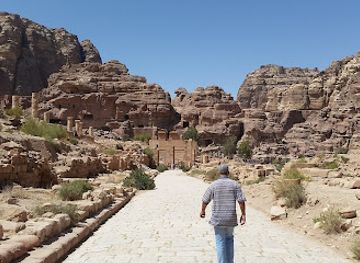
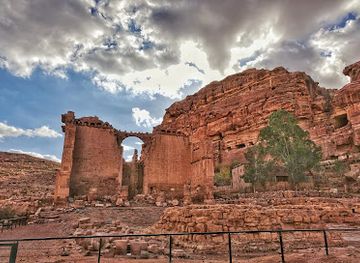
Petra
Explore Petra, the Rose City of Jordan, where ancient history meets breathtaking landscapes in a UNESCO World Heritage Site.
-
Tourist attraction
The Treasury
Discover the enchanting Treasury of Petra, an ancient marvel carved into rose-red cliffs, showcasing the rich history of the Nabataean civilization.
-
Tourist attraction
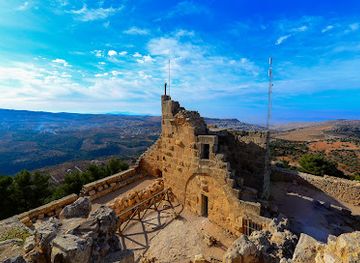
Ajloun Castle
Discover the captivating history and stunning landscapes of Ajloun Castle, a remarkable historical site in Jordan's picturesque countryside.
-
Tourist attraction
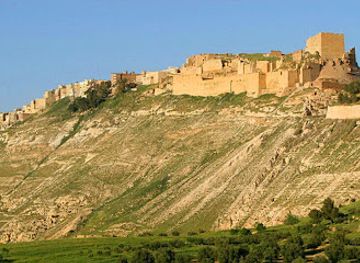
Kerak Castle
Explore the rich history and breathtaking views at Kerak Castle, a majestic Jordanian fortress steeped in heritage and ancient tales.
Best landmarks in Balqa Highlands
As-Salt’s historic limestone houses are the Balqa Highlands’ defining architectural landmark, particularly where rows of tall Ottoman-period buildings climb the slopes above the old commercial streets. The Abu Jaber Museum occupies one of these substantial houses and helps explain the town’s merchant history, domestic architecture and social development. The old As-Salt area also contains the Great Mosque and historic Christian churches, whose proximity reflects the town’s long tradition of interaction between communities. Al-Khader Church, associated with the Christian heritage of Salt, is another important religious landmark, although visitors should confirm access and observe worship arrangements. The stairways and narrow lanes linking these buildings are themselves part of the historic townscape. Beyond the built environment, the escarpments and ravines around Wadi Shu'aib form a natural landmark system, showing how the high plateau breaks towards the Jordan Valley. Olive-covered ridges, limestone outcrops and broad western views provide the region’s principal landscape signatures, while village stone houses and old agricultural terraces add a human dimension to the scenery.
-
Historical place
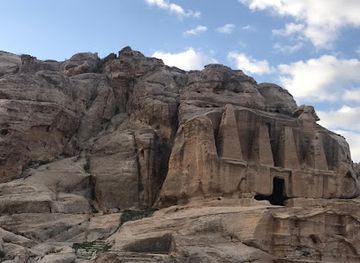
Petra
Explore Petra, the Rose City of Jordan, where ancient history and breathtaking architecture come together in a stunning archaeological wonder.
-
Park
The Hashemite Plaza
Explore the historical charm and vibrant atmosphere of The Hashemite Plaza, a must-see destination in the heart of Amman, Jordan.
-
Historical landmark
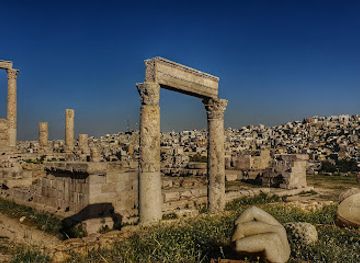
Amman Citadel
Discover the rich history and breathtaking views at the Amman Citadel, a must-visit archaeological site in the heart of Jordan.
-
Historical landmark
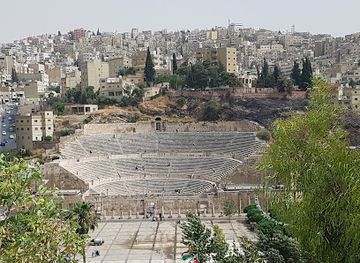
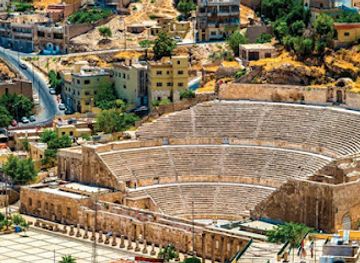
Roman Theater
Discover the grandeur of the Roman Theater in Amman, a historical landmark that showcases ancient architecture and vibrant cultural experiences.
Explore Balqa Highlands on the map
Plan your trip on one map. See where the top cities, national parks and sights are, and book hotels and experiences in a few clicks.
Best hotels in Balqa Highlands
Best restaurants in Balqa Highlands
Dining in the Balqa Highlands is grounded in Jordanian home cooking and the produce of a wetter, more agricultural upland than much of the country. In As-Salt and surrounding towns, visitors can find establishments serving mansaf, maqluba, grilled meats, mezze, lentil dishes, flatbreads and yoghurt-based accompaniments, alongside simpler cafés and bakeries. Olive oil and table olives are particularly important regional products, while seasonal fruit, herbs and vegetables appear in rural kitchens and family-run eateries. Fuheis and Salt have restaurants and cafés suited to a longer meal, whereas smaller villages may offer fewer choices and more limited hours. Coffee, tea and sweet pastries are common social features of a stop in town. Markets and farms can provide opportunities to buy olive oil, olives, cheese and preserves, though quality and packaging vary, so choose reputable sellers and check that products can travel safely. Dining customs are generally shared with Jordan nationally, with generous portions and meals often designed for sharing rather than individual courses.
-
Restaurant
Tawaheen AlHawa
Experience authentic Jordanian cuisine at Tawaheen AlHawa - a culinary landmark in Amman offering delicious flavors and stunning views.
-
Lebanese
Fakhreldin Restaurant
Experience authentic Lebanese cuisine at Fakhreldin Restaurant in Amman - a family-friendly haven for food lovers.
-
French
La Capitale Restaurant
Experience exquisite French cuisine at La Capitale Restaurant in Amman - where elegance meets culinary artistry.
-
Armenian
Levant Restaurant
Experience authentic Armenian cuisine at Levant Restaurant in Amman - where tradition meets taste in a delightful dining atmosphere.

Best bars in Balqa Highlands
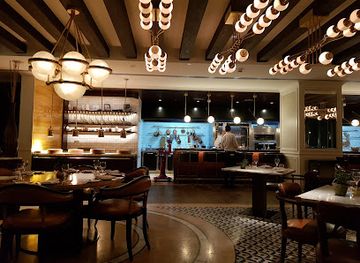
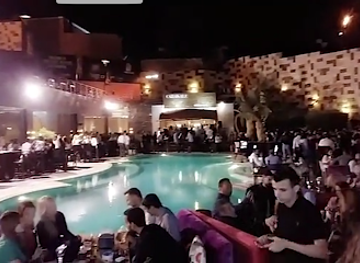
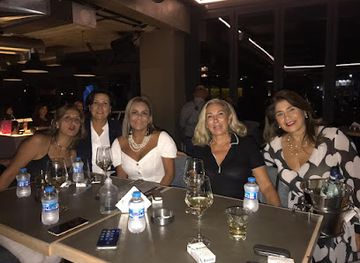
Nightlife in the Balqa Highlands is comparatively restrained and centres on cafés, restaurants, family gatherings and traditional social spaces rather than a concentrated club scene. As-Salt’s evenings are suited to walking through the illuminated historic streets, drinking coffee or tea and dining, while Fuheis has a more visible Christian social and restaurant culture. Some contemporary venues in or near the larger towns may serve alcoholic drinks, but availability is not uniform and visitors should not assume that every restaurant or hotel does so. Rural communities generally become quiet earlier, with evening activity focused on homes, cafés and local gatherings. Live music or seasonal events may occur, but programmes and venues change, so current local information is necessary. Respect local religious and family customs, keep noise moderate in residential areas and remember that experiencing the region does not depend on alcohol or late-night entertainment.
-
 Hotel
HotelRamada Resort by Wyndham Dead Sea
Experience luxury and relaxation at the Ramada Resort by Wyndham Dead Sea, your gateway to the therapeutic wonders of the Dead Sea.
-
Restaurant
HuQQabaz Jordan
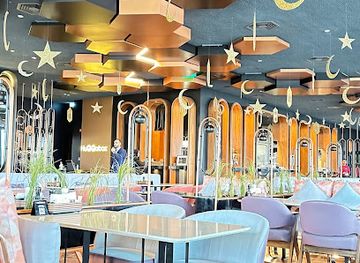
Discover the vibrant culinary scene at HuQQabaz Jordan, where authentic Middle Eastern flavors meet a stylish lounge atmosphere in Amman.
-
Restaurant
HIGH GARDEN Rooftop
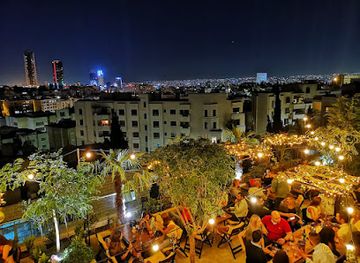
Discover the rooftop gem of Amman at HIGH GARDEN Rooftop, where exquisite cuisine meets breathtaking city views.
-
American
Buffalo Wings & Rings - Dead Sea
Experience the best American cuisine at Buffalo Wings & Rings – Dead Sea, where delicious chicken wings meet a vibrant sports bar atmosphere.

Best nightclubs in Balqa Highlands
Nightlife in the Balqa Highlands is comparatively restrained and centres on cafés, restaurants, family gatherings and traditional social spaces rather than a concentrated club scene. As-Salt’s evenings are suited to walking through the illuminated historic streets, drinking coffee or tea and dining, while Fuheis has a more visible Christian social and restaurant culture. Some contemporary venues in or near the larger towns may serve alcoholic drinks, but availability is not uniform and visitors should not assume that every restaurant or hotel does so. Rural communities generally become quiet earlier, with evening activity focused on homes, cafés and local gatherings. Live music or seasonal events may occur, but programmes and venues change, so current local information is necessary. Respect local religious and family customs, keep noise moderate in residential areas and remember that experiencing the region does not depend on alcohol or late-night entertainment.
-
Pub
Murphy's - House of Rock
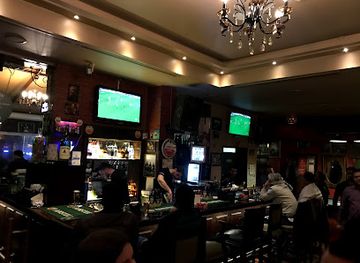
Experience the lively atmosphere of Murphy's - House of Rock in Amman, a vibrant pub offering delicious food, refreshing drinks, and live entertainment.
-
Pub
Kegs House of Ale
Explore Kegs House of Ale: Amman's premier pub for exceptional brews, delicious food, and vibrant nightlife.
-
Lounge
The Warehouse Rooftop
Discover breathtaking views and vibrant nightlife at The Warehouse Rooftop, a premier lounge in Fuheis offering delicious food and signature cocktails.
-
Night club
OMNI CLUB AMMAN
Dive into the electrifying nightlife at OMNI CLUB AMMAN, where music, dancing, and vibrant energy come together for an unforgettable night.

Best shops in Balqa Highlands
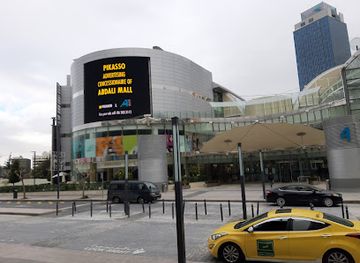
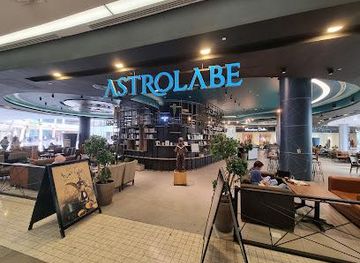
Shopping in the Balqa Highlands is concentrated in As-Salt’s traditional commercial streets, local markets and independent shops rather than large modern retail complexes. Visitors can look for Jordanian food products such as olive oil, olives, za'atar, dried herbs, preserves, sweets and seasonal produce, with quality and provenance worth checking before purchase. Small craft and gift shops may stock ceramics, embroidery, woven goods, soaps and locally themed souvenirs, while the historic centre’s older streets retain a practical market character alongside tourism-oriented businesses. Fuheis and neighbouring towns offer cafés, bakeries and everyday shops, but their retail scenes are more local than destination-focused. Farmers and reputable food sellers are the best sources for understanding the highlands’ olive-growing economy; bottled products should be sealed and packed securely for travel. Bargaining is not appropriate everywhere, so ask the price and negotiate courteously only in settings where it is clearly customary.
-
Shopping mall
City Mall
Explore City Mall in Amman: A premier shopping destination with diverse retail, entertainment, and dining options for an unforgettable experience.
-
Shopping mall
Abdali Mall
Explore Abdali Mall in Amman: A vibrant shopping hub with diverse dining and entertainment options for an unforgettable experience.
-
Shopping mall
Abdali Boulevard
Explore Abdali Boulevard in Amman for a unique blend of shopping, dining, and cultural experiences in Jordan's vibrant capital.
-
Shopping mall
Taj Lifestyle Center
Discover the best shopping, dining, and entertainment at Taj Lifestyle Center in Amman, a vibrant hub of culture and leisure.

Get your free copy of our complete guide to Balqa Highlands, delivered straight to you.
Everything on this page, from attractions and restaurants to essentials and local phrases, in one PDF you can read offline, print or share.
Already have an account? Sign in
Your Balqa Highlands guide is ready.
We'll send it to · Not you? Sign out

Getting your guide ready…
We are putting together a fresh copy of the Balqa Highlands guide. This can take up to a minute.
This can take a few moments. If your browser asks, choose Allow so the download can start. You'll find the guide in your Downloads folder.
Nothing happened? Download it again
Sorry, the guide is taking longer than usual. Please try again in a minute, or get it by email instead.
Balqa Highlands essentials
Currency and Payment
Safety
Emergency Situations
Do's and Don'ts
Local Tips
From Eve
Local phrases worth knowing
You don't need to get them perfect. A few words go a long way, and locals appreciate the effort.
Basics
| English | Local | Say it |
|---|---|---|
| Hello | مرحبا | [Marhaba] |
| Goodbye | وداعا | [Wad'an] |
| Yes | نعم | [Na'am] |
| No | لا | [La] |
| Please/You're welcome | من فضلك | [Min fadlik] |
| Thank you | شكرا | [Shukran] |
| Excuse me/Sorry | عفوا | [Afwan] |
| How are you? | كيف حالك؟ | [Kayfa halak?] |
| Fine. And you? | بخير. وأنت؟ | [Bikhayr. Wa anta?] |
| Do you speak English? | هل تتحدث الإنجليزية؟ | [Hal tatahaddath al-ingliziyya?] |
| I don't understand | لا أفهم | [La afham] |
Eating & Drinking
| English | Local | Say it |
|---|---|---|
| I'd like to see the menu, please | أود رؤية القائمة، من فضلك | [Awad ru'yat al-qa'ima, min fadlik] |
| I don't eat meat | أنا لا أتناول اللحوم | [Ana la atanaawal al-luhum] |
| Cheers! | صحتين | [Sihatin] |
| I would like to pay, please | أود الدفع، من فضلك | [Awad al-daf', min fadlik] |
Emergencies
| English | Local | Say it |
|---|---|---|
| Help! | ساعدني! | [Sa'adni!] |
| Go away! | ابتعد! | [Ibt'id!] |
| Call the Police! | اتصل بالشرطة! | [Ittasil bil-shurta!] |
| Call a doctor! | اتصل بطبيب! | [Ittasil bi-tabeeb!] |
| I'm lost | أنا ضائع | [Ana da'i'] |
| I'm ill | أنا مريض | [Ana marid] |
Shopping
| English | Local | Say it |
|---|---|---|
| I'd like to buy... | أود شراء... | [Awad shira'] |
| I'm just looking | أنا فقط أنظر | [Ana faqat anzhur] |
| How much is it? | كم ثمنه؟ | [Kam thamanuh?] |
| That's too expensive | هذا مكلف جدا | [Hatha mukallaf jiddan] |
| Can you lower the price? | هل يمكنك تخفيض السعر؟ | [Hal yumkinuka takhfid al-si'r?] |
Time & Numbers
| English | Local | Say it |
|---|---|---|
| What time is it? | كم الساعة؟ | [Kam al-saa'a?] |
| It's one o'clock | الساعة الواحدة | [Al-saa'a al-wahidah] |
| Half past (10) | نصف (10) | [Nisf (10)] |
| Morning | صباح | [Sabaah] |
| Afternoon | بعد الظهر | [Ba'd al-zuhur] |
| Evening | مساء | [Masa'] |
| Yesterday | أمس | [Ams] |
| Today | اليوم | [Al-yawm] |
| Tomorrow | غدا | [Ghadan] |
| 1 | ١ | [Waahid] |
| 2 | ٢ | [Ithnayn] |
| 3 | ٣ | [Thalatha] |
| 4 | ٤ | [Arba'a] |
| 5 | ٥ | [Khamsa] |
| 6 | ٦ | [Sitta] |
| 7 | ٧ | [Sab'a] |
| 8 | ٨ | [Thamaniya] |
| 9 | ٩ | [Tis'a] |
| 10 | ١٠ | [Ashara] |
Transport & Directions
| English | Local | Say it |
|---|---|---|
| Where's a/the...? | أين يوجد...؟ | [Ayn yujad...?] |
| What's the address? | ما هو العنوان؟ | [Ma huwa al-'unwan?] |
| Can you show me (on the map)? | هل يمكنك أن تري لي (على الخريطة)؟ | [Hal yumkinuka an turi li (ala al-kharita)?] |
| When's the next (bus)? | متى تكون (الحافلة) التالية؟ | [Mata takun (al-hafila) al-taliya?] |
| A ticket (to ....) | تذكرة (إلى ....) | [Tadhkira (ila....)] |
History of Balqa Highlands
Ancient Settlement on the Balqa Plateau
The Balqa uplands have long benefited from rainfall, springs and their position between the Jordan Valley and the interior plateau. Archaeological remains across the wider area indicate settlement and agricultural activity from prehistoric and ancient periods, although individual sites vary considerably in scale and interpretation. The highlands’ elevated routes connected communities travelling between the valley, the eastern plateau and the lands west of the Jordan River. This geography helped make the region a corridor rather than an isolated mountain district, with farming, pastoralism and trade all contributing to its historical character.
Roman and Byzantine Landscapes
During Roman and Byzantine rule, the Balqa region formed part of a network of roads, agricultural settlements and fortified or administratively useful sites linking the Levantine interior. Stone construction, cisterns, terraces and traces of rural occupation remain part of the wider highland archaeological landscape. Christianity became prominent in the Byzantine period, leaving a legacy visible in Jordan’s churches and religious traditions. The precise remains encountered around the modern towns are diverse, but the period established enduring patterns of cultivation, settlement and movement across the plateau.
Early Islamic and Medieval Connections
After the seventh-century Islamic conquests, the Balqa became part of the wider political and commercial world of the Islamic Levant. Its routes linked the Jordan Valley with inland towns and the approaches to Damascus and Jerusalem. Control, settlement and trade shifted under successive regional powers, while villages and agricultural lands continued to depend on water management and seasonal cultivation. Medieval travellers described the Balqa as a productive district in comparison with drier areas farther east, a reputation that still helps explain the importance of orchards and olive groves in the highlands.
As-Salt under Ottoman Rule
As-Salt expanded in importance during the later Ottoman period, particularly in the nineteenth century, when merchants and families from different communities settled or traded there. Its position on routes between the Jordan Valley, Nablus, Jerusalem, Damascus and the interior made it a commercial centre. Wealth generated through trade was expressed in large limestone houses with courtyards, decorated façades and storage areas. The historic buildings visible today are therefore not merely domestic architecture; they record the town’s role as a regional market and meeting place before the growth of modern Amman.
The Early Emirate of Transjordan
Following the First World War, As-Salt and the surrounding Balqa were drawn into the political formation that became the Emirate of Transjordan under Emir Abdullah, later the Hashemite Kingdom of Jordan. Salt was an important urban centre during this formative period, while Amman gradually grew into the country’s administrative and demographic focus. The transition altered trade routes, government structures and patterns of investment across the highlands. Roads and modern institutions later connected the region more closely with the capital, even as Salt retained its distinct historic identity.
Agriculture, Migration and Modern Change
In the twentieth and twenty-first centuries, the Balqa Highlands experienced changes common to much of Jordan: improved roads, expanded education, new construction and movement between villages, Salt and Amman. Agriculture remains important, especially olive growing and the cultivation of fruit and seasonal crops, but many households now combine rural landholding with urban employment. The region’s built heritage has consequently become a central part of its contemporary identity. Conservation in As-Salt seeks to maintain historic streets and houses while allowing the city to remain a lived-in community rather than a preserved architectural stage set.
Balqa Highlands in Photos
Browse through our photo collection highlighting the charm and character of the destination.
Neighbouring regions of Balqa Highlands
The closest regions to Balqa Highlands, if you have time for more than one.
-

-

-

-

-


Swipe for more regions

