

Free Aktau Travel Guide & Mobile App
Plan your Aktau trip with Evendo. Get free guides to top attractions, restaurants, hotels, and bars. Web access or download the mobile app.


Aktau on Kazakhstan’s Caspian coast combines Soviet planned architecture, seaside promenades, Caspian culture and access to the dramatic Mangystau landscape.
A Planned City by the Caspian
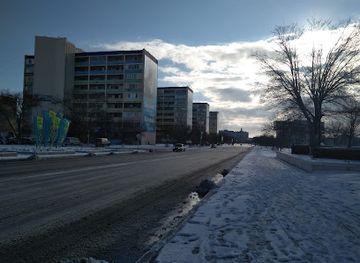
Aktau stands on Kazakhstan’s southwestern shore, where the pale, arid Mangystau plateau meets the Caspian Sea. Unlike the ancient settlements scattered across the wider region, the city is largely a product of the Soviet era: founded in 1958 as Shevchenko, it was planned around uranium mining, energy production and a deep-water port. Its broad avenues, numbered microdistricts and functional apartment blocks give the centre a distinctive architectural character, while the waterfront provides an open horizon and a cooler maritime atmosphere.Read more about Aktau
Waterfront Life and Local Character
When is the best time to visit Aktau?
Best: May–June, September · 23–29°C| Month | High (°C) | Rainfall (mm) |
|---|---|---|
| January | 1 | 22 |
| February | 2 | 18 |
| March | 6 | 15 |
| April | 16 | 10 |
| May (best) | 23 | 7 |
| June (best) | 29 | 3 |
| July | 32 | 1 |
| August | 30 | 1 |
| September (best) | 25 | 2 |
| October | 16 | 6 |
| November | 8 | 13 |
| December | 2 | 16 |
Getting to and around Aktau
How to get there
Transportation
Best attractions in Aktau
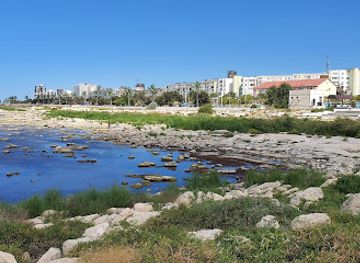
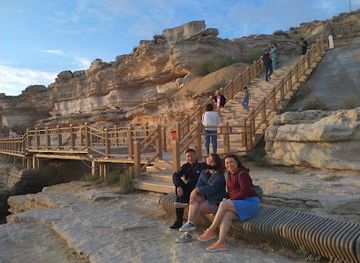
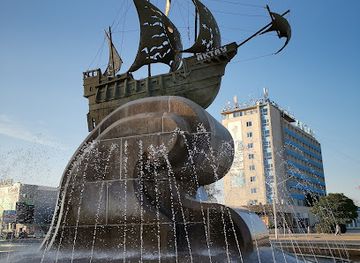
Aktau’s principal sightseeing experience begins at the Caspian waterfront, where promenades, open public spaces and broad views across the water reveal the city’s coastal character. Yntymak Square provides a central civic setting, while the Monument to the Karavans evokes Mangystau’s older traditions of movement and exchange. The Mangystau Regional Museum of Local History introduces the peninsula’s geology, archaeology, nomadic heritage and modern industrial development, making it a useful first stop. Around the central microdistricts, Soviet-planned apartment architecture and carefully spaced avenues offer a different kind of urban interest from the historic quarters of Kazakhstan’s older cities. Public beaches and seaside leisure areas are popular in warm weather, though conditions and facilities vary. Aktau also functions as a base for organised journeys beyond the city to the underground mosques, mausoleums, cliffs, canyons and salt landscapes of Mangystau, which require separate transport and substantial time.
-
Tourist attraction
I LOVE AKTAU
Discover the vibrant charm of I LOVE AKTAU, a stunning coastal attraction in Kazakhstan, perfect for unforgettable memories and local experiences.
8 min drive · 2.8 km from city centre
-
Park
Alleya T. G. Shevchenko
Experience tranquility and natural beauty in Aktau's Alleya T. G. Shevchenko Park, a perfect escape for nature lovers and culture enthusiasts.
9 min drive · 2.9 km from city centre
-
Hiking area
Skal'naya Tropa
Discover the breathtaking landscapes and hiking trails at Skal'naya Tropa in Aktau, a must-visit destination for nature lovers and adventurers.
10 min drive · 3.5 km from city centre
-
Sculpture
Pamyatnik Mayak
Discover the captivating Pamyatnik Mayak, an iconic lighthouse sculpture in Aktau, symbolizing Kazakhstan's rich maritime heritage and coastal beauty.
8 min drive · 2.8 km from city centre

Best landmarks in Aktau
Aktau’s landmarks express the city’s modern origins and its relationship with Mangystau rather than an ancient urban past. The Monument to the Karavans is a prominent public symbol linking contemporary Aktau with the peninsula’s historic routes and nomadic movement. Yntymak Square forms an important civic space, used for public gatherings and framed by the planned city’s broad avenues and residential districts. The Mangystau Regional Museum of Local History is significant for its cultural rather than monumental architecture, preserving the archaeological, ethnographic and industrial story of the region. The Caspian waterfront and the city’s port are defining geographical landmarks, marking Aktau as a maritime and logistics centre. Soviet apartment blocks, numbered microdistricts and functional civic buildings are also part of its architectural identity, illustrating the planned industrial urbanism from which modern Aktau developed.
-
Tourist attraction
I LOVE AKTAU
Explore the artistic heart of Aktau at I LOVE AKTAU, a vibrant tourist attraction with stunning views and local culture.
8 min drive · 2.8 km from city centre
-
 Hotel
HotelCaspian Riviera Grand Palace Hotel
Experience unparalleled luxury at Caspian Riviera Grand Palace Hotel in Aktau, where stunning views and world-class amenities await.
10 min drive · 3.4 km from city centre
-
Tourist attraction
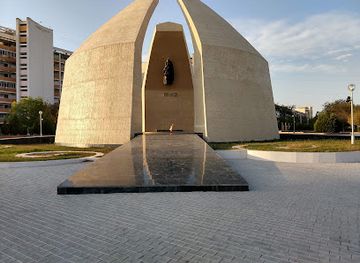
Eternal Flame World War II Memorial
Explore the Eternal Flame World War II Memorial in Aktau, a moving tribute to bravery and sacrifice that illuminates the spirit of Kazakhstan's history.
6 min drive · 2.1 km from city centre
-
Amusement park
AkBota
Experience the thrill of AkBota, Aktau's premier amusement park, filled with rides, games, and seaside fun for all ages.
9 min drive · 3.0 km from city centre
Explore Aktau on the map
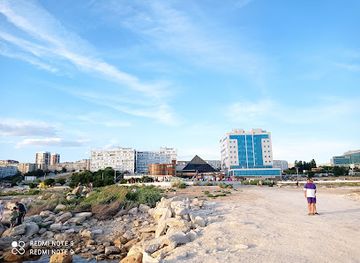
Plan your Aktau trip on one map. See where the top attractions, landmarks, restaurants, bars and hotels are, find what's near where you're staying, and book hotels and experiences in a few clicks.
Best hotels in Aktau
Best restaurants in Aktau
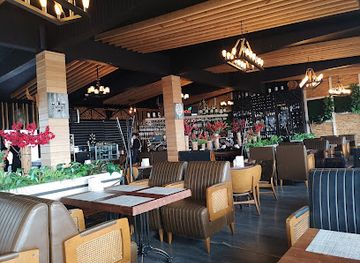
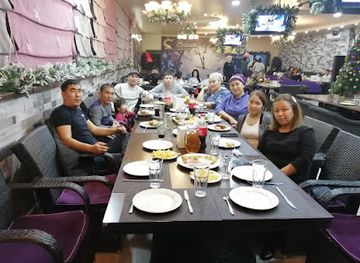
Aktau’s dining scene reflects its position on the Caspian and its role as a modern western Kazakh city. Menus commonly combine Kazakh favourites such as beshbarmak, baursak and meat-based dishes with Russian, Central Asian, Caucasian and international influences. Fish from the Caspian region appears in some restaurants, although availability and species vary with season and supply. Cafés and restaurants are concentrated around the waterfront, central microdistricts, shopping centres and larger hotels, offering everything from tea, pastries and casual meals to formal dining. Traditional dishes may be encountered alongside plov, shashlik and contemporary interpretations of regional ingredients. Markets and food shops provide an opportunity to see the everyday staples of Mangystau, including dairy products, breads and preserved foods. Because Aktau is geographically remote, the dining culture also reflects imported ingredients and the tastes of an industrial, mobile population.
-
Restaurant
Lamore
Discover the luxury dining experience at Lamore in Aktau - where exquisite cuisine meets elegant ambiance.
8 min drive · 2.8 km from city centre
-
Restaurant
Айтан
Experience authentic Kazakh cuisine at Айтан in Aktau - where local flavors meet international flair.
5 min walk · 0.4 km from city centre
-
Restaurant
Семейный Ресторан Beluga
Savor the authentic taste of Kazakhstan at Семейный Ресторан Beluga - where every meal is a celebration of flavor and warmth.
6 min drive · 1.9 km from city centre
-
Restaurant
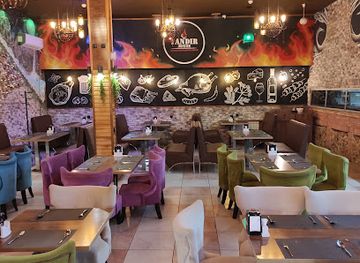
Tandir House
Experience authentic Kazakh cuisine at Tandir House in Aktau – where tradition meets taste in a welcoming atmosphere.
7 min drive · 2.4 km from city centre
Best bars in Aktau
Aktau’s evening life is concentrated rather than extensive, with activity gathering around the seafront, central microdistricts, hotels and restaurant complexes. Residents often use the promenade for evening walks and socialising, particularly during the warmer months, while cafés and lounge-style venues provide relaxed settings for tea, coffee and conversation. Some restaurants develop a livelier atmosphere later in the evening, and the city has bars and nightclubs, though the scene is smaller and more local than that of Almaty or Astana. Live music, karaoke and televised sport are common forms of entertainment in urban venues. Alcohol is available in licensed establishments, but visitors should respect local social norms and dress expectations. During summer, the waterfront is the most characteristic after-dark setting; outside the main leisure areas, streets can become quiet and poorly lit.
-
Pub
Chechil Актау
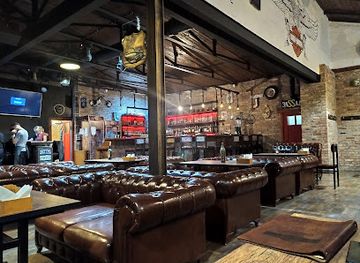
Enjoy a unique blend of food, drinks, and live music at Chechil Pub, Aktau's favorite gastropub for locals and travelers alike.
8 min drive · 2.7 km from city centre
-
Bar
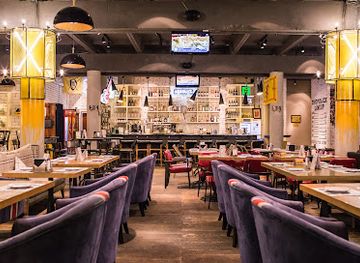
Bukowski Gril' Bar
Experience the vibrant nightlife of Aktau at Bukowski Grill Bar, where delicious food meets lively entertainment in an unforgettable atmosphere.
8 min drive · 2.8 km from city centre
-
Bar
Папа бар
Discover the lively Папа бар in Aktau – a local favorite for drinks, music, and unforgettable nights.
8 min drive · 2.5 km from city centre
-
Cocktail bar
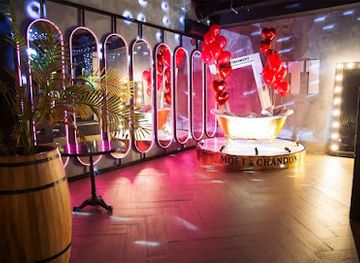
Grani - Cocktail Bar
Experience the vibrant nightlife at Grani Cocktail Bar, Aktau's premier destination for exquisite cocktails and a lively atmosphere.
11 min drive · 3.6 km from city centre

Best nightclubs in Aktau
Aktau’s evening life is concentrated rather than extensive, with activity gathering around the seafront, central microdistricts, hotels and restaurant complexes. Residents often use the promenade for evening walks and socialising, particularly during the warmer months, while cafés and lounge-style venues provide relaxed settings for tea, coffee and conversation. Some restaurants develop a livelier atmosphere later in the evening, and the city has bars and nightclubs, though the scene is smaller and more local than that of Almaty or Astana. Live music, karaoke and televised sport are common forms of entertainment in urban venues. Alcohol is available in licensed establishments, but visitors should respect local social norms and dress expectations. During summer, the waterfront is the most characteristic after-dark setting; outside the main leisure areas, streets can become quiet and poorly lit.
-
Night club
Bukowski Gril' Bar
Discover Aktau's nightlife at Bukowski Grill' Bar, where delicious dining meets vibrant entertainment in a lively atmosphere.
8 min drive · 2.8 km from city centre
-
Restaurant
El Divino
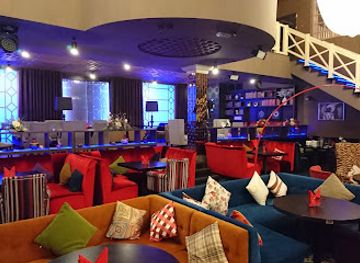
Experience the vibrant nightlife and exquisite cuisine at El Divino, Aktau's premier restaurant and karaoke bar, perfect for unforgettable evenings.
6 min drive · 2.2 km from city centre
-
Night club
Staryy Zamok
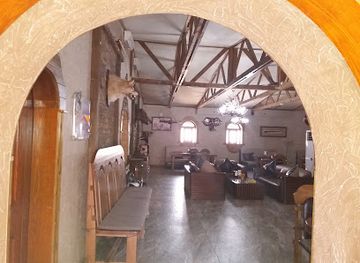
Discover the vibrant nightlife at Staryy Zamok, Aktau's premier night club offering an unforgettable experience with music, dancing, and lively atmosphere.
8 min drive · 2.6 km from city centre
-
Night club
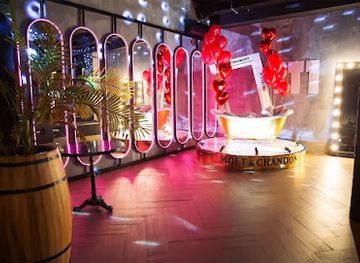
"1001 Ночь"
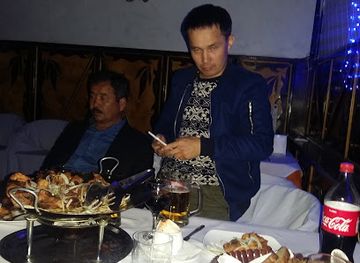
Unleash your evening at 1001 Ночь, Aktau's vibrant night club, where the music is lively and the fun never stops.
5 min drive · 1.8 km from city centre
Best shops in Aktau
Shopping in Aktau is centred on modern retail complexes, supermarkets, markets and the commercial areas of the numbered microdistricts rather than on a historic bazaar district. Shopping centres provide clothing, electronics, cafés and everyday goods, while local markets are useful for seeing produce, breads, dairy products, dried foods and household merchandise. Visitors looking for regional gifts may encounter Kazakh textiles, felt work, ornaments, small handicrafts and packaged foods, although selection varies between shops and seasons. Mangystau’s distinctive natural landscape also inspires locally themed souvenirs and geological imagery. The city’s retail character reflects its recent development and mobile industrial population: contemporary chain stores and imported products sit alongside traders selling practical goods and regional staples. For authentic purchases, ask about provenance and choose established shops or craft sellers rather than assuming that every item labelled as local was made in Mangystau.
-
Shopping mall
Shum Shopping Centre
Explore Shum Shopping Centre in Aktau for a vibrant shopping experience filled with diverse stores and delightful dining options.
8 min drive · 2.7 km from city centre
-
Hypermarket
WaterFront
Explore WaterFront Hypermarket, Aktau's vibrant shopping hub for food, hardware, and local goods, offering a unique blend of products for every tourist's need.
10 min drive · 3.4 km from city centre
-
Store
Kaz Fruit Company
Discover the freshest local produce and unique Kazakh flavors at Kaz Fruit Company, a must-visit store in Aktau for all food lovers.
6 min drive · 1.9 km from city centre
-
Supermarket
Good
A vibrant supermarket in Aktau offering a delightful mix of local and international products, perfect for travelers seeking culinary treasures.
10 min walk · 0.8 km from city centre

Get your free copy of our complete guide to Aktau, delivered straight to you.
Everything on this page, from attractions and restaurants to essentials and local phrases, in one PDF you can read offline, print or share.
Already have an account? Sign in
Your Aktau guide is ready.
We'll send it to · Not you? Sign out

Getting your guide ready…
We are putting together a fresh copy of the Aktau guide. This can take up to a minute.
This can take a few moments. If your browser asks, choose Allow so the download can start. You'll find the guide in your Downloads folder.
Nothing happened? Download it again
Sorry, the guide is taking longer than usual. Please try again in a minute, or get it by email instead.
Aktau essentials
Currency and Payment
Safety
Emergency Situations
Do's and Don'ts
Local Tips
From Eve
Local phrases worth knowing
You don't need to get them perfect. A few words go a long way, and locals appreciate the effort.
Basics
| English | Local | Say it |
|---|---|---|
| Hello | Сәлем | [Salem] |
| Goodbye | Қош келдіңіз/Қош келді | [Qoş keldiniz/Qoş keldi] |
| Yes | Ия | [Iya] |
| No | Жоқ | [Joq] |
| Please/You're welcome | Рахмет | [Rahmet] |
| Thank you | Рахмет | [Rahmet] |
| Excuse me/Sorry | Кешіріңіз | [Keshiriniz] |
| How are you? | Қалайсыз? | [Qalaisyz?] |
| Fine. And you? | Жақсым. Сіз күніңіздер жақсы ма? | [Jaqsım. Sız küninizder jaqsı ma?] |
| Do you speak English? | Сіз ағылшынша сөйлейсіз бе? | [Sız ağılşınşa söylesiz be?] |
| I don't understand | Мен түсінбеймін | [Men tüsinbeımin] |
Eating & Drinking
| English | Local | Say it |
|---|---|---|
| I'd like to see the menu, please | Мен менюмен танысу қаладым | [Men menyumem tanısу qaladım] |
| I don't eat meat | Мен мерген тамақтан кеңесіз | [Men mergen tamaqtan keñesiz] |
| Cheers! | Төңкеріктер! | [Tönkerikter] |
| I would like to pay, please | Мен төлеуге қаламын | [Men tölеuge qalamın] |
Emergencies
| English | Local | Say it |
|---|---|---|
| Help! | Көмек! | [Kömek!] |
| Go away! | Ауыр тұрыңыз! | [Auyr turınız!] |
| Call the Police! | Полицияға қоңырау шалыныз! | [Politsiyağa qonırau şalınız!] |
| Call a doctor! | Дәрігерге қоңырау шалыныз! | [Därigerge qonırau şalınız!] |
| I'm lost | Мен ауырландым | [Men auyrlandım] |
| I'm ill | Мен ауру жауапкершілікке тап бардым | [Men aurw jaуapkewshilikke tap bardım] |
Shopping
| English | Local | Say it |
|---|---|---|
| I'd like to buy... | Мен сатып алғым келеді... | [Men satıp algım keledi...] |
| I'm just looking | Мен тек көріп тұрмын | [Men tek körіp turmın] |
| How much is it? | Ол канша болады? | [Ol kanşa boladı?] |
| That's too expensive | Ол тым дорын | [Ol tım dorın] |
| Can you lower the price? | Сіз бағаны төмендете аласыз бе? | [Sız bağanı tөmendete alasız be?] |
Time & Numbers
| English | Local | Say it |
|---|---|---|
| What time is it? | Қанша уақыт? | [Qanşa waqıt?] |
| It's one o'clock | Бір уақыт | [Bir waqıt] |
| Half past (10) | Ондықтын аралығы | [Ondıqtın aralığı] |
| Morning | Таң | [Tañ] |
| Afternoon | Кеш | [Keş] |
| Evening | Кеш | [Keş] |
| Yesterday | Кеше | [Keşe] |
| Today | Бүгін | [Bugin] |
| Tomorrow | Ертең | [Erteñ] |
| 1 | 1 | [1] |
| 2 | 2 | [2] |
| 3 | 3 | [3] |
| 4 | 4 | [4] |
| 5 | 5 | [5] |
| 6 | 6 | [6] |
| 7 | 7 | [7] |
| 8 | 8 | [8] |
| 9 | 9 | [9] |
| 10 | 10 | [10] |
Transport & Directions
| English | Local | Say it |
|---|---|---|
| Where's a/the...? | ...қайда? | [...qayda?] |
| What's the address? | Мекен-жайы қайда? | [Meken-jayı qayda?] |
| Can you show me (on the map)? | Меніңге (картада) көрсете аласыз бе? | [Meniñge (kartada) körsete alasız be?] |
| When's the next (bus)? | Келесі (автобус) не уақытта? | [Kelesi (avtobus) ne waqıtta?] |
| A ticket (to ....) | Билет (...ға) | [Bilet (...ğa)] |
History of Aktau
Mangystau Before the Modern City
The territory around present-day Aktau belongs to Mangystau, a peninsula long crossed by pastoral communities, caravan routes and pilgrimage paths. Its archaeology and sacred geography reflect successive nomadic cultures rather than the continuous urban history found in Kazakhstan’s older oasis cities. Seasonal movement was shaped by scarce water, winter pastures and access to the Caspian coast. Underground mosques, necropolises and shrines elsewhere in the region preserve the importance of Islamic learning and pilgrimage, while traces of ancient and medieval occupation demonstrate the peninsula’s wider connections. The landscape’s limestone plateaux and salt depressions were not merely scenic features: they determined settlement, travel and livelihoods for centuries before the construction of Aktau.
Soviet Industrial Foundations
Aktau emerged in the late 1950s as a planned Soviet industrial settlement associated with uranium extraction and the development of Mangystau’s mineral resources. It was initially named Shevchenko, commemorating the Ukrainian poet Taras Shevchenko, who had spent part of his exile in the wider region during the nineteenth century. The new city was built on an arid coast with little natural freshwater, requiring major engineering works for water supply and desalination. Its existence was therefore tied as much to Soviet infrastructure and scientific expertise as to the mines and industries that supported the settlement. The planned urban form, including numbered microdistricts and broad roads, dates largely from this formative period.
A Maritime and Energy Centre
During the Soviet decades, Shevchenko developed into a strategically important centre for energy, mining, water engineering and Caspian shipping. The port connected the city with maritime routes and supported industrial activity along the coast, while apartment districts expanded to house a rapidly growing population. Because Aktau was created as a modern working city rather than an inherited historic centre, its identity rested on public infrastructure, scientific institutions and the shared experience of life in a demanding desert environment. The city’s architecture and street plan still reveal this origin: practical residential blocks, civic spaces and wide corridors were designed for a planned industrial community rather than for medieval commerce or monumental royal display.
From Shevchenko to Aktau
With Kazakhstan’s independence in 1991, the city adopted the name Aktau, meaning ‘white mountain’ in Kazakh, a reference to the pale cliffs and limestone formations characteristic of Mangystau. The change marked a renewed emphasis on Kazakh language, regional identity and the peninsula’s older cultural landscape. At the same time, Soviet-era industries and port facilities remained central to the local economy. Aktau’s public life consequently developed through a blend of inherited urban planning, post-independence national symbolism and continuing links with the Caspian Sea. New commercial areas and renovated waterfront spaces appeared alongside the original microdistricts, producing a city whose modern identity is layered rather than centred on a single historic quarter.
Contemporary Caspian Gateway
In the twenty-first century, Aktau has become one of Kazakhstan’s principal Caspian ports and an important base for the oil, gas, logistics and service sectors of western Kazakhstan. Its position gives it a role in maritime trade across the Caspian, while the city also serves as the practical starting point for journeys into Mangystau’s deserts, cliffs and pilgrimage sites. Tourism remains more closely connected to regional landscapes than to a dense concentration of urban monuments. Contemporary Aktau is therefore defined by several overlapping functions: an industrial and transport centre, a coastal city with a growing recreational waterfront, and a gateway to one of Kazakhstan’s most geologically distinctive regions.
Aktau in Photos
Browse through our photo collection highlighting the charm and character of the destination.
Cities near Aktau
The closest cities to Aktau, if you have time for more than one stop.
-

-

-

-

-


Swipe for more cities
Explore more

Explore more of Kazakhstan
Explore Kazakhstan's rich culture, modern cities, and stunning natural landscapes. From the Caspian Sea to the Altai Mountains, find adventure and beauty in Central Asia.
Explore Kazakhstan