

Free Uralsk Travel Guide & Mobile App
Plan your Uralsk trip with Evendo. Get free guides to top attractions, restaurants, hotels, and bars. Web access or download the mobile app.


Uralsk, Kazakhstan, brings together Ural River scenery, Cossack-era heritage, historic merchant streets, museums and authentic western Kazakh culture.
A River City on the Western Steppe
Uralsk, officially known as Oral in Kazakh, stands in western Kazakhstan near the meeting of the Ural and Chogan rivers. Its setting gives the city a character unlike the country’s larger inland centres: broad steppe horizons meet a leafy riverside, while an old urban core preserves the layered history of a frontier settlement. The city is the administrative centre of West Kazakhstan Region and an important stop on routes linking Kazakhstan with western Russia.Read more about Uralsk
Historic Streets and Living Culture
Steppe Landscapes and Regional Flavours
When is the best time to visit Uralsk?
Best: May–June, August · 22–27°C| Month | High (°C) | Rainfall (mm) |
|---|---|---|
| January | -8 | 13 |
| February | -4 | 11 |
| March | 5 | 9 |
| April | 15 | 8 |
| May (best) | 22 | 7 |
| June (best) | 27 | 7 |
| July | 30 | 8 |
| August (best) | 25 | 8 |
| September | 18 | 9 |
| October | 10 | 10 |
| November | 3 | 11 |
| December | -5 | 13 |
Getting to and around Uralsk
How to get there
Transportation
Best attractions in Uralsk
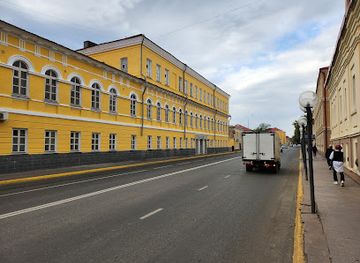
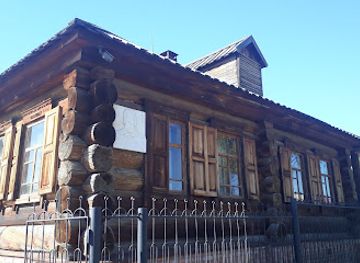
Uralsk’s principal sights are concentrated around its historic centre and the Ural riverfront. The Regional History Museum introduces the natural and human history of West Kazakhstan, while the House-Museum of Emelyan Pugachev explores the city’s connection with the eighteenth-century rebellion and its turbulent Cossack setting. The Cathedral of the Archangel Michael and the Church of Christ the Saviour offer contrasting examples of the city’s religious heritage. Older streets contain wooden houses, merchant residences and civic buildings whose details reward a slow walk rather than a hurried checklist. Kirov Park provides a green pause near the central area, and the Ural embankment opens views across the river, particularly atmospheric near sunset. The Manshuk Mametova memorial museum adds a personal perspective on the Second World War and regional history, while local markets reveal contemporary life through food, conversation and household trade.
-
Tourist attraction
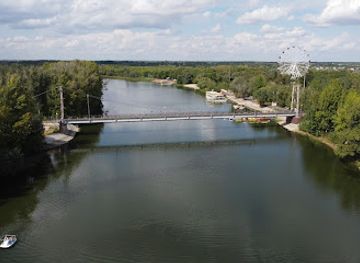
Kirov Park
Discover the beauty and tranquility of Kirov Park, a lush green haven in Uralsk ideal for relaxation, family outings, and cultural experiences.
6 min drive · 1.9 km from city centre
-
Tourist attraction
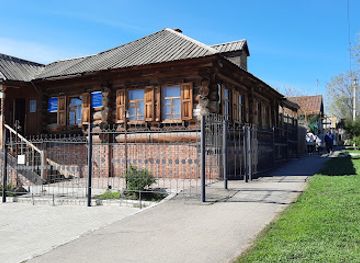
Museum of Pugachev
Immerse yourself in the rich history of Kazakhstan at the Museum of Pugachev, where every artifact tells a story of rebellion and resilience.
14 min drive · 4.7 km from city centre
-
Tourist attraction
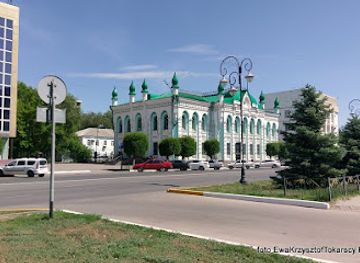
Natural History Museum
Explore the Natural History Museum in Uralsk – a captivating journey through Kazakhstan's rich biodiversity and geological heritage.
6 min drive · 1.9 km from city centre
-
Park
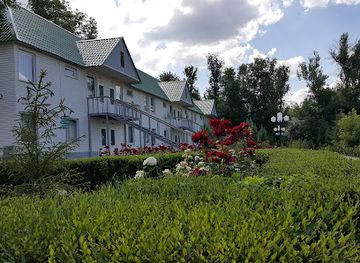
Park Hotel Uralsk
Experience the perfect blend of nature, modern amenities, and vibrant social spaces at Park Hotel Uralsk, your ideal oasis in the heart of Kazakhstan.
12 min drive · 3.9 km from city centre
Best landmarks in Uralsk
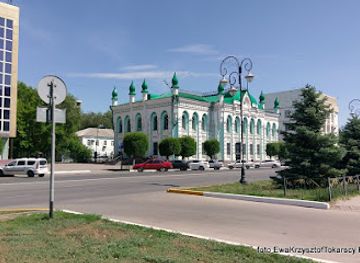
The Cathedral of the Archangel Michael is among Uralsk’s most significant historic religious buildings, associated with the city’s Cossack and Russian Orthodox past. The Church of Christ the Saviour adds another prominent ecclesiastical presence to the old centre, while the city’s surviving wooden houses and merchant residences reveal the scale and texture of nineteenth-century Uralsk. The House-Museum of Emelyan Pugachev is important less for grand architecture than for its connection with the 1773–1775 rebellion and the political history of the Yaik Cossacks. The Ural riverfront represents the geographical foundation of the settlement, and public memorials, including those connected with Manshuk Mametova, link the historic city to Kazakhstan’s twentieth-century experience. Together these places show how frontier, religious, commercial and national histories overlap in the urban landscape.
-
Hotel
Pushkin Hotel
Discover the elegance and comfort of Pushkin Hotel in Uralsk, where modern amenities meet exceptional service for an unforgettable stay.
11 min drive · 3.5 km from city centre
-
Museum
Museum of Pugachev
Explore the legacy of Yemelyan Pugachev at the Museum of Pugachev in Uralsk, where history comes alive through engaging exhibits.
14 min drive · 4.7 km from city centre
-
 Hotel
HotelChagala Uralsk Hotel
Discover comfort and culture at Chagala Uralsk Hotel, your ideal base for exploring the vibrant city of Uralsk, Kazakhstan.
16 min walk · 1.3 km from city centre
-
Museum
Natural History Museum
Explore the Natural History Museum in Uralsk - a treasure trove of Earth's wonders, showcasing ecosystems and ancient artifacts for all ages.
6 min drive · 1.9 km from city centre
Explore Uralsk on the map
Plan your Uralsk trip on one map. See where the top attractions, landmarks, restaurants, bars and hotels are, find what's near where you're staying, and book hotels and experiences in a few clicks.
Best hotels in Uralsk
Best restaurants in Uralsk
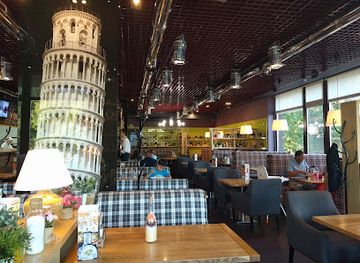
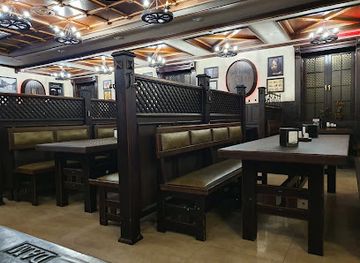
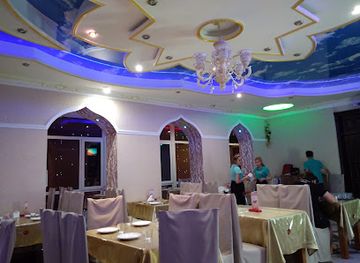
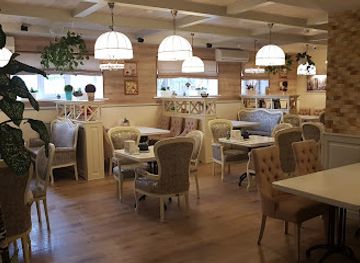
Uralsk’s dining culture reflects its position between the Kazakh steppe and the Russian-influenced Volga-Ural world. Traditional Kazakh cooking is represented by beshbarmak, usually served with boiled meat and broad sheets of pasta, as well as baursak, small pieces of fried dough commonly offered with tea. Horse-meat dishes, hearty soups, dumplings and rice-based meals appear alongside Russian-style pastries, salads and everyday café food. The city’s proximity to the Ural River gives fish a place in regional cooking, while dairy products and preserved foods reflect steppe traditions. Central cafés and restaurants provide the widest choice, and markets are useful for sampling bread, seasonal produce and prepared snacks rather than polished restaurant cuisine. Menus may be written in Kazakh and Russian, so asking about ingredients is sensible for visitors with dietary requirements.
-
Restaurant
Перчини
Experience the exquisite flavors of Kazakhstan at Perchini, Uralsk's premier dining destination offering delicious cuisine and warm hospitality.
17 min walk · 1.3 km from city centre
-
Restaurant
Melnitsa
Discover the authentic taste of Kazakh cuisine at Melnitsa in Uralsk - a delightful culinary experience awaits every visitor.
16 min walk · 1.3 km from city centre
-
Restaurant
Vostochnaya Skazka
Experience authentic Kazakh cuisine at Vostochnaya Skazka in Uralsk - where tradition meets modern dining.
9 min drive · 2.8 km from city centre
-
Restaurant
Паприколли
Explore the exquisite blend of local flavors at Паприколли in Uralsk – where culinary tradition meets modern flair.
11 min walk · 0.9 km from city centre
Best bars in Uralsk
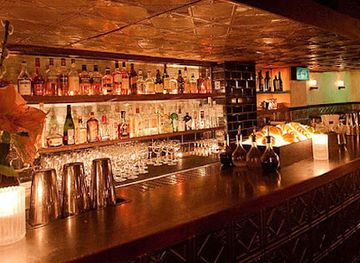
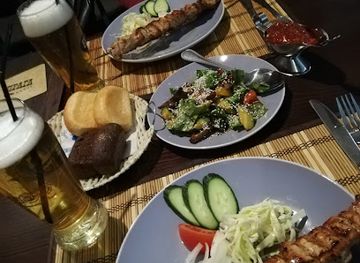
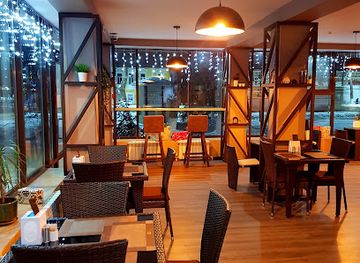
Uralsk has a modest evening scene centred on cafés, restaurants, karaoke venues, pubs and bars rather than a dense club district. The central streets and areas around the main commercial avenues offer the greatest concentration of places to meet friends, with evenings often beginning over tea or dinner before moving to music-oriented venues. Nightlife is generally more local and low-key than in Kazakhstan’s largest cities, and the choice of venues can change over time. Cultural evenings may include performances at the West Kazakhstan Regional Kazakh Drama Theatre or other city arts institutions, depending on the programme. Visitors should use established taxis after late outings and remember that public behaviour around religious buildings and residential streets should remain considerate.
-
Pub
Konyushnya
Discover the vibrant atmosphere of Konyushnya, a lively pub in Uralsk known for its friendly ambiance, diverse drinks, and delicious food.
18 min drive · 5.9 km from city centre
-
Pub
Prague
Explore Prague's vibrant pub culture, where history, local beers, and friendly faces come together to create unforgettable experiences.
13 min drive · 4.5 km from city centre
-
Restaurant
Tipa Graf, Lounge bar
Experience a blend of modern design and local culture at Tipa Graf, Uralsk's premier lounge bar offering exquisite drinks and a vibrant atmosphere.
6 min drive · 2.2 km from city centre
-
Bar
Relax ойын клубы
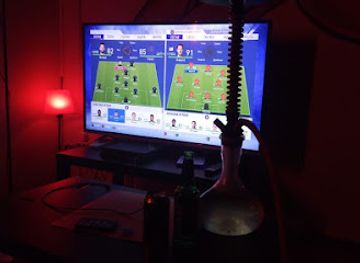
Discover the lively nightlife of Uralsk at Relax ойын клубы, where drinks flow and friendships blossom in a vibrant setting.
6 min walk · 0.5 km from city centre
Best nightclubs in Uralsk
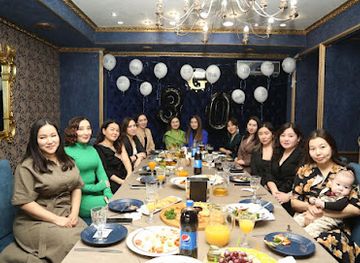
Uralsk has a modest evening scene centred on cafés, restaurants, karaoke venues, pubs and bars rather than a dense club district. The central streets and areas around the main commercial avenues offer the greatest concentration of places to meet friends, with evenings often beginning over tea or dinner before moving to music-oriented venues. Nightlife is generally more local and low-key than in Kazakhstan’s largest cities, and the choice of venues can change over time. Cultural evenings may include performances at the West Kazakhstan Regional Kazakh Drama Theatre or other city arts institutions, depending on the programme. Visitors should use established taxis after late outings and remember that public behaviour around religious buildings and residential streets should remain considerate.
-
Restaurant
GRAMMY
Discover the lively ambiance of GRAMMY, a popular restaurant and karaoke bar in Uralsk, where delicious food meets unforgettable entertainment.
6 min walk · 0.5 km from city centre
-
Bar
Relax ойын клубы
Discover the heart of Uralsk's nightlife at Relax ойын клубы, where vibrant energy meets delightful drinks in a lively atmosphere.
6 min walk · 0.5 km from city centre
-
Disco club
Караоке & Клуб WEEKEND
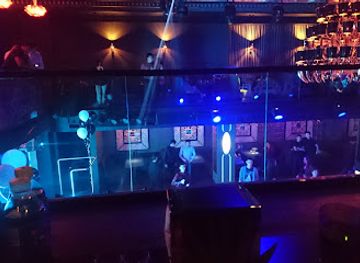
Discover the thrilling nightlife of Uralsk at Караоке & Клуб WEEKEND, where music, dancing, and karaoke create unforgettable memories.
15 min walk · 1.2 km from city centre
-
Night club
ELDIVINO
Discover the vibrant nightlife at ELDIVINO, Uralsk's premier night club and hookah bar, where unforgettable memories await every visitor.
5 min drive · 1.7 km from city centre
Best shops in Uralsk
Shopping in Uralsk is practical and local in character, with central retail streets, supermarkets, small independent shops and market trading forming the main experience. The city’s markets are useful for regional food products such as bread, dairy goods, dried fruit, sweets and seasonal produce, as well as for observing the everyday commerce of western Kazakhstan. Visitors may find Kazakh-style textiles, felt goods, embroidered items and small regional souvenirs, although the selection is less extensive than in Almaty or Astana. Shops and stalls often reflect the city’s mixed Kazakh and Russian cultural environment, with labels and conversation in both languages. Dedicated shopping centres provide modern clothing, cosmetics and household retail, while smaller bakeries and food shops offer more distinctive purchases connected with local tastes.
-
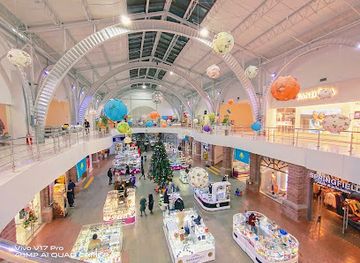
Shopping mall
City Center
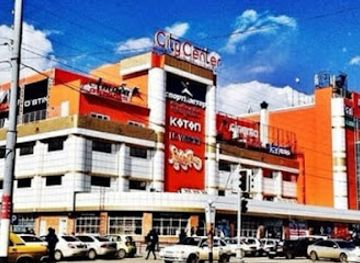
Discover the vibrant shopping and dining experience at the City Center Mall in Uralsk, where culture meets modernity.
15 min walk · 1.2 km from city centre
-
Shopping mall
Atrium
Explore Atrium, Uralsk's premier shopping mall featuring diverse stores, entertainment, and dining for an unforgettable experience.
6 min drive · 2.0 km from city centre
-
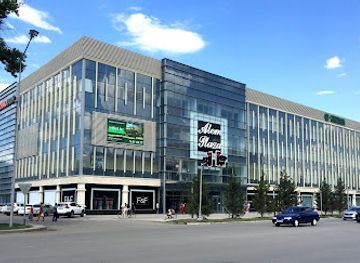
Shopping mall
ТЦ Alem-Plaza
Discover the diverse shopping, dining, and entertainment options at Alem-Plaza, a premier shopping mall in Uralsk, Kazakhstan.
9 min walk · 0.7 km from city centre
-
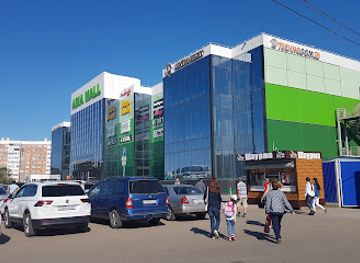
Shopping mall
ASIA MALL
Discover the vibrant shopping culture at Asia Mall in Uralsk, where local flair meets international brands, all in one exciting destination.
16 min drive · 5.2 km from city centre
Get your free copy of our complete guide to Uralsk, delivered straight to you.
Everything on this page, from attractions and restaurants to essentials and local phrases, in one PDF you can read offline, print or share.
Already have an account? Sign in
Your Uralsk guide is ready.
We'll send it to · Not you? Sign out

Getting your guide ready…
We are putting together a fresh copy of the Uralsk guide. This can take up to a minute.
This can take a few moments. If your browser asks, choose Allow so the download can start. You'll find the guide in your Downloads folder.
Nothing happened? Download it again
Sorry, the guide is taking longer than usual. Please try again in a minute, or get it by email instead.
Uralsk essentials
Currency and Payment
Safety
Emergency Situations
Do's and Don'ts
Local Tips
From Eve
Local phrases worth knowing
You don't need to get them perfect. A few words go a long way, and locals appreciate the effort.
Basics
| English | Local | Say it |
|---|---|---|
| Hello | Сәлем | [Salem] |
| Goodbye | Қоштасу бойынша | [Qoshtasu boiynsha] |
| Yes | Ия | [Iya] |
| No | Жоқ | [Jok] |
| Please/You're welcome | Рахмет | [Rakhmet] |
| Thank you | Рахмет | [Rakhmet] |
| Excuse me/Sorry | Кешіріңіз | [Keshiriniz] |
| How are you? | Сіздің жағдайыңыз қалай? | [Sizdin zhaǵdayyńyz qalay?] |
| Fine. And you? | Жақсым. Сізді? | [Zhaqsym. Sizdi?] |
| Do you speak English? | Сіз ағылшын тілінде сөйлейсіз пе? | [Siz agylshyn tilinde söylesiz pe?] |
| I don't understand | Мен түсінбеймін | [Men tüsinbeymin] |
Eating & Drinking
| English | Local | Say it |
|---|---|---|
| I'd like to see the menu, please | Менюге қарау керек, рахмет | [Menyuge qarau kerek, rakhmet] |
| I don't eat meat | Мен мәсіт тамақ ішпеймін | [Men mäsit tamaq ishpeymin] |
| Cheers! | Тауыспақ! | [Tawıspaq] |
| I would like to pay, please | Төлеуге беріңіз, рахмет | [Töleuge beriniz, rakhmet] |
Emergencies
| English | Local | Say it |
|---|---|---|
| Help! | Көмек! | [Kömek!] |
| Go away! | Ауыр жібер! | [Awır jiber!] |
| Call the Police! | Полицияға қоңырау шақыру! | [Politsiyaga qońırau shaqıru!] |
| Call a doctor! | Докторға қоңырау шақыру! | [Doktorga qońırau shaqıru!] |
| I'm lost | Мен алысқанмын | [Men alysqanmın] |
| I'm ill | Мен аурулымын | [Men awrulımın] |
Shopping
| English | Local | Say it |
|---|---|---|
| I'd like to buy... | Мен сатып алғым келеді... | [Men satıp algım keledi...] |
| I'm just looking | Мен тек көремін | [Men tek köremin] |
| How much is it? | Ол қанша болады? | [Ol qansha bolady?] |
| That's too expensive | Ол тым де қымбат | [Ol tım de qımbat] |
| Can you lower the price? | Сіз бағаны төмендете аласыз бе? | [Siz bağanı tömendete alasız be?] |
Time & Numbers
| English | Local | Say it |
|---|---|---|
| What time is it? | Сағат неше? | [Saǵat neshe?] |
| It's one o'clock | Бір сағат | [Bir saǵat] |
| Half past (10) | Онда толған | [Onda tolǵan] |
| Morning | Таң | [Tań] |
| Afternoon | Күнортасы | [Künortası] |
| Evening | Кеш | [Kesh] |
| Yesterday | Кеше | [Keshe] |
| Today | Бүгін | [Bügin] |
| Tomorrow | Ертең | [Erteń] |
| 1 | Бір | [Bir] |
| 2 | Екі | [Eki] |
| 3 | Үш | [Üsh] |
| 4 | Төрт | [Tört] |
| 5 | Бес | [Bes] |
| 6 | Алты | [Alty] |
| 7 | Жеті | [Jeti] |
| 8 | Сегіз | [Segiz] |
| 9 | Тоғыз | [Toğız] |
| 10 | Он | [On] |
Transport & Directions
| English | Local | Say it |
|---|---|---|
| Where's a/the...? | ...қайда? | [...qayda?] |
| What's the address? | Мекен-жайы қандай? | [Meken-jayı qanday?] |
| Can you show me (on the map)? | Маған (картада) көрсете аласыз бе? | [Maǵan (kartada) körsete alasız be?] |
| When's the next (bus)? | Келесі (автобус) не уақытта? | [Kelesi (avtobus) ne waqtta?] |
| A ticket (to ....) | Билет (...ға) | [Bilet (...ǵa)] |
History of Uralsk
From Steppe Crossroads to Settlement
The area around present-day Uralsk has long been connected with movement across the western Kazakh steppe, including pastoral routes and trade along the Ural River. The modern city developed from the Russian settlement of Yaitsky Gorodok, established in the late sixteenth century by Cossacks near the river. Its location supported fishing, commerce and military control of an important frontier. The settlement’s early history was therefore closely linked to the river and to relations between the Russian state, Cossack communities and the Kazakh steppe. The surrounding region remained culturally mixed, with trade bringing together Kazakh, Russian, Tatar and other populations.
Yaitsk and the Pugachev Rebellion
During the eighteenth century, the settlement became known as Yaitsk and was an important centre of the Yaik Cossacks, whose traditional privileges and relationship with imperial authority became increasingly contested. In 1773–1775, the rebellion led by Emelyan Pugachev spread through the region. Pugachev was supported by sections of the Yaik Cossacks and proclaimed himself Emperor Peter III, presenting his uprising as a challenge to Catherine II’s government. After the rebellion was defeated, imperial authorities renamed the river Ural and the settlement Uralsk in an effort to suppress the memory of the revolt. The Pugachev connection remains part of the city’s historical identity.
Imperial Uralsk and Commercial Growth
In the nineteenth century, Uralsk developed as an administrative, military and trading centre on the edge of the Russian Empire. Its economy drew on fishing, livestock, river transport and regional commerce, while merchants and craftsmen contributed to the growth of a substantial low-rise town. Orthodox churches, public buildings and private houses appeared alongside older settlement patterns. The city’s position between the Volga region and the Kazakh steppe encouraged cultural exchange, and its population included Cossacks, Russians, Tatars, Kazakhs and other communities. Surviving religious buildings and historic residences in the centre reflect this period of expansion.
Revolution and Soviet Transformation
The upheavals of 1917 and the Civil War brought major political and military changes to Uralsk and the wider region. The city became involved in the struggle between Red and anti-Bolshevik forces before being incorporated into the Soviet state. Under Soviet rule, traditional administrative and commercial structures were reshaped by collectivisation, industrial development and central planning. Uralsk also became associated with the memory of Manshuk Mametova, a Kazakh machine-gunner and Hero of the Soviet Union who was born in the region and died in 1943 during the Second World War. Museums and memorials preserve these layers of twentieth-century history.
Oral in Independent Kazakhstan
After Kazakhstan became independent in 1991, the city’s official Kazakh name, Oral, gained renewed prominence, while Uralsk remained widely used in Russian and internationally. As the capital of West Kazakhstan Region, it continues to serve as a centre of regional government, education, trade and culture. Independence encouraged greater public attention to Kazakh heritage, local historical figures and the city’s relationship with the steppe, while its Russian imperial and Soviet architectural inheritance remained visible. Contemporary Oral retains a borderland identity shaped by the Ural River, cross-border connections and the coexistence of several linguistic and cultural traditions.
Uralsk in Photos
Browse through our photo collection highlighting the charm and character of the destination.
Cities near Uralsk
The closest cities to Uralsk, if you have time for more than one stop.
-

-

-

-

-


Swipe for more cities
Explore more

Explore more of Kazakhstan
Explore Kazakhstan's rich culture, modern cities, and stunning natural landscapes. From the Caspian Sea to the Altai Mountains, find adventure and beauty in Central Asia.
Explore Kazakhstan