

Bartogay Lake Travel Guide - Free Web & App
Your ultimate guide to Bartogay Lake. Discover top landmarks, proposed trips, and local tips. Free on the web or via the Evendo companion app.


Bartogay Lake, Kazakhstan, offers a dramatic reservoir landscape, Chilik River scenery, steppe horizons and a quiet gateway to Almaty Region’s east.
Reservoir in the Chilik Valley
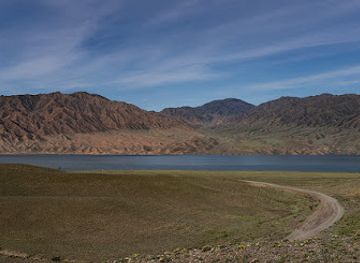
Bartogay Lake, more accurately known as Bartogay Reservoir, lies in southeastern Kazakhstan’s Almaty Region, where the Chilik River leaves the mountain country and enters the broad, dry landscapes east of Almaty. It is an engineered body of water rather than a natural alpine lake: the reservoir was created to regulate river flow and support irrigation, yet its open water, long embankment and immense steppe setting have made it an increasingly recognisable stop for travellers exploring the region.Read more about Bartogay Lake
Landscape and Atmosphere
A Remote Regional Excursion
When is the best time to visit Bartogay Lake?
Best: June–August · 24–28°C| Month | High (°C) | Rainfall (mm) |
|---|---|---|
| January | -6 | 9 |
| February | -3 | 8 |
| March | 3 | 6 |
| April | 11 | 5 |
| May | 18 | 5 |
| June (best) | 25 | 4 |
| July (best) | 28 | 3 |
| August (best) | 24 | 3 |
| September | 16 | 3 |
| October | 7 | 5 |
| November | 1 | 6 |
| December | -4 | 8 |
Getting to and around Bartogay Lake
How to get there
Transportation
Best attractions in Bartogay Lake
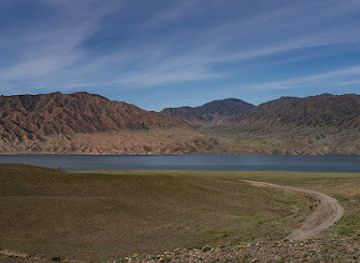
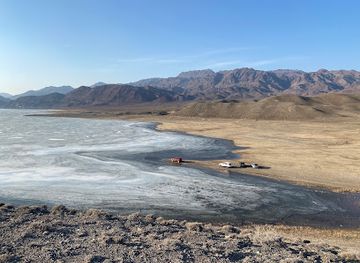
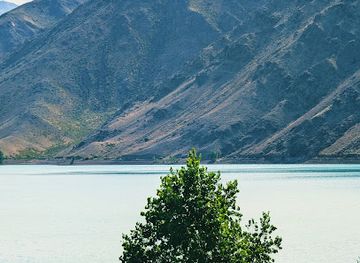
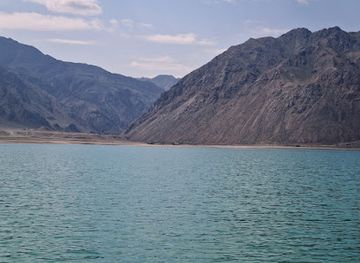
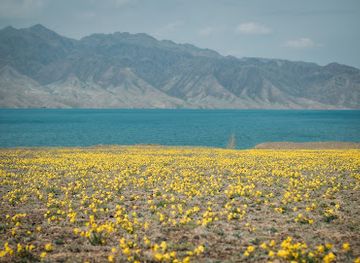
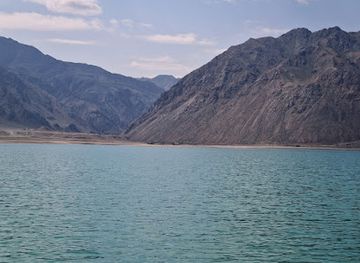
The principal attraction is Bartogay Reservoir itself, whose broad water surface and long engineered embankment create a stark contrast with the dry Chilik valley and the distant northern Tien Shan. The dam and associated irrigation landscape offer insight into how Kazakhstan manages scarce water for agriculture, although operational areas should be viewed only from permitted locations. Around the accessible margins, visitors can look for open steppe scenery, changing reflections, seasonal birdlife and the layered transition from foothills to the Ili Basin. The nearby Chilik valley provides a more varied landscape of river corridors, cultivated land and low mountain approaches, while Shelek serves as the nearest useful settlement for supplies. Bartogay is also commonly considered alongside larger regional excursions towards the Charyn Canyon area, but Charyn Canyon is a separate destination rather than an attraction within the reservoir grounds. There are no extensive visitor facilities or formal entertainment complexes at the lake, so exploration is primarily scenic and self-directed.
-
Hiking area
Bartogay
Experience the breathtaking landscapes and diverse wildlife at Bartogay, Kazakhstan's premier hiking destination for nature lovers and adventurers.
-
 Hiking area
Bol'shaya Plotina
Discover Bol'shaya Plotina, a stunning hiking area in Bartogay, Kazakhstan, offering breathtaking views and serene trails for every adventurer.
-
Hiking area
Domiki Otdykha
Experience the breathtaking landscapes of Domiki Otdykha in Bartogay, a perfect hiking area for nature lovers and adventure seekers.

Best landmarks in Bartogay Lake
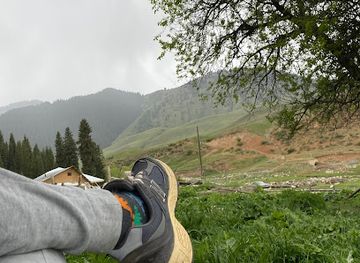
Bartogay Reservoir and its dam are the defining landmarks, representing both the physical transformation of the Chilik valley and the region’s dependence on carefully controlled water. The open reservoir is framed by dry steppe and low foothill contours rather than dense development, making the contrast between engineered water storage and arid terrain its principal visual significance. The Chilik River is another essential geographical feature: its flow links the northern Tien Shan with the agricultural lowlands of southeastern Kazakhstan and explains the location of the reservoir. Irrigation channels and related structures form a dispersed infrastructure landmark across the wider region, though many are working facilities rather than visitor attractions. The surrounding valley, distant mountain approaches and broad Ili Basin horizons complete the setting. Nearby Charyn Canyon is a major landmark of the same wider region, but it lies outside Bartogay Reservoir and should be visited as a separate excursion.
-
Hiking area
Bartogay
Explore the breathtaking hiking trails and stunning natural beauty of Bartogay, a hidden gem in Kazakhstan's outdoor paradise.
-
Hiking area
Bol'shaya Plotina
Explore the breathtaking trails of Bol'shaya Plotina, a hiking paradise in Bartogay, Kazakhstan, where nature's beauty awaits every adventurer.
Explore Bartogay Lake on the map
Plan your trip on one map. See where the top attractions, landmarks, restaurants and hotels are, and book hotels and experiences in a few clicks.
Best hotels in Bartogay Lake
Best restaurants in Bartogay Lake
Bartogay Reservoir has no established dining district and visitors should not expect restaurants or cafés on the shoreline. Most meals are arranged in Almaty before departure, carried as a picnic or found in settlements along the route. Shelek is the most relevant nearby place for basic food shopping and local eating options, although the range and opening arrangements of rural businesses can vary. In the wider Almaty Region, travellers may encounter simple cafés serving filling Kazakh and Central Asian staples such as lagman, manty, plov, soups, flatbread and tea, alongside everyday grilled meats and dairy products. These foods reflect the pastoral and agricultural character of the region, while the reservoir itself is better suited to a carefully prepared outdoor meal than spontaneous dining. Carry water and pack food that can withstand heat, dust and a long drive.
-
Lake
Bartogay Lake
Explore Bartogay Lake: A hidden oasis in Kazakhstan offering stunning views and outdoor adventures amidst serene landscapes.
-
Hiking area
Bartogay
Explore Bartogay: A Hidden Gem in Kazakhstan's Nature with Stunning Trails and Scenic Views Awaiting Adventurers.
Best bars in Bartogay Lake
There is no meaningful nightlife infrastructure at Bartogay Reservoir, and the immediate area becomes quiet after daylight, with no established bars, clubs or entertainment venues on the shore. Evening activity is generally limited to watching the changing light over the water, photographing the steppe or returning to a rural base before dark. Shelek may offer modest local social venues and cafés, but it should not be approached as a nightlife destination, while Almaty provides Kazakhstan’s broadest choice of bars, live music, restaurants and late-evening entertainment. Travellers staying in the countryside should respect residents, avoid loud music near homes and farms, and confirm transport arrangements before remaining at the reservoir after sunset, since roadside services and illumination are limited.
-
Lake
Bartogay Lake
Explore the serene beauty of Bartogay Lake, a natural oasis in Kazakhstan perfect for relaxation, photography, and outdoor adventures.
-
Hiking area
Bartogay
Discover the breathtaking hiking trails of Bartogay, where stunning landscapes and serene nature await every adventurer in Kazakhstan.
Best nightclubs in Bartogay Lake
There is no meaningful nightlife infrastructure at Bartogay Reservoir, and the immediate area becomes quiet after daylight, with no established bars, clubs or entertainment venues on the shore. Evening activity is generally limited to watching the changing light over the water, photographing the steppe or returning to a rural base before dark. Shelek may offer modest local social venues and cafés, but it should not be approached as a nightlife destination, while Almaty provides Kazakhstan’s broadest choice of bars, live music, restaurants and late-evening entertainment. Travellers staying in the countryside should respect residents, avoid loud music near homes and farms, and confirm transport arrangements before remaining at the reservoir after sunset, since roadside services and illumination are limited.
-
Lake
Bartogay Lake
Experience the serene beauty of Bartogay Lake, a hidden gem in Kazakhstan surrounded by majestic mountains and lush landscapes.
Best shops in Bartogay Lake
Shopping at Bartogay is limited to what travellers bring with them or obtain before reaching the reservoir. There are no recognised shopping streets, permanent craft markets or extensive retail facilities beside the water. Shelek is the nearest practical settlement for everyday groceries, drinks and basic travel supplies, while Almaty offers the widest choice of Kazakh food products, handicrafts, textiles, art and outdoor equipment. In rural communities and roadside businesses, visitors may encounter locally produced dairy foods, bread, dried goods or seasonal agricultural produce, but availability is not guaranteed and products should be bought respectfully rather than treated as a formal tourist market. Traditional Kazakh felt work, woven items and regional food gifts are more reliably sought in Almaty’s established markets and craft retailers than at the reservoir itself.
-
Lake
Bartogay Lake
Experience the serene beauty of Bartogay Lake, a perfect retreat for nature lovers and adventure seekers in Kazakhstan.
-
Hiking area
Bartogay
Explore the breathtaking hiking trails of Bartogay, a hidden gem in Kazakhstan, perfect for adventure seekers and nature lovers alike.
Get your free copy of our complete guide to Bartogay Lake, delivered straight to you.
Everything on this page, from attractions and restaurants to essentials and local phrases, in one PDF you can read offline, print or share.
Already have an account? Sign in
Your Bartogay Lake guide is ready.
We'll send it to · Not you? Sign out

Getting your guide ready…
We are putting together a fresh copy of the Bartogay Lake guide. This can take up to a minute.
This can take a few moments. If your browser asks, choose Allow so the download can start. You'll find the guide in your Downloads folder.
Nothing happened? Download it again
Sorry, the guide is taking longer than usual. Please try again in a minute, or get it by email instead.
Bartogay Lake essentials
Currency and Payment
Safety
Emergency Situations
Do's and Don'ts
Local Tips
From Eve
Local phrases worth knowing
You don't need to get them perfect. A few words go a long way, and locals appreciate the effort.
Basics
| English | Local | Say it |
|---|---|---|
| Hello | Сәлем | [Sälem] |
| Goodbye | Қош келдіңіз | [Qoş keldiŋiz] |
| Yes | Ия | [Iya] |
| No | Жоқ | [Joq] |
| Please/You're welcome | Рақмет | [Raḱmet] |
| Thank you | Рақмет сізге | [Raḱmet sizge] |
| Excuse me/Sorry | Кешіріңіз | [Keshiriŋiz] |
| How are you? | Сіздің жағдайыңыздың күйі қалай? | [Sizdiŋ jaǵdaiyıŋızdıŋ küyi qalay?] |
| Fine. And you? | Жақсы. Сіз күйіңіз қалай? | [Jaqsı. Siz küyiŋiz qalay?] |
| Do you speak English? | Сіз ағылшынша сөйлейсіз бе? | [Siz aǵılşınşa söylesiz be?] |
| I don't understand | Мен түсінбедім | [Men tüsinbedim] |
Eating & Drinking
| English | Local | Say it |
|---|---|---|
| I'd like to see the menu, please | Менюді көрмек істеймін, рахмет | [Menıwdi körmek isteymiń, raḱmet] |
| I don't eat meat | Мен ет тамағымын жемін | [Men et tamagımın jemin] |
| Cheers! | Таңғыз! | [Tańǵız!] |
| I would like to pay, please | Төлеуге мүмкіндік беріңіз | [Tölewge mümkindik beriŋiz] |
Emergencies
| English | Local | Say it |
|---|---|---|
| Help! | Ауырсын! | [Awırsın!] |
| Go away! | Ауырып кетіңіз! | [Awırıp ketiŋiz!] |
| Call the Police! | Полицияға қоңырау шақырыңыз! | [Politsiyaǵa qońıraw shaqırıŋız!] |
| Call a doctor! | Доктор шақырыңыз! | [Doktor shaqırıŋız!] |
| I'm lost | Мен алып тасталдым | [Men alıp tastaldım] |
| I'm ill | Мен ауырмын | [Men awırmin] |
Shopping
| English | Local | Say it |
|---|---|---|
| I'd like to buy... | Сатып алғым келеді... | [Satıp alğım keledi...] |
| I'm just looking | Мен тек көріп тұрмын | [Men tek körip turmın] |
| How much is it? | Ол кандай бағамен? | [Ol qanday bağamen?] |
| That's too expensive | Ол тым де арзан | [Ol tım de arzan] |
| Can you lower the price? | Бағаны төмендетуге болады ма? | [Baǵanı tömendetuge boladı ma?] |
Time & Numbers
| English | Local | Say it |
|---|---|---|
| What time is it? | Сағат кандай? | [Saǵat qanday?] |
| It's one o'clock | Бір сағат | [Bir saǵat] |
| Half past (10) | Онда жетпіс | [Onda jetpis] |
| Morning | Таң | [Tań] |
| Afternoon | Кеш | [Keş] |
| Evening | Кеш | [Keş] |
| Yesterday | Кеше | [Keşe] |
| Today | Бүгін | [Bügin] |
| Tomorrow | Ертең | [Erteñ] |
| 1 | Бір | [Bir] |
| 2 | Екі | [Eki] |
| 3 | Үш | [Üş] |
| 4 | Төрт | [Tört] |
| 5 | Бес | [Bes] |
| 6 | Алты | [Altı] |
| 7 | Жеті | [Jeti] |
| 8 | Сегіз | [Segiz] |
| 9 | Тоғыз | [Toğız] |
| 10 | Он | [On] |
Transport & Directions
| English | Local | Say it |
|---|---|---|
| Where's a/the...? | ...қайда? | [...qayda?] |
| What's the address? | Мекен-жайы қандай? | [Meken-jayı qanday?] |
| Can you show me (on the map)? | Мені (картада) көрсетуге болады ма? | [Meni (kartada) körsetuge boladı ma?] |
| When's the next (bus)? | Келесі (автобус) кайда болады? | [Kelesi (avtobus) qayda boladı?] |
| A ticket (to ....) | (...ға) билет | [(...ğa) bilet] |
History of Bartogay Lake
The Chilik River Landscape
Bartogay stands within the Chilik River valley, part of the wider drainage system descending from the northern Tien Shan towards the Ili Basin. The surrounding land has been shaped by river deposition, seasonal water movement and the gradual transition from mountain foothills to arid steppe. Long before the reservoir existed, the river corridor provided a natural route through southeastern Kazakhstan and supported settlements and agriculture wherever dependable water could be reached. The broad, dry setting seen today is therefore not an untouched wilderness but a landscape in which river flow has always determined movement, cultivation and habitation.
Water Management and Soviet Development
The modern history of Bartogay is closely connected with large-scale Soviet water engineering in southeastern Kazakhstan. Bartogay Reservoir was built on the Chilik River in the late twentieth century, with construction completed in the 1980s, to store and regulate water for irrigation. The project formed part of a wider effort to expand and stabilise agriculture in the dry Almaty Region, where productive fields depend on carefully managed river supplies. Its embankment and associated channels transformed the local hydrology, turning a section of the Chilik valley into an important piece of regional infrastructure.
The Irrigation Network
Water from Bartogay has been associated with the irrigation system serving agricultural areas around the Ili valley and the eastern part of Almaty Region. The reservoir’s significance consequently extends well beyond its visible shoreline: it represents the connection between snow and glacier-fed mountain rivers, engineered storage and cultivated lowlands. This relationship is central to understanding why a seemingly remote reservoir occupies an important place in the regional landscape. Fields, settlements and transport routes farther west and south have historically depended on the ability to moderate seasonal water availability.
A Contemporary Landscape Destination
Since Kazakhstan’s independence, Bartogay has remained primarily a water-management facility rather than a fully developed resort. Its growing visibility among independent travellers reflects wider interest in the landscapes east of Almaty, where reservoirs, canyons, foothills and steppe routes are explored together. Visitor activity remains informal and facilities are sparse, so the area’s present identity combines working infrastructure with scenic value. Responsible access is important because the reservoir continues to serve practical irrigation purposes and is not simply an open recreational lake.
Bartogay Lake in Photos
Browse through our photo collection highlighting the charm and character of the destination.
Neighbouring destination travel guides
The closest destinations to Bartogay Lake, if you have time for more than one.
-

-

-

-

-


Swipe for more destinations
Explore more

Explore more of Tian Shan
Explore Kazakhstan’s Tian Shan through Almaty’s alpine valleys, Kolsai and Kaindy lakes, high pastures, glaciers and protected mountain wilderness.
Explore Tian Shan
Explore more of Kazakhstan
Explore Kazakhstan's rich culture, modern cities, and stunning natural landscapes. From the Caspian Sea to the Altai Mountains, find adventure and beauty in Central Asia.
Explore Kazakhstan