

Tian Shan, Kazakhstan Travel Guide
Discover the awe-inspiring Tian Shan, Kazakhstan's mountainous haven, offering breathtaking landscapes, thrilling outdoor activities, and rich cultural experiences.
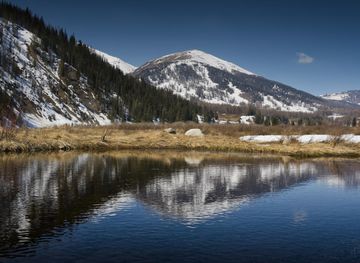
The Tian Shan, also known as the 'Heavenly Mountains,' is one of the most stunning natural landscapes in Kazakhstan. This magnificent mountain range spans across several countries, but its Kazakh section is particularly renowned for its awe-inspiring peaks and pristine alpine lakes. Adventure-seekers and nature lovers alike are drawn to this remote paradise, where snow-capped mountains touch the sky and wildlife roams freely. In the summer, the Tian Shan offers lush green meadows dotted with wildflowers, perfect for hiking and horseback riding. Trails vary from easy walks to challenging climbs, catering to all levels of outdoor enthusiasts. Popular spots include the Big Almaty Lake and the Kolsai Lakes, which offer breathtaking views and tranquil settings. For those interested in cultural experiences, the local Kazakh nomads often welcome visitors to their traditional yurts, providing a glimpse into their centuries-old way of life. Winter transforms the Tian Shan into a snowy wonderland, ideal for skiing and snowboarding. Shymbulak, located near Almaty, is one of the top ski resorts in Central Asia. The resort boasts modern facilities and a variety of slopes, making it a great destination for both beginners and seasoned skiers. No matter the season, the Tian Shan's untouched beauty and serene ambiance make it a must-visit destination in Kazakhstan.

Know before you go
Hi, I'm Eve. Here are a few practical things to know before exploring Tian Shan.
- Best time to visit is from June to September for hiking and from December to February for skiing.
- Altitude sickness can be an issue; acclimatize properly before undertaking strenuous activities.
- Hiring a local guide can enhance your experience and ensure safety, especially for remote areas.
- Pack layers of clothing as temperatures can vary significantly between day and night.
- Respect local customs and traditions, particularly when visiting nomadic families.
Destinations in Tian Shan
Resorts, valleys and scenic spots worth a trip of their own.


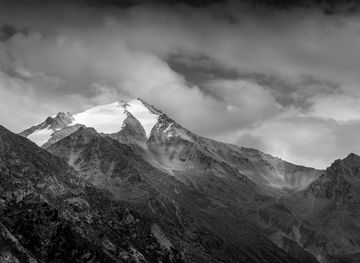
Explore Tian Shan: Things to Do, Places to Eat, Hotels & More
Handpicked recommendations for top attractions, local dining, accommodations, and more

Top Attractions & Sightseeing in Tian Shan
Top-rated picks
Best Attractions

Ile-Alatau National Park
Explore the stunning landscapes and rich biodiversity of Ile-Alatau National Park, a nature lover's paradise in Kazakhstan.

Kok Tobe
Discover breathtaking views and family-friendly attractions at Kok Tobe, Almaty's iconic mountain destination with a thrilling cable car experience.

Central State Museum of the Republic of Kazakhstan
Explore the Central State Museum of Kazakhstan in Almaty to uncover the rich history and diverse culture of this unique nation.

Sairam-Ugam State National Natural Park
Discover the breathtaking landscapes and rich biodiversity of Sairam-Ugam State National Park, a must-visit destination in Kazakhstan.

Best landmarks in Tian Shan
Top-rated picks
Best Landmarks
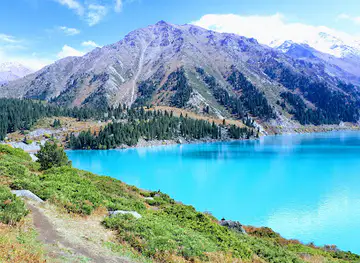
Ile-Alatau National Park
Explore the breathtaking landscapes and diverse wildlife of Ile-Alatau National Park, a natural oasis just outside Almaty, Kazakhstan.

Shymbulak
Discover Shymbulak Ski Resort, a premier destination for skiing and adventure in the stunning mountains of Almaty, Kazakhstan.
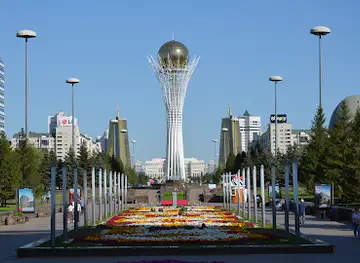
Baiterek
Discover Baiterek, the iconic symbol of Astana, where modern architecture meets Kazakhstan's rich heritage, offering stunning views and cultural insights.
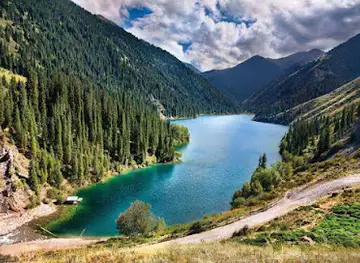
Charyn Canyon National Park
Explore the stunning Charyn Canyon National Park, a hidden gem in Kazakhstan featuring breathtaking landscapes and diverse wildlife.

Best restaurants in Tian Shan
Top-rated picks
Best Restaurants

Navat
Experience authentic Asian cuisine at Navat in Almaty—where every dish tells a story and every bite brings joy.

Sumo San
Experience authentic Japanese cuisine at Sumo San in Almaty - where every dish tells a story of tradition and flavor.

Beer House Bavarius
Experience Atyrau's vibrant craft beer culture at Beer House Bavarius—where great brews meet delicious cuisine in a lively atmosphere.

Alasha
Discover Alasha: Where Uzbek Flavors Meet European Elegance in the Heart of Almaty.

Best bars in Tian Shan
Top-rated picks
Best Bars

Guinness Pub
Discover the vibrant atmosphere of Guinness Pub in Almaty, where Irish culture meets local charm in a lively setting.

Pinta Kazakhstan
Discover the vibrant culinary scene at Pinta Kazakhstan, where local flavors meet international cuisine in a lively bar atmosphere.

Barmaglot Bar
Discover the vibrant nightlife of Almaty at Barmaglot Bar, where eclectic music, great drinks, and a lively atmosphere await you.

All Saints Bar
Experience the vibrant nightlife of Almaty at All Saints Bar – where local flavors meet international spirits in a lively atmosphere.

Best nightclubs in Tian Shan
Top-rated picks
Best Nightclubs

Tantsy
Experience the vibrant nightlife of Tantsy, Almaty's trendiest bar offering an extensive drink menu and lively ambiance for unforgettable evenings.

Sky Bar
Experience the breathtaking views and exquisite cocktails at Sky Bar, Almaty's premier destination for luxury nightlife.

Bla Bla Bar
Discover Bla Bla Bar in Almaty: A vibrant nightlife venue with great music, unique cocktails, and a lively atmosphere for unforgettable nights.

Zhest'
Discover the pulse of Almaty's nightlife at Zhest', a premier night club featuring top DJs, delicious drinks, and an unforgettable atmosphere.

Best shops in Tian Shan
Top-rated picks
Best Shops

MEGA Alma-Ata
Explore MEGA Alma-Ata, Almaty's vibrant shopping mall featuring a blend of fashion, dining, and entertainment for an unforgettable experience.

Mega Silk Way
Discover luxury shopping, diverse dining, and vibrant entertainment at Mega Silk Way in Astana, Kazakhstan's premier shopping destination.

Dostyk Plaza
Discover the ultimate shopping and dining experience at Dostyk Plaza, the premier shopping mall in Almaty, Kazakhstan.

Esentai Mall
Explore the luxurious Esentai Mall in Almaty, where shopping meets entertainment in a vibrant atmosphere, perfect for tourists seeking a unique experience.

Explore Tian Shan on the Map
A handpicked selection of must-see spots in Tian Shan, mapped for you.
Tian Shan Essentials
-
The Tian Shan mountain range in Kazakhstan is accessible via Almaty, the largest city and a major transportation hub. The nearest international airport is Almaty International Airport (ALA), which has direct flights from many major cities worldwide. From Almaty, you can hire a taxi, rent a car, or take a bus heading towards the mountain regions. Depending on your destination within the Tian Shan range, the travel time can vary from 3 to 6 hours by road.
-
Within the Tian Shan region, transportation options include local taxis, minibuses (marshrutkas), and rental cars. For those interested in more remote areas, hiring a local guide with a 4x4 vehicle is advisable. Public transportation is limited in the mountainous areas, so planning and booking in advance is essential. For trekking and hiking, many trails are well-marked, but it's recommended to have a guide for longer excursions.
-
The official currency in Kazakhstan is the Kazakhstani Tenge (KZT). While credit cards are accepted in many establishments in larger cities like Almaty, it is advisable to carry cash when traveling to remote areas of the Tian Shan. ATMs are available in Almaty, but may be scarce in rural areas. It’s recommended to exchange money in the city before heading to the mountains.
-
The Tian Shan region is generally safe for tourists, but standard precautions should be taken. Avoid walking alone at night and keep an eye on your belongings. Be aware of natural hazards such as sudden weather changes, avalanches, and altitude sickness. Areas with a high crime rate targeting tourists are rare, but always stay vigilant and informed about local conditions.
-
In case of emergency, dial 112 for immediate assistance. Almaty has well-equipped medical facilities, but in the mountains, medical help can be limited. It's crucial to have travel insurance that covers medical emergencies and evacuation. For minor issues, carry a first aid kit and necessary medications. Inform someone of your travel plans and expected return time if you venture into remote areas.
-
Fashion: Do dress in layers and wear appropriate hiking gear. Avoid wearing flashy or expensive jewelry. Religion: Do respect local customs and traditions. When visiting religious sites, dress modestly. Public Transport: Do give up your seat to elderly passengers. Don't eat or drink on public transport. Greetings: Do greet locals with a handshake or a nod. A smile goes a long way. Eating & Drinking: Do try local dishes and accept food offerings graciously. Don’t refuse hospitality, as it is considered impolite.
-
To experience Tian Shan like a local, visit local bazaars where you can buy traditional Kazakh goods and fresh produce. Engage with locals, as they are often friendly and willing to share stories about their culture. Don't miss the opportunity to sample local cuisine such as Beshbarmak and Kumis. For a unique experience, consider staying in a yurt with a local family.
When is the best time to visit Tian Shan?
Useful Local Phrases for Tian Shan
You don't need to speak the language perfectly. Even learning a few simple words can make conversations warmer—and locals usually appreciate the effort.
— Eve

Here are the phrases I use most often in Tian Shan. Try a few—you'll be surprised how far they go! 😊
❤️
-
- HelloСәлем
[Sälem] - GoodbyeСау бол
[Sau bol] - YesИә
[Iä] - NoЖоқ
[Joq] - Please/You're welcomeӨтінемін/Қош келдіңіз
[Ötinemin/Qosh keldiniz] - Thank youРахмет
[Rakhmet] - Excuse me/SorryКешіріңіз
[Keshiriniz] - How are you?Қалайсыз?
[Qalaysyz?] - Fine. And you?Жақсы. Ал сіз?
[Jaqsy. Al siz?] - Do you speak English?Сіз ағылшын тілінде сөйлейсіз бе?
[Siz ağylshyn tilinde söyley siz be?] - I don't understandМен түсінбеймін
[Men tüsinbeimin]
- HelloСәлем
-
- I'd like to see the menu, pleaseМәзірді көргім келеді, өтінемін
[Mäzir di körgim keledi, ötinemin] - I don't eat meatМен ет жемеймін
[Men et jemei min] - Cheers!Тост!
[Tost!] - I would like to pay, pleaseМен төлеуді қалаймын, өтінемін
[Men töleudi qalaymin, ötinemin]
- I'd like to see the menu, pleaseМәзірді көргім келеді, өтінемін
-
- Help!Көмектесіңіз!
[Kömetkesiniz!] - Go away!Жоғал!
[Joğal!] - Call the Police!Полиция шақырыңыз!
[Politsiya şaqırıñız!] - Call a doctor!Дәрігер шақырыңыз!
[Däriger şaqırıñız!] - I'm lostМен жоғалдым
[Men joğaldım] - I'm illМен ауырып тұрмын
[Men awırıp turmın]
- Help!Көмектесіңіз!
-
- I'd like to buy...Мен сатып алғым келеді...
[Men satıp alğım keledi...] - I'm just lookingМен тек қарап жатырмын
[Men tek qarap jatyrmin] - How much is it?Бұл қанша тұрады?
[Bul qanşa turady?] - That's too expensiveБұл тым қымбат
[Bul tym qymbat] - Can you lower the price?Бағаны төмендетсеңіз бола ма?
[Bağanı tömendetseñiz bola ma?]
- I'd like to buy...Мен сатып алғым келеді...
-
- What time is it?Сағат қанша?
[Saqat qanşa?] - It's one o'clockСағат бір
[Saqat bir] - Half past (10)Онға жарым
[Oñğa jarım] - MorningТаң
[Tań] - AfternoonТүстен кейін
[Tüstən keyin] - EveningКеш
[Kesh] - YesterdayКеше
[Kese] - TodayБүгін
[Bügіn] - TomorrowЕртең
[Erteń] - 1Бір
[Bir] - 2Екі
[Eki] - 3Үш
[Üş] - 4Төрт
[Tört] - 5Бес
[Bes] - 6Алты
[Alty] - 7Жеті
[Jeti] - 8Сегіз
[Segiz] - 9Тоғыз
[Toğız] - 10Он
[Oñ]
- What time is it?Сағат қанша?
-
- Where's a/the...?Қайда ...?
[Qayda ...?] - What's the address?Мекенжайыңыз қайда?
[Mekenjayıñız qayda?] - Can you show me (on the map)?Маған (картадан) көрсете аласыз ба?
[Mağan (kartadan) körsete alasıñız ba?] - When's the next (bus)?Келесі (автобус) қашан?
[Kelesі (avtobus) qaşan?] - A ticket (to ....)Билет (.... ға)
[Bilet (....ğa)]
- Where's a/the...?Қайда ...?
History of Tian Shan
-
The Tian Shan mountains were an integral part of the ancient Silk Road, serving as a major trade route that connected the East and the West. This mountainous terrain was traversed by caravans carrying silk, spices, precious metals, and other goods between China and Europe. The Silk Road facilitated not only trade but also cultural exchange, making Tian Shan a melting pot of different civilizations.
-
The Saka tribes, a group of ancient nomadic people, inhabited the Tian Shan region around the first millennium BCE. They were known for their skilled horsemanship, intricate metalwork, and distinctive burial mounds called 'kurgans'. The Saka left behind a rich archaeological legacy that offers insight into the early history of the region.
-
In the 13th century, the Tian Shan region experienced the formidable expansion of the Mongol Empire under Genghis Khan. The mountains served both as a natural barrier and as a strategic route for the Mongol armies. The Mongol influence introduced new administrative practices and further integrated the region into a broader Eurasian context.
-
During the 18th and early 19th centuries, the Tian Shan area fell under the control of the Khanate of Kokand. This period was marked by the establishment of fortified settlements and increased agricultural development. The Khanate of Kokand played a significant role in the regional politics and trade dynamics of Central Asia.
-
In the mid-19th century, the Russian Empire expanded into Central Asia, including the Tian Shan region. This era saw the construction of new infrastructure, such as roads and telegraph lines, which facilitated greater Russian influence and control. The Russian period also introduced new cultural and economic elements to the area, impacting the local way of life.
-
The Soviet era brought significant changes to the Tian Shan region. Industrialization, collectivization of agriculture, and the development of scientific research facilities were prominent during this period. The Soviet government also promoted education and healthcare, leading to a profound transformation in the social and economic fabric of the region.
-
Since Kazakhstan's independence in 1991, the Tian Shan region has seen a resurgence in cultural pride and economic development. Efforts have been made to preserve the natural beauty and cultural heritage of the area, while also promoting it as a destination for eco-tourism and adventure travel. The region continues to be a vital part of Kazakhstan's identity and growth.
Neighbouring Regions of Tian Shan
The closest regions to Tian Shan, if you have time for more than one.



Your all‑in‑one travel companion app
Explore expert travel guides, compare and book tours, experiences, hotels, and more—all from the palm of your hand. Download now for seamless trip planning wherever your wanderlust takes you.


Explore More of Kazakhstan

Looking beyond Tian Shan? Discover Kazakhstan for broader travel guides, local hot-spots, and regional highlights.
Explore KazakhstanTian Shan in Photos
Browse through our photo collection highlighting the charm and character of the destination.


The Majestic Tian Shan: Kazakhstan's Crown Jewel
The Tian Shan, also known as the 'Heavenly Mountains,' is one of the most stunning natural landscapes in Kazakhstan. This magnificent mountain range spans across several countries, but its Kazakh section is particularly renowned for its awe-inspiring peaks and pristine alpine lakes. Adventure-seekers and nature lovers alike are drawn to this remote paradise, where snow-capped mountains touch the sky and wildlife roams freely. In the summer, the Tian Shan offers lush green meadows dotted with wildflowers, perfect for hiking and horseback riding. Trails vary from easy walks to challenging climbs, catering to all levels of outdoor enthusiasts. Popular spots include the Big Almaty Lake and the Kolsai Lakes, which offer breathtaking views and tranquil settings. For those interested in cultural experiences, the local Kazakh nomads often welcome visitors to their traditional yurts, providing a glimpse into their centuries-old way of life. Winter transforms the Tian Shan into a snowy wonderland, ideal for skiing and snowboarding. Shymbulak, located near Almaty, is one of the top ski resorts in Central Asia. The resort boasts modern facilities and a variety of slopes, making it a great destination for both beginners and seasoned skiers. No matter the season, the Tian Shan's untouched beauty and serene ambiance make it a must-visit destination in Kazakhstan.