

Assy Plateau, Kazakhstan Travel Guide
Explore the pristine beauty and rich cultural heritage of Assy Plateau in Kazakhstan, a hidden gem offering breathtaking landscapes and outdoor adventures.
Nestled in the majestic mountains of Kazakhstan, the Assy Plateau is a hidden gem waiting to be explored. This vast highland, situated at an altitude of around 2,500 meters, offers breathtaking vistas of lush meadows, rolling hills, and snow-capped peaks. The area is known for its pristine natural beauty and provides a serene escape from the hustle and bustle of city life. The plateau is a paradise for nature lovers and adventure enthusiasts alike. Visitors can indulge in a variety of outdoor activities such as hiking, horseback riding, and bird watching. The diverse flora and fauna of the region make it a haven for photographers and wildlife enthusiasts. During the summer months, the meadows are blanketed with wildflowers, adding a splash of color to the stunning landscape. Apart from its natural allure, the Assy Plateau is also rich in cultural heritage. The region is dotted with ancient petroglyphs and archaeological sites, offering a glimpse into the history and traditions of the nomadic tribes that once roamed these lands. The traditional Kazakh yurts scattered across the plateau provide an authentic experience of the local lifestyle. Whether you're seeking adventure, tranquility, or a cultural journey, the Assy Plateau has something for everyone. Its untouched beauty and serene environment make it an ideal destination for those looking to connect with nature and experience the unique charm of Kazakhstan.

Know before you go
Hi, I'm Eve. Here are a few practical things to know before exploring Assy Plateau.
- Dress in layers as the weather can change quickly in the mountains.
- Bring enough water and snacks, as there are limited facilities on the plateau.
- Hire a local guide to explore the petroglyphs and learn about the history of the region.
- Visit during the summer months to see the wildflowers in full bloom.
- Consider staying in a traditional yurt for an authentic Kazakh experience.
Explore Assy Plateau: Things to Do, Places to Eat, Hotels & More
Handpicked recommendations for top attractions, local dining, accommodations, and more

Best attractions in Assy Plateau
Top-rated picks
Best Attractions

Ile-Alatau National Park
Discover the enchanting beauty of Ile-Alatau National Park in Kazakhstan, a haven for nature lovers and adventure enthusiasts alike.

Charyn Canyon National Park
Discover the breathtaking beauty and adventure of Charyn Canyon National Park, a stunning natural wonder in Kazakhstan with unique landscapes and outdoor activities.

Altyn Emel National Park
Explore Altyn Emel National Park: A breathtaking sanctuary of nature, culture, and adventure in the heart of Kazakhstan.

Tien-Shan Astronomical Observatory
Explore the cosmos at the Tien-Shan Astronomical Observatory in Almaty, Kazakhstan, where the beauty of the universe meets breathtaking mountain views.

Best landmarks in Assy Plateau
Top-rated picks
Best Landmarks

Ile-Alatau National Park
Discover the breathtaking beauty of Ile-Alatau National Park, a paradise for nature lovers and adventure seekers near Almaty, Kazakhstan.

Kok Tobe
Discover breathtaking views and cultural experiences at Kok Tobe, the iconic hilltop destination in Almaty, Kazakhstan.

Altyn Emel National Park
Discover the breathtaking landscapes and rich biodiversity of Altyn Emel National Park, a true natural wonder in Kazakhstan perfect for outdoor adventures.

Almaty Television Tower
Discover breathtaking views of Almaty and the Tian Shan mountains at the iconic Almaty Television Tower, a must-visit tourist attraction in Kazakhstan.

Best restaurants in Assy Plateau
Top-rated picks
Best Restaurants

Darejani
Experience authentic Georgian cuisine at Darejani in Almaty - where every dish tells a story of rich culinary heritage.
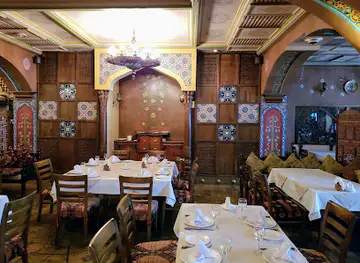
Alasha
Discover Alasha: A culinary gem in Almaty blending Uzbek, Kazakhstani, and European cuisines for an unforgettable dining experience.
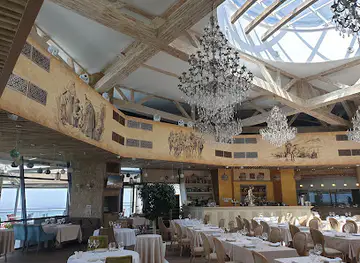
ABAY Restaurant
Experience authentic Kazakhstani cuisine at ABAY Restaurant in Almaty—where tradition meets taste in every dish.

Olivier Restaurant & Bar
Experience exquisite European cuisine at Olivier Restaurant & Bar in Almaty - a must-visit destination for food lovers.

Best bars in Assy Plateau
Top-rated picks
Best Bars

Guinness Pub
Discover the vibrant atmosphere of Guinness Pub in Almaty, where authentic Irish cuisine meets a lively pub culture in the heart of Kazakhstan.

Pinta Kazakhstan
Discover the delightful blend of Kazakh and international cuisine at Pinta Kazakhstan, a vibrant restaurant and bar in the heart of Almaty.

Alasha
Experience the rich flavors of Uzbek and Kazakhstani cuisine at Alasha, a top dining destination in Almaty, perfect for food lovers.
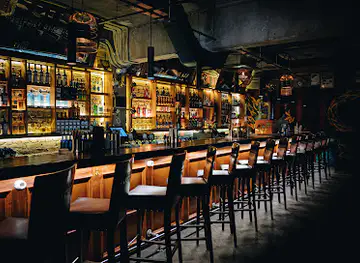
Barmaglot Bar
Discover Almaty's vibrant nightlife at Barmaglot Bar, where exceptional cocktails and lively ambiance await every visitor.

Best nightclubs in Assy Plateau
Top-rated picks
Best Nightclubs

Zhest'
Dive into the energetic nightlife of Almaty at Zhest', where music and excitement await every night.

Barcode Almaty
Dive into the pulsating nightlife of Almaty at Barcode, where music, dance, and vibrant socializing come alive every night.

FRIDAY night club
Discover the heart of Almaty's nightlife at FRIDAY Night Club, where vibrant music and a lively atmosphere create unforgettable nights.

Nochnoy Retro Klub Pionerskaya Pravda
Dive into Almaty's nightlife at Nochnoy Retro Klub Pionerskaya Pravda - a retro-themed night club where music and energy collide for an unforgettable experience.

Best shops in Assy Plateau
Top-rated picks
Best Shops

MEGA Alma-Ata
Explore MEGA Alma-Ata, Almaty's premier shopping destination offering fashion, dining, and entertainment all under one roof.

MEGA Park
Discover MEGA Park, Almaty's premier shopping destination featuring international brands, diverse dining options, and family-friendly entertainment.

Dostyk Plaza
Explore Dostyk Plaza in Almaty: A vibrant shopping mall offering diverse retail, dining, and entertainment experiences.

Esentai Mall
Discover Esentai Mall in Almaty - a luxurious shopping haven with top brands, delicious dining, and vibrant entertainment for all ages.

Explore Assy Plateau on the Map
A handpicked selection of must-see spots in Assy Plateau, mapped for you.
Assy Plateau Essentials
-
Assy Plateau is located in the Almaty Region of Kazakhstan. The nearest major city is Almaty, which has an international airport (Almaty International Airport). From Almaty, you can take a car or hire a local tour operator for a guided trip to Assy Plateau, which is approximately a 2-3 hour drive (around 80-100 kilometers) east of the city. The roads can be rough and unpaved in some sections, so a 4x4 vehicle is recommended.
-
Due to its remote location, public transportation options to Assy Plateau are limited. Renting a car or booking a guided tour from Almaty is the most convenient way to reach the plateau. Once there, exploring on foot or by mountain bike is a great way to take in the breathtaking scenery. Local taxis can be arranged, but it's advisable to confirm the fare in advance. Keep in mind that there are no regular bus services to the plateau.
-
The official currency of Kazakhstan is the Kazakhstani Tenge (KZT). Credit cards are accepted in Almaty and other major cities, but it is crucial to carry cash when visiting Assy Plateau, as there are no ATMs or card payment facilities in the remote areas. It is advisable to withdraw sufficient cash in Almaty before heading to the plateau.
-
Assy Plateau is generally a safe destination for tourists, but it is important to take standard precautions. There are no specific high-crime areas targeting tourists, but it is wise to avoid walking alone at night in isolated areas. Keep an eye on your belongings and be aware of your surroundings. Always inform someone of your travel plans and expected return time, especially if venturing out on hikes or solo excursions.
-
In case of emergency, dial 112 for immediate assistance in Kazakhstan. The nearest medical facilities are in Almaty, so it is essential to have travel insurance that covers medical emergencies. For minor health issues, carry a basic first-aid kit and any necessary medications with you. It's also helpful to have a local guide or contact who can assist in emergency situations.
-
Fashion: Do dress in layers and wear sturdy footwear suitable for hiking. Avoid wearing overly flashy or revealing clothing. Religion: Do respect local customs and traditions; while Assy Plateau is not heavily populated, some areas may have religious significance. Public Transport: Given the limited public transport, do arrange your travel in advance. Don't rely on finding spontaneous transport options. Greetings: Do greet locals with a smile and a nod; a simple 'Salemetsiz be?' (Hello) in Kazakh can go a long way. Eating & Drinking: Do try local delicacies if the opportunity arises, and always accept food offerings graciously. Don't waste food, as it is considered impolite.
-
To experience Assy Plateau like a local, visit in the summer months when the weather is most favorable. Take part in local activities such as horseback riding or attending traditional Kazakh yurt camps. Engage with the local nomadic families, who are often very welcoming and willing to share their way of life. Don't miss the Assy Observatory for stargazing, as the clear skies offer some of the best astronomical views.
When is the best time to visit Assy Plateau?
Useful Local Phrases for Assy Plateau
You don't need to speak the language perfectly. Even learning a few simple words can make conversations warmer—and locals usually appreciate the effort.
— Eve

Here are the phrases I use most often in Assy Plateau. Try a few—you'll be surprised how far they go! 😊
❤️
-
- HelloСәлем
[Salem] - GoodbyeСау болыңыз
[Sau bolynyz] - YesИя
[Iya] - NoЖоқ
[Jok] - Please/You're welcomeРахмет
[Rahmet] - Thank youРахмет сізге
[Rahmet sizge] - Excuse me/SorryКешіріңіз
[Keshiriniz] - How are you?Сіздің жағдайыңыз қалай?
[Sizdin zhagdayynyz qalay?] - Fine. And you?Жақсы. Сізді?
[Jaqsy. Sizdi?] - Do you speak English?Сіз ағылшынша сөйлейсіз пе?
[Siz agylshynsha söyleisiz pe?] - I don't understandМен түсінбеймін
[Men tusinbeymin]
- HelloСәлем
-
- I'd like to see the menu, pleaseМенюмен танысу керек
[Menyumnen tanysu kerek] - I don't eat meatМен қасым бұзбаймын
[Men qasym buzbaımyn] - Cheers!Бейтауымызға
[Beytauymyzga] - I would like to pay, pleaseТөлеу керек
[Toleu kerek]
- I'd like to see the menu, pleaseМенюмен танысу керек
-
- Help!Көмек!
[Kömek!] - Go away!Ауыр!
[Awır!] - Call the Police!Полицияға қоңырау шақырыңыз
[Politsiyaga qońırau şaqyrynız] - Call a doctor!Дәрігерге қоңырау шақырыңыз
[Därigerge qońırau şaqyrynız] - I'm lostМен айықпын
[Men ayıqpın] - I'm illМен аурулымын
[Men awrulımın]
- Help!Көмек!
-
- I'd like to buy...Сатып алғым келе
[Satyp alghym kele] - I'm just lookingТек көремін
[Tek köremin] - How much is it?Ол канша
[Ol kansha] - That's too expensiveОл тым дорын
[Ol tım dorın] - Can you lower the price?Бағасын төмендете аласыз бе?
[Bağısyn tömendete alasız be?]
- I'd like to buy...Сатып алғым келе
-
- What time is it?Сағат неше?
[Saghat neshe?] - It's one o'clockБір сағат
[Bir saghat] - Half past (10)Ондай жеткізген
[Onday jetkizgen] - MorningТаң
[Tan] - AfternoonКеш
[Kesh] - EveningКеш
[Kesh] - YesterdayКеше
[Keshe] - TodayБүгін
[Bugın] - TomorrowЕртең
[Erteñ] - 1Бір
[Bir] - 2Екі
[Eki] - 3Үш
[Üsh] - 4Төрт
[Tört] - 5Бес
[Bes] - 6Алты
[Altı] - 7Жеті
[Jeti] - 8Сегіз
[Segiz] - 9Тоғыз
[Toğız] - 10Он
[On]
- What time is it?Сағат неше?
-
- Where's a/the...?...қайда?
[...qayda?] - What's the address?Мекен-жайыңыз күйі?
[Meken-zhayynız küyi?] - Can you show me (on the map)?Мені картада көрсете аласыз бе?
[Meni kartada körsete alasız be?] - When's the next (bus)?Келесі (автобус) не кезде?
[Kelesi (avtobus) ne kezde?] - A ticket (to ....)Билет (....ға)
[Bilet (....ğa)]
- Where's a/the...?...қайда?
History of Assy Plateau
-
The Assy Plateau has long served as a crucial grazing ground for nomadic tribes, including the Scythians and later the Turkic tribes. Archaeological findings, such as burial mounds and petroglyphs, bear testament to the area's importance in the ancient nomadic culture. These tribes utilized the plateau's lush pastures and strategic location for their seasonal migrations and trade routes.
-
During the height of the Silk Road, the Assy Plateau acted as a significant waypoint for traders journeying between East and West. The plateau offered a relatively safer and more hospitable route through the rugged terrains of Central Asia. Traders would rest and resupply here, contributing to the exchange of goods, ideas, and cultures. Remnants of caravanserais and ancient trading posts are still found dotted across the landscape.
-
In the 15th and 16th centuries, the Assy Plateau was part of the Kazakh Khanate. The region was a strategic military and administrative zone due to its high elevation and vantage points. The Kazakh khans used the plateau to monitor the movements of rival tribes and to conduct military campaigns. The era also saw the construction of fortifications and watchtowers, some of which have been partially preserved to this day.
-
Under Soviet rule, the Assy Plateau underwent significant changes. The Soviet government established collective farms (kolkhozes) and state farms (sovkhozes) in the region to boost agricultural productivity. The plateau's grazing lands were extensively used for sheep and cattle farming. Additionally, Soviet scientists conducted various ecological and geological studies, recognizing the plateau's unique biodiversity and geological formations.
-
Today, the Assy Plateau is a cherished natural and cultural heritage site in Kazakhstan. It attracts tourists, hikers, and researchers alike. The plateau is part of several conservation projects aimed at preserving its unique ecosystem and historical landmarks. Local communities continue to celebrate their nomadic heritage through festivals and cultural events, keeping the rich history of the Assy Plateau alive.
Neighbouring destination travel guides
Browse our curated selection of top destinations, scenic points, and must-visit spots in the area.


Your all‑in‑one travel companion app
Explore expert travel guides, compare and book tours, experiences, hotels, and more—all from the palm of your hand. Download now for seamless trip planning wherever your wanderlust takes you.


Explore More of Semirechye (Seven Rivers)

Looking beyond Assy Plateau? Discover Semirechye (Seven Rivers) for broader travel guides, local hot-spots, and regional highlights.
Explore Semirechye (Seven Rivers)Explore More of Kazakhstan

Looking beyond Assy Plateau? Discover Kazakhstan for broader travel guides, local hot-spots, and regional highlights.
Explore KazakhstanAssy Plateau in Photos
Browse through our photo collection highlighting the charm and character of the destination.


The Untamed Beauty of Assy Plateau
Nestled in the majestic mountains of Kazakhstan, the Assy Plateau is a hidden gem waiting to be explored. This vast highland, situated at an altitude of around 2,500 meters, offers breathtaking vistas of lush meadows, rolling hills, and snow-capped peaks. The area is known for its pristine natural beauty and provides a serene escape from the hustle and bustle of city life. The plateau is a paradise for nature lovers and adventure enthusiasts alike. Visitors can indulge in a variety of outdoor activities such as hiking, horseback riding, and bird watching. The diverse flora and fauna of the region make it a haven for photographers and wildlife enthusiasts. During the summer months, the meadows are blanketed with wildflowers, adding a splash of color to the stunning landscape. Apart from its natural allure, the Assy Plateau is also rich in cultural heritage. The region is dotted with ancient petroglyphs and archaeological sites, offering a glimpse into the history and traditions of the nomadic tribes that once roamed these lands. The traditional Kazakh yurts scattered across the plateau provide an authentic experience of the local lifestyle. Whether you're seeking adventure, tranquility, or a cultural journey, the Assy Plateau has something for everyone. Its untouched beauty and serene environment make it an ideal destination for those looking to connect with nature and experience the unique charm of Kazakhstan.