

Turgen Gorge, Kazakhstan Travel Guide
Explore Turgen Gorge in Kazakhstan: Waterfalls, ancient relics, and outdoor adventures await in this stunning natural sanctuary within Ile-Alatau National Park.
Turgen Gorge, located in the Almaty region of Kazakhstan, is a breathtaking destination that offers a unique blend of natural beauty and outdoor adventure. Nestled within the Ile-Alatau National Park, the gorge is renowned for its lush forests, cascading waterfalls, and diverse wildlife. Whether you're a nature lover, a hiking enthusiast, or simply seeking a serene escape from city life, Turgen Gorge has something for everyone. One of the highlights of Turgen Gorge is its stunning waterfalls. The most famous among them is the Bear Waterfall, which plunges 30 meters into a pristine pool below. The sound of the rushing water and the sight of the surrounding greenery provide a perfect backdrop for a peaceful retreat. Additionally, the gorge is home to the Kairak Waterfall, a majestic 55-meter cascade that offers a more challenging hike for the adventurous traveler. Apart from its waterfalls, Turgen Gorge is also known for its ancient relics and historical significance. The region is dotted with ancient burial mounds, some dating back to the Bronze Age. These archaeological sites offer a glimpse into the rich history and culture of the area. For those interested in flora and fauna, the gorge is a paradise, boasting a variety of plant species and wildlife, including the elusive snow leopard. Outdoor activities are plentiful in Turgen Gorge. Visitors can enjoy horseback riding, mountain biking, and even trout fishing in the crystal-clear streams. During the winter months, the gorge transforms into a snowy wonderland, perfect for skiing and snowboarding. With its diverse attractions and natural beauty, Turgen Gorge is a must-visit destination for anyone traveling to Kazakhstan.

Know before you go
Hi, I'm Eve. Here are a few practical things to know before exploring Turgen Gorge.
- Visit in late spring or early autumn for the best weather and fewer crowds.
- Wear comfortable hiking shoes, as some trails can be steep and rocky.
- Bring a camera to capture the stunning landscapes and waterfalls.
- Consider hiring a local guide to learn more about the history and wildlife of the area.
- Pack a picnic and enjoy a meal by the waterfalls or along the scenic trails.
- Check weather conditions before heading out, as the area can be prone to sudden changes.
Explore Turgen Gorge: Things to Do, Places to Eat, Hotels & More
Handpicked recommendations for top attractions, local dining, accommodations, and more

Best attractions in Turgen Gorge
Top-rated picks
Best Attractions

Ak Bulak
Discover the thrill of skiing in Kazakhstan's Ak Bulak ski resort, where breathtaking scenery and exhilarating slopes await every winter sports enthusiast.

Hot Spring
Discover the healing powers of nature at Almaty's Hot Spring, where relaxation meets stunning mountain landscapes in an unforgettable experience.

Gorge Monakhovo
Discover the breathtaking beauty of Gorge Monakhovo, a premier hiking destination in Talgar, Kazakhstan, filled with stunning landscapes and rich biodiversity.

Best landmarks in Turgen Gorge
Top-rated picks
Best Landmarks

Turgen
Discover the tranquil beauty of Turgen River, a nature lover's paradise in Kazakhstan, perfect for outdoor adventure and relaxation surrounded by stunning landscapes.

Oy Karagay
Discover Oy Karagay: A breathtaking hiking paradise in Talgar, Kazakhstan, where nature meets adventure and tranquility.

Best restaurants in Turgen Gorge
Top-rated picks
Best Restaurants

Turgen
Discover the tranquil beauty of Turgen River in Kazakhstan - a perfect retreat for nature lovers and adventure seekers.

Medvezhiy Vodopad V Turgen'skom Ushchel'ye
Discover Medvezhiy Vodopad: A Stunning Waterfall in Turgen'skoye Gorge Offering Breathtaking Scenery and Outdoor Adventures.

Этно Аул Тумар
Experience the serenity of nature and immerse yourself in Kazakh culture at Этно Аул Тумар – your perfect retreat in Tauturgen.

Explore Turgen Gorge on the Map
A handpicked selection of must-see spots in Turgen Gorge, mapped for you.
Turgen Gorge Essentials
-
Turgen Gorge is located in the Almaty Region of Kazakhstan, approximately 70 kilometers east of Almaty city. The nearest international airport is Almaty International Airport. From the airport, you can rent a car or hire a taxi to reach Turgen Gorge. Alternatively, you can take a bus from Sayakhat bus station or use a tour operator that offers guided trips to the gorge.
-
Once in Turgen Gorge, you can explore the area by foot, bicycle, or car. There are several hiking trails for those who enjoy trekking. If you prefer a more relaxed visit, local tour operators offer guided jeep tours. Public transport options are limited, so renting a car or arranging transportation with your accommodation provider is advisable.
-
The official currency in Kazakhstan is the Kazakhstani Tenge (KZT). Credit cards are accepted in some hotels, restaurants, and shops in Almaty, but it is advisable to carry cash when visiting rural areas like Turgen Gorge. ATMs are available in Almaty, so it is wise to withdraw sufficient cash before your trip.
-
Turgen Gorge is generally a safe destination for tourists. However, standard precautions should be taken: avoid walking alone at night in isolated areas, keep an eye on your belongings, and stay vigilant. There are no specific high-crime areas targeting tourists, but it is always best to be cautious.
-
In case of emergency, dial 112 for immediate assistance. There are medical facilities and police stations in Almaty, which is relatively close to Turgen Gorge. It is recommended to have travel insurance that covers medical emergencies. For minor health issues, carry a basic first-aid kit as pharmacies are sparse in the gorge area.
-
Fashion: Do dress in layers and wear comfortable hiking gear. Avoid wearing flashy jewelry. Religion: Do respect local customs and traditions. Public Transport: Do be polite and give up your seat to elderly passengers if using public transport. Greetings: Do greet people with a friendly smile and a handshake. Eating & Drinking: Do try local delicacies like kazy (horse meat sausage) and kumis (fermented mare's milk). Don’t refuse hospitality, as it is considered impolite.
-
To experience Turgen Gorge like a local, visit the local markets and interact with the vendors. Engage with locals; they are often friendly and willing to share stories about the area's history and culture. Don't miss the Bear Waterfall and the Turgen Fish Farm, where you can catch your own trout. For a unique experience, try the local honey, which is a specialty of the region.
When is the best time to visit Turgen Gorge?
Useful Local Phrases for Turgen Gorge
You don't need to speak the language perfectly. Even learning a few simple words can make conversations warmer—and locals usually appreciate the effort.
— Eve

Here are the phrases I use most often in Turgen Gorge. Try a few—you'll be surprised how far they go! 😊
❤️
-
- HelloСәлем
[Salem] - GoodbyeҚош келдіңіз
[Qoş keldiniz] - YesИя
[Iya] - NoЖоқ
[Joq] - Please/You're welcomeРахмет
[Rahmet] - Thank youРахмет
[Rahmet] - Excuse me/SorryКешіріңіз
[Keshiriniz] - How are you?Қалайсыздар?
[Qalaisyzdar?] - Fine. And you?Жақсым. Сіздікі?
[Jaqsım. Sizdiki?] - Do you speak English?Сіз ағылшынша сөйлейсіз бе?
[Siz ağılınşa söylesiz be?] - I don't understandМен түсінбедім
[Men tüsinbedim]
- HelloСәлем
-
- I'd like to see the menu, pleaseМенюмен танису керек
[Menyumın tanisu kerek] - I don't eat meatМен говядина жемін
[Men govyadina jemin] - Cheers!Тамаша!
[Tamaşa!] - I would like to pay, pleaseТілеймін
[Tileymin]
- I'd like to see the menu, pleaseМенюмен танису керек
-
- Help!Ауырсын!
[Awırsın!] - Go away!Өтіп кет!
[Ötip ket!] - Call the Police!Полицияға қоңырау шал!
[Politsiyağa qoñırau şal!] - Call a doctor!Дәрігерге қоңырау шал!
[Däriğerge qoñırau şal!] - I'm lostМен ауырсын
[Men awırsın] - I'm illМен ауырсын
[Men awırsın]
- Help!Ауырсын!
-
- I'd like to buy...Сатып алғым келе ме?
[Satıp algım kele me?] - I'm just lookingКөзге түсіріп көрейін
[Közge tüsirip körein] - How much is it?Қанша?
[Qanşa?] - That's too expensiveОл тым де арзан
[Ol tım de arzan] - Can you lower the price?Құнды төмендеуге болады ма?
[Qundy tömendeuge bolady ma?]
- I'd like to buy...Сатып алғым келе ме?
-
- What time is it?Қанша уақыт?
[Qanşa waqıt?] - It's one o'clockБір уақыт
[Bir waqıt] - Half past (10)Ондық үш
[Ondıq üş] - MorningТаң
[Tań] - AfternoonКеш
[Keş] - EveningКеш
[Keş] - YesterdayКеше
[Keşe] - TodayБүгін
[Bügin] - TomorrowЕртең
[Erteñ] - 1бір
[bir] - 2екі
[eki] - 3үш
[üş] - 4төрт
[tört] - 5бес
[bes] - 6алты
[altı] - 7жеті
[jeti] - 8сегіз
[segiz] - 9тоғыз
[toğız] - 10он
[on]
- What time is it?Қанша уақыт?
-
- Where's a/the...?... қайда?
[... qayda?] - What's the address?Мекен-жайға қалай қайтарады?
[Meken-jayğa qalay qaytarady?] - Can you show me (on the map)?Меніңге (картада) көрсете аласыз бе?
[Meniñge (kartada) körsete alasız be?] - When's the next (bus)?Келесі (автобус) не уақытта?
[Kelesi (avtobus) ne waqıtta?] - A ticket (to ....)Билет (....ға)
[Bilet (....ğa)]
- Where's a/the...?... қайда?
History of Turgen Gorge
-
Turgen Gorge has been a significant area for various nomadic tribes for centuries. Evidence of early human habitation, including petroglyphs and burial mounds, suggests that the region was a thriving center for these communities. The nomadic tribes utilized the gorge’s rich natural resources for hunting and grazing their livestock.
-
During the height of the Silk Road, Turgen Gorge served as a critical passageway for traders and travelers. The gorge provided a natural corridor through the rugged terrain of the Trans-Ili Alatau mountains, facilitating trade between East and West. Caravans carrying silk, spices, and other goods would traverse this scenic route, enriching the cultural tapestry of the region.
-
In the 13th century, the Mongol invasions under Genghis Khan impacted Turgen Gorge. The strategic location of the gorge made it a site of military significance during the Mongol campaigns. Historical records indicate that the area saw numerous battles and skirmishes as the Mongols expanded their empire across Central Asia.
-
During the Soviet era, Turgen Gorge underwent significant changes. The Soviet government recognized the gorge's potential for tourism and natural resource extraction. Infrastructure such as roads and small settlements were developed to facilitate these activities. The gorge also became a popular destination for Soviet citizens seeking recreation and adventure in the natural landscape.
-
Turgen Gorge holds a special place in Kazakh culture. The region is steeped in folklore and traditional practices, many of which are still observed today. Festivals, music, and dance in the area often reflect the rich heritage and the harmonious relationship between the people and their natural surroundings. The gorge continues to be a symbol of Kazakh identity and resilience.
Neighbouring destination travel guides
Browse our curated selection of top destinations, scenic points, and must-visit spots in the area.




Your all‑in‑one travel companion app
Explore expert travel guides, compare and book tours, experiences, hotels, and more—all from the palm of your hand. Download now for seamless trip planning wherever your wanderlust takes you.


Explore More of Trans-Ili Alatau
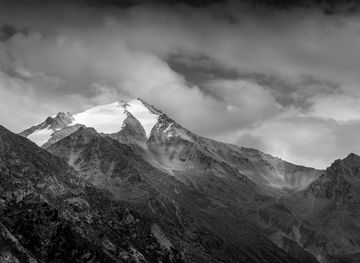
Looking beyond Turgen Gorge? Discover Trans-Ili Alatau for broader travel guides, local hot-spots, and regional highlights.
Explore Trans-Ili AlatauExplore More of Kazakhstan

Looking beyond Turgen Gorge? Discover Kazakhstan for broader travel guides, local hot-spots, and regional highlights.
Explore KazakhstanTurgen Gorge in Photos
Browse through our photo collection highlighting the charm and character of the destination.


Turgen Gorge: Nature's Hidden Gem in Kazakhstan
Turgen Gorge, located in the Almaty region of Kazakhstan, is a breathtaking destination that offers a unique blend of natural beauty and outdoor adventure. Nestled within the Ile-Alatau National Park, the gorge is renowned for its lush forests, cascading waterfalls, and diverse wildlife. Whether you're a nature lover, a hiking enthusiast, or simply seeking a serene escape from city life, Turgen Gorge has something for everyone. One of the highlights of Turgen Gorge is its stunning waterfalls. The most famous among them is the Bear Waterfall, which plunges 30 meters into a pristine pool below. The sound of the rushing water and the sight of the surrounding greenery provide a perfect backdrop for a peaceful retreat. Additionally, the gorge is home to the Kairak Waterfall, a majestic 55-meter cascade that offers a more challenging hike for the adventurous traveler. Apart from its waterfalls, Turgen Gorge is also known for its ancient relics and historical significance. The region is dotted with ancient burial mounds, some dating back to the Bronze Age. These archaeological sites offer a glimpse into the rich history and culture of the area. For those interested in flora and fauna, the gorge is a paradise, boasting a variety of plant species and wildlife, including the elusive snow leopard. Outdoor activities are plentiful in Turgen Gorge. Visitors can enjoy horseback riding, mountain biking, and even trout fishing in the crystal-clear streams. During the winter months, the gorge transforms into a snowy wonderland, perfect for skiing and snowboarding. With its diverse attractions and natural beauty, Turgen Gorge is a must-visit destination for anyone traveling to Kazakhstan.