

Free Trans-Ili Alatau Travel Guide & Mobile App
Explore Trans-Ili Alatau with free travel guides. Discover regional history, expert tips, proposed trips, and audio guides on web or mobile app.


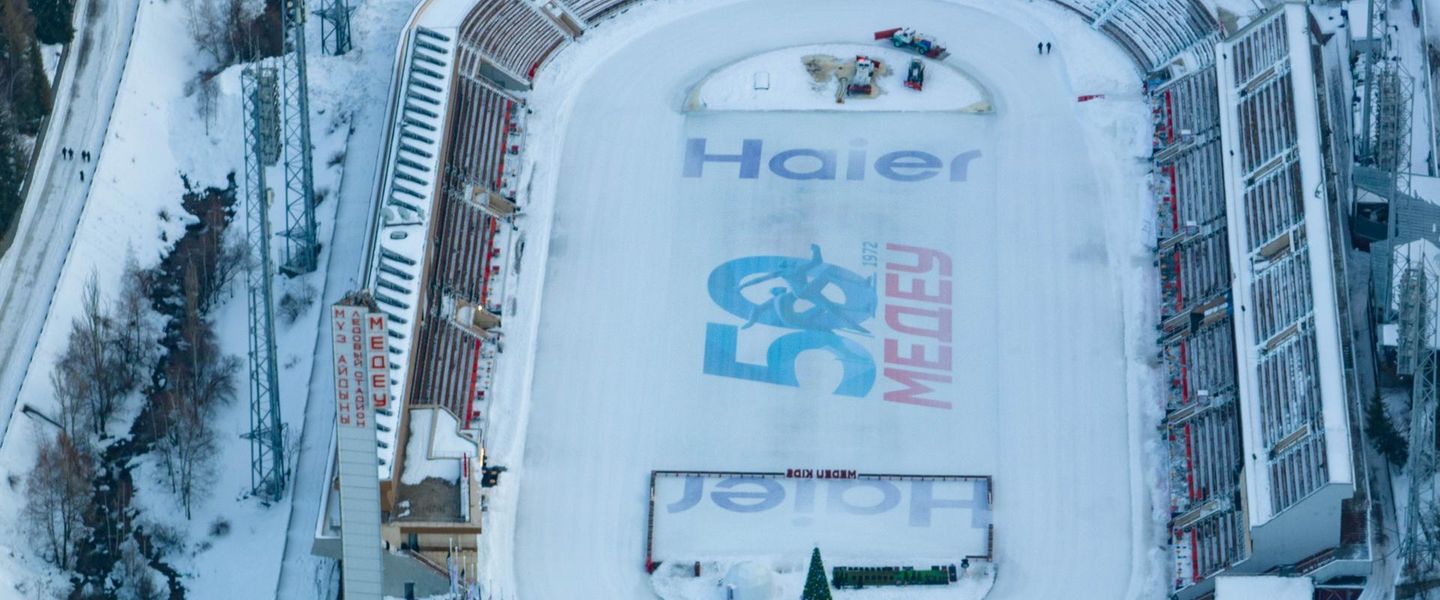


Explore the Trans-Ili Alatau from Almaty through alpine lakes, spruce valleys, ski slopes, glaciers and demanding Tien Shan trails.
Read more about Trans-Ili Alatau
When is the best time to visit Trans-Ili Alatau?
Best: June–August · 23–26°C| Month | High (°C) | Rainfall (mm) |
|---|---|---|
| January | 1 | 40 |
| February | 2 | 35 |
| March | 9 | 45 |
| April | 15 | 60 |
| May | 20 | 70 |
| June (best) | 23 | 60 |
| July (best) | 26 | 50 |
| August (best) | 25 | 50 |
| September | 20 | 40 |
| October | 13 | 40 |
| November | 7 | 35 |
| December | 1 | 40 |
Getting to and around Trans-Ili Alatau
How to get there
Transportation
Destinations in Trans-Ili Alatau
Resorts, valleys and scenic spots worth a trip of their own.
-

-
-

-


Swipe for more destinations
Best attractions in Trans-Ili Alatau
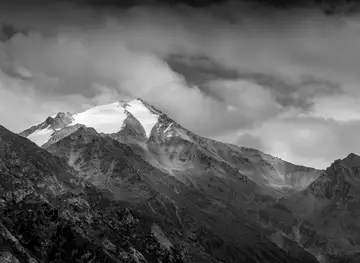
The Trans-Ili Alatau’s attractions are chiefly natural and outdoor-oriented, with the strongest concentration in and around Ile-Alatau National Park. The Medeu complex provides an accessible introduction to the foothills, while the Shymbulak ski resort extends into higher terrain with mountain views, winter sports and summer access to walking routes. Valleys such as Malaya Almatinka and Turgen combine conifer forest, rushing streams, meadows and waterfalls, although facilities and road conditions vary considerably. Big Almaty Lake is a celebrated high-altitude viewpoint surrounded by steep slopes and peaks, but it is also part of an important water-supply system, so visitors must follow current restrictions. More remote routes lead towards alpine passes, glaciers and mountaineering terrain rather than conventional sightseeing attractions. Wildlife and birdwatching are possible in protected habitats, but sightings are never guaranteed and should not be pursued by approaching animals. The region suits walking, skiing, photography, landscape study and guided mountaineering more than a checklist of built attractions. Its appeal lies in the rapid transition from Almaty’s urban edge to high Tien Shan environments, with the level of challenge increasing sharply once roads and resort infrastructure end.
-
Amusement park
Central Park
Explore Central Park in Almaty: A vibrant amusement park perfect for family fun, relaxation, and stunning natural beauty.
-
Visitor center
Medeu
Experience the thrill of skating at Medeu, a breathtaking outdoor rink nestled in the majestic mountains of Kazakhstan.
-
National park
Ile-Alatau National Park
Experience the beauty and serenity of Ile-Alatau National Park, a natural paradise in Kazakhstan perfect for outdoor adventures and wildlife exploration.
-
Tourist attraction
Shymbulak
Explore Shymbulak, Kazakhstan's premier ski resort and adventure hub, nestled in the breathtaking Tien Shan mountains, perfect for year-round outdoor activities.



Best landmarks in Trans-Ili Alatau
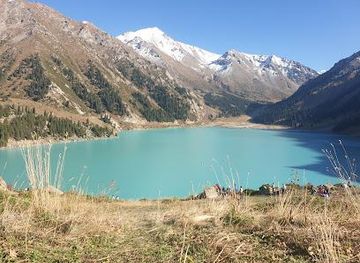
The Trans-Ili Alatau’s most recognisable landmarks are defined by altitude, water and the close relationship between mountains and Almaty. Big Almaty Lake is the best-known natural landmark: a turquoise alpine reservoir enclosed by steep ridges, valued both for its scenery and for its role in the region’s water infrastructure. Above the city, the Medeu skating complex is an important modern landmark of high-altitude sport and a familiar threshold to the mountain valleys. The Shymbulak resort, set higher in the Malaya Almatinka valley, marks the transition from accessible recreation to more serious alpine terrain. Farther across the range, the forested Turgen valley and its waterfalls show a contrasting, greener side of the northern slopes. Above all of these places rise the glaciated summits and ridgelines of the Trans-Ili Alatau, including the high Talgar massif, whose peaks form the dramatic backdrop to the national park. These landmarks are not isolated monuments but parts of a living mountain system shaped by glaciers, earthquakes, weather, protected habitats and the perennial flow of water towards the city.
-
 National park
Ile-Alatau National Park
Discover the breathtaking beauty and diverse wildlife of Ile-Alatau National Park, a must-visit destination for nature lovers and adventure seekers near Almaty.
-
Historical landmark
Independence Monument
Explore the Independence Monument in Almaty, a magnificent tribute to Kazakhstan's rich history and cultural heritage, set against stunning mountain views.
-
Historical landmark
Abay Kunanbaiuly Monument
Explore the Abay Kunanbaiuly Monument in Almaty, a cultural landmark celebrating Kazakhstan's literary heritage amid serene gardens.
-
Tourist attraction
Alma-Arasan
Explore the tranquil beauty of Alma-Arasan, a hidden natural gem in Almaty, Kazakhstan, perfect for outdoor adventures and peaceful escapes.


Explore Trans-Ili Alatau on the map
Plan your trip on one map. See where the top cities, national parks and sights are, and book hotels and experiences in a few clicks.
Best hotels in Trans-Ili Alatau
Best restaurants in Trans-Ili Alatau
Dining in the Trans-Ili Alatau is closely linked to Almaty, where visitors can sample the wider culinary traditions of Kazakhstan before travelling into the mountains. Kazakh dishes such as beshbarmak, traditionally centred on boiled meat and noodles, baursak fried dough and hearty soups are widely available in the city, while mountain outings often involve simple cafés, resort restaurants, picnic provisions or food carried for the day. In the foothills, menus may combine Central Asian cooking with Russian, Uyghur and broader contemporary influences found in southeastern Kazakhstan. Almaty’s markets and food shops are useful for buying bread, dried fruit, nuts, dairy products and other provisions for hikes, though food should be packed responsibly and no litter left in the park. At ski and recreation facilities, dining is generally practical and casual rather than a reason to travel into the mountains independently. Visitors staying in Almaty will find the broadest choice of restaurants, cafés and bakeries, while remote valleys should be approached with the expectation that services are sparse, seasonal or absent.
-
Ski resort
Mountain Resort «Oi-Qaragai Lesnaya Skazka»
Experience thrilling skiing adventures and serene mountain escapes at Oi-Qaragai Lesnaya Skazka Mountain Resort in Kazakhstan.
-
Shymbulak Resort Hotel
Experience the ultimate blend of luxury and adventure at Shymbulak Resort Hotel in Almaty - your gateway to Kazakhstan's stunning natural beauty.
-
Asian
Navat
Experience authentic Asian cuisine at Navat in Almaty—where flavors come alive in a vibrant dining atmosphere.
-
Restaurant
U Afanasicha
Experience exquisite Kazakh cuisine at U Afanasicha - where tradition meets modernity in a delightful culinary journey.


Best bars in Trans-Ili Alatau
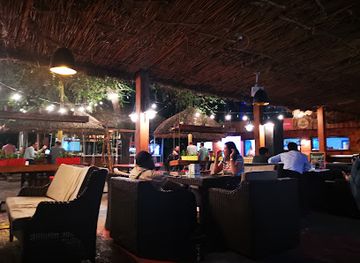
The Trans-Ili Alatau is not a nightlife destination in the conventional sense. Evenings in the mountain area centre on accommodation, resort restaurants, quiet recreation and the changing light over the valleys; remote locations may have no licensed venue or reliable transport after dark. Shymbulak provides the most developed mountain-base atmosphere, with food and drink facilities that vary according to season and operating arrangements. For bars, live music and late-evening entertainment, visitors generally return to Almaty, where the city offers the country’s broadest selection of cafés, pubs, cocktail bars and clubs. Some Almaty establishments serve Kazakhstan-produced beer, spirits and contemporary interpretations of Central Asian flavours, but alcohol is not central to experiencing the range. Anyone staying in the mountains should plan the return journey in advance, avoid driving after drinking and remember that weather and road conditions can make late travel slow or impossible.
-
Restaurant
Chechil Розыбакиева
Experience the vibrant flavors of Almaty at Chechil Розыбакиева, a lively gastropub with delicious food, craft beers, and live music.
-
Restaurant
Chechil Жарокова
Discover Chechil Жарокова: a bustling gastropub in Almaty, renowned for its delicious cuisine, live music, and vibrant atmosphere.
-
Pub
Harat's Pub on Panfilov Street
Discover the warmth and flavor of Harat's Pub on Panfilov Street, where Irish hospitality meets local charm in Almaty.
-
Irish pub
Guinness Pub
Dive into the lively spirit of Ireland at Guinness Pub in Almaty, where great drinks and hearty food await every visitor.


Best nightclubs in Trans-Ili Alatau
The Trans-Ili Alatau is not a nightlife destination in the conventional sense. Evenings in the mountain area centre on accommodation, resort restaurants, quiet recreation and the changing light over the valleys; remote locations may have no licensed venue or reliable transport after dark. Shymbulak provides the most developed mountain-base atmosphere, with food and drink facilities that vary according to season and operating arrangements. For bars, live music and late-evening entertainment, visitors generally return to Almaty, where the city offers the country’s broadest selection of cafés, pubs, cocktail bars and clubs. Some Almaty establishments serve Kazakhstan-produced beer, spirits and contemporary interpretations of Central Asian flavours, but alcohol is not central to experiencing the range. Anyone staying in the mountains should plan the return journey in advance, avoid driving after drinking and remember that weather and road conditions can make late travel slow or impossible.
-
Karaoke bar
Ukho I Medved' Na Kurmangazy
Experience the joy of singing at Ukho I Medved' Na Kurmangazy, Almaty's premier karaoke bar, where every night is filled with music and laughter.
-
Karaoke bar
Rock Crystal
Discover Almaty's lively nightlife at Rock Crystal, where delicious cuisine meets unforgettable karaoke in a vibrant atmosphere.
-
Bar
Tantsy
Discover Tantsy, Almaty's vibrant bar where the nightlife comes alive with great drinks, music, and an unforgettable atmosphere.
-
Bar
Sky Bar
Discover the vibrant nightlife of Almaty at Sky Bar, offering stunning views, exquisite cocktails, and an electrifying atmosphere for an unforgettable experience.


Best shops in Trans-Ili Alatau
Shopping opportunities within the Trans-Ili Alatau are limited and practical, centred on resort kiosks, cafés and equipment services rather than a distinct mountain retail district. Most visitors do their substantial shopping in Almaty before entering the range, where markets, supermarkets, outdoor stores, craft shops and galleries provide food, clothing, maps, walking equipment and locally made gifts. Useful regional purchases include dried fruit, nuts, honey, dairy products, chocolate, tea blends and packaged foods suitable for excursions, while felt goods, embroidered textiles and small ornaments reflect craft traditions found more broadly across Kazakhstan. Almaty’s Green Bazaar is a major food market, but it lies outside the Trans-Ili Alatau and should be treated as a city gateway experience rather than a mountain attraction. In the resort area, buy only what is needed and take packaging back out with you. Travellers should also avoid purchasing protected natural materials, archaeological objects or wildlife products, and should check customs rules before exporting food, antiques or crafts.
-
Shopping mall
MEGA Alma-Ata
Experience the best of shopping, dining, and entertainment at MEGA Alma-Ata, the ultimate destination in Almaty.
-
Shopping mall
Mega Silk Way
Explore Mega Silk Way, Astana's ultimate shopping destination, blending local culture with global brands in a stunning architectural setting.
-
Shopping mall
MEGA Park
Experience shopping like never before at MEGA Park, Almaty's top destination for retail therapy, dining, and family fun.
-
National park
Ile-Alatau National Park
Explore the breathtaking beauty of Ile-Alatau National Park, a natural paradise in Kazakhstan perfect for outdoor adventures and cultural experiences.


Get your free copy of our complete guide to Trans-Ili Alatau, delivered straight to you.
Everything on this page, from attractions and restaurants to essentials and local phrases, in one PDF you can read offline, print or share.
Already have an account? Sign in
Your Trans-Ili Alatau guide is ready.
We'll send it to · Not you? Sign out

Getting your guide ready…
We are putting together a fresh copy of the Trans-Ili Alatau guide. This can take up to a minute.
This can take a few moments. If your browser asks, choose Allow so the download can start. You'll find the guide in your Downloads folder.
Nothing happened? Download it again
Sorry, the guide is taking longer than usual. Please try again in a minute, or get it by email instead.
Trans-Ili Alatau essentials
Currency and Payment
Safety
Emergency Situations
Do's and Don'ts
Local Tips
From Eve
Local phrases worth knowing
You don't need to get them perfect. A few words go a long way, and locals appreciate the effort.
Basics
| English | Local | Say it |
|---|---|---|
| Hello | Сәлем | [Sälem] |
| Goodbye | Сау бол | [Sau bol] |
| Yes | Иә | [İä] |
| No | Жоқ | [Joq] |
| Please/You're welcome | Өтінемін/Қош келдіңіз | [Ötinemin/Qosh keldingiz] |
| Thank you | Рақмет | [Raqmet] |
| Excuse me/Sorry | Кешіріңіз | [Keshiriniz] |
| How are you? | Қалайсыз? | [Qalaysız?] |
| Fine. And you? | Жақсы. Ал сіз? | [Jaqsy. Al siz?] |
| Do you speak English? | Сіз ағылшынша сөйлейсіз бе? | [Siz ağylşınşa söyleyisiz be?] |
| I don't understand | Мен түсінбеймін | [Men tüsınbeymin] |
Eating & Drinking
| English | Local | Say it |
|---|---|---|
| I'd like to see the menu, please | Мәзірді көргім келеді, өтінемін | [Mäzirdi körgim keledi, ötinemin] |
| I don't eat meat | Мен ет жемеймін | [Men et jemeımin] |
| Cheers! | Тост! | [Tost!] |
| I would like to pay, please | Төлеуді қалаймын, өтінемін | [Töleýdi qalaymyn, ötinemin] |
Emergencies
| English | Local | Say it |
|---|---|---|
| Help! | Көмектесіңіз! | [Kömektesiñiz!] |
| Go away! | Кетіңіз! | [Ketiñiz!] |
| Call the Police! | Полиция шақырыңыз! | [Politsiýa şaqırıñız!] |
| Call a doctor! | Дәрігер шақырыңыз! | [Däriger şaqırıñız!] |
| I'm lost | Мен жоғалып қалдым | [Men joğalyp qaldım] |
| I'm ill | Мен ауырып жүрмін | [Men awıryp jürmın] |
Shopping
| English | Local | Say it |
|---|---|---|
| I'd like to buy... | Мен сатып алғым келеді... | [Men satıp algım keledi...] |
| I'm just looking | Мен тек қараймын | [Men tek qaraymyn] |
| How much is it? | Бұл қанша тұрады? | [Bul qanşa turadı?] |
| That's too expensive | Бұл тым қымбат | [Bul tym qymbat] |
| Can you lower the price? | Бағаны төмендетсеңіз бе? | [Bağanı tömendetseñiz be?] |
Time & Numbers
| English | Local | Say it |
|---|---|---|
| What time is it? | Сағат қанша? | [Saqat qanşa?] |
| It's one o'clock | Бір сағат | [Bir saqat] |
| Half past (10) | Онға он бес минут | [Oñğa on bes minut] |
| Morning | Таң | [Taŋ] |
| Afternoon | Түстен кейін | [Tüsten keyin] |
| Evening | Кеш | [Kesh] |
| Yesterday | Кеше | [Keshé] |
| Today | Бүгін | [Bügın] |
| Tomorrow | Ертең | [Erteñ] |
| 1 | Бір | [Bir] |
| 2 | Екі | [Eki] |
| 3 | Үш | [Üş] |
| 4 | Төрт | [Tört] |
| 5 | Бес | [Bes] |
| 6 | Алты | [Alty] |
| 7 | Жеті | [Jeti] |
| 8 | Сегіз | [Segiz] |
| 9 | Тоғыз | [Toğız] |
| 10 | Он | [Oñ] |
Transport & Directions
| English | Local | Say it |
|---|---|---|
| Where's a/the...? | Где ...? | [Gde ...?] |
| What's the address? | Мекенжайыңыз не? | [Mekenjayıñız ne?] |
| Can you show me (on the map)? | Маған көрсетіңіз (картада)? | [Mağan körsetiñiz (kartada)?] |
| When's the next (bus)? | Келесі (автобус) қашан? | [Kelesı (avtobus) qaşan?] |
| A ticket (to ...) | Билет ( ... ) | [Bilet ( ... )] |
History of Trans-Ili Alatau
Early nomadic cultures and the Saka world
The foothills and wider valleys of southeastern Kazakhstan formed part of the cultural world of Iron Age nomadic peoples, including the Saka. Communities used the mountain margins for seasonal pasture and movement between lowland and upland environments. Archaeological discoveries across the Almaty and Zhetysu region, including burial mounds and artefacts associated with elite horse cultures, show the importance of the area long before modern borders existed. The high range itself was difficult terrain, but its passes, river valleys and piedmont routes connected communities across Central Asia.
Wusun rule and Silk Road connections
From roughly the second century BC, the wider Zhetysu region was strongly associated with the Wusun, a polity known from Chinese historical records. Their power centred on the lands around the Ili basin and mountain foothills rather than on the high peaks alone. Later routes linking China, Central Asia and the steppe crossed or skirted the region, carrying goods, ideas and religious influences. The Trans-Ili Alatau therefore belonged to a broader corridor of movement, even though its steep upper valleys remained primarily pastoral and environmentally demanding.
Turkic and Kazakh pastoral landscapes
Across the medieval and early modern periods, Turkic-speaking communities and later Kazakh clans organised life around seasonal mobility, livestock and access to both steppe and mountain pasture. The northern slopes of the Trans-Ili Alatau formed part of the traditional landscape of Zhetysu, or Semirechye. Rivers descending from the range supported settlements and agriculture at lower elevations, while summer pastures lay higher up. This relationship between foothill settlement and alpine pasture remains visible in the geography of roads, valleys and grazing areas.
Russian expansion and the foundation of Verny
Russian imperial expansion into southeastern Kazakhstan reshaped the region during the nineteenth century. The military settlement of Verny, founded in 1854 near the northern foot of the range, later developed into Almaty. Fortifications, agricultural colonisation, new administrative links and scientific surveying altered older patterns of movement. The 1887 earthquake, which severely damaged Verny, also influenced the city’s later architectural development. From this period onwards, the Trans-Ili Alatau became increasingly connected to a permanent urban centre as well as to established pastoral communities.
Soviet science, recreation and mountaineering
During the Soviet period, the mountains south of Almaty became an important setting for geological research, tourism, sport and mountaineering. Roads and mountain facilities extended access into valleys that had previously been reached mainly on foot or by expedition. Medeu became known for its high-altitude skating rink, while the surrounding range attracted climbers and organised hiking groups. Soviet planning also connected mountain recreation with Almaty’s identity as a major cultural and scientific city, although the area remained vulnerable to avalanches, earthquakes and severe weather.
Ile-Alatau National Park and modern conservation
Ile-Alatau National Park was established in 1996 to protect much of the northern mountain environment south of Almaty. Its territory includes forests, alpine meadows, glaciers, wildlife habitats and important watersheds. Conservation now shares the landscape with tourism, ski development, roads, scientific work and recreation. The park’s proximity to a major city creates both opportunity and pressure: popular valleys receive heavy visitation, while remote areas demand stronger environmental awareness and careful management. Contemporary travel in the range is therefore closely linked to protected-area rules and responsible access.
Trans-Ili Alatau in Photos
Browse through our photo collection highlighting the charm and character of the destination.
Neighbouring regions of Trans-Ili Alatau
The closest regions to Trans-Ili Alatau, if you have time for more than one.
-

-

-

-

-


Swipe for more regions
Explore more

Explore more of Kazakhstan
Explore Kazakhstan's rich culture, modern cities, and stunning natural landscapes. From the Caspian Sea to the Altai Mountains, find adventure and beauty in Central Asia.
Explore Kazakhstan