

Almaty Mountains, Kazakhstan Travel Guide
Discover the Almaty Mountains: Kazakhstan's stunning natural playground with hiking, skiing, and breathtaking landscapes, nestled in the heart of the Tian Shan range.
Nestled in the southeastern region of Kazakhstan, the Almaty Mountains offer a breathtaking escape into nature's splendor. These mountains are part of the majestic Tian Shan range and are renowned for their towering peaks, lush valleys, and crystal-clear lakes. The Almaty Mountains are a haven for outdoor enthusiasts and provide numerous activities such as hiking, skiing, and mountain biking. The area is home to the famous Shymbulak Ski Resort, which promises exhilarating slopes with stunning panoramic views. In summer, the mountains transform into a hiker's paradise, with trails of varying difficulty levels. Visitors can explore the serene Big Almaty Lake, a turquoise gem surrounded by snow-capped peaks. The lake is a perfect spot for a peaceful picnic or a leisurely stroll. Almaty, the largest city in Kazakhstan, lies at the foothills of these mountains and offers a blend of modern amenities and rich cultural heritage. The city's vibrant markets, historic sites, and diverse cuisine provide a perfect complement to the natural beauty of the mountains. Whether you are an adventure seeker or a nature lover, the Almaty Mountains promise an unforgettable experience.

Know before you go
Hi, I'm Eve. Here are a few practical things to know before exploring Almaty Mountains.
- Visit in late spring or early autumn for the best hiking conditions.
- Carry local currency as some remote areas may not accept credit cards.
- Hire a local guide for an enriching experience and to navigate less-marked trails.
- Be prepared for sudden weather changes; pack layers and waterproof gear.
- Stay hydrated and bring snacks, as facilities can be sparse in the mountains.
- Respect local customs and traditions, especially when visiting rural areas.
Explore Almaty Mountains: Things to Do, Places to Eat, Hotels & More
Handpicked recommendations for top attractions, local dining, accommodations, and more

Best attractions in Almaty Mountains
Top-rated picks
Best Attractions

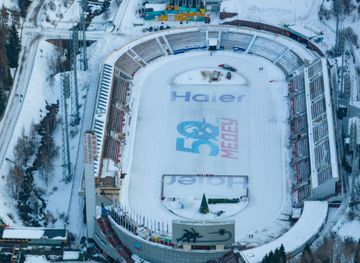
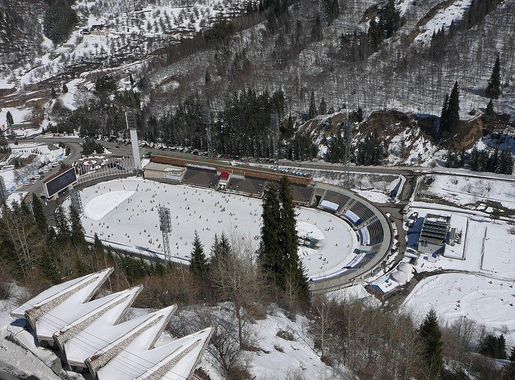
Medeu
Discover Medeu, the enchanting visitor center in Almaty, where breathtaking mountain views and exciting outdoor activities await every traveler.

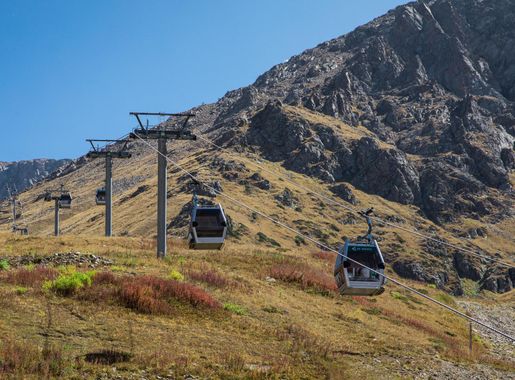
Shymbulak
Discover the thrill of skiing and outdoor adventures at Shymbulak, Almaty's premier ski resort, nestled in breathtaking mountain scenery.

Ile-Alatau National Park
Explore the breathtaking landscapes and rich biodiversity of Ile-Alatau National Park, a natural treasure in Kazakhstan perfect for adventure and relaxation.

Kok Tobe
Discover the breathtaking views and vibrant attractions of Kok Tobe, Almaty's stunning mountain summit, perfect for families and adventurers alike.

Best landmarks in Almaty Mountains
Top-rated picks
Best Landmarks

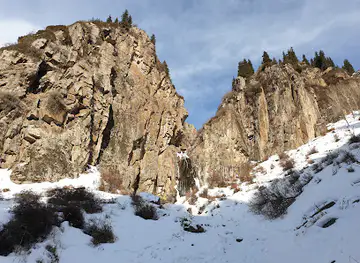
Kim Asar gorge
Explore the stunning Kim Asar Gorge in Almaty - a hiker's paradise filled with breathtaking views and unforgettable experiences in nature.
Butakovskiy waterfall
Explore the breathtaking Butakovskiy Waterfall in Almaty, a hidden gem for hiking and nature lovers, surrounded by stunning landscapes and tranquility.

Kok Tobe
Discover Kok Tobe, a breathtaking mountain peak in Almaty offering panoramic views, cultural experiences, and serene nature escapes.
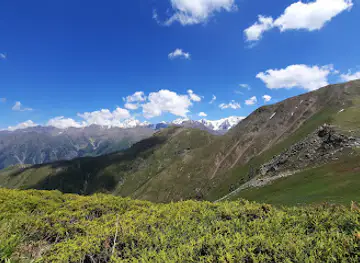
Furmanov peak
Explore Furmanov Peak: A breathtaking gem in Almaty's mountains, perfect for hiking, photography, and immersing in natural beauty.

Best restaurants in Almaty Mountains
Top-rated picks
Best Restaurants

Navat
Discover the vibrant flavors of Asia at Navat in Almaty - where culinary traditions come alive in every dish.

U Afanasicha
Discover U Afanasicha in Almaty: A culinary haven offering authentic Kazakh dishes in a warm and inviting atmosphere.

Tandoor Indian Restaurant
Experience the rich flavors of India along with Chinese and Thai delights at Tandoor Indian Restaurant in Almaty.

Kishlak
Discover authentic Uzbek cuisine at Kishlak in Almaty – where every dish tells a story.

Best bars in Almaty Mountains
Top-rated picks
Best Bars

Harat's Pub on Panfilov Street
Experience the charm of Ireland in Almaty at Harat's Pub, where vibrant atmosphere meets delicious food and drink.

Guinness Pub
Discover the lively atmosphere and authentic flavors of Guinness Pub, an Irish treasure in the heart of Almaty.
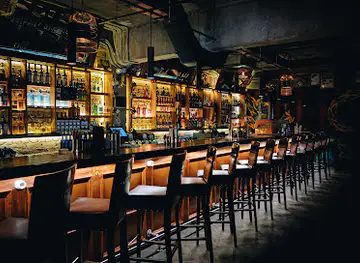
Barmaglot Bar
Experience the vibrant nightlife at Barmaglot Bar in Almaty, where great drinks and an inviting ambiance come together for an unforgettable evening.

The Shakespeare Pub
Discover the charm of The Shakespeare Pub in Almaty, a cozy spot for drinks, delicious food, and a literary ambiance that enchants every visitor.

Best nightclubs in Almaty Mountains
Top-rated picks
Best Nightclubs

Ukho I Medved' Na Kurmangazy
Discover Almaty's vibrant nightlife at Ukho I Medved' Na Kurmangazy, the ultimate karaoke bar for music lovers and night owls.

Sky Bar
Experience breathtaking views and exquisite cocktails at Sky Bar, the top nightlife destination in Almaty for an unforgettable evening.

Zhest'
Experience the vibrant nightlife of Almaty at Zhest', where great music and unforgettable moments await every visitor.

Barviha Bar
Discover the electrifying atmosphere of Barviha Bar - Almaty's top night club and bar for unforgettable nightlife experiences.

Best shops in Almaty Mountains
Top-rated picks
Best Shops

MEGA Alma-Ata
Explore MEGA Alma-Ata, your ultimate shopping haven in Almaty, Kazakhstan, featuring fashion, dining, and entertainment all under one roof.

Aport Mall
Discover Aport Mall in Almaty: a vibrant shopping, dining, and entertainment hub perfect for all ages.

MEGA Park
Discover MEGA Park, Almaty's premier shopping destination offering an array of brands, dining options, and entertainment for all ages.

Dostyk Plaza
Discover the ultimate shopping and dining experience at Dostyk Plaza, Almaty's premier shopping mall featuring top brands and delicious cuisine.

Explore Almaty Mountains on the Map
A handpicked selection of must-see spots in Almaty Mountains, mapped for you.
Almaty Mountains Essentials
-
Almaty is accessible via Almaty International Airport (ALA), which serves numerous international and domestic flights. From the airport, the Almaty Mountains are just a short drive away. You can take a taxi, hire a private car, or use a shuttle service to reach your destination. Additionally, Almaty is connected by rail and road to other major cities in Kazakhstan, making it easily accessible for travelers.
-
In Almaty, you have several options for getting around. Public buses and minibuses (marshrutkas) are widely used and cost-effective, though they can be crowded. Taxis are plentiful and relatively inexpensive, but ensure that you agree on a fare beforehand or use a metered taxi. Ride-sharing apps like Yandex.Taxi are also popular. For a more flexible travel experience, consider renting a car, especially if you plan to explore the mountainous regions extensively.
-
The official currency of Kazakhstan is the Kazakhstani Tenge (KZT). Credit cards are widely accepted in hotels, restaurants, and shops in Almaty, but it's advisable to carry some cash, particularly when traveling to more remote areas. ATMs are widely available throughout Almaty and can be found in major tourist areas, shopping centers, and banks.
-
Almaty is generally a safe city for tourists, but standard precautions should be taken. Avoid walking alone at night in less populated areas and be cautious of your belongings in crowded places to prevent pickpocketing. Areas such as Zhibek Zholy Street and the Green Market can get crowded and are spots where petty theft may occur. Always stay aware of your surroundings and avoid displaying valuables openly.
-
In case of emergency, dial 112 for immediate assistance. This number connects you to police, medical, and fire services. Almaty has several hospitals and clinics that provide emergency medical care. It is recommended to have travel insurance that covers medical emergencies. Pharmacies (аптека) are available for minor health concerns and over-the-counter medications.
-
Fashion: Do dress in layers to accommodate changing weather conditions in the mountains. Avoid overly casual or revealing clothing when visiting religious sites. Religion: Do respect local customs and traditions, especially when visiting mosques and other religious sites. Public Transport: Do be courteous and give up your seat to elderly passengers. Don't eat or drink on public transport. Greetings: Do greet people with a handshake and maintain good eye contact. A slight nod of the head is also a sign of respect. Eating & Drinking: Do try local dishes and accept food offerings graciously. Don't refuse hospitality, as it is considered impolite.
-
To experience Almaty Mountains like a local, visit the local bazaars where you can purchase fresh produce and traditional Kazakh goods. Engage with locals, as they are often friendly and willing to share stories about the region's history and culture. Don't miss visiting the Shymbulak Ski Resort for winter sports or the Big Almaty Lake for breathtaking views. For an authentic experience, consider staying in a yurt camp in the mountains and trying traditional Kazakh cuisine like beshbarmak and kumis.
When is the best time to visit Almaty Mountains?
Useful Local Phrases for Almaty Mountains
You don't need to speak the language perfectly. Even learning a few simple words can make conversations warmer—and locals usually appreciate the effort.
— Eve

Here are the phrases I use most often in Almaty Mountains. Try a few—you'll be surprised how far they go! 😊
❤️
-
- HelloСәлем
[Salem] - GoodbyeҚош келдіңіз/қош келдің
[Qoş keldiniz/qoş keldin] - YesИя
[Iya] - NoЖоқ
[Joq] - Please/You're welcomeРахмет
[Rahmet] - Thank youРахмет
[Rahmet] - Excuse me/SorryКешіріңіз
[Keshiringiz] - How are you?Қалайсыз ба?
[Qalaisyz ba?] - Fine. And you?Жақсым. Сіз кім?
[Jaqsım. Siz kim?] - Do you speak English?Сіз ағылшын тілін білесіз бе?
[Siz agylshyn tilin bilesiz be?] - I don't understandМен түсінбеймін
[Men tüsinbeymin]
- HelloСәлем
-
- I'd like to see the menu, pleaseМенюді көрмек істеймін, рахмет
[Menyudi kormek isteymin, rahmet] - I don't eat meatМен майытты тамақтамаймын
[Men mayıtty tamaqtamaymin] - Cheers!Тоқсан!
[Toqsan] - I would like to pay, pleaseТөлеуге істеймін, рахмет
[Töleuge isteymin, rahmet]
- I'd like to see the menu, pleaseМенюді көрмек істеймін, рахмет
-
- Help!Көмек!
[Kömek!] - Go away!Жұқтыр!
[Juktyr!] - Call the Police!Полицияға қоңырау шақырыңыз!
[Politsiyağa qoñırau şaqırınız!] - Call a doctor!Докторға қоңырау шақырыңыз!
[Doktorga qoñırau şaqırınız!] - I'm lostМен алдым
[Men aldim] - I'm illМен аузым
[Men auzım]
- Help!Көмек!
-
- I'd like to buy...Мен ... сатып алуға қаттымын
[Men ... satıp aluğa qattımin] - I'm just lookingМен тек көріп тұрмын
[Men tek körip turmin] - How much is it?Ол қаншаға?
[Ol qanşağa?] - That's too expensiveОл тым дорын
[Ol tım dorın] - Can you lower the price?Сіз бағаны төмендете аласыз бе?
[Siz bağanı tömendete alasız be?]
- I'd like to buy...Мен ... сатып алуға қаттымын
-
- What time is it?Сағат неше?
[Sağat neşe?] - It's one o'clockОл бір сағат
[Ol bir sağat] - Half past (10)Ондан бір түстік
[Ondan bir tüstik] - MorningТаң
[Tañ] - AfternoonКеш
[Keş] - EveningКеш
[Keş] - YesterdayКеше
[Keşe] - TodayБүгін
[Bugin] - TomorrowЕртең
[Erteñ] - 1Бір
[Bir] - 2Екі
[Eki] - 3Үш
[Üş] - 4Төрт
[Tört] - 5Бес
[Bes] - 6Алты
[Altı] - 7Жеті
[Jeti] - 8Сегіз
[Segiz] - 9Тоғыз
[Toğız] - 10Он
[On]
- What time is it?Сағат неше?
-
- Where's a/the...?... қайда?
[... Qayda?] - What's the address?Мекен-жайы қандай?
[Meken-jayı qanday?] - Can you show me (on the map)?Мені көрсете аласыз бе (картада)?
[Meni körsete alasız be (kartada)?] - When's the next (bus)?Келесі (автобус) не уақытта?
[Kelesi (avtobus) ne waqtta?] - A ticket (to ....)Билет (....-ға)
[Bilet (....-ğa)]
- Where's a/the...?... қайда?
History of Almaty Mountains
-
The Almaty Mountains were a critical juncture on the ancient Silk Road, serving as a passage for traders and explorers traveling between Europe and Asia. Caravans laden with silk, spices, and other goods traversed these rugged terrains, leaving behind a rich legacy of cultural exchange and economic prosperity that shaped the region's history.
-
During the early medieval period, the Almaty Mountains were home to the Zhetysu Confederation, a coalition of Turkic tribes. This confederation played a significant role in the political dynamics of Central Asia, influencing trade routes, cultural practices, and regional alliances.
-
In the 19th century, the Almaty Mountains became a focal point of Russian imperial expansion. The Russian Empire sought to consolidate its control over Central Asia, leading to the establishment of military outposts in the region. These outposts later evolved into towns and cities, including the city of Almaty, which became a key administrative center.
-
The Almaty Mountains have long been a heartland for the nomadic Kazakh people. For centuries, these mountains provided grazing land for their livestock and served as a backdrop for their semi-nomadic lifestyle. The traditions, music, and folklore of the Kazakh nomads are deeply interwoven with the natural landscape of the Almaty Mountains.
-
The Soviet era brought significant changes to the Almaty Mountains, including industrialization, urbanization, and the introduction of collective farming. The construction of infrastructure such as roads and railways facilitated greater access to the mountains, while state-led initiatives aimed at altering traditional Kazakh lifestyles and integrating the region into the Soviet economic system.
-
Following Kazakhstan's independence in 1991, the Almaty Mountains have witnessed a resurgence in cultural pride and economic development. Efforts to preserve the natural beauty and historical significance of the area have been coupled with initiatives to promote tourism. Today, the Almaty Mountains stand as a symbol of Kazakhstan's rich heritage and dynamic future.
Neighbouring destination travel guides
Browse our curated selection of top destinations, scenic points, and must-visit spots in the area.



Your all‑in‑one travel companion app
Explore expert travel guides, compare and book tours, experiences, hotels, and more—all from the palm of your hand. Download now for seamless trip planning wherever your wanderlust takes you.


Explore More of Trans-Ili Alatau
Looking beyond Almaty Mountains? Discover Trans-Ili Alatau for broader travel guides, local hot-spots, and regional highlights.
Explore Trans-Ili AlatauExplore More of Kazakhstan

Looking beyond Almaty Mountains? Discover Kazakhstan for broader travel guides, local hot-spots, and regional highlights.
Explore KazakhstanAlmaty Mountains in Photos
Browse through our photo collection highlighting the charm and character of the destination.




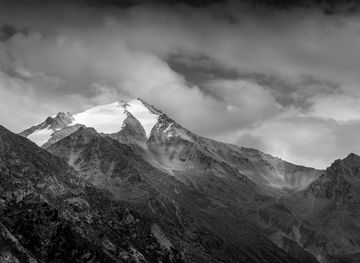
Majestic Almaty Mountains: The Heart of Kazakhstan's Natural Beauty
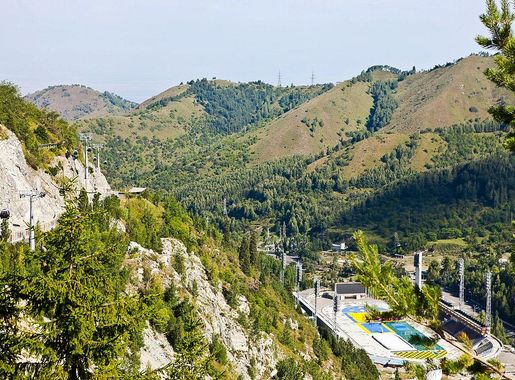
Nestled in the southeastern region of Kazakhstan, the Almaty Mountains offer a breathtaking escape into nature's splendor. These mountains are part of the majestic Tian Shan range and are renowned for their towering peaks, lush valleys, and crystal-clear lakes. The Almaty Mountains are a haven for outdoor enthusiasts and provide numerous activities such as hiking, skiing, and mountain biking. The area is home to the famous Shymbulak Ski Resort, which promises exhilarating slopes with stunning panoramic views. In summer, the mountains transform into a hiker's paradise, with trails of varying difficulty levels. Visitors can explore the serene Big Almaty Lake, a turquoise gem surrounded by snow-capped peaks. The lake is a perfect spot for a peaceful picnic or a leisurely stroll. Almaty, the largest city in Kazakhstan, lies at the foothills of these mountains and offers a blend of modern amenities and rich cultural heritage. The city's vibrant markets, historic sites, and diverse cuisine provide a perfect complement to the natural beauty of the mountains. Whether you are an adventure seeker or a nature lover, the Almaty Mountains promise an unforgettable experience.