

Free Lake Balkhash Region Travel Guide & Mobile App
Explore Lake Balkhash Region with free travel guides. Discover regional history, expert tips, proposed trips, and audio guides on web or mobile app.


Explore Lake Balkhash in Kazakhstan for wide-open steppe, contrasting waters, bird-rich wetlands, industrial heritage and remote lakeside travel.
Read more about Lake Balkhash Region
When is the best time to visit Lake Balkhash Region?
Best: May, August–September · 23–30°C| Month | High (°C) | Rainfall (mm) |
|---|---|---|
| January | -1 | 10 |
| February | 1 | 9 |
| March | 9 | 12 |
| April | 16 | 17 |
| May (best) | 24 | 22 |
| June | 30 | 19 |
| July | 33 | 12 |
| August (best) | 30 | 10 |
| September (best) | 23 | 14 |
| October | 15 | 17 |
| November | 4 | 12 |
| December | 1 | 11 |
Getting to and around Lake Balkhash Region
How to get there
Transportation
Best attractions in Lake Balkhash Region
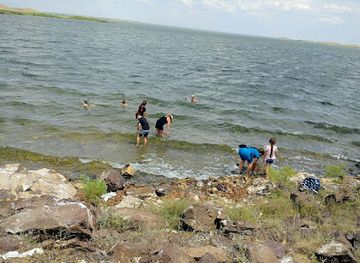
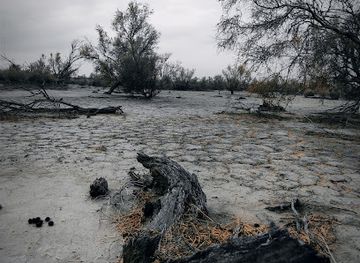
Lake Balkhash’s attractions are defined less by a concentration of formal visitor sites than by the scale and variety of its landscape. The town of Balkhash provides the most convenient base for lakeside walks, beaches, local cultural institutions and views across the water, while the surrounding steppe offers opportunities for fishing, photography, birdwatching and stargazing. The western basin and the Ili delta are especially significant for reed beds, shallow wetlands and migratory birds, although access can be difficult and sensitive habitats should be approached with care. Farther around the lake, sandy or stony shores contrast with low desert, open grazing country and distant ranges. Industrial heritage is another important strand, particularly the copper-producing history of Balkhash and the planned town that grew around it. Priozersk and the wider Sary-Shagan area have military associations and access restrictions, so they are not conventional sightseeing destinations. Travellers seeking a more structured nature excursion may combine the lake with other destinations in south-eastern Kazakhstan, but attractions outside the lake basin should be treated as separate journeys rather than folded into the region.
-
Nature preserve
Ile-Balkhash
Discover the breathtaking beauty of Ile-Balkhash, a serene nature preserve in Kazakhstan, perfect for outdoor adventures and wildlife exploration.

Best landmarks in Lake Balkhash Region
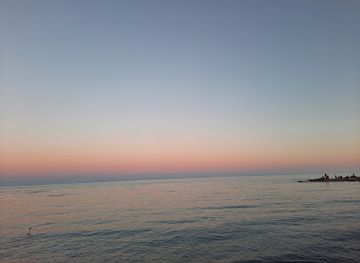
The lake itself is the region’s principal natural landmark, particularly where the western and eastern basins meet through the narrow strait that helps create their contrasting salinity. Its broad horizons, changing water colour and low, arid shores give Lake Balkhash a geographical presence unlike Kazakhstan’s mountain lakes. Balkhash’s copper-smelting complex is the dominant man-made landmark of the northern shore and represents the industrial project that created the modern town; it is primarily a working facility, not an open-air attraction, so visitors should observe it only from permitted areas. The planned streets and Soviet-era civic fabric of Balkhash provide a readable urban counterpoint to the surrounding steppe. Around the western end, the Ili delta’s reed islands and channels form an important ecological landmark, though access is complicated and conditions are seasonal. The restricted military landscape associated with Sary-Shagan and Priozersk is historically significant but should not be approached as unrestricted sightseeing territory.
-
Lake
Lake Balkhash
Experience the breathtaking landscapes and unique ecosystems of Lake Balkhash, a must-visit destination in Kazakhstan for adventure and tranquility.
-
Lake
Alakol
Discover the tranquil beauty of Alakol Lake, a serene retreat in Kazakhstan, perfect for relaxation, adventure, and natural exploration.
-
Nature preserve
Ile-Balkhash
Experience the breathtaking tranquility and natural beauty of Ile-Balkhash, a premier nature preserve by the shores of Balkhash Lake in Kazakhstan.
-
 Historical landmark
Turangovaya Roshcha
Explore Turangovaya Roshcha, a historical landmark in Kazakhstan, where nature and history intertwine for an unforgettable experience.
Explore Lake Balkhash Region on the map
Plan your trip on one map. See where the top cities, national parks and sights are, and book hotels and experiences in a few clicks.
Best hotels in Lake Balkhash Region
Best restaurants in Lake Balkhash Region
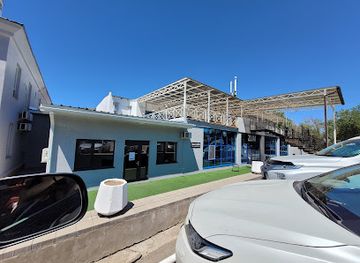
Dining around Lake Balkhash is centred on practical Kazakh and broader Central Asian cooking rather than a specialist restaurant scene. In Balkhash, visitors can expect cafés, canteens and restaurants serving soups, rice dishes, grilled meat, dumplings, flatbreads and salads, with Russian and Kazakh influences evident in menus and sweets. Fish is an important part of the lakeside identity, and local establishments may offer freshwater species such as carp or pike-perch when supplies and regulations allow; preparation and availability vary, so it is sensible to ask what is locally sourced. Roadside stops and family-run venues are useful for simple meals, tea and bread, while larger shops in town are the best places to stock up before travelling into remote country. Visitors should not assume that every fish sold near the lake was caught locally or that informal fishing is permitted. Dining hours and card facilities can be limited away from the main town, making cash and basic provisions worthwhile.
-
Hotel
Gostinitsa Zhemchuzhina Balkhash
Discover comfort and culture at Gostinitsa Zhemchuzhina Balkhash, your ideal retreat by the stunning Balkhash Lake.
-
Restaurant
Kafe Azerbaydzhan
Experience authentic Azerbaijani cuisine at Kafe Azerbaydzhan - where tradition meets flavor in a warm atmosphere.

Best bars in Lake Balkhash Region
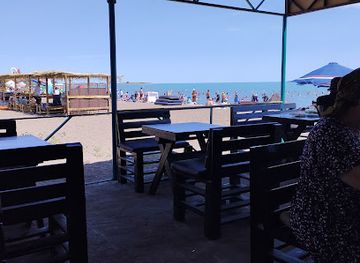
Nightlife around Lake Balkhash is modest and concentrated in Balkhash rather than spread across the shoreline. The town has cafés, restaurants and bars where residents meet in the evening, while traditional hospitality, tea and conversation are often more characteristic than a late-night club scene. Seasonal lakeside recreation can create a livelier atmosphere in summer, but facilities and schedules are changeable and should be checked locally. In smaller settlements and remote shore areas, evenings are generally quiet, with accommodation venues, outdoor cooking and clear-sky stargazing replacing formal entertainment. Alcohol is available in appropriate licensed settings, but it is not necessary for engaging with local culture, and visitors should respect local regulations and individual preferences. Military and industrial settlements may have restrictions or limited public amenities, so travellers should not expect a continuous resort-style nightlife circuit around the lake.
-
Bar
Kafe Nedubay
Discover the cozy charm of Kafe Nedubay in Balhash, Kazakhstan, where local flavors meet a welcoming atmosphere for an unforgettable experience.
Best nightclubs in Lake Balkhash Region
Nightlife around Lake Balkhash is modest and concentrated in Balkhash rather than spread across the shoreline. The town has cafés, restaurants and bars where residents meet in the evening, while traditional hospitality, tea and conversation are often more characteristic than a late-night club scene. Seasonal lakeside recreation can create a livelier atmosphere in summer, but facilities and schedules are changeable and should be checked locally. In smaller settlements and remote shore areas, evenings are generally quiet, with accommodation venues, outdoor cooking and clear-sky stargazing replacing formal entertainment. Alcohol is available in appropriate licensed settings, but it is not necessary for engaging with local culture, and visitors should respect local regulations and individual preferences. Military and industrial settlements may have restrictions or limited public amenities, so travellers should not expect a continuous resort-style nightlife circuit around the lake.
-
Night club
Shyganak
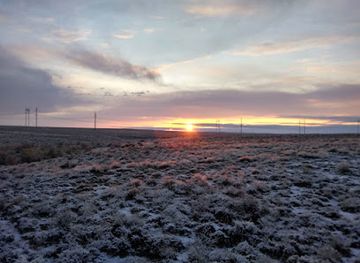
Discover the electrifying nightlife at Shyganak, a premier night club in Kazakhstan, where music, dance, and culture collide for an unforgettable experience.
Best shops in Lake Balkhash Region
Shopping in the Lake Balkhash area is functional and local rather than destination retail. Balkhash offers supermarkets, small high-street shops, markets and independent outlets where travellers can buy food, bottled water, outdoor necessities and everyday supplies before heading into the steppe. Local markets may provide bread, dairy products, dried foods, seasonal produce and household goods, while cafés and food shops are more reliable places to sample regional flavours than formal souvenir boutiques. Kazakh patterns, felt goods, small crafts and packaged local products may appear in markets or through informal sellers, but selection is limited and quality varies. Visitors should carry sufficient provisions for remote journeys and should not expect a large choice of specialist outdoor equipment, luxury brands or galleries. Souvenirs connected with the lake and copper-producing history are more likely to be found through local cultural institutions or small retailers than in a dedicated shopping quarter.
-
Nature preserve
Ile-Balkhash
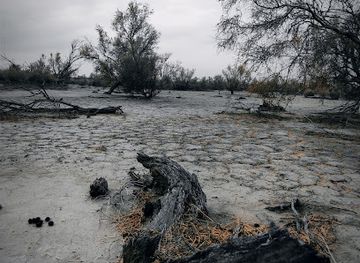
Discover the tranquil beauty and diverse wildlife of Ile-Balkhash, Kazakhstan's premier nature preserve for outdoor enthusiasts and nature lovers.
Get your free copy of our complete guide to Lake Balkhash Region, delivered straight to you.
Everything on this page, from attractions and restaurants to essentials and local phrases, in one PDF you can read offline, print or share.
Already have an account? Sign in
Your Lake Balkhash Region guide is ready.
We'll send it to · Not you? Sign out

Getting your guide ready…
We are putting together a fresh copy of the Lake Balkhash Region guide. This can take up to a minute.
This can take a few moments. If your browser asks, choose Allow so the download can start. You'll find the guide in your Downloads folder.
Nothing happened? Download it again
Sorry, the guide is taking longer than usual. Please try again in a minute, or get it by email instead.
Lake Balkhash Region essentials
Currency and Payment
Safety
Emergency Situations
Do's and Don'ts
Local Tips
From Eve
Local phrases worth knowing
You don't need to get them perfect. A few words go a long way, and locals appreciate the effort.
Basics
| English | Local | Say it |
|---|---|---|
| Hello | Сәлем | [Sälem] |
| Goodbye | Сау бол | [Sau bol] |
| Yes | Иә | [İä] |
| No | Жоқ | [Joq] |
| Please/You're welcome | Өтінемін | [Ötinemin] |
| Thank you | Рахмет | [Rahmet] |
| Excuse me/Sorry | Кешіріңіз | [Keşiriniz] |
| How are you? | Қалайсыз? | [Qalaysız?] |
| Fine. And you? | Жақсы. Ал сіз? | [Jaqsy. Al siz?] |
| Do you speak English? | Сіз ағылшынша сөйлейсіз бе? | [Siz ağılşınşa söyleyсіз be?] |
| I don't understand | Мен түсінбеймін | [Men tüsinbeymin] |
Eating & Drinking
| English | Local | Say it |
|---|---|---|
| I'd like to see the menu, please | Мәзірді көргім келеді, өтінемін | [Mäzirdi körgim keledi, ötinemin] |
| I don't eat meat | Мен ет жамаймын | [Men yet jamaymin] |
| Cheers! | Тост! | [Tost!] |
| I would like to pay, please | Мен төлегім келеді, өтінемін | [Men tölegim keledi, ötinemin] |
Emergencies
| English | Local | Say it |
|---|---|---|
| Help! | Көмектесіңіз! | [Kömektesiñiz!] |
| Go away! | Жаңа шығыңыз! | [Jańa şığıñız!] |
| Call the Police! | Полиция шақырыңыз! | [Politsiýa şaqırıñız!] |
| Call a doctor! | Дәрігер шақырыңыз! | [Däriger şaqırıñız!] |
| I'm lost | Мен жоғалдым | [Men joğaldım] |
| I'm ill | Мен ауырып жатырмын | [Men awırıp jatırmın] |
Shopping
| English | Local | Say it |
|---|---|---|
| I'd like to buy... | Мен сатып алғым келеді... | [Men satıp algım keledi...] |
| I'm just looking | Мен тек қарап жатырмын | [Men tek qarap jatırmın] |
| How much is it? | Бұл қанша? | [Bul qanşa?] |
| That's too expensive | Бұл тым қымбат | [Bul tym qymbat] |
| Can you lower the price? | Бағаны түсіре аласыз ба? | [Bağanı tüsiire alasyz ba?] |
Time & Numbers
| English | Local | Say it |
|---|---|---|
| What time is it? | Сағат неше? | [Sağat neşe?] |
| It's one o'clock | Бір сағат | [Bir sağat] |
| Half past (10) | Оннан жарым | [Onnan jarım] |
| Morning | Таң | [Tań] |
| Afternoon | Түсте | [Tüste] |
| Evening | Кешке | [Keşke] |
| Yesterday | Кеше | [Kese] |
| Today | Бүгін | [Bügün] |
| Tomorrow | Ертең | [Erteń] |
| 1 | Бір | [Bir] |
| 2 | Екі | [Eki] |
| 3 | Үш | [Üş] |
| 4 | Төрт | [Tört] |
| 5 | Бес | [Bes] |
| 6 | Алты | [Alty] |
| 7 | Жеті | [Jeti] |
| 8 | Сегіз | [Segiz] |
| 9 | Тоғызы | [Toğızı] |
| 10 | Он | [On] |
Transport & Directions
| English | Local | Say it |
|---|---|---|
| Where's a/the...? | Қайда ...? | [Qayda ...?] |
| What's the address? | Мекенжайыңыз қандай? | [Mekenjayıñız qandai?] |
| Can you show me (on the map)? | Маған көрсетіңіз (картадан)? | [Mağan körsetiñiz (kartadan)?] |
| When's the next (bus)? | Келесі (автобус) қашан? | [Kelesі (avtobus) qaşan?] |
| A ticket (to ....) | Билет (....-ға) | [Bilet (....-ğa)] |
History of Lake Balkhash Region
Early Steppe Communities and the Bronze Age
The Lake Balkhash basin formed part of the wider cultural world of the Eurasian steppe long before written records. Bronze Age communities practised herding, metalworking and seasonal movement across the waterless plains and river valleys surrounding the lake. Archaeological evidence from the broader Balkhash and Seven Rivers area points to changing settlement patterns, burial customs and technologies as mobile pastoral societies developed. The lake, its tributary valleys and reed-rich margins provided valuable water and grazing in an otherwise dry environment, helping make the region a recurring zone of movement between the steppe and the mountain-fed lands to the south-east.
Saka and Successive Steppe Powers
From the first millennium BCE, the Balkhash basin was associated with Saka-speaking and related nomadic groups whose political influence extended across much of eastern and central Kazakhstan. Later power shifted among confederations and states including the Wusun, Turkic khaganates and the Mongol successor realms. These societies did not create a single permanent kingdom centred on the lake, but they connected its shores to wider routes across the Ili valley, Dzungaria and the central steppe. Their legacy survives through archaeological remains, burial landscapes and the enduring pastoral traditions of the region.
Trade Routes between the Ili Valley and the Steppe
Lake Balkhash occupied a strategic position between the fertile Ili valley, the mountain routes of south-eastern Kazakhstan and the open steppe leading towards the central regions of Eurasia. Short-distance trade, seasonal migration and longer political campaigns all used corridors around its shores, although routes shifted according to water, pasture and security. The region was influenced by the succession of Turkic, Mongol and Kazakh political formations, and later became part of the historical landscape of the Kazakh Khanate. The lake’s importance was therefore geographic as much as urban: it was a major landmark on journeys through a difficult environment.
Russian Imperial Expansion and the Kazakh Steppe
During the eighteenth and nineteenth centuries, the Russian Empire extended administrative and military influence across the Kazakh steppe. Fortified lines, new routes and changing systems of land administration altered older patterns of seasonal movement and trade. The Balkhash basin remained sparsely settled compared with the agricultural zones farther north and south, but its rivers, grazing lands and mineral resources became increasingly important to imperial planners. Russian geographical expeditions also documented the lake’s unusual division between a fresher western basin and a more saline eastern basin, helping establish its significance in modern scientific knowledge.
Soviet Industrialisation and the Birth of Balkhash
The modern town of Balkhash emerged in the early Soviet period as copper deposits were developed and a major metallurgical complex was established on the northern shore. Industrial construction in the 1930s transformed an isolated lakeside setting into a mining and manufacturing centre, attracting workers and building rail and road connections. Copper production became the foundation of the local economy, while Soviet planning also introduced housing, public institutions and large industrial infrastructure. The town’s identity remains closely tied to this history, visible in its broad planned streets, industrial facilities and longstanding association with metallurgy.
Water Management, Industry and Environmental Pressure
During the Soviet period and after Kazakhstan’s independence, the Balkhash basin faced growing pressure from industrial pollution, water abstraction and changes in the flow of the Ili River. The Ili supplies most of the lake’s inflow, and developments upstream, including the Kapshagay reservoir outside the immediate lakeside area, altered the river’s seasonal behaviour and affected delta wetlands. Industrial activity around Balkhash added further environmental concerns. Since independence, the lake has become an important subject of conservation planning and transboundary water discussions, because the balance between its two basins depends on both local management and water use across the Ili watershed.
Lake Balkhash Region in Photos
Browse through our photo collection highlighting the charm and character of the destination.
Neighbouring regions of Lake Balkhash Region
The closest regions to Lake Balkhash Region, if you have time for more than one.
-

-

-

-

-


Swipe for more regions
Explore more

Explore more of Kazakhstan
Explore Kazakhstan's rich culture, modern cities, and stunning natural landscapes. From the Caspian Sea to the Altai Mountains, find adventure and beauty in Central Asia.
Explore Kazakhstan