
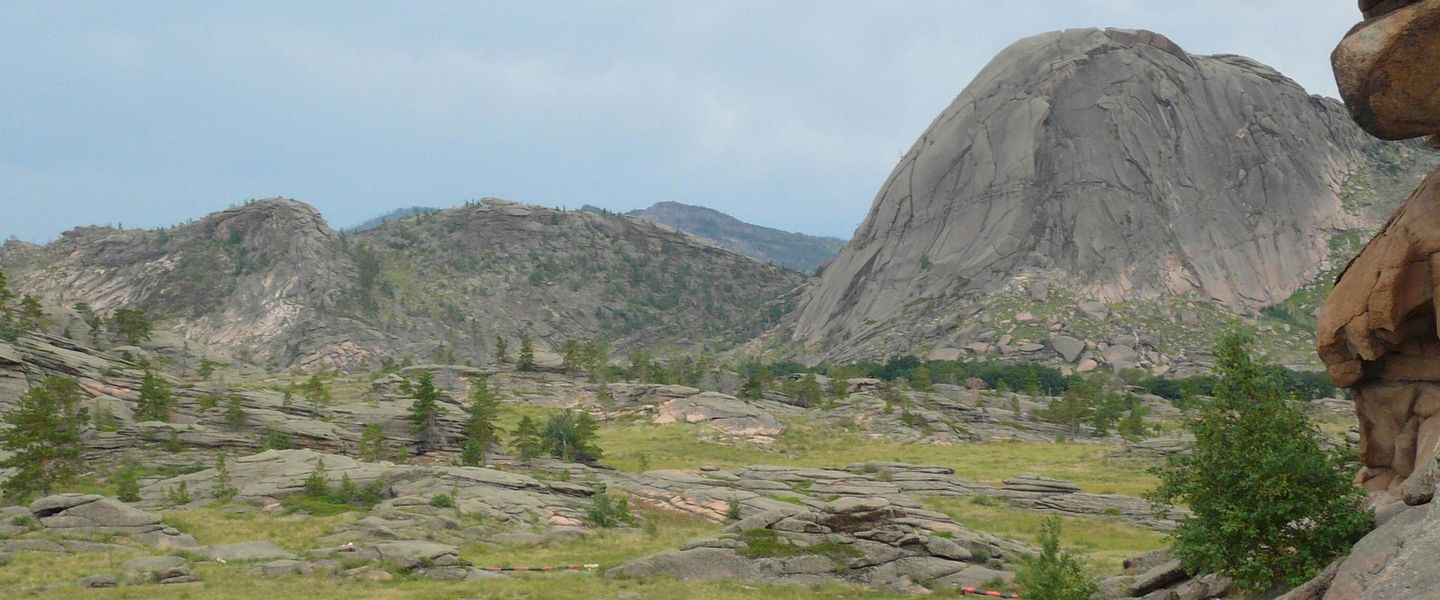
Central Kazakhstan, Kazakhstan Travel Guide
Discover the vast steppes, historic cities, and traditional nomadic culture in the heart of Central Kazakhstan. A journey through untouched landscapes and rich heritage awaits.
Central Kazakhstan is a land of vast open spaces and fascinating history. Known for its expansive steppe landscapes, this region offers a unique experience for travelers looking to immerse themselves in the natural beauty and cultural heritage of Kazakhstan. The area is sparsely populated, giving it an untouched and pristine feel that is rare to find in today’s world. Visitors can explore the historic city of Karaganda, which serves as the main hub of the region. The city is rich in Soviet-era architecture and has a poignant history tied to the labor camps of the Gulag period. The KarLag Museum provides a deep insight into this era, making it a must-visit for history enthusiasts. For nature lovers, the Karkaraly National Park is a gem waiting to be discovered. The park is home to diverse flora and fauna, stunning rock formations, and serene lakes. Hiking trails and camping spots make it an ideal destination for outdoor activities. The nearby Bektau-Ata Mountain range also offers excellent opportunities for trekking and rock climbing, with breathtaking views of the surrounding steppe. Central Kazakhstan is not just about its landscapes; it also offers a taste of traditional Kazakh culture. Visitors can stay in a yurt camp to experience the nomadic lifestyle, savor local cuisine, and enjoy traditional music and dance performances. The region’s local markets are a great place to buy handmade crafts and textiles, providing a perfect souvenir to remember your trip by.

Know before you go
Hi, I'm Eve. Here are a few practical things to know before exploring Central Kazakhstan.
- Visit in late spring or early autumn for the best weather and to avoid the summer heat or winter cold.
- Hire a local guide to explore the Karkaraly National Park for deeper insights and to ensure you don't miss hidden spots.
- Try the local dish 'beshbarmak,' a traditional Kazakh meal made of boiled meat and noodles, often served during special occasions.
- Bring cash, as some remote areas might not have ATMs or accept credit cards.
- Learn a few basic phrases in Kazakh or Russian to help with communication, especially in rural areas where English may not be widely spoken.
Top City Travel Guides in Central Kazakhstan
The cities of Central Kazakhstan, and the easiest places to base yourself.


Destinations in Central Kazakhstan
Resorts, valleys and scenic spots worth a trip of their own.

Explore Central Kazakhstan: Things to Do, Places to Eat, Hotels & More
Handpicked recommendations for top attractions, local dining, accommodations, and more

Top Attractions & Sightseeing in Central Kazakhstan
Top-rated picks
Best Attractions
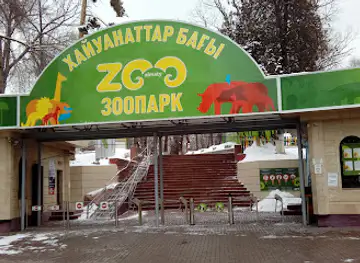
Almaty Zoo
Explore Almaty Zoo: A family-friendly wildlife haven with over 4,000 animals and beautiful landscapes in the heart of Almaty.

Baiterek
Discover the iconic Baiterek Tower in Astana, a symbol of Kazakhstan's aspirations and a panoramic viewpoint of the vibrant capital.

Botanical garden
Discover the serenity of Almaty's Botanical Garden, a lush paradise featuring diverse flora and scenic landscapes perfect for relaxation and exploration.

Zhetisu Park
Explore Zhetisu Park: A serene urban escape in Astana filled with lush landscapes, cultural art, and delightful experiences for every traveler.

Best landmarks in Central Kazakhstan
Top-rated picks
Best Landmarks

Shymbulak
Discover the breathtaking beauty and thrilling adventures of Shymbulak, Almaty's premier ski resort and outdoor playground for all ages.

Kok Tobe
Experience breathtaking views and family-friendly attractions at Kok Tobe, the iconic mountain destination in Almaty, Kazakhstan.

Baiterek
Experience the majestic Baiterek, a landmark of Astana that symbolizes Kazakhstan's aspirations and offers breathtaking views of the city's skyline.

Mausoleum of Khoja Ahmed Yasawi
Explore the Mausoleum of Khoja Ahmed Yasawi, a UNESCO World Heritage site embodying the spiritual and architectural legacy of Kazakhstan.

Best restaurants in Central Kazakhstan
Top-rated picks
Best Restaurants

Vahtanguri Georgian Restaurant
Experience authentic Georgian cuisine in Almaty's charming Vahtanguri Restaurant, where every dish tells a story of rich flavors and traditions.

Line Brew Astana
Experience exquisite steaks at Line Brew Astana, where quality meets tradition in Kazakhstan's vibrant capital.

Saksaul
Experience authentic Kazakhstani cuisine at Saksaul in Astana, where tradition meets flavor in every delightful dish.

Tyubeteyka
Experience authentic Uzbek cuisine at Tyubeteyka in Almaty—where every dish tells a story and hospitality warms your heart.

Best bars in Central Kazakhstan
Top-rated picks
Best Bars

Harat's Pub on Panfilov Street
Discover the vibrant atmosphere of Harat's Pub on Panfilov Street, where great food, drinks, and live entertainment await in the heart of Almaty.

Guinness Pub
Discover the vibrant atmosphere of Guinness Pub in Almaty, where Irish charm meets a lively pub experience with great food and drinks.

Pinta Kazakhstan
Experience the vibrant flavors and lively atmosphere at Pinta Kazakhstan, a top bar and restaurant in Almaty, where local meets international cuisine.

WL13Bar
Experience the vibrant nightlife of Almaty at WL13Bar, the ultimate destination for cocktails and socializing.

Best nightclubs in Central Kazakhstan
Top-rated picks
Best Nightclubs

Zhest'
Discover the electric atmosphere of Zhest' Nightclub in Almaty, where unforgettable nights and vibrant energy come alive.

Barviha Bar
Discover Almaty's vibrant nightlife at Barviha Bar, a top night club offering electrifying music, signature cocktails, and an unforgettable atmosphere.

Стриптиз-клуб Kazanova
Explore the vibrant nightlife of Almaty at Kazanova, a premier strip club featuring live performances, an upscale bar, and an unforgettable atmosphere.

Sweety Striptease Club
Immerse yourself in the vibrant nightlife of Almaty at Sweety Striptease Club, where unforgettable performances and great company await.

Best shops in Central Kazakhstan
Top-rated picks
Best Shops

MEGA Alma-Ata
Discover a world of shopping, dining, and entertainment at MEGA Alma-Ata, the ultimate shopping destination in Almaty.

Mega Silk Way
Discover the ultimate shopping experience at Mega Silk Way in Astana, where contemporary retail meets diverse dining and entertainment.

Aport Mall
Experience shopping, dining, and entertainment all in one place at Aport Mall, Almaty’s exciting retail destination for every traveler.

Khan Shatyr
Discover Khan Shatyr, Astana's stunning tent-shaped shopping mall and entertainment hub, blending modern architecture with vibrant shopping and leisure experiences.

Explore Central Kazakhstan on the Map
A handpicked selection of must-see spots in Central Kazakhstan, mapped for you.
Central Kazakhstan Essentials
-
Central Kazakhstan is accessible via several major routes. The nearest international airport is Nursultan Nazarbayev International Airport (NQZ) in Astana, the capital of Kazakhstan. From Astana, you can take a domestic flight to Karaganda, the largest city in Central Kazakhstan. Alternatively, you can travel by train or bus from Astana to Karaganda, which takes approximately 3-4 hours by road or 4-5 hours by train. For those driving, the well-maintained M36 highway connects Astana to Karaganda.
-
Once in Central Kazakhstan, various transportation options are available. Karaganda has a well-organized public transport system including buses, trams, and taxis. Car rentals are available for those who prefer to explore at their own pace. For longer journeys within the region, the train network is reliable and offers a comfortable way to travel between cities. Buses and minibuses (marshrutkas) are also common for intercity travel.
-
The official currency in Kazakhstan is the Kazakhstani Tenge (KZT). Credit cards are widely accepted in cities like Karaganda, especially in hotels, restaurants, and larger stores. However, it is advisable to carry cash when traveling to smaller towns and rural areas, as card acceptance may be limited. ATMs are widely available in urban areas, and currency exchange services can be found at airports, hotels, and banks.
-
Central Kazakhstan is generally safe for tourists, but it is always wise to take standard precautions. Avoid walking alone at night in unfamiliar areas and be cautious in crowded places where petty theft might occur. While there are no specific high-crime areas targeting tourists in Karaganda, it is recommended to stay vigilant and aware of your surroundings.
-
In case of an emergency, dial 112 for immediate assistance. Karaganda has well-equipped medical facilities and a local police presence. It is advisable to have travel insurance that covers medical emergencies. For minor health issues, pharmacies are readily available in the city where over-the-counter medications can be purchased.
-
Fashion: Do dress modestly, especially when visiting religious or cultural sites. Avoid overly revealing clothing. Religion: Do respect local customs and traditions. When visiting mosques or other religious sites, dress conservatively and remove your shoes before entering. Public Transport: Do be respectful and give up your seat to elderly passengers. Don't speak loudly or disrupt others on public transport. Greetings: Do greet people with a handshake. A friendly nod or slight bow of the head is also a sign of respect. Eating & Drinking: Do try local Kazakh delicacies and accept food offerings graciously. Don't refuse hospitality, as it is considered impolite.
-
To experience Central Kazakhstan like a local, visit the bustling bazaars where you can buy fresh produce and traditional goods. Engage with locals, who are often friendly and eager to share stories about their culture and history. Don't miss the opportunity to explore the historical sites such as the KarLag Museum and the Bektau-Ata Mountain. For a unique experience, consider attending a local festival or cultural event to immerse yourself in Kazakh traditions.
When is the best time to visit Central Kazakhstan?
Useful Local Phrases for Central Kazakhstan
You don't need to speak the language perfectly. Even learning a few simple words can make conversations warmer—and locals usually appreciate the effort.
— Eve

Here are the phrases I use most often in Central Kazakhstan. Try a few—you'll be surprised how far they go! 😊
❤️
-
- HelloСәлем
[Salem] - GoodbyeСау бол
[Sau bol] - YesИә
[Iä] - NoЖоқ
[Joq] - Please/You're welcomeӨтінемін/Қош келдіңіз
[Ötinemin/Qosh keldiniz] - Thank youРахмет
[Rakhmet] - Excuse me/SorryКешіріңіз
[Keshiriniz] - How are you?Қал好吗?
[Qal jasıñ?] - Fine. And you?Жақсы. Ал сіз?
[Jaqsy. Al siz?] - Do you speak English?Сіз ағылшын тілінде сөйлейсіз бе?
[Siz ağylshyn tilinde söyleysiz be?] - I don't understandМен түсінбеймін
[Men tüsinbeımin]
- HelloСәлем
-
- I'd like to see the menu, pleaseМәзірді көргім келеді, өтінемін
[Mäzirdi körgım keledi, ötinemin] - I don't eat meatМен ет жемеймін
[Men et jemeımin] - Cheers!Біздің денсаулығымыз үшін!
[Bızıñ densawlığımız üşin!] - I would like to pay, pleaseТөлем жасағым келеді, өтінемін
[Tölem jasagım keledi, ötinemin]
- I'd like to see the menu, pleaseМәзірді көргім келеді, өтінемін
-
- Help!Көмектесіңіз!
[Kömektesiñiz!] - Go away!Кетіңіз!
[Ketingiz!] - Call the Police!Полиция шақырыңыз!
[Policya şaqırıñız!] - Call a doctor!Дәрігер шақырыңыз!
[Däriger şaqırıñız!] - I'm lostМен жоғалдым
[Men joğaldım] - I'm illМен ауырып тұрмын
[Men awrıp turmın]
- Help!Көмектесіңіз!
-
- I'd like to buy...Мен ... сатып алғым келеді
[Men ... satıp algım keledi] - I'm just lookingМен тек қарап тұрмын
[Men tek qarap turmın] - How much is it?Бұл қанша тұрады?
[Bul qanşalı turadı?] - That's too expensiveБұл тым қымбат
[Bul tym qımbat] - Can you lower the price?Бағаны түсіре аласыз ба?
[Bağanı tüsire alasyz ba?]
- I'd like to buy...Мен ... сатып алғым келеді
-
- What time is it?Сағат қанша?
[Sağat qanşa?] - It's one o'clockБір сағат
[Bir sağat] - Half past (10)Онға жарым
[Oñğa jarım] - MorningТаң
[Tań] - AfternoonТүскі
[Tüski] - EveningКеш
[Kesh] - YesterdayКеше
[Keshé] - TodayБүгін
[Bügın] - TomorrowЕртең
[Erteń] - 11
[Bir] - 22
[Eki] - 33
[Üş] - 44
[Tört] - 55
[Bes] - 66
[Altı] - 77
[Jeti] - 88
[Segiz] - 99
[Togız] - 1010
[On]
- What time is it?Сағат қанша?
-
- Where's a/the...?Где ...?
[Gde ...?] - What's the address?Мекенжайыңыз қандай?
[Mekenjayıñız qandai?] - Can you show me (on the map)?Маған (картада) көрсете аласыз ба?
[Mağan (kartada) körsete alasyz ba?] - When's the next (bus)?Келесі (автобус) қашан?
[Kelesı (avtobus) qaşan?] - A ticket (to ....)Билет (....) үшін
[Bilet (....) üşin]
- Where's a/the...?Где ...?
History of Central Kazakhstan
-
Central Kazakhstan is known for its significant archaeological sites dating back to the Bronze Age. The region is dotted with remnants of ancient settlements, such as those belonging to the Andronovo culture. These early communities were skilled in metallurgy, irrigation, and animal husbandry, laying the foundations for future societies in the area.
-
The Saka tribes, known for their nomadic lifestyle and exceptional horsemanship, dominated the Central Kazakhstan steppes around the 1st millennium BCE. They were part of the larger Scythian culture, renowned for their artistry, including intricate gold jewelry and weaponry. Their burial mounds, or kurgans, scattered across the region, provide valuable insights into their way of life.
-
During the 6th to 8th centuries, Central Kazakhstan was under the influence of the Turkic Khaganates. This period saw the rise of the Silk Road, a significant trade route that passed through the region, facilitating the exchange of goods, culture, and ideas between the East and the West. The presence of ancient caravanserais and fortresses attests to the region's strategic importance in early global trade.
-
In the 13th century, Central Kazakhstan was swept by the Mongol invasion led by Genghis Khan. The region became part of the vast Mongol Empire and later the Golden Horde. The Mongol influence brought about significant changes in the social and political landscape, including the establishment of new administrative centers and the spread of Islam.
-
The 15th and 16th centuries marked the formation of the Kazakh Khanate, a significant political entity that united various nomadic tribes under a central leadership. This period saw the consolidation of Kazakh identity and culture, with a focus on traditional nomadic practices, clan-based social structures, and epic poetry, such as the 'Dastan'.
-
In the 18th and 19th centuries, Central Kazakhstan came under the control of the expanding Russian Empire. This era brought significant changes, including the establishment of Russian military outposts and the introduction of new agricultural practices. The colonization efforts also led to the displacement of many Kazakh nomads and the imposition of new administrative systems.
-
The Soviet period, beginning in the early 20th century, transformed Central Kazakhstan through extensive industrialization and collectivization policies. The region saw the development of large-scale mining operations, particularly for coal and minerals. The forced collectivization of agriculture disrupted traditional nomadic lifestyles and led to significant social upheaval.
-
Launched in the 1950s by the Soviet government, the Virgin Lands Campaign aimed to boost agricultural production by cultivating previously unused lands in Central Kazakhstan. This initiative led to the migration of thousands of people from other parts of the Soviet Union and the establishment of new farming settlements. While initially successful, the campaign faced numerous challenges, including soil degradation and economic difficulties.
-
Following the dissolution of the Soviet Union in 1991, Central Kazakhstan became part of the newly independent Republic of Kazakhstan. The region has since undergone significant political, economic, and cultural transformations. Efforts have been made to revive and preserve Kazakh traditions while integrating into the global economy. The discovery of new mineral resources has also played a crucial role in the region's development.
-
Today, Central Kazakhstan is a vibrant region known for its rich cultural heritage and economic potential. Cities like Karaganda serve as important industrial and cultural centers, hosting museums, theaters, and universities. The region continues to attract tourists with its historical sites, natural landscapes, and the enduring legacy of Kazakh hospitality.
Neighbouring Regions of Central Kazakhstan
The closest regions to Central Kazakhstan, if you have time for more than one.


Your all‑in‑one travel companion app
Explore expert travel guides, compare and book tours, experiences, hotels, and more—all from the palm of your hand. Download now for seamless trip planning wherever your wanderlust takes you.


Explore More of Kazakhstan

Looking beyond Central Kazakhstan? Discover Kazakhstan for broader travel guides, local hot-spots, and regional highlights.
Explore KazakhstanCentral Kazakhstan in Photos
Browse through our photo collection highlighting the charm and character of the destination.


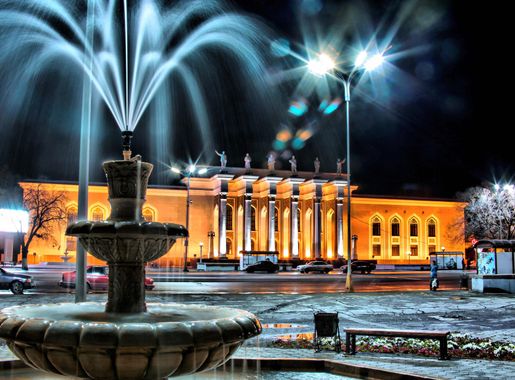


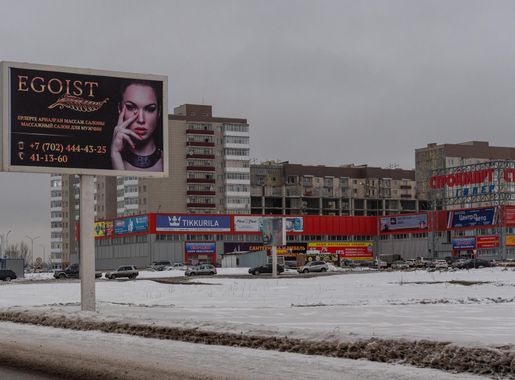

The Heart of the Steppes: Central Kazakhstan
Central Kazakhstan is a land of vast open spaces and fascinating history. Known for its expansive steppe landscapes, this region offers a unique experience for travelers looking to immerse themselves in the natural beauty and cultural heritage of Kazakhstan. The area is sparsely populated, giving it an untouched and pristine feel that is rare to find in today’s world. Visitors can explore the historic city of Karaganda, which serves as the main hub of the region. The city is rich in Soviet-era architecture and has a poignant history tied to the labor camps of the Gulag period. The KarLag Museum provides a deep insight into this era, making it a must-visit for history enthusiasts. For nature lovers, the Karkaraly National Park is a gem waiting to be discovered. The park is home to diverse flora and fauna, stunning rock formations, and serene lakes. Hiking trails and camping spots make it an ideal destination for outdoor activities. The nearby Bektau-Ata Mountain range also offers excellent opportunities for trekking and rock climbing, with breathtaking views of the surrounding steppe. Central Kazakhstan is not just about its landscapes; it also offers a taste of traditional Kazakh culture. Visitors can stay in a yurt camp to experience the nomadic lifestyle, savor local cuisine, and enjoy traditional music and dance performances. The region’s local markets are a great place to buy handmade crafts and textiles, providing a perfect souvenir to remember your trip by.