

Free Betpak-Dala Travel Guide & Mobile App
Explore Betpak-Dala with free travel guides. Discover regional history, expert tips, proposed trips, and audio guides on web or mobile app.


Explore Betpak-Dala in central Kazakhstan for vast desert landscapes, saiga habitat, ancient routes and carefully planned off-road journeys.
Read more about Betpak-Dala
When is the best time to visit Betpak-Dala?
Best: May–June, September · 25–30°C| Month | High (°C) | Rainfall (mm) |
|---|---|---|
| January | -7 | 15 |
| February | -5 | 13 |
| March | 6 | 17 |
| April | 17 | 20 |
| May (best) | 25 | 25 |
| June (best) | 30 | 20 |
| July | 34 | 15 |
| August | 33 | 13 |
| September (best) | 25 | 12 |
| October | 13 | 15 |
| November | 3 | 17 |
| December | -4 | 20 |
Getting to and around Betpak-Dala
How to get there
Transportation
Top city travel guides in Betpak-Dala
The cities of Betpak-Dala, and the easiest places to base yourself.

Swipe for more cities
Best attractions in Betpak-Dala
-
Park
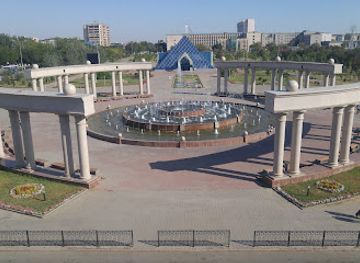
City Fountain
Discover tranquility at the City Fountain: Zhezqazghan's serene park perfect for relaxation, cultural events, and picturesque views.
-
Tourist attraction
Joshy Khan Mausoleum
Discover the historical charm of the Joshy Khan Mausoleum, a must-see landmark showcasing Kazakhstan's rich heritage and architectural beauty.
-
Tourist attraction
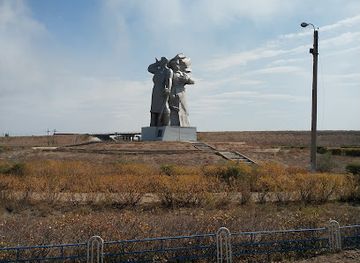
Монумент «Повстанцам-сарбазам»
Discover the Monument of the Pavstantsa-Sarbazan, a historical tribute in Zhezqazghan that captures the essence of Kazakhstan's rich cultural heritage.
-
History museum
Zhoshy khan - historical cultural complex
Explore Zhoshy Khan, a historical cultural complex in Ak-Shal, where rich heritage and captivating exhibits bring the past to life for tourists of all ages.


Best landmarks in Betpak-Dala
The defining landmarks of Betpak-Dala are natural and geographic rather than monumental. The Sarysu and Chu river systems form the region's most important linear features, creating greener corridors through a predominantly arid landscape and explaining how people, animals and routes have crossed the desert. Broad gravel plains, salt depressions, sand fields and isolated rocky elevations provide the visual identity of the interior, while old wells and track junctions mark the practical geography of travel. The seasonal range of the Betpak-Dala saiga population is another landmark in ecological terms, although its boundaries shift and animals should never be approached. Archaeological traces and traditional passage routes are significant cultural features, but many are unmarked and vulnerable to disturbance. Lake Balkhash is an important geographical reference and gateway for some journeys, but its principal shoreline lies at the desert's northeastern margin rather than representing an inland landmark throughout Betpak-Dala.
-
 Historical landmark
BALASAGYN (AKTOBE)
Explore Balasagyn, a historical landmark in Aksu, Kazakhstan, where ancient architecture meets rich cultural heritage.
-
Grassland
Betpaqdala
Discover the serene beauty and rich wildlife of Betpaqdala, a stunning grassland destination in Kazakhstan ideal for nature lovers and outdoor enthusiasts.
Explore Betpak-Dala on the map
Plan your trip on one map. See where the top cities, national parks and sights are, and book hotels and experiences in a few clicks.
Best hotels in Betpak-Dala
Best restaurants in Betpak-Dala
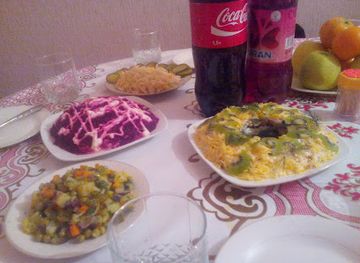
Betpak-Dala does not have a restaurant scene in the conventional sense. Expeditions normally carry provisions and prepare simple meals at camp, while food can be replenished in larger settlements before entering the desert. Supplies often draw on Kazakhstan's broader culinary traditions: bread, noodles, rice, preserved foods, tea and hearty meat dishes are practical for long journeys, with horse, mutton or beef common in regional cooking. Rural hosts or guide teams may serve beshbarmak or other home-style meals when arrangements are made in advance, but this should not be assumed in remote country. Near the desert's margins, roadside cafés and small town eateries offer more dependable opportunities for hot food, though choice and payment facilities vary. Water planning is more important than culinary variety; travellers should carry a carefully calculated reserve and avoid depending on unmarked wells without local advice.
-
Restaurant
Daky teroristcky tabor v kazachskej pusty
Discover authentic Kazakh cuisine at Daky Teroristcky Tabor, where desert views meet delightful flavors in an unforgettable dining experience.

Best bars in Betpak-Dala
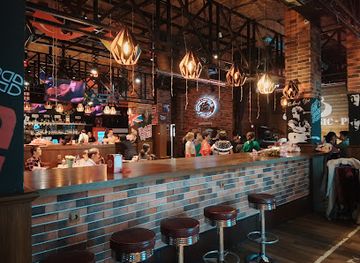
Betpak-Dala has no established nightlife, and evenings are generally spent at expedition camps, in quiet rural accommodation or in settlements outside the desert. After dark, the principal attraction is the open sky rather than entertainment venues, with exceptionally broad horizons for stargazing when weather and dust permit. Larger gateway towns such as Balkhash, Karaganda, Zhezkazgan or Shu offer ordinary cafés, restaurants and some evening venues, but these are outside the desert and differ considerably in scale. In rural areas, social life is more likely to centre on tea, shared meals and conversation than on clubs. Visitors should make evening arrangements before leaving a gateway, carry lighting and warm clothing, and avoid treating remote camps or local households as public drinking venues.
-
Bar
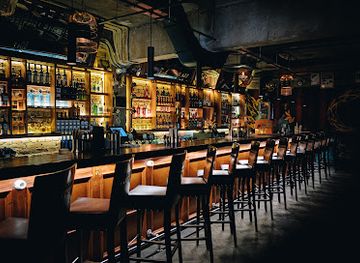
Barmaglot Bar
Experience the vibrant nightlife of Almaty at Barmaglot Bar, where stylish ambiance meets expertly crafted drinks and live entertainment.
-
Pub
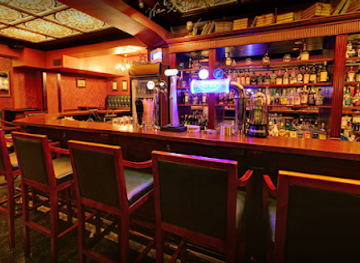
The Shakespeare Pub
Experience the lively atmosphere and diverse menu at The Shakespeare Pub, a must-visit destination for tourists in Almaty.
-
Brewpub
Brewery
Experience the essence of Astana's craft beer culture at the Brewery, where local flavors and vibrant atmosphere await.
-
Live music bar
The Bus Music Pub
Discover the vibrant live music scene at The Bus Music Pub in Astana, where every night offers a new musical experience.

Best nightclubs in Betpak-Dala
-
Night club
Coliseum
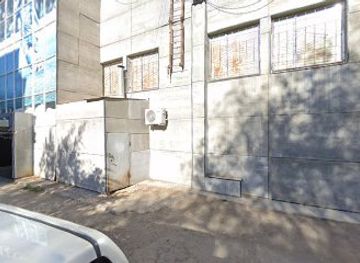
Discover the electrifying nightlife at Coliseum Night Club in Satpayev, a hotspot for dancing, drinks, and unforgettable memories.
-
Cafe
диско-бар GOLD
Discover the lively nightlife of Zhezqazghan at диско-бар GOLD, where great music, drinks, and unforgettable experiences await every visitor.
-
Pool billard club
Dragon
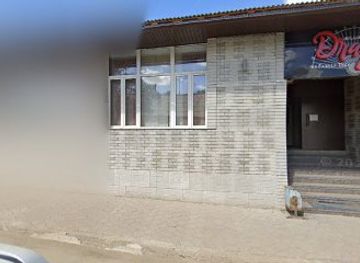
Discover the vibrant Dragon Billiard Club in Zhezqazghan, where fun meets flavor in a lively atmosphere perfect for all ages.
-
Gay night club
Ishaktar Oynaytyn Zher
Discover the vibrant nightlife at Ishaktar Oynaytyn Zher, Zhezqazghan's premier gay nightclub offering music, dancing, and community spirit.
Best shops in Betpak-Dala
Shopping inside Betpak-Dala is effectively limited to supplies arranged before departure, since the desert has no dependable retail district, craft market or tourist shop. Visitors should purchase fuel, water, food, medicines, batteries and vehicle essentials in a gateway settlement and allow for delays. In nearby towns and villages, small shops may stock basic provisions, while markets can offer bread, dairy products, dried foods, clothing and practical household goods. Regional souvenirs are better sought in larger Kazakh cities than manufactured as desert purchases. If travelling with local hosts, visitors may encounter Kazakh textiles, felt items or food products associated with broader steppe culture, but these should be bought respectfully and without assuming they are exclusive to Betpak-Dala. Cash remains useful away from major urban centres.
-
Shopping mall
MEGA Alma-Ata
Explore MEGA Alma-Ata, Almaty's premier shopping mall with an array of brands, dining, and entertainment options for an unforgettable experience.
-
Shopping mall
Mega Silk Way
Discover the heart of Astana shopping at Mega Silk Way, where fashion meets fun in a stunning architectural setting.
-
Shopping mall
Dostyk Plaza
Explore Dostyk Plaza, Almaty's vibrant shopping mall, featuring diverse brands, delicious dining, and family-friendly entertainment all in one place.
-
Shopping mall
Keruen
Explore Keruen Shopping Mall in Astana for a unique blend of shopping, dining, and entertainment in a modern setting.
Get your free copy of our complete guide to Betpak-Dala, delivered straight to you.
Everything on this page, from attractions and restaurants to essentials and local phrases, in one PDF you can read offline, print or share.
Already have an account? Sign in
Your Betpak-Dala guide is ready.
We'll send it to · Not you? Sign out

Getting your guide ready…
We are putting together a fresh copy of the Betpak-Dala guide. This can take up to a minute.
This can take a few moments. If your browser asks, choose Allow so the download can start. You'll find the guide in your Downloads folder.
Nothing happened? Download it again
Sorry, the guide is taking longer than usual. Please try again in a minute, or get it by email instead.
Betpak-Dala essentials
Currency and Payment
Safety
Emergency Situations
Do's and Don'ts
Local Tips
From Eve
Local phrases worth knowing
You don't need to get them perfect. A few words go a long way, and locals appreciate the effort.
Basics
| English | Local | Say it |
|---|---|---|
| Hello | Сәлем | [Sälem] |
| Goodbye | Сау болыңыз | [Sau bolyñyz] |
| Yes | Иә | [İä] |
| No | Жоқ | [Joq] |
| Please/You're welcome | Өтінемін/Қош келдіңіз | [Ötinemin/Qoş keldiñiz] |
| Thank you | Рахмет | [Rakhmet] |
| Excuse me/Sorry | Кешіріңіз | [Keshiriniz] |
| How are you? | Қалайсыз? | [Qalaysyz?] |
| Fine. And you? | Жақсы. Ал сіз? | [Jaqsı. Al siz?] |
| Do you speak English? | Сіз ағылшынша сөйлейсіз бе? | [Siz ağılşınşa söyleýsiz be?] |
| I don't understand | Мен түсінбеймін | [Men tüsinbeýmin] |
Eating & Drinking
| English | Local | Say it |
|---|---|---|
| I'd like to see the menu, please | Мәзірді көргім келеді, өтінемін | [Mäzirdi körgim keledi, ötinemin] |
| I don't eat meat | Мен ет жемеймін | [Men et jemeýmin] |
| Cheers! | Денсаулық! | [Densaulyq!] |
| I would like to pay, please | Мен төлегім келеді, өтінемін | [Men tölegim keledi, ötinemin] |
Emergencies
| English | Local | Say it |
|---|---|---|
| Help! | Көмектесіңіз! | [Kömektesiniz!] |
| Go away! | Кетіңіз! | [Ketiñiz!] |
| Call the Police! | Полиция шақырыңыз! | [Politsiýa şaqyryñız!] |
| Call a doctor! | Дәрігер шақырыңыз! | [Däriger şaqyryñız!] |
| I'm lost | Мен жоғалып қалдым | [Men joğalıp qaldım] |
| I'm ill | Мен ауырып тұрмын | [Men auırıp turmın] |
Shopping
| English | Local | Say it |
|---|---|---|
| I'd like to buy... | Мен сатып алғым келеді... | [Men satıp alğım keledi...] |
| I'm just looking | Мен тек қарап жүрмін | [Men tek qarağ jürmin] |
| How much is it? | Бұл қанша тұрады? | [Bul qanşa turadı?] |
| That's too expensive | Бұл тым қымбат | [Bul tym qımbat] |
| Can you lower the price? | Бағаны түсіре аласыз ба? | [Bağanı tüsíre alasız ba?] |
Time & Numbers
| English | Local | Say it |
|---|---|---|
| What time is it? | Сағат қанша? | [Saqat qanşa?] |
| It's one o'clock | Сағат бір | [Saqat bir] |
| Half past (10) | Оннан жарты | [Onnan jar'ty] |
| Morning | Таң | [Taŋ] |
| Afternoon | Түскі уақыт | [Tüskı waqt] |
| Evening | Кеш | [Kesh] |
| Yesterday | Кеше | [Keshe] |
| Today | Бүгін | [Bügіn] |
| Tomorrow | Ертең | [Erteñ] |
| 1 | Бір | [Bir] |
| 2 | Екі | [Eki] |
| 3 | Үш | [Üş] |
| 4 | Төрт | [Tört] |
| 5 | Бес | [Bes] |
| 6 | Алты | [Alty] |
| 7 | Жеті | [Jeti] |
| 8 | Сегіз | [Segiz] |
| 9 | Тоғыз | [Toğız] |
| 10 | Он | [On] |
Transport & Directions
| English | Local | Say it |
|---|---|---|
| Where's a/the...? | Қайда ...? | [Qayda ...?] |
| What's the address? | Мекенжайы қандай? | [Mekenjayı qandayı?] |
| Can you show me (on the map)? | Маған (картада) көрсете аласыз ба? | [Mağan (kartada) körsete alasız ba?] |
| When's the next (bus)? | Келесі (автобус) қашан? | [Kelesі (avtobus) qaşan?] |
| A ticket (to ....) | Билет (....-ға) | [Bilet (....-ğa)] |
History of Betpak-Dala
Early pastoral landscapes and archaeological traces
Betpak-Dala has long formed part of the wider ecological zone used by mobile herding communities across the Kazakh steppe. Archaeological evidence in and around the desert records changing patterns of tool-making, burial, herding and movement over many centuries, although sites are often remote and difficult to interpret without specialist guidance. Water sources, seasonal pasture and natural corridors were decisive in determining where people could travel or camp. The region's apparent emptiness therefore reflects a demanding environment rather than an absence of human history.
Steppe routes and medieval movement
The desert lay between more hospitable river valleys and formed part of the wider network of routes connecting central Kazakhstan with southern oases and the Chu-Talas region. It was not a single, permanent highway comparable with the best-known urban centres of the Silk Roads; instead, travellers followed changing routes dictated by wells, pasture and security. The Sarysu and Chu corridors offered access through otherwise difficult country, linking pastoral economies with markets and settlements farther south and east.
Kazakh nomadic society and the steppe khanates
For centuries, Betpak-Dala was connected with the seasonal movements and political geography of Kazakh communities. Pastoral groups organised life around sheep, horses, camels and other livestock, moving between grazing grounds in response to water and weather. The desert also functioned as a meeting zone between different steppe territories rather than as an isolated blank space. Oral history, customary land use and knowledge of wells remain important parts of the region's cultural context.
Imperial surveys and changing administration
During the expansion of the Russian Empire into the Kazakh steppe in the eighteenth and nineteenth centuries, surveyors, military detachments and administrators sought to map routes, water sources and usable pasture. Imperial administration gradually altered patterns of land management and trade, while the region's distance from major settlements limited intensive colonisation. Later Soviet boundaries and administrative reforms incorporated Betpak-Dala into different parts of the Kazakh Soviet republic, reinforcing its role as a sparsely settled hinterland.
Soviet collectivisation and state-directed land use
The Soviet period brought major disruption to pastoral life across Kazakhstan. Collectivisation, forced settlement, livestock losses and the wider famine of the early 1930s transformed communities and reduced the resilience of traditional herding systems. In later decades, the state promoted regulated grazing, geological surveying, road construction and mineral exploration in remote areas. The effects were uneven, but Betpak-Dala remained far less urbanised and industrialised than Kazakhstan's principal mining and agricultural centres.
Saiga conservation and modern desert protection
Betpak-Dala is now internationally significant as one of the principal ranges of the saiga antelope. Populations suffered severe declines after the end of the Soviet Union because of poaching and disrupted protection, followed by major recovery efforts and renewed concern after disease outbreaks and other environmental pressures. Conservation work involves monitoring migration, protecting calving areas and controlling illegal hunting. The desert's modern importance therefore lies not only in its remoteness, but also in the survival of a species that depends on functioning steppe ecosystems.
Betpak-Dala in Photos
Browse through our photo collection highlighting the charm and character of the destination.
Neighbouring regions of Betpak-Dala
The closest regions to Betpak-Dala, if you have time for more than one.
-

-

-

-

-


Swipe for more regions
Explore more

Explore more of Kazakhstan
Explore Kazakhstan's rich culture, modern cities, and stunning natural landscapes. From the Caspian Sea to the Altai Mountains, find adventure and beauty in Central Asia.
Explore Kazakhstan