

Laikipia Plateau, Kenya Travel Guide
Discover Laikipia Plateau: A blend of adventure, wildlife, and rich cultural heritage in Kenya's untamed wilderness.
The Laikipia Plateau in Kenya is a hidden gem that offers a unique blend of adventure, wildlife, and culture. Nestled between the slopes of Mount Kenya and the arid lands of the Great Rift Valley, this region is a haven for nature enthusiasts and those seeking an off-the-beaten-path experience. The plateau is home to diverse ecosystems, including expansive grasslands, dense forests, and dramatic escarpments. Here, you can witness an incredible array of wildlife, from the Big Five to rare and endangered species like the Grevy's zebra and African wild dog. Laikipia is not just about wildlife. The plateau is also rich in cultural heritage. It is inhabited by several indigenous communities, including the Maasai, Samburu, and Kikuyu, who have lived in harmony with the land for centuries. Visitors have the opportunity to engage with these communities, learn about their traditions, and even participate in cultural ceremonies. The warm hospitality of the locals adds a personal touch to your journey, making it a memorable experience. Adventure seekers will find plenty to do in Laikipia. The region offers a range of activities such as hiking, horse riding, camel trekking, and even hot air ballooning. For those who prefer a more relaxed pace, the scenic landscapes provide a perfect backdrop for leisurely walks and picnics. The plateau's clear skies also make it an excellent spot for stargazing, offering a mesmerizing view of the African night sky.

Know before you go
Hi, I'm Eve. Here are a few practical things to know before exploring Laikipia Plateau.
- Bring a good pair of binoculars for wildlife spotting.
- Visit during the dry season (July to October) for the best wildlife viewing.
- Engage with local guides to gain deeper insights into the culture and landscape.
- Pack layers of clothing as temperatures can vary significantly throughout the day.
- Consider staying in eco-lodges to support sustainable tourism.
Explore Laikipia Plateau: Things to Do, Places to Eat, Hotels & More
Handpicked recommendations for top attractions, local dining, accommodations, and more

Top Attractions & Sightseeing in Laikipia Plateau
Top-rated picks
Best Attractions

Ol Pejeta Conservancy
Experience an unforgettable journey through Ol Pejeta Conservancy, where conservation meets adventure in the heart of Kenya's stunning landscapes.

Equator Marker
Experience the unique charm of the Equator Marker in Nanyuki, where the Earth meets at zero degrees latitude, blending stunning nature with rich Kenyan culture.

Lewa Wildlife Conservancy
Discover the breathtaking wildlife and stunning landscapes of Lewa Wildlife Conservancy, a premier nature preserve in Kenya dedicated to conservation.

THOMSONS FALLS LODGE
Experience the natural beauty and tranquility of Thomsons Falls Lodge in Nyahururu, a perfect getaway for relaxation and adventure in Kenya.

Best landmarks in Laikipia Plateau
Top-rated picks
Best Landmarks

Ol Pejeta Conservancy
Experience the breathtaking beauty and rich wildlife of Ol Pejeta Conservancy, a premier nature preserve in Kenya dedicated to conservation and adventure.

Equator Marker
Discover the Equator Marker in Nanyuki, a remarkable historical landmark where you can stand at the center of the Earth and enjoy breathtaking views.

Lewa Wildlife Conservancy
Discover the breathtaking landscapes and unique wildlife of Lewa Wildlife Conservancy, a key conservation area in Kenya dedicated to sustainable tourism.
THOMSONS FALLS LODGE
Experience the breathtaking beauty of Thomsons Falls Lodge, where nature meets luxury in Nyahururu, Kenya.

Best restaurants in Laikipia Plateau
Top-rated picks
Best Restaurants

Fairmont Mount Kenya Safari Club
Discover luxury amidst nature's splendor at Fairmont Mount Kenya Safari Club – your gateway to adventure and relaxation.
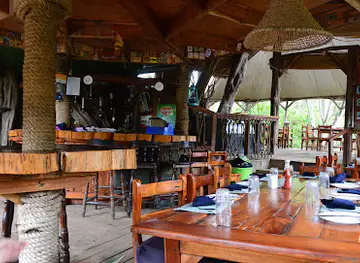
Trout Tree Restaurant
Experience exquisite dining at Trout Tree Restaurant in Nanyuki, where delicious cuisine meets breathtaking natural beauty.

Falcon Heights Hotel
Discover tranquility at Falcon Heights Hotel – where comfort meets nature near majestic Mount Kenya.
THOMSONS FALLS LODGE
Experience breathtaking views and serene comfort at Thomsons Falls Lodge in Nyahururu - a perfect getaway for nature lovers.

Best bars in Laikipia Plateau
Top-rated picks
Best Bars

Trout Tree Restaurant
Experience the tranquility of Trout Tree Restaurant in Nanyuki, where fresh trout meets stunning riverside views in a unique tree-top setting.
SAROVA MAIYAN - Hotel in Nanyuki
Experience luxury and nature harmony at Sarova Maiyan in Nanyuki, the perfect escape for relaxation and adventure amidst stunning landscapes.
Kongoni Camp
Discover the perfect blend of comfort and adventure at Kongoni Camp in Nanyuki, Kenya, featuring a swimming pool, sauna, and exquisite dining options.

Barney's Bar and Restaurant
Experience the flavors of Kenya at Barney's Bar and Restaurant, where culinary delight meets breathtaking views of Mount Kenya.

Best nightclubs in Laikipia Plateau
Top-rated picks
Best Nightclubs

Moran Lounge Nanyuki
Experience the pulse of Nanyuki's nightlife at Moran Lounge, where great music, drinks, and memories come together.

Barney's Bar and Restaurant
Discover culinary delights at Barney's Bar and Restaurant, where breathtaking views of Mt. Kenya meet exceptional dining in Laikipia.

Pryme Lounge Ke
Pryme Lounge Ke: A Fusion of Grilled Delicacies and Lively Disco in Nanyuki, Kenya.

Equator Lodge
Experience the vibrant nightlife at Equator Lodge, Nyahururu's premier nightclub offering lively music, signature cocktails, and unforgettable evenings.

Best shops in Laikipia Plateau
Top-rated picks
Best Shops

Ol Pejeta Conservancy
Experience the beauty of wildlife conservation at Ol Pejeta Conservancy, where adventure meets nature in the heart of Kenya.

Equator Marker
Experience the unique phenomenon of standing on the equator at the iconic Equator Marker in Nanyuki, a blend of culture, science, and breathtaking landscapes.
Sweetwaters Serena Camp
Discover Sweetwaters Serena Camp in Ol Pejeta Conservancy, a luxurious lodge offering wildlife encounters and stunning African landscapes for an unforgettable experience.

Lewa Wildlife Conservancy
Explore the breathtaking Lewa Wildlife Conservancy, a leading nature preserve in Kenya, rich in wildlife and conservation efforts.

Explore Laikipia Plateau on the Map
A handpicked selection of must-see spots in Laikipia Plateau, mapped for you.
Laikipia Plateau Essentials
-
Laikipia Plateau is accessible from Nairobi, Kenya's capital. The most convenient way is to fly from Wilson Airport in Nairobi to Nanyuki Airstrip, which takes around an hour. Alternatively, you can drive from Nairobi to Laikipia, a journey that typically takes about 4 to 5 hours by road via the A2 highway. There are also bus services available, but they may be less comfortable and take longer.
-
Once in Laikipia Plateau, you can get around using local taxis, which are readily available in towns like Nanyuki. For exploring more remote areas, renting a 4x4 vehicle is advisable due to the rugged terrain. Some lodges and resorts offer guided tours and transportation services. Public buses and matatus (shared minibuses) are available but may not be the most reliable option for tourists.
-
The official currency is the Kenyan Shilling (KES). Credit cards are accepted in larger hotels, lodges, and some restaurants, but it is advisable to carry cash, especially in remote areas. ATMs are available in major towns like Nanyuki, but it’s wise to withdraw sufficient cash before heading to more isolated regions.
-
Laikipia Plateau is generally safe for tourists, but it's important to take standard precautions. Avoid walking alone at night and keep your belongings secure. Be cautious in crowded places and avoid displaying valuables. While crime rates targeting tourists are relatively low, areas like Nanyuki can have occasional petty theft. Always stay vigilant and aware of your surroundings.
-
In case of emergency, dial 999 for police assistance or 112 for medical emergencies. Major towns like Nanyuki have hospitals and medical facilities. It is recommended to have travel insurance that covers medical emergencies. For minor health issues, there are pharmacies where you can purchase over-the-counter medications. Many lodges and camps also have first aid kits and emergency protocols in place.
-
Fashion: Do dress modestly, especially in rural areas and when visiting local communities. Avoid wearing revealing clothing. Religion: Do respect local customs and traditions. Public Transport: Do be respectful and courteous towards fellow passengers. Don't eat or drink on public transport. Greetings: Do greet people with a handshake and a smile. Saying 'Jambo' (Hello) is common. Eating & Drinking: Do try local delicacies and accept food offerings graciously. Don’t refuse hospitality, as it is considered impolite.
-
To experience Laikipia Plateau like a local, visit local markets where you can buy fresh produce and handmade crafts. Engage with locals, as they are often friendly and willing to share insights about their culture and history. Don’t miss the opportunity to visit conservancies and community-run wildlife sanctuaries, which offer authentic experiences and support local conservation efforts. For a unique experience, consider participating in a guided walking safari or cultural tour.
When is the best time to visit Laikipia Plateau?
Useful Local Phrases for Laikipia Plateau
You don't need to speak the language perfectly. Even learning a few simple words can make conversations warmer—and locals usually appreciate the effort.
— Eve

Here are the phrases I use most often in Laikipia Plateau. Try a few—you'll be surprised how far they go! 😊
❤️
-
- HelloNaki
[nah-kee] - GoodbyeKwaheri
[kwah-heh-ree] - YesNdiyo
[ndee-yoh] - NoHapana
[hah-pah-nah] - Please/You're welcomeTafadhali
[tah-fah-dah-lee] - Thank youAsante
[ah-sahn-teh] - Excuse me/SorrySamahani
[sah-mah-hah-nee] - How are you?Habari gani?
[hah-bah-ree gah-nee] - Fine. And you?Nzuri. Na wewe?
[n-zoo-ree nah weh-weh] - Do you speak English?Unazungumza Kingereza?
[oo-nah-zoon-goom-zah keen-geh-reh-zah] - I don't understandSielewi
[see-eh-leh-wee]
- HelloNaki
-
- I'd like to see the menu, pleaseNingependa kuona menyu, tafadhali
[neen-geh-peh-ndah koo-nah men-yoo tah-fah-dah-lee] - I don't eat meatSikuli nyama
[see-koo-lee nyah-mah] - Cheers!Afya!
[ah-fyah] - I would like to pay, pleaseNingependa kulipa, tafadhali
[neen-geh-peh-ndah koo-lee-pah tah-fah-dah-lee]
- I'd like to see the menu, pleaseNingependa kuona menyu, tafadhali
-
- Help!Msaada!
[m-sah-dah] - Go away!Nenda mbali!
[nen-dah m-bah-lee] - Call the Police!Piga simu polisi!
[pee-gah see-moo poh-lee-see] - Call a doctor!Piga simu daktari!
[pee-gah see-moo dahk-tah-ree] - I'm lostNimepotea
[nee-meh-poh-teh-ah] - I'm illNina ugonjwa
[nee-nah oo-gohn-jwah]
- Help!Msaada!
-
- I'd like to buy...Ningependa kununua...
[neen-geh-peh-ndah koo-noo-noo-ah] - I'm just lookingNatazama tu
[nah-tah-zah-mah too] - How much is it?Ni kiasi gani?
[nee kee-ah-see gah-nee] - That's too expensiveHiyo ni ghali sana
[hee-yoh nee gah-lee sah-nah] - Can you lower the price?Unaweza kupunguza bei?
[oo-nah-weh-zah koo-poon-goo-zah beh-ee]
- I'd like to buy...Ningependa kununua...
-
- What time is it?Ni saa ngapi?
[nee sah ngah-pee] - It's one o'clockNi saa moja
[nee sah moh-jah] - Half past (10)Nusu ya saa kumi
[noo-soo yah sah koo-mee] - MorningAsubuhi
[ah-soo-boo-hee] - AfternoonMchana
[m-chah-nah] - EveningJioni
[jee-oh-nee] - YesterdayJana
[jah-nah] - TodayLeo
[leh-oh] - TomorrowKesho
[keh-shoh] - 1Moja
[moh-jah] - 2Mbili
[m-bee-lee] - 3Tatu
[tah-too] - 4Nne
[n-nay] - 5Tano
[tah-noh] - 6Sita
[see-tah] - 7Saba
[sah-bah] - 8Nane
[nah-neh] - 9Tisa
[tee-sah] - 10Kumi
[koo-mee]
- What time is it?Ni saa ngapi?
-
- Where's a/the...?Iko wapi...?
[ee-koh wah-pee] - What's the address?Nini anwani?
[nee-nee ahn-wah-nee] - Can you show me (on the map)?Unaweza kunionyesha (katika ramani)?
[oo-nah-weh-zah koo-nee-oh-nyesh-ah kah-tee-kah rah-mah-nee] - When's the next (bus)?Basi ijayo ni lini?
[bah-see ee-jah-yoh nee lee-nee] - A ticket (to ....)Tiketi (kwenda ....)
[tee-keh-tee kwen-dah]
- Where's a/the...?Iko wapi...?
History of Laikipia Plateau
-
The Laikipia Plateau has been home to human populations for thousands of years. Early evidence of human activity includes stone tools and pottery, indicating the presence of hunter-gatherer communities. The region's fertile land and abundant water sources attracted early settlers, who gradually transitioned to farming and pastoralism.
-
The Maasai and Samburu people have been integral to the history of the Laikipia Plateau. These Nilotic-speaking pastoralists migrated to the region around the 17th century. Their semi-nomadic lifestyle, centered around cattle herding, has deeply influenced the cultural landscape of Laikipia. The Maasai in particular are known for their distinctive dress, beadwork, and warrior traditions.
-
The late 19th and early 20th centuries saw the arrival of British colonialists to Laikipia. The British established large-scale ranches and agricultural enterprises, often displacing the indigenous populations. The construction of the Uganda Railway through Kenya facilitated the influx of European settlers, transforming the economic and social dynamics of the region.
-
During the 1950s, the Laikipia Plateau was affected by the Mau Mau Uprising, a rebellion against British colonial rule. The conflict resulted in significant turmoil, with many Kikuyu people in Laikipia participating in the struggle for independence. The region witnessed harsh counter-insurgency measures, which left a lasting impact on its communities.
-
Following Kenya's independence in 1963, the Laikipia Plateau underwent substantial land reforms. The Kenyan government initiated policies to redistribute land from colonial settlers to indigenous people. This period saw a mix of success and challenges, as newly settled communities adapted to their new environments and sought to establish sustainable livelihoods.
-
In recent decades, Laikipia has become a focal point for conservation efforts. The region is renowned for its diverse wildlife, including elephants, lions, and rhinos. Private conservancies and community-based conservation projects have been established to protect these species and their habitats. These initiatives balance ecological preservation with the needs of local communities, promoting eco-tourism as an economic driver.
-
Laikipia is a vibrant cultural hub, hosting various festivals and events that celebrate its rich heritage. The annual Laikipia Cultural Festival showcases the traditions, music, dance, and art of the region's diverse communities. Such events not only preserve cultural practices but also foster unity and pride among Laikipia's inhabitants.
Neighbouring Regions of Laikipia Plateau
The closest regions to Laikipia Plateau, if you have time for more than one.


Your all‑in‑one travel companion app
Explore expert travel guides, compare and book tours, experiences, hotels, and more—all from the palm of your hand. Download now for seamless trip planning wherever your wanderlust takes you.


Explore More of Kenya
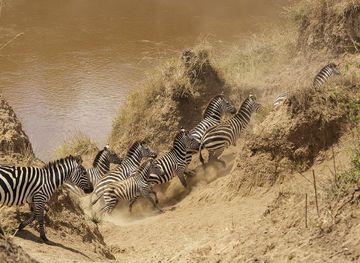
Looking beyond Laikipia Plateau? Discover Kenya for broader travel guides, local hot-spots, and regional highlights.
Explore KenyaLaikipia Plateau in Photos
Browse through our photo collection highlighting the charm and character of the destination.


Laikipia Plateau: Kenya's Untamed Wilderness
The Laikipia Plateau in Kenya is a hidden gem that offers a unique blend of adventure, wildlife, and culture. Nestled between the slopes of Mount Kenya and the arid lands of the Great Rift Valley, this region is a haven for nature enthusiasts and those seeking an off-the-beaten-path experience. The plateau is home to diverse ecosystems, including expansive grasslands, dense forests, and dramatic escarpments. Here, you can witness an incredible array of wildlife, from the Big Five to rare and endangered species like the Grevy's zebra and African wild dog. Laikipia is not just about wildlife. The plateau is also rich in cultural heritage. It is inhabited by several indigenous communities, including the Maasai, Samburu, and Kikuyu, who have lived in harmony with the land for centuries. Visitors have the opportunity to engage with these communities, learn about their traditions, and even participate in cultural ceremonies. The warm hospitality of the locals adds a personal touch to your journey, making it a memorable experience. Adventure seekers will find plenty to do in Laikipia. The region offers a range of activities such as hiking, horse riding, camel trekking, and even hot air ballooning. For those who prefer a more relaxed pace, the scenic landscapes provide a perfect backdrop for leisurely walks and picnics. The plateau's clear skies also make it an excellent spot for stargazing, offering a mesmerizing view of the African night sky.