

Free Mount Kenya Region Travel Guide & Mobile App
Explore Mount Kenya Region with free travel guides. Discover regional history, expert tips, proposed trips, and audio guides on web or mobile app.


Explore Kenya's Mount Kenya Region for high-altitude trekking, forest trails, wildlife conservancies, coffee farms and richly cultivated highlands.
Read more about Mount Kenya Region
When is the best time to visit Mount Kenya Region?
Best: January, July–August · 20–21°C| Month | High (°C) | Rainfall (mm) |
|---|---|---|
| January (best) | 20 | 50 |
| February | 21 | 60 |
| March | 21 | 100 |
| April | 22 | 120 |
| May | 22 | 110 |
| June | 22 | 80 |
| July (best) | 21 | 60 |
| August (best) | 21 | 60 |
| September | 22 | 80 |
| October | 22 | 100 |
| November | 21 | 120 |
| December | 21 | 60 |
Getting to and around Mount Kenya Region
How to get there
Transportation
Top city travel guides in Mount Kenya Region
The cities of Mount Kenya Region, and the easiest places to base yourself.
-

-

-


Swipe for more cities
Destinations in Mount Kenya Region
Resorts, valleys and scenic spots worth a trip of their own.
-

-

-
-

-

-


Swipe for more destinations
Best attractions in Mount Kenya Region
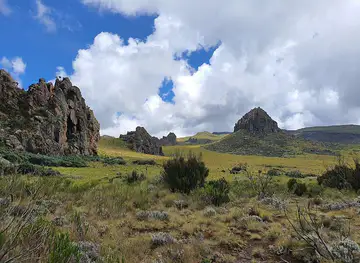
Mount Kenya National Park and Forest are the region's central attraction, offering guided trekking through lower forest, bamboo and moorland to high-altitude valleys and Point Lenana. The mountain's higher technical peaks are for experienced climbers, while lower trails and forest excursions suit visitors seeking shorter walks, birdwatching or scenic drives. Around the massif, the cultivated slopes near Nyeri, Kirinyaga, Embu and Meru provide opportunities for farm visits, coffee and tea experiences, cycling and cultural encounters when arranged with local hosts. Nanyuki is a useful base for combining mountain activities with wildlife conservation, including the Ol Pejeta Conservancy on the Laikipia side of the regional travel circuit. Its open grasslands contrast with the forested mountain, and conservation work includes protection of threatened species. Further rural attractions tend to be landscape-led rather than built, from river valleys and highland farms to viewpoints towards the peaks. Weather, altitude and access conditions mean that many experiences need advance planning and a qualified guide.
-
Nature preserve
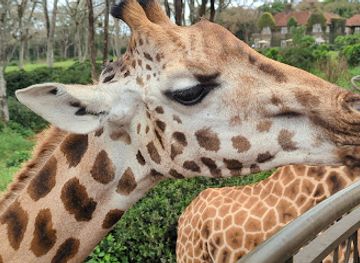
Giraffe Centre
Experience the magic of the Giraffe Centre in Nairobi, where you can feed and interact with Rothschild's giraffes in a beautiful natural setting.
-
Environmental organization
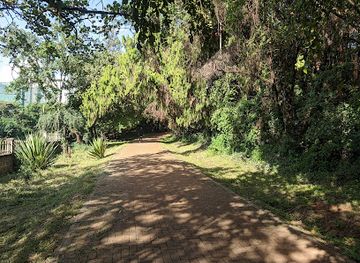
The Nairobi Arboretum
Explore the lush landscapes and diverse flora at The Nairobi Arboretum, a tranquil oasis in the heart of Kenya's vibrant capital.
-
National park
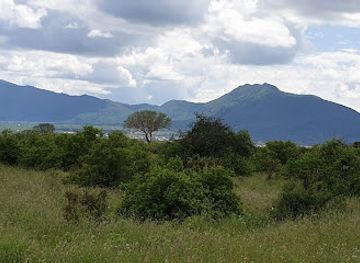
Tsavo East National Park
Explore the majestic Tsavo East National Park, a wildlife haven in Kenya, where adventure and breathtaking landscapes await every traveler.
-
National park
Mount Kenya National Park
Explore Mount Kenya National Park's breathtaking landscapes, diverse wildlife, and thrilling hiking trails in the heart of Kenya.
Best landmarks in Mount Kenya Region
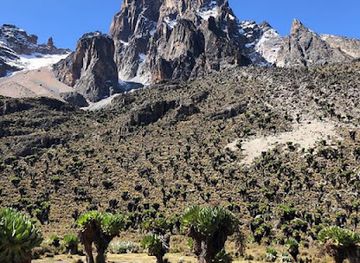
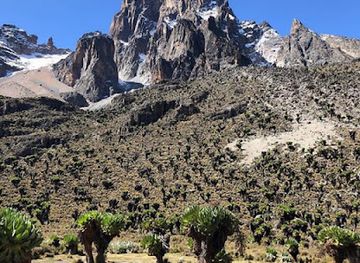
Mount Kenya itself is the region's defining natural landmark, with the jagged summit group of Batian, Nelion and Point Lenana rising above volcanic valleys, glaciers and distinctive high-altitude rock formations. The mountain's outline is visible from parts of the surrounding farms and towns, although cloud frequently obscures it. The forest belt and moorland within Mount Kenya National Park and Forest form a protected landscape of national and international significance, as well as an important water catchment. Nanyuki's equatorial landmark, marked near the town, reflects the area's position close to the equator, while the town's location beneath the mountain makes it a familiar northern gateway. In Nyeri, the historical association with Dedan Kimathi and the Mau Mau struggle gives the wider town and countryside an important political dimension. The cultivated volcanic slopes around Kirinyaga, Embu and Meru are less monumental but equally characteristic, marked by tea estates, coffee farms, narrow roads and densely settled green hillsides.
-
National park
Mount Kenya National Park
Discover the breathtaking landscapes and rich biodiversity of Mount Kenya National Park, a UNESCO World Heritage Site and a true natural marvel.
-
 Hotel
HotelFairmont Mount Kenya Safari Club
Experience luxury and adventure at Fairmont Mount Kenya Safari Club, a premier destination for nature lovers and relaxation seekers in Kenya.
-
Historical landmark
Equator Marker
Discover the Equator Marker in Nanyuki, Kenya, where you can stand at the heart of the world and explore breathtaking landscapes and cultural experiences.
-
Mountain peak
Mount Kenya
Discover the stunning beauty and rich biodiversity of Mount Kenya, a UNESCO World Heritage site perfect for adventure seekers and nature lovers.
Explore Mount Kenya Region on the map
Plan your trip on one map. See where the top cities, national parks and sights are, and book hotels and experiences in a few clicks.
Best hotels in Mount Kenya Region
Best restaurants in Mount Kenya Region
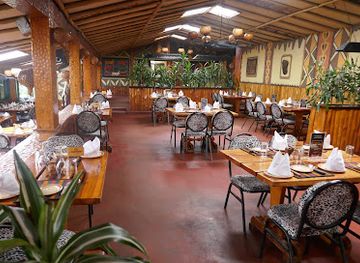
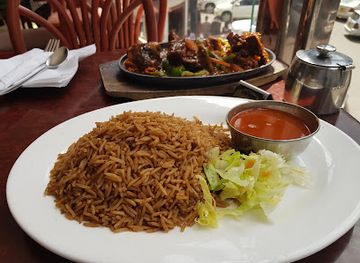
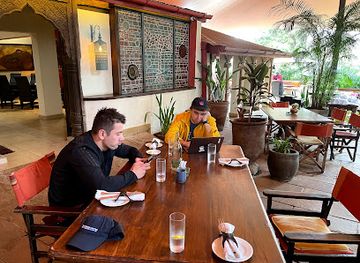
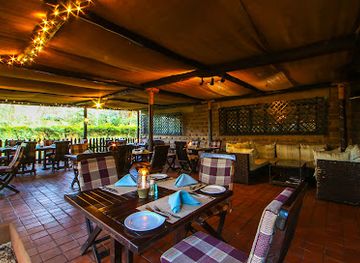
Dining in the Mount Kenya Region reflects fertile highland agriculture and the practical food culture of central and eastern Kenya. Town restaurants, hotel dining rooms and cafés commonly serve ugali, rice, beans, stews, grilled meat, chapati, greens and potatoes, while fresh vegetables, bananas and dairy products are abundant in farming districts. Nyeri, Nanyuki, Meru and Embu offer the broadest choice, ranging from informal eateries to contemporary restaurants serving international visitors. Tea and coffee are important regional products, and farm or estate visits may provide a more direct understanding of how they are grown and processed, usually by prior arrangement. Rural inns and lodges often emphasise hearty meals suited to walkers and drivers, while conservancy properties may combine Kenyan dishes with international menus. Visitors should distinguish established local food from imported safari-hotel conventions, and should expect menus and supply to vary with location, season and road access.
-
Restaurant
The carnivore restaurant
Experience the ultimate meat feast at The Carnivore Restaurant in Nairobi - where culinary tradition meets modern dining.
-
Halal
Kilimanjaro Jamia, Kimathi Street
Experience the vibrant flavors of East African cuisine at Kilimanjaro Jamia - Nairobi's top Halal breakfast destination.
-
Restaurant
Talisman Restaurant
Experience exquisite dining at Talisman Restaurant in Nairobi - where local flavors meet international cuisine in a charming setting.
-
Restaurant
About Thyme Restaurant
Discover culinary excellence at About Thyme Restaurant in Nairobi, where diverse flavors meet exceptional service in an inviting atmosphere.
Best bars in Mount Kenya Region
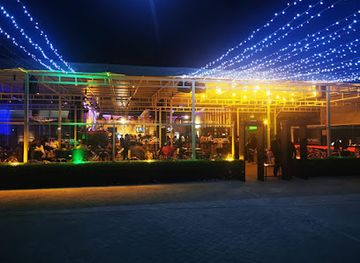
Evening life is concentrated in Nanyuki, Nyeri, Meru and Embu rather than spread evenly across the mountain countryside. These towns have ordinary pubs, hotel bars, cafés and restaurants, with some venues offering televised sport, music or dancing. Nanyuki's visitor economy gives it a relatively broad selection of places to eat and drink, while smaller centres tend to close earlier and offer a more local, informal atmosphere. In rural areas and mountain lodges, evenings usually revolve around dinner, conversation, views and early starts rather than nightlife. Alcohol is not necessary to participate in local social life, and visitors should use reputable venues, arrange transport after dark and respect local differences in dress and behaviour. Opening arrangements and venue status change, so current local advice is preferable to relying on old listings.
-
Bar
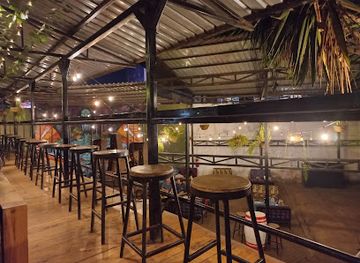
The Alchemist
Discover the vibrant atmosphere of The Alchemist, Nairobi's premier bar and event venue, where music, culture, and delicious food come together.
-
Grill
Switch Lounge Nairobi
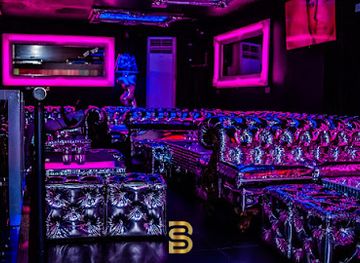
Experience the vibrant nightlife and delicious grilled cuisine at Switch Lounge Nairobi, where dining meets entertainment in a lively atmosphere.
-
Hotel
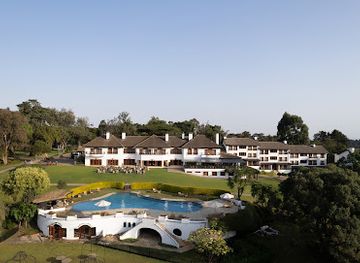
Fairmont Mount Kenya Safari Club
Discover the perfect blend of luxury and adventure at Fairmont Mount Kenya Safari Club, where breathtaking views and exceptional service await.
-
Restaurant
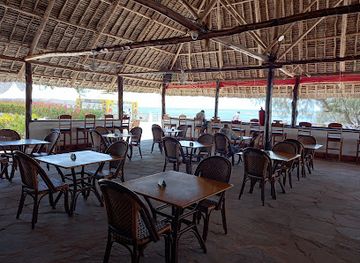
Maasai Beach Bar & Restaurant
Discover the vibrant Maasai Beach Bar & Restaurant in Mombasa, where delicious local cuisine meets stunning ocean views and a lively atmosphere.

Best nightclubs in Mount Kenya Region
Evening life is concentrated in Nanyuki, Nyeri, Meru and Embu rather than spread evenly across the mountain countryside. These towns have ordinary pubs, hotel bars, cafés and restaurants, with some venues offering televised sport, music or dancing. Nanyuki's visitor economy gives it a relatively broad selection of places to eat and drink, while smaller centres tend to close earlier and offer a more local, informal atmosphere. In rural areas and mountain lodges, evenings usually revolve around dinner, conversation, views and early starts rather than nightlife. Alcohol is not necessary to participate in local social life, and visitors should use reputable venues, arrange transport after dark and respect local differences in dress and behaviour. Opening arrangements and venue status change, so current local advice is preferable to relying on old listings.
-
Night club
K1 Klub House
Dive into Nairobi's nightlife at K1 Klub House, where music, dance, and delicious cuisine create an unforgettable experience.
-
Lounge
Onyx Lounge & Restaurant
Discover the perfect blend of dining and nightlife at Nairobi's Onyx Lounge & Restaurant, where flavors and rhythms come alive.
-
Night club
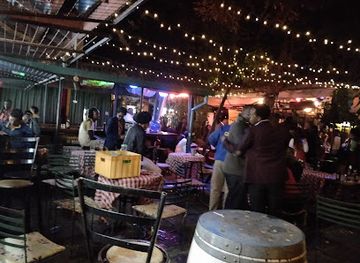
The Tunnel
Experience Nairobi's nightlife at The Tunnel, where vibrant music meets delicious grill cuisine for an unforgettable night out.
-
Disco club
BLACK STARS Club & Lounge
Discover the energetic nightlife of Nairobi at BLACK STARS Club & Lounge, where music, dance, and fun come together for an unforgettable experience.

Best shops in Mount Kenya Region
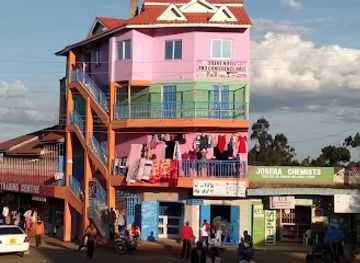
Shopping in the Mount Kenya Region is town-based and practical, with the widest choice in Nanyuki, Nyeri, Meru and Embu. Central markets and high streets sell fruit, vegetables, grains, clothing, household goods and locally made baskets, while supermarkets and small specialist shops supply travellers preparing for trekking. Coffee and tea are the most characteristic regional purchases, although visitors should check origin and packaging rather than assume that every product labelled as Kenyan comes from the mountain area. Craft outlets and hotel shops may stock woodwork, woven goods, beadwork and textile items, but quality and provenance vary. In rural districts, farm products and market produce offer a more direct connection with local agriculture than generic souvenirs. Bargaining may be customary in some open markets but not in fixed-price shops; ask politely and compare prices without turning the exchange into a spectacle. For mountain equipment, Nanyuki is generally the most useful regional centre, though specialist requirements may be easier to fulfil in Nairobi.
-
Tourist attraction
Mount Kenya National Park
Discover the awe-inspiring beauty of Mount Kenya National Park, a UNESCO World Heritage site filled with diverse wildlife and stunning landscapes.
-
Shopping mall
The Cedar Mall Nanyuki
Experience the best of shopping and dining at Cedar Mall Nanyuki, the top destination in the Mount Kenya region.
-
Store
Club The Dohn
Discover the vibrant shopping experience at Club The Dohn, where local and international products meet in a unique atmosphere.
-
Shopping mall
RAVENNA STORES GITHONGO
Explore Ravenna Stores Githongo in Meru - a vibrant shopping mall offering local and international brands, delicious dining, and cultural experiences.


Get your free copy of our complete guide to Mount Kenya Region, delivered straight to you.
Everything on this page, from attractions and restaurants to essentials and local phrases, in one PDF you can read offline, print or share.
Already have an account? Sign in
Your Mount Kenya Region guide is ready.
We'll send it to · Not you? Sign out

Getting your guide ready…
We are putting together a fresh copy of the Mount Kenya Region guide. This can take up to a minute.
This can take a few moments. If your browser asks, choose Allow so the download can start. You'll find the guide in your Downloads folder.
Nothing happened? Download it again
Sorry, the guide is taking longer than usual. Please try again in a minute, or get it by email instead.
Mount Kenya Region essentials
Currency and Payment
Safety
Emergency Situations
Do's and Don'ts
Local Tips
From Eve
Local phrases worth knowing
You don't need to get them perfect. A few words go a long way, and locals appreciate the effort.
Basics
| English | Local | Say it |
|---|---|---|
| Hello | Naki | [Nah-kee] |
| Goodbye | Naki witu | [Nah-kee wee-too] |
| Yes | Ndiyo | [Ndee-yoh] |
| No | Hapana | [Hah-pah-nah] |
| Please/You’re welcome | Tafadhali | [Tah-fah-dah-lee] |
| Thank you | Asante | [Ah-sahn-teh] |
| Excuse me/Sorry | Samahani | [Sah-mah-hah-nee] |
| How are you? | Habari gani? | [Hah-bah-ree gah-nee] |
| Fine. And you? | Nzuri. Na wewe? | [Nzoor-ee. Nah weh-weh] |
| Do you speak English? | Unajua Kiingereza? | [Oo-nah-joo-ah Kee-ing-air-ez-ah] |
| I don't understand | Sielewi | [See-eh-leh-wee] |
Eating & Drinking
| English | Local | Say it |
|---|---|---|
| I’d like to see the menu, please | Ningependa kuona menyu, tafadhali | [Nin-geh-pen-dah koo-nah men-yoo, tah-fah-dah-lee] |
| I don't eat meat | Sikula nyama | [See-koo-lah nyah-mah] |
| Cheers! | Afya! | [Ah-fyah] |
| I would like to pay, please | Ningependa kulipa, tafadhali | [Nin-geh-pen-dah koo-lee-pah, tah-fah-dah-lee] |
Emergencies
| English | Local | Say it |
|---|---|---|
| Help! | Saidia! | [Sah-ee-dee-ah] |
| Go away! | Ondoka! | [On-doh-kah] |
| Call the Police! | Piga simu polisi! | [Pee-gah see-moo poh-lee-see] |
| Call a doctor! | Piga simu daktari! | [Pee-gah see-moo dahk-tah-ree] |
| I’m lost | Nimepotea | [Nee-meh-poh-teh-ah] |
| I’m ill | Nina ugonjwa | [Nee-nah oo-gon-jwah] |
Shopping
| English | Local | Say it |
|---|---|---|
| I’d like to buy... | Ningependa kununua... | [Nin-geh-pen-dah koo-noo-noo-ah] |
| I’m just looking | Natazama tu | [Nah-tah-zah-mah too] |
| How much is it? | Ni kiasi gani? | [Nee kee-ah-see gah-nee] |
| That’s too expensive | Hiyo ni ghali sana | [Hee-yoh nee gah-lee sah-nah] |
| Can you lower the price? | Unaweza kupunguza bei? | [Oo-nah-weh-zah koo-pun-goo-zah bay] |
Time & Numbers
| English | Local | Say it |
|---|---|---|
| What time is it? | Ni saa ngapi? | [Nee sah ngah-pee] |
| It’s one o’clock | Ni saa moja | [Nee sah moh-jah] |
| Half past (10) | Nusu (saa kumi) | [Noo-soo (sah koo-mee)] |
| Morning | Asubuhi | [Ah-soo-boo-hee] |
| Afternoon | Mchana | [Mchah-nah] |
| Evening | Jioni | [Jee-oh-nee] |
| Yesterday | Jana | [Jah-nah] |
| Today | Leo | [Leh-oh] |
| Tomorrow | Kesho | [Keh-shoh] |
| 1 | Moja | [Moh-jah] |
| 2 | Mbili | [Mbee-lee] |
| 3 | Tatu | [Tah-too] |
| 4 | Nne | [Neh-neh] |
| 5 | Tano | [Tah-noh] |
| 6 | Sita | [See-tah] |
| 7 | Saba | [Sah-bah] |
| 8 | Nane | [Nah-neh] |
| 9 | Tisa | [Tee-sah] |
| 10 | Kumi | [Koo-mee] |
Transport & Directions
| English | Local | Say it |
|---|---|---|
| Where's a/the...? | Iko wapi...? | [Ee-koh wah-pee] |
| What's the address? | Nini anwani? | [Nee-nee ahn-wah-nee] |
| Can you show me (on the map)? | Unaweza kunionyesha (katika ramani)? | [Oo-nah-weh-zah koo-nee-oh-nyesh-ah (kah-tee-kah rah-mah-nee)] |
| When's the next (bus)? | Basi inayofuata ni lini? | [Bah-see ee-nah-yoh-foo-ah-tah nee lee-nee] |
| A ticket (to ....) | Tiketi (ya ...) | [Tee-keh-tee (yah ...)] |
History of Mount Kenya Region
Mount Kenya in Kikuyu, Embu and Meru traditions
Mount Kenya has been a major spiritual and cultural reference point for communities living around the massif for centuries. Kikuyu traditions commonly associate the mountain, known as Kirinyaga or Kĩrĩnyaga in related forms, with Ngai and with the direction of prayer, while Embu and Meru traditions also attach important beliefs and ancestral meanings to the mountain. These traditions remain part of the region's cultural landscape, although they should not be reduced to a single simplified account. The mountain's forests, rivers and alpine zones have therefore held significance beyond their ecological value.
Early farming and highland settlement
The fertile volcanic soils around Mount Kenya supported intensive agriculture and permanent settlement long before the colonial period. Kikuyu, Embu and Meru communities developed varied farming systems suited to different elevations, growing grains, vegetables, bananas and other crops while keeping livestock. Trade and social connections linked the highland districts with neighbouring lowlands and the wider interior. Today, smallholdings, terraced fields, tea estates and coffee farms still reveal how strongly cultivation has shaped the region, although land pressure and changing markets have altered many rural livelihoods.
Colonial rule and the Mount Kenya highlands
British colonial rule brought new administrative boundaries, mission stations, roads and commercial agriculture to the Mount Kenya area. European settlers occupied parts of the central highlands, while African communities faced land alienation, labour demands and restrictions that contributed to mounting political tension. Coffee and tea became important cash crops, and towns such as Nyeri and Nanyuki developed new administrative and commercial roles. The colonial period also introduced early mountaineering and scientific interest in Mount Kenya, often through institutions that treated the landscape differently from the communities who had long lived around it.
Early mountaineering on Mount Kenya
European exploration and attempts to climb Mount Kenya increased in the late nineteenth and early twentieth centuries. The first recorded ascent of the highest summit, Batian, was made in 1899 by an expedition led by Halford Mackinder, with guides César Ollier and Joseph Brocherel. Subsequent climbers established routes on Batian, Nelion and the trekking summit of Point Lenana. Mount Kenya's glaciers, volcanic formations and high-altitude ecology made it an important subject for geographical and scientific study, while the modern climbing tradition helped establish the mountain as one of East Africa's major trekking destinations.
The Mau Mau uprising and central Kenya
The struggle against colonial rule in the 1950s affected the forests and settlements around Mount Kenya. Mau Mau fighters used forested and mountainous terrain as places of refuge and organisation, while the colonial government imposed emergency measures, detentions and collective punishments. Dedan Kimathi, one of the best-known leaders of the uprising, was born in Nyeri District and became closely associated with the Mount Kenya area before his capture in 1956. The conflict left a deep political and social legacy in central Kenya and remains visible in local memorials, public memory and national history.
Independence, conservation and changing land use
Kenya's independence in 1963 began a period of land redistribution, agricultural change and expanding settlement around the mountain. Conservation also became more formalised: Mount Kenya's forest and high-elevation ecosystems were progressively protected, and Mount Kenya National Park and Forest later formed part of a UNESCO World Heritage property. The region now balances farming, tourism, water catchment protection and wildlife conservation. This balance is not always simple, since population growth, climate change, forest pressure and changing rainfall affect both communities and the mountain environment.
Mount Kenya Region in Photos
Browse through our photo collection highlighting the charm and character of the destination.
Neighbouring regions of Mount Kenya Region
The closest regions to Mount Kenya Region, if you have time for more than one.
-

-

-

-

-


Swipe for more regions
Explore more
Explore more of Kenya
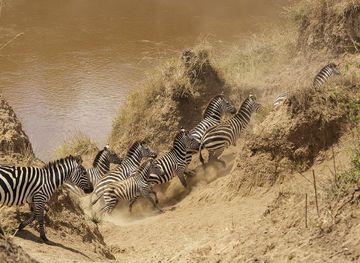
Discover Kenya: A land of breathtaking safaris, rich cultural heritage, and stunning coastlines that promise adventure and relaxation all in one.
Explore Kenya