

Free Nyandarua Range Travel Guide & Mobile App
Explore Nyandarua Range with free travel guides. Discover regional history, expert tips, proposed trips, and audio guides on web or mobile app.


Explore Kenya’s Nyandarua Range for cloud forest, high moorland, waterfalls, wildlife and cool central-highland landscapes near the Rift Valley.
Read more about Nyandarua Range
When is the best time to visit Nyandarua Range?
Best: December–February · 20–21°C| Month | High (°C) | Rainfall (mm) |
|---|---|---|
| January (best) | 20 | 50 |
| February (best) | 21 | 60 |
| March | 21 | 100 |
| April | 21 | 120 |
| May | 20 | 100 |
| June | 20 | 80 |
| July | 19 | 70 |
| August | 20 | 80 |
| September | 20 | 100 |
| October | 21 | 120 |
| November | 20 | 90 |
| December (best) | 20 | 70 |
Getting to and around Nyandarua Range
How to get there
Transportation
Top city travel guides in Nyandarua Range
The cities of Nyandarua Range, and the easiest places to base yourself.

Swipe for more cities
Destinations in Nyandarua Range
Resorts, valleys and scenic spots worth a trip of their own.

Swipe for more destinations
Best attractions in Nyandarua Range
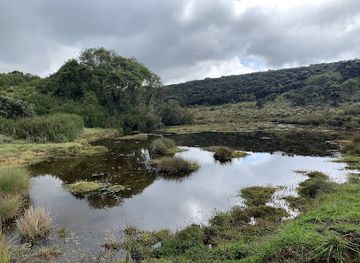
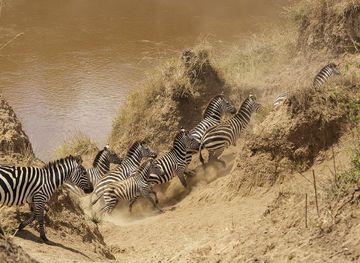
The Nyandarua Range’s main attraction is its changing highland environment. Within Aberdare National Park, game drives pass through lower montane forest, bamboo zones, open heath and high moorland, with opportunities to see elephant, buffalo, zebra, eland, waterbuck and, more occasionally, rhinoceros or leopard. Birdwatchers should look for forest and upland species, while the dense vegetation and mist give the park a different character from Kenya’s open savannah reserves. Karuru Falls and Chania Falls provide major natural viewpoints, and the upper valleys contain streams, bogs and bright alpine vegetation. Mount Satima and the Dragon’s Teeth area are important destinations for guided hiking, though conditions can be cold, wet and exposed. Forest-edge communities and farms offer a contrasting view of cultivated central Kenya, with dairy production, horticulture and small-scale agriculture shaping the settled slopes. Visitors interested in history can explore the wider landscape associated with Mau Mau resistance, preferably through local interpretation rather than treating forest sites as scenery alone. Access, opening arrangements and route conditions vary, so journeys should be planned through current park or accommodation information.
-
Park
Aberdare National Park
Explore Aberdare National Park, a breathtaking Kenyan gem filled with diverse wildlife, stunning landscapes, and rich cultural heritage, perfect for every adventurer.
-
 Lodge
LodgeSarova Lion Hill Game Lodge: Kenya Safari Lodge in Lake Nakuru National Park
Experience the wonders of wildlife at Sarova Lion Hill Game Lodge, an unforgettable retreat in Lake Nakuru National Park, Kenya.
-
Resort hotel
Great Rift Valley Lodge & Golf Resort
Discover the beauty of Kenya at the Great Rift Valley Lodge & Golf Resort, where luxury meets adventure in the heart of the Great Rift Valley.
-
Historical place
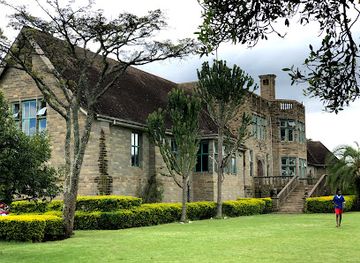
Lord Egerton Castle
Explore the enchanting Lord Egerton Castle, a historical landmark in Nakuru, Kenya, reflecting colonial architecture and rich cultural heritage.
Best landmarks in Nyandarua Range
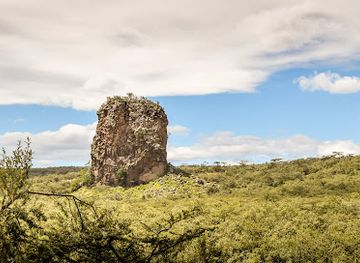
Mount Satima is the defining high point of the Nyandarua Range and a significant destination for walkers seeking broad views across Aberdare uplands, although cloud can conceal the surrounding country. The Dragon’s Teeth, a line of jagged volcanic formations near the summit area, gives the upper landscape its most recognisable profile. Karuru Falls is one of the range’s most prominent natural landmarks, dropping through the moorland in several stages, while Chania Falls marks another dramatic break in the highland terrain. The forested escarpment itself is a landmark on approaches from central Kenya, rising conspicuously above cultivated slopes. Within the protected landscape, bogs, ravines and giant heather are as important visually as individual structures. The range has few monumental buildings of the type found in historic Kenyan cities; its significance lies in the combination of volcanic topography, water catchments, sacred associations, wildlife habitat and the historic forests connected with the Mau Mau period.
-
Park
Aberdare National Park
Explore the breathtaking beauty and diverse wildlife of Aberdare National Park in Kenya, a hidden gem for nature lovers and adventurers.
-
National park
Hells Gate National Park
Discover the breathtaking landscapes and diverse wildlife of Hell's Gate National Park, a top destination for adventurous tourists in Kenya.
-
Historical place
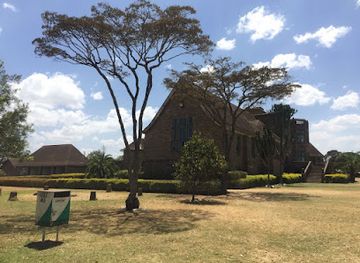
Lord Egerton Castle
Explore the enchanting Lord Egerton Castle, a historical jewel in Nakuru, Kenya, where rich heritage meets stunning architecture and lush gardens.
-
Hiking area
Elephant Hill Hiking Trail (Aberdare ) Njabini, Kenya.
Explore the stunning Elephant Hill Hiking Trail in Njabini, Kenya, where adventure meets breathtaking views and rich biodiversity.

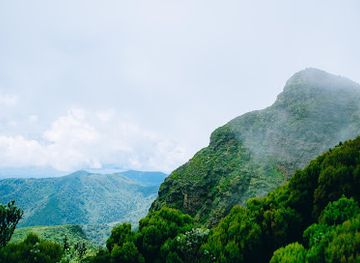
Explore Nyandarua Range on the map
Plan your trip on one map. See where the top cities, national parks and sights are, and book hotels and experiences in a few clicks.
Best hotels in Nyandarua Range
Best restaurants in Nyandarua Range
Dining around the Nyandarua Range is shaped by the food culture of Kenya’s central highlands rather than by a single mountain speciality. Gateway towns and lodges commonly serve Kenyan staples such as nyama choma, grilled meat, ugali, sukuma wiki, beans, potatoes and rice, alongside tea and coffee. The cool climate and fertile volcanic soils support dairy farming, vegetables, fruit and market-garden produce, while nearby agricultural areas are known for milk, cabbages, carrots and other fresh crops. Rural inns and lodge dining rooms tend to emphasise filling meals suited to cold weather, whereas cafés and restaurants in Nyeri, Nyahururu and other nearby towns provide broader menus. Visitors should look for locally prepared chapati, stews, roasted maize and fresh dairy products, and use established markets for seasonal produce. Vegetarian meals are generally available, but choices become more limited in remote park accommodation, where advance arrangements are sensible.
-
Pizza
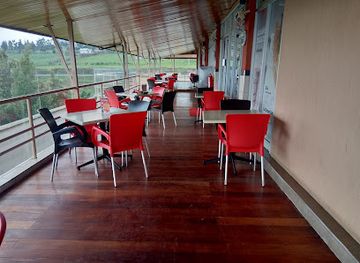
Pizza Inn Kobil View Point
Discover delicious pizzas with stunning views at Pizza Inn Kobil View Point - perfect for dining in or takeaway while exploring Naivasha.
-
Restaurant
Rift Fries Restaurant
Discover culinary delights at Rift Fries Restaurant in Nakuru – where fresh ingredients meet vibrant flavors!
-
Hotel
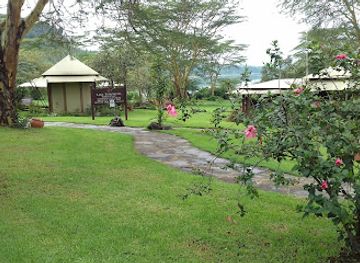
THOMSONS FALLS LODGE
Experience unparalleled tranquility at Thomsons Falls Lodge – where stunning views meet exceptional hospitality in Nyahururu.
-
Restaurant
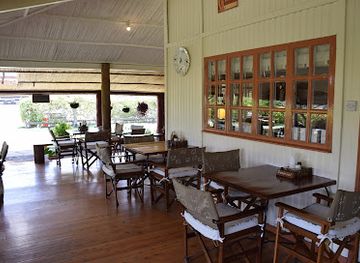
Barney's Bar and Restaurant
Discover the flavors of Kenya at Barney's Bar and Restaurant in Nanyuki - where delicious cuisine meets stunning views.
Best bars in Nyandarua Range
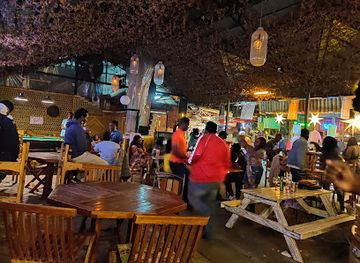
Evening life in the Nyandarua Range is quiet and dispersed, with traditional pubs, hotel bars and restaurants in gateway towns providing the principal social venues. Nyeri and Nyahururu have more choice than the park and forest margins, including places where residents meet for conversation, televised sport and music, but neither town should be approached as a major national clubbing destination. Lodges inside or near the protected area generally focus on early dinners, fireside relaxation and wildlife-oriented schedules rather than late-night entertainment. Some highland towns have lively weekends and occasional live music, although venues and programmes change. In rural districts, evenings are largely community- and accommodation-based, and visitors should avoid walking unfamiliar roads after dark. The region’s cooler climate makes tea, coffee and locally available non-alcoholic drinks as natural an evening choice as beer or spirits.
-
Resort hotel
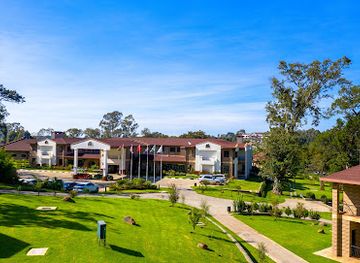
Panari Resort Nyahururu - BW Signature Collection
Discover the serene beauty of Panari Resort Nyahururu, where luxury meets nature in Central Kenya for an unforgettable getaway.
-
Restaurant
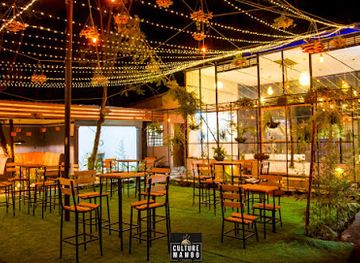
Culture Mambo Lounge
Discover the essence of Nakuru dining at Culture Mambo Lounge, where local flavors meet vibrant culture and entertainment for an unforgettable experience.
-
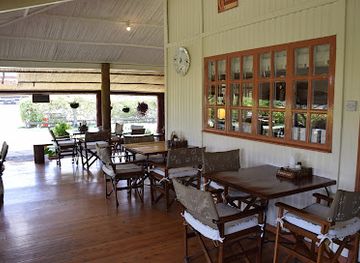
Restaurant
Barney's Bar and Restaurant
Discover delightful Kenyan and international cuisine at Barney's Bar and Restaurant, a culinary gem in Laikipia's breathtaking landscape.
-
Bar
LASIDA GRILL
Discover the vibrant Lasida Grill in Nakuru, where delicious food meets lively music, creating an unforgettable experience for every visitor.

Best nightclubs in Nyandarua Range
Evening life in the Nyandarua Range is quiet and dispersed, with traditional pubs, hotel bars and restaurants in gateway towns providing the principal social venues. Nyeri and Nyahururu have more choice than the park and forest margins, including places where residents meet for conversation, televised sport and music, but neither town should be approached as a major national clubbing destination. Lodges inside or near the protected area generally focus on early dinners, fireside relaxation and wildlife-oriented schedules rather than late-night entertainment. Some highland towns have lively weekends and occasional live music, although venues and programmes change. In rural districts, evenings are largely community- and accommodation-based, and visitors should avoid walking unfamiliar roads after dark. The region’s cooler climate makes tea, coffee and locally available non-alcoholic drinks as natural an evening choice as beer or spirits.
-
Hotel
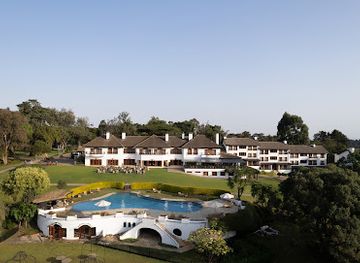
Fairmont Mount Kenya Safari Club
Discover unmatched luxury and stunning nature at Fairmont Mount Kenya Safari Club, a premier destination for relaxation and adventure.
-
Night club
K1 Klub House
Discover the vibrant nightlife and cultural fusion at K1 Klub House, Nairobi's ultimate destination for food, drinks, and entertainment.
-
Club
Moran Lounge Nanyuki
Discover the vibrant nightlife at Moran Lounge Nanyuki, where exciting music and refreshing drinks await in a lively atmosphere.
-
Disco club
The Luxurious Ibiza Nyeri
Unleash your inner party spirit at The Luxurious Ibiza Nyeri, the ultimate disco club in Nyeri for an unforgettable nightlife experience.

Best shops in Nyandarua Range
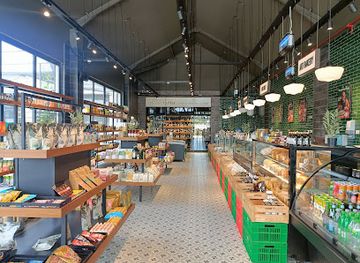
Shopping in and around the Nyandarua Range is practical and agricultural rather than centred on luxury retail. Gateway towns such as Nyeri and Nyahururu provide supermarkets, pharmacies, clothing shops, produce markets and small stores where visitors can buy provisions before entering the park. Local markets are useful for seasonal fruit, vegetables, potatoes, dairy products and ordinary household goods, while roadside stalls may sell tea, roasted maize, snacks and locally grown produce. In larger towns, visitors can find Kenyan textiles, baskets, carvings and other craft items, but quality and provenance vary, so buying directly from reputable makers or established craft outlets is preferable. Good regional purchases include packaged tea or coffee from central Kenya, honey, preserves and farm products where legally and hygienically sold. There is no continuous shopping district in the remote mountain area, and park lodges generally offer only a small selection of souvenirs and essentials.
-
Shopping mall
Westside Mall
Experience the vibrant shopping scene at Westside Mall in Nakuru, where local culture meets modern commerce.
-
Supermarket
Naivas Supermarket - Naivasha Ndogo
Explore the heart of Naivasha at Naivas Supermarket, where local flavors and fresh produce create a unique shopping experience.
-
Shopping mall
Safari Centre
Explore Safari Centre in Naivasha for a unique shopping and dining experience in the heart of Kenya's vibrant culture.
-
Grocery store
Jamaa Supermarkets Nyahururu
Discover authentic Kenyan flavors and local products at Jamaa Supermarkets in Nyahururu, a shopping gem for every traveler.



Get your free copy of our complete guide to Nyandarua Range, delivered straight to you.
Everything on this page, from attractions and restaurants to essentials and local phrases, in one PDF you can read offline, print or share.
Already have an account? Sign in
Your Nyandarua Range guide is ready.
We'll send it to · Not you? Sign out

Getting your guide ready…
We are putting together a fresh copy of the Nyandarua Range guide. This can take up to a minute.
This can take a few moments. If your browser asks, choose Allow so the download can start. You'll find the guide in your Downloads folder.
Nothing happened? Download it again
Sorry, the guide is taking longer than usual. Please try again in a minute, or get it by email instead.
Nyandarua Range essentials
Currency and Payment
Safety
Emergency Situations
Do's and Don'ts
Local Tips
From Eve
Local phrases worth knowing
You don't need to get them perfect. A few words go a long way, and locals appreciate the effort.
Basics
| English | Local | Say it |
|---|---|---|
| Hello | Niaje | [nee-ah-jeh] |
| Goodbye | Kwaheri | [kwah-heh-ree] |
| Yes | Ndiyo | [n-dee-yoh] |
| No | Hapana | [ha-pah-nah] |
| Please/You're welcome | Tafadhali | [tah-fah-dah-lee] |
| Thank you | Asante | [ah-sahn-teh] |
| Excuse me/Sorry | Samahani | [sah-mah-hah-nee] |
| How are you? | Habari gani? | [hah-bah-ree gah-nee] |
| Fine. And you? | Nzuri. Na wewe? | [n-zoo-ree nah weh-weh] |
| Do you speak English? | Unazungumza Kiingereza? | [oo-nah-zoo-ngum-zah kee-een-geh-reh-za] |
| I don't understand | Sielewi | [see-eh-leh-wee] |
Eating & Drinking
| English | Local | Say it |
|---|---|---|
| I'd like to see the menu, please | Ningependa kuona menyu, tafadhali | [neen-geh-pen-dah koo-nah meh-nyoo tah-fah-dah-lee] |
| I don't eat meat | Sikuli nyama | [see-koo-lee nyah-mah] |
| Cheers! | Afya! | [ah-fyah] |
| I would like to pay, please | Ningependa kulipa, tafadhali | [neen-geh-pen-dah koo-lee-pah tah-fah-dah-lee] |
Emergencies
| English | Local | Say it |
|---|---|---|
| Help! | Nisaidie! | [nee-sah-ee-dee-eh] |
| Go away! | Nenda mbali! | [nen-dah m-bah-lee] |
| Call the Police! | Piga simu polisi! | [pee-gah see-moo poh-lee-see] |
| Call a doctor! | Piga simu daktari! | [pee-gah see-moo dahk-tah-ree] |
| I'm lost | Nimepotea | [nee-meh-poh-teh-ah] |
| I'm ill | Niko mgonjwa | [nee-koh m-gon-jwah] |
Shopping
| English | Local | Say it |
|---|---|---|
| I'd like to buy... | Ningependa kununua... | [neen-geh-pen-dah koo-noo-noo-ah] |
| I'm just looking | Natazama tu | [nah-tah-zah-mah too] |
| How much is it? | Ni pesa ngapi? | [nee peh-sah ngah-pee] |
| That's too expensive | Hiyo ni ghali sana | [hee-yoh nee gah-lee sah-nah] |
| Can you lower the price? | Unaweza kupunguza bei? | [oo-nah-weh-zah koo-poon-gah-zee beh-ee] |
Time & Numbers
| English | Local | Say it |
|---|---|---|
| What time is it? | Ni saa ngapi? | [nee sah ngah-pee] |
| It's one o'clock | Ni saa moja | [nee sah moh-jah] |
| Half past (10) | Nusu ya saa kumi | [noo-soo yah sah koo-mee] |
| Morning | Asubuhi | [ah-soo-boo-hee] |
| Afternoon | Mchana | [m-chah-nah] |
| Evening | Jioni | [jee-oh-nee] |
| Yesterday | Jana | [jah-nah] |
| Today | Leo | [leh-oh] |
| Tomorrow | Kesho | [keh-shoh] |
| 1 | Moja | [moh-jah] |
| 2 | Mbili | [m-bee-lee] |
| 3 | Tatu | [tah-too] |
| 4 | Nne | [n-neh] |
| 5 | Tano | [tah-noh] |
| 6 | Sita | [see-tah] |
| 7 | Saba | [sah-bah] |
| 8 | Nane | [nah-neh] |
| 9 | Tisa | [tee-sah] |
| 10 | Kumi | [koo-mee] |
Transport & Directions
| English | Local | Say it |
|---|---|---|
| Where's a/the...? | Wapi ...? | [wah-pee] |
| What's the address? | Nini anwani? | [nee-nee ahn-wah-nee] |
| Can you show me (on the map)? | Unaweza kunionyesha (katika ramani)? | [oo-nah-weh-zah koo-nee-oh-ny-eh-shah kah-tee-kah rah-mah-nee] |
| When's the next (bus)? | Basi inayofuata ni lini? | [bah-see ee-nah-yoh-foo-ah-tah nee lee-nee] |
| A ticket (to ....) | Tiketi (kuenda ...) | [tee-keh-tee koo-en-dah] |
History of Nyandarua Range
Formation of the Aberdare Volcanic Highlands
The Nyandarua Range is part of Kenya’s central volcanic highlands, formed through geological activity associated with the East African Rift system. Erosion later carved its lava and volcanic-rock surfaces into ridges, valleys, waterfalls and high plateaux. The range’s elevation influences rainfall across central Kenya, creating montane forests and wet upland habitats that are quite different from the drier landscapes farther east. Its rivers also became important sources of water for surrounding farming districts and for larger river systems descending towards the lowlands.
Kikuyu Sacred Landscapes and Highland Settlement
Before and alongside colonial rule, the mountain was known to Kikuyu communities as Nyandarua, a name often translated in relation to its distinctive long, raised shape. The highlands and their forests formed part of a cultural landscape connected with Ngai, the supreme deity in Kikuyu belief, whose traditional sacred mountain is Mount Kenya. Most permanent settlement developed on the more accessible lower slopes, where fertile volcanic soils supported cultivation and livestock keeping, while the upper forests remained less densely occupied.
Colonial Forest Administration and Land Change
During the colonial period, the forests and upland watersheds were increasingly placed under state control. Forest reserves, roads and stations were established as officials sought to regulate timber, water catchments and access to highland land. European farms and expanding settler agriculture affected nearby areas, while African communities experienced restrictions on movement and forest use. The resulting boundary between protected forest and cultivated land remains visible around the range, although modern conservation policy increasingly recognises the importance of community relationships with the forest.
The Mau Mau Emergency, 1952–1960
The Aberdare forests became one of the principal operating areas for Mau Mau fighters during Kenya’s struggle against colonial rule. Dense woodland, caves, ravines and difficult weather offered concealment, while nearby Kikuyu communities were drawn into a highly coercive conflict involving the colonial security forces and forced resettlement. The range was the scene of patrols, arrests and military operations during the Emergency. Its history is therefore not simply a story of wilderness: the forests also hold memories of resistance, violence and contested land ownership.
Creation of Aberdare National Park, 1950
Aberdare National Park was established in 1950 to protect the range’s forests, moorlands, wildlife and water catchments. It became one of Kenya’s early national parks and helped secure a large protected area across the upper slopes. Conservation brought benefits for habitat and tourism, but it also formalised restrictions on some traditional forest uses and contributed to continuing debates about access, livelihoods and human-wildlife conflict. Today the protected landscape is managed alongside surrounding farms, forest reserves and community interests.
Conservation, Water and Contemporary Highland Life
In the decades since independence, the Nyandarua highlands have remained important for water storage, biodiversity, tourism and agriculture. Rivers rising in the range support communities and ecosystems well beyond the immediate mountain valleys. Conservation programmes have focused on forest restoration, protection of endangered species and reducing pressure from illegal logging and grazing. At the same time, tea, dairy farming, horticulture and smallholder cultivation shape the settled margins. The region’s contemporary character reflects an ongoing balance between environmental protection and the needs of neighbouring communities.
Nyandarua Range in Photos
Browse through our photo collection highlighting the charm and character of the destination.
Neighbouring regions of Nyandarua Range
The closest regions to Nyandarua Range, if you have time for more than one.
-

-

-

-

-


Swipe for more regions
Explore more
Explore more of Kenya
Discover Kenya: A land of breathtaking safaris, rich cultural heritage, and stunning coastlines that promise adventure and relaxation all in one.
Explore Kenya