

Free Aberdare Range Travel Guide & Mobile App
Explore Aberdare Range with free travel guides. Discover regional history, expert tips, proposed trips, and audio guides on web or mobile app.


Explore Kenya’s Aberdare Range for misty forests, high moorlands, waterfalls, wildlife and cool mountain scenery near Nyeri.
Read more about Aberdare Range
When is the best time to visit Aberdare Range?
Best: January–February, June · 19–20°C| Month | High (°C) | Rainfall (mm) |
|---|---|---|
| January (best) | 19 | 45 |
| February (best) | 19 | 35 |
| March | 20 | 80 |
| April | 21 | 100 |
| May | 21 | 100 |
| June (best) | 20 | 40 |
| July | 18 | 40 |
| August | 18 | 40 |
| September | 19 | 50 |
| October | 20 | 70 |
| November | 19 | 70 |
| December | 19 | 55 |
Getting to and around Aberdare Range
How to get there
Transportation
Top city travel guides in Aberdare Range
The cities of Aberdare Range, and the easiest places to base yourself.

Swipe for more cities
Destinations in Aberdare Range
Resorts, valleys and scenic spots worth a trip of their own.

Swipe for more destinations
Best attractions in Aberdare Range
Aberdare National Park is the dominant attraction, offering forest drives, high moorland scenery, wildlife observation and viewpoints over steep valleys. The park is known for elephant, buffalo, leopard, black rhinoceros and, where conditions allow, the elusive bongo, while birdwatching is rewarding in both forest and open upland habitats. Karuru Falls and Chania Falls are among the best-known waterfall destinations, although access and visibility can depend on road conditions and weather. Forest tracks lead through changing vegetation zones, from dense highland woodland and bamboo to giant heath and tussock-covered ridges. Lodge-based wildlife viewing around waterholes provides an opportunity to watch animals after dark in a controlled setting, while the Treetops area adds a notable royal-history association. Beyond the park, farms, villages and forest-edge landscapes show how strongly the range is connected to central Kenya’s water supply and agricultural economy. Outdoor activities should be arranged through authorised operators or park staff, since steep ground, wildlife and rapidly changing weather make unaccompanied exploration unsuitable in many places.
-
Tourist attraction
Aberdare National Park
Immerse yourself in the lush landscapes and diverse wildlife of Aberdare National Park, a stunning Kenyan gem perfect for outdoor adventures and exploration.
-
Tourist attraction
Watamu Boat Rides Naivasha
Explore the captivating beauty of Naivasha with serene boat rides amidst stunning landscapes and rich wildlife.
-
Tourist attraction
Kariandusi Museum
Discover the rich archaeological heritage of Kenya at Kariandusi Museum, where history comes alive through ancient artifacts and engaging exhibits.
-
Tourist attraction
Malewa Bush Ventures
Discover the beauty of Kenya at Malewa Bush Ventures, where adventure meets tranquility in the heart of nature.

Best landmarks in Aberdare Range
Karuru Falls is one of the Aberdare Range’s most recognisable natural landmarks, dropping through a forested gorge in a series of tiers and surrounded by the cool, rain-fed landscape for which the mountains are known. Chania Falls provides another prominent waterfall viewpoint, with plunging water and steep woodland adding drama to the park’s river valleys. Mount Satima, the range’s highest peak, rises to about 4,001 metres and forms part of the open alpine landscape of high moorland, giant heath and distinctive upland vegetation. The forested Treetops setting is a landmark of a different kind: its importance comes from the 1952 royal succession story associated with Princess Elizabeth. Together, these places represent the range’s principal identities—water source, high mountain environment, protected forest and historically significant travel landscape—rather than a concentration of monumental architecture.
-
Park
Aberdare National Park
Discover the enchanting Aberdare National Park, a haven of biodiversity and stunning landscapes in the heart of Kenya's highlands.
-
Island
Cresent Island
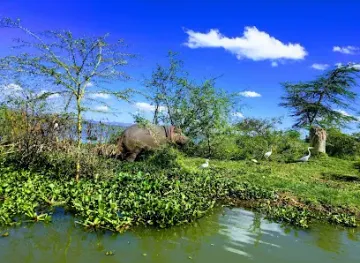
Discover the enchanting Crescent Island in Lake Naivasha, Kenya - a wildlife paradise with breathtaking views and serene landscapes.
-
Tourist attraction
Hell's gate National park
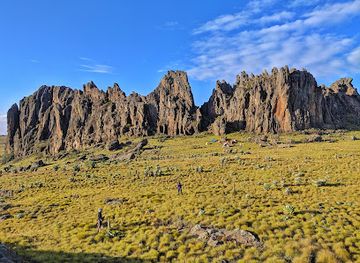
Discover the stunning landscapes and diverse wildlife of Hell's Gate National Park, a must-visit destination near Naivasha, Kenya, perfect for adventure seekers and nature lovers.
Explore Aberdare Range on the map
Plan your trip on one map. See where the top cities, national parks and sights are, and book hotels and experiences in a few clicks.
Best hotels in Aberdare Range
Best restaurants in Aberdare Range
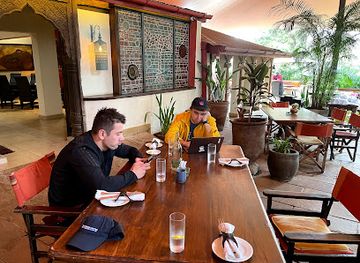
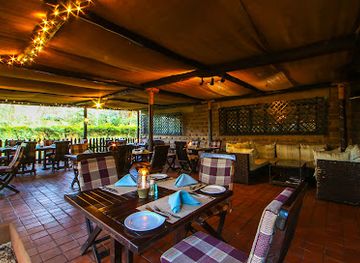
Dining in the Aberdare Range is primarily lodge-based, with meals often arranged as part of accommodation or safari packages rather than chosen from a dense restaurant scene. Menus commonly combine Kenyan and international preparations, using ingredients supplied from the productive central highlands. Around Nyeri and other gateway towns, visitors can find ordinary Kenyan cafés, hotels and restaurants serving dishes such as nyama choma, grilled meat, stews, chapati, rice, ugali and vegetables; these reflect the wider national food culture rather than a cuisine exclusive to the Aberdares. Tea and coffee are particularly appropriate choices in this cool agricultural region, which lies near important highland growing areas. Rural stops may offer simple meals, but visitors travelling into the park should not assume that food can be bought along every route. Vegetarian meals can usually be arranged with advance notice, and guests with dietary restrictions should tell their lodge or tour operator before travelling into the remote parts of the range.
-
Restaurant
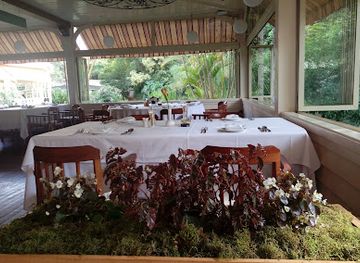
Talisman Restaurant
Experience exquisite dining at Talisman Restaurant in Nairobi – where local flavors meet global culinary art in a stunning garden setting.
-
Restaurant
About Thyme Restaurant
Discover exquisite cuisine in Nairobi at About Thyme Restaurant - where great food meets exceptional service in a charming setting.
-
Restaurant
The Lord Erroll
Discover the exquisite flavors of The Lord Erroll in Nairobi - where elegance meets culinary excellence.
-
Restaurant
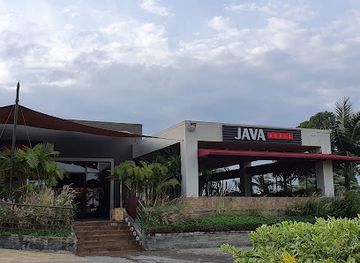
Java House
Discover Java House in Naivasha - where delicious food meets Kenyan hospitality amidst breathtaking landscapes.
Best bars in Aberdare Range
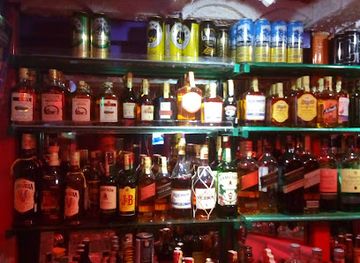
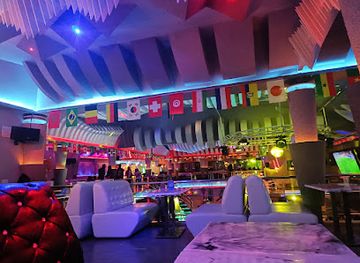
Nightlife in the Aberdare Range is quiet and closely tied to lodge dining, campfire settings and early starts for wildlife drives rather than to clubs. Established lodges may offer a bar where guests can have a drink, discuss the day’s sightings and look out over forest or waterhole views, but opening arrangements vary and alcohol should not be taken into the wilderness or consumed before driving. In Nyeri and other gateway towns, evening options include hotel bars, modest pubs, restaurants and occasional live entertainment, with a more locally oriented atmosphere than a dedicated tourist nightlife district. Rural accommodation generally becomes calm after dinner, especially when guests are preparing for dawn activities. The appeal of an evening here is the soundscape and highland setting, not a large late-night entertainment industry.
-
Bar
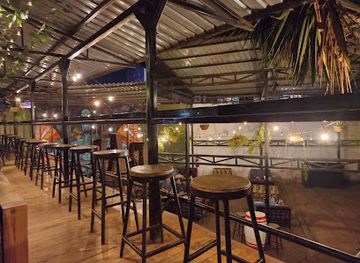
The Alchemist
Experience Nairobi's vibrant nightlife at The Alchemist, where innovative cocktails and lively events await in a unique social hub.
-
Park
Aberdare National Park
Explore Aberdare National Park, a lush escape filled with diverse wildlife, stunning landscapes, and rich cultural heritage in Kenya.
-
Grill
IBIZA CLUB
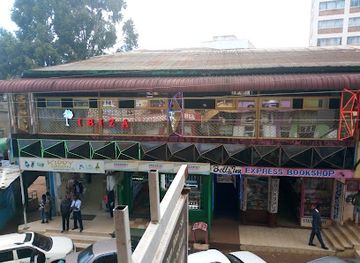
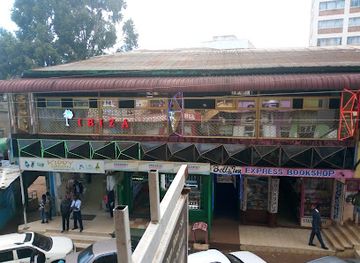
Discover the lively ambiance, delicious food, and great music at Ibiza Club in Nyeri, the ultimate nightlife destination for tourists.
-
Bar
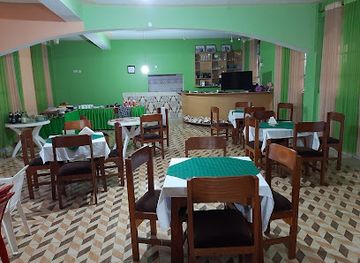
County Palace Lounge
Discover the vibrant nightlife at County Palace Lounge, Nyeri's premier bar and disco club, where fun and relaxation meet in a lively atmosphere.
Best nightclubs in Aberdare Range
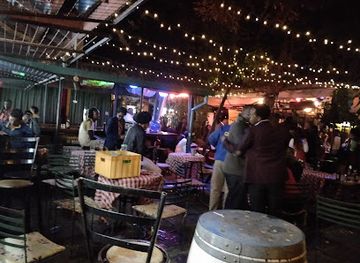
Nightlife in the Aberdare Range is quiet and closely tied to lodge dining, campfire settings and early starts for wildlife drives rather than to clubs. Established lodges may offer a bar where guests can have a drink, discuss the day’s sightings and look out over forest or waterhole views, but opening arrangements vary and alcohol should not be taken into the wilderness or consumed before driving. In Nyeri and other gateway towns, evening options include hotel bars, modest pubs, restaurants and occasional live entertainment, with a more locally oriented atmosphere than a dedicated tourist nightlife district. Rural accommodation generally becomes calm after dinner, especially when guests are preparing for dawn activities. The appeal of an evening here is the soundscape and highland setting, not a large late-night entertainment industry.
-
Night club
K1 Klub House
Experience the pulse of Nairobi at K1 Klub House, where nightlife, dining, and culture blend seamlessly for an unforgettable evening.
-
Grill
IBIZA CLUB
Discover the vibrant nightlife and delicious grilled cuisine at Ibiza Club, Nyeri's premier grill and bar destination for unforgettable evenings.
-
 Disco club
The Luxurious Ibiza Nyeri
Discover the vibrant nightlife at The Luxurious Ibiza Nyeri, where electrifying music and an unforgettable atmosphere await.
-
Night club
Party Island Lounge - Naivasha
Party Island Lounge in Naivasha offers an unforgettable nightlife experience with lively music, delicious cocktails, and a vibrant atmosphere.
Best shops in Aberdare Range
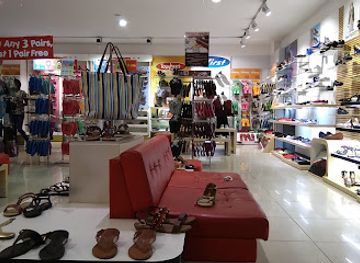
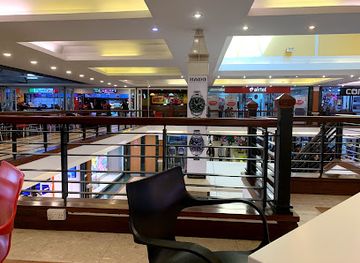
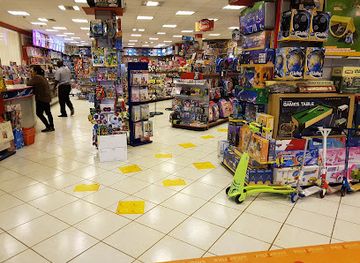
Shopping in the Aberdare Range is concentrated in gateway towns such as Nyeri and in small settlements around the mountain approaches, rather than in a major retail district inside the protected landscape. Local markets and ordinary town shops are useful for fruit, vegetables, snacks, basic supplies and practical clothing, while supermarkets and established stores provide a wider selection before a park visit. Visitors may find Kenyan craftwork, woven goods, woodcarvings, baskets, jewellery and small souvenirs through reputable shops, lodges or organised craft outlets; check that natural materials and wildlife products are legally sourced. Highland tea and coffee, where properly packaged and labelled, make practical regional gifts, as can honey and other farm products from central Kenya. Prices and stock vary, and remote lodge shops are usually limited, so buy essential supplies and cash in Nyeri or another gateway town before entering the forest.
-
Shopping mall
Two Rivers
Experience luxury shopping, diverse dining, and vibrant entertainment at Two Rivers Mall, Nairobi's premier shopping destination.
-
Shopping mall
TRM - Thika Road Mall
Explore TRM - Thika Road Mall in Nairobi for a diverse shopping experience, delicious dining options, and family-friendly entertainment.
-
Shopping mall
The Junction Mall
Experience the vibrant shopping culture of Nairobi at The Junction Mall, a hub of retail, dining, and entertainment.
-
Shopping mall
Village Market
Explore Village Market in Nairobi – a vibrant shopping, dining, and entertainment destination that celebrates Kenyan culture and modern lifestyle.

Get your free copy of our complete guide to Aberdare Range, delivered straight to you.
Everything on this page, from attractions and restaurants to essentials and local phrases, in one PDF you can read offline, print or share.
Already have an account? Sign in
Your Aberdare Range guide is ready.
We'll send it to · Not you? Sign out

Getting your guide ready…
We are putting together a fresh copy of the Aberdare Range guide. This can take up to a minute.
This can take a few moments. If your browser asks, choose Allow so the download can start. You'll find the guide in your Downloads folder.
Nothing happened? Download it again
Sorry, the guide is taking longer than usual. Please try again in a minute, or get it by email instead.
Aberdare Range essentials
Currency and Payment
Safety
Emergency Situations
Do's and Don'ts
Local Tips
From Eve
Local phrases worth knowing
You don't need to get them perfect. A few words go a long way, and locals appreciate the effort.
Basics
| English | Local | Say it |
|---|---|---|
| Hello | Hello | [Hello] |
| Goodbye | Goodbye | [Goodbye] |
| Yes | Yes | [Yes] |
| No | No | [No] |
| Please/You're welcome | Please/You're welcome | [Please/You're welcome] |
| Thank you | Thank you | [Thank you] |
| Excuse me/Sorry | Excuse me/Sorry | [Excuse me/Sorry] |
| How are you? | How are you? | [How are you?] |
| Fine. And you? | Fine. And you? | [Fine. And you?] |
| Do you speak English? | Do you speak English? | [Do you speak English?] |
| I don't understand | I don't understand | [I don't understand] |
Eating & Drinking
| English | Local | Say it |
|---|---|---|
| I'd like to see the menu, please | I'd like to see the menu, please | [I'd like to see the menu, please] |
| I don't eat meat | I don't eat meat | [I don't eat meat] |
| Cheers! | Cheers! | [Cheers!] |
| I would like to pay, please | I would like to pay, please | [I would like to pay, please] |
Emergencies
| English | Local | Say it |
|---|---|---|
| Help! | Help! | [Help!] |
| Go away! | Go away! | [Go away!] |
| Call the Police! | Call the Police! | [Call the Police!] |
| Call a doctor! | Call a doctor! | [Call a doctor!] |
| I'm lost | I'm lost | [I'm lost] |
| I'm ill | I'm ill | [I'm ill] |
Shopping
| English | Local | Say it |
|---|---|---|
| I'd like to buy... | I'd like to buy... | [I'd like to buy...] |
| I'm just looking | I'm just looking | [I'm just looking] |
| How much is it? | How much is it? | [How much is it?] |
| That's too expensive | That's too expensive | [That's too expensive] |
| Can you lower the price? | Can you lower the price? | [Can you lower the price?] |
Time & Numbers
| English | Local | Say it |
|---|---|---|
| What time is it? | What time is it? | [What time is it?] |
| It's one o'clock | It's one o'clock | [It's one o'clock] |
| Half past (10) | Half past (10) | [Half past (10)] |
| Morning | Morning | [Morning] |
| Afternoon | Afternoon | [Afternoon] |
| Evening | Evening | [Evening] |
| Yesterday | Yesterday | [Yesterday] |
| Today | Today | [Today] |
| Tomorrow | Tomorrow | [Tomorrow] |
| 1 | 1 | [1] |
| 2 | 2 | [2] |
| 3 | 3 | [3] |
| 4 | 4 | [4] |
| 5 | 5 | [5] |
| 6 | 6 | [6] |
| 7 | 7 | [7] |
| 8 | 8 | [8] |
| 9 | 9 | [9] |
| 10 | 10 | [10] |
Transport & Directions
| English | Local | Say it |
|---|---|---|
| Where's a/the...? | Where's a/the...? | [Where's a/the...?] |
| What's the address? | What's the address? | [What's the address?] |
| Can you show me (on the map)? | Can you show me (on the map)? | [Can you show me (on the map)?] |
| When's the next (bus)? | When's the next (bus)? | [When's the next (bus)?] |
| A ticket (to ....) | A ticket (to ....) | [A ticket (to ....)] |
History of Aberdare Range
Kikuyu Landscape and the Nyandarua Name
Before the range became a formal conservation destination, its forests, ridges and watercourses formed part of the traditional landscape of Kikuyu-speaking communities. The name Nyandarua is widely used locally for the range and is commonly associated with the appearance of a stretched or drying hide, referring to the mountain profile. Sacred groves, highland resources and rivers connected the forest to surrounding settlement and agriculture. This cultural geography remains important when interpreting the Aberdare landscape: it is not simply wilderness separated from human history, but a mountain environment with long-standing relationships between communities, land and water.
Exploration and Colonial Naming in the Nineteenth Century
European mapping and exploration of the central Kenyan highlands increased during the late nineteenth century as colonial interests expanded inland from the coast. The range acquired the name Aberdare after Lord Aberdare, a British statesman who chaired the Royal Geographical Society. European descriptions often emphasised its forests, difficult terrain and high rainfall, while African communities already possessed their own names, routes and knowledge of the mountains. This period laid the groundwork for later colonial administrative and conservation boundaries, many of which did not reflect older local patterns of access and use.
Forest Reserves and the Creation of Aberdare National Park
During the colonial period, sections of the Aberdare forests were placed under formal forest management, partly because the range was an important source of timber and water. After Kenya’s independence, Aberdare National Park was established in 1950, creating a protected high-altitude sanctuary around much of the central ridge. Conservation has since focused on safeguarding forest, moorland, rivers and wildlife while managing the pressures of farming, settlement, roads and tourism on the surrounding slopes. The park’s history reflects the wider evolution of Kenyan conservation, from colonial forest control towards national wildlife and catchment protection.
The Aberdare Forests and the Mau Mau Period
In the 1950s, the forests and rugged ridges of the Aberdare Range became important to the Mau Mau uprising against British colonial rule. Forest-based fighters used the difficult terrain for movement, shelter and resistance, while colonial forces mounted operations to control the highlands and surrounding settlements. The conflict left a complex legacy involving land, political authority and memories of violence. Travellers should treat this history with respect: the forest is not only a wildlife setting but also a place connected to Kenya’s struggle for independence and the experiences of communities living around the range.
Treetops and the Royal Association of 1952
The forest lodge known as Treetops gained international recognition through the visit of Princess Elizabeth in February 1952. She was staying there when news arrived that her father, King George VI, had died, and she returned to Britain as Queen Elizabeth II. The episode became one of the most widely repeated stories associated with the Aberdare Range and helped establish the area’s place in international tourism. Its significance is historical rather than a reason to expect a grand royal monument: the surrounding forest, lodge tradition and changing conservation landscape are the enduring context.
Post-Independence Conservation and Water Protection
Since independence, protection of the Aberdare ecosystem has increasingly been linked to water security as well as wildlife. The range feeds rivers and catchments serving farms, towns and densely settled parts of central Kenya, making forest conservation significant far beyond park boundaries. The Aberdare ecosystem has faced pressures from illegal logging, charcoal production, fire, cultivation and human-wildlife conflict, leading to stronger efforts involving government agencies, conservation organisations and local communities. Modern visits therefore take place within a landscape where tourism, biodiversity, livelihoods and the protection of water sources are closely connected.
Aberdare Range in Photos
Browse through our photo collection highlighting the charm and character of the destination.
Neighbouring regions of Aberdare Range
The closest regions to Aberdare Range, if you have time for more than one.
-

-

-

-

-


Swipe for more regions
Explore more
Explore more of Kenya
Discover Kenya: A land of breathtaking safaris, rich cultural heritage, and stunning coastlines that promise adventure and relaxation all in one.
Explore Kenya