

Free Great Rift Valley Travel Guide & Mobile App
Explore Great Rift Valley with free travel guides. Discover regional history, expert tips, proposed trips, and audio guides on web or mobile app.


Explore Kenya’s Great Rift Valley for volcanic landscapes, wildlife reserves, bird-filled lakes, escarpment views and living pastoral cultures.
Read more about Great Rift Valley
When is the best time to visit Great Rift Valley?
Best: January, August–September · 23–25°C| Month | High (°C) | Rainfall (mm) |
|---|---|---|
| January (best) | 25 | 40 |
| February | 25 | 50 |
| March | 26 | 80 |
| April | 25 | 120 |
| May | 25 | 100 |
| June | 23 | 40 |
| July | 23 | 30 |
| August (best) | 23 | 30 |
| September (best) | 24 | 30 |
| October | 24 | 60 |
| November | 24 | 100 |
| December | 24 | 60 |
Getting to and around Great Rift Valley
How to get there
Transportation
Best attractions in Great Rift Valley
The Great Rift Valley’s attractions are defined by geology, wildlife and contrasting lake environments. Around Naivasha, visitors can combine boat trips, birdwatching and walking or cycling in Hell’s Gate National Park, where towering cliffs and geothermal features create a distinctive landscape. Lake Nakuru National Park offers game drives, rhino habitat and woodland and escarpment scenery, while nearby Lake Elementaita is valued for birdlife and its archaeological setting. Farther north, Lake Bogoria is known for hot springs and volcanic surroundings, and Lake Baringo provides a freshwater setting for birdwatching and boat excursions. The Maasai Mara, in the southern Rift Valley, is one of Kenya’s leading wildlife destinations, with open grasslands and high concentrations of large mammals. Remote Lake Turkana offers a very different experience of desert, volcanic terrain, fishing communities and archaeological heritage. Hiking on Mount Longonot and exploring the Kerio Valley add active and scenic dimensions, although routes and access conditions should be checked locally.
-
Tourist attraction
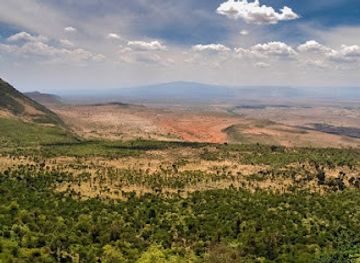
Great Rift Valley viewpoint
Experience the stunning vistas and natural beauty at the Great Rift Valley Viewpoint, a geological marvel in Kenya that captivates every traveler.
-
Tourist attraction
Rift Valley
Discover the breathtaking beauty and rich cultural heritage of the Rift Valley, a must-visit destination for nature lovers and adventure seekers in Kenya.
Best landmarks in Great Rift Valley
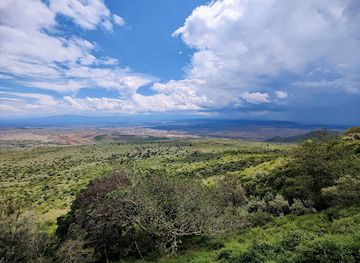
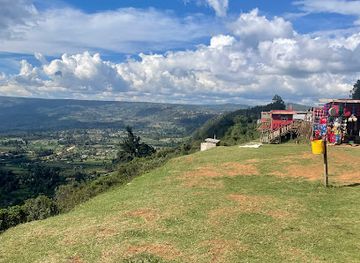
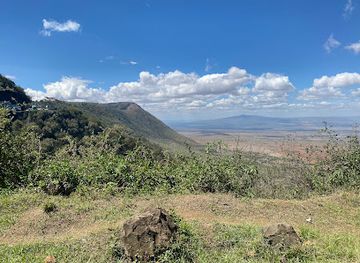
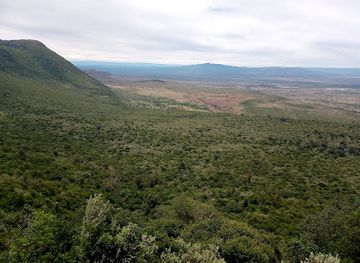
The escarpments are the Great Rift Valley’s most recognisable physical landmarks, particularly where the road from Nairobi descends towards the central lakes and the viewpoints reveal the valley floor below. Mount Longonot, a dormant stratovolcano near Naivasha, forms a prominent cone and offers a demanding hiking route around its crater rim when conditions permit. Lake Nakuru, Lake Naivasha, Lake Elementaita and Lake Bogoria each have a distinct visual character, from freshwater woodland to alkaline shores, hot springs and volcanic hills. In the north, Lake Turkana’s wide blue-green expanse against arid desert and basaltic mountains creates one of Kenya’s most unusual landscapes. The Kerio Escarpment, overlooking the valley in the west, is another major geographical feature, with sweeping views across cultivated highlands and lower plains. Koobi Fora and other sites around Lake Turkana are important archaeological landmarks because their exposed sediments preserve evidence central to the study of human evolution. These places matter not only as scenic viewpoints but as records of tectonic change, climate and deep human history.
-
Tourist attraction
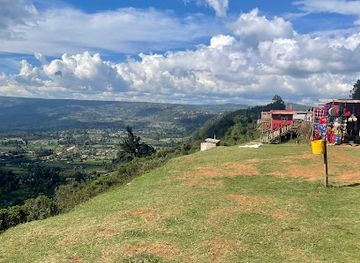
Great Rift Valley viewpoint
Discover the stunning landscapes of the Great Rift Valley Viewpoint, an unforgettable natural gem in Kenya offering breathtaking vistas and rich ecology.
-
Scenic spot
Rift Valley View Point
Experience the breathtaking beauty of the Great Rift Valley at Rift Valley View Point, a must-see scenic spot for nature lovers and photographers alike.
-
Historical place
The Great Rift Valley View Point
Explore the stunning landscapes of the Great Rift Valley View Point in Kenya, a historical site offering breathtaking views and rich cultural experiences.
-
Tourist attraction
Rift Valley
Discover the breathtaking landscapes and rich wildlife of the Rift Valley, a geological wonder and cultural treasure in Kenya.
Explore Great Rift Valley on the map
Plan your trip on one map. See where the top cities, national parks and sights are, and book hotels and experiences in a few clicks.
Best hotels in Great Rift Valley
Best restaurants in Great Rift Valley
Dining across the Great Rift Valley reflects Kenya’s wider food culture alongside produce from fertile highlands, pastoral areas and lakeside communities. In Nakuru and Naivasha, restaurants, cafés and hotels commonly serve Kenyan staples such as nyama choma, grilled meat, ugali, sukuma wiki, chapati and rice, alongside international dishes for safari travellers. Farmed vegetables, fruit, dairy products, tea and coffee are prominent in the central highlands, while trout is associated with parts of Kenya’s cool upland fishing country rather than the alkaline lakes themselves. Around freshwater Lake Naivasha and Lake Baringo, fish may feature in local meals, although availability and preparation vary. Lodges and tented camps generally provide set menus suited to safari schedules, while market towns offer simpler, more local meals. Rural inns and roadside eateries can be rewarding but may have limited menus, so visitors with dietary requirements should communicate them in advance.
-
Restaurant
Trout Tree Restaurant
Discover Trout Tree Restaurant: A unique dining experience in Nanyuki with fresh trout and stunning natural views by the Burguret River.
-
Hotel
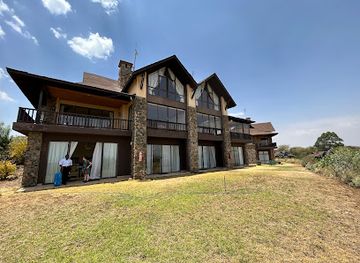
Great Rift Valley Lodge - Restaurant
Experience exquisite breakfast dining at the Great Rift Valley Lodge amidst breathtaking landscapes and rich local flavors.
-
Restaurant
Oasis Restaurant
Experience delightful cuisine at Oasis Restaurant in Nakuru - where local flavors meet global tastes in a warm and welcoming setting.
-
Restaurant
The Cliff
Experience exceptional dining with breathtaking views at The Cliff in Iten - where culinary delights meet nature's splendor.

Best bars in Great Rift Valley
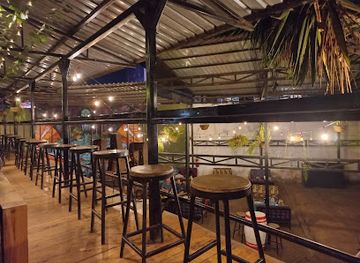
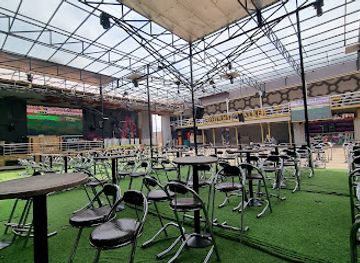
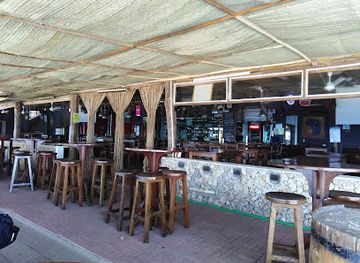
Nightlife in the Great Rift Valley is generally low-key and concentrated in Nakuru, Naivasha and the larger market towns rather than organised around a single regional club scene. These centres have pubs, hotel bars, cafés, restaurants, sports-viewing venues and occasional live music, while the evening culture of smaller settlements often revolves around local eateries and neighbourhood establishments. Safari lodges and camps provide relaxed bars and outdoor dining, but their schedules follow early morning game drives and may be quiet after dinner. Naivasha has a stronger visitor-oriented evening scene because of its hotels, weekend guests and nearby attractions. In remote areas around Baringo, the Mara and Lake Turkana, choice is limited and accommodation-based rather than town-based. Breweries, wines and spirits available in the region are part of Kenya’s national drinks market, not a single distinctive Rift Valley tradition, and responsible consumption is especially important when travelling long distances or near wildlife.
-
Bar
The Alchemist
Discover Nairobi's nightlife at The Alchemist, a vibrant bar and event venue with live music, great food, and an electric atmosphere.
-
Lounge
Quiver Lounge - Thika Road
Experience the vibrant atmosphere and delicious offerings at Quiver Lounge, a premier destination on Thika Road in Nairobi.
-
Brewpub
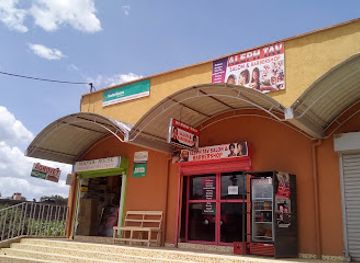
Brew Bistro and Lounge
Experience the vibrant flavors and craft brews at Brew Bistro and Lounge, Nairobi's top destination for gourmet dining and lively entertainment.
-
Lounge
Moonshine Beach Bar
Experience the vibrant atmosphere and stunning views at Moonshine Beach Bar, Mombasa's premier lounge for relaxation and nightlife.
Best nightclubs in Great Rift Valley
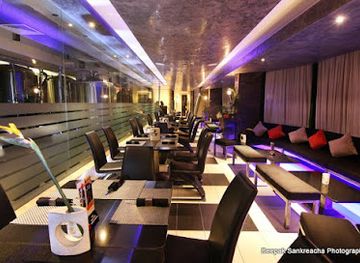
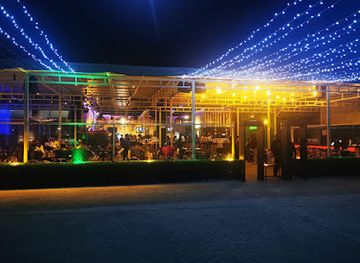
Nightlife in the Great Rift Valley is generally low-key and concentrated in Nakuru, Naivasha and the larger market towns rather than organised around a single regional club scene. These centres have pubs, hotel bars, cafés, restaurants, sports-viewing venues and occasional live music, while the evening culture of smaller settlements often revolves around local eateries and neighbourhood establishments. Safari lodges and camps provide relaxed bars and outdoor dining, but their schedules follow early morning game drives and may be quiet after dinner. Naivasha has a stronger visitor-oriented evening scene because of its hotels, weekend guests and nearby attractions. In remote areas around Baringo, the Mara and Lake Turkana, choice is limited and accommodation-based rather than town-based. Breweries, wines and spirits available in the region are part of Kenya’s national drinks market, not a single distinctive Rift Valley tradition, and responsible consumption is especially important when travelling long distances or near wildlife.
-
Lounge
Onyx Lounge & Restaurant
Discover the vibrant nightlife at Onyx Lounge & Restaurant, where exquisite dining meets energetic music in Nairobi's Marsabit Plaza.
-
Night club
The Tunnel
Discover Nairobi's nightlife at The Tunnel, a lively night club offering great music, delicious grill dishes, and an unbeatable atmosphere for all party lovers.
-
Disco club
BLACK STARS Club & Lounge
Discover Nairobi's nightlife at BLACK STARS Club & Lounge, where music, dance, and unforgettable experiences come together.
-
Night club
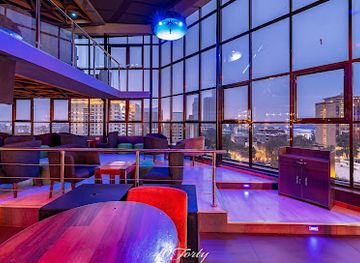
40Forty Lounge
Discover the electric atmosphere of 40Forty Lounge, Nairobi's premier night club, where great music and diverse crowds create unforgettable nights.


Best shops in Great Rift Valley
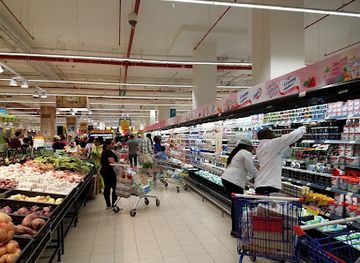
Shopping in the Great Rift Valley is centred on market towns, craft outlets, roadside stalls and safari-oriented shops rather than large-scale luxury retail. Nakuru and Naivasha offer the broadest choice of supermarkets, clothing, books, household goods and locally made crafts, while smaller towns are useful for fresh produce and everyday supplies. Markets may sell baskets, beadwork, woven goods, leather items and carved objects, but quality and provenance vary, so buy respectfully and avoid anything presented as an archaeological artefact, fossil or protected wildlife product. Around Maasai communities, beadwork and textiles can provide appropriate souvenirs when purchased through transparent, locally organised channels. Tea, coffee, honey, dried foods and other farm products make practical regional gifts, subject to customs rules and airline restrictions. Remote northern areas have limited retail infrastructure, so stock up in larger towns and treat shopping there as a community exchange rather than expecting a conventional tourist district.
-
Shopping mall
Two Rivers
Explore Two Rivers Mall: Nairobi's premier destination for shopping, dining, and entertainment, blending luxury with local charm.
-
Shopping mall
TRM - Thika Road Mall
Discover the vibrant TRM - Thika Road Mall in Nairobi, a shopping paradise with diverse stores, delightful dining, and exciting entertainment options.
-
Shopping mall
Garden City Mall
Discover Nairobi's premier shopping destination at Garden City Mall, where fashion, dining, and entertainment come together for an unforgettable experience.
-
Shopping mall
The Junction Mall
Experience the best of shopping, dining, and entertainment at The Junction Mall in Nairobi, a vibrant hub for tourists and locals alike.

Get your free copy of our complete guide to Great Rift Valley, delivered straight to you.
Everything on this page, from attractions and restaurants to essentials and local phrases, in one PDF you can read offline, print or share.
Already have an account? Sign in
Your Great Rift Valley guide is ready.
We'll send it to · Not you? Sign out

Getting your guide ready…
We are putting together a fresh copy of the Great Rift Valley guide. This can take up to a minute.
This can take a few moments. If your browser asks, choose Allow so the download can start. You'll find the guide in your Downloads folder.
Nothing happened? Download it again
Sorry, the guide is taking longer than usual. Please try again in a minute, or get it by email instead.
Great Rift Valley essentials
Currency and Payment
Safety
Emergency Situations
Do's and Don'ts
Local Tips
From Eve
Local phrases worth knowing
You don't need to get them perfect. A few words go a long way, and locals appreciate the effort.
Basics
| English | Local | Say it |
|---|---|---|
| Hello | Sijambo | [see-jahm-bo] |
| Goodbye | Kwaheri | [kwah-heh-ree] |
| Yes | Ndiyo | [n-dee-yo] |
| No | Hapana | [ha-pah-nah] |
| Please/You're welcome | Tafadhali | [tah-fah-thah-lee] |
| Thank you | Asante | [ah-sahn-teh] |
| Excuse me/Sorry | Pole | [poh-leh] |
| How are you? | Habari gani? | [ha-bah-ree gah-nee] |
| Fine. And you? | Nzuri. Na wewe? | [n-zoo-ree nah weh-weh] |
| Do you speak English? | Unazungumza Kiingereza? | [oo-nah-zoo-ngum-zah kee-in-ge-reh-zah] |
| I don't understand | Sielewi | [see-eh-leh-wee] |
Eating & Drinking
| English | Local | Say it |
|---|---|---|
| I'd like to see the menu, please | Ningependa kuona menyu, tafadhali | [neen-geh-pen-dah koo-nah men-yoo tah-fah-thah-lee] |
| I don't eat meat | Sikula nyama | [see-koo-lah nyah-mah] |
| Cheers! | Afya! | [ah-fyah] |
| I would like to pay, please | Ningependa kulipa, tafadhali | [neen-geh-pen-dah koo-lee-pah tah-fah-thah-lee] |
Emergencies
| English | Local | Say it |
|---|---|---|
| Help! | Nisaidie! | [nee-sah-ee-dee-eh] |
| Go away! | Ondoka! | [on-doh-kah] |
| Call the Police! | Piga simu polisi! | [pee-gah see-moo poh-lee-see] |
| Call a doctor! | Piga simu daktari! | [pee-gah see-moo dahk-tah-ree] |
| I'm lost | Nimepotea | [nee-meh-poh-teh-ah] |
| I'm ill | Nina ugonjwa | [nee-nah oo-gon-jwah] |
Shopping
| English | Local | Say it |
|---|---|---|
| I'd like to buy... | Ningependa kununua... | [neen-geh-pen-dah koo-noo-noo-ah] |
| I'm just looking | Natazama tu | [nah-tah-zah-mah too] |
| How much is it? | Ni pesa ngapi? | [nee peh-sah ngah-pee] |
| That's too expensive | Hiyo ni ghali sana | [hee-yoh nee gah-lee sah-nah] |
| Can you lower the price? | Unaweza kupunguza bei? | [oo-nah-weh-zah koo-pun-guh-zah bay] |
Time & Numbers
| English | Local | Say it |
|---|---|---|
| What time is it? | Ni saa ngapi? | [nee sah ngah-pee] |
| It's one o'clock | Ni saa moja | [nee sah moh-jah] |
| Half past (10) | Nusu ya saa kumi | [noo-soo yah sah koo-mee] |
| Morning | Asubuhi | [ah-soo-boo-hee] |
| Afternoon | Mchana | [m-chah-nah] |
| Evening | Jioni | [jee-oh-nee] |
| Yesterday | Jana | [jah-nah] |
| Today | Leo | [leh-oh] |
| Tomorrow | Kesho | [keh-shoh] |
| 1 | Moja | [moh-jah] |
| 2 | Mbili | [m-bee-lee] |
| 3 | Tatu | [tah-too] |
| 4 | Nne | [n-neh] |
| 5 | Tano | [tah-noh] |
| 6 | Sita | [see-tah] |
| 7 | Saba | [sah-bah] |
| 8 | Nane | [nah-neh] |
| 9 | Tisa | [tee-sah] |
| 10 | Kumi | [koo-mee] |
Transport & Directions
| English | Local | Say it |
|---|---|---|
| Where's a/the...? | Iko wapi...? | [ee-koh wah-pee] |
| What's the address? | Nini anwani? | [nee-nee ahn-wah-nee] |
| Can you show me (on the map)? | Unaweza kunionesha (katika ramani)? | [oo-nah-weh-zah koo-nee-oh-neh-shah kah-tee-kah rah-mah-nee] |
| When's the next (bus)? | Basi ijayo ni lini? | [bah-see ee-jah-yo nee lee-nee] |
| A ticket (to ....) | Tiketi (ya ...) | [tee-keh-tee yah] |
History of Great Rift Valley
Fossils and the Origins of Humanity
The Kenyan Rift is one of the world’s most important areas for palaeoanthropology. Fossils and stone tools found at sites around Lake Turkana, including Koobi Fora, and at localities in the central Rift have helped researchers study human evolution over millions of years. The dry environment has exposed geological layers that preserve evidence of changing climates, animals and early hominin activity. These discoveries are not simply isolated archaeological curiosities: they have made the Rift Valley central to scientific understanding of how human ancestors adapted to environmental change in eastern Africa.
Early Pastoral and Farming Communities
Long before modern borders, communities adapted to the Rift’s contrasting environments through hunting, fishing, cultivation and livestock keeping. Pastoral societies became particularly important in the drier northern and southern landscapes, while more fertile highlands supported farming and settled communities. Archaeological evidence around the lakes and highland areas records changing technologies, trade and patterns of movement. Contemporary communities such as the Maasai, Samburu, Turkana and Kalenjin have different histories and identities, but their livelihoods and cultural landscapes remain connected to the valley’s water, grasslands and seasonal climate.
Swahili, Arab and Inland Trade Networks
The Rift Valley was linked indirectly to wider eastern African trade systems through routes connecting the coast, the highlands and the interior. Livestock, hides, ivory, grain and other goods moved along established paths, while ideas, languages and religious influences travelled with merchants and migrants. Lake and caravan routes around the northern lakes also connected communities across otherwise difficult terrain. These networks did not create a single unified society, but they contributed to the cultural and economic exchanges that shaped the interior before colonial rule.
Colonial Railways and the Highlands
British colonial expansion transformed the central Rift in the late nineteenth and early twentieth centuries. The Uganda Railway, reaching the interior from the coast, helped establish new transport corridors and towns, while fertile highland areas were appropriated for settler agriculture. Commercial farming, railway labour and colonial administration altered land ownership and patterns of migration. Nakuru and other railway-linked centres grew in importance, and the transport route continues to influence how travellers cross the valley between Nairobi, western Kenya and the highlands.
Mau Mau, Land and Independence
Land alienation and racial inequalities in the colonial highlands contributed to the grievances that fuelled the Mau Mau uprising and wider demands for independence in the 1950s. The Rift Valley was affected by the conflict, although experiences differed between communities and localities. Independence in 1963 brought political change but did not resolve every dispute over land, resettlement and access to forests or pasture. These legacies remain relevant when visitors encounter debates about conservation, farming, urban growth and community rights.
National Parks, Conservation and Tourism
From the mid-twentieth century, parts of the Rift Valley became major wildlife destinations. Lake Nakuru National Park, Hell’s Gate National Park, Lake Bogoria and the Maasai Mara developed distinctive conservation and tourism models, while northern landscapes gained attention for their ecological and archaeological importance. Tourism has supported employment and protected habitats, but it has also raised questions about land use, water, access and the distribution of revenue. Today the valley’s identity is shaped by both its celebrated wildlife and the communities living beside protected areas.
Great Rift Valley in Photos
Browse through our photo collection highlighting the charm and character of the destination.
Neighbouring regions of Great Rift Valley
The closest regions to Great Rift Valley, if you have time for more than one.
-

-

-

-

-


Swipe for more regions
Explore more
Explore more of Kenya
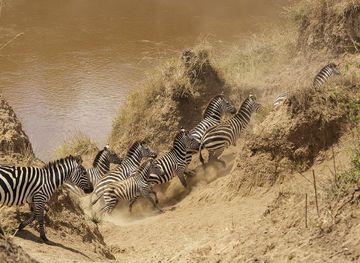
Discover Kenya: A land of breathtaking safaris, rich cultural heritage, and stunning coastlines that promise adventure and relaxation all in one.
Explore Kenya