

Free Central Highlands Travel Guide & Mobile App
Explore Central Highlands with free travel guides. Discover regional history, expert tips, proposed trips, and audio guides on web or mobile app.


Explore Kenya’s Central Highlands for Mount Kenya treks, Aberdare forests, coffee farms, tea country, wildlife conservancies and cool upland scenery.
Read more about Central Highlands
When is the best time to visit Central Highlands?
Best: January–March · 22–23°C| Month | High (°C) | Rainfall (mm) |
|---|---|---|
| January (best) | 22 | 50 |
| February (best) | 22 | 45 |
| March (best) | 23 | 70 |
| April | 23 | 100 |
| May | 23 | 120 |
| June | 22 | 160 |
| July | 22 | 100 |
| August | 22 | 80 |
| September | 22 | 70 |
| October | 23 | 80 |
| November | 22 | 100 |
| December | 22 | 70 |
Getting to and around Central Highlands
How to get there
Transportation
Top city travel guides in Central Highlands
The cities of Central Highlands, and the easiest places to base yourself.
-

-

-


Swipe for more cities
Destinations in Central Highlands
Resorts, valleys and scenic spots worth a trip of their own.
-

-

-
-

-

-


Swipe for more destinations
Best attractions in Central Highlands
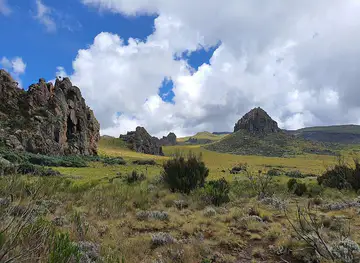
The Central Highlands offer a varied combination of mountain, forest, wildlife and agricultural attractions. Mount Kenya National Park is the region’s principal adventure destination, with trekking routes passing through forest, bamboo, heath and high-altitude moorland; technical summit routes demand specialist skill, while lower routes and forest excursions suit visitors seeking less demanding outings. Aberdare National Park provides a contrasting environment of dense forest, open moorlands, waterfalls and wildlife, with conditions often cooler and wetter than in the surrounding farmland. Around Nanyuki and the wider Laikipia plateau, conservancies offer game drives, guided walks, birdwatching and conservation-focused visits. The region’s working countryside is an attraction in its own right: coffee farms, tea estates, dairy holdings, produce markets and rural viewpoints reveal how altitude and rainfall shape local livelihoods. Cultural and historical visits are best arranged through reputable local guides, museums, farms or community organisations rather than treated as staged entertainment. Waterfalls, crater-like valleys, forest tracks and river landscapes add variety, while the towns of Nyeri, Nanyuki and Murang’a provide practical bases for exploring different sides of the highlands.
-
Lake Nakuru National Park
Discover the breathtaking beauty of Lake Nakuru National Park, a sanctuary for wildlife and a paradise for nature lovers in Kenya.
-
 Tourist attraction
THOMSONS FALLS LODGE
Explore the enchanting Thomsons Falls Lodge in Nyahururu, where nature's beauty meets cozy accommodations and delightful dining.
-
Adventure sports center
Savage Wilderness Whitewater Rafting Centre
Experience the thrill of whitewater rafting and adventure sports at Savage Wilderness in Sagana, Kenya. Perfect for adrenaline seekers and nature lovers alike.
-
Tourist attraction
South- Western Mau National Reserve
Experience the natural splendor of South-Western Mau National Reserve, a national park teeming with wildlife and breathtaking landscapes, perfect for adventure seekers.


Best landmarks in Central Highlands
Mount Kenya is the Central Highlands’ defining natural landmark, its volcanic massif dominating views from farms, roads and towns across several counties. The mountain’s forested lower slopes, alpine upper zones and jagged summit give the region a strong geographical identity, even for visitors who do not climb. The Aberdare Range forms another major landmark, with long ridges, moorlands and forested valleys rising above the agricultural country around Nyeri and Nyandarua. Nyeri’s historical association with colonial administration, the independence struggle and nearby conservation landscapes gives the town regional importance, while Nanyuki is recognised as a northern gateway to Mount Kenya and the Laikipia plateau. In the agricultural districts, tea-covered slopes, coffee-growing ridges and deeply cut river valleys are less monumental but equally characteristic. Historic churches, former administrative buildings, market centres and estate landscapes are scattered through the highlands rather than gathered in one preserved old town. The most significant landmarks therefore include both dramatic mountain environments and working landscapes shaped by farming, settlement and conservation.
-
National museum
National Museum of Kenya
Explore the rich tapestry of Kenya's history and culture at the National Museum of Kenya, a premier destination for travelers seeking knowledge and inspiration.
-
National park
Nairobi National Park
Explore Nairobi National Park, where urban life meets stunning wildlife, offering a unique safari experience just steps from the city.
-
Heritage museum
Fort Jesus Museum
Explore the fascinating history and stunning architecture of Fort Jesus Museum in Mombasa, a UNESCO World Heritage Site that showcases the region's rich cultural heritage.
-
National park
Tsavo East National Park
Explore Tsavo East National Park: A breathtaking safari destination in Kenya, rich in wildlife and stunning landscapes.


Explore Central Highlands on the map
Plan your trip on one map. See where the top cities, national parks and sights are, and book hotels and experiences in a few clicks.
Best hotels in Central Highlands
Best restaurants in Central Highlands
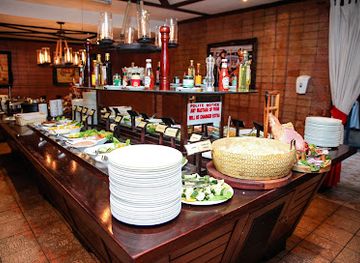
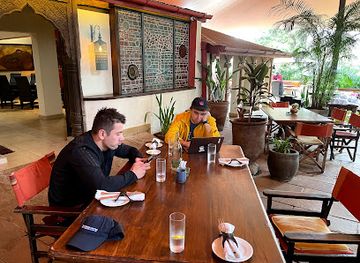
Dining in the Central Highlands reflects both Kenyan staples and the region’s productive farm economy. Town cafés and family restaurants commonly serve dishes such as nyama choma, grilled chicken, stews, rice, chapati, ugali and vegetables, while rural inns and lodges often use locally sourced milk, vegetables, herbs and fruit. Coffee is an important regional product, particularly around the Mount Kenya and Aberdare foothills, and farm or cooperative visits may include tastings when arranged in advance. Tea-growing districts provide opportunities to sample Kenyan tea, although much production is processed for wider markets rather than sold as a distinct visitor drink. Nanyuki and Nyeri have the broadest choice of restaurants, from informal eateries to hotel dining rooms and contemporary cafés. In smaller market centres, menus are simpler and service may follow local rhythms. Farmers’ markets and roadside stalls can be useful for bananas, avocadoes, passion fruit and other seasonal produce, but visitors should choose hygienic vendors and wash fresh food before eating.
-
Brazilian
Fogo Gaucho
Experience authentic Brazilian cuisine at Fogo Gaucho in Nairobi - a haven for meat lovers with exceptional service.
-
Cafe
Bao Box
Discover Bao Box in Nairobi: A family-friendly cafe offering delicious local cuisine in an inviting atmosphere perfect for tourists.
-
Restaurant
Talisman Restaurant
Discover the exquisite flavors of Talisman Restaurant in Nairobi's serene Karen neighborhood—where local meets global in a stunning dining experience.
-
Restaurant
Urban Eatery
Experience Nairobi's vibrant culinary scene at Urban Eatery, where local flavors meet global cuisine in a modern setting.


Best bars in Central Highlands
Evening life in the Central Highlands is concentrated in town centres and accommodation compounds rather than in a continuous nightlife district. Nyeri, Nanyuki and other larger towns have hotel bars, casual pubs, cafés and restaurants where residents and visitors meet, with some venues offering televised sport or occasional live music. Nanyuki’s tourism economy supports a wider range of lodge and bar settings, while smaller highland towns generally become quiet earlier and offer a more local pub culture than a nightclub scene. Rural lodges may serve Kenyan beers, spirits, soft drinks and cocktails, but opening arrangements vary and should not be assumed. Drink responsibly, arrange transport before leaving an evening venue and respect local communities, particularly in small settlements where loud behaviour is intrusive. Visitors who do not drink can still enjoy evening meals, coffee, music and conversation without treating alcohol as central to the region’s culture.
-
Bar
1824 Bar & Restaurant
Discover Nairobi's nightlife at 1824 Bar & Restaurant, where great food and drinks meet a vibrant atmosphere for an unforgettable experience.
-
Bar
The Alchemist
Experience the lively atmosphere of The Alchemist, a premier bar and event venue in Nairobi, offering delicious cocktails and unforgettable nights.
-
Brewpub
Brew Bistro and Lounge
Experience the best of Nairobi's culinary scene at Brew Bistro and Lounge, where craft beer meets gourmet dining in a vibrant setting.
-
Lounge
Milan
Experience the vibrant atmosphere of Milan, Nairobi's ultimate lounge destination for brunch and nightlife.


Best nightclubs in Central Highlands
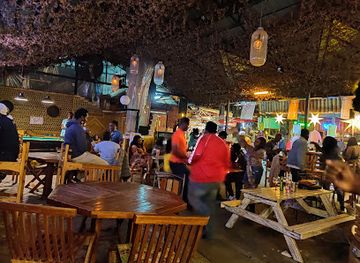
Evening life in the Central Highlands is concentrated in town centres and accommodation compounds rather than in a continuous nightlife district. Nyeri, Nanyuki and other larger towns have hotel bars, casual pubs, cafés and restaurants where residents and visitors meet, with some venues offering televised sport or occasional live music. Nanyuki’s tourism economy supports a wider range of lodge and bar settings, while smaller highland towns generally become quiet earlier and offer a more local pub culture than a nightclub scene. Rural lodges may serve Kenyan beers, spirits, soft drinks and cocktails, but opening arrangements vary and should not be assumed. Drink responsibly, arrange transport before leaving an evening venue and respect local communities, particularly in small settlements where loud behaviour is intrusive. Visitors who do not drink can still enjoy evening meals, coffee, music and conversation without treating alcohol as central to the region’s culture.
-
Lounge
Milan
Discover Milan, Nairobi's ultimate lounge and restaurant destination, blending delicious brunch, vibrant nightlife, and unforgettable experiences.
-
Night club
K1 Klub House
Discover the vibrant nightlife of Nairobi at K1 Klub House, a unique venue offering dining, dancing, and local market experiences.
-
Lounge
Onyx Lounge & Restaurant
Discover the perfect blend of dining and nightlife at Onyx Lounge & Restaurant in Nairobi, where every night is a celebration of taste and rhythm.
-
Lounge
B-CLUB Nairobi
Experience the vibrant nightlife of Nairobi at B-CLUB, where luxury meets high-energy entertainment in an unforgettable lounge atmosphere.



Best shops in Central Highlands
Shopping in the Central Highlands is centred on the high streets and market centres of Nyeri, Nanyuki, Murang’a, Embu and smaller towns rather than on major luxury malls. Open-air markets sell clothing, household goods, vegetables, fruit and practical farm produce, while supermarkets and specialist food shops provide more predictable places to buy packaged coffee, tea, honey and regional snacks. Around Nanyuki and the tourism gateways, visitors may find Maasai-inspired beadwork, woven items, leather goods and craft products, but provenance and quality vary, so buying directly from established cooperatives or reputable craft organisations is preferable. Farm visits and coffee experiences can provide better opportunities to purchase locally processed beans than roadside stalls. Independent shops and galleries in larger centres may stock Kenyan art, books, textiles and locally made gifts. Retail hours, stock and payment facilities can be limited outside the major towns, and bargaining is customary in some open markets but not in supermarkets, formal shops or cooperative outlets.
-
Shopping mall
Two Rivers
Discover a vibrant shopping and entertainment hub at Two Rivers, Nairobi's largest mall, where local culture meets international brands.
-
Shopping mall
TRM - Thika Road Mall
Discover TRM - Thika Road Mall: Nairobi's premier shopping destination blending retail, dining, and entertainment for an unforgettable experience.
-
Shopping mall
Lavington Mall
Explore Lavington Mall in Nairobi for a unique shopping experience with diverse stores, dining options, and family-friendly entertainment.
-
Shopping mall
Village Market
Discover the ultimate shopping and cultural experience at Village Market, Nairobi’s premier destination for dining, art, and entertainment.


Get your free copy of our complete guide to Central Highlands, delivered straight to you.
Everything on this page, from attractions and restaurants to essentials and local phrases, in one PDF you can read offline, print or share.
Already have an account? Sign in
Your Central Highlands guide is ready.
We'll send it to · Not you? Sign out

Getting your guide ready…
We are putting together a fresh copy of the Central Highlands guide. This can take up to a minute.
This can take a few moments. If your browser asks, choose Allow so the download can start. You'll find the guide in your Downloads folder.
Nothing happened? Download it again
Sorry, the guide is taking longer than usual. Please try again in a minute, or get it by email instead.
Central Highlands essentials
Currency and Payment
Safety
Emergency Situations
Do's and Don'ts
Local Tips
From Eve
Local phrases worth knowing
You don't need to get them perfect. A few words go a long way, and locals appreciate the effort.
Basics
| English | Local | Say it |
|---|---|---|
| Hello | Hi | [Hai] |
| Goodbye | See you later | [Si yu leiter] |
| Yes | Yeah | [Yea] |
| No | Nope | [Nope] |
| Please/You're welcome | Sure thing | [Shur thing] |
| Thank you | Thanks | [Thnks] |
| Excuse me/Sorry | Pardon me | [Pardon me] |
| How are you? | How’s it going? | [Hows it going?] |
| Fine. And you? | Good. And you? | [Gud. And yu?] |
| Do you speak English? | Do you talk English? | [Do yu tok English?] |
| I don't understand | I don't get it | [I dont get it] |
Eating & Drinking
| English | Local | Say it |
|---|---|---|
| I'd like to see the menu, please | Can I see the menu? | [Can I si the menu?] |
| I don't eat meat | I’m vegetarian | [Im vegetarian] |
| Cheers! | Cheers! | [Cheers!] |
| I would like to pay, please | Can I get the check? | [Can I get the chek?] |
Emergencies
| English | Local | Say it |
|---|---|---|
| Help! | Help! | [Help!] |
| Go away! | Leave me alone! | [Leev me alon!] |
| Call the Police! | Call the cops! | [Call the cops!] |
| Call a doctor! | Get a doctor! | [Get a doktor!] |
| I'm lost | I can’t find my way | [I cant find my wei] |
| I'm ill | I’m not feeling well | [Im not feeling wel] |
Shopping
| English | Local | Say it |
|---|---|---|
| I'd like to buy... | I want to buy... | [I want to bai...] |
| I'm just looking | Just browsing | [Just browsing] |
| How much is it? | What’s the price? | [Wats the prais?] |
| That's too expensive | That’s really pricey | [Thats really pricy] |
| Can you lower the price? | Can you make it cheaper? | [Can yu make it cheeper?] |
Time & Numbers
| English | Local | Say it |
|---|---|---|
| What time is it? | What’s the time? | [Wats the taim?] |
| It's one o'clock | It's one | [Its wun] |
| Half past (10) | Half past ten | [Half past ten] |
| Morning | Morning | [Morning] |
| Afternoon | Afternoon | [Afternoon] |
| Evening | Evening | [Evening] |
| Yesterday | Yesterday | [Yesterday] |
| Today | Today | [Today] |
| Tomorrow | Tomorrow | [Tomorrow] |
| 1 | One | [Wun] |
| 2 | Two | [Too] |
| 3 | Three | [Three] |
| 4 | Four | [For] |
| 5 | Five | [Fiv] |
| 6 | Six | [Six] |
| 7 | Seven | [Seven] |
| 8 | Eight | [Ait] |
| 9 | Nine | [Nin] |
| 10 | Ten | [Ten] |
Transport & Directions
| English | Local | Say it |
|---|---|---|
| Where's a/the...? | Where's the...? | [Wheres the...?] |
| What's the address? | What’s the address? | [Wats the adres?] |
| Can you show me (on the map)? | Can you point it out? | [Can you point it aut?] |
| When's the next (bus)? | When's the next bus? | [Wens the next bus?] |
| A ticket (to ....) | A ticket to ... | [A tiket to ...] |
History of Central Highlands
Early settlement and highland societies
The Central Highlands have long been occupied by farming and pastoral communities, with fertile volcanic soils supporting dense settlement in many areas. Kikuyu communities became especially established on the southern and western sides of Mount Kenya and the Aberdare foothills, while Embu and Meru communities shaped the eastern and north-eastern slopes. Trade, kinship networks and seasonal movement connected the uplands with the lower valleys. Mount Kenya held profound spiritual importance in local traditions, and patterns of cultivation, woodland use and homestead organisation created a cultural landscape that still influences the region.
Mount Kenya and the colonial frontier
European exploration and colonial expansion in the late nineteenth and early twentieth centuries transformed the highlands. Mount Kenya became a focus of mapping, scientific interest and mountaineering, while the British administration established roads, stations and agricultural settlements. Large areas of fertile land were allocated to European farmers in what became known as the White Highlands, restricting African access to land and reshaping labour patterns. Towns such as Nyeri and Nanyuki expanded as administrative, commercial and military centres, and estates introduced new forms of commercial agriculture.
Coffee, tea and commercial agriculture
During the colonial period and after independence, coffee, tea, dairy farming, horticulture and grain cultivation became major elements of the Central Highlands economy. Smallholder production expanded particularly after land redistribution and the development of co-operative marketing. The region’s altitude, rainfall and volcanic soils suited crops that became important both domestically and internationally. Tea-growing landscapes are prominent in wetter uplands, while coffee cooperatives and family farms are widely associated with districts around Mount Kenya and the Aberdare foothills.
The Mau Mau era and the struggle for land
The Central Highlands were central to the Mau Mau uprising of the 1950s because of the region’s land dispossession, labour inequalities and political mobilisation. Forests on the slopes of Mount Kenya and the Aberdares became important areas of refuge and operation, while towns and rural settlements experienced surveillance, detention and violence. The conflict left a deep historical legacy in central Kenya and contributed to political pressure for land reform. Visitors can encounter this history through local interpretation, memorial discussions and the continuing significance of land and independence in regional public life.
Independence and land redistribution
Kenya’s independence in 1963 brought major changes to ownership and administration in the former settler highlands. Settlement schemes, individually owned farms and cooperatives altered the countryside, although land distribution was uneven and disputes over tenure continued. Agricultural production remained central to the regional economy, while roads, schools, trading centres and public institutions expanded. The Central Highlands became one of the country’s most productive rural zones and an important source of political leadership, commerce and food supply.
National parks and conservation
The creation and development of protected areas changed how the region’s forests and mountain ecosystems were managed. Mount Kenya National Park and Natural Forest, together with Aberdare National Park, protect important water catchments and habitats across the highlands. In Laikipia, private and community conservancies later developed alongside ranching and wildlife initiatives, creating new approaches to habitat protection and tourism. Conservation has also generated difficult debates about access, forest use, wildlife impacts and local livelihoods, making the region’s protected landscapes part of a continuing social as well as environmental history.
Contemporary highland transformation
Today the Central Highlands combine intensive smallholder farming, expanding towns, tourism, conservation and strong links to Nairobi and other Kenyan cities. Nanyuki has grown as a gateway to Mount Kenya and Laikipia, while Nyeri, Murang’a and other county centres support education, government and trade. Climate variability, pressure on water resources, changing crop markets and urban growth are influencing both farms and protected areas. The region’s contemporary identity therefore rests on more than scenery: it is a working highland landscape where agriculture, heritage and conservation continue to interact.
Central Highlands in Photos
Browse through our photo collection highlighting the charm and character of the destination.
Neighbouring regions of Central Highlands
The closest regions to Central Highlands, if you have time for more than one.
-

-

-

-

-


Swipe for more regions
Explore more
Explore more of Kenya
Discover Kenya: A land of breathtaking safaris, rich cultural heritage, and stunning coastlines that promise adventure and relaxation all in one.
Explore Kenya