

Free Karadak Travel Guide & Mobile App
Explore Karadak with free travel guides. Discover regional history, expert tips, proposed trips, and audio guides on web or mobile app.


Explore Karadak in southeastern Kosovo for wooded mountains, rural valleys, Balkan history, village food and welcoming urban life around Gjilan.
Read more about Karadak
When is the best time to visit Karadak?
Best: June, August–September · 22–29°C| Month | High (°C) | Rainfall (mm) |
|---|---|---|
| January | 5 | 45 |
| February | 7 | 40 |
| March | 11 | 45 |
| April | 16 | 50 |
| May | 21 | 55 |
| June (best) | 27 | 45 |
| July | 29 | 35 |
| August (best) | 29 | 30 |
| September (best) | 22 | 35 |
| October | 16 | 45 |
| November | 9 | 50 |
| December | 5 | 45 |
Getting to and around Karadak
How to get there
Transportation
Top city travel guides in Karadak
The cities of Karadak, and the easiest places to base yourself.
-

-


Swipe for more cities
Destinations in Karadak
Resorts, valleys and scenic spots worth a trip of their own.
-

-


Swipe for more destinations
Best attractions in Karadak
Karadak’s attractions are primarily landscape-based and cultural rather than concentrated in large purpose-built visitor sites. Gjilan offers the region’s broadest choice of cafés, markets, cultural venues and everyday urban life, making it a useful starting point for understanding southeastern Kosovo. Beyond the town, roads lead through cultivated valleys and foothill settlements towards wooded ridges, where walking, photography, birdwatching and seasonal picnicking are the main activities. The experience is informal: many paths are used locally rather than marked as formal tourist trails, so guidance and sensible preparation are important. The wider area’s layered history can be explored through archaeological remains, religious buildings, old settlement patterns and the medieval mining heritage of eastern Kosovo, although some notable sites lie outside the strict Karadak uplands and should be treated as nearby excursions rather than regional attractions. Rural food stops, village markets and views across the Kosovo valleys add a social dimension to a landscape often overlooked by conventional sightseeing itineraries. Visitors seeking a more developed attraction infrastructure may need to combine Karadak with other parts of Kosovo, while those interested in landscape, regional history and everyday life will find the slower pace one of the area’s defining qualities.
-
Bridge
Stone Bridge
Experience the historical essence of Skopje at the Stone Bridge, a stunning architectural landmark connecting the city's rich past and vibrant present.
-
Tourist attraction
Millennium Cross
Discover the stunning views and cultural significance of the Millennium Cross, a must-visit landmark in Skopje, North Macedonia.
-
Tourist attraction
Macedonia Square
Explore Macedonia Square, the vibrant heart of Skopje, where history, culture, and modern life converge in a stunning urban landscape.
-
Monastery
Venerable Prohor Pchinjski
Explore the historical Venerable Prohor Pchinjski Monastery in Klenike, a serene tourist attraction rich in culture and spiritual heritage.


Best landmarks in Karadak
The most recognisable physical feature of Karadak is the mountain range itself, whose wooded ridges and open slopes form a natural boundary and viewing platform in southeastern Kosovo. The uplands are visually distinctive because they rise from cultivated valleys and populated town corridors rather than standing as isolated high alpine peaks. Gjilan’s townscape provides the region’s principal urban reference point, with civic buildings, commercial streets and religious architecture reflecting successive Ottoman, Yugoslav and contemporary periods, although much of the built environment has been substantially altered. Villages along the foothills offer a more modest architectural record of rural homes, mosques, churches and agricultural landscapes, but these places are living communities rather than preserved museum settlements. The medieval mining and fortified heritage associated with eastern Kosovo is historically important to the surrounding region, especially around Novo Brdo, but it should be visited as a nearby historical excursion when planning from Karadak rather than described as a landmark within every interpretation of the region. Across the uplands, forested silhouettes, valley viewpoints and old routes between settlements remain the most characteristic landmarks of place.
-
Sculpture
Newborn Monument
Discover the Newborn Monument in Pristina, a vibrant symbol of Kosovo's independence and a must-see tourist attraction.
-
Monastery
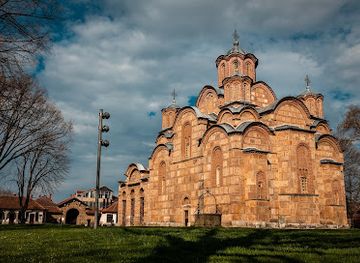
Serbian Orthodox Monastery Gračanica
Discover the serene beauty and rich heritage of the Serbian Orthodox Monastery Gračanica, a UNESCO World Heritage site in Kosovo.
-
Fortress
Prizren Fortress
Discover the rich history and breathtaking views at Prizren Fortress, a must-visit landmark in the heart of Kosovo's beautiful town of Prizren.
-
Fortress
Skopje Fortress
Experience the grandeur of Skopje Fortress, a historic landmark offering stunning views and a glimpse into Macedonia's rich past.



Explore Karadak on the map
Plan your trip on one map. See where the top cities, national parks and sights are, and book hotels and experiences in a few clicks.
Best hotels in Karadak
Best restaurants in Karadak
Dining in Karadak reflects the food culture of southeastern Kosovo, with menus shaped by Albanian, Ottoman and wider Balkan traditions. In Gjilan and the larger towns, restaurants and grills commonly serve meat cooked over charcoal, savoury pastries, stuffed peppers, beans, seasonal salads, yoghurt-based accompaniments and fresh bread. Breakfasts and informal meals often centre on burek, eggs, cheese and strong coffee, while home-style cooking may include tavë dishes and slow-cooked stews. Agricultural villages contribute fruit, vegetables, dairy products and preserves, with availability changing through the seasons. Cafés are important social spaces and often serve coffee alongside simple pastries and light meals. Rural inns and family-run restaurants may offer the most direct introduction to local cooking, but menus and service can be less formal than in the towns. Kosovan wines, beers and fruit-based drinks are available, although the region’s culinary identity rests more on generous home cooking and grill culture than on a single signature dish. Vegetarian visitors can usually find vegetable, dairy and pastry-based options, but should explain dietary requirements clearly.
-
Restaurant
Trofta e Drinit
Experience authentic Kosovar cuisine at Trofta e Drinit - where fresh trout meets breathtaking mountain views.
-
Grill
Taverna Tirana
Discover authentic Kosovar grill cuisine at Taverna Tirana in Pristina - where every meal is a celebration of flavor.
-
Restaurant
Princesha Gresa Restaurant
Experience authentic Kosovar cuisine at Princesha Gresa Restaurant in Pristina - where tradition meets modern culinary excellence.
-
Restaurant
Restaurant ORA since
Discover authentic local cuisine at Restaurant ORA – where every meal tells a story of tradition and flavor.



Best bars in Karadak
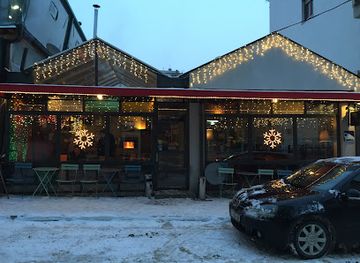
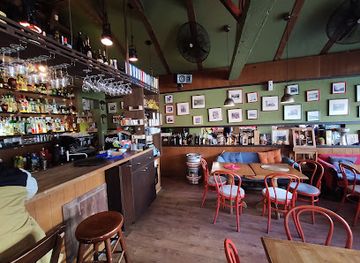
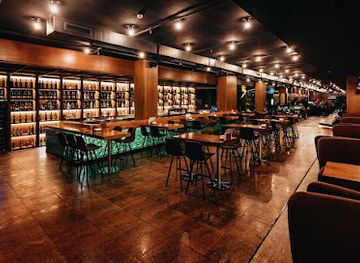
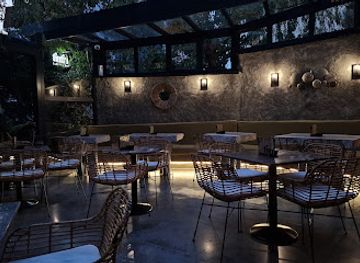
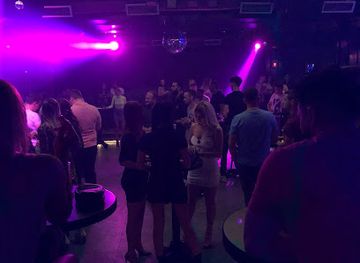
Evening life in Karadak is concentrated in Gjilan and the larger towns rather than spread through the mountain villages. Gjilan has cafés, casual bars, restaurants and venues where younger residents meet, while nightlife in smaller settlements is generally quieter and focused on family restaurants, coffeehouses and local social life. Traditional cafés remain central to the evening rhythm, and coffee is often enjoyed slowly rather than treated as a brief stop. Some venues offer televised sport or occasional live music, but programming and opening arrangements change frequently. Nightclubs exist in the region’s urban centres, though Karadak is not primarily a clubbing destination and visitors should not expect a continuous nightlife district. Alcohol is available, but it is not necessary to participate in local evening culture; non-alcoholic drinks and coffee are common choices. In rural areas, plan to return to accommodation before late evening, as taxis and public transport may be limited outside the towns.
-
Gastropub
Soma Book Station
Discover the perfect blend of gastronomy and culture at Soma Book Station, Pristina's unique gastropub where every meal tells a story.
-
Grill
Taverna Tirana
Discover the flavors of Kosovo at Taverna Tirana, where grilled specialties meet a warm, inviting ambiance in the heart of Pristina.
-
Bar
Priview Bar
Priview Bar in Pristina offers a lively atmosphere, delectable drinks, and a taste of local nightlife in the heart of Kosovo.
-
Cocktail bar
tintin cocktail bar
Experience exceptional cocktails in a stylish atmosphere at Tintin Cocktail Bar in Pristina, a must-visit for cocktail lovers.

Best nightclubs in Karadak
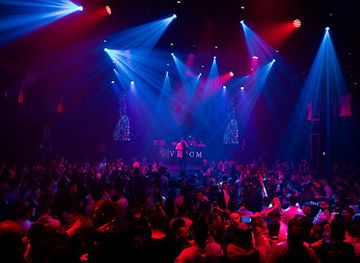
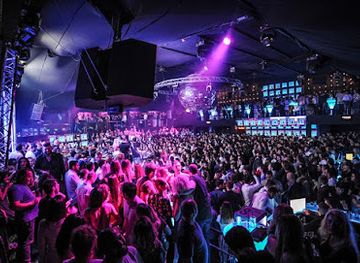
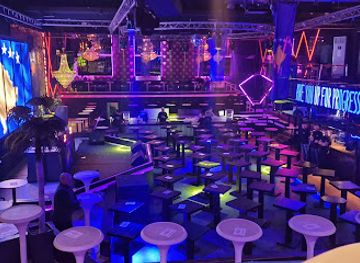
Evening life in Karadak is concentrated in Gjilan and the larger towns rather than spread through the mountain villages. Gjilan has cafés, casual bars, restaurants and venues where younger residents meet, while nightlife in smaller settlements is generally quieter and focused on family restaurants, coffeehouses and local social life. Traditional cafés remain central to the evening rhythm, and coffee is often enjoyed slowly rather than treated as a brief stop. Some venues offer televised sport or occasional live music, but programming and opening arrangements change frequently. Nightclubs exist in the region’s urban centres, though Karadak is not primarily a clubbing destination and visitors should not expect a continuous nightlife district. Alcohol is available, but it is not necessary to participate in local evening culture; non-alcoholic drinks and coffee are common choices. In rural areas, plan to return to accommodation before late evening, as taxis and public transport may be limited outside the towns.
-
Night club
Venom Nightclub
Venom Nightclub in Prishtina: A vibrant nightlife destination with electrifying music and an unforgettable atmosphere.
-
Night club
ZONE Club
Discover the electrifying nightlife at ZONE Club in Pristina, where music, dance, and excitement come together for an unforgettable evening.
-
Night club
Diamonds Club
Discover the exhilarating nightlife at Diamonds Club, Ferizaj's premier destination for music, dancing, and unforgettable experiences.
-
Night club
Bab Club Premium
Experience the electrifying atmosphere of Bab Club Premium in Pristina, where the best music and vibrant nightlife come together.
Best shops in Karadak
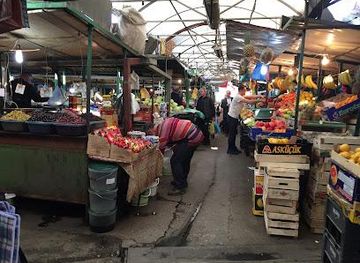
Shopping in Karadak is centred on Gjilan and the market towns rather than on dedicated tourist retail districts. Urban high streets provide clothing, footwear, household goods, mobile shops, bakeries and cafés, while open markets and smaller produce sellers connect visitors with the agricultural hinterland. Seasonal fruit, vegetables, honey, dairy products, preserves and locally made baked goods are practical regional purchases, although packaging and transport requirements should be considered before buying food for international travel. Independent shops may stock textiles, leather goods, religious items, household crafts and everyday products, but availability varies considerably between towns and villages. For gifts, look for Kosovo-made food products, coffee, small craft objects and locally produced preserves rather than items presented vaguely as traditional without clear provenance. Rural roadside stalls can be useful for fresh produce, but carry cash and check whether products are intended for immediate consumption. Travellers seeking extensive fashion, electronics or international brands will find a wider selection in larger Kosovo urban centres outside the mountain zone.
-
Shopping mall
Albi Mall
Discover Albi Mall, Prishtina’s ultimate shopping destination, blending luxury and affordability for an unforgettable retail experience.
-
Shopping mall
Prishtina Mall
Explore Prishtina Mall, the ultimate shopping and entertainment destination in Kosovo, where global brands meet local culture in a vibrant setting.
-
Bazar
Bit Bazaar
Discover the vibrant culture and local treasures at Bit Bazaar, Skopje's bustling marketplace filled with fresh produce and handcrafted goods.
-
Bazar
Bazaar of Peja
Explore the lively Bazaar of Peja, a cultural hub filled with local crafts, delicious foods, and authentic Kosovar experiences.



Get your free copy of our complete guide to Karadak, delivered straight to you.
Everything on this page, from attractions and restaurants to essentials and local phrases, in one PDF you can read offline, print or share.
Already have an account? Sign in
Your Karadak guide is ready.
We'll send it to · Not you? Sign out

Getting your guide ready…
We are putting together a fresh copy of the Karadak guide. This can take up to a minute.
This can take a few moments. If your browser asks, choose Allow so the download can start. You'll find the guide in your Downloads folder.
Nothing happened? Download it again
Sorry, the guide is taking longer than usual. Please try again in a minute, or get it by email instead.
Karadak essentials
Currency and Payment
Safety
Emergency Situations
Do's and Don'ts
Local Tips
From Eve
Local phrases worth knowing
You don't need to get them perfect. A few words go a long way, and locals appreciate the effort.
Basics
| English | Local | Say it |
|---|---|---|
| Hello | Përshëndetje | [Për-shen-de-tye] |
| Goodbye | Mirupafshim | [Mee-roo-paf-sheem] |
| Yes | Po | [Poh] |
| No | Jo | [Yoh] |
| Please/You're welcome | Të lutem | [Tuh loo-tem] |
| Thank you | Faleminderit | [Fah-leh-min-deh-reet] |
| Excuse me/Sorry | Më fal | [Muh fahl] |
| How are you? | Si jeni? | [See yeh-nee] |
| Fine. And you? | Mirë. Edhe ti? | [Meer. Edh-eh tee] |
| Do you speak English? | A flisni anglisht? | [Ah flee-snee ahng-leesht] |
| I don't understand | Nuk kuptoj | [Nook koop-toy] |
Eating & Drinking
| English | Local | Say it |
|---|---|---|
| I'd like to see the menu, please | Do doja të shoh menunë, të lutem | [Doh doh-yah tuh shoh meh-noon-eh, tuh loo-tem] |
| I don't eat meat | Nuk ha mish | [Nook hah meesh] |
| Cheers! | Gëzuar! | [Guh-zoo-ar] |
| I would like to pay, please | Do doja të paguaj, të lutem | [Doh doh-yah tuh pah-goo-ah-ee, tuh loo-tem] |
Emergencies
| English | Local | Say it |
|---|---|---|
| Help! | Ndihmë! | [Ndee-hmeh] |
| Go away! | Shkonte! | [Shkon-teh] |
| Call the Police! | Thirrni Policinë! | [Theer-nee Poh-lee-cheen-eh] |
| Call a doctor! | Thirrni një doktor! | [Theer-nee nyeh dok-tor] |
| I'm lost | Jam i humbur | [Yahm ee hoom-bur] |
| I'm ill | Jam i sëmurë | [Yahm ee se-moor-eh] |
Shopping
| English | Local | Say it |
|---|---|---|
| I'd like to buy... | Do doja të blej... | [Doh doh-yah tuh bleh] |
| I'm just looking | Po shoh vetëm | [Poh shoh veh-tem] |
| How much is it? | Sa kushton? | [Sah koosh-ton] |
| That's too expensive | Ajo është shumë e shtrenjtë | [Ah-yoh esh-teh shoom eh shtren-yet] |
| Can you lower the price? | Mund të ulni çmimin? | [Moond tuh ool-nee chmee-meen] |
Time & Numbers
| English | Local | Say it |
|---|---|---|
| What time is it? | Sa është ora? | [Sah esh-teh or-ah] |
| It's one o'clock | Është një orë | [Esh-teh nyeh or-eh] |
| Half past (10) | Pjesë pas (10) | [Pye-seh pahs (deh)] |
| Morning | Mëngjes | [Muhn-jes] |
| Afternoon | Pasdite | [Pahs-dee-teh] |
| Evening | Mbrëmje | [Mbruhm-yeh] |
| Yesterday | Dje | [Dyeh] |
| Today | Sot | [Sot] |
| Tomorrow | Nesër | [Neh-ser] |
| 1 | Një | [Nyeh] |
| 2 | Dy | [Dee] |
| 3 | Tre | [Tre] |
| 4 | Katër | [Ka-ter] |
| 5 | Pesë | [Pe-seh] |
| 6 | Gjashtë | [Jasht] |
| 7 | Shtatë | [Shta-teh] |
| 8 | Tetë | [Te-teh] |
| 9 | Nëntë | [Nuhn-teh] |
| 10 | Dhjetë | [Dhee-yeh] |
Transport & Directions
| English | Local | Say it |
|---|---|---|
| Where's a/the...? | Ku është një...? | [Koo esh-teh nyeh] |
| What's the address? | Cila është adresa? | [Tsee-lah esh-teh ah-dre-sah] |
| Can you show me (on the map)? | A mund të më tregoni (në hartë)? | [Ah moond tuh meh treh-goh-nee (neh har-tay)] |
| When's the next (bus)? | Kur është (autobusi) tjetër? | [Koorr esh-teh (ow-to-boo-see) tee-eht-er] |
| A ticket (to ....) | Një biletë (për ....) | [Nyeh bee-leh-tuh (puhr)] |
History of Karadak
Dardanian and Roman foundations
Karadak lies within the wider historical territory associated with the Dardani, an ancient Balkan people whose communities occupied much of present-day Kosovo before Roman rule. Roman administration brought roads, military organisation, settlements and new commercial connections across the region. The surviving archaeological record is uneven, and many sites are modest rather than monumental, but the ancient legacy helps explain Karadak’s long-standing role as a corridor between the Kosovo basin, Macedonia and the Morava valley.
Medieval borderlands and mining networks
During the medieval period, southeastern Kosovo formed part of a contested political landscape shaped by Byzantine, Bulgarian and Serbian powers. Fortified settlements, churches and routes through the surrounding uplands reflected the strategic importance of the area. The wider eastern Kosovo region was also linked to the expansion of silver and lead mining, especially around medieval Novo Brdo outside the core Karadak uplands. Mining stimulated trade and urban development, leaving a significant historical imprint on the region’s eastern hinterland.
Ottoman administration and town development
Ottoman rule reshaped Karadak and its neighbouring valleys from the late medieval period onwards. New administrative arrangements, market routes, religious foundations and patterns of landholding connected villages with towns such as Gjilan. The period also influenced architecture, foodways and commercial life. Much of the visible built heritage has been altered or lost, yet the region’s town-and-village structure, coffee culture and culinary traditions retain elements of a longer Ottoman and Balkan urban inheritance.
Agriculture, craft and regional commerce
For much of its modern history, Karadak depended on mixed agriculture, livestock, orchards, forestry and small-scale craft production. Mountain settlements supplied nearby markets, while the larger valleys supported grain, vegetables and fruit. Gjilan developed as an important commercial centre for southeastern Kosovo, linking rural producers with wholesalers, workshops and public institutions. This economic relationship between town and upland remains visible in market activity, roadside produce stalls and the movement of residents between villages and urban centres.
Twentieth-century political transformation
The twentieth century brought major changes through the creation and dissolution of Yugoslavia, industrialisation, population movement and new state borders. Karadak’s communities experienced changing administrative systems, education and employment patterns, while traditional village economies gradually became less dominant. The conflicts and political upheavals of the 1990s and the Kosovo War of 1998–99 affected the wider region deeply. Contemporary Kosovo’s institutions and international status continue to shape travel, infrastructure and cross-border movement.
Post-war reconstruction and the contemporary region
Since 1999, southeastern Kosovo has undergone reconstruction, municipal development and substantial migration, while maintaining strong family, agricultural and commercial links between towns and villages. Gjilan has expanded as a service and education centre, and roads have improved along several main corridors. At the same time, many mountain settlements remain lightly developed for tourism. Karadak’s present identity therefore combines inherited rural landscapes and layered history with a young, outward-looking urban culture.
Karadak in Photos
Browse through our photo collection highlighting the charm and character of the destination.
Neighbouring regions of Karadak
The closest regions to Karadak, if you have time for more than one.
-

-

-

-

-


Swipe for more regions
Explore more
Explore more of Kosovo
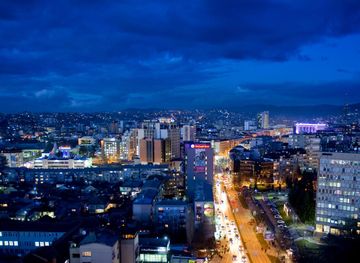
Discover Kosovo: A Blend of Ancient History, Vibrant Culture, and Stunning Natural Beauty in the Heart of the Balkans.
Explore Kosovo