

Gadime Cave Travel Guide - Free Web & App
Your ultimate guide to Gadime Cave. Discover top landmarks, proposed trips, and local tips. Free on the web or via the Evendo companion app.


Discover the enchanting beauty of Gadime Cave in Kosovo, a stunning underground marvel adorned with sparkling crystals and intricate rock formations.
Read more about Gadime Cave
When is the best time to visit Gadime Cave?
Best: May–June, September · 25–29°C| Month | High (°C) | Rainfall (mm) |
|---|---|---|
| January | 8 | 50 |
| February | 8 | 45 |
| March | 14 | 40 |
| April | 20 | 35 |
| May (best) | 25 | 30 |
| June (best) | 29 | 25 |
| July | 32 | 20 |
| August | 31 | 25 |
| September (best) | 26 | 30 |
| October | 19 | 35 |
| November | 12 | 40 |
| December | 8 | 45 |
Getting to and around Gadime Cave
How to get there
Transportation
Best landmarks in Gadime Cave
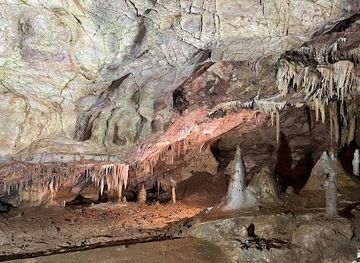
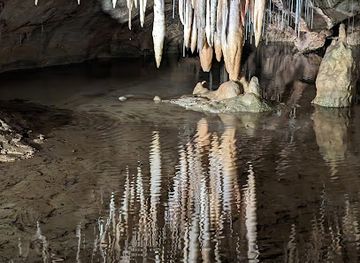
Gadime Cave in Kosovo offers visitors a unique and fascinating experience, with its stunning underground formations and chambers that have been shaped over millions of years. As you explore the cave, you will come across impressive stalactites and stalagmites, underground lakes, and mysterious passageways that will transport you to another world. The cave also holds archaeological significance, with artifacts dating back to the Neolithic period, providing a glimpse into the history of the region. Whether you are an adventure seeker, a history enthusiast, or simply a curious traveler, Gadime Cave is sure to captivate and inspire all who visit.
-
Tourist attraction
Gadima Cave
Explore the enchanting Gadima Cave, a geological wonder with breathtaking formations in Gadime e Poshtme, perfect for adventurers and nature lovers.
Explore Gadime Cave on the map
Plan your trip on one map. See where the top attractions, landmarks, restaurants and hotels are, and book hotels and experiences in a few clicks.
Best hotels in Gadime Cave
Best restaurants in Gadime Cave
The dining scene at Gadime Cave offers a unique and unforgettable experience for visitors. Nestled within the stunning natural surroundings of the cave, guests can enjoy delicious traditional Kosovar cuisine served in a rustic and charming setting. From hearty meat dishes to fresh salads and homemade bread, there is something to satisfy every palate. The cozy atmosphere and warm hospitality of the staff make dining at Gadime Cave a truly memorable experience that shouldn't be missed.
-
Restaurant
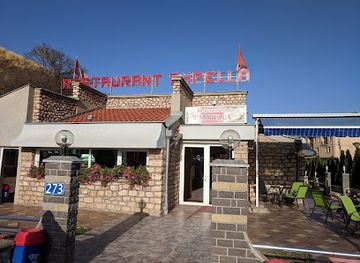
Restaurant Shpella
Experience authentic Albanian cuisine at Restaurant Shpella near Gadime e Poshtme cave – where every meal tells a story.
Best bars in Gadime Cave
Experience the unique nightlife scene of Gadime Cave, where visitors can enjoy drinks and music inside the enchanting underground setting. Dance the night away in the cave's atmospheric bars and nightclubs, surrounded by ancient rock formations and historical artifacts. With live music performances and themed events, the nightlife in Gadime Cave offers a one-of-a-kind experience that will leave you mesmerized and wanting to come back for more.
-
Restaurant
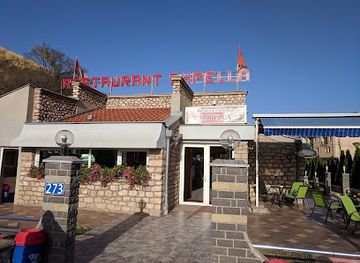
Restaurant Shpella
Experience authentic local cuisine in a warm and inviting atmosphere at Restaurant Shpella in Gadime e Poshtme.
-
Restaurant
Restaurant JETA
Discover the rich flavors of Gadime e Poshtme at Restaurant JETA, where local cuisine meets exceptional dining experience.
Best nightclubs in Gadime Cave
Experience the unique nightlife scene of Gadime Cave, where visitors can enjoy drinks and music inside the enchanting underground setting. Dance the night away in the cave's atmospheric bars and nightclubs, surrounded by ancient rock formations and historical artifacts. With live music performances and themed events, the nightlife in Gadime Cave offers a one-of-a-kind experience that will leave you mesmerized and wanting to come back for more.
-
Tourist attraction
Gadima Cave
Discover the breathtaking beauty of Gadima Cave, a natural wonder showcasing stunning formations and a rich geological history in Kosovo.
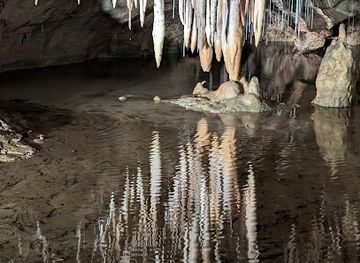
Best shops in Gadime Cave
Located near the entrance of Gadime Cave, visitors will find a charming marketplace offering a variety of locally crafted souvenirs, including handmade pottery, traditional textiles, and unique jewelry inspired by the rich history and culture of Kosovo. Visitors can also sample and purchase authentic local products such as honey, wine, and olive oil, providing a true taste of the region. The bustling market atmosphere, filled with friendly vendors and colorful displays, creates a vibrant and memorable shopping experience for tourists looking to bring a piece of Gadime Cave home with them.
-
Tourist attraction
Gadime Cave
Discover the breathtaking beauty of Gadime Cave, a natural wonder filled with stunning stalactites and stalagmites, just a short drive from Pristina.
-
Clothing store
Arlinda Bytyqi
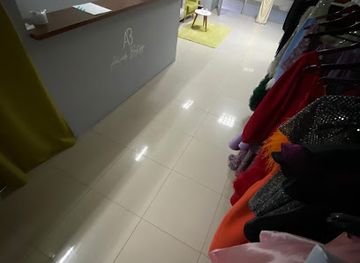
Discover the essence of fashion at Arlinda Bytyqi, Lipjan's premier clothing store known for its unique styles and local flair.
Get your free copy of our complete guide to Gadime Cave, delivered straight to you.
Everything on this page, from attractions and restaurants to essentials and local phrases, in one PDF you can read offline, print or share.
Already have an account? Sign in
Your Gadime Cave guide is ready.
We'll send it to · Not you? Sign out

Getting your guide ready…
We are putting together a fresh copy of the Gadime Cave guide. This can take up to a minute.
This can take a few moments. If your browser asks, choose Allow so the download can start. You'll find the guide in your Downloads folder.
Nothing happened? Download it again
Sorry, the guide is taking longer than usual. Please try again in a minute, or get it by email instead.
Gadime Cave essentials
Currency and Payment
Safety
Emergency Situations
Do's and Don'ts
Local Tips
From Eve
Local phrases worth knowing
You don't need to get them perfect. A few words go a long way, and locals appreciate the effort.
Basics
| English | Local | Say it |
|---|---|---|
| Hello | Mirëmëngjes | [mee-rum-eng-yes] |
| Goodbye | Mirupafshim | [mee-roo-paf-sheem] |
| Yes | Po | [poh] |
| No | Jo | [yo] |
| Please/You're welcome | Ju lutem | [yoo loo-tem] |
| Thank you | Faleminderit | [fah-leh-min-deh-reet] |
| Excuse me/Sorry | Më falni | [muh fahl-nee] |
| How are you? | Si jeni? | [see yeh-nee] |
| Fine. And you? | Mirë. Dhe ti? | [mee-ruh. dhe tee] |
| Do you speak English? | A flisni anglisht? | [ah flees-nee ahng-lee-sht] |
| I don't understand | Nuk kuptoj | [nook koopt-oy] |
Eating & Drinking
| English | Local | Say it |
|---|---|---|
| I'd like to see the menu, please | Dua të shoh menunë, ju lutem | [doo-ah tuh shoh meh-noo-nuh, yoo loo-tem] |
| I don't eat meat | Nuk ha mish | [nook hah meesh] |
| Cheers! | Gëzuar! | [guh-zoo-ar] |
| I would like to pay, please | Dua të paguaj, ju lutem | [doo-ah tuh pah-gwah, yoo loo-tem] |
Emergencies
| English | Local | Say it |
|---|---|---|
| Help! | Ndihmë! | [ndee-muh] |
| Go away! | Largohu! | [lahrg-oh-hoo] |
| Call the Police! | Thirrni policin! | [theer-nee poh-lee-tseen] |
| Call a doctor! | Thirrni një doktor! | [theer-nee nyuh dohk-tohr] |
| I'm lost | Jam humbur | [yahm hoom-boor] |
| I'm ill | Jam i sëmurë | [yahm ee suh-moo-ruh] |
Shopping
| English | Local | Say it |
|---|---|---|
| I'd like to buy... | Dua të blej... | [doo-ah tuh bleh] |
| I'm just looking | Po shikoj vetëm | [poh shee-koy vet-em] |
| How much is it? | Sa kushton? | [sah koosh-ton] |
| That's too expensive | Është shumë e shtrenjtë | [uh-shtuh shoo-muh eh shtren-tyuh] |
| Can you lower the price? | A mund të zbresni çmimin? | [ah moon-duh tuh zbr-es-nee chmee-meen] |
Time & Numbers
| English | Local | Say it |
|---|---|---|
| What time is it? | Sa është ora? | [sah uh-shtuh oh-rah] |
| It's one o'clock | Është një ora | [uh-shtuh nyuh oh-rah] |
| Half past (10) | Njëzet e gjysmë | [nyuh-zet eh gyuh-sme] |
| Morning | Mëngjes | [muhn-gyes] |
| Afternoon | Pasdite | [pahs-dee-teh] |
| Evening | Mbrëmje | [mbruhm-yeh] |
| Yesterday | Dje | [djeh] |
| Today | Sot | [soht] |
| Tomorrow | Nesër | [neh-suh] |
| 1 | Një | [nyuh] |
| 2 | Dy | [doo] |
| 3 | Tre | [treh] |
| 4 | Katër | [kah-tuhr] |
| 5 | Pesë | [peh-suh] |
| 6 | Gjashtë | [gyahsht] |
| 7 | Shtatë | [shtah-tuh] |
| 8 | Tetë | [teh-tuh] |
| 9 | Nëntë | [nuhn-tuh] |
| 10 | Dhjetë | [thee-tuh] |
Transport & Directions
| English | Local | Say it |
|---|---|---|
| Where's a/the...? | Ku është një/...? | [koo uh-shtuh nyuh/...?] |
| What's the address? | Çfarë është adresa? | [chfah-ruh uh-shtuh ah-dreh-sah?] |
| Can you show me (on the map)? | A mund të më tregoësh (në hartë)? | [ah moon-duh tuh muh troh-guhsh (nuh hahr-tuh)?] |
| When's the next (bus)? | Kur është autobusi i ardhshëm? | [koor uh-shtuh ah-oo-toh-boo-see ee ah-rdhs-huhm?] |
| A ticket (to ....) | Një biletë (në ...) | [nyuh bee-leh-tuh (nuh ...)] |
History of Gadime Cave
Discovery of Gadime Cave
Gadime Cave, also known as Marble Cave, was discovered in 1966 by a local villager named Ahmet Asllani. While working in his garden, he stumbled upon a small opening that led to the cave's vast interior. This unintentional discovery soon became a significant natural landmark in Kosovo.
Formation and Geological Significance
Gadime Cave is estimated to be around 80 million years old. The cave is primarily composed of marble, and its unique formations include stalactites, stalagmites, and rare aragonite crystals. These geological features make the cave a natural wonder and an important site for scientific study.
Tourism Development in the 1980s
In the 1980s, efforts were made to develop Gadime Cave as a tourist destination. Pathways and lighting were installed to facilitate tours, and the cave was officially opened to the public. This development attracted both local and international visitors, enhancing the region's tourism industry.
Cultural Significance
Gadime Cave holds cultural importance for the local community. It is not only a natural marvel but also a symbol of the region's rich history and heritage. Various local legends and folklore are associated with the cave, adding to its mystique and allure.
Conservation Efforts
In recent years, there have been significant efforts to preserve Gadime Cave's natural beauty and ecological balance. Conservation programs have been implemented to protect the cave's delicate formations from damage caused by human activity. These efforts ensure that future generations can continue to enjoy and study this remarkable site.
Gadime Cave in Photos
Browse through our photo collection highlighting the charm and character of the destination.
Neighbouring destination travel guides
The closest destinations to Gadime Cave, if you have time for more than one.
-

-

-

-

-


Swipe for more destinations
Explore more

Explore more of Nerodime
Nerodime offers Kosovo’s unusual river bifurcation, medieval countryside, village traditions and access to the Šar foothills near Ferizaj.
Explore Nerodime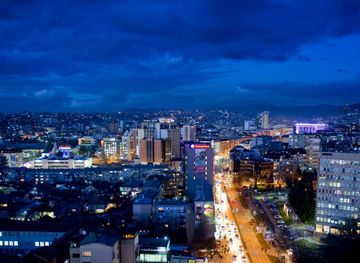
Explore more of Kosovo
Discover Kosovo: A Blend of Ancient History, Vibrant Culture, and Stunning Natural Beauty in the Heart of the Balkans.
Explore Kosovo