Xiangkhoang Plateau: Land of Ancient Mysteries and Natural Beauty
Explore the Xiangkhoang Plateau in Laos: Discover ancient mysteries amidst stunning landscapes and rich history. A unique journey awaits!
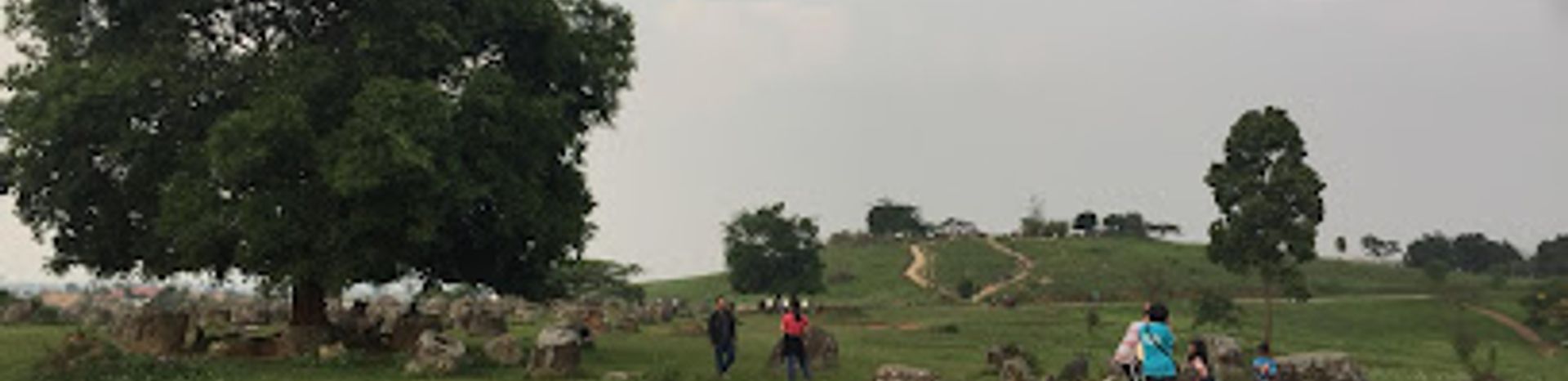
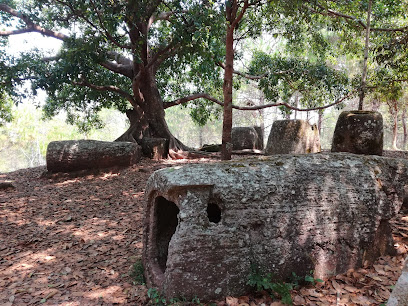
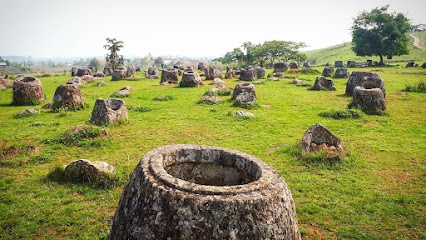
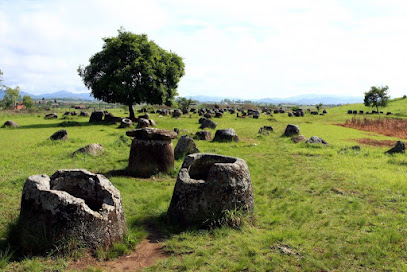
The Xiangkhoang Plateau in Laos is a captivating region known for its stunning landscapes, including rolling hills, karst formations, and verdant valleys. It's most famous for the Plain of Jars, an archaeological landscape dotted with thousands of mysterious stone jars dating back to the Iron Age.
A brief summary to Xiangkhoang Plateau
- LA
Local tips
- Stick to marked paths at the Plain of Jars sites due to the risk of unexploded ordnance.
- Consider visiting during the dry season (November to April) for more pleasant weather.
- Hire a local guide for a deeper understanding of the history and culture of the region.
- Respect local customs and traditions when visiting villages and temples.

Getting There
-
Tuk-tuk
From Phonsavan, the most common way to reach the Plain of Jars is by tuk-tuk. Negotiate a price with a driver in town for a round trip to one or more of the jar sites. A trip to Site 1, the most popular and largest site, typically costs between 100,000 to 150,000 LAK, depending on your bargaining skills and the number of passengers. The journey takes approximately 30-45 minutes each way.
-
Motorbike
Alternatively, you can rent a motorbike in Phonsavan and explore the Plain of Jars at your own pace. Rental costs range from 50,000 to 100,000 LAK per day, depending on the type of bike and rental shop. Be aware that roads can be rough in places, so exercise caution. Fuel costs are minimal, typically around 20,000 LAK for a day trip.
Discover more about Xiangkhoang Plateau
Iconic landmarks you can’t miss

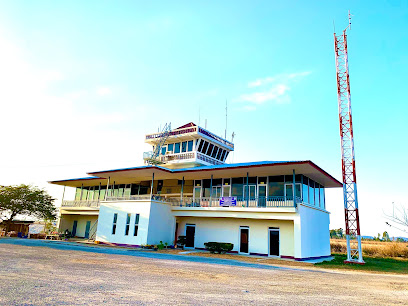
Xieng Khouang Airport
15.2 km
Your gateway to the Plain of Jars: Explore the mysteries of Xieng Khouang from this convenient domestic airport.
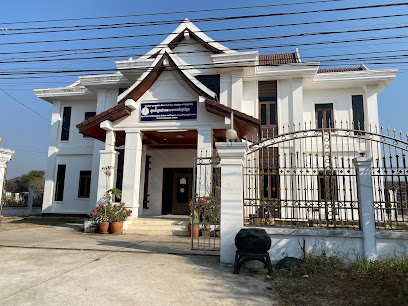
Xieng Kouang Tourism Office
16.5 km
Your starting point for exploring the Plain of Jars and the captivating cultural and historical landscapes of Xieng Khouang Province.
Pukyo Belgian-Lao Bed & Breakfast
16.5 km
Experience Belgian comfort and Lao hospitality at Pukyo Bed & Breakfast, your peaceful retreat in Phonsavan.
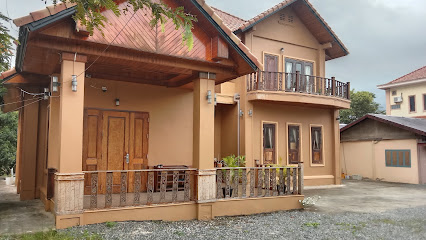
Plain Of Jars Tour
17.5 km
Discover the enigmatic Plain of Jars in Laos, an ancient archaeological marvel surrounded by stunning landscapes and rich history.
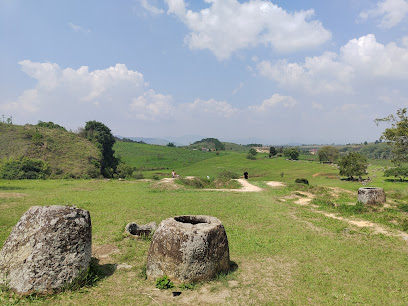
Department of Information, Culture and Tourism, Xieng Khouang Province
18.2 km
Discover the cultural treasures of Xieng Khouang at the Department of Information, Culture and Tourism, your gateway to exploring Laos’s enchanting heritage.

Mr. Souk’s Adventures
18.3 km
Explore the enchanting beauty and rich culture of the region with Mr. Souk’s Adventures, your premier tour operator for unforgettable experiences.
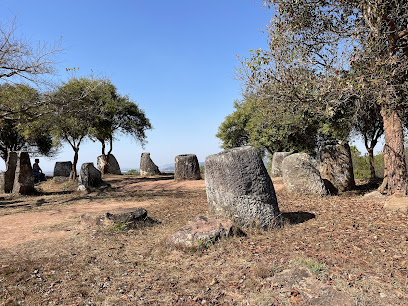
Favanh Mai Hotel
19.6 km
A modern and comfortable hotel in central Phonsavan, perfect for exploring the Plain of Jars and Xieng Khouang's historical sites.
ຕົວແທນຈຳໜ່າຍເຈນຕິໂກ
19.9 km
Discover Phonsavan’s local store, a cultural gem offering authentic Laotian products and a glimpse into everyday life in Laos.
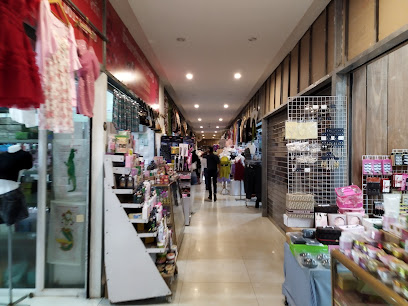
ຊຽງຂວາງເຊັນເຕີ
20.0 km
Experience the vibrant culture of Phonsavan at Xieng Khouang Center, a bustling market with local produce, crafts, and authentic Lao flavors.
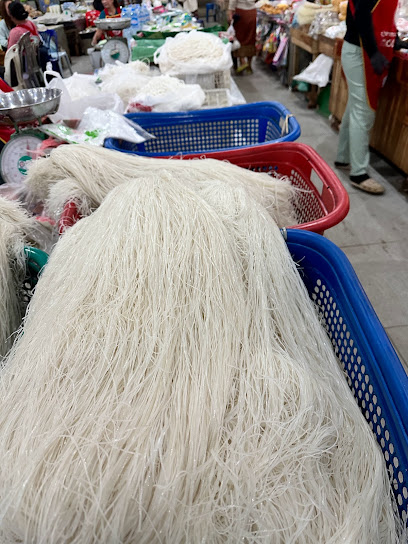
Phonsavan Night Market
20.1 km
Experience the vibrant culture and flavors of Laos at Phonsavan's bustling night market, a sensory feast for every traveler.
Simmary
20.1 km
Authentic Laotian cuisine in Phonsavan, offering a delicious and affordable taste of local flavors.

Cranky-T Café and Bar
20.2 km
Experience the cozy charm of Cranky-T Café and Bar in Phonsavan, Laos, offering local flavors and a welcoming atmosphere for every traveler.
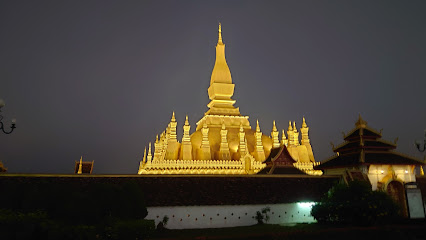
Nice Guest House
20.2 km
Discover comfort and culture at Nice Guest House in Phonsavan, where authentic hospitality meets scenic adventures in Laos.
Plain of jar tour office
20.3 km
Explore the enigmatic Plain of Jars in Laos, a UNESCO World Heritage Site with thousands of mysterious stone jars dating back to the Iron Age.
Anoulackkhenlao Hotel ໂຮງແຮມ ອານຸລັກແຄນລາວ
20.3 km
Comfortable and convenient hotel in Phonsavan, perfect for exploring the Plain of Jars and surrounding attractions.
Unmissable attractions to see

ຜາປ່ອງ
8.6 km
Explore Muang Pot, Laos: A tranquil tourist attraction blending stunning landscapes with rich cultural experiences.
Phu Kheng Tunnel
10.5 km
Discover the historical significance and natural beauty of Phu Kheng Tunnel in Phonsavan, Laos - a must-visit destination for every traveler.
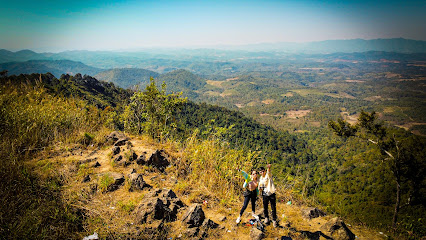
Phu Keng Jar Quarry Viewpoint 1
10.7 km
Experience the ancient wonders of Phu Keng Jar Quarry Viewpoint, where history and breathtaking landscapes converge in Phonsavan, Laos.
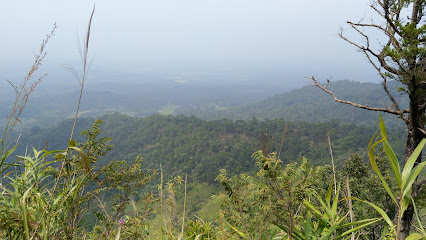
The old Soviet Union settlement
11.9 km
Explore the Old Soviet Union settlement in Phonsavan, a unique tourist attraction highlighting Laos's historical and cultural evolution.
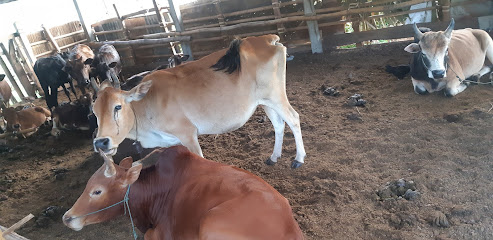
The Cave in the Plain of Jars
13.0 km
Discover the enchanting Cave in the Plain of Jars, a blend of ancient history and natural beauty in the heart of Laos's mysterious landscape.
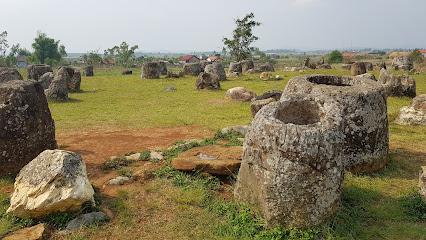
Cánh đồng chum
13.2 km
Discover the captivating mystery of the Plain of Jars in Laos, where ancient history meets stunning natural beauty.
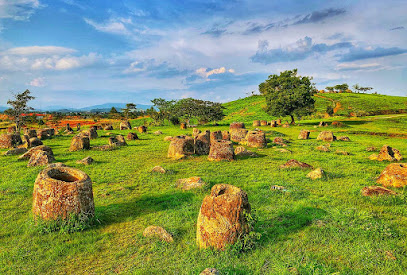
Plain Of Jars Visitor Center
13.5 km
Discover the ancient mysteries of Laos at the Plain of Jars Visitor Center, your gateway to exploring UNESCO World Heritage wonders.
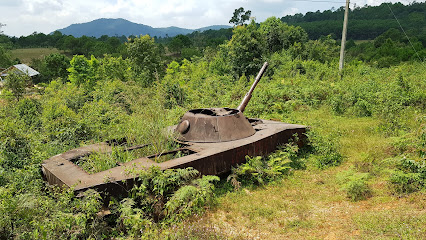
Russian Tank
14.3 km
Discover the Russian Tank in Nak Ho, a captivating tourist attraction steeped in history and surrounded by stunning natural beauty.
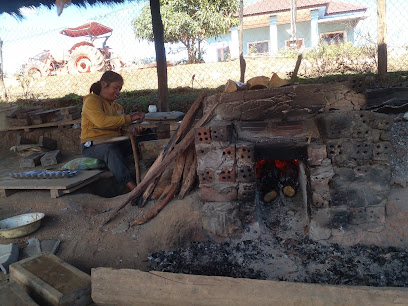
Metal spoon makers
14.6 km
Discover the enchanting world of metal spoon makers, a unique tourist attraction showcasing authentic craftsmanship and cultural heritage.
Ban Naphia Tourist Attraction
14.8 km
Explore Ban Naphia Tourist Attraction in Vientiane: A Cultural Haven of Natural Beauty and Local Crafts Awaiting You.
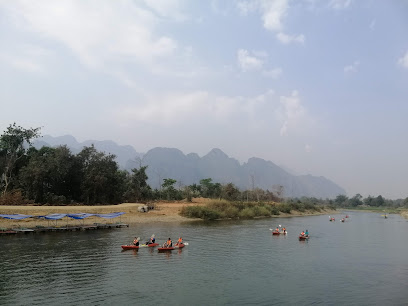
Plain of Jars Site 2
15.5 km
Discover the ancient mysteries of the Plain of Jars Site 2, a UNESCO World Heritage Site in Laos, where history and nature intertwine in breathtaking landscapes.
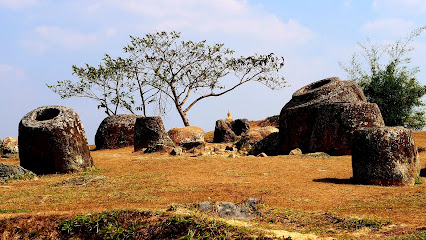
Plain of Jars Site 3 - Ticket Office
16.6 km
Uncover the ancient secrets at the Plain of Jars Site 3 in Laos, a fascinating archaeological site surrounded by breathtaking landscapes.
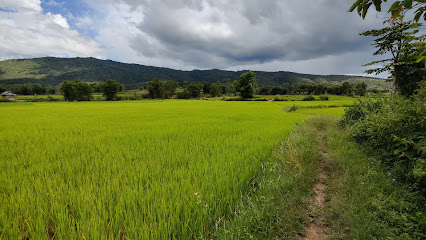
Mulberries
16.8 km
Explore the enchanting Mulberries Organic Silk Farm in Phonsavan, a sustainable haven for silk enthusiasts and eco-conscious travelers alike.
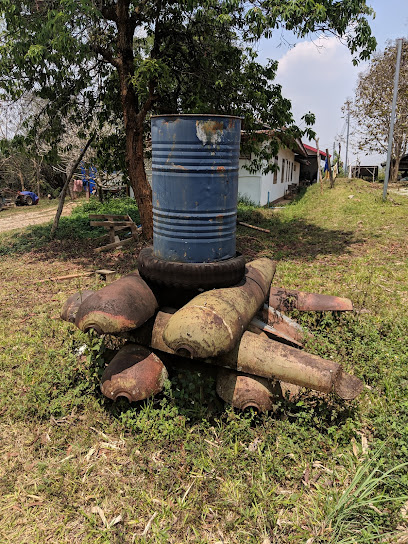
Plain of Jars Site 3
17.1 km
Explore the Plain of Jars Site 3, an ancient archaeological wonder in Laos filled with mysterious stone jars and breathtaking landscapes.
ຮ້ານນັ່ງຫຼີ້ນthecamping
17.6 km
Experience the breathtaking beauty and adventure of The Camping in Phonsavan, where nature and culture intertwine for unforgettable memories.
Essential places to dine

Sukki food garden
13.0 km
Experience authentic Lao cuisine at Sukki Food Garden in Phonsavan – where every dish tells a story of local flavors.
Karaoke douangmala
15.7 km
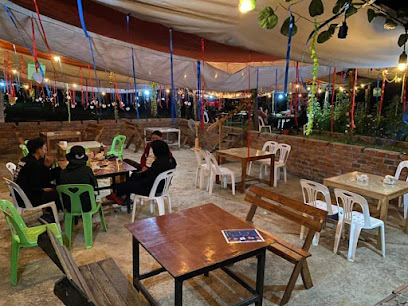
Experience vibrant nightlife at Karaoke Douangmala in Phonsavan - where delicious food meets unforgettable karaoke fun!
Lao restaurant
15.7 km
Savor authentic Laotian flavors in Phonsavan's premier restaurant featuring traditional dishes made from fresh local ingredients.
Vang Tod Restaurant
15.7 km
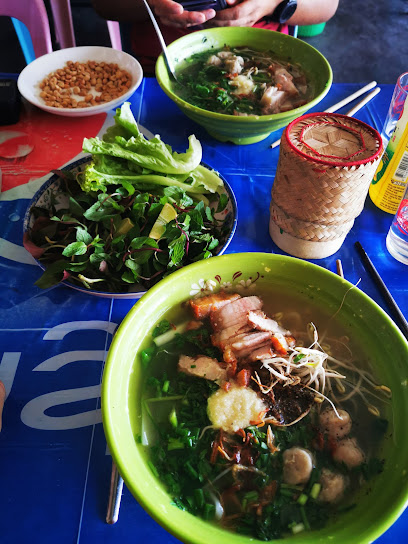
Experience the rich flavors of Laotian cuisine at Vang Tod Restaurant - a culinary gem in Laos offering authentic dishes in a welcoming atmosphere.
ມາຮ້ານນີ້ແມ໋99
15.8 km
Experience authentic Lao cuisine at ມາຮ້ານນີ້ແມ໋99 in Phonsavan - where local flavors meet warm hospitality.
ຮ້ານອາຫານແອນຟິວ
16.2 km
Savor authentic Lao dishes at ຮ້ານອາຫານແອນຟິວ in Phonsavan - where every meal tells a story.
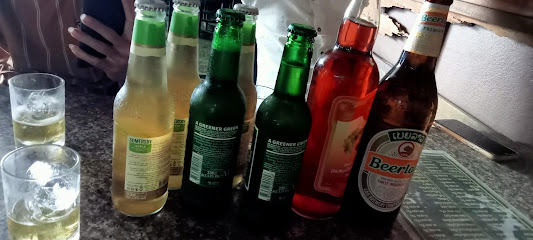
ຮ້ານອາຫານ ລາບແຊບຊຽງຂວາງ
16.7 km
Savor authentic Laotian dishes at ຮ້ານອາຫານ ລາບແຊບໍ່ ໃນ ເĭའ྄ ᄠᄡᄯᄢᄦᄩ ϵϴϬϵ
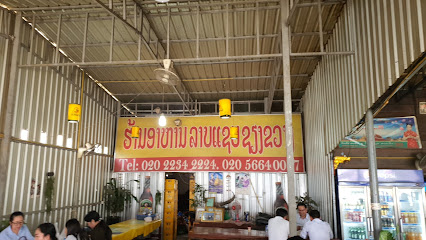
ຮ້ານປິ້ງແບ້ແອ່ນຟ້າ
16.8 km
Savor authentic Lao dishes at ຮ້ານປິ້ງແບ້ແອ่ນфາ in Phonsavan - where tradition meets taste.
Aroma Food Bakery Xiengkhouang Laos
17.0 km
Discover the flavors of Laos at Aroma Food Bakery in Xiengkhouang – where tradition meets taste in every bite.
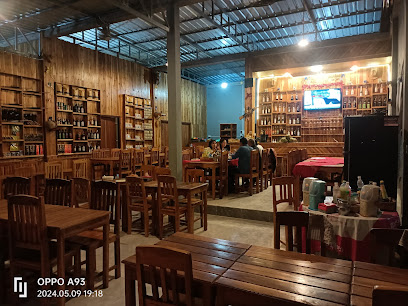
ຮ້ານປີ້ງແບ້ແອ່ນຟ້າ
17.0 km
Savor authentic Lao flavors at ຮ້ານປີ້ງແບ້ແອ่ນฟາ in Phonsavan - a culinary gem showcasing traditional dishes and warm hospitality.
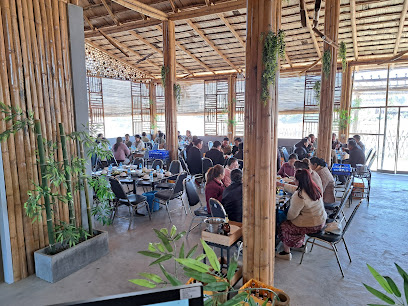
Hẻm Bia Restaurant
17.0 km
Experience authentic Lao seafood cuisine at Hẻm Bia Restaurant in Phonsavan – a must-visit destination for food enthusiasts.
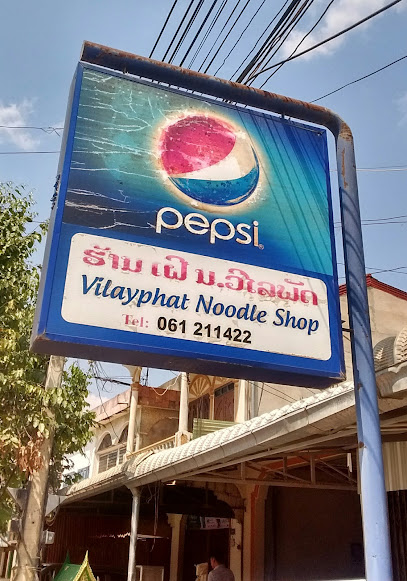
Vilayphat Noodle Shop
17.0 km
Experience the rich flavors of Laos at Vilayphat Noodle Shop in Phonsavan, where every bowl tells a story.
ຮ້ານອາຫານສວນນ້ຳຫງຳ
17.3 km
Experience authentic Laotian flavors at ຮ້ານອາຫານນໍ༈ཧ་ངམ་ལས་བརྗོད་ in ເเมื้່อແࡊก - A culinary journey awaits!
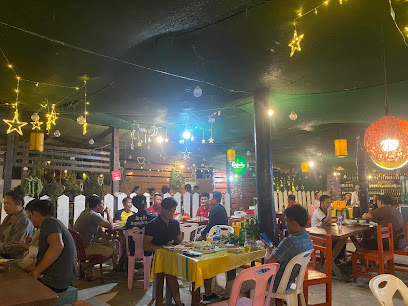
ຮ້ານປີ້ງເເບ້ ສວນນ້ຳຫງຳ
17.3 km
Experience authentic Lao cuisine at ຮ້ານປີ້ງເເບ້ ສວນນ້າ ຫངາ in Phonsavan – where every dish tells a story.
ຮ້ານ ເຝີທາດຂາວ
17.4 km
Experience authentic Lao cuisine at ຮ້ານ ເຝີທາດຂາວ in Phonsavan—where every dish tells a story.
Markets, malls and hidden boutiques

klao care xkh
14.6 km
Explore Klao Care XKH Shopping Mall in Pek, where shopping meets local culture and delicious cuisine in a vibrant atmosphere.
ຮ້ານຂາຍເຄື່ອງສຳອາງ
15.4 km
Explore the vibrant world of beauty at ຮ້ານຂາຍເຄື່ອງສຳອາງ in Phonsavan, where local charm meets quality cosmetics.
Toulor Style Fram
16.3 km
Experience the heart of Cha Ho at Toulor Style Fram, a shopping mall blending local culture and modern retail in a vibrant atmosphere.
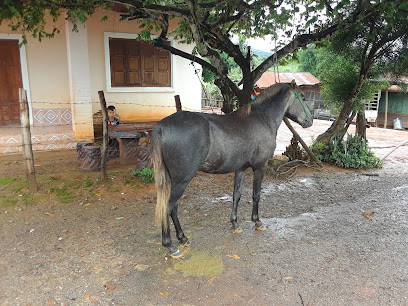
ຮ້ານສົມສະໄຫວ ເອື້ອຍພົ້ວ ຊຽງຂວາງ
16.5 km
Explore the cultural richness of Laos at ຮ້ານສົມສະໄຫວ ເອື້ອຍພົ້ວ ຊຽງຂວາງ, a treasure trove of unique home goods and local craftsmanship.
ໂຮງແຮມລະອອງດາວ
17.0 km
Explore the cultural treasures of ໂຮງແຮມລະອອງດາວ, a charming store in Phonsavan offering unique crafts and souvenirs.
Sinnaly bueaty shop (ຮ້ານຂາຍເຄື່ອງສໍາອາງ)
17.0 km
Explore the unique offerings of Sinnaly Beauty Shop in Phonsavan, where local beauty traditions meet modern cosmetics for an unforgettable shopping experience.
ຮ້ານ ເຊໂດນ ວໍເຕີ ( Xedon Warter Shop)
17.0 km
Explore the vibrant flavors and authentic products at Xedon Warter Shop in Pakxe, a treasure trove of local Lao culture and culinary delights.
ບ້ານໂພນສະຫັວນ
17.0 km
Experience local culture and flavors at ບ້ານໂພນສະຫັວນ, a charming grocery store in Phonsavan offering fresh produce and unique Laotian products.
Morning Market
17.3 km
Discover Phonsavan's Morning Market, where fresh produce and local flavors unite in a vibrant cultural experience.
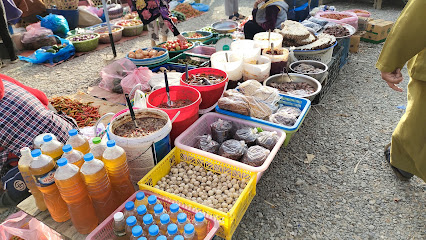
ຮ້ານຊື້-ຂາຍລົດບ້ານໂງຍ,ເມືອງແປກ,ແຂວງຊຽງຂວາງ
17.3 km
Discover unique local crafts and vibrant culture at the Shopping Mall in Phonsavan, where shopping meets Laotian heritage.
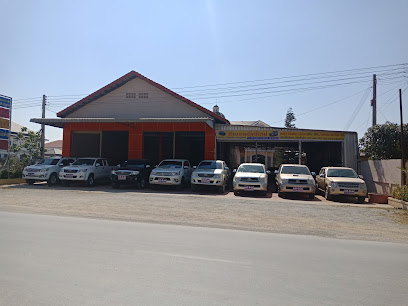
Garden Coffee Shop
17.3 km
Discover the warmth of Laos at Garden Coffee Shop, where aromatic brews meet cozy ambiance in the heart of Phonsavan.
Xiengloei Cafe
17.3 km
Discover the aromatic charm of Xiengloei Cafe in Phonsavan, a perfect spot for coffee lovers seeking relaxation and local flavors.
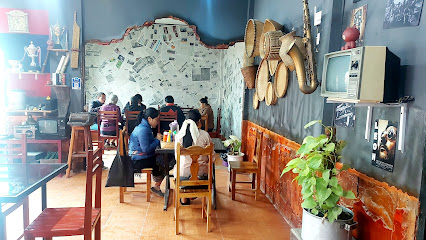
Shopping
17.5 km
Discover the essence of local culture at Phonsavan's vibrant shopping mall, offering unique handicrafts, delicious cuisine, and a lively atmosphere.
ຮ້ານເກີບໜັງມີລາຊູສ໌MILASHOES
17.5 km
Discover stylish footwear at MILASHOES in ນຳ້ຫງຳ້ໂພນສະຫວັນ, blending local craftsmanship with modern trends.
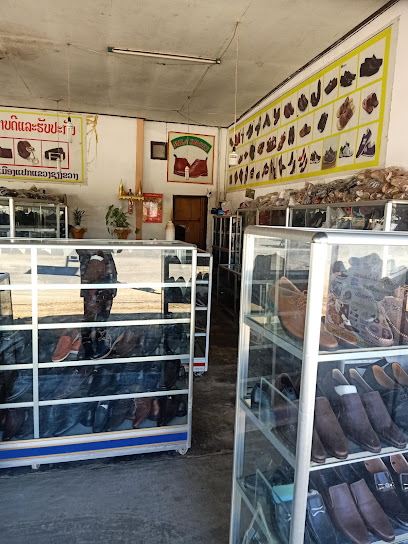
ຮ້ານ 3 ແຍກໄຟແດງນ້ຳຫງຳ ຂາຍກະບອງເພັດ - ຖົງຕີນ
17.5 km
Experience the charm of ຮ້ານ 3 ແຍກໄຟແດງນ້ຳຫງຳ, where local culture and exquisite gift baskets come together in the heart of ເມືອງແປກ.
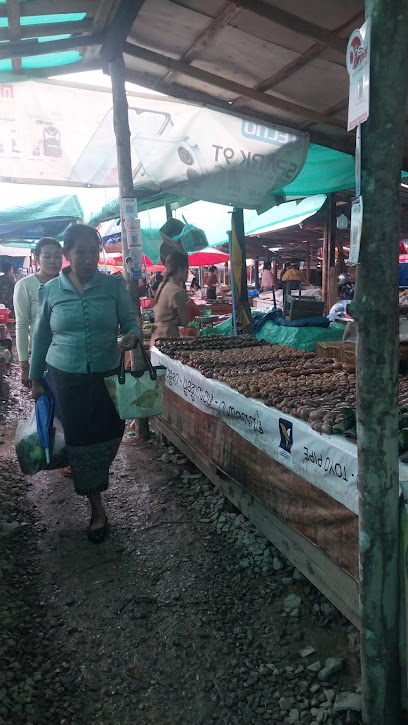
Essential bars & hidden hideouts

Neej Zoo Lub Neej
9.2 km
Experience the authentic taste of Laos at Neej Zoo Lub Neej, a cozy restaurant in Phonsavan offering delightful local dishes.
FriendZone -
17.0 km
Experience the vibrant nightlife at FriendZone, Phonsavan's top bar offering diverse drinks and a lively atmosphere perfect for unwinding.
First Love Bar1
17.5 km
Discover the cozy charm of First Love Bar in Phonsavan, where refreshing drinks and warm hospitality await every traveler.
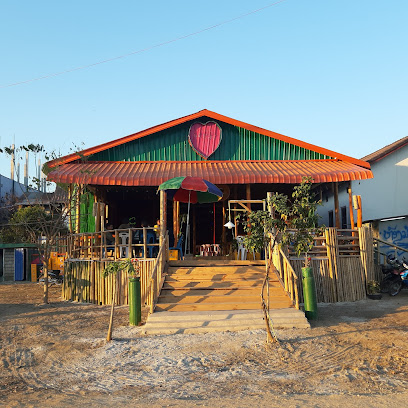
迪芭音乐餐吧
18.0 km
Discover the lively 迪芭音乐餐吧 in Phonsavan, where local culture meets vibrant nightlife and live music, perfect for tourists seeking fun.
ມາຫຼີ້ນບາຣ໌
18.9 km
Discover the lively ambiance of ມາຫຼີ້ນບາຣ໌, a vibrant bar in Phonsavan that offers a unique taste of Lao nightlife and unforgettable experiences.
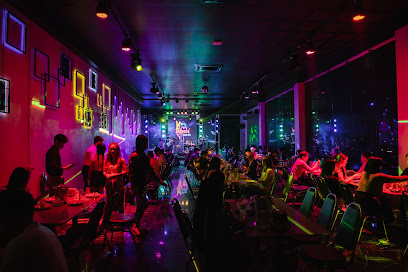
Tree Town Restaurant and Pub (ຮ້ານອາຫານ&ບັນເທີງ ທີທາວ)
19.0 km
Discover the lively essence of Phonsavan at Tree Town Restaurant and Pub, where culture meets nightlife in a vibrant disco club atmosphere.
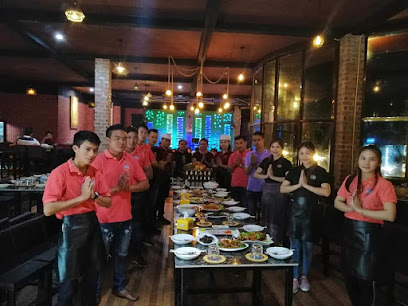
ເທັກ Nana night club
19.0 km
Discover the electrifying ambiance of Tech Nana Night Club in Phonsavan, where music and culture collide for an unforgettable nightlife experience.
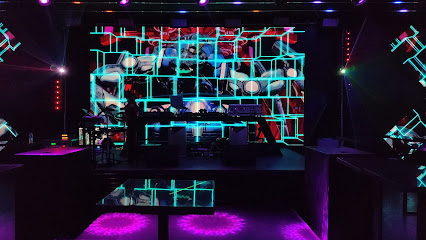
The king bar and restaurant
19.6 km
Discover the vibrant atmosphere of The King Bar and Restaurant in Phonsavan, where local flavors meet a welcoming ambiance.
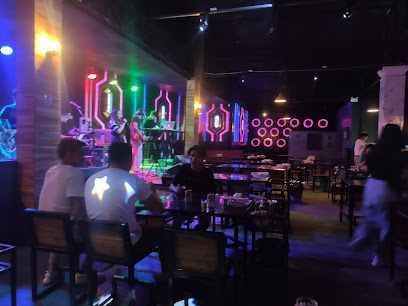
ນັ່ງຊິວ ບາຣ໌ກູ
20.4 km
Discover the vibrant atmosphere of ນັ່ງຊິວ ບາຣ໌ກູ in Phonsavan, where local flavors meet a lively nightlife experience.
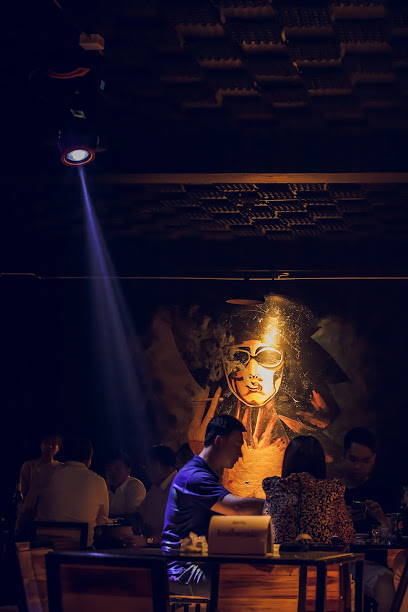
ຮ້ານອາຫານ PV 999
24.1 km
Experience the vibrant culture and authentic flavors at PV 999, a must-visit bar and restaurant in Ban Houa, Laos.
ເຫຼົ້າໄຫນໍ້າເກາະເມືອງແປກແຂວງຊຽງຂວາງ
30.7 km
Experience the vibrant nightlife of Pakse at the Waterfall Bar, where refreshing drinks and friendly faces await.
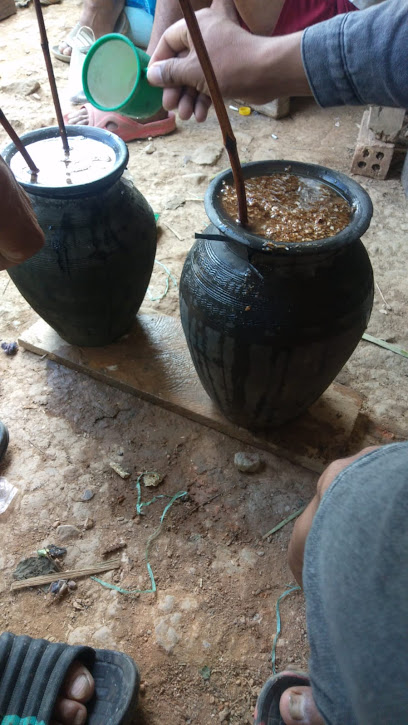
ສວນອາຫານ ບີກະທິງ
34.7 km
Discover the lively bar scene at ສວນອາຫານ ບີກະທິງ, where local flavors and vibrant atmosphere unite in Long Tieng.
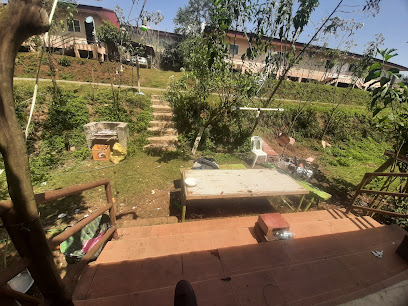
ນນ
36.5 km
Experience the vibrant bar scene in Muang Khoun, where local culture meets a welcoming atmosphere and refreshing beverages await.
ຮ້ານຕຳຖ່ອຍ
43.1 km
Experience authentic Laotian cuisine at ຮ້ານຕຳຖ່ອຍ in ເມືອງແປກ, where every dish tells a story.
ຮ້ານກິນດື່ມໄອລິນ Ileen restaurant
53.8 km
Discover the lively atmosphere and local flavors at Ileen Restaurant in Sana Somboun, the perfect bar for relaxation and socializing.
Nightclubs & after hour spots

Nit Restaurant
35.7 km
Discover the vibrant essence of Lao nightlife at Nit Restaurant in Muang Khoun, where delicious cuisine meets electrifying entertainment.
ເຮືອນ ສ ລ ນາຊູ
75.8 km
Dive into the electrifying nightlife at ເຮືອນ ສ ລ ນາຊູ, the ultimate night club experience in Ban Pho Hièou, Laos.
Big Mountain
79.5 km
Experience the electrifying nightlife at Big Mountain, Vang Vieng's premier night club, where music, dance, and fun await every visitor!
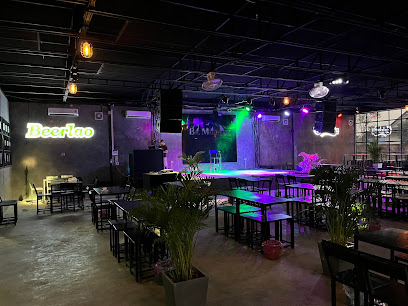
Heart Beat Club
79.7 km
Dive into the electrifying nightlife of Vang Vieng at Heart Beat Club, where unforgettable memories and dancing await every visitor.
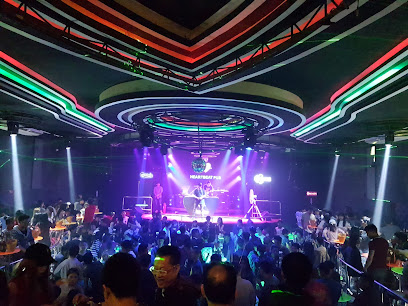
Jungle Party all night on fridays!
79.8 km
Discover the electrifying Jungle Party in Vang Vieng, where unforgettable nights and vibrant music create the ultimate party experience.
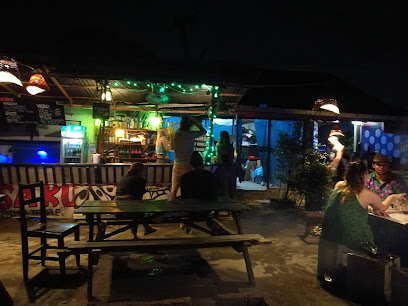
Yoyo Bar Vang Vieng
80.8 km
Experience unforgettable nights at Yoyo Bar in Vang Vieng, a top destination for vibrant nightlife, delicious cocktails, and live music.
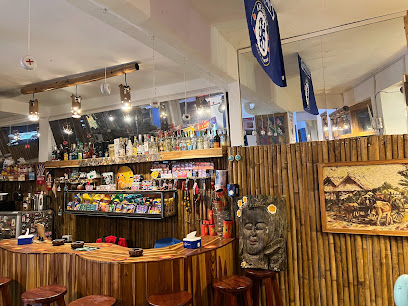
Viva Pub
80.8 km
Experience the vibrant nightlife of Vang Vieng at Viva Pub, where the music is lively, drinks are refreshing, and memories are made.
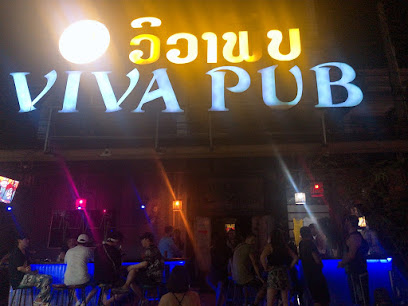
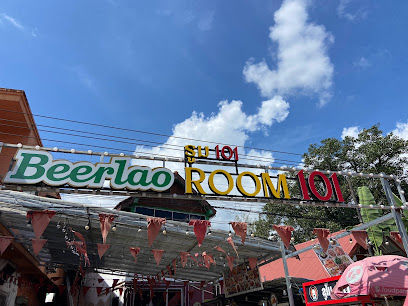
Room 101
80.9 km
Experience the vibrant nightlife of Vang Vieng at Room 101, where the music never stops and the party goes on until dawn.
Jaidee's Bar & Restaurant
81.0 km
Experience the vibrant nightlife and delicious cuisine at Jaidee's Bar & Restaurant in Vang Vieng, a must-visit hotspot for travelers.
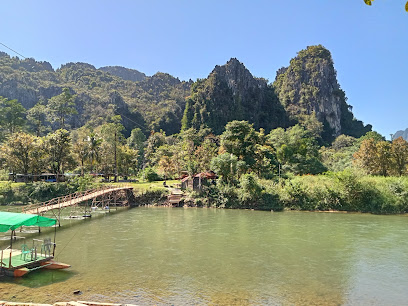
Insomnia Vangvieng
81.0 km
Experience Vang Vieng's vibrant nightlife at Insomnia Vangvieng, where exquisite cocktails meet stunning riverside views.
SAKURA BAR
81.0 km
Discover the lively nightlife at Sakura Bar in Vang Vieng, where great drinks, music, and friendly locals create unforgettable memories.
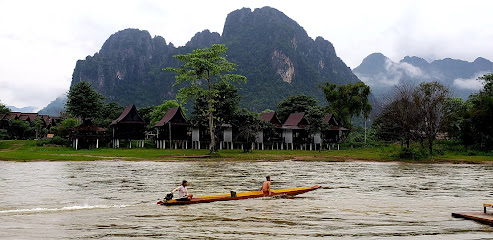
Gary's Irish Bar - The Rising Sun
81.0 km
Discover the lively atmosphere of Gary's Irish Bar - The Rising Sun in Vang Vieng, where Irish charm meets Laotian hospitality.
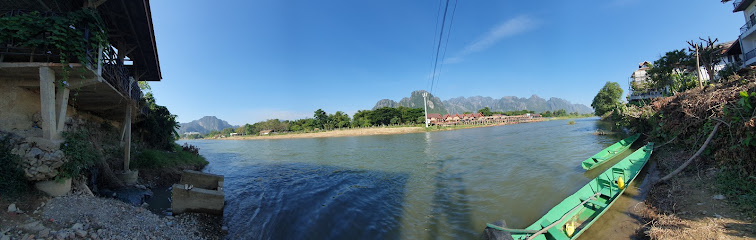
The Big Easy Bar Vang Vieng
81.0 km
Discover Vang Vieng's vibrant culinary scene at The Big Easy Bar, where delicious grilled dishes meet a lively atmosphere, perfect for every traveler.
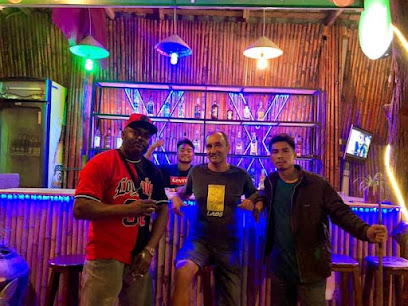
방비엥 99가라오케 ktv 노래방
81.1 km
Experience the vibrant nightlife of Vang Vieng at 방비엥 99가라오케 ktv 노래방, where karaoke meets the electrifying atmosphere of a nightclub.
Space Bar
81.2 km
Discover the lively ambiance and diverse drink selection at Space Bar, a top nightlife destination in Vang Vieng, Laos.