

Free Thakhek Travel Guide & Mobile App
Plan your Thakhek trip with Evendo. Get free guides to top attractions, restaurants, hotels, and bars. Web access or download the mobile app.


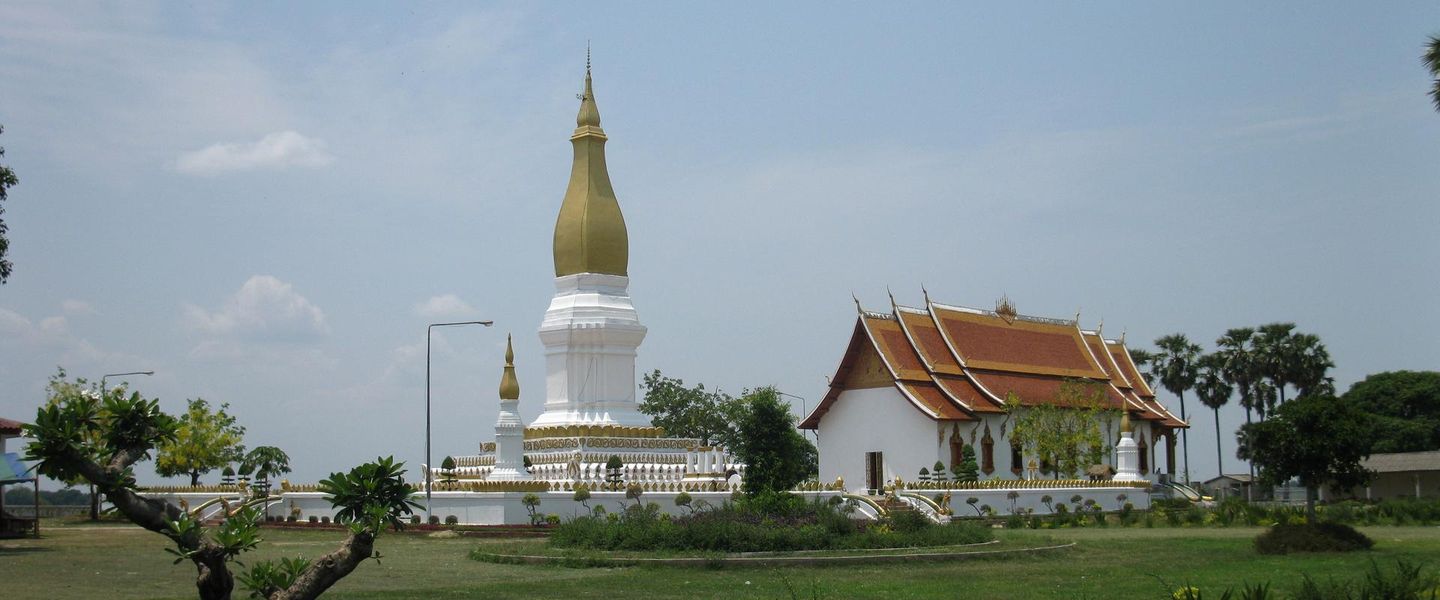

Thakhek, Laos, combines Mekong riverside views, French-era streets, Buddhist heritage and access to the celebrated limestone caves of central Laos.
A Mekong Border Town
Thakhek lies on the central Lao bank of the Mekong, facing Nakhon Phanom in Thailand across the river. Its setting gives the city a measured, spacious character: the historic centre is small enough to explore on foot, while the broad riverfront opens towards Thailand and the distant hills. Thakhek is the capital of Khammouane Province and an important base for discovering the karst landscapes, caves and rural roads of central Laos.Read more about Thakhek
Colonial Streets and Buddhist Heritage
Gateway to the Thakhek Loop
When is the best time to visit Thakhek?
Best: December–February · 28–30°C| Month | High (°C) | Rainfall (mm) |
|---|---|---|
| January (best) | 29 | 7 |
| February (best) | 30 | 11 |
| March | 34 | 19 |
| April | 37 | 32 |
| May | 35 | 71 |
| June | 36 | 147 |
| July | 35 | 254 |
| August | 35 | 252 |
| September | 35 | 132 |
| October | 33 | 50 |
| November | 30 | 14 |
| December (best) | 28 | 7 |
Getting to and around Thakhek
How to get there
Transportation
Best attractions in Thakhek
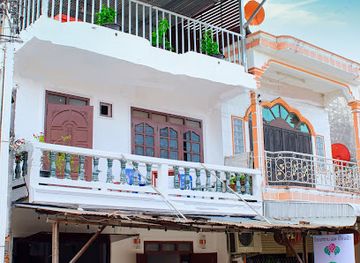
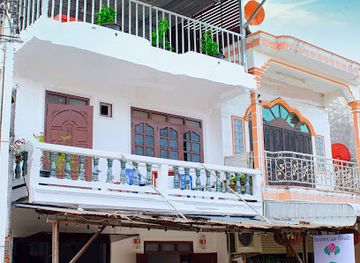
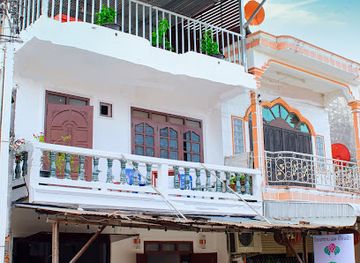
Thakhek's attractions combine a compact historic centre with access to one of central Laos's most dramatic landscapes. Begin among the old French-influenced shophouses, where weathered façades, arcaded streets and small local businesses reveal the town's former administrative importance. The Mekong promenade offers open views towards Nakhon Phanom and becomes a popular gathering place near sunset. Sikhottabong Stupa, south of the centre, provides a more contemplative encounter with the province's Buddhist heritage and the ancient Sikhottabong tradition. For adventurous sightseeing, Thakhek is the natural base for the Thakhek Loop, a road journey through limestone scenery, forest and villages. Its caves and viewpoints lie outside the city, with Kong Lor Cave farther east in Khammouane Province rather than within Thakhek itself. Local markets and temple compounds add a grounded sense of daily life between longer excursions.
-
Tourist attraction
Phou Hin Poun National Bio-Diversity Conservation Area
Experience the breathtaking beauty and biodiversity of Phou Hin Poun National Bio-Diversity Conservation Area, a true gem of Laos.
54 min drive · 34 km from city centre
-
Tourist attraction
Thafalang
Explore Thafalang, a captivating blend of culture and nature in Xiangliab, Laos, perfect for every type of traveler seeking adventure and authenticity.
31 min drive · 11 km from city centre
-
Tourist attraction
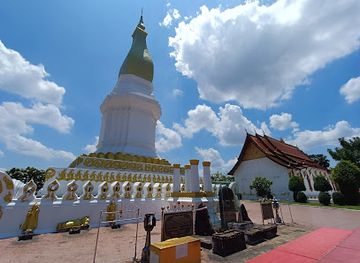
Wat Phathat Si Khottabong (ວັດພະທາດສີໂຄດຕະບອງ)
Explore the serene beauty and spiritual heritage of Wat Phathat Si Khottabong in Thakhek, a must-visit Buddhist temple in Laos.
22 min drive · 7.2 km from city centre
-
Tourist attraction
Tham Nang Ene Cave
Explore the enchanting Tham Nang Ene Cave in Xiangliab, Laos, where stunning rock formations and tranquil waters await adventurous travelers.
33 min drive · 13 km from city centre

Best landmarks in Thakhek
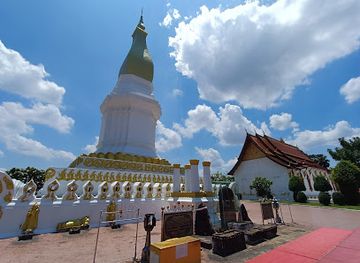
Thakhek's principal landmarks express its position as a Mekong border town and provincial Buddhist centre. The historic shophouse quarter is the clearest architectural record of French colonial administration, with narrow commercial buildings and façades shaped by the needs of a former river port. Along the water, the Mekong riverfront is less a single monument than a defining civic landscape, framing views towards Nakhon Phanom and the Thai shore. Sikhottabong Stupa, south of the centre, is the area's most important religious landmark and connects contemporary worship with the ancient Sikhottabong tradition. The Third Thai–Lao Friendship Bridge is a newer infrastructural landmark, carrying the modern road link to Thailand across the river. Together, these elements show how Thakhek's identity has been formed by Buddhism, colonial administration, cross-border exchange and the geography of the Mekong.
-
Canoe & kayak tour agency
Thafalang
Discover Thafalang: A blend of culture and nature in Xiangliab, Laos, offering a serene escape and immersive local experiences.
31 min drive · 11 km from city centre
-
Buddhist temple
Wat Phathat Si Khottabong (ວັດພະທາດສີໂຄດຕະບອງ)
Discover the spiritual heart of Thakhek at Wat Phathat Si Khottabong, a stunning Buddhist temple with a rich history and serene atmosphere.
22 min drive · 7.2 km from city centre
-
Motorcycle rental agency
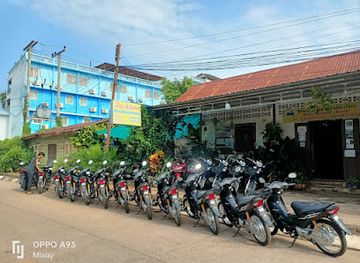
Mixay Thakhek motor rental
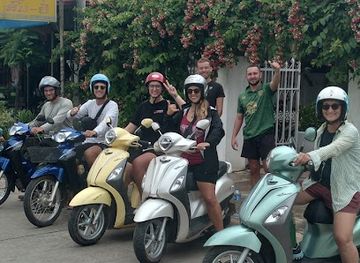
Explore the Thakhek Loop and beyond with reliable motorcycle rentals. Your adventure starts here with well-maintained bikes and expert advice!
10 min drive · 3.3 km from city centre
-
 Hotel
HotelInthira Thakhek
Experience colonial charm and modern comfort at Inthira Thakhek, a boutique hotel in the heart of Thakhek, Laos.
10 min drive · 3.2 km from city centre
Explore Thakhek on the map
Plan your Thakhek trip on one map. See where the top attractions, landmarks, restaurants, bars and hotels are, find what's near where you're staying, and book hotels and experiences in a few clicks.
Best hotels in Thakhek
Best restaurants in Thakhek
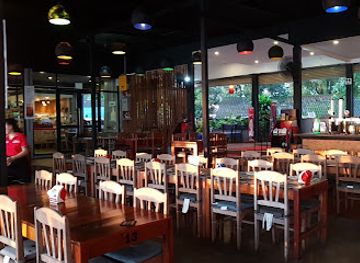
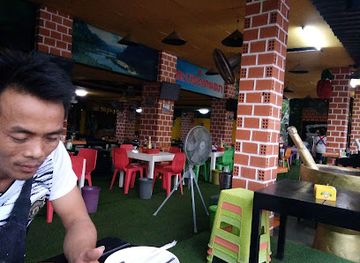
Thakhek's dining scene is modest, local and closely tied to the food culture of central Laos. Sticky rice, jeow dipping sauces, grilled meats, freshwater fish, herb-filled salads and noodle soups are common features, while khao piak sen, a comforting rice-noodle soup, is widely associated with Lao home cooking. Mekong fish and locally grown herbs reflect the riverine and agricultural setting, and the town's cafés and informal eateries provide simple places to eat between bus journeys or excursions. Markets are useful for fruit, snacks and prepared dishes, although visitors should choose food that is freshly cooked and served hot. Because Thakhek faces Thailand, some menus and ingredients show cross-border influence, but the atmosphere remains distinctly provincial Lao rather than highly international. Dining is generally centred on family-run restaurants, market stalls and relaxed riverside venues rather than a formal restaurant district.
-
Restaurant
Song Fang Khong Restaurant
Experience authentic Lao cuisine at Song Fang Khong Restaurant in Thakhek – where tradition meets taste in every dish.
10 min drive · 3.3 km from city centre
-
Restaurant
Sunset Restaurant
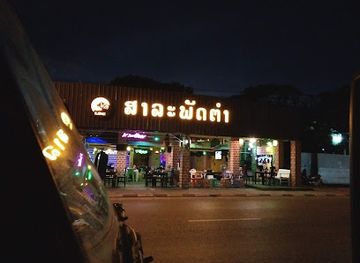
Discover the flavors of Laos at Sunset Restaurant in Thakhek - where exquisite cuisine meets breathtaking views.
10 min drive · 3.5 km from city centre
-
Restaurant
Six Friends Restaurant
Discover the essence of Laotian cuisine at Six Friends Restaurant in Thakhek - where flavor meets tradition.
10 min drive · 3.3 km from city centre
-
Hotel
La Casa
Experience comfort and adventure at La Casa in Thakhek – your gateway to exploring Laos's stunning landscapes and rich culture.
10 min drive · 3.3 km from city centre
Best bars in Thakhek
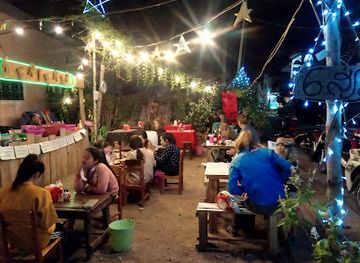
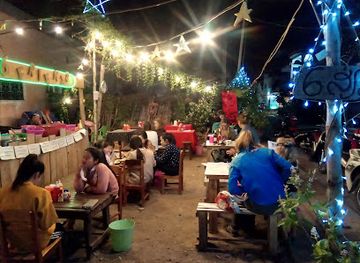
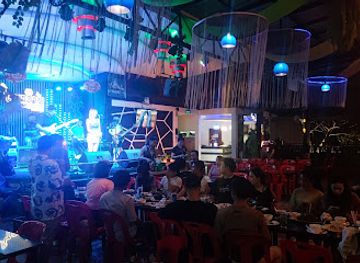
Thakhek has a restrained evening scene rather than a concentrated nightlife district. After sunset, activity gathers around the Mekong, where riverside restaurants and informal beer gardens provide space for conversation and views across to Thailand. Small cafés and local restaurants may remain sociable into the evening, while guesthouses and travel-oriented establishments often serve as meeting points for people preparing for the Thakhek Loop. Entertainment is generally low-key, and visitors should not expect the late-night club circuit found in larger Southeast Asian cities. Lao Beer is a familiar presence, but drinking is only one part of the evening atmosphere: strolling, eating, watching the river and joining local gatherings are equally characteristic. Quiet behaviour is appropriate near temples and residential streets, and venue hours can vary considerably with the season and local demand.
-
Restaurant
Sunset Restaurant
Discover the flavors of Laos at Sunset Restaurant in Thakhek, where exceptional cuisine meets breathtaking views for an unforgettable dining experience.
10 min drive · 3.5 km from city centre
-
Restaurant
Six Friends Restaurant
Experience the essence of Laotian cuisine at Six Friends Restaurant, a culinary haven in Thakhek with authentic and flavorful dishes.
10 min drive · 3.3 km from city centre
-
Bar
La Casa
Discover La Casa in Thakhek: A bar, hotel, and restaurant offering authentic Laotian experiences in a cozy setting.
10 min drive · 3.3 km from city centre
-
Karaoke bar
TonTan
Discover the vibrant nightlife of TonTan Karaoke Bar in Thakhek, where locals and tourists gather for unforgettable sing-alongs and a lively atmosphere.
9 min drive · 2.9 km from city centre
Best nightclubs in Thakhek
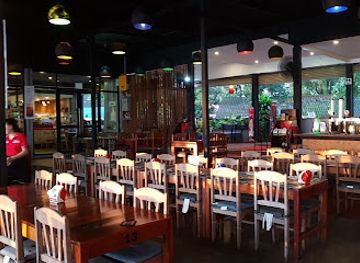
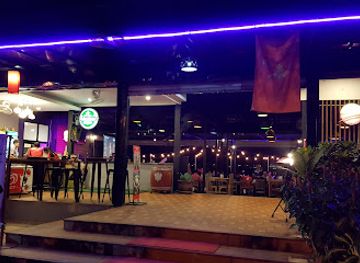
Thakhek has a restrained evening scene rather than a concentrated nightlife district. After sunset, activity gathers around the Mekong, where riverside restaurants and informal beer gardens provide space for conversation and views across to Thailand. Small cafés and local restaurants may remain sociable into the evening, while guesthouses and travel-oriented establishments often serve as meeting points for people preparing for the Thakhek Loop. Entertainment is generally low-key, and visitors should not expect the late-night club circuit found in larger Southeast Asian cities. Lao Beer is a familiar presence, but drinking is only one part of the evening atmosphere: strolling, eating, watching the river and joining local gatherings are equally characteristic. Quiet behaviour is appropriate near temples and residential streets, and venue hours can vary considerably with the season and local demand.
-
Restaurant
Sunset Restaurant
Experience the best of Laotian and international cuisine at Sunset Restaurant, Thakhek's favorite dining spot.
10 min drive · 3.5 km from city centre
-
Bar
La Casa
Experience the vibrant atmosphere of La Casa in Thakhek, where leisure meets adventure in the heart of Laos.
10 min drive · 3.3 km from city centre
-
Karaoke bar
TonTan
Join the karaoke craze at TonTan in Thakhek, where unforgettable performances and vibrant nightlife await every visitor.
9 min drive · 2.9 km from city centre
-
Night club
ໄວຫວານ Night Clup
Discover the exhilarating nightlife at ໄວຫວານ Night Club in Thakhek, where music, dancing, and vibrant energy come together for an unforgettable experience.
10 min drive · 3.4 km from city centre
Best shops in Thakhek
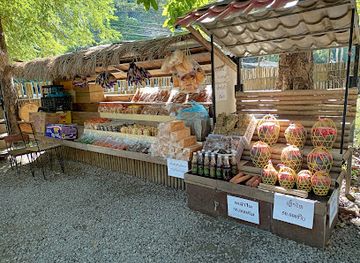
Shopping in Thakhek is oriented towards everyday local life rather than large-scale retail. The town's markets are the best places to encounter fresh produce, herbs, snacks, household goods and prepared food, while small shops around the centre sell practical supplies for travellers heading into Khammouane Province. The old commercial streets retain a traditional shophouse character, with family businesses occupying narrow premises and serving both residents and border traffic. Visitors may find Lao textiles, woven goods, coffee, dried foods and small handicrafts, although selection varies and products should be assessed for genuine local origin. Thai goods also appear because of the city's connection with Nakhon Phanom, particularly in border-oriented commerce. There is no need to expect a dedicated luxury or design-shopping quarter; the interest lies in observing how a provincial Mekong town trades, cooks and supplies its surrounding communities.
-
Youth hostel
Naga Hostel & Café
Discover comfort and community at Naga Hostel & Café in Thakhek, your gateway to Laos' stunning landscapes and rich culture.
9 min drive · 3.1 km from city centre
-
Buddhist temple
Wat Phathat Si Khottabong (ວັດພະທາດສີໂຄດຕະບອງ)
Explore the tranquility and beauty of Wat Phathat Si Khottabong, a stunning Buddhist temple in Thakhek, Laos, rich in culture and spiritual heritage.
22 min drive · 7.2 km from city centre
-
Tourist attraction
Thafalang
Experience the natural beauty and cultural richness of Thafalang, a captivating tourist attraction in Xiangliab, perfect for all travelers.
31 min drive · 11 km from city centre
-
Motorcycle rental agency
Mixay Thakhek motor rental
Experience the best of Thakhek, Laos, with Mixay Thakhek Motor Rental, your gateway to adventure on two wheels!
10 min drive · 3.3 km from city centre
Get your free copy of our complete guide to Thakhek, delivered straight to you.
Everything on this page, from attractions and restaurants to essentials and local phrases, in one PDF you can read offline, print or share.
Already have an account? Sign in
Your Thakhek guide is ready.
We'll send it to · Not you? Sign out

Getting your guide ready…
We are putting together a fresh copy of the Thakhek guide. This can take up to a minute.
This can take a few moments. If your browser asks, choose Allow so the download can start. You'll find the guide in your Downloads folder.
Nothing happened? Download it again
Sorry, the guide is taking longer than usual. Please try again in a minute, or get it by email instead.
Thakhek essentials
Currency and Payment
Safety
Emergency Situations
Do's and Don'ts
Local Tips
From Eve
Local phrases worth knowing
You don't need to get them perfect. A few words go a long way, and locals appreciate the effort.
Basics
| English | Local | Say it |
|---|---|---|
| Hello | ສະບາຍດີ | [sa-bai-dee] |
| Goodbye | ລາກ່າວ | [la-khaaw] |
| Yes | ຮິມ | [him] |
| No | ບໍ່ | [bo] |
| Please/You're welcome | ກະລຸນາ | [ka-lun-na] |
| Thank you | ຂໍຂອບ | [kop-khob] |
| Excuse me/Sorry | ຂໍຂອບ | [kop-khob] |
| How are you? | ສະບາຍດີບໍ? | [sa-bai-dee bo?] |
| Fine. And you? | ດີບໍ. ແລະ ທັນເຂົ້າ | [di bo. lae than khao] |
| Do you speak English? | ເຈົ້າพูดภาษาอังกฤษได้ไหม? | [jaaw phut pha-saa ang-krise dai mai?] |
| I don't understand | ຂ້ອຍບໍ່ເຂົ້າ | [koi bo khao] |
Eating & Drinking
| English | Local | Say it |
|---|---|---|
| I'd like to see the menu, please | ຂ້ອຍຕອບເມືອງການອາຫານຫ້າ, ກະລຸນາ | [koi toab meuang kan a-han hao, ka-lun-na] |
| I don't eat meat | ຂ້ອຍບໍ່ແຝງສົດ | [koi bo faeng sot] |
| Cheers! | ຂໍຂອບ | [kop-khob] |
| I would like to pay, please | ຂ້ອຍຕ້ອງຈ່າຍ, ກະລຸນາ | [koi tong chao, ka-lun-na] |
Emergencies
| English | Local | Say it |
|---|---|---|
| Help! | ຊ່ວຍເຫຼືອ! | [suu rue] |
| Go away! | ດາວດີ! | [daw di] |
| Call the Police! | ໂທລໍສະມານ! | [tho la saman] |
| Call a doctor! | ໂທເກົ່າ! | [tho keo] |
| I'm lost | ຂ້ອຍຢູ່ໃກ້! | [koi yu kai] |
| I'm ill | ຂ້ອຍຮ້ອຍ | [koi hoi] |
Shopping
| English | Local | Say it |
|---|---|---|
| I'd like to buy... | ຂ້ອຍຕ້ອງຊື້... | [koi tong su mo...] |
| I'm just looking | ຂ້ອຍກິນເບິ່ງ | [koi kin beng] |
| How much is it? | ມັນແລງເງິນຈຳນວນໜ້ອຍ? | [man laeng ngern mon wan ngoi?] |
| That's too expensive | ສິນຄ້ານີ້ລາວເກີນ | [sin kha ni lao keun] |
| Can you lower the price? | ໄດ້ແຕ່ລາຄືນຜົນໄດ້ບໍ? | [dai tae la koen phon dai bo?] |
Time & Numbers
| English | Local | Say it |
|---|---|---|
| What time is it? | ເວລາແມ່ນຢາ? | [wa lao mae nyaa?] |
| It's one o'clock | ແລງເວລາມາເຊັມ | [laeng wa mae sem] |
| Half past (10) | ຂຶ້ນເວລາ (10) | [khen wa (sip)] |
| Morning | ເຊັນ | [sem] |
| Afternoon | ແລງ | [laeng] |
| Evening | ກາງຄືນ | [kang koen] |
| Yesterday | ມື້ວັນທີ່ | [me wan thi] |
| Today | ມື້ນີ້ | [me ni] |
| Tomorrow | ມື້ອື່ນ | [me un] |
| 1 | ໜຶງ | [nung] |
| 2 | ສອງ | [song] |
| 3 | ສາມ | [sam] |
| 4 | ສີ່ | [si] |
| 5 | ຫ້າ | [ha] |
| 6 | ຫົກ | [hok] |
| 7 | ໂປ | [po] |
| 8 | ເຈັດ | [chet] |
| 9 | ແປ | [pae] |
| 10 | ສິບ | [sip] |
Transport & Directions
| English | Local | Say it |
|---|---|---|
| Where's a/the...? | ຢາກບ່ອນທີ່ມີ...? | [yak bon thi mi...?] |
| What's the address? | ທີ່ຢູ່ຢູ່ບ່ອນແທນ? | [thi yu yu bon thaen?] |
| Can you show me (on the map)? | ເຈົ້າສະແດງຂ້ອຍໃນແຜນທີ່ໄດ້ບໍ? | [jaaw sa daeng koi nyai phaen thi dai bo?] |
| When's the next (bus)? | ເວລາຫຼັງກ່ອນມື້ນໍ? | [wa lao nang koi mon nyi noy?] |
| A ticket (to ....) | ໃບບໍ່ສາມາດ (ເຂົ້າ...) | [pai bo samat (khao...)] |
History of Thakhek
Sikhottabong and Early River Kingdoms
The history of Thakhek is closely connected with Sikhottabong, an ancient cultural and religious centre associated with the middle Mekong. Local Buddhist tradition and regional historical accounts link the area with the older polity of Sikhottabong, whose influence extended through parts of present-day central Laos and northeastern Thailand. The surviving Sikhottabong Stupa south of Thakhek preserves this connection in religious form, although details of the earliest settlement and kingdom remain interpreted through a mixture of archaeological evidence, chronicles and local tradition. The Mekong itself was the decisive geographical force, supporting movement, trade and communication between communities on both banks long before modern national borders were established.
The Rise of Thakhek
Thakhek developed as a settlement on the Mekong opposite the modern Thai town of Nakhon Phanom. Its position made it a natural point for river traffic, regional exchange and administration. The town's name is generally understood in relation to foreign visitors or guests, reflecting its long-standing role as a meeting place on a major inland waterway. Buddhist institutions and river commerce shaped daily life, while the surrounding plains and limestone country connected the town with agricultural and upland communities. The relationship with the opposite bank remained particularly important, even as changing political boundaries gradually made the Mekong an international frontier rather than simply a shared transport corridor.
French Colonial Administration
Under French rule in Laos, Thakhek became an administrative centre and acquired the urban character still visible in parts of its old quarter. French colonial planning introduced government offices, commercial premises and rows of shophouses with European-influenced façades adapted to local conditions. The town formed part of the colonial network along the Mekong, linking administration and trade with routes through central Laos. These buildings were practical rather than monumental, but their scale and street pattern distinguish historic Thakhek from newer districts. The colonial period also fixed the town's role as a border-facing administrative centre, a function that continued in altered form after Laos became independent.
War, Revolution and a New Border
The wider Khammouane region was affected by the conflicts that shaped Laos during the twentieth century, including the Indochina wars and the struggle that preceded the establishment of the Lao People's Democratic Republic in 1975. Roads, river crossings and provincial centres such as Thakhek had strategic importance, while rural communities experienced disruption and displacement. After 1975, Laos entered a socialist period in which cross-border movement and commerce were more restricted than before. Thakhek remained a provincial capital, but its relationship with Thailand was transformed by the political division of the Mekong frontier and by the changing national framework of trade and administration.
The Friendship Bridge Era
The opening of the Third Thai–Lao Friendship Bridge in 2011, linking Thakhek with Nakhon Phanom, strengthened the city's position as a formal international crossing and commercial gateway. The bridge did not erase the older river relationship; instead, it added a modern road connection to the historic Mekong setting. Improved links encouraged goods movement, border travel and wider awareness of Khammouane's natural attractions. At the same time, Thakhek's historic shophouses, temples and riverside life retained a quieter character than the bridge traffic suggests. Contemporary Thakhek therefore combines an old provincial centre, a functioning border economy and growing interest in the caves and karst landscapes beyond the city.
Thakhek in Photos
Browse through our photo collection highlighting the charm and character of the destination.
Cities near Thakhek
The closest cities to Thakhek, if you have time for more than one stop.
-

-

-

-

-


Swipe for more cities
Explore more

Explore more of Laos
Discover Laos: A tranquil escape with breathtaking landscapes, rich culture, and warm hospitality. Perfect for adventure seekers and those craving serene beauty.
Explore Laos