
Gauja National Park, Latvia Travel Guide
Discover the natural beauty and historical richness of Gauja National Park, Latvia's largest and oldest national park, perfect for nature lovers and history buffs.
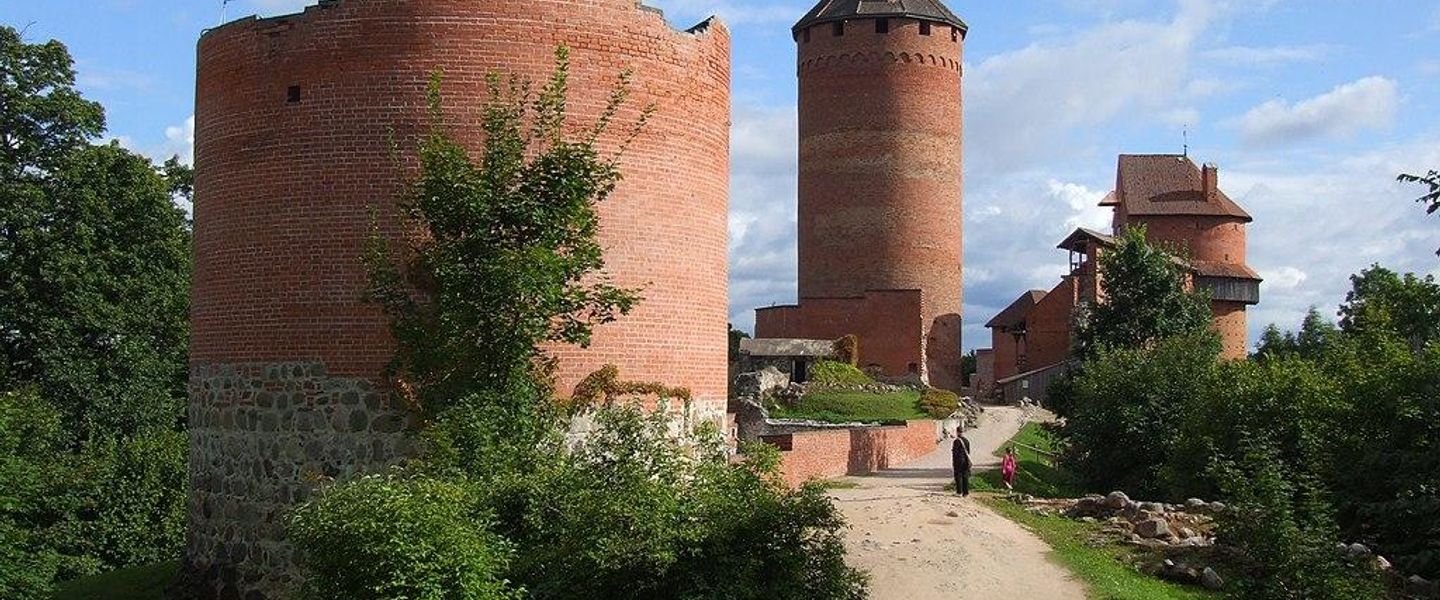
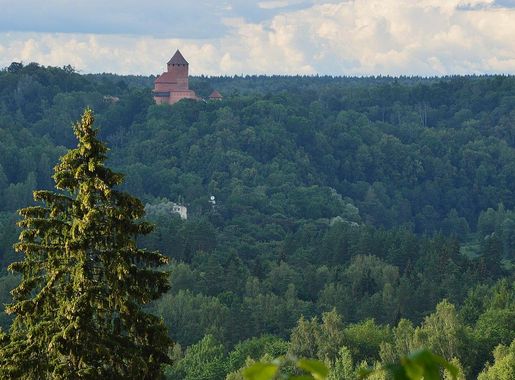
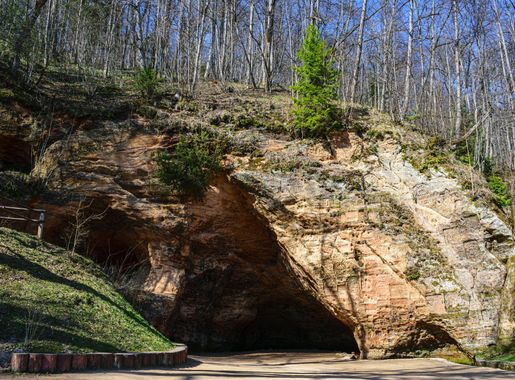
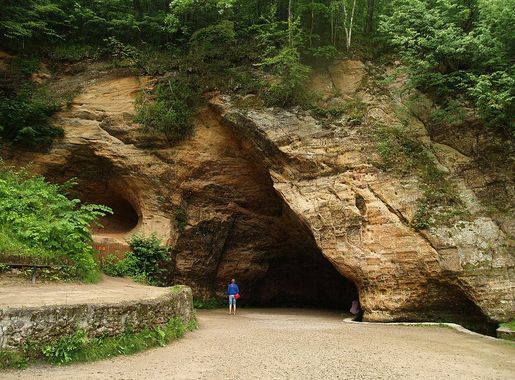
Gauja National Park, the largest national park in Latvia, is a haven for nature lovers and adventure seekers alike. Spanning over 917 square kilometers, the park is a lush tapestry of forests, rivers, and valleys. Established in 1973, it offers a perfect blend of natural beauty and historical landmarks. The park is famous for its diverse flora and fauna, including over 900 plant species and numerous rare animals. Visitors can explore the scenic Gauja River, which winds through the park, offering opportunities for canoeing and fishing. The sandstone cliffs along the river are a sight to behold, with their intricate patterns and colors. History enthusiasts will find much to admire in Gauja National Park. The area is dotted with medieval castles, ancient churches, and archaeological sites. Turaida Castle, one of the park's highlights, offers breathtaking views from its tower. Nearby, the charming town of Sigulda serves as a gateway to the park, with its own array of attractions and amenities. Whether you're hiking through dense forests, exploring historical ruins, or simply soaking in the natural beauty, Gauja National Park promises a memorable experience. Its well-marked trails and visitor-friendly facilities make it accessible to tourists of all ages and interests.

Know before you go
Hi, I'm Eve. Here are a few practical things to know before exploring Gauja National Park.
- Visit during autumn for stunning foliage and fewer crowds.
- Wear sturdy hiking shoes; some trails can be uneven and slippery.
- Bring insect repellent, especially during the summer months.
- Check out the local visitor centers for guided tour options and maps.
- If canoeing, ensure you have proper safety gear and check river conditions.
Top City Travel Guides in Gauja National Park
The cities of Gauja National Park, and the easiest places to base yourself.


Destinations in Gauja National Park
Resorts, valleys and scenic spots worth a trip of their own.

Explore Gauja National Park: Things to Do, Places to Eat, Hotels & More
Handpicked recommendations for top attractions, local dining, accommodations, and more

Top Attractions & Sightseeing in Gauja National Park
Top-rated picks
Best Attractions

Gauja National Park
Explore the enchanting beauty of Gauja National Park, Latvia's premier destination for nature lovers and adventure enthusiasts.

Turaida Castle
Discover the enchanting Turaida Castle in Sigulda, Latvia, a historical gem surrounded by breathtaking natural landscapes and rich local folklore.

Cēsis Castle
Explore the majestic Cēsis Castle, a historic gem in Latvia offering stunning architecture, rich history, and beautiful landscapes.

Piejūras dabas parks
Explore the breathtaking landscapes of Piejūras Dabas Parks, a national treasure filled with diverse ecosystems and serene coastlines.

Best landmarks in Gauja National Park
Top-rated picks
Best Landmarks

Turaida Museum Reserve
Explore a millennium of Latvian history at Turaida Museum Reserve, featuring a medieval castle, wooden church, and stunning natural landscapes.

Blacksmith’s cave
Discover the mystical Blacksmith's Cave in Latvia: a natural wonder blending geological marvels with enchanting local legends in a serene landscape.

Best restaurants in Gauja National Park
Top-rated picks
Best Restaurants

Burgers 66 Ragana
Discover delicious burgers and a family-friendly atmosphere at Burgers 66 Ragana in Latvia's picturesque Krimulda Parish.

Complex Cathouse (Kaķu Māja)
Discover the whimsical charm of Complex Cathouse in Sigulda - where delicious food meets feline fun in a cozy setting.

Raganas ķēķis bistro, restorāns, viesnīca
Experience authentic Latvian flavors at Raganas ķēķis bistro – where culinary tradition meets warm hospitality in beautiful Ragana.

Kungu rija, restorāns
Discover authentic Latvian cuisine at Kungu Rija in Turaida, where tradition meets taste amidst stunning natural landscapes.

Best bars in Gauja National Park
Top-rated picks
Best Bars

Ala Pagrabs
Experience the authentic taste of Latvia at Ala Pagrabs, a cozy bar and restaurant in the heart of Riga's Central District, serving local craft beers and traditional cuisine.

Mazais Ansis
Discover Mazais Ansis: A delightful gastropub and guest house offering traditional Latvian cuisine amidst stunning natural beauty.

Garage
Discover the vibrant Garage Bar in Riga, where local flavors meet a lively atmosphere for an unforgettable dining experience.

Complex Cathouse (Kaķu Māja)
Experience the unique blend of feline charm and delicious cuisine at Complex Cathouse in the scenic town of Sigulda.

Best nightclubs in Gauja National Park
Top-rated picks
Best Nightclubs

FIRST Club
Discover the electrifying nightlife of Riga at FIRST Club, where top DJs and vibrant dance floors await you every weekend.

ValhallaloungeSigulda
Experience the vibrant atmosphere of Valhallalounge Sigulda, where delicious cuisine meets stunning views in the heart of Latvia.

TOP Club Riga
Discover the electrifying nightlife of Riga at TOP Club, where great music and friendly vibes create an unforgettable experience.

Pandemonium Night Club
Dive into the rhythm of Riga's nightlife at Pandemonium Night Club, where electrifying music and vibrant atmosphere create unforgettable nights.

Best shops in Gauja National Park
Top-rated picks
Best Shops

top!
Explore Cēsis with Top! - Your go-to grocery store for local flavors and essentials during your journey.

Līdumnieki
Explore the delightful grocery store of Līdumnieki, where local flavors and friendly smiles await every traveler.
Sweet shop | Candy Shop | Online shop
Discover the sweetest delights in Cēsis at this charming candy shop, offering a delectable range of traditional and modern confections.

Ozolaine
Experience the local flavors of Raiskums at Ozolaine, a charming grocery store offering fresh produce and artisanal goods.

Explore Gauja National Park on the Map
A handpicked selection of must-see spots in Gauja National Park, mapped for you.
Gauja National Park Essentials
-
Gauja National Park is located in northeastern Latvia. The nearest international airport is Riga International Airport, approximately 80 kilometers away. From Riga, you can take a bus or train to Sigulda, which is the main gateway to the park. The journey takes about 1 to 1.5 hours by road. Alternatively, you can rent a car for greater flexibility and convenience.
-
Sigulda is the main town within Gauja National Park and has good public transportation options. Buses and trains connect Sigulda with other towns and cities in Latvia. Within the park, you can use local buses, taxis, or even rent a bicycle to explore the trails. Renting a car is also a convenient option for those looking to explore the park at their own pace.
-
The official currency in Latvia is the Euro (EUR). Credit cards are widely accepted in hotels, restaurants, and shops in Sigulda and the park's vicinity. However, it is advisable to carry some cash for smaller establishments and rural areas. ATMs are available in Sigulda for cash withdrawals.
-
Gauja National Park is generally a safe destination for tourists. However, like any travel destination, it is advisable to take standard precautions. Avoid leaving your belongings unattended and be cautious when hiking, especially on less frequented trails. There are no specific high-crime areas targeting tourists, but it is always best to stay vigilant and aware of your surroundings.
-
In case of emergency, dial 112 for immediate assistance. Sigulda has a local police station and medical facilities. It is recommended to have travel insurance that covers medical emergencies. For minor health issues, there are pharmacies in Sigulda where you can purchase over-the-counter medications.
-
Fashion: Do dress comfortably and appropriately for outdoor activities. Avoid wearing high heels or impractical footwear. Religion: Do respect local customs and traditions. Be mindful when visiting religious sites and dress modestly. Public Transport: Do be punctual when using public transport. Don't eat or drink on public transport. Greetings: Do greet people with a smile or a nod. A simple 'Labdien' (Good day) is a polite way to greet locals. Eating & Drinking: Do try local delicacies and be open to new flavors. Don't waste food, as it is considered impolite.
-
To experience Gauja National Park like a local, visit the local markets and try traditional Latvian foods such as smoked fish and rye bread. Engage with locals, as they are often friendly and willing to share stories about the area. Don't miss the medieval castles in Sigulda and Cēsis, and consider taking a canoe trip on the Gauja River for a unique perspective of the park.
When is the best time to visit Gauja National Park?
Useful Local Phrases for Gauja National Park
You don't need to speak the language perfectly. Even learning a few simple words can make conversations warmer—and locals usually appreciate the effort.
— Eve

Here are the phrases I use most often in Gauja National Park. Try a few—you'll be surprised how far they go! 😊
❤️
-
- HelloSveiki
[svay-kee] - GoodbyeUz redzēšanos
[ooz red-zay-sha-nos] - YesJā
[yah] - NoNē
[neh] - Please/You're welcomeLūdzu
[lood-zoo] - Thank youPaldies
[pahl-dyehs] - Excuse me/SorryAtvainojiet
[aht-vai-noh-yeht] - How are you?Kā tev klājas?
[kah tev klah-yas] - Fine. And you?Labi. Un tu?
[lah-bee. Oon too?] - Do you speak English?Vai tu runā angliski?
[vai too roo-nah ahn-glis-kee] - I don't understandEs nesaprotu
[es neh-sah-proh-too]
- HelloSveiki
-
- I'd like to see the menu, pleaseEs vēlētos redzēt ēdienkarti, lūdzu
[es veh-lay-tosh red-zayt eh-dyen-kar-tee, lood-zoo] - I don't eat meatEs neēdu gaļu
[es neh-eh-doo gah-lyoo] - Cheers!Priekā!
[pree-kah] - I would like to pay, pleaseEs vēlētos samaksāt, lūdzu
[es veh-lay-tosh sah-mahk-saht, lood-zoo]
- I'd like to see the menu, pleaseEs vēlētos redzēt ēdienkarti, lūdzu
-
- Help!Palīdziet!
[pahl-ee-dzyet] - Go away!Ej prom!
[ay prohm] - Call the Police!Izsauciet policiju!
[ee-zsowt-see-et poh-lee-tsee-yoo] - Call a doctor!Izsauciet ārstu!
[ee-zsowt-see-et ahr-stoo] - I'm lostEs esmu apmaldījies
[es es-moo ahp-mahl-dee-yes] - I'm illEs esmu slims
[es es-moo sleems]
- Help!Palīdziet!
-
- I'd like to buy...Es vēlētos nopirkt...
[es veh-lay-tosh noh-peerkt] - I'm just lookingEs tikai skatos
[es tee-kai skah-tos] - How much is it?Cik tas maksā?
[tsik tahs mahk-sah] - That's too expensiveTas ir pārāk dārgi
[tahs eer pah-rahk dahr-gee] - Can you lower the price?Vai tu vari samazināt cenu?
[vai too vah-ree sah-mah-zee-naht tsay-noo]
- I'd like to buy...Es vēlētos nopirkt...
-
- What time is it?Cik daudz ir pulkstenis?
[tsik dah-oodz eer poolk-stay-nis] - It's one o'clockIr viena stunda
[eer vee-eh-nah stoon-dah] - Half past (10)Pusstundas (10)
[poos-stoon-dahs (10)] - MorningRīts
[reetz] - AfternoonPēcpusdiena
[pay-ts-poos-dee-nah] - EveningVakars
[vah-kahrs] - YesterdayVakar
[vah-kahr] - TodayŠodien
[shoh-dee-ehn] - TomorrowRīt
[reet] - 11
[1] - 22
[2] - 33
[3] - 44
[4] - 55
[5] - 66
[6] - 77
[7] - 88
[8] - 99
[9] - 1010
[10]
- What time is it?Cik daudz ir pulkstenis?
-
- Where's a/the...?Kur ir...?
[koor eer] - What's the address?Kāda ir adrese?
[kah-dah eer ah-dreh-seh] - Can you show me (on the map)?Vai tu vari man parādīt (uz kartes)?
[vai too vah-ree mahn pah-rah-deet (ooz kar-tehs)] - When's the next (bus)?Kad ir nākamais (autobuss)?
[kahd eer nah-kah-myhs (ow-toh-boos)] - A ticket (to ....)Biļete (uz ....)
[bee-lyeh-teh (ooz ....)]
- Where's a/the...?Kur ir...?
History of Gauja National Park
-
Gauja National Park, established in 1973, is the oldest and largest national park in Latvia, spanning over 90,000 hectares. The park was created to protect the unique landscape of the Gauja River Valley, which is known for its geological formations, diverse flora and fauna, and cultural heritage.
-
The Gauja River has been a significant trade route since ancient times. It served as a vital link between the Baltic Sea and the interior of Latvia, facilitating the exchange of goods and cultures. Archaeological findings along the riverbanks reveal evidence of early human settlements dating back to the Stone Age.
-
Gauja National Park is home to several medieval castles and fortresses, reflecting its historical importance. Notable examples include the Turaida Castle, built in 1214 by the Livonian Brothers of the Sword, and the Cesis Castle, once a stronghold of the Livonian Order. These castles played crucial roles in the defense and administration of the region during the Middle Ages.
-
One of the most famous legends associated with Gauja National Park is the story of the Turaida Rose. The legend tells of a young girl named Maija who lived in the Turaida Castle and was renowned for her beauty. She sacrificed her life to protect her honor, and her grave in Turaida is a popular site for visitors to the park.
-
The Livonian War (1558-1583) had a significant impact on the region now encompassed by Gauja National Park. The conflict between the Tsardom of Russia and various European powers led to the destruction of many fortifications and settlements within the park. The war marked the end of the Livonian Confederation and brought about major political and social changes in the area.
-
The park area is rich in cultural heritage from the Livonian and Latgalian peoples, who have inhabited the region for centuries. The Livonians, an ancient Finnic tribe, and the Latgalians, one of the four Baltic tribes, left behind a legacy of folklore, traditions, and archaeological sites that offer insights into their way of life.
-
During the Soviet era, Gauja National Park became a focal point for conservation efforts in Latvia. The establishment of the park in the 1970s was part of a broader movement to protect natural landscapes and biodiversity. Despite political challenges, the park's unique environment was preserved, allowing it to become a haven for wildlife and a popular destination for ecotourism.
-
Today, Gauja National Park is a thriving hub of tourism, nature conservation, and cultural preservation. It attracts visitors from around the world who come to explore its hiking trails, historical sites, and natural beauty. The park's administration continues to balance the needs of tourism with the imperative of protecting its unique ecosystems and heritage.
Neighbouring Regions of Gauja National Park
The closest regions to Gauja National Park, if you have time for more than one.


Your all‑in‑one travel companion app
Explore expert travel guides, compare and book tours, experiences, hotels, and more—all from the palm of your hand. Download now for seamless trip planning wherever your wanderlust takes you.


Explore More of Latvia

Looking beyond Gauja National Park? Discover Latvia for broader travel guides, local hot-spots, and regional highlights.
Explore LatviaGauja National Park in Photos
Browse through our photo collection highlighting the charm and character of the destination.





Enchanting Wilderness: Gauja National Park
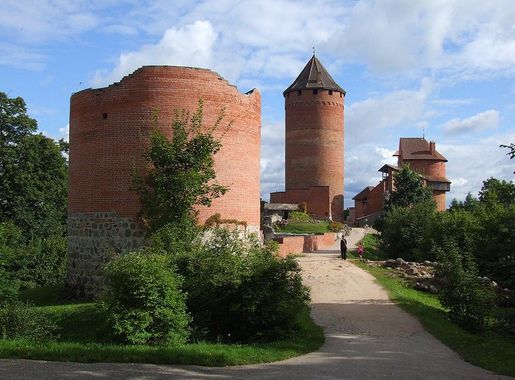
Gauja National Park, the largest national park in Latvia, is a haven for nature lovers and adventure seekers alike. Spanning over 917 square kilometers, the park is a lush tapestry of forests, rivers, and valleys. Established in 1973, it offers a perfect blend of natural beauty and historical landmarks. The park is famous for its diverse flora and fauna, including over 900 plant species and numerous rare animals. Visitors can explore the scenic Gauja River, which winds through the park, offering opportunities for canoeing and fishing. The sandstone cliffs along the river are a sight to behold, with their intricate patterns and colors. History enthusiasts will find much to admire in Gauja National Park. The area is dotted with medieval castles, ancient churches, and archaeological sites. Turaida Castle, one of the park's highlights, offers breathtaking views from its tower. Nearby, the charming town of Sigulda serves as a gateway to the park, with its own array of attractions and amenities. Whether you're hiking through dense forests, exploring historical ruins, or simply soaking in the natural beauty, Gauja National Park promises a memorable experience. Its well-marked trails and visitor-friendly facilities make it accessible to tourists of all ages and interests.