

Free The Baltic Sea Coast Travel Guide & Mobile App
Explore The Baltic Sea Coast with free travel guides. Discover regional history, expert tips, proposed trips, and audio guides on web or mobile app.


Explore Latvia’s Baltic Sea coast for sandy beaches, pine forests, port cities, fishing villages and protected nature from Jūrmala to Liepāja.
Read more about The Baltic Sea Coast
When is the best time to visit The Baltic Sea Coast?
Best: June–August · 20–23°C| Month | High (°C) | Rainfall (mm) |
|---|---|---|
| January | 0 | 41 |
| February | 1 | 35 |
| March | 4 | 40 |
| April | 10 | 43 |
| May | 16 | 46 |
| June (best) | 20 | 56 |
| July (best) | 23 | 61 |
| August (best) | 22 | 55 |
| September | 17 | 46 |
| October | 12 | 41 |
| November | 6 | 39 |
| December | 2 | 40 |
Getting to and around The Baltic Sea Coast
How to get there
Transportation
Top city travel guides in The Baltic Sea Coast
The cities of The Baltic Sea Coast, and the easiest places to base yourself.
-

-

-

-

-

-


Swipe for more cities
Destinations in The Baltic Sea Coast
Resorts, valleys and scenic spots worth a trip of their own.
-

-

-
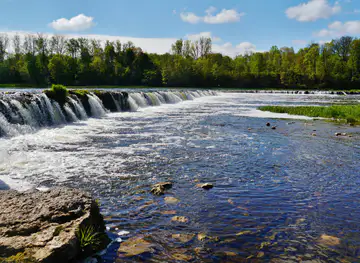
-

-


Swipe for more destinations
Best attractions in The Baltic Sea Coast
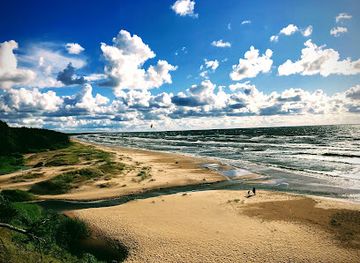
Latvia’s Baltic coast offers a varied set of attractions rather than one continuous resort strip. Jūrmala is known for its long sandy beach, pine forests, wooden villas and resort architecture, while Saulkrasti provides a smaller Gulf-coast setting suited to beach walks and cycling. Around Cape Kolka, the coastline becomes more elemental, with shallow waters, shifting sands and access to the forests and cultural heritage of northern Kurzeme. Slītere National Park protects a mixture of woodland, wetlands and coastal landscapes, and Ķemeri National Park combines lake, bog, forest and Gulf environments near Jūrmala. Western Latvia brings a different mood: Ventspils has a broad beach, harbour-related heritage and family attractions, while Liepāja combines seaside recreation with music, historic neighbourhoods and the former military district of Karosta. Pāvilosta, Jūrkalne and Pape are well suited to travellers seeking open beaches, dunes, birdwatching and quieter outdoor experiences. Museums, observation towers, nature trails and small maritime collections add depth to journeys between the larger towns.
-
Wildlife park
Nature park "Lake Engure"
Immerse yourself in the natural beauty and diverse wildlife of Lake Engure, a serene park perfect for relaxation and exploration.
-
Tourist attraction
Mērsraga bāka
Explore Mērsraga Bāka: A historical lighthouse offering breathtaking coastal views and a glimpse into Latvia's maritime heritage.
-
Beach
Lilastes pludmale
Experience the tranquility and natural beauty of Lilastes Pludmale, a serene beach retreat in Latvia's Carnikava parish, perfect for relaxation and exploration.
-
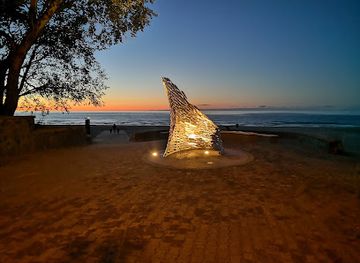
Tourist attraction
Baltic current
Explore the enchanting Baltic Current in Jūrmala, where stunning coastal views and vibrant marine life await every visitor.


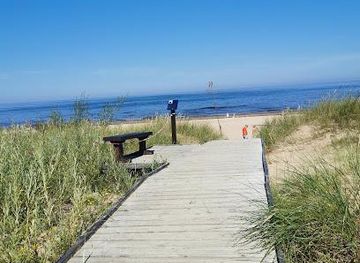
Best landmarks in The Baltic Sea Coast
Cape Kolka is the coast’s defining natural landmark, where the Gulf of Riga meets the open Baltic Sea and currents, sands and wind create a constantly changing shoreline. The broad beaches and pine-lined streets of Jūrmala, together with its surviving wooden villas, represent Latvia’s historic resort culture rather than a single monument. Liepāja’s Karosta is one of the most distinctive built landscapes on the coast: a former naval district with barracks, defensive structures and the imposing former naval prison. The city’s older wooden architecture and churches provide a contrasting urban layer. Ventspils is marked by its working harbour, riverfront setting and maritime associations, while the steep coastal bluff at Jūrkalne gives western Latvia one of its most recognisable natural profiles. In the north-west, the villages and cultural landscape associated with the Livonians are important reminders of an older coastal identity. Protected wetlands, lagoons and dune systems in Ķemeri, Slītere and Pape are also landmarks in a broader geographical sense, defining the relationship between Latvia’s settlements and its shoreline.
-
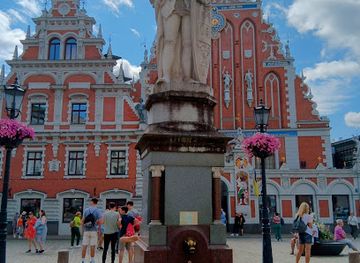
Museum
House of the Black Heads
Explore Riga's iconic House of the Black Heads: a symbol of history, resilience, and architectural grandeur in the heart of Old Town.
-
Tourist attraction
Strazdes muižas kungu māja
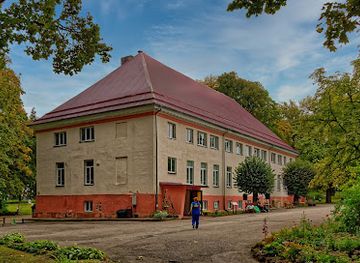
Explore the historical elegance and tranquil gardens of Strazde Manor, a cultural gem in the heart of Latvia's Talsi Municipality.
Explore The Baltic Sea Coast on the map
Plan your trip on one map. See where the top cities, national parks and sights are, and book hotels and experiences in a few clicks.
Best hotels in The Baltic Sea Coast
Best restaurants in The Baltic Sea Coast
Coastal dining in Latvia combines everyday Latvian cooking with the produce of the Baltic and the Gulf of Riga. Fish, smoked fish, potatoes, rye bread, dairy products and seasonal berries appear widely, although the exact dishes and preparation vary from town to town. Jūrmala and Liepāja offer the broadest choice of cafés, restaurants and contemporary dining, while Ventspils has a practical port-city scene alongside places aimed at summer visitors. In smaller coastal settlements, look for simple cafés, bakeries, pubs and seasonal eateries rather than a large concentration of restaurants. Markets and farm shops can provide locally produced bread, preserves, honey and smoked goods for picnics, particularly when travelling by car. Latvian beer is widely available, and menus may also feature regional spirits and non-alcoholic drinks made with berries or herbs. In remote areas, it is sensible to check meal availability in advance, especially outside the summer season.
-
Market
Riga Central Market
Explore Riga Central Market: A vibrant destination showcasing local flavors and culture in historic Zeppelin hangars.
-
Tourist attraction
White Dune in Saulkrasti
Discover the breathtaking beauty of the White Dune in Saulkrasti – a serene coastal paradise along Latvia's Baltic Sea.
-
 Hotel
HotelHotel Jūrmala SPA
Discover luxury and tranquility at Hotel Jūrmala SPA - your perfect seaside getaway in Latvia.
-
Hotel
Baltic Beach Hotel & SPA
Discover unparalleled luxury at Baltic Beach Hotel & SPA - your ultimate getaway on the stunning shores of the Baltic Sea.
Best bars in The Baltic Sea Coast
Nightlife on the Latvian coast is concentrated in Jūrmala, Liepāja and Ventspils, with a more seasonal rhythm in resort communities. Jūrmala has the widest choice of hotel bars, cafés and evening restaurants, particularly during summer, while Liepāja is known for live music and a stronger year-round cultural atmosphere. Ventspils offers pubs, restaurants and occasional entertainment rather than a large club scene. In Pāvilosta, Kolka and smaller villages, evenings are generally centred on local pubs, guesthouse dining, beach walks and quiet conversation. Summer brings more activity to seafront venues, but opening patterns can change, so visitors should not assume that a rural coastal settlement will have late-night services. Beer, cider and spirits are part of the available social scene, but the coast is equally suited to evening cultural events, sauna stays and watching the light over the water.
-
Restaurant
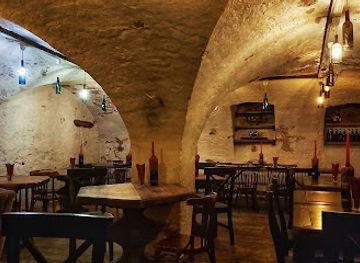
Ala Pagrabs
Discover the vibrant nightlife and authentic Latvian cuisine at Ala Pagrabs, the underground gem of Riga, where live music meets local flavors.
-
Bar
Skyline bar
Experience Riga's skyline from above at Skyline Bar, where exquisite cocktails meet breathtaking views.
-
Night club
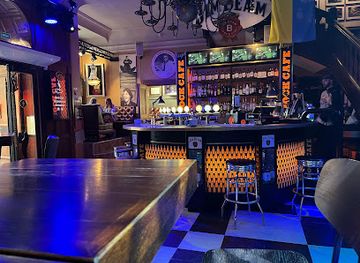
Rock Cafe Riga
Experience the electrifying atmosphere of Rock Cafe Riga, a lively nightclub and cafe at the heart of Latvia's vibrant capital.
-
Brewpub
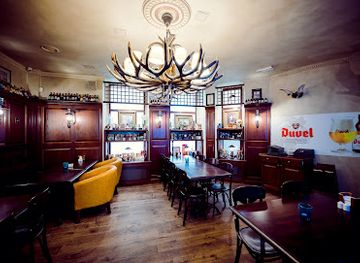
Gastro Pub Duvel's
Discover the essence of Riga at Gastro Pub Duvel's, where craft beer meets gourmet dining in a vibrant atmosphere.
Best nightclubs in The Baltic Sea Coast
Nightlife on the Latvian coast is concentrated in Jūrmala, Liepāja and Ventspils, with a more seasonal rhythm in resort communities. Jūrmala has the widest choice of hotel bars, cafés and evening restaurants, particularly during summer, while Liepāja is known for live music and a stronger year-round cultural atmosphere. Ventspils offers pubs, restaurants and occasional entertainment rather than a large club scene. In Pāvilosta, Kolka and smaller villages, evenings are generally centred on local pubs, guesthouse dining, beach walks and quiet conversation. Summer brings more activity to seafront venues, but opening patterns can change, so visitors should not assume that a rural coastal settlement will have late-night services. Beer, cider and spirits are part of the available social scene, but the coast is equally suited to evening cultural events, sauna stays and watching the light over the water.
-
Night club
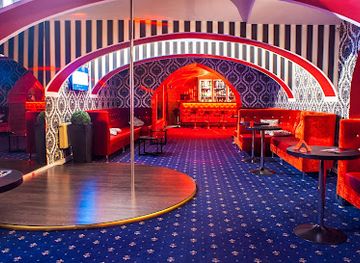
FIRST Club
Dive into the heart of Riga's nightlife at FIRST Club, where electrifying music and vibrant crowds create unforgettable nights.
-
Night club
Royal Club
Dive into the vibrant nightlife of Riga at Royal Club, where music and dancing create unforgettable moments in an upscale setting.
-
Night club
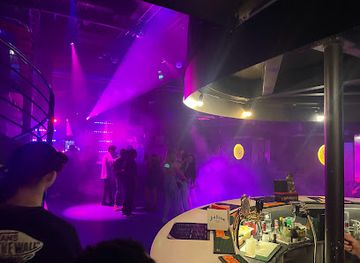
Valhalla
Experience the electrifying nightlife at Valhalla Nightclub in Riga, where music, dance, and vibrant atmosphere create unforgettable nights.
-
Night club
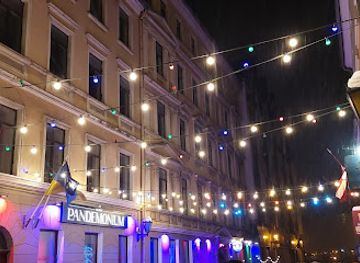
Pandemonium Night Club
Dive into Riga's nightlife at Pandemonium Night Club, where electrifying beats and vibrant atmosphere promise an unforgettable evening.
Best shops in The Baltic Sea Coast
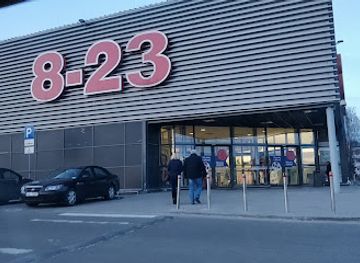
Shopping along Latvia’s coast is strongest in Jūrmala, Liepāja and Ventspils, where visitors will find supermarkets, independent retailers, galleries, cafés and practical holiday goods. Jūrmala has the most resort-oriented selection, including design, clothing and decorative items, while Liepāja offers a more urban mix of creative shops, books, crafts and locally designed products. Ventspils is convenient for everyday shopping and regional food purchases. Smaller coastal towns and villages are better suited to farmers’ stalls, bakeries, fish sellers and occasional craft outlets than to extensive retail excursions. Good regional purchases include rye bread, smoked fish, honey, berry preserves, herbal products, ceramics, woven goods and amber jewellery, provided the seller can explain their origin. Markets and seasonal stalls vary according to place and time of year, so travellers should treat them as part of the coastal experience rather than rely on finding the same products everywhere.
-
Shopping mall
TC Spice
Discover the vibrant shopping scene at TC Spice in Riga, offering diverse shops, delicious dining, and family-friendly entertainment for all.
-
Shopping mall
Domina
Explore Domina, Riga's premier shopping mall, featuring a wide variety of stores, dining options, and entertainment for all ages.
-
Shopping mall
Gallery Centre, Shopping mall
Explore the Gallery Centre in Riga for an unforgettable shopping and dining experience in the heart of Latvia's capital.
-
Shopping mall
Galleria Riga
Discover Galleria Riga, the ultimate shopping and dining destination in Latvia, where fashion meets fun in a vibrant atmosphere.

Get your free copy of our complete guide to The Baltic Sea Coast, delivered straight to you.
Everything on this page, from attractions and restaurants to essentials and local phrases, in one PDF you can read offline, print or share.
Already have an account? Sign in
Your The Baltic Sea Coast guide is ready.
We'll send it to · Not you? Sign out

Getting your guide ready…
We are putting together a fresh copy of the The Baltic Sea Coast guide. This can take up to a minute.
This can take a few moments. If your browser asks, choose Allow so the download can start. You'll find the guide in your Downloads folder.
Nothing happened? Download it again
Sorry, the guide is taking longer than usual. Please try again in a minute, or get it by email instead.
The Baltic Sea Coast essentials
Currency and Payment
Safety
Emergency Situations
Do's and Don'ts
Local Tips
From Eve
Local phrases worth knowing
You don't need to get them perfect. A few words go a long way, and locals appreciate the effort.
Basics
| English | Local | Say it |
|---|---|---|
| Hello | Sveiki | [Sveh-kee] |
| Goodbye | Uz redzēšanos | [Ooz red-zay-sha-nos] |
| Yes | Jā | [Yah] |
| No | Nē | [Nay] |
| Please/You're welcome | Lūdzu | [Lood-zoo] |
| Thank you | Paldies | [Pal-dees] |
| Excuse me/Sorry | Atvainojiet | [At-vai-no-yeht] |
| How are you? | Kā jums klājas? | [Kah yoosm klah-yas] |
| Fine. And you? | Labi. Un jūs? | [Lah-bee. Oon yoos?] |
| Do you speak English? | Vai jūs runājat angliski? | [Vye yoos roo-nah-yat ahn-glees-kee] |
| I don't understand | Es nesaprotu | [Es neh-sah-proh-too] |
Eating & Drinking
| English | Local | Say it |
|---|---|---|
| I'd like to see the menu, please | Es gribētu redzēt ēdienkarti, lūdzu | [Es gree-bay-too red-zet eh-deen-kart-ee, lood-zoo] |
| I don't eat meat | Es neēdu gaļu | [Es neh-eh-doo gah-loo] |
| Cheers! | Priekā! | [Pree-kah] |
| I would like to pay, please | Es gribētu samaksāt, lūdzu | [Es gree-bay-too sah-mak-saht, lood-zoo] |
Emergencies
| English | Local | Say it |
|---|---|---|
| Help! | Palīdziet! | [Pah-leed-zee-et] |
| Go away! | Aizverieties! | [Ayz-ver-ee-eh-tees] |
| Call the Police! | Zvaniet policiju! | [Zvah-nee-et poh-li-tsee-yu] |
| Call a doctor! | Zvaniet ārstu! | [Zvah-nee-et ar-stoo] |
| I'm lost | Es esmu pazaudējis | [Es ess-moo pah-zow-day-ees] |
| I'm ill | Es esmu slims | [Es ess-moo sleems] |
Shopping
| English | Local | Say it |
|---|---|---|
| I'd like to buy... | Es gribētu nopirkt... | [Es gree-bay-too noh-peerkt] |
| I'm just looking | Es tikai skatos | [Es tee-kah-ee skah-tos] |
| How much is it? | Cik tas maksā? | [Tseek tahs mak-sah] |
| That's too expensive | Tas ir pārāk dārgs | [Tahs eer pah-rahk dar-gs] |
| Can you lower the price? | Vai jūs varat pazemināt cenu? | [Vye yoos vah-rat pah-zeh-mee-naht tseh-noo] |
Time & Numbers
| English | Local | Say it |
|---|---|---|
| What time is it? | Cik pulkstens ir? | [Tseek poolk-stens eer] |
| It's one o'clock | Ir viens pulkstenis | [Eer vyens poolk-ste-nis] |
| Half past (10) | Pusstundas (10) | [Poo-stoon-das (dees)] |
| Morning | Rīts | [Ree-ts] |
| Afternoon | Pēcpusdiena | [Peet-poos-dee-nah] |
| Evening | Vakars | [Vah-kars] |
| Yesterday | Vakar | [Vah-kar] |
| Today | Šodien | [Sho-dee-en] |
| Tomorrow | Rīt | [Ree-t] |
| 1 | Viens | [Vyens] |
| 2 | Divi | [Dee-vee] |
| 3 | Trīs | [Tree-s] |
| 4 | Četri | [Cheh-tree] |
| 5 | Pieci | [Pyeh-tsi] |
| 6 | Seši | [Seh-shee] |
| 7 | Septi | [Sehp-tee] |
| 8 | Astoņi | [As-toh-nee] |
| 9 | Deviņi | [Deh-vee-nee] |
| 10 | Desmit | [Dehs-meet] |
Transport & Directions
| English | Local | Say it |
|---|---|---|
| Where's a/the...? | Kur ir ...? | [Koor eer ...?] |
| What's the address? | Kāda ir adrese? | [Kah-dah eer ah-dreh-seh] |
| Can you show me (on the map)? | Vai jūs varat man parādīt (uz kartes)? | [Vye yoos vah-rat mahn pah-rah-deet (ooz kar-tehs)?] |
| When's the next (bus)? | Kad nāk nākamais (autobuss)? | [Kahd nahk nah-kah-mice (ow-toh-boos)?] |
| A ticket (to ....) | Biļete (uz ....) | [Bee-lyeh-teh (ooz ....)] |
History of The Baltic Sea Coast
Prehistoric Shorelines and Ancient Coastal Communities
Latvia’s coast has been occupied since prehistoric times, when changing shorelines, river mouths and lagoons supported fishing, gathering and seasonal settlement. Archaeological evidence from the wider coastal zone records long interaction with the Baltic environment, including the use of local waterways as routes between inland communities and the sea. The coast was never an empty margin: it connected settlements, resources and cultural influences across the eastern Baltic. Many present-day towns developed near the same practical advantages of sheltered bays, rivers and accessible beaches.
Livonian and Couronian Maritime Traditions
Before the formation of the modern Latvian state, the coast was home to communities including the Livonians and Curonians, whose livelihoods combined fishing, farming and seafaring. Livonian cultural heritage remains especially important around the northern and western Gulf, including villages on the coast of northern Kurzeme. Medieval German crusading orders and ecclesiastical powers later reshaped political control, while coastal settlements became linked to regional trade. The survival of local place names, traditions and museum collections provides an important reminder that the Baltic shore has always been culturally diverse.
Medieval Trade and the Rise of Port Settlements
From the medieval period onwards, ports and river mouths tied the Latvian coast to trading networks across the Baltic Sea. Riga, although the country’s principal urban gateway rather than a typical coastal resort, became a major commercial centre at the Daugava’s mouth. Smaller harbours served local trade, fishing and timber export. Political control shifted between regional powers, but the coast retained its strategic and economic importance because goods moving from the Latvian interior could be carried by water to other Baltic markets.
The Duchy of Courland and Western Seafaring
During the seventeenth century, the Duchy of Courland and Semigallia developed maritime ambitions from its western Latvian territories. Ports and shipbuilding supported trade and overseas ventures, even though the duchy’s colonial projects remained limited and short-lived. The period strengthened the maritime identity of western Latvia, where harbours later associated with Ventspils, Liepāja and smaller fishing settlements continued to connect local economies with wider Baltic commerce. Courland’s political legacy is visible in the historical landscape of Kurzeme and in surviving accounts of its seafaring activity.
Imperial Ports, Resorts and Railway Connections
Under the Russian Empire, the Latvian coast experienced major changes in transport, industry and leisure. Port facilities expanded, particularly at Ventspils and Liepāja, while railways improved connections between coastal settlements and inland cities. Jūrmala developed as a fashionable resort area through its spa facilities, villas and seaside recreation, and a chain of resort communities grew along the Gulf of Riga. These developments established patterns that remain visible today: the contrast between working ports, summer resorts and quieter fishing villages.
War, Occupation and Militarised Shorelines
The coast was deeply affected by the First and Second World Wars and by the occupations that followed. Ports and railway connections gave the shoreline military importance, while several towns suffered damage, displacement and economic disruption. During the Soviet period, parts of the coast were restricted because of military installations and border controls, particularly in western Latvia. Karosta in Liepāja preserves one of the clearest physical reminders of this era, with former naval and military structures set apart from the city’s older urban districts.
Restored Independence and Coastal Conservation
After Latvia restored independence in 1991, the coast entered a new period of economic and environmental change. Ports continued to support industry and shipping, while resort towns, nature tourism and domestic seaside travel gained renewed importance. The creation and strengthening of protected areas, including Slītere National Park, Ķemeri National Park and Pape Nature Park, helped conserve dunes, wetlands, forests and migrating wildlife. Contemporary coastal Latvia therefore combines commercial harbours and residential resorts with increasingly important efforts to manage fragile natural habitats.
The Baltic Sea Coast in Photos
Browse through our photo collection highlighting the charm and character of the destination.
Neighbouring regions of The Baltic Sea Coast
The closest regions to The Baltic Sea Coast, if you have time for more than one.
-

-

-

-

-


Swipe for more regions
Explore more

Explore more of Latvia
Explore Latvia: A Baltic treasure with rich history, stunning landscapes, vibrant festivals, and warm hospitality. Discover Riga's charm and Latvia's natural beauty.
Explore Latvia