

Free Ķemeri National Park Travel Guide & Mobile App
Explore Ķemeri National Park with free travel guides. Discover regional history, expert tips, proposed trips, and audio guides on web or mobile app.


Ķemeri National Park pairs Latvian bogs, mineral springs, bird-rich lakes, coastal villages and quiet forest trails within reach of Riga.
Read more about Ķemeri National Park
When is the best time to visit Ķemeri National Park?
Best: June–August · 22–24°C| Month | High (°C) | Rainfall (mm) |
|---|---|---|
| January | 1 | 40 |
| February | 1 | 35 |
| March | 4 | 40 |
| April | 11 | 45 |
| May | 18 | 50 |
| June (best) | 22 | 60 |
| July (best) | 24 | 70 |
| August (best) | 22 | 65 |
| September | 18 | 55 |
| October | 12 | 50 |
| November | 5 | 45 |
| December | 3 | 40 |
Getting to and around Ķemeri National Park
How to get there
Transportation
Top city travel guides in Ķemeri National Park
The cities of Ķemeri National Park, and the easiest places to base yourself.

Swipe for more cities
Destinations in Ķemeri National Park
Resorts, valleys and scenic spots worth a trip of their own.

Swipe for more destinations
Best attractions in Ķemeri National Park
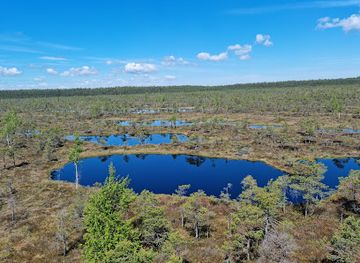
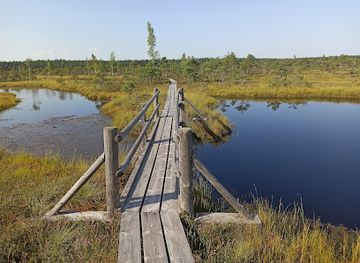
Ķemeri National Park’s attractions are primarily natural and ecological rather than amusement-based. The Great Ķemeri Bog boardwalk is the signature experience, leading through raised peatland with pools, low pine and specialist bog plants. Around Lake Kaņieris, observation points, reedbeds and shallow water create good conditions for birdwatching, while the lake’s changing light and broad horizons contrast with the dense woodland elsewhere in the park. Sloka Lake and its forest surroundings offer another accessible wetland landscape, with trails that reveal the relationship between water, peat and coastal forest. In Ķemeri town, visitors can explore the former spa setting, mineral-water heritage and surviving resort architecture. The park’s western side also connects naturally with the coastal villages and beaches around Bigauņciems and Lapmežciems, where fishing heritage and Gulf of Riga scenery supplement the inland trails. Walking, nature photography, botanical observation and quiet wildlife watching are the main activities; facilities are deliberately limited in many areas, so the appeal lies in landscape and habitat rather than a dense programme of attractions.
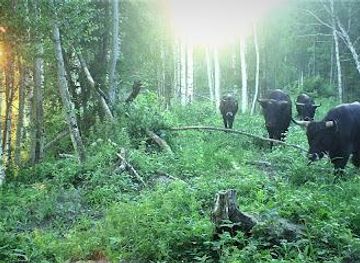
-
Ķemeri National Park
Experience the breathtaking landscapes and rich biodiversity of Ķemeri National Park, a natural paradise in Latvia perfect for nature lovers and outdoor adventurers.
-
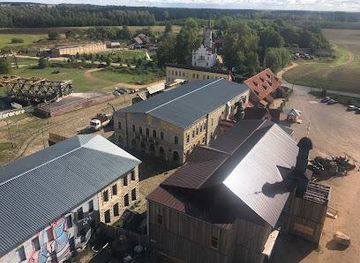
Tourist attraction
Cinevilla Studio
Explore Cinevilla Studio in Latvia, where cinematic history meets breathtaking sets, offering a unique glimpse into the film-making world.
-
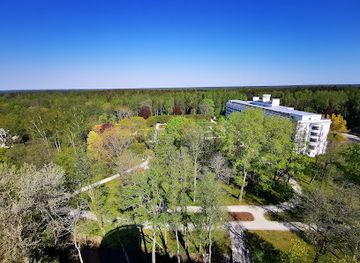
Heritage preservation
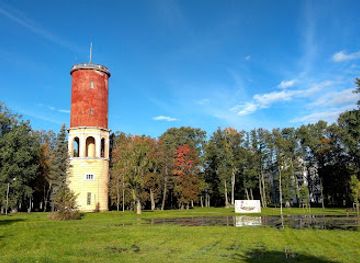
Ķemeri water tower
Explore the historic Ķemeri Water Tower in Jūrmala, where stunning views and rich heritage await every traveler.
-
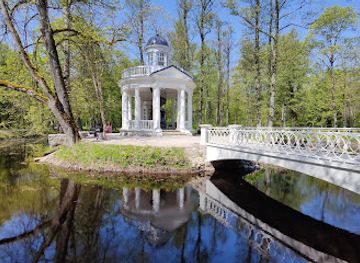
Tourist attraction
Ķemeru Mīlestības saliņa
Discover Ķemeru Mīlestības saliņa in Jūrmala: A serene retreat perfect for romantic strolls, nature lovers, and unforgettable memories amidst lush landscapes.
Best landmarks in Ķemeri National Park
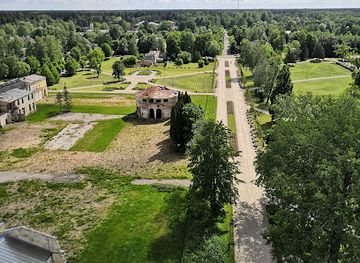
The most recognisable landmark in Ķemeri National Park is the former Ķemeri Hotel, a large 1936 resort building designed by Eižens Laube. Its substantial neo-eclectic form recalls the town’s inter-war ambition as a Latvian spa centre and stands in striking contrast to the surrounding trees and smaller wooden villas. The Ķemeri railway station is another practical and historical reference point, linking the resort to the railway corridor between Riga and Tukums. The Great Ķemeri Bog boardwalk has become a contemporary landscape landmark: its raised timber route and viewing platform frame one of Latvia’s characteristic peatland panoramas without requiring visitors to cross the fragile surface. Lake Kaņieris and its birdwatching structures are important natural landmarks, while the broad wetland and forest setting around Sloka Lake gives the park a less architectural but equally defining identity. At the western edge, the Gulf of Riga coastline and the fishing villages of Bigauņciems and Lapmežciems mark the transition from inland wetlands to the Baltic coastal landscape.
-
National park
Ķemeri National Park
Explore Latvia's natural beauty: Bogs, forests, and healing springs await in Ķemeri National Park. Hiking, birdwatching, and history.
-
Park
Ķemeru kūrorta parks
Discover a historic park in Jūrmala with scenic trails, unique bridges, and a serene atmosphere, perfect for nature lovers and history enthusiasts.
-
 Museum
The upside down house
Experience a world turned upside down at this quirky Latvian attraction, perfect for fun photos and unforgettable memories in Smārde!
-
Heritage preservation
Ķemeri water tower
Explore Latvia's industrial heritage at the Ķemeri Water Tower, offering panoramic views and historical insights in Jūrmala.
Explore Ķemeri National Park on the map
Plan your trip on one map. See where the top cities, national parks and sights are, and book hotels and experiences in a few clicks.
Best hotels in Ķemeri National Park
Best restaurants in Ķemeri National Park
Dining within Ķemeri National Park is limited compared with Jūrmala or Tukums, so visitors should plan refreshments rather than expect a continuous café network along the trails. Ķemeri and the nearby coastal villages provide the most relevant local options, while a wider choice is available in the neighbouring urban centres outside the park. Latvian cooking commonly features rye bread, potatoes, seasonal vegetables, smoked and preserved fish, dairy products, soups and pastries; the Gulf coast adds a maritime context, particularly in villages with fishing traditions. Rural inns, simple cafés and family-run establishments are more characteristic than a concentrated fine-dining scene. Picnic food is practical for the Great Ķemeri Bog and lake trails, provided all waste is removed. Farm shops, small producers and seasonal markets in the wider Jūrmala and Tukums area can be useful places to find Latvian bread, honey, berries and other regional produce, although availability changes with the season.
-
Restaurant
36.line Grill Restaurant
Discover exquisite grilled cuisine at 36.line Grill Restaurant in Jūrmala - where delicious food meets stunning beach views.
-
Georgian
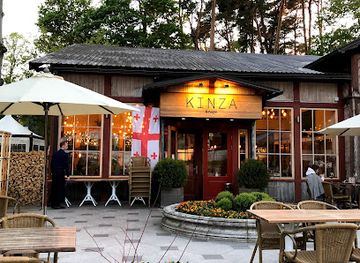
KinzaHouse
Experience authentic Georgian cuisine at KinzaHouse in Jūrmala – a delightful culinary journey awaits every visitor.
-
Fish restaurant
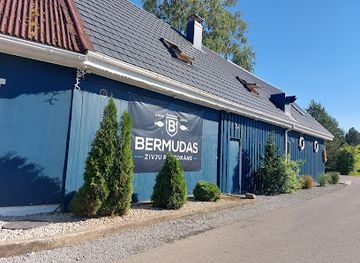
Restaurant Bermudas
Experience exquisite seafood dining at Restaurant Bermudas in Ragaciems—where fresh flavors meet stunning coastal views.
-
Grill
RIBAS, Grilbārs, picērija
Discover RIBAS in Ragaciems: where delectable grilled dishes meet artisanal pizza in a charming coastal setting.


Best bars in Ķemeri National Park
Evening entertainment in Ķemeri National Park is quiet and modest. Ķemeri town and the surrounding villages are oriented towards daytime nature visits and spa heritage rather than a dedicated nightclub scene. The most typical evening settings are local cafés, restaurants, traditional pubs or accommodation venues, while a broader selection of bars, live music and late-evening entertainment is found in Jūrmala outside the park or in Tukums beyond its eastern boundary. The coastal settlements may feel more active during the summer holiday period, but seasonal opening patterns vary. Visitors staying in the park area often choose an early dinner and a dawn walk, when bird activity and the bog light are at their best, rather than travelling for nightlife. Latvia’s craft-beer and spirits culture can be encountered in the wider region, but it is better treated as an optional part of the trip than as the defining feature of Ķemeri.
-
Bar
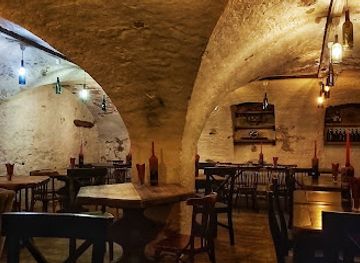
Ala Pagrabs
Experience the vibrant nightlife of Riga at Ala Pagrabs, where local flavors and lively atmosphere create unforgettable memories.
-
Bar
Skyline bar
Experience the pinnacle of nightlife at Skyline Bar in Riga, where breathtaking views and exquisite drinks await atop the city skyline.
-
Grill
RIBAS, Grilbārs, picērija
Discover the flavors of grilled cuisine and pizza at RIBAS, a culinary gem in Ragaciems, Latvia, perfect for food enthusiasts and travelers.
-
Pub
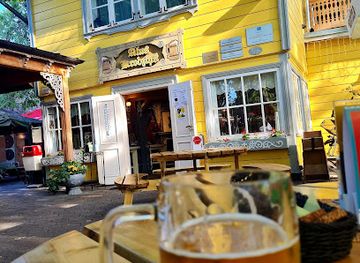
Alus Krodziņš
Discover Alus Krodziņš, a cozy pub in Jūrmala, serving local brews and hearty fare amidst a warm, inviting atmosphere.
Best nightclubs in Ķemeri National Park
Evening entertainment in Ķemeri National Park is quiet and modest. Ķemeri town and the surrounding villages are oriented towards daytime nature visits and spa heritage rather than a dedicated nightclub scene. The most typical evening settings are local cafés, restaurants, traditional pubs or accommodation venues, while a broader selection of bars, live music and late-evening entertainment is found in Jūrmala outside the park or in Tukums beyond its eastern boundary. The coastal settlements may feel more active during the summer holiday period, but seasonal opening patterns vary. Visitors staying in the park area often choose an early dinner and a dawn walk, when bird activity and the bog light are at their best, rather than travelling for nightlife. Latvia’s craft-beer and spirits culture can be encountered in the wider region, but it is better treated as an optional part of the trip than as the defining feature of Ķemeri.
-
Restaurant
X.O Beach Lounge & Club
Experience the ultimate beachside luxury at X.O Beach Lounge & Club in Jūrmala, with exquisite dining, vibrant nightlife, and stunning sea views.
-
Night club
Valhalla
Discover the heart of Riga's nightlife at Valhalla Nightclub, where vibrant music and a lively dance floor await for an unforgettable night out.
-
Night club
Pandemonium Night Club
Discover the dynamic nightlife of Riga at Pandemonium Night Club, where music, dance, and excitement come together in a vibrant atmosphere.
-
Event planner
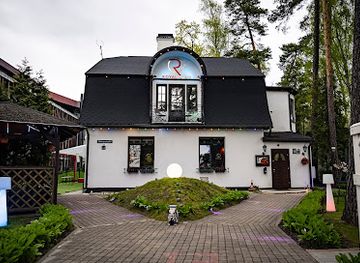
Royal Club 13
Experience the elegance of Royal Club 13 in Jūrmala – the perfect blend of event planning, bar life, and spa relaxation.


Best shops in Ķemeri National Park
Shopping inside Ķemeri National Park is limited and concentrated on practical supplies rather than dedicated retail districts. Visitors will find a fuller choice of supermarkets, high-street shops and services in Jūrmala outside the park or in Tukums to the east. The most appropriate local purchases are Latvian food products and small-scale crafts: rye bread, honey, berry preserves, smoked fish, herbal products, woollen goods and simple handmade souvenirs may appear at seasonal markets, farm stalls or regional events, although availability is not constant. The coastal villages can offer a more maritime selection of locally produced food, while Ķemeri itself is better understood as a heritage and nature base than as a shopping destination. For antiques, galleries, books and a broader range of gifts, visitors should look to the established shopping areas of neighbouring Jūrmala or Tukums and clearly allow time for the journey beyond the park.
-
Shopping mall
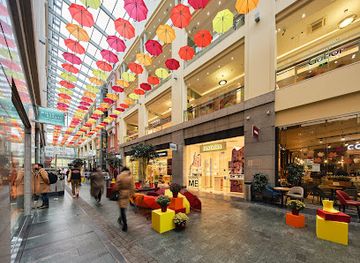
Gallery Centre, Shopping mall
Explore the Gallery Centre in Riga: Your ultimate shopping destination with diverse brands, delicious dining, and a vibrant atmosphere.
-
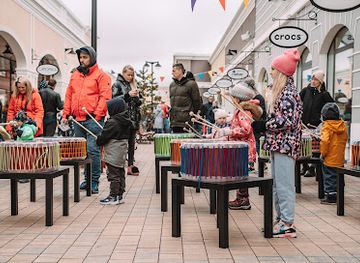
Outlet mall
Via Jurmala Outlet Village
Explore Via Jurmala Outlet Village - Latvia's premier shopping destination with great discounts on top brands and a vibrant atmosphere.
-
Hiking area
Start of the Kemeri Bog walk
Experience the serene beauty of Kemeri Bog, a stunning hiking area in Latvia filled with diverse wildlife and breathtaking landscapes.
-
Building materials store
Tirdzniecibas nams Kursi, SIA
Explore Tirdzniecibas nams Kursi in Jūrmala for a vast selection of building materials and expert advice to elevate your home improvement projects.
Get your free copy of our complete guide to Ķemeri National Park, delivered straight to you.
Everything on this page, from attractions and restaurants to essentials and local phrases, in one PDF you can read offline, print or share.
Already have an account? Sign in
Your Ķemeri National Park guide is ready.
We'll send it to · Not you? Sign out

Getting your guide ready…
We are putting together a fresh copy of the Ķemeri National Park guide. This can take up to a minute.
This can take a few moments. If your browser asks, choose Allow so the download can start. You'll find the guide in your Downloads folder.
Nothing happened? Download it again
Sorry, the guide is taking longer than usual. Please try again in a minute, or get it by email instead.
Ķemeri National Park essentials
Currency and Payment
Safety
Emergency Situations
Do's and Don'ts
Local Tips
From Eve
Local phrases worth knowing
You don't need to get them perfect. A few words go a long way, and locals appreciate the effort.
Basics
| English | Local | Say it |
|---|---|---|
| Hello | Sveiki | [svey-kee] |
| Goodbye | Uz redzēšanos | [ooz red-zay-sha-nos] |
| Yes | Jā | [yah] |
| No | Nē | [neh] |
| Please/You're welcome | Lūdzu | [lood-zoo] |
| Thank you | Paldies | [pal-dyes] |
| Excuse me/Sorry | Atvainojiet | [at-vai-no-yeht] |
| How are you? | Kā tev klājas? | [kah tev klah-yas] |
| Fine. And you? | Labi. Un tu? | [lah-bee. Oon too?] |
| Do you speak English? | Vai jūs runājat angliski? | [vye yoos roo-nah-yat ahn-glees-kee] |
| I don't understand | Es nesaprotu | [es neh-sah-proh-too] |
Eating & Drinking
| English | Local | Say it |
|---|---|---|
| I'd like to see the menu, please | Es gribētu redzēt ēdienkarti, lūdzu | [es gree-bay-too red-zayt ay-dee-en-kahr-tee, lood-zoo] |
| I don't eat meat | Es neēdu gaļu | [es nay-eh-doo gah-loo] |
| Cheers! | Priekā! | [pree-kah] |
| I would like to pay, please | Es vēlētos samaksāt, lūdzu | [es veh-lay-tohs sah-mahk-saht, lood-zoo] |
Emergencies
| English | Local | Say it |
|---|---|---|
| Help! | Palīdziet! | [pah-leed-zee-et] |
| Go away! | Aiziet prom! | [ai-zee-et prohm] |
| Call the Police! | Zvaniet policiju! | [zvah-nee-et poh-lee-tsi-yoo] |
| Call a doctor! | Zvaniet ārstu! | [zvah-nee-et ahr-stoo] |
| I'm lost | Es esmu pazaudējis | [es es-moo pah-zow-day-ees] |
| I'm ill | Es esmu slims | [es es-moo sleems] |
Shopping
| English | Local | Say it |
|---|---|---|
| I'd like to buy... | Es gribētu nopirkt... | [es gree-bay-too noh-peerkt] |
| I'm just looking | Es tikai paskatos | [es tee-kai pah-skah-tohs] |
| How much is it? | Cik tas maksā? | [tsik tahs mahk-sah] |
| That's too expensive | Tas ir pārāk dārgi | [tahs eer pah-rahk dar-gee] |
| Can you lower the price? | Vai jūs varat samazināt cenu? | [vye yoos vah-raht sah-mah-zee-naht tseh-noo] |
Time & Numbers
| English | Local | Say it |
|---|---|---|
| What time is it? | Cik ir pulkstenis? | [tsik eer poolk-steh-nis] |
| It's one o'clock | Ir viena pulksteņa | [eer vee-nah poolk-steh-nah] |
| Half past (10) | Pusē (10) | [poo-seh (10)] |
| Morning | Rīts | [reetz] |
| Afternoon | Pēcpusdiena | [payt-poos-dye-nah] |
| Evening | Vakars | [vah-kars] |
| Yesterday | Vakar | [vah-kar] |
| Today | Šodien | [sho-dee-en] |
| Tomorrow | Rīt | [reet] |
| 1 | 1 | [1] |
| 2 | 2 | [2] |
| 3 | 3 | [3] |
| 4 | 4 | [4] |
| 5 | 5 | [5] |
| 6 | 6 | [6] |
| 7 | 7 | [7] |
| 8 | 8 | [8] |
| 9 | 9 | [9] |
| 10 | 10 | [10] |
Transport & Directions
| English | Local | Say it |
|---|---|---|
| Where's a/the...? | Kur ir ...? | [koor eer ...?] |
| What's the address? | Kāda ir adrese? | [kah-dah eer ah-dreh-seh] |
| Can you show me (on the map)? | Vai jūs varat man parādīt (uz kartes)? | [vye yoos vah-raht mahn pah-rah-deet (ooz kahr-tes)] |
| When's the next (bus)? | Kad nāk nākamais (autobuss)? | [kahd nahk nah-kah-mice (ow-toh-boos)?] |
| A ticket (to ....) | Biļete (uz ...) | [bee-lyeh-teh (ooz ...)] |
History of Ķemeri National Park
Ancient Wetlands and Coastal Settlement
The territory now protected by Ķemeri National Park has long been shaped by the shallow Gulf of Riga, forest, peat-forming wetlands and inland lakes. Archaeological evidence from the wider region shows that people used the coastal and lake environments for fishing, hunting and gathering long before the modern resort town appeared. The wetlands were difficult to cultivate but valuable for water, wildlife and natural resources. Their survival into the present is central to the park’s significance, preserving landscapes that once covered much larger areas of Latvia.
The Emergence of Ķemeri’s Mineral Springs
Ķemeri’s modern history grew from its sulphur-rich mineral waters and therapeutic mud. Local springs were known before the resort was formally developed, but the area gained wider recognition during the nineteenth century as medical interest in spa treatment expanded across the Russian Empire. Roads, accommodation and bathing facilities gradually connected the settlement with Riga and the coast. The springs did not transform the surrounding wetlands into ordinary urban land; instead, the resort developed as a small settlement within a forested and water-rich environment.
Ķemeri as a Resort Town in the Late Nineteenth Century
Railway connections and improved transport helped Ķemeri become an established health resort by the late nineteenth and early twentieth centuries. Visitors arrived for mineral-water treatments, therapeutic mud and the atmosphere of a wooded spa settlement. Resort buildings, villas and landscaped streets were constructed around the treatment facilities. Much of this built heritage was altered by war and later political change, but the town’s layout and surviving wooden architecture still reflect the period when Ķemeri served as one of Latvia’s notable spa destinations.
War and Political Upheaval in the Twentieth Century
The Ķemeri area experienced the disruption that affected much of Latvia during the First and Second World Wars and the subsequent political transformations. The resort economy was interrupted, buildings suffered damage and patterns of ownership and administration changed. During the Soviet period, Ķemeri continued to function as a sanatorium and health-treatment centre, while the surrounding wetlands remained comparatively undeveloped. This combination helped preserve extensive natural areas even as the town’s resort character was adapted to a different state system.
The Ķemeri Hotel and Resort Architecture
The large Ķemeri Hotel, designed by Eižens Laube and opened in 1936, represents the inter-war ambition to modernise Latvia’s spa culture. Its monumental neo-eclectic form became the visual symbol of the resort, standing apart from the smaller wooden villas and forest setting. The building later fell into disrepair, illustrating the difficult transition faced by many Latvian heritage properties after the Soviet period. Its history remains closely linked to the changing fortunes of Ķemeri as a centre of health tourism.
Creation of Ķemeri National Park in 1997
Ķemeri National Park was established in 1997 to protect an unusually varied complex of wetlands, forests, lakes, meadows and coastal habitats. Conservation here is not limited to a single bog: the park safeguards ecological connections between raised peatlands, mineral-rich waters, bird habitats and the Gulf of Riga. Since its creation, boardwalks, trails and observation points have made selected areas more accessible while directing visitors away from sensitive ground. The park now represents one of Latvia’s important protected natural landscapes.
Ķemeri National Park in Photos
Browse through our photo collection highlighting the charm and character of the destination.
Neighbouring regions of Ķemeri National Park
The closest regions to Ķemeri National Park, if you have time for more than one.
-

-

-

-

-


Swipe for more regions
Explore more

Explore more of Latvia
Explore Latvia: A Baltic treasure with rich history, stunning landscapes, vibrant festivals, and warm hospitality. Discover Riga's charm and Latvia's natural beauty.
Explore Latvia