

Free Vidzeme Travel Guide & Mobile App
Explore Vidzeme with free travel guides. Discover regional history, expert tips, proposed trips, and audio guides on web or mobile app.


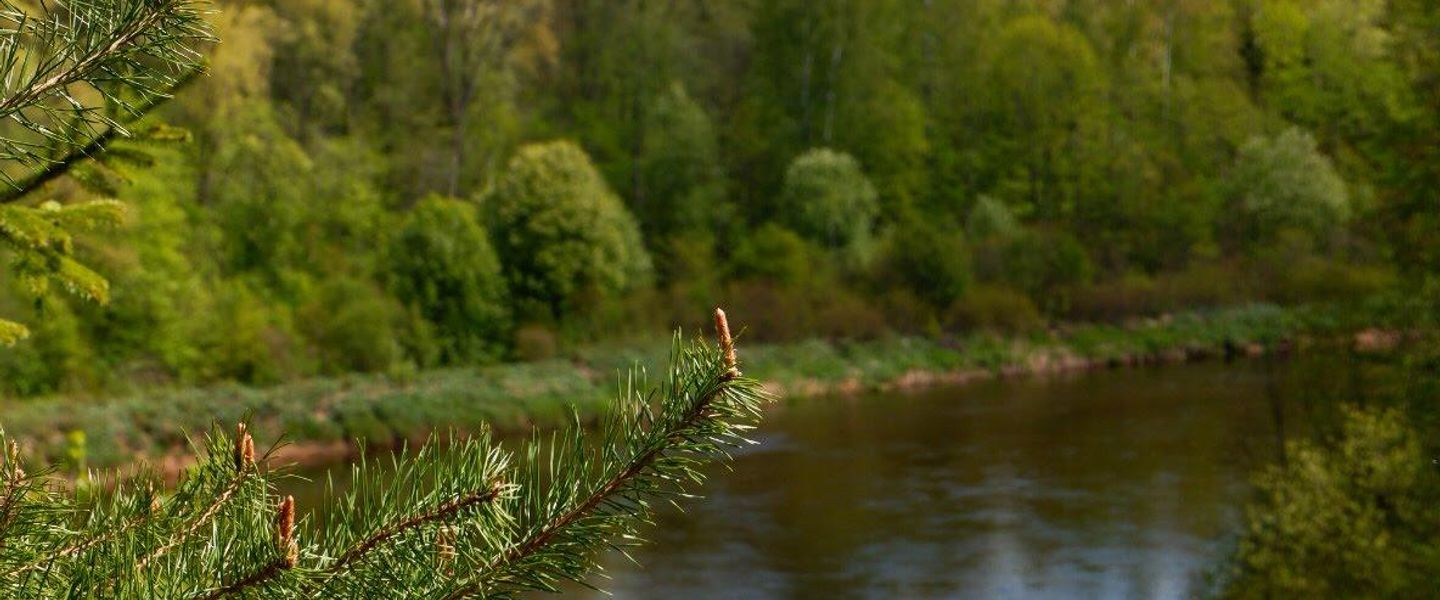


Explore Vidzeme for Gauja National Park, medieval towns, forested hills, lake districts and Latvia’s distinctive northern heritage.
Read more about Vidzeme
When is the best time to visit Vidzeme?
Best: June–August · 21–22°C| Month | High (°C) | Rainfall (mm) |
|---|---|---|
| January | -1 | 40 |
| February | 0 | 35 |
| March | 5 | 40 |
| April | 12 | 45 |
| May | 18 | 50 |
| June (best) | 21 | 55 |
| July (best) | 22 | 60 |
| August (best) | 21 | 55 |
| September | 16 | 50 |
| October | 11 | 45 |
| November | 4 | 40 |
| December | 2 | 45 |
Getting to and around Vidzeme
How to get there
Transportation
Top city travel guides in Vidzeme
The cities of Vidzeme, and the easiest places to base yourself.
-

-

-

-


Swipe for more cities
Destinations in Vidzeme
Resorts, valleys and scenic spots worth a trip of their own.
-

-

-

-


Swipe for more destinations
Best attractions in Vidzeme
Vidzeme’s attractions are concentrated around three different experiences: the river landscapes of Gauja National Park, the historic towns of the central region and the quieter lakes and uplands of the east. Sigulda provides access to woodland trails, ravines, caves and viewpoints, while nearby Turaida combines castle history with valley scenery. Cēsis offers a medieval castle complex, museums and a strong cultural programme, and Līgatne adds distinctive industrial heritage and walking routes through a former paper-making settlement. The archaeological reconstruction at Āraiši gives visitors an unusual insight into Viking Age life on a lake. In and around Valmiera, river walks, museums and outdoor activities broaden the region’s appeal. Further east, Alūksne’s lake setting and the Madona area’s hills, forests and winter-sports facilities provide a more spacious rural experience. Canoeing, cycling, hiking, cross-country skiing, birdwatching and nature photography are all well suited to Vidzeme’s terrain, although access to some rural sites is easiest with a car.
-
Tourist attraction
Riga National Zoological Garden
Discover the diverse wildlife and conservation efforts at Riga National Zoological Garden, a must-see destination for nature lovers and families visiting Latvia.
-
National park
Gauja National Park
Discover the breathtaking landscapes, rich history, and outdoor adventures at Gauja National Park, Latvia's first national park and a true natural gem.
-
Tourist attraction
Riga Motor Museum
Discover the rich history of automobiles at Riga Motor Museum, a top cultural destination showcasing Latvia's automotive heritage.
-
Tourist attraction
Ķemeri National Park
Discover the enchanting beauty of Ķemeri National Park in Latvia – a natural paradise filled with diverse ecosystems, scenic trails, and abundant wildlife.
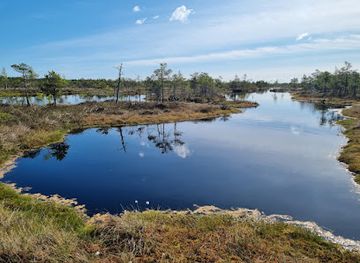
Best landmarks in Vidzeme
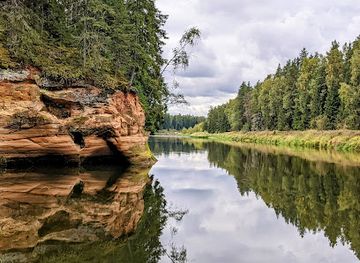
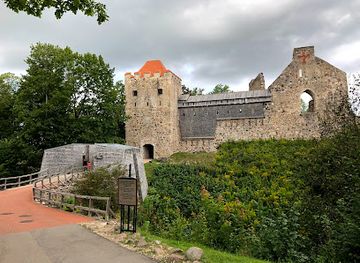
Cēsis Castle is one of Vidzeme’s defining landmarks, with medieval ruins, a later manor complex and a prominent position beside the historic town. Turaida Castle, rising above the Gauja valley near Sigulda, is another recognised symbol of the region and forms part of a wider historic landscape of churches, manor buildings and wooded slopes. The red sandstone cliffs and formations along the Gauja and its tributaries are natural landmarks as well as geological records, with locations such as Ērgļi Cliffs providing memorable valley views. Āraiši Lake Castle is significant for both its reconstructed timber settlement and its evidence of early medieval life. In eastern Vidzeme, Gaiziņkalns represents Latvia’s upland interior, while Alūksne’s lake and island setting give the town a distinctive geographical identity. Valmiera’s historic St Simon’s Church and riverside position add an urban landmark to a region otherwise recognised for forests, castles and open countryside.
-
Castle
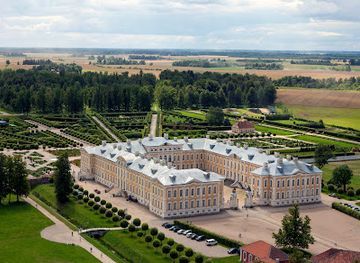
Rundāle Palace Museum
Explore the baroque elegance of Rundāle Palace Museum, a historical masterpiece with stunning gardens and rich cultural heritage in Latvia.
-
National park
Gauja National Park
Explore Latvia's natural beauty and history in Gauja National Park: sandstone cliffs, medieval castles, and outdoor adventures await!
-
Monument
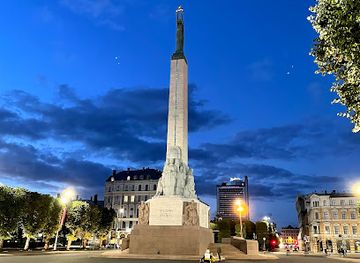
The Freedom Monument
A towering symbol of Latvia's freedom and unity, the Freedom Monument in Riga commemorates the nation's struggle for independence.
-
Museum
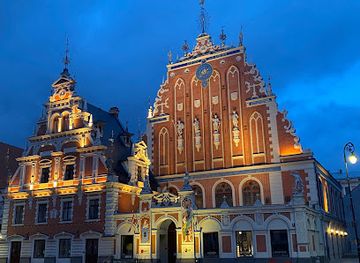
House of the Black Heads
Explore Riga's iconic House of the Black Heads: a symbol of history, architecture, and the legacy of the Brotherhood of Black Heads.
Explore Vidzeme on the map
Plan your trip on one map. See where the top cities, national parks and sights are, and book hotels and experiences in a few clicks.
Best hotels in Vidzeme
Best restaurants in Vidzeme
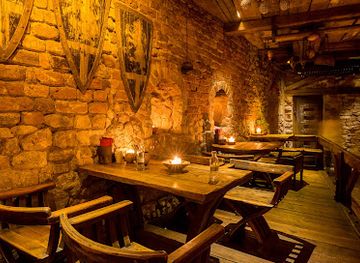
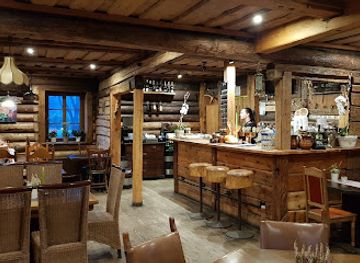
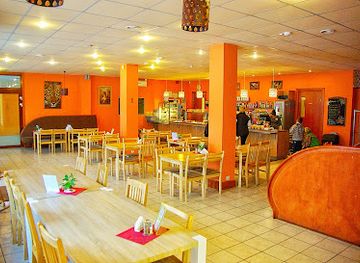
Vidzeme’s food reflects the northern Latvian landscape, with rye bread, potatoes, dairy products, mushrooms, berries, freshwater fish and forest game appearing in traditional and contemporary cooking. Cēsis, Sigulda and Valmiera have the broadest choice of cafés, restaurants, bakeries and pubs, while rural inns and guesthouses often focus on seasonal produce and straightforward regional dishes. Local menus may include grey peas, soups, smoked fish, pork, potato-based preparations and berry desserts, alongside modern interpretations of Latvian ingredients. Farmers’ markets and small producers are good places to look for bread, honey, preserves, herbal products and seasonal fruit. In the Gauja valley, dining can be combined with a day of walking or canoeing, whereas eastern Vidzeme is better suited to planned stops around small towns and guesthouses. Latvian beer, kvass and berry drinks are common accompaniments, and responsible visitors should not assume that alcohol is central to every rural dining experience.
-
Restaurant
Rozengrāls (Vinarium civitatis rigensis)
Discover the historic charm and exquisite flavors at Rozengrāls, an iconic restaurant nestled in an ancient wine cellar in Riga.
-
Restaurant
Sidrabiņi, krogs
Discover authentic Latvian flavors at Sidrabiņi - where tradition meets taste in Limbaži Municipality.
-
Bistro
BISTRO Bērzkrogs
Experience the best of Latvian cuisine at Bistro Bērzkrogs - where tradition meets modern dining in Cēsis Municipality.
-
Fish restaurant
Restaurant Bermudas
Experience authentic seafood at Restaurant Bermudas in Ragaciems – where fresh catches meet stunning coastal views.
Best bars in Vidzeme
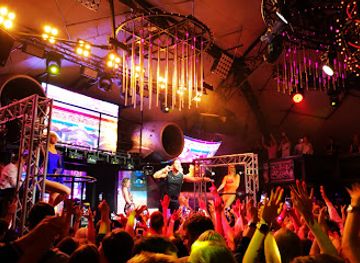
Nightlife in Vidzeme is modest rather than metropolitan, with evening activity centred on pubs, cafés, restaurants and cultural venues. Cēsis has the most noticeable arts-oriented evening scene, including performances and occasional live music, while Valmiera offers a broader selection associated with its larger population and student presence. Sigulda’s evenings are closely linked to restaurants, hotels and seasonal events rather than a dense club district. In smaller towns such as Alūksne and Madona, traditional bars, local restaurants and community events are more typical than late-night clubs. Breweries and contemporary taprooms may feature Latvian beer, but availability varies and should be checked locally. During summer, outdoor concerts and town festivals can extend the evening atmosphere, while winter tends to favour indoor cultural programmes, warm cafés and convivial pubs.
-
Bar
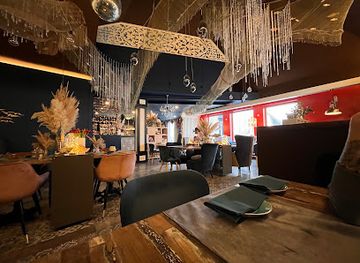
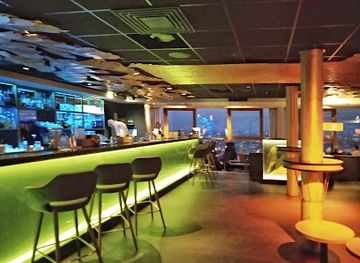
Skyline bar
Experience the breathtaking views of Riga from Skyline Bar, a luxurious rooftop oasis offering exquisite cocktails and a vibrant atmosphere.
-
Bar
Black Magic
Experience the magic of chocolate and cocktails at Black Magic in Riga, where exquisite flavors and a cozy ambiance await.
-
Pub
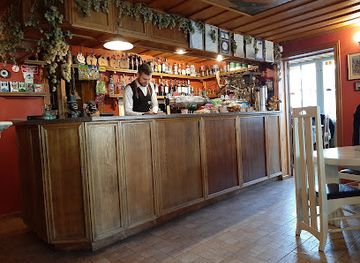
Alus Krodziņš
Discover Alus Krodziņš in Jūrmala: A vibrant pub offering local beers and traditional Latvian dishes in a cozy atmosphere.
-
Bar
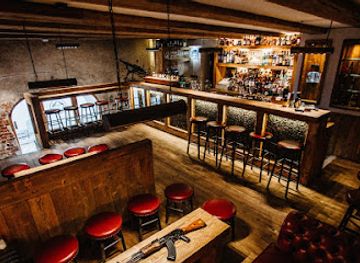
The Armoury Bar
Experience the charm of Riga at The Armoury Bar, where history, culture, and hospitality blend seamlessly in a vibrant atmosphere.

Best nightclubs in Vidzeme
Nightlife in Vidzeme is modest rather than metropolitan, with evening activity centred on pubs, cafés, restaurants and cultural venues. Cēsis has the most noticeable arts-oriented evening scene, including performances and occasional live music, while Valmiera offers a broader selection associated with its larger population and student presence. Sigulda’s evenings are closely linked to restaurants, hotels and seasonal events rather than a dense club district. In smaller towns such as Alūksne and Madona, traditional bars, local restaurants and community events are more typical than late-night clubs. Breweries and contemporary taprooms may feature Latvian beer, but availability varies and should be checked locally. During summer, outdoor concerts and town festivals can extend the evening atmosphere, while winter tends to favour indoor cultural programmes, warm cafés and convivial pubs.
-
Karaoke bar
Friends club
Discover the lively nightlife at Friends Club, Riga's premier karaoke bar and night club, where fun and entertainment blend seamlessly.
-
Night club
FIRST Club
Dive into Riga's vibrant nightlife at FIRST Club, where electrifying music and unforgettable experiences await every weekend.
-
Night club
Royal Club
Discover the ultimate nightlife experience at Royal Club in Riga, where electrifying music and vibrant ambiance create unforgettable memories.
-
Night club
TOP Club Riga
Discover the pulse of Riga's nightlife at TOP Club, where music, dance, and vibrant energy come together for an unforgettable experience.



Best shops in Vidzeme
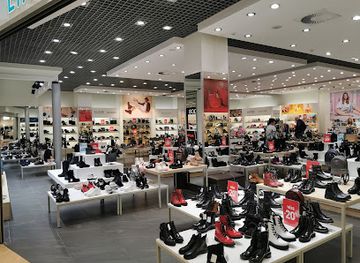
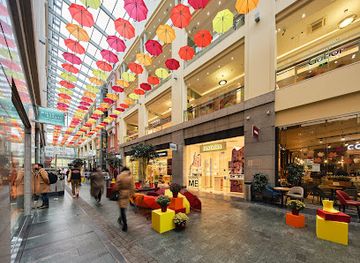
Shopping in Vidzeme is concentrated in the high streets, small centres and markets of Cēsis, Valmiera, Sigulda, Madona and Alūksne rather than in large metropolitan retail districts. Cēsis is particularly suitable for independent craft, design and food shops, while Valmiera provides the widest everyday choice in the central part of the region. Market stalls and farm shops offer rye bread, honey, preserves, berries, mushrooms when in season and other Latvian produce. Visitors may also find woollen goods, wooden objects, ceramics, linen, amber jewellery and locally made soaps, though selection varies between towns and seasons. Near heritage attractions, small galleries and craft outlets often provide more distinctive souvenirs than standard tourist shops. Rural markets and seasonal fairs are useful for meeting producers and buying regional food, but opening days and locations can change, so local tourist information is worth checking before making a special journey.
-
Shopping mall
Domina
Experience the best shopping, dining, and entertainment at Domina Shopping Mall, Riga's vibrant retail destination.
-
Shopping mall
Gallery Centre, Shopping mall
Explore the lively Gallery Centre in Riga, a shopping mall with a diverse mix of local and international brands, dining options, and a vibrant atmosphere for all.
-
Outlet mall
Via Jurmala Outlet Village
Shop in style at Via Jurmala Outlet Village, Latvia's premier outlet mall offering unbeatable deals on top brands amidst a stunning setting.
-
Clothing store
Mans Drebju Skapis
Discover unique fashion at Mans Drebju Skapis in Riga, where contemporary style meets traditional Latvian design.
Get your free copy of our complete guide to Vidzeme, delivered straight to you.
Everything on this page, from attractions and restaurants to essentials and local phrases, in one PDF you can read offline, print or share.
Already have an account? Sign in
Your Vidzeme guide is ready.
We'll send it to · Not you? Sign out

Getting your guide ready…
We are putting together a fresh copy of the Vidzeme guide. This can take up to a minute.
This can take a few moments. If your browser asks, choose Allow so the download can start. You'll find the guide in your Downloads folder.
Nothing happened? Download it again
Sorry, the guide is taking longer than usual. Please try again in a minute, or get it by email instead.
Vidzeme essentials
Currency and Payment
Safety
Emergency Situations
Do's and Don'ts
Local Tips
From Eve
Local phrases worth knowing
You don't need to get them perfect. A few words go a long way, and locals appreciate the effort.
Basics
| English | Local | Say it |
|---|---|---|
| Hello | Sveiki | [Svei-kee] |
| Goodbye | Uz redzēšanos | [Uz red-zay-sha-nos] |
| Yes | Jā | [Yah] |
| No | Nē | [Neh] |
| Please/You’re welcome | Lūdzu | [Lood-zu] |
| Thank you | Paldies | [Pahl-dees] |
| Excuse me/Sorry | Atvainojiet | [Aht-vai-no-yet] |
| How are you? | Kā tev klājas? | [Kah tev klah-yas] |
| Fine. And you? | Labi. Un tu? | [Lah-bee. Oon too?] |
| Do you speak English? | Vai tu runā angliski? | [Vah-ee too roo-nah ahng-lis-kee] |
| I don't understand | Es nesapratu | [Es neh-sah-pra-too] |
Eating & Drinking
| English | Local | Say it |
|---|---|---|
| I’d like to see the menu, please | Es gribētu redzēt ēdienkarti, lūdzu | [Es gri-beh-too red-zayt eh-dee-en-kar-tee, lood-zu] |
| I don’t eat meat | Es neēdu gaļu | [Es neh-e-du gah-lyu] |
| Cheers! | Uz veselību! | [Uz veh-seh-leeb-oo] |
| I would like to pay, please | Es gribētu samaksāt, lūdzu | [Es gri-beh-too sah-mak-saat, lood-zu] |
Emergencies
| English | Local | Say it |
|---|---|---|
| Help! | Palīdziet! | [Pah-leed-zee-et] |
| Go away! | Aizbēdziet! | [Aiz-baydz-zee-et] |
| Call the Police! | Izsauciet policiju! | [Iz-sau-tsyet poh-lee-tsee-yu] |
| Call a doctor! | Izsauciet ārstu! | [Iz-sau-tsyet ahr-stu] |
| I’m lost | Es esmu pazudis | [Es es-moo pah-zoo-dees] |
| I’m ill | Es esmu slims | [Es es-moo sleems] |
Shopping
| English | Local | Say it |
|---|---|---|
| I’d like to buy... | Es gribētu nopirkt... | [Es gri-beh-too noh-peerkt] |
| I’m just looking | Es tikai skatos | [Es tee-kai skah-tos] |
| How much is it? | Cik tas maksā? | [Tseek tahs mak-sah] |
| That’s too expensive | Tas ir pārāk dārgi | [Tahs eer pah-raak daar-gee] |
| Can you lower the price? | Vai tu vari pazemināt cenu? | [Vah-ee too vah-ree pah-zeh-meen-aht tseh-nu] |
Time & Numbers
| English | Local | Say it |
|---|---|---|
| What time is it? | Cik ir pulkstenis? | [Tseek eer pulk-sten-is] |
| It’s one o’clock | Ir pulkstenis viens | [Eer pulk-sten-is vyens] |
| Half past (10) | Pusē (10) | [Poo-say (desmit)] |
| Morning | Rīts | [Reets] |
| Afternoon | Pēcpusdiena | [Pate-pus-dee-na] |
| Evening | Vakars | [Vah-kars] |
| Yesterday | Vakar | [Vah-kar] |
| Today | Šodien | [Sho-dee-en] |
| Tomorrow | Rīt | [Reet] |
| 1 | 1 | [1] |
| 2 | 2 | [2] |
| 3 | 3 | [3] |
| 4 | 4 | [4] |
| 5 | 5 | [5] |
| 6 | 6 | [6] |
| 7 | 7 | [7] |
| 8 | 8 | [8] |
| 9 | 9 | [9] |
| 10 | 10 | [10] |
Transport & Directions
| English | Local | Say it |
|---|---|---|
| Where's a/the...? | Kur ir...? | [Koore eer...?] |
| What's the address? | Kāds ir adreses? | [Kahds eer ah-dres-es?] |
| Can you show me (on the map)? | Vai tu vari parādīt (uz kartes)? | [Vah-ee too vah-ree pah-rah-deet (ooz kar-tehs)?] |
| When's the next (bus)? | Kad ir nākamais (autobuss)? | [Kahd eer nah-kah-mice (ow-toh-boos)?] |
| A ticket (to ....) | Biļete (uz....) | [Bee-lyeh-teh (ooz....)] |
History of Vidzeme
Prehistoric and Early Baltic Settlement
Vidzeme has been inhabited since prehistoric times, with archaeological evidence recording communities that used its rivers, lakes and forests for farming, fishing and trade. The reconstructed lake settlement at Āraiši, near Cēsis, is one of the region’s most important archaeological sites. Its timber buildings, constructed on small islands in the lake during the Viking Age, provide an unusually vivid impression of settlement in medieval eastern Latvia and demonstrate how waterways shaped both defence and daily life.
German Crusading Orders and Medieval Castles
During the thirteenth century, the territory was incorporated into the political and religious structures established by German crusading orders and the Bishopric of Riga. Castles became centres of authority, including the fortress at Cēsis, which developed into one of Livonia’s major strongholds. Turaida Castle and other fortified sites in the Gauja valley similarly reflect the contested frontier between local communities, ecclesiastical rulers and military orders. Their surviving ruins remain central to Vidzeme’s historical landscape.
Swedish Livonia and the Great Northern War
Much of Vidzeme came under Swedish rule in the seventeenth century, when the province was known as Swedish Livonia. Administrative and educational reforms were introduced, although warfare repeatedly disrupted settlement and trade. The Great Northern War at the beginning of the eighteenth century brought further destruction, after which the region passed into the Russian Empire. The period left a complex legacy of changing borders, Lutheran institutions, estate culture and multilingual administration.
Manors, Agriculture and Rural Society
Under the Russian Empire, Vidzeme’s economy was shaped by large estates, forestry and agriculture. Manor houses, parks, churches and village layouts still mark this social order, even though land reform after Latvian independence changed ownership patterns. German-speaking Baltic nobles, Latvian peasants and urban merchants occupied different positions within the system. The region’s later cultural identity was strongly influenced by the growth of Latvian literacy, education and a more confident Latvian national society.
National Awakening and the Birth of Latvia
Nineteenth-century national consciousness developed through schools, choirs, newspapers and cultural associations across Vidzeme. Towns such as Cēsis and Valmiera became important centres for education and public life, while rural communities participated in the wider Latvian national movement. Vidzeme was among the regions that supported the creation of the independent Latvian state in 1918. The interwar period brought land reform, new municipal institutions and a stronger public role for the Latvian language.
War, Soviet Rule and Contemporary Renewal
The Second World War and the subsequent Soviet occupation transformed Vidzeme through population loss, political repression, collectivisation and industrial restructuring. Some towns expanded around factories and state institutions, while rural communities experienced major demographic change. Since Latvia restored independence in 1991, Vidzeme has developed a combination of heritage conservation, nature tourism, local enterprise and cultural programming. Former industrial sites, manor properties and historic town centres now form part of a more diverse regional economy.
Vidzeme in Photos
Browse through our photo collection highlighting the charm and character of the destination.
Neighbouring regions of Vidzeme
The closest regions to Vidzeme, if you have time for more than one.
-

-

-

-
-


Swipe for more regions
Explore more

Explore more of Latvia
Explore Latvia: A Baltic treasure with rich history, stunning landscapes, vibrant festivals, and warm hospitality. Discover Riga's charm and Latvia's natural beauty.
Explore Latvia