

Free Latgale Upland Travel Guide & Mobile App
Explore Latgale Upland with free travel guides. Discover regional history, expert tips, proposed trips, and audio guides on web or mobile app.


Explore Latgale Upland in eastern Latvia for glacial lakes, wooded hills, Aglona’s basilica, rural traditions and Rāzna National Park.
Read more about Latgale Upland
When is the best time to visit Latgale Upland?
Best: June–August · 21–23°C| Month | High (°C) | Rainfall (mm) |
|---|---|---|
| January | -2 | 40 |
| February | -2 | 35 |
| March | 5 | 40 |
| April | 11 | 45 |
| May | 17 | 50 |
| June (best) | 21 | 55 |
| July (best) | 23 | 60 |
| August (best) | 21 | 55 |
| September | 17 | 50 |
| October | 12 | 45 |
| November | 5 | 40 |
| December | 1 | 45 |
Getting to and around Latgale Upland
How to get there
Transportation
Top city travel guides in Latgale Upland
The cities of Latgale Upland, and the easiest places to base yourself.

Swipe for more cities
Best attractions in Latgale Upland
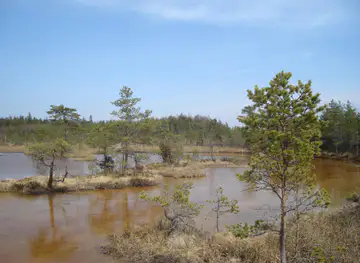
Latgale Upland’s attractions are dispersed through a landscape of lakes, glacial hills, forests and agricultural villages. Rāzna National Park is the central outdoor focus, offering opportunities for walking, birdwatching, swimming and boating where facilities and conditions allow. Lake Rāzna provides the broadest waterscape, while Lake Ežezers is notable for its island-studded form. Lielais Liepukalns gives visitors one of Latvia’s clearest elevated perspectives, and the wooded slopes around Mākoņkalns combine scenery with historical associations. Aglona Basilica is the region’s major cultural and pilgrimage destination, particularly important during the August Feast of the Assumption. Smaller churches, rural cemeteries, local museums and traditional farm landscapes add depth to journeys between the larger sites. Outdoor interests range from short nature walks and cycling on quiet roads to seasonal fishing and water-based recreation. The appeal is less a concentration of ticketed attractions than the relationship between natural features, Catholic heritage and the lived landscape of eastern Latvia.
-
Monument
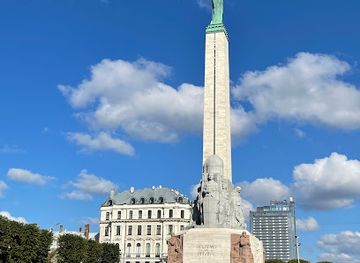
The Freedom Monument
Discover the Freedom Monument in Riga, a breathtaking symbol of Latvia's independence, surrounded by lush gardens and rich history.
-
History museum
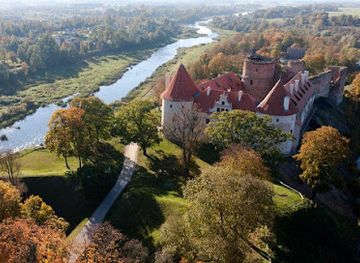
Bauska Castle Museum
Explore the stunning Bauska Castle Museum in Latvia, a captivating blend of history, architecture, and cultural heritage amidst breathtaking landscapes.
-
Museum
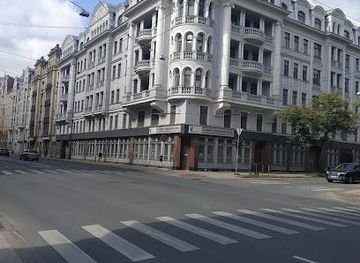
The Corner House
Explore the haunting history of the KGB at The Corner House in Riga, a profound museum experience in Latvia's capital.
-
Basilica
Basilica of the Assumption of Blessed Virgin Mary, Aglona
Discover the majestic Basilica of the Assumption of Blessed Virgin Mary in Aglona, a spiritual and architectural masterpiece steeped in history and beauty.
Best landmarks in Latgale Upland
Aglona Basilica is Latgale Upland’s most recognisable architectural landmark. Its white Baroque and Rococo-influenced form, religious artworks and pilgrimage tradition give it significance well beyond the surrounding settlement, and its grounds become especially important during the August Feast of the Assumption. Lielais Liepukalns is a geographical landmark as well as a viewpoint: at about 289 metres, it is Latvia’s highest natural elevation, rising above the lake country of Rāzna National Park. Mākoņkalns, a prominent wooded hill near Lake Rāzna, carries the remains and historical associations of a former medieval stronghold. The region’s lakes are landmarks in their own right, particularly Lake Rāzna with its wide open basin and Lake Ežezers with its many islands. Rural churches, roadside crosses and historic cemeteries complete the visual identity of an upland where faith, settlement and glacial geography remain closely connected.
-
Castle
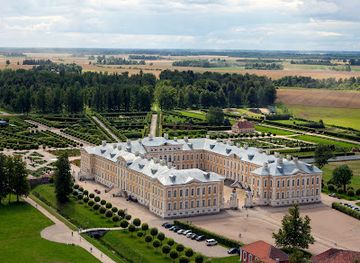
Rundāle Palace Museum
Discover the exquisite Rundāle Palace Museum, a Baroque masterpiece showcasing Latvia's cultural heritage through art, architecture, and enchanting gardens.
-
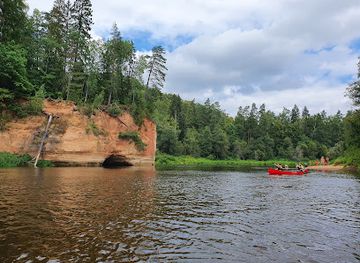
National park
Gauja National Park
Explore Latvia's largest national park: stunning landscapes, historic castles, and thrilling outdoor adventures await in the Gauja River valley.
-
Museum
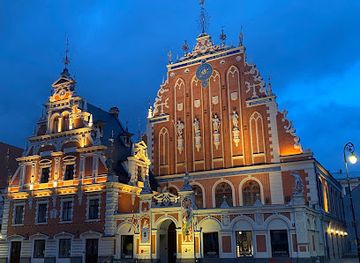
House of the Black Heads
Explore Riga's iconic House of the Black Heads: a symbol of Hanseatic history, architectural grandeur, and cultural events in the heart of Old Town.
-
National park
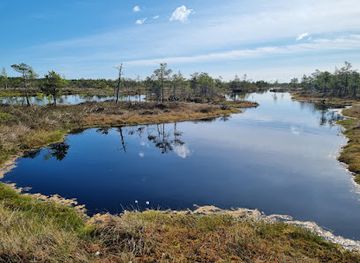
Ķemeri National Park
Discover Latvia's natural beauty in Ķemeri National Park: Explore bogs, forests, and healing springs. A haven for wildlife and tranquility.
Explore Latgale Upland on the map
Plan your trip on one map. See where the top cities, national parks and sights are, and book hotels and experiences in a few clicks.
Best hotels in Latgale Upland
Best restaurants in Latgale Upland
Dining in Latgale Upland is shaped by rural produce, eastern Latvian home cooking and the practical traditions of a region where potatoes, grains, dairy, mushrooms and forest berries have long been important. Visitors may encounter potato-based dishes, rye bread, soups, smoked or preserved foods, cottage cheese, seasonal mushrooms and berry desserts, although recipes vary between households and establishments. Latgalian culinary influence sits within the wider Latvian food tradition, with additional traces of neighbouring eastern European cuisines. Rēzekne and other larger settlements offer the broadest choice of cafés and restaurants, while guesthouses and rural farms may provide meals by prior arrangement. Markets and farm shops are useful for buying bread, honey, preserves and other local produce. Around the lakes, dining is generally more seasonal and informal than in a city, and visitors should not expect every rural venue to accept walk-ins or offer an English-language menu.
-
Restaurant
Rozengrāls (Vinarium civitatis rigensis)
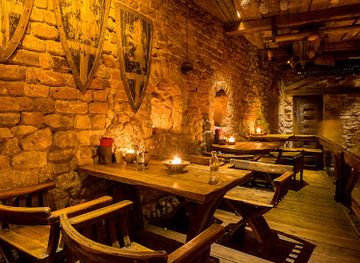
Experience medieval-inspired dining at Rozengrāls in Riga – where tradition meets taste in an enchanting atmosphere.
-
Self service restaurant
Lido Dzirnavas
Discover authentic Latvian flavors at Lido Dzirnavas – a charming self-service restaurant in the heart of Riga offering delicious local dishes.
-
Fish restaurant
Restaurant Bermudas
Experience exquisite seafood dining at Restaurant Bermudas in Ragaciems - where fresh flavors meet breathtaking coastal views.
-
Restaurant
Garage
Discover the flavors of Latvia at Garage, where modern cuisine meets vibrant nightlife in Riga's Central District.
Best bars in Latgale Upland
Evening life in Latgale Upland is modest and concentrated in Rēzekne and other larger settlements rather than organised around a major club scene. Local pubs, cafés and hotel bars provide places for a drink or a simple meal, while cultural venues may host concerts, theatre and community events. In villages and around the lakes, evenings are more likely to centre on guesthouse dining, private gatherings or seasonal festivals than late-night entertainment. Rēzekne has the region’s broadest choice of restaurants, bars and cultural programming, but opening arrangements can change, particularly outside the main season. Visitors interested in regional drinks and food should look for local beer, kvass and traditional non-alcoholic refreshments where available, without assuming that alcohol is central to rural social life.
-
Restaurant
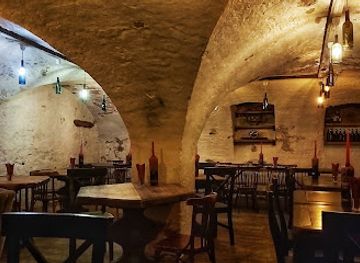
Ala Pagrabs
Experience authentic Latvian cuisine and a vibrant atmosphere at Ala Pagrabs, a top-rated restaurant and bar in Riga's Central District.
-
Bar
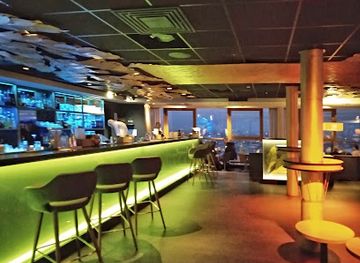
Skyline bar
Experience the best views of Riga at Skyline Bar, where exquisite cocktails meet breathtaking cityscapes for an unforgettable night.
-
Bar
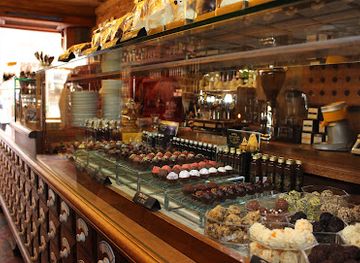
Black Magic
Discover the enchanting world of Black Magic, where cocktails meet chocolate in the heart of Riga's vibrant Central District.
-
Pub
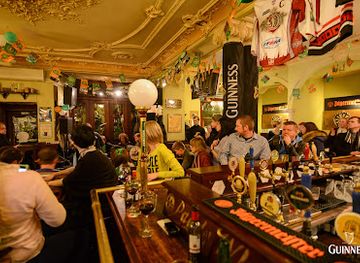
Paddy Whelans Irish Pub & Sports Bar
Discover the vibrant atmosphere and authentic Irish cuisine at Paddy Whelan's Irish Pub in Riga's Old Town, a true gem for food and sports enthusiasts.
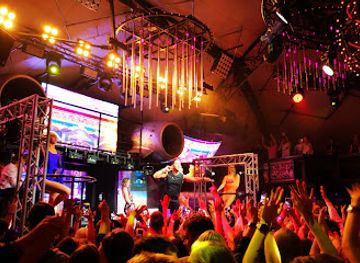
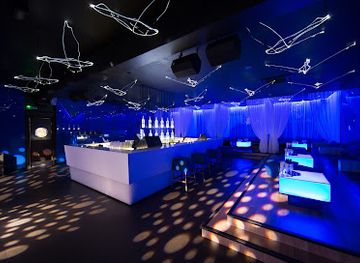
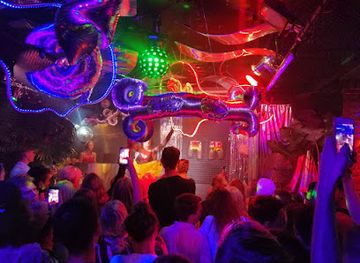
Best nightclubs in Latgale Upland
Evening life in Latgale Upland is modest and concentrated in Rēzekne and other larger settlements rather than organised around a major club scene. Local pubs, cafés and hotel bars provide places for a drink or a simple meal, while cultural venues may host concerts, theatre and community events. In villages and around the lakes, evenings are more likely to centre on guesthouse dining, private gatherings or seasonal festivals than late-night entertainment. Rēzekne has the region’s broadest choice of restaurants, bars and cultural programming, but opening arrangements can change, particularly outside the main season. Visitors interested in regional drinks and food should look for local beer, kvass and traditional non-alcoholic refreshments where available, without assuming that alcohol is central to rural social life.
-
Night club
FIRST Club
Dine, dance, and celebrate at FIRST Club in Riga - a vibrant night club where the music never stops and the fun never ends.
-
Night club
Royal Club
Discover the vibrant nightlife at Royal Club in Riga, offering an electrifying atmosphere, exceptional drinks, and unforgettable entertainment.
-
Night club
Coyote Fly
Experience the pulse of Riga's nightlife at Coyote Fly, where music and energy create unforgettable nights.
-
Night club
TOP Club Riga
Discover the electrifying nightlife of Riga at TOP Club, where top DJs, innovative cocktails, and an unforgettable atmosphere await.

Best shops in Latgale Upland
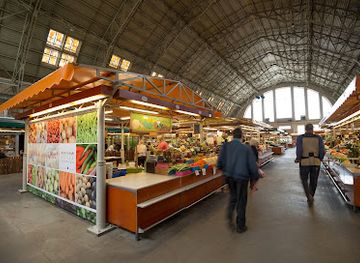
Shopping in Latgale Upland is primarily local and practical, with the widest choice in Rēzekne and smaller market towns rather than in dedicated retail districts. Look for farmers’ markets, food stalls and farm shops selling rye bread, honey, preserves, herbal products and seasonal berries or mushrooms when available. Craft traditions associated with Latgale include ceramics, woven textiles, woodwork and other handmade goods, often sold through cultural centres, workshops, museums or regional events rather than permanent tourist shops. Aglona and other pilgrimage destinations may have religious souvenirs, while local galleries can provide more distinctive mementoes than generic souvenir outlets. Supermarkets are useful for provisions before travelling into the lake country, where retail services are limited. Check provenance when buying crafts or food, and remember that market days and small producers may operate seasonally or accept cash more readily than cards.
-
Market
Riga Central Market
Explore the rich flavors and vibrant culture of Latvia at Riga Central Market, a must-visit destination for every traveler.
-
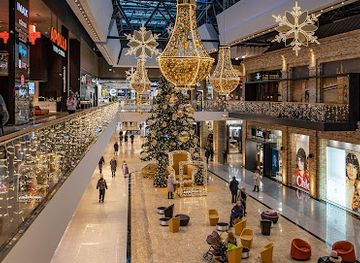
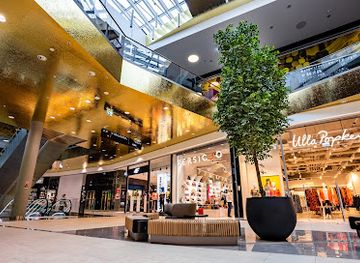
Shopping mall
AKROPOLE Rīga
Discover the ultimate shopping and entertainment experience at AKROPOLE Rīga, where fashion meets fun in Latvia's bustling capital.
-
Shopping mall
Akropole Alfa, iepirkšanās centrs
Explore Akropole Alfa in Riga, Latvia – a shopping paradise with diverse stores, dining options, and family-friendly entertainment.
-
Shopping mall
TC Spice
Explore TC Spice, Riga's vibrant shopping mall offering diverse shops, delicious dining, and entertainment for every visitor.

Get your free copy of our complete guide to Latgale Upland, delivered straight to you.
Everything on this page, from attractions and restaurants to essentials and local phrases, in one PDF you can read offline, print or share.
Already have an account? Sign in
Your Latgale Upland guide is ready.
We'll send it to · Not you? Sign out

Getting your guide ready…
We are putting together a fresh copy of the Latgale Upland guide. This can take up to a minute.
This can take a few moments. If your browser asks, choose Allow so the download can start. You'll find the guide in your Downloads folder.
Nothing happened? Download it again
Sorry, the guide is taking longer than usual. Please try again in a minute, or get it by email instead.
Latgale Upland essentials
Currency and Payment
Safety
Emergency Situations
Do's and Don'ts
Local Tips
From Eve
Local phrases worth knowing
You don't need to get them perfect. A few words go a long way, and locals appreciate the effort.
Basics
| English | Local | Say it |
|---|---|---|
| Hello | Sveiki | [svay-kee] |
| Goodbye | Uz redzēšanos | [ooz red-zay-sha-noss] |
| Yes | Jā | [yah] |
| No | Nē | [nay] |
| Please/You're welcome | Lūdzu | [lood-zoo] |
| Thank you | Paldies | [pahl-dees] |
| Excuse me/Sorry | Atvainojiet | [aht-vai-naw-yeet] |
| How are you? | Kā jums klājas? | [kah yooms klah-yas] |
| Fine. And you? | Labi. Un jūs? | [lah-bee. oon yoos] |
| Do you speak English? | Vai jūs runājat angliski? | [vye yoos roo-nah-yat ahn-glis-kee] |
| I don't understand | Es nesaprotu | [es neh-sah-proh-too] |
Eating & Drinking
| English | Local | Say it |
|---|---|---|
| I'd like to see the menu, please | Es gribētu redzēt ēdienkarti, lūdzu | [es gri-beh-too red-zayt eh-dee-en-kahr-tee, lood-zoo] |
| I don't eat meat | Es neēdu gaļu | [es neh-eh-doo gah-loo] |
| Cheers! | Priekā! | [pree-kah] |
| I would like to pay, please | Es vēlētos samaksāt, lūdzu | [es veh-lay-tohs sah-mahk-saat, lood-zoo] |
Emergencies
| English | Local | Say it |
|---|---|---|
| Help! | Palīdziet! | [pahl-ee-dzee-et] |
| Go away! | Ej prom! | [ay prohm] |
| Call the Police! | Izsauciet policiju! | [eez-sow-tsyeh polic-ee-yoo] |
| Call a doctor! | Izsauciet ārstu! | [eez-sow-tsyeh aars-too] |
| I'm lost | Es esmu apmaldījies | [es es-moo ap-mahl-dee-yees] |
| I'm ill | Es esmu slims | [es es-moo sleems] |
Shopping
| English | Local | Say it |
|---|---|---|
| I'd like to buy... | Es gribētu nopirkt... | [es gri-beh-too noh-peer-kt] |
| I'm just looking | Es tikai skatos | [es tee-kai skah-tos] |
| How much is it? | Cik tas maksā? | [tsik tahs mahk-sah] |
| That's too expensive | Tas ir pārāk dārgi | [tahs eer pah-rahk dahr-gee] |
| Can you lower the price? | Vai varat pazemināt cenu? | [vye vah-rat pah-zeh-mee-naht tseh-noo] |
Time & Numbers
| English | Local | Say it |
|---|---|---|
| What time is it? | Cik ir pulkstens? | [tsik eer poolk-stens] |
| It's one o'clock | Ir viens pulkstenis | [eer vyens poolk-sten-iss] |
| Half past (10) | Pusstundas (10) | [poos-stoon-dahs (10)] |
| Morning | Rīts | [reetz] |
| Afternoon | Pēcpusdiena | [payt-poos-dee-nah] |
| Evening | Vakars | [vah-kars] |
| Yesterday | Vakar | [vah-kahr] |
| Today | Šodien | [shoh-dyehn] |
| Tomorrow | Rīt | [reet] |
| 1 | 1 | [1] |
| 2 | 2 | [2] |
| 3 | 3 | [3] |
| 4 | 4 | [4] |
| 5 | 5 | [5] |
| 6 | 6 | [6] |
| 7 | 7 | [7] |
| 8 | 8 | [8] |
| 9 | 9 | [9] |
| 10 | 10 | [10] |
Transport & Directions
| English | Local | Say it |
|---|---|---|
| Where's a/the...? | Kur ir...? | [koor eer] |
| What's the address? | Kāds ir adrese? | [kahds eer ah-dreh-seh] |
| Can you show me (on the map)? | Vai varat man parādīt (uz kartes)? | [vye vah-rat mahn pah-rah-deet (ooz kar-tess)] |
| When's the next (bus)? | Kad ir nākamais (autobuss)? | [kahd eer nah-kah-mise (ow-toh-boos)] |
| A ticket (to ....) | Biļete (uz ....) | [bee-lyeh-teh (ooz)] |
History of Latgale Upland
Early Latgalian settlement and the lake country
The upland’s hills, forests and lakes have supported human settlement since prehistoric times. The Latgalians, an eastern Baltic people, established communities, cultivated suitable soils and used waterways that later became important routes through eastern Latvia. Archaeological evidence across Latgale includes hillforts, burial sites and traces of settlement, although many locations are modest earthworks rather than monumental ruins. The landscape itself explains much of the region’s later history: lakes offered food and transport, while elevated sites provided defensive advantages and helped settlements occupy the relatively dry ground between wetlands and river basins.
The medieval Livonian and Polish-Lithuanian eras
During the medieval period, eastern Latvia was influenced by the political and religious structures associated with Livonia. After the Livonian War in the sixteenth century, Latgale became part of the Polish-Lithuanian Commonwealth, unlike much of present-day Latvia, which followed a different political path. Catholic institutions gained lasting importance, and the region’s cultural connections with Poland and Lithuania helped shape its religious architecture, education and elite culture. The later prominence of Aglona and other Catholic sites has roots in this period of confessional and political realignment.
Jesuit influence and the growth of Aglona
Catholic religious activity expanded in Latgale during the early modern period, particularly through the work of Jesuits and other orders. Aglona developed as a major centre of pilgrimage, and the church established there eventually became the Basilica of the Assumption. The site’s importance survived changes of government and religious policy, giving Latgale a Catholic landmark of national significance. The basilica also expresses the region’s position at a cultural crossroads, where local Latgalian traditions interacted with wider Catholic, Polish, Lithuanian and Russian influences.
Latgale under the Russian Empire
After the partitions of the Polish-Lithuanian Commonwealth in the late eighteenth century, Latgale was incorporated into the Russian Empire. Administration, education and economic life were reorganised, while religious and language policies changed over time. A ban on printing in the Latin alphabet, imposed in the nineteenth century and lifted in 1904, restricted the public development of written Latgalian and Latvian culture. At the same time, roads, railways and market connections gradually linked rural communities with towns, helping agriculture and trade develop within the imperial economy.
Latgalian cultural revival and the birth of Latvia
The late nineteenth and early twentieth centuries saw a revival of Latgalian literary and cultural activity. Writers, clergy and community leaders worked to preserve local speech, religious traditions and a distinct regional identity while participating in the wider Latvian national movement. The upheavals of the First World War and the Russian Revolution opened the way to the independent Republic of Latvia in 1918. Latgale became part of the new state, although its Catholic heritage, linguistic traditions and social structure continued to distinguish it from Latvia’s western and northern regions.
War, Soviet rule and rural transformation
The Second World War and its aftermath brought occupation, violence, displacement and profound demographic change to Latgale. Under Soviet rule, agriculture was collectivised and many villages were reorganised around state and collective farms. Industrial and administrative growth concentrated in larger towns, while rural religious life was constrained and many churches suffered damage or closure. Even so, local foodways, family customs and connections to Catholic pilgrimage endured. Since the restoration of Latvian independence in 1991, historic churches, rural landscapes and Latgalian cultural identity have become important foundations for regional renewal and tourism.
Latgale Upland in Photos
Browse through our photo collection highlighting the charm and character of the destination.
Neighbouring regions of Latgale Upland
The closest regions to Latgale Upland, if you have time for more than one.
-

-

-
-
-


Swipe for more regions
Explore more

Explore more of Latvia
Explore Latvia: A Baltic treasure with rich history, stunning landscapes, vibrant festivals, and warm hospitality. Discover Riga's charm and Latvia's natural beauty.
Explore Latvia