

Free Latgale Travel Guide & Mobile App
Explore Latgale with free travel guides. Discover regional history, expert tips, proposed trips, and audio guides on web or mobile app.


Latgale travel combines Latvia’s lake country, Catholic heritage, Daugavpils culture, rural landscapes and distinctive Latgalian traditions.
Read more about Latgale
When is the best time to visit Latgale?
Best: June–August · 22–23°C| Month | High (°C) | Rainfall (mm) |
|---|---|---|
| January | -1 | 40 |
| February | 0 | 35 |
| March | 5 | 40 |
| April | 12 | 45 |
| May | 19 | 55 |
| June (best) | 22 | 65 |
| July (best) | 23 | 70 |
| August (best) | 22 | 65 |
| September | 16 | 60 |
| October | 10 | 55 |
| November | 4 | 50 |
| December | 1 | 45 |
Getting to and around Latgale
How to get there
Transportation
Top city travel guides in Latgale
The cities of Latgale, and the easiest places to base yourself.

Swipe for more cities
Best attractions in Latgale
Latgale’s attractions combine religious heritage, fortified architecture, museums and extensive lake-country landscapes. Daugavpils provides the region’s strongest urban programme, centred on the vast Daugavpils Fortress, the Mark Rothko Art Centre and museums that explore local history and culture. Rēzekne offers a more compact cultural experience, with the Latgales vēstniecība GORS concert hall, a regional museum and the remains of its medieval castle on a hill above the town. Aglona Basilica is both a place of pilgrimage and an important architectural landmark, particularly during the August Feast of the Assumption. Around Lake Rāzna, Rāzna National Park offers forests, wetlands, villages and opportunities for walking, cycling, boating and nature observation. Ludza combines a small historic town with castle ruins and lakeside views, while Krāslava is a gateway to the Daugava valley and its wooded scenery. Rural churches, manor sites, craft workshops, local museums and traditional farms add depth to journeys between the larger centres. The region is best experienced as a sequence of varied stops rather than a checklist of isolated monuments.
-
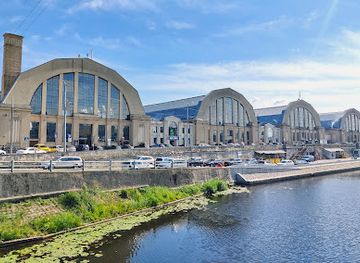
Market
Riga Central Market
Explore Riga Central Market - A vibrant hub of fresh produce, local delicacies, and cultural experiences waiting to be discovered.
-
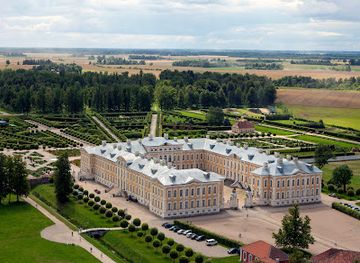
Castle
Rundāle Palace Museum
Explore the stunning Rundāle Palace Museum, a Baroque masterpiece in Latvia with rich history, exquisite gardens, and captivating art collections.
-
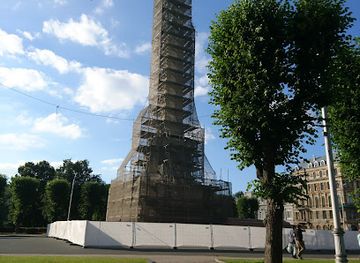
Monument
The Freedom Monument
Discover the Freedom Monument in Riga, a stunning tribute to Latvia’s independence, surrounded by lush gardens and rich history.
-
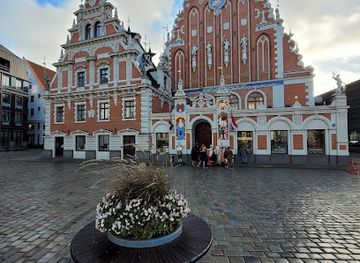
Museum
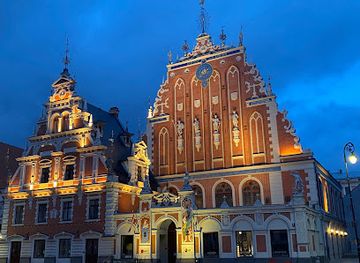
House of the Black Heads
Discover the House of the Black Heads in Riga - a historical gem showcasing Gothic architecture and fascinating tales of the city's past.
Best landmarks in Latgale
Daugavpils Fortress is Latgale’s most imposing built landmark: a nineteenth-century defensive complex laid out across a vast area, with gates, ramparts and military buildings that reveal the strategic importance of the Daugava corridor. The city’s Church Hill, where several Christian denominations stand close together, reflects its layered religious history. Aglona Basilica is the region’s most significant sacred landmark and one of Latvia’s principal Catholic pilgrimage destinations, recognised for its white façade, twin towers and enduring devotional role. In Rēzekne, the hilltop remains of the medieval castle overlook the modern town and symbolise the city’s long frontier history. Ludza Castle Hill provides another evocative setting above the lakes, while the town’s traditional streets preserve the scale of an old regional centre. Lake Rāzna, often called the Sea of Latgale, is the region’s defining natural landmark, surrounded by the forests and open landscapes of Rāzna National Park. The Daugava valley around Krāslava adds a contrasting landmark landscape of wooded banks, prominent viewpoints and historic settlement patterns.
-
Castle
Rundāle Palace Museum
Explore Rundāle Palace, the 'Versailles of the Baltics': A stunning Baroque masterpiece with opulent interiors and a breathtaking French garden.
-
National park
Gauja National Park
Discover Latvia's natural beauty and historical heritage in Gauja National Park: hiking, castles, and breathtaking landscapes await!
-
Museum
House of the Black Heads
Explore Riga's iconic landmark, the House of the Black Heads: a symbol of history, culture, and architectural grandeur in the heart of Old Town.
-
Castle
Turaida Castle
Discover Latvia's medieval history at Turaida Castle, a beautifully restored fortress with panoramic views of the Gauja River valley.

Explore Latgale on the map
Plan your trip on one map. See where the top cities, national parks and sights are, and book hotels and experiences in a few clicks.
Best hotels in Latgale
Best restaurants in Latgale
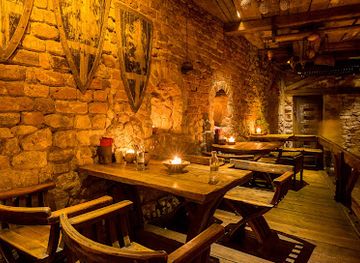
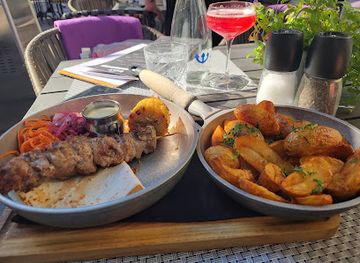
Latgalian food reflects a cool continental climate and a strong rural tradition, with potatoes, buckwheat, pork, mushrooms, berries, cottage cheese and dark bread appearing frequently on local menus. Freshwater fish from the region’s lakes and rivers may feature seasonally, while filled pastries, pancakes and baked dishes provide practical countryside fare. Daugavpils and Rēzekne have the broadest choice of restaurants, cafés and bakeries, ranging from Latvian cooking to Ukrainian, Polish, Russian and contemporary European influences. Outside the cities, look for guesthouses, farm-based kitchens, market stalls and modest roadside cafés rather than an extensive restaurant circuit. Latgale is also associated with small-scale brewing and traditional spirit-making; regional drinks are best sampled through licensed producers or established hospitality businesses. Farmers’ markets and food events can be good places to find preserves, honey, herbal products and locally made bread, although opening patterns vary with the season.
-
Restaurant
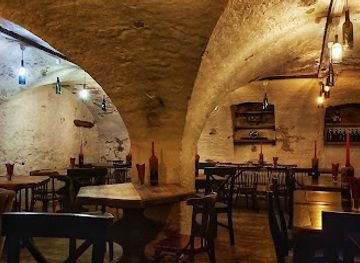
Ala Pagrabs
Experience authentic Latvian cuisine and vibrant nightlife at Ala Pagrabs in the heart of Riga's Central District.
-
Restaurant
Rozengrāls (Vinarium civitatis rigensis)
Experience authentic Latvian cuisine in a historic setting at Rozengrāls - a hidden gem in the heart of Riga's culinary scene.
-
Restaurant
OGLE
Discover the exquisite flavors at Ogle in Riga – where fine dining meets vibrant atmosphere and culinary mastery.
-
Restaurant
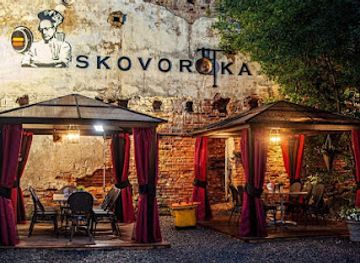
skovoroTka
Experience authentic Latvian cuisine at Skovorotka in Daugavpils – where tradition meets flavor.
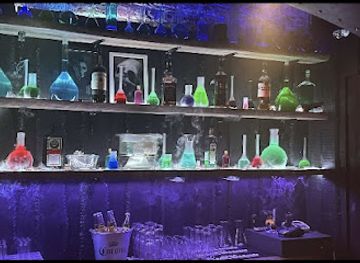
Best bars in Latgale
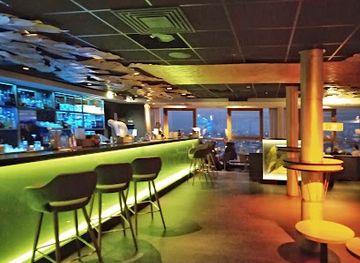
Evening life in Latgale is concentrated in Daugavpils and Rēzekne, with smaller towns generally relying on traditional pubs, hotel bars, cafés and restaurants. Daugavpils has the widest selection of places for a casual drink, live music or a late meal, while Rēzekne’s cultural calendar and GORS concert hall can provide a more performance-led evening. In rural districts, nightlife is quieter and often centres on a guesthouse, local celebration or community event rather than dedicated clubs. Breweries and bars may offer regional beers, and traditional drinks can appear in local hospitality settings, but visitors should use licensed establishments and drink responsibly. Summer brings more outdoor seating and occasional cultural programming, whereas winter evenings are more likely to revolve around restaurants, concerts and intimate bars.
-
Bar
Skyline bar
Experience breathtaking views and exquisite drinks at Skyline Bar, the perfect spot to enjoy the beauty of Riga from above.
-
Bar
Black Magic
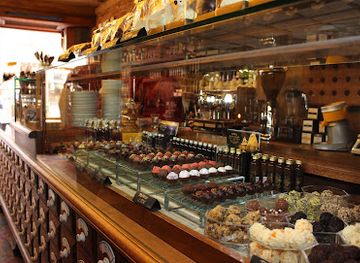
Discover the enchanting world of chocolate and cocktails at Black Magic, Riga's unique bar and chocolate cafe experience.
-
Bar
The Armoury Bar
Experience the unique blend of history and hospitality at The Armoury Bar in Riga, where every sip tells a story.
-
Sports bar
Three Men in a Boat
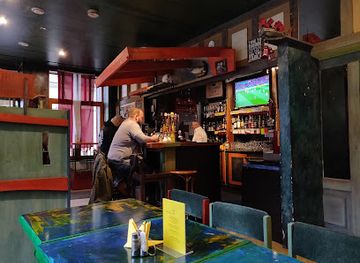
Experience the lively atmosphere of 'Three Men in a Boat', a top-notch sports bar in Riga, offering delicious meals and vibrant entertainment.

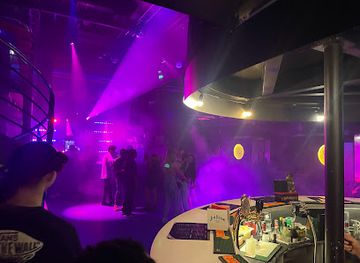
Best nightclubs in Latgale
Evening life in Latgale is concentrated in Daugavpils and Rēzekne, with smaller towns generally relying on traditional pubs, hotel bars, cafés and restaurants. Daugavpils has the widest selection of places for a casual drink, live music or a late meal, while Rēzekne’s cultural calendar and GORS concert hall can provide a more performance-led evening. In rural districts, nightlife is quieter and often centres on a guesthouse, local celebration or community event rather than dedicated clubs. Breweries and bars may offer regional beers, and traditional drinks can appear in local hospitality settings, but visitors should use licensed establishments and drink responsibly. Summer brings more outdoor seating and occasional cultural programming, whereas winter evenings are more likely to revolve around restaurants, concerts and intimate bars.
-
Night club
Royal Club
Discover the electrifying nightlife at Royal Club, Riga's premier destination for dancing, drinks, and unforgettable entertainment.
-
Night club
TOP Club Riga
Dive into the electrifying nightlife of Riga at TOP Club, where great music, dancing, and unforgettable moments await.
-
Night club
Valhalla
Discover the electrifying nightlife at Valhalla, Rīga's ultimate nightclub with vibrant music, energetic crowds, and unforgettable experiences.
-
Night club
Pandemonium Night Club
Discover the dynamic nightlife at Pandemonium Night Club in Riga, where music, dance, and excitement come alive in the heart of the city.
Best shops in Latgale
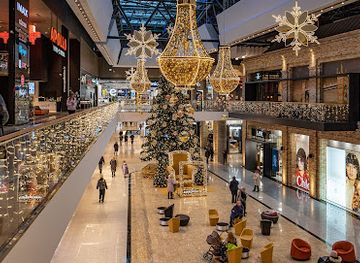
Shopping in Latgale is strongest in the market towns and larger urban centres rather than in dedicated luxury districts. Daugavpils and Rēzekne have conventional high streets, supermarkets, specialist food shops and independent retailers, while Ludza, Krāslava and smaller towns offer a slower market-town experience. Look for farmers’ market produce such as honey, berries, preserves, mushrooms, bread and smoked foods, with availability changing through the year. Regional craft traditions may be represented by woven textiles, pottery, woodwork, woven belts and Latgalian-themed gifts, although stock varies considerably between shops and cultural centres. Museum shops and craft workshops can be more reliable places to find locally made items than general souvenir stalls. Visitors seeking food gifts should check labelling and customs rules before taking dairy, meat or homemade products across international borders, particularly when continuing towards Belarus or other countries outside the European Union.
-
Shopping mall
AKROPOLE Rīga
Discover AKROPOLE Rīga, a dynamic shopping mall in Latvia featuring top brands, delicious dining, and exciting entertainment options.
-
Shopping mall
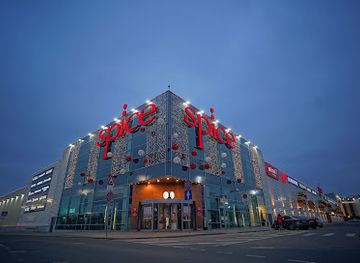
TC Spice
Experience the vibrant shopping atmosphere at TC Spice in Riga, where local and international brands meet diverse dining options.
-
Shopping mall
Riga Plaza shopping center
Explore Riga Plaza, a vibrant shopping mall in Riga offering a unique mix of international brands, delicious dining, and entertainment options.
-
Shopping mall
Gallery Centre, Shopping mall
Explore the Gallery Centre, Riga's premier shopping mall, offering diverse brands, delicious dining, and a vibrant atmosphere in the heart of the city.


Get your free copy of our complete guide to Latgale, delivered straight to you.
Everything on this page, from attractions and restaurants to essentials and local phrases, in one PDF you can read offline, print or share.
Already have an account? Sign in
Your Latgale guide is ready.
We'll send it to · Not you? Sign out

Getting your guide ready…
We are putting together a fresh copy of the Latgale guide. This can take up to a minute.
This can take a few moments. If your browser asks, choose Allow so the download can start. You'll find the guide in your Downloads folder.
Nothing happened? Download it again
Sorry, the guide is taking longer than usual. Please try again in a minute, or get it by email instead.
Latgale essentials
Currency and Payment
Safety
Emergency Situations
Do's and Don'ts
Local Tips
From Eve
Local phrases worth knowing
You don't need to get them perfect. A few words go a long way, and locals appreciate the effort.
Basics
| English | Local | Say it |
|---|---|---|
| Hello | Sveiki | [svey-kee] |
| Goodbye | Uz redzēšanos | [ooz reh-dzay-sha-nos] |
| Yes | Jā | [yah] |
| No | Nē | [nay] |
| Please/You're welcome | Lūdzu | [lood-zoo] |
| Thank you | Paldies | [pahl-dees] |
| Excuse me/Sorry | Atvainojiet | [aht-vai-noh-yet] |
| How are you? | Kā tev klājas? | [kah tev klah-yas] |
| Fine. And you? | Labi. Un tu? | [lah-bee. oon too] |
| Do you speak English? | Vai tu runā angliski? | [vai too roo-nah ahn-glis-kee] |
| I don't understand | Es nesaprotu | [es neh-sah-proh-too] |
Eating & Drinking
| English | Local | Say it |
|---|---|---|
| I'd like to see the menu, please | Es gribētu redzēt ēdienkarti, lūdzu | [es gree-bah-too reh-dzayt eh-dee-en-kar-tee, lood-zoo] |
| I don't eat meat | Es neēdu gaļu | [es neh-eh-doo gah-loo] |
| Cheers! | Priekā! | [pree-kah] |
| I would like to pay, please | Es gribētu samaksāt, lūdzu | [es gree-bah-too sah-mahk-saht, lood-zoo] |
Emergencies
| English | Local | Say it |
|---|---|---|
| Help! | Palīdziet! | [pahl-eed-zee-et] |
| Go away! | Ej prom! | [ay prohm] |
| Call the Police! | Izsauciet policiju! | [eez-sow-tsi-et poh-lee-tsee-yoo] |
| Call a doctor! | Izsauciet ārstu! | [eez-sow-tsi-et ahr-stoo] |
| I'm lost | Es esmu apmaldījies | [es es-moo ahp-mahl-dee-yes] |
| I'm ill | Es esmu slims | [es es-moo sleems] |
Shopping
| English | Local | Say it |
|---|---|---|
| I'd like to buy... | Es gribētu nopirkt... | [es gree-bah-too noh-peerkt] |
| I'm just looking | Es tikai skatos | [es tee-kai skah-tos] |
| How much is it? | Cik tas maksā? | [tsik tahs mahk-sah] |
| That's too expensive | Tas ir pārāk dārgs | [tahs eer pah-rahk dahrgs] |
| Can you lower the price? | Vai tu vari pazemināt cenu? | [vai too vah-ree pah-zeh-mee-naht tsay-nu] |
Time & Numbers
| English | Local | Say it |
|---|---|---|
| What time is it? | Cik ir pulkstenis? | [tsik eer poolk-steh-nis] |
| It's one o'clock | Ir pulkstens viens | [eer poolk-stehns vyens] |
| Half past (10) | Pusstundas (10) | [puhs-stoondahs (deh-smit)] |
| Morning | Rīts | [reetz] |
| Afternoon | Pēcpusdiena | [payt-pus-dee-nah] |
| Evening | Vakars | [vah-kahrs] |
| Yesterday | Vakar | [vah-kahr] |
| Today | Šodien | [shoh-dee-en] |
| Tomorrow | Rīt | [reet] |
| 1 | 1 | [1] |
| 2 | 2 | [2] |
| 3 | 3 | [3] |
| 4 | 4 | [4] |
| 5 | 5 | [5] |
| 6 | 6 | [6] |
| 7 | 7 | [7] |
| 8 | 8 | [8] |
| 9 | 9 | [9] |
| 10 | 10 | [10] |
Transport & Directions
| English | Local | Say it |
|---|---|---|
| Where's a/the...? | Kur ir...? | [koor eer] |
| What's the address? | Kāda ir adrese? | [kah-dah eer ah-dreh-seh] |
| Can you show me (on the map)? | Vai tu vari parādīt (uz kartes)? | [vai too vah-ree pah-rah-deet (ooz kar-tehs)] |
| When's the next (bus)? | Kad ir nākamais (autobuss)? | [kahd eer nah-kah-mice (ow-toh-boos)] |
| A ticket (to ....) | Biļete (uz ....) | [bee-lyeh-teh (ooz)] |
History of Latgale
Early Settlement and Latgalian Identity
The territory of present-day Latgale has been inhabited since prehistoric times, with lakes, rivers and fertile areas supporting farming, fishing and trade. Early communities associated with the Latgalians formed part of the eastern Baltic cultural world. Their language and traditions developed alongside contact with neighbouring Baltic and Slavic peoples. Although later political borders repeatedly changed, a distinct Latgalian cultural identity endured, expressed today through language, religious practice, folklore, music and regional food traditions.
The Medieval Livonian Frontier
During the medieval period, eastern Latvia became part of the political and religious landscape shaped by the Livonian Confederation and the expansion of Christianity. Fortified settlements and churches appeared along important routes, while local communities encountered German-speaking religious and secular elites. Ludza’s medieval castle site is a visible reminder of the region’s strategic position. Latgale stood on a frontier where political authority was less stable than in western Latvia, and its location helped give the region a layered cultural character.
Latgale under the Polish-Lithuanian Commonwealth
From the sixteenth century, Latgale was incorporated into the Polish-Lithuanian Commonwealth and became known as Polish Livonia or Inflanty. Catholic institutions expanded, and the region’s religious profile grew distinct from the predominantly Lutheran areas farther west in Latvia. The Jesuit presence and the development of Catholic pilgrimage traditions contributed to the importance of Aglona. Polish, German, Jewish, Russian and Baltic communities all participated in the economic and cultural life of Latgale’s towns.
Russian Imperial Rule and Catholic Continuity
After the partitions of the Polish-Lithuanian Commonwealth in the late eighteenth century, Latgale became part of the Russian Empire. Imperial administration altered political and economic structures, while new roads and railways gradually connected towns such as Daugavpils and Rēzekne to wider markets. Despite pressure towards cultural and linguistic uniformity, Catholic practice remained influential. Latgale’s written traditions also developed under different conditions from those of western Latvia, helping to preserve a separate regional literary and cultural identity.
The Latgale Congress and Latvian Statehood
In 1917, the Latgale Congress in Rēzekne became a decisive moment in modern regional history. Delegates supported the political unity of Latgale with the other Latvian regions while seeking recognition of its cultural and religious particularities. After the First World War and the Latvian War of Independence, Latgale formed part of the independent Republic of Latvia. The period encouraged education, publishing and civic development in Latgalian and Latvian, although the region remained economically less developed than the country’s western districts.
War, Occupation and Soviet Transformation
Latgale suffered heavily during the twentieth century’s wars and occupations. The Second World War brought military destruction, displacement and the near-annihilation of Jewish communities that had long been part of towns such as Daugavpils, Rēzekne and Ludza. Under Soviet rule, industrialisation expanded in Daugavpils and other centres, while collectivised agriculture reshaped the countryside. Immigration from other parts of the Soviet Union changed the region’s population, and Russian became widely used in urban life.
Latgale in Contemporary Latvia
Since Latvia restored independence in 1991, Latgale has balanced economic challenges with renewed interest in regional heritage. Daugavpils Fortress has been conserved as a major cultural site, Aglona remains a national pilgrimage centre, and museums, festivals and language initiatives support Latgalian identity. The region’s proximity to Belarus and Russia gives it continuing geopolitical importance, while its lakes, forests, religious heritage and distinctive traditions increasingly shape cultural and nature-based tourism.
Latgale in Photos
Browse through our photo collection highlighting the charm and character of the destination.
Neighbouring regions of Latgale
The closest regions to Latgale, if you have time for more than one.
-
-

-

-
-


Swipe for more regions
Explore more

Explore more of Latvia
Explore Latvia: A Baltic treasure with rich history, stunning landscapes, vibrant festivals, and warm hospitality. Discover Riga's charm and Latvia's natural beauty.
Explore Latvia