

Free Daugava River Valley Travel Guide & Mobile App
Explore Daugava River Valley with free travel guides. Discover regional history, expert tips, proposed trips, and audio guides on web or mobile app.


Explore Latvia’s Daugava River Valley for wooded river bends, castle ruins, Daugavpils Fortress, cultural towns and outdoor adventures.
Read more about Daugava River Valley
When is the best time to visit Daugava River Valley?
Best: June–August · 21–22°C| Month | High (°C) | Rainfall (mm) |
|---|---|---|
| January | -2 | 36 |
| February | -1 | 29 |
| March | 4 | 32 |
| April | 10 | 37 |
| May | 18 | 49 |
| June (best) | 21 | 59 |
| July (best) | 22 | 70 |
| August (best) | 22 | 64 |
| September | 16 | 53 |
| October | 11 | 50 |
| November | 5 | 40 |
| December | 0 | 37 |
Getting to and around Daugava River Valley
How to get there
Transportation
Top city travel guides in Daugava River Valley
The cities of Daugava River Valley, and the easiest places to base yourself.

Swipe for more cities
Best attractions in Daugava River Valley
The Daugava River Valley’s attractions are spread along a long, varied corridor rather than concentrated in one resort. In the east, Daugavas loki Nature Park is the principal landscape attraction, with the river forming broad bends between wooded slopes, agricultural land and viewpoints reached by walking routes. Daugavpils adds an urban dimension through Daugavpils Fortress, museums and a diverse architectural heritage. Central sections around Jēkabpils, Līvāni, Pļaviņas and Aizkraukle combine riverside recreation with local history, craft traditions and small-town museums. Koknese is known for its medieval castle ruins and parkland beside the reservoir, while Lielvārde connects archaeological remains and river scenery with Latvian folklore. The western valley near Ķegums and Ogre is more closely linked to the Riga metropolitan area and includes accessible woodland and riverside recreation. Kayaking, canoeing, birdwatching, fishing where permitted, cycling and short hikes are possible in different sections, but conditions vary around reservoirs, dams and seasonal water levels.
-
Castle
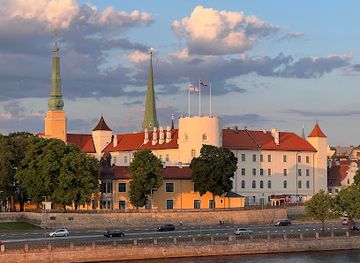
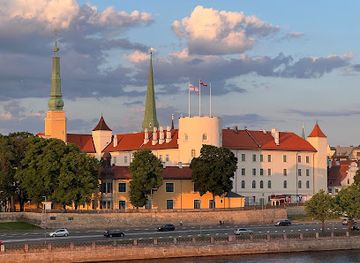
Riga Castle
Explore Riga Castle, a historical landmark blending stunning architecture with fascinating exhibits showcasing Latvia's rich cultural heritage.
-
Museum
The Corner House
Discover the haunting history of Latvia's KGB operations at The Corner House, an essential museum experience in Riga's Central District.
-
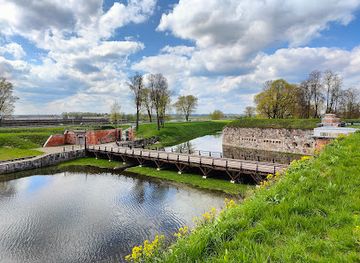
Fortress
Daugavpils Fortress
Discover the rich history and stunning architecture of Daugavpils Fortress, a key cultural landmark in Latvia's vibrant landscape.
-
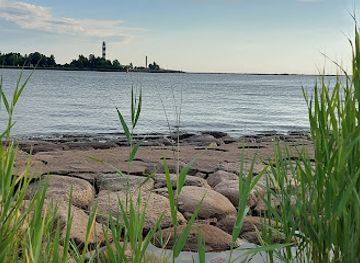
Tourist attraction
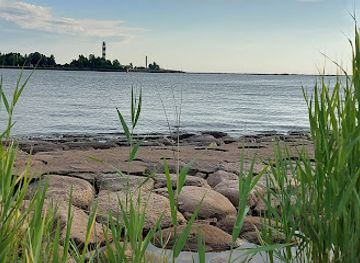
Mangalsala breakwater
Experience the breathtaking views of the Daugava River and Baltic Sea at Mangalsala Breakwater, a serene escape in Riga's Northern District.

Best landmarks in Daugava River Valley
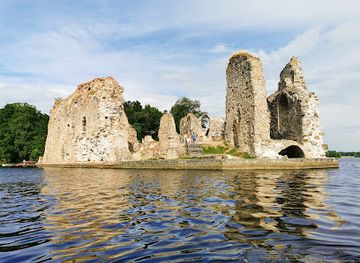
Daugavpils Fortress is the valley’s most imposing built landmark, a nineteenth-century defensive complex whose planned streets, ramparts and surviving buildings express the military importance of the Daugava corridor under the Russian Empire. In the east, the winding river landscape of Daugavas loki is itself a defining natural landmark, with elevated viewpoints revealing the relationship between forest, water and settlement. Koknese Castle ruins occupy a memorable riverside position and preserve the remains of an important medieval stronghold, although the surrounding water level reflects the later hydroelectric transformation of the river. Lielvārde’s archaeological and cultural sites recall the importance of the settlement in Latvian history and folklore. The Pļaviņas Hydroelectric Station and its reservoir represent a very different kind of landmark: a major twentieth-century engineering project that permanently altered the central valley. Historic churches, town centres and river crossings in Daugavpils, Jēkabpils and smaller settlements add architectural evidence of the region’s layered Latvian, Baltic, Russian, Polish and German past.
-
Castle
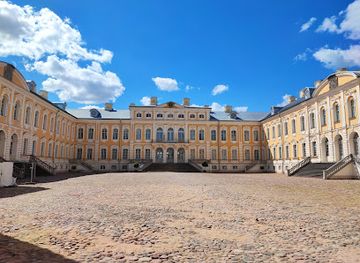
Rundāle Palace Museum
Discover Latvia's Baroque masterpiece: Rundāle Palace, a stunning blend of art, architecture, and history in a serene countryside setting.
-
Castle
Riga Castle
Explore Riga Castle, a historic landmark and presidential residence, showcasing Latvia's rich heritage on the banks of the Daugava River.
-
Castle
Koknese Castle Ruins
Explore the majestic ruins of Koknese Castle, a medieval fortress steeped in Latvian history, offering stunning Daugava River views.
-
Tourist attraction
Mangalsala breakwater
Discover tranquility at Mangalsala Breakwater in Riga: scenic walks, historical landmarks, and stunning views where the Daugava meets the Baltic Sea.
Explore Daugava River Valley on the map
Plan your trip on one map. See where the top cities, national parks and sights are, and book hotels and experiences in a few clicks.
Best hotels in Daugava River Valley
Best restaurants in Daugava River Valley
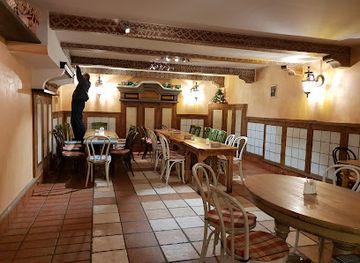
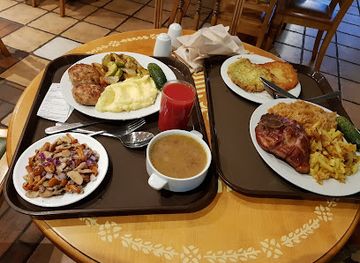
Dining in the Daugava River Valley is grounded in Latvian ingredients and the food traditions of its different cultural regions. Rye bread, potatoes, pork, freshwater fish, mushrooms, berries and dairy products are common in cafés, guesthouses and rural kitchens. In the eastern valley, menus may show a Latgalian influence through hearty soups, baked dishes and home-style cooking, while Daugavpils offers the broadest choice of Latvian, Eastern European and international food. Jēkabpils, Ogre and the smaller river towns are useful places for cafés, bakeries and straightforward regional meals. Seasonal produce is prominent at farmers’ markets, and smoked fish or preserved berries can make practical local purchases. Traditional Latvian restaurants and country inns generally provide a more direct connection with regional ingredients than formal dining alone. Beer, herbal drinks, birch sap products and fruit-based preserves are also associated with the wider Latvian countryside.
-
Restaurant
LIDO
Discover the taste of Latvia at LIDO – where traditional cuisine meets modern comfort in Riga's vibrant dining scene.
-
Bistro
LIDO Vērmanītis
Experience authentic Latvian cuisine at LIDO Vērmanītis in Riga's Central District - where tradition meets taste.
-
Bistro
LIDO Spice
Discover the flavors of Latvia at LIDO Spice - where tradition meets taste in every dish.
-
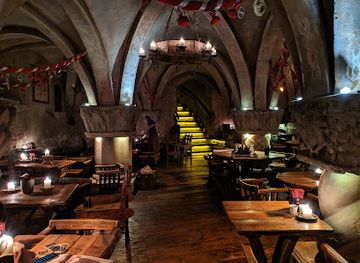
Restaurant
Rozengrāls (Vinarium civitatis rigensis)
Discover the rich flavors of Latvian cuisine at Rozengrāls in Riga – a historic dining experience that delights every palate.
Best bars in Daugava River Valley
Evening life in the Daugava River Valley is concentrated in Daugavpils, Jēkabpils, Ogre and other larger towns rather than spread continuously along the river. Daugavpils has the widest choice of cafés, pubs, bars, cultural venues and occasional live music, while Jēkabpils and Ogre provide a smaller town-centre scene shaped by restaurants, pubs and seasonal events. Elsewhere, evenings usually centre on traditional Latvian pubs, hotel bars, rural guesthouses and places serving local beer rather than dedicated nightclubs. Cultural programmes, concerts and theatre can be more significant than late-night entertainment, particularly outside the largest settlements. Visitors staying in villages should expect limited late transport and should arrange their return journey in advance. Breweries and farm-based producers may offer tastings in some parts of the valley, but availability is seasonal and should be confirmed directly.
-
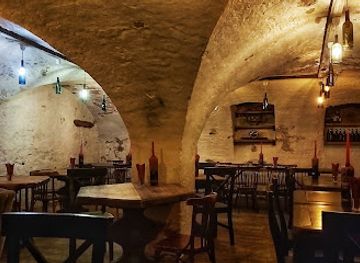
Restaurant
Ala Pagrabs
Experience the vibrant flavors of Latvia at Ala Pagrabs, where local cuisine and a cozy atmosphere create the perfect dining experience in Riga.
-
Bar
Skyline bar
Experience luxury and breathtaking views at Skyline Bar, Riga's premier destination for cocktails and stunning cityscapes.
-
Night club
Rock Cafe Riga
Experience the vibrant nightlife of Riga at Rock Cafe, where live music and a lively bar scene come together in a unique atmosphere.
-
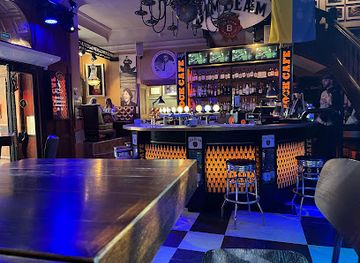
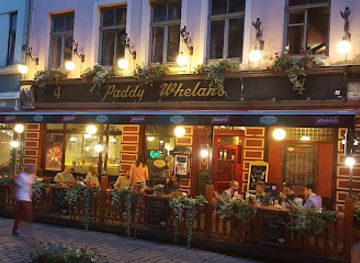
Pub
Paddy Whelans Irish Pub & Sports Bar
Discover the heart of Irish culture at Paddy Whelans Irish Pub & Sports Bar in Riga, where great food, drinks, and live sports await.
Best nightclubs in Daugava River Valley
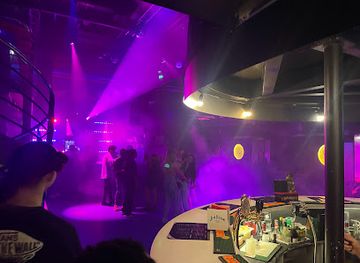
Evening life in the Daugava River Valley is concentrated in Daugavpils, Jēkabpils, Ogre and other larger towns rather than spread continuously along the river. Daugavpils has the widest choice of cafés, pubs, bars, cultural venues and occasional live music, while Jēkabpils and Ogre provide a smaller town-centre scene shaped by restaurants, pubs and seasonal events. Elsewhere, evenings usually centre on traditional Latvian pubs, hotel bars, rural guesthouses and places serving local beer rather than dedicated nightclubs. Cultural programmes, concerts and theatre can be more significant than late-night entertainment, particularly outside the largest settlements. Visitors staying in villages should expect limited late transport and should arrange their return journey in advance. Breweries and farm-based producers may offer tastings in some parts of the valley, but availability is seasonal and should be confirmed directly.
-
Night club
FIRST Club
Discover the pulsating heart of Riga's nightlife at FIRST Club, where music, dance, and vibrant energy collide for an unforgettable night.
-
Night club
Royal Club
Experience the electrifying atmosphere of Royal Club in Rīga, where nightlife comes alive with music, dancing, and unforgettable performances.
-
Night club
Valhalla
Discover the electrifying atmosphere of Valhalla Nightclub in Riga, where music, dancing, and unforgettable memories await.
-
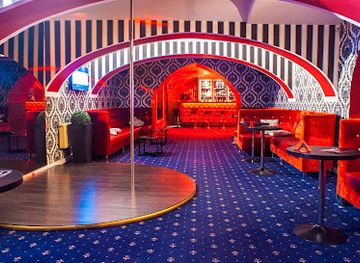
Night club
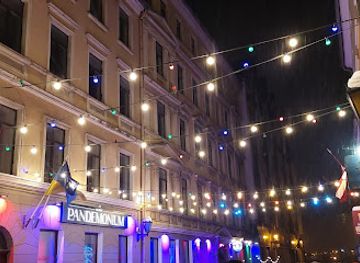
Pandemonium Night Club
Discover the pulse of Riga's nightlife at Pandemonium Night Club, a vibrant disco club featuring electrifying music and unforgettable experiences.

Best shops in Daugava River Valley
Shopping in the Daugava River Valley is primarily local and practical, with the strongest choices found in Daugavpils, Jēkabpils, Ogre and the market areas of smaller towns. Look for rye bread, honey, berry preserves, herbal teas, mushrooms, smoked fish and other Latvian farm products at markets and food shops. Craft traditions may include woven textiles, knitted goods, woodwork, ceramics and small items inspired by regional patterns, particularly in cultural centres and seasonal fairs. Daugavpils offers the broadest selection of everyday retail, gifts and galleries, while Jēkabpils and Ogre combine ordinary high-street shopping with independent businesses and local food outlets. Around heritage sites, small museum shops may carry books, postcards and craft products connected with the river valley’s history. Rural trading hours can be limited, and markets often operate on particular days, so visitors should not assume that every small settlement will have regular tourist shopping.
-
Market
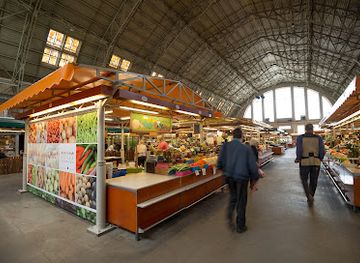
Riga Central Market
Experience the vibrant culture and flavors of Latvia at Riga Central Market, a unique blend of history, food, and local craftsmanship.
-
Shopping mall
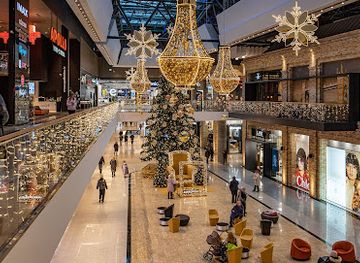
AKROPOLE Rīga
Explore AKROPOLE Rīga, a premier shopping destination offering diverse shops, dining, and entertainment in the heart of Latvia's capital.
-
Shopping mall
Akropole Alfa, iepirkšanās centrs
Explore the vibrant shopping haven of Akropole Alfa in Riga, featuring diverse shops, dining options, and entertainment for an unforgettable experience.
-
Shopping mall
Riga Plaza shopping center
Experience the ultimate shopping haven at Riga Plaza, where fashion meets culture in the heart of Latvia.

Get your free copy of our complete guide to Daugava River Valley, delivered straight to you.
Everything on this page, from attractions and restaurants to essentials and local phrases, in one PDF you can read offline, print or share.
Already have an account? Sign in
Your Daugava River Valley guide is ready.
We'll send it to · Not you? Sign out

Getting your guide ready…
We are putting together a fresh copy of the Daugava River Valley guide. This can take up to a minute.
This can take a few moments. If your browser asks, choose Allow so the download can start. You'll find the guide in your Downloads folder.
Nothing happened? Download it again
Sorry, the guide is taking longer than usual. Please try again in a minute, or get it by email instead.
Daugava River Valley essentials
Currency and Payment
Safety
Emergency Situations
Do's and Don'ts
Local Tips
From Eve
Local phrases worth knowing
You don't need to get them perfect. A few words go a long way, and locals appreciate the effort.
Basics
| English | Local | Say it |
|---|---|---|
| Hello | Sveiki | [sveh-kee] |
| Goodbye | Uz redzēšanos | [ooz reh-dzay-sha-nos] |
| Yes | Jā | [yah] |
| No | Nē | [neh] |
| Please/You're welcome | Lūdzu | [lood-zoo] |
| Thank you | Paldies | [pahl-dyehs] |
| Excuse me/Sorry | Atvainojiet | [aht-vai-noh-yet] |
| How are you? | Kā tev klājas? | [kah tehv klah-yas] |
| Fine. And you? | Labi. Un tev? | [lah-bee. oon tehv?] |
| Do you speak English? | Vai jūs runājat angliski? | [vai yoos roo-naa-yat ahn-glees-kee?] |
| I don't understand | Es nesaprotu | [es neh-sah-proh-too] |
Eating & Drinking
| English | Local | Say it |
|---|---|---|
| I'd like to see the menu, please | Es vēlētos redzēt ēdienkarti, lūdzu | [es veh-leh-tohs reh-dzeht eh-dee-en-kar-tee, lood-zoo] |
| I don't eat meat | Es neēdu gaļu | [es neh-eh-duh gah-loo] |
| Cheers! | Priekā! | [pree-kah] |
| I would like to pay, please | Es vēlētos samaksāt, lūdzu | [es veh-leh-tohs sah-mah-ksaht, lood-zoo] |
Emergencies
| English | Local | Say it |
|---|---|---|
| Help! | Palīdziet! | [pahl-ee-dzyet] |
| Go away! | Ej prom! | [ay prohm] |
| Call the Police! | Zvaniet policiju! | [zvah-neet poh-lee-tsi-yoo] |
| Call a doctor! | Zvaniet ārstu! | [zvah-neet ahr-stoo] |
| I'm lost | Es esmu apmaldījies | [es es-moo ap-mahl-dee-yehs] |
| I'm ill | Es esmu slims | [es es-moo sleems] |
Shopping
| English | Local | Say it |
|---|---|---|
| I'd like to buy... | Es vēlētos nopirkt... | [es veh-leh-tohs noh-peerkt] |
| I'm just looking | Es tikai skatos | [es ti-kai skah-tos] |
| How much is it? | Cik tas maksā? | [tsik tahs mahk-sah] |
| That's too expensive | Tas ir pārāk dārgs | [tahs eer pah-rahk darhgs] |
| Can you lower the price? | Vai jūs varat samazināt cenu? | [vai yoos vah-raht sah-mah-zee-naht tseh-noo?] |
Time & Numbers
| English | Local | Say it |
|---|---|---|
| What time is it? | Cik daudz ir pulkstenis? | [tsik dah-oots eer poolk-stenis] |
| It's one o'clock | Ir viens pulkstenis | [eer vyens poolk-stenis] |
| Half past (10) | Pusstundas (10) | [poos-stoon-dahs (10)] |
| Morning | Rīts | [reetz] |
| Afternoon | Pēcpusdiena | [payt-pus-dyeh-nah] |
| Evening | Vakars | [vah-kahrs] |
| Yesterday | Vakar | [vah-kahr] |
| Today | Šodien | [shoh-dyehn] |
| Tomorrow | Rīt | [reet] |
| 1 | 1 | [1] |
| 2 | 2 | [2] |
| 3 | 3 | [3] |
| 4 | 4 | [4] |
| 5 | 5 | [5] |
| 6 | 6 | [6] |
| 7 | 7 | [7] |
| 8 | 8 | [8] |
| 9 | 9 | [9] |
| 10 | 10 | [10] |
Transport & Directions
| English | Local | Say it |
|---|---|---|
| Where's a/the...? | Kur ir ...? | [kur eer ...?] |
| What's the address? | Kāda ir adrese? | [kah-dah eer ah-dreh-seh] |
| Can you show me (on the map)? | Vai jūs varat parādīt (uz kartes)? | [vai yoos vah-raht pah-rah-deet (ooz kar-tehs)?] |
| When's the next (bus)? | Kad ir nākamais (autobuss)? | [kahd eer nah-kah-mice (ow-toh-boos)?] |
| A ticket (to ....) | Biļete (uz ....) | [bee-lyeh-teh (ooz ....)] |
History of Daugava River Valley
Early Settlement and River Trade
The Daugava has been a route through the eastern Baltic since prehistoric times. Its banks offered water, fertile land, fishing grounds and access between the Baltic coast and the interior. Archaeological mounds and settlement traces along the Latvian valley reflect the presence of Baltic peoples before written records. The river also formed part of long-distance trading networks linking the Baltic Sea with lands to the east, although routes changed over time according to political control, portage conditions and competing waterways. This early role helps explain why elevated river locations repeatedly became places of settlement, defence and exchange.
The Medieval Daugava Corridor
During the medieval period, control of the Daugava was politically and economically important. The river marked routes through which merchants, missionaries and military powers moved across the region. Castles and fortified settlements developed at strategic points, including Koknese and Daugavpils, while local communities adapted to the competing influence of Baltic, German and eastern powers. The medieval landscape was not uniform: western and central sections became linked to the territories governed by the Livonian Order and the archbishopric of Riga, while the eastern valley was drawn into wider frontier struggles.
Livonia, Poland-Lithuania and Swedish Rule
From the sixteenth century, the Daugava valley was affected by the collapse of the medieval Livonian political order and the partition of its territories among larger states. Much of the region came under the Polish-Lithuanian Commonwealth, and later sections were incorporated into the Swedish Empire before the area was absorbed into the Russian Empire during the Great Northern War. These changes influenced taxation, religious institutions, military construction and patterns of settlement. Daugavpils, known historically by several names including Dinaburg and Dvinsk, developed as a particularly important fortified and administrative centre in the eastern valley.
Fortresses, Estates and Imperial Infrastructure
Under Russian rule, the Daugava corridor became increasingly integrated into imperial military and transport systems. Daugavpils Fortress, constructed largely in the nineteenth century, was designed to defend important approaches in the western borderlands of the empire. Roads, postal routes and later railways reduced the river’s exclusive importance as a transport artery, while manor estates and growing towns reshaped the surrounding countryside. The valley’s population remained culturally diverse, with Latvian, Latgalian, Russian, Polish, German and Jewish influences visible in different towns and communities.
Railways, Industry and the Modern River
Industrialisation and railway construction in the late nineteenth and early twentieth centuries connected Daugavpils, Jēkabpils, Aizkraukle and other settlements more closely to Riga and the wider region. Timber, agricultural produce and manufactured goods moved through an expanding network of stations, roads and river crossings. The Daugava remained important, but its economic role was increasingly shared with rail and road transport. The period also brought urban growth, new civic architecture and social change, while the First World War and the establishment of the Latvian state transformed the political setting of the valley.
War, Occupation and Displacement
The Daugava valley experienced severe disruption during the twentieth century. The First World War brought military movements and displacement, while the Second World War and the occupations by the Soviet Union and Nazi Germany caused destruction, persecution and demographic change. Jewish communities that had long contributed to the life of towns such as Daugavpils were devastated during the Holocaust. Post-war Soviet industrialisation altered the population and built environment, particularly in Daugavpils, while wartime damage and later redevelopment changed many historic urban landscapes.
Hydroelectric Development and a Changed Landscape
The construction of hydroelectric stations on the Daugava during the Soviet period fundamentally altered the central and western valley. The Pļaviņas Hydroelectric Station created a large reservoir and submerged or transformed parts of the historic river landscape, including areas associated with earlier settlements and cultural memory. The Ķegums station further west had already made the river central to Latvia’s electricity infrastructure. These projects brought industrial power and modern engineering but also prompted lasting debate about landscape loss, heritage and the relationship between national development and the preservation of the river corridor.
Daugava River Valley in Photos
Browse through our photo collection highlighting the charm and character of the destination.
Neighbouring regions of Daugava River Valley
The closest regions to Daugava River Valley, if you have time for more than one.
-
-

-

-
-


Swipe for more regions
Explore more

Explore more of Latvia
Explore Latvia: A Baltic treasure with rich history, stunning landscapes, vibrant festivals, and warm hospitality. Discover Riga's charm and Latvia's natural beauty.
Explore Latvia