

Free Selonia Travel Guide & Mobile App
Explore Selonia with free travel guides. Discover regional history, expert tips, proposed trips, and audio guides on web or mobile app.


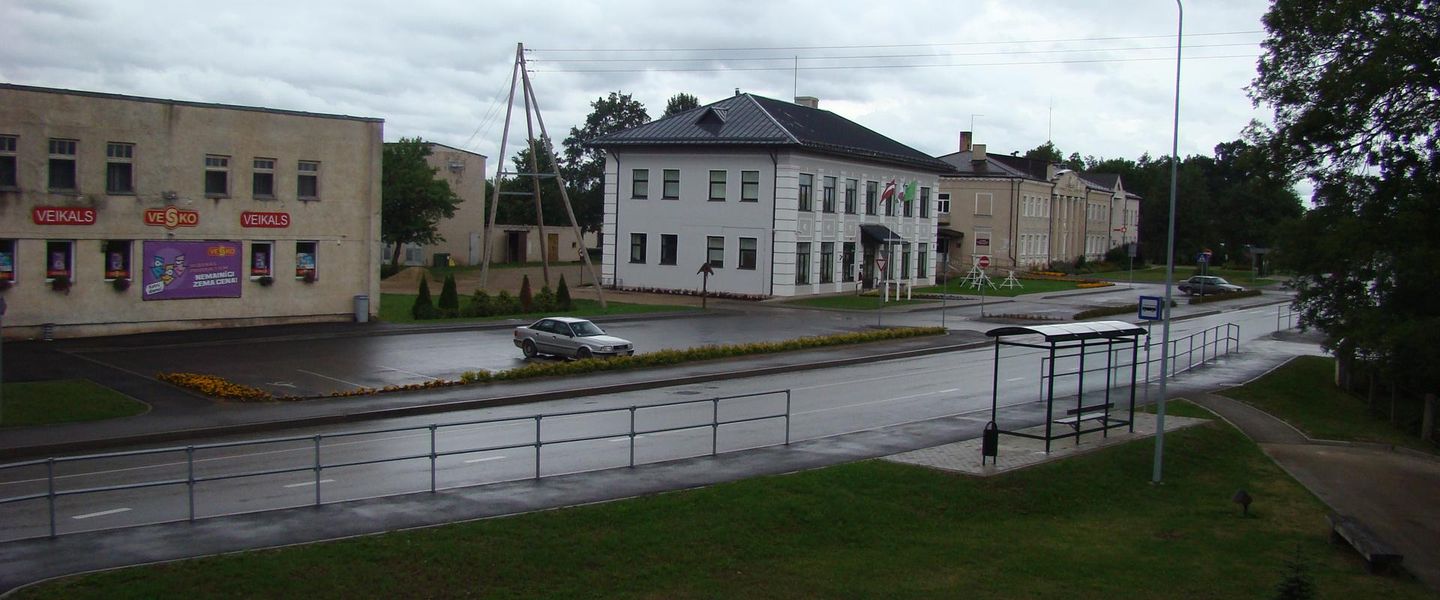


Explore Selonia in Latvia for Daugava landscapes, forested lakes, hillforts, manor houses, rural food and quiet cultural journeys.
Read more about Selonia
When is the best time to visit Selonia?
Best: June–August · 21–22°C| Month | High (°C) | Rainfall (mm) |
|---|---|---|
| January | 1 | 40 |
| February | 1 | 35 |
| March | 6 | 40 |
| April | 12 | 45 |
| May | 18 | 50 |
| June (best) | 21 | 60 |
| July (best) | 22 | 65 |
| August (best) | 21 | 65 |
| September | 17 | 60 |
| October | 11 | 55 |
| November | 5 | 50 |
| December | 2 | 45 |
Getting to and around Selonia
How to get there
Transportation
Top city travel guides in Selonia
The cities of Selonia, and the easiest places to base yourself.

Swipe for more cities
Best attractions in Selonia
Selonia’s attractions are dispersed through a broad rural landscape, so the region is best explored through linked day trips rather than a single sightseeing centre. Jēkabpils offers museums, historic streets and access to the Daugava, while the Sēlpils area connects river scenery with the memory of an important medieval settlement. Smaller towns such as Viesīte, Aknīste, Nereta, Subate and Ilūkste provide local museums, churches and glimpses of traditional town life. Sauka Nature Park is suited to walking, lakeside recreation and quiet observation of forest and farmland, while the Dviete floodplain is significant for wetland habitats and birdlife. Gārsene Palace and its grounds introduce the region’s manor heritage, and rural roads reveal surviving farmsteads, cemeteries and parish landscapes. Visitors interested in archaeology can seek out hillforts and ancient settlement sites, but these often have modest facilities and need to be approached respectfully. Cycling, canoeing, photography, birdwatching and short nature walks are more characteristic of Selonia than large-scale attractions or busy entertainment parks.
-
Zoo
Rakši ZOO
Experience the wonders of wildlife at Rakši ZOO, a family-friendly destination in Latvia with exotic animals and serene boat rentals.
-
Observation deck
Blue hills, Observation desk by Dub hills quarry
Experience breathtaking views at the Blue Hills Observation Deck, where stunning landscapes and serenity await in Ogre Municipality.
-
Park
Daugavpils Tarzāns
Experience the thrill of adventure at Daugavpils Tarzāns, a premier park offering exciting treetop activities and stunning nature in Latvia.
-
Open air museum
Rabbit Town
Explore Rabbit Town in Bauska Municipality, Latvia, a unique open-air museum filled with cultural charm and whimsical rabbit sculptures.


Best landmarks in Selonia
The Daugava is Selonia’s defining natural landmark, shaping the northern edge of the region and providing the setting for historic Sēlpils and the river-linked development of Jēkabpils. Sēlpils hillfort and its associated historical landscape represent the importance of the medieval settlement, although the visible remains are more restrained than a preserved castle complex. In Jēkabpils, the historic left-bank townscape and riverfront reflect the seventeenth-century foundation of the settlement under the Duchy of Courland. Gārsene Palace is a notable architectural reminder of the manor era, set within a wooded southern landscape. Sauka Lake and its surrounding hills form one of Selonia’s most recognisable natural scenes, while the open wetlands of the Dviete floodplain provide a contrasting eastern landmark shaped by seasonal water and bird habitats. Churches, cemeteries, hillforts and old estate avenues complete a dispersed heritage landscape rather than a concentrated monument circuit.
-
Monument
The Freedom Monument
A towering symbol of Latvia's independence and unity, the Freedom Monument stands as a testament to the nation's enduring spirit.
-
Ethnographic museum
The Ethnographic Open-Air Museum of Latvia
Discover Latvia's rural heritage at this expansive open-air museum showcasing traditional life, architecture, and crafts from across the country.
-
Nature preserve
Stelmužės ąžuolas
Visit the Stelmužė Oak, Lithuania's oldest tree, a symbol of strength and a living monument to the country's rich history and enduring spirit.
-
Tourist attraction
Emperor's chair
Experience breathtaking panoramic views of the Gauja River valley from the Emperor's Chair, a historic viewpoint in scenic Sigulda, Latvia.


Explore Selonia on the map
Plan your trip on one map. See where the top cities, national parks and sights are, and book hotels and experiences in a few clicks.
Best hotels in Selonia
Best restaurants in Selonia
Selonia’s food culture is rooted in Latvian country cooking and the produce of its forests, fields and household gardens. In Jēkabpils and the larger towns, restaurants and cafés commonly serve familiar Latvian dishes alongside contemporary European food, while village cafés and rural guesthouses tend to offer simpler, seasonal fare. Rye bread, potatoes, dairy products, smoked meat, fish, soups, pastries and preserves are dependable regional tastes; in season, mushrooms, bilberries, lingonberries and other forest harvests appear in home cooking and market stalls. Farm shops and small producers may sell honey, jams, herbal products and baked goods, though availability is seasonal rather than guaranteed. Traditional pubs and guesthouses can be useful places to try filling meals, while markets and food events offer a closer view of household production. Regional identity is expressed more through ingredients and rural customs than through one dish found only in Selonia.
-
Italian
Casa Nostra Italian restaurant
Discover authentic Italian cuisine at Casa Nostra, where every meal is a celebration of flavors in the heart of Riga.
-
Restaurant
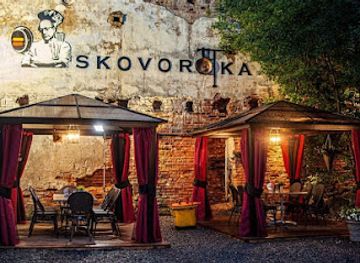
skovoroTka
Experience authentic Latvian cuisine at SkovoroTka in Daugavpils – where tradition meets modern dining.
-
Restaurant
Kungu rija, restorāns
Discover Kungu Rija in Turaida for an authentic taste of traditional Latvian cuisine amidst breathtaking scenery.
-
Restaurant
Lidojošā varde
Discover Lidojošā varde in Riga: A whimsical restaurant serving delicious Latvian cuisine in an enchanting atmosphere.



Best bars in Selonia
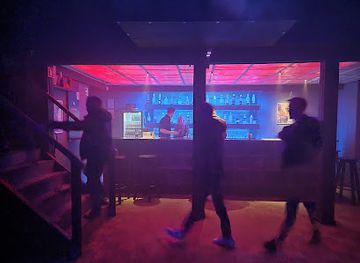
Evening life in Selonia is modest and concentrated in Jēkabpils and the larger district towns. Visitors will find traditional pubs, cafés and restaurant bars rather than a continuous nightclub scene, with local social life often centred on conversation, food, community events and occasional live music. Jēkabpils has the widest choice of places for an evening out, while Viesīte, Aknīste, Nereta, Subate and Ilūkste offer a smaller number of informal venues whose hours and programmes can change. Rural guesthouses may serve locally produced drinks or arrange seasonal cultural events, but these should be organised in advance rather than assumed to operate as late-night bars. In summer, outdoor concerts, town celebrations and cultural programmes can add life to the evenings; outside event periods, expect quiet streets and early closing in smaller settlements.
-
Bar
Ala Pagrabs
Experience the vibrant culture and delicious flavors of Latvia at Ala Pagrabs, Riga's most beloved bar and restaurant destination.
-
Bar
Skyline bar
Experience breathtaking views and exquisite drinks at Skyline Bar, the top rooftop destination in Riga offering a luxurious escape.
-
Bar
The Armoury Bar
Discover the charm of The Armoury Bar in Riga, where history meets modern nightlife in a cozy and culturally rich setting.
-
Pub
Bura Restaurant & Pub
Experience the charm of Bura Restaurant & Pub in Madona, where organic flavors meet live music for an unforgettable dining adventure.


Best nightclubs in Selonia
Evening life in Selonia is modest and concentrated in Jēkabpils and the larger district towns. Visitors will find traditional pubs, cafés and restaurant bars rather than a continuous nightclub scene, with local social life often centred on conversation, food, community events and occasional live music. Jēkabpils has the widest choice of places for an evening out, while Viesīte, Aknīste, Nereta, Subate and Ilūkste offer a smaller number of informal venues whose hours and programmes can change. Rural guesthouses may serve locally produced drinks or arrange seasonal cultural events, but these should be organised in advance rather than assumed to operate as late-night bars. In summer, outdoor concerts, town celebrations and cultural programmes can add life to the evenings; outside event periods, expect quiet streets and early closing in smaller settlements.
-
Night club
Valhalla
Discover the vibrant nightlife of Riga at Valhalla Nightclub—where great music meets an unforgettable atmosphere.
-
Night club
Pandemonium Night Club
Dive into the vibrant nightlife of Riga at Pandemonium Night Club, where electrifying music and a lively atmosphere await you!
-
Night club
ONE ONE
Discover the vibrant nightlife of Riga at ONE ONE, where music, dance, and unforgettable experiences come together in an electrifying atmosphere.
-
Night club
Puce. Club at Night
Experience the vibrant nightlife at Puce, Riga's premier night club offering electrifying music and an unforgettable atmosphere for party enthusiasts.

Best shops in Selonia
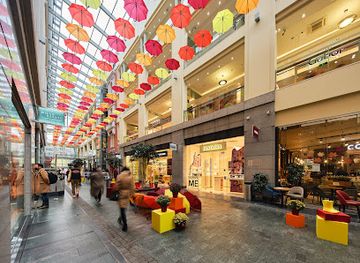
Shopping in Selonia is oriented towards useful local goods, food and small-scale craft rather than large retail districts. Jēkabpils has the broadest choice of supermarkets, everyday shops, services and independent retailers, while the high streets of Viesīte, Aknīste, Nereta, Subate and Ilūkste retain a smaller market-town character. Local markets and seasonal fairs are the best places to look for rye bread, honey, preserves, berries, mushrooms, smoked products and garden produce, although dates and stalls vary. Rural guesthouses and craft initiatives may offer woven textiles, woollen goods, woodwork, ceramics or handmade decorations, but these are not available in every settlement. Visitors interested in regional history can also find books, postcards and small souvenirs through museums and cultural centres. Allow time to browse rather than expecting a single shopping quarter, and carry cash for occasional rural vendors whose payment facilities may be limited.
-
Shopping mall
Gallery Centre, Shopping mall
Discover the best of Riga's shopping scene at Gallery Centre, where local charm meets international style.
-
Shopping mall
Galleria Riga
Discover Galleria Riga, an iconic shopping mall offering a diverse range of stores, dining experiences, and entertainment in the heart of Latvia's capital.
-
Shopping mall
Shopping center "Sēlija"
Explore Shopping Center 'Sēlija' in Jēkabpils, your one-stop destination for shopping, dining, and entertainment in a vibrant atmosphere.
-
Outlet mall
Via Jurmala Outlet Village
Explore Via Jurmala Outlet Village, where shopping meets scenic beauty in Latvia, offering great deals and delightful dining.

Get your free copy of our complete guide to Selonia, delivered straight to you.
Everything on this page, from attractions and restaurants to essentials and local phrases, in one PDF you can read offline, print or share.
Already have an account? Sign in
Your Selonia guide is ready.
We'll send it to · Not you? Sign out

Getting your guide ready…
We are putting together a fresh copy of the Selonia guide. This can take up to a minute.
This can take a few moments. If your browser asks, choose Allow so the download can start. You'll find the guide in your Downloads folder.
Nothing happened? Download it again
Sorry, the guide is taking longer than usual. Please try again in a minute, or get it by email instead.
Selonia essentials
Currency and Payment
Safety
Emergency Situations
Do's and Don'ts
Local Tips
From Eve
Local phrases worth knowing
You don't need to get them perfect. A few words go a long way, and locals appreciate the effort.
Basics
| English | Local | Say it |
|---|---|---|
| Hello | Sveiki | [sveh-kee] |
| Goodbye | Uz redzēšanos | [ooz reh-deh-zha-noss] |
| Yes | Jā | [yah] |
| No | Nē | [neh] |
| Please/You're welcome | Lūdzu | [lood-zoo] |
| Thank you | Paldies | [pahl-dyehs] |
| Excuse me/Sorry | Atvainojiet | [aht-vai-noh-yeht] |
| How are you? | Kā tev klājas? | [kah tehv klah-yahs] |
| Fine. And you? | Labi. Un tu? | [lah-bee. oon too?] |
| Do you speak English? | Vai tu runā angliski? | [vai too roo-nah ahn-glihs-kee] |
| I don't understand | Es nesaprotu | [ehs neh-sah-proh-too] |
Eating & Drinking
| English | Local | Say it |
|---|---|---|
| I'd like to see the menu, please | Es gribētu redzēt ēdienkarti, lūdzu | [ehs gree-bah-too reh-dzeht eh-dee-ehn-kahr-tee, lood-zoo] |
| I don't eat meat | Es neēdu gaļu | [ehs neh-eh-doo gah-loo] |
| Cheers! | Priekā! | [pree-kah] |
| I would like to pay, please | Es gribētu samaksāt, lūdzu | [ehs gree-bah-too sah-mahk-saht, lood-zoo] |
Emergencies
| English | Local | Say it |
|---|---|---|
| Help! | Palīdziet! | [pahl-ee-dzyet] |
| Go away! | Ej prom! | [ay prohm] |
| Call the Police! | Zvaniet policiju! | [zvah-nee-eht poh-lee-tsi-yoo] |
| Call a doctor! | Zvaniet ārstu! | [zvah-nee-eht ahr-stoo] |
| I'm lost | Es esmu pazudis | [ehs eh-smoo pah-zoo-dees] |
| I'm ill | Es esmu slims | [ehs eh-smoo sleems] |
Shopping
| English | Local | Say it |
|---|---|---|
| I'd like to buy... | Es gribētu nopirkt... | [ehs gree-bah-too noh-peerkt] |
| I'm just looking | Es tikai skatos | [ehs tee-kah-ee skah-tohs] |
| How much is it? | Cik tas maksā? | [tsik tahs mahk-sah] |
| That's too expensive | Tas ir par dārgu | [tahs eer par dahr-goo] |
| Can you lower the price? | Vai tu vari samazināt cenu? | [vai too vah-ree sah-mah-zee-naht tseh-noo] |
Time & Numbers
| English | Local | Say it |
|---|---|---|
| What time is it? | Cik pulkstenis? | [tsik poolk-steh-nis] |
| It's one o'clock | Ir viena pulkstenis | [eer vee-eh-nah poolk-steh-nis] |
| Half past (10) | Pusstundas (10) | [poos-stoon-dahs (deh-smit)] |
| Morning | Rīts | [reetz] |
| Afternoon | Pēcpusdiena | [pehp-poos-dyeh-nah] |
| Evening | Vakars | [vah-kahrs] |
| Yesterday | Vakar | [vah-kahr] |
| Today | Šodien | [shoh-dyehn] |
| Tomorrow | Rīt | [reet] |
| 1 | 1 | [1] |
| 2 | 2 | [2] |
| 3 | 3 | [3] |
| 4 | 4 | [4] |
| 5 | 5 | [5] |
| 6 | 6 | [6] |
| 7 | 7 | [7] |
| 8 | 8 | [8] |
| 9 | 9 | [9] |
| 10 | 10 | [10] |
Transport & Directions
| English | Local | Say it |
|---|---|---|
| Where's a/the...? | Kur ir...? | [koor eer] |
| What's the address? | Kāda ir adrese? | [kah-dah eer ah-dreh-seh] |
| Can you show me (on the map)? | Vai tu vari man parādīt (uz kartes)? | [vai too vah-ree mahn pah-rah-deet (ooz kahr-tess)] |
| When's the next (bus)? | Kad nāk nākamais (autobuss)? | [kahd nahk nah-kah-mice (ow-toh-boos)] |
| A ticket (to ....) | Biļete (uz ....) | [bee-lyeh-teh (ooz)] |
History of Selonia
The Selonian Baltic People
Selonia takes its name from the Selonian people, a Baltic community whose historic territory extended across parts of present-day south-eastern Latvia and north-eastern Lithuania. Their language disappeared as a distinct spoken language during the medieval period, but archaeological sites, place names and regional traditions preserve evidence of their presence. Hillforts and settlement remains are especially important to understanding the landscape before the formation of modern Latvia. The Selonian legacy is cultural rather than a contemporary political identity, and it remains an important element in the modern revival and interpretation of Sēlija.
Medieval Christianisation and Sēlpils
During the thirteenth century, the eastern Baltic was drawn into the political and religious systems of crusading orders, bishoprics and emerging towns. Sēlpils, on the Daugava, became a strategically important settlement and an episcopal centre associated with the medieval conquest and Christianisation of the region. Control of the river mattered because it connected inland communities with larger commercial and military networks. The medieval landscape was subsequently divided among different political authorities, but the remains and historical memory of Sēlpils reflect Selonia’s position at a meeting point between the Daugava corridor and the southern Baltic lands.
Livonian, Polish-Lithuanian and Swedish Rule
After the medieval Livonian order and bishoprics lost power, Selonia was affected by the political changes that reshaped the eastern Baltic. Western parts became linked to the Duchy of Courland and Semigallia, while areas farther east were incorporated into Polish Livonia and later came under Swedish rule before the region was absorbed into the Russian Empire. These changing administrations influenced landholding, church organisation, military planning and the development of manor estates. The region’s mixture of Lutheran and Roman Catholic heritage, as well as its varied architectural traditions, partly reflects this layered political history.
Jēkabpils and the Daugava River Trade
Jēkabpils was founded in the seventeenth century under the rule of Duke Jacob of Courland, developing on the left bank of the Daugava as a settlement connected with river commerce and craft production. The river served as a transport route for timber, agricultural goods and other commodities, while the town became a local centre for trade and administration. Its history is closely interwoven with that of Krustpils on the opposite bank, although the two settlements belonged to different historical regions. Jēkabpils’s urban fabric and riverfront remain reminders of Selonia’s commercial relationship with the Daugava.
Manors, Churches and Rural Society
From the eighteenth century into the nineteenth, Selonia was shaped by manor estates, parish churches and an overwhelmingly agricultural society. Estates such as Gārsene managed land and forests, while villages and farmsteads supplied grain, livestock, dairy produce and timber. Lutheran church communities were particularly influential in many western and central parts of the region, while Catholic traditions were stronger towards the east. Manor houses, estate parks, churches and cemeteries provide some of the clearest surviving evidence of the social order that preceded Latvia’s independence and twentieth-century land reforms.
Independence, War and Land Reform
The First World War, the Latvian War of Independence and the creation of the Republic of Latvia transformed Selonia’s political and economic life. Land reform in the 1920s broke up many large estates and redistributed land, creating new farms and altering the appearance of the countryside. The Second World War and the subsequent Soviet occupation brought further disruption, including demographic change, collectivisation and the incorporation of rural production into state and collective farms. Modern Selonia therefore combines older settlement patterns with landscapes shaped by twentieth-century political and economic restructuring.
The Modern Revival of Sēlija
Since the restoration of Latvian independence, Sēlija has increasingly been promoted as a historical and cultural region. Municipalities, museums, community organisations and heritage groups have worked to document Selonian place names, traditions, crafts, buildings and landscapes. This revival does not create a separate state or administrative province; instead, it strengthens awareness of a regional identity shared across several municipalities. Cultural routes, local festivals, museums and nature projects now present Selonia as a distinct part of Latvia while acknowledging the varied influences of Latgale, Zemgale, Courland and neighbouring Lithuania.
Selonia in Photos
Browse through our photo collection highlighting the charm and character of the destination.
Neighbouring regions of Selonia
The closest regions to Selonia, if you have time for more than one.
-
-
-

-

-


Swipe for more regions
Explore more

Explore more of Latvia
Explore Latvia: A Baltic treasure with rich history, stunning landscapes, vibrant festivals, and warm hospitality. Discover Riga's charm and Latvia's natural beauty.
Explore Latvia