House of the Black Heads: A Symbol of Riga's Hanseatic Past
Explore Riga's iconic House of the Black Heads: a symbol of history, architecture, and the Hanseatic League in the heart of Old Town.
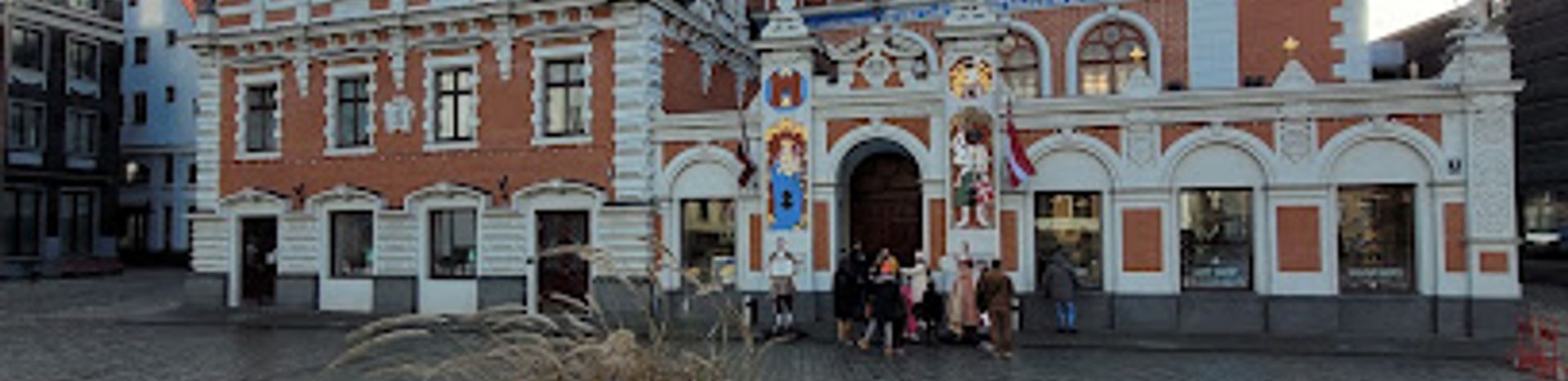
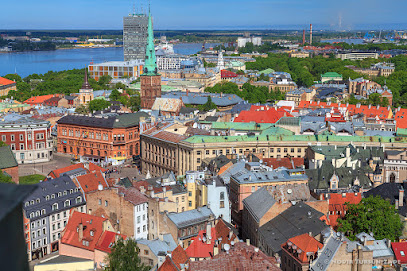
The House of the Black Heads, an iconic landmark in Riga's Old Town, boasts a rich history dating back to 1334. Originally a meeting and banquet venue for Riga's various public organizations, it later became the home of the Brotherhood of Black Heads, a guild of unmarried merchants. Destroyed in World War II and rebuilt in 1999, it stands as a testament to Riga's resilience and Hanseatic heritage.
A brief summary to House of the Black Heads
- Rātslaukums 7, Riga, Central District, 1050, LV
- +37166957225
- Visit website
Local tips
- Explore the medieval cellar, the only original part of the building that survived World War II, to experience an authentic piece of Riga's history.
- Take a tour of the House to imagine the receptions and concerts held in the Conference Hall during the Black Heads Society era.
- Admire the opulent facade, which showcases various architectural styles and artistic trends from different periods.
- Check out the silver collection and learn about the history and economic development of Riga.

Getting There
-
Walking
The House of the Black Heads is centrally located in Riga's Old Town on Rātslaukums 7, making it easily accessible on foot from most major landmarks in the area. From St. Peter's Church, walk south towards the Town Hall Square; the House of the Black Heads will be directly in front of you. Similarly, from the Riga Cathedral, head east through the Old Town's charming streets until you reach the square. The walk is generally flat and takes about 5-10 minutes from either location. There are no specific costs associated with walking.
-
Public Transport
Riga offers an efficient public transportation system consisting of buses, trams, and trolleybuses. Several routes stop near the Old Town. Check the 'Rīgas Satiksme' website for the most up-to-date routes and schedules. From the Central Station, take tram lines 1, 2 , 5, 7, 10 or bus lines 3, 11, 20, 21, 50, 53. Alight at the 'Grēcinieku iela' stop. From there, walk east for about 2 minutes to reach the House of the Black Heads. A single 90-minute ticket costs €1.50.
-
Taxi/Ride-Sharing
Taxis and ride-sharing services like Bolt are readily available in Riga. A short taxi ride from the Central Station to the House of the Black Heads typically costs between €5 and €10, depending on traffic and the specific taxi company. Be sure to check the rates posted on the taxi door and confirm the price with the driver before starting your journey. Using a ride-sharing app like Bolt allows you to see the estimated fare in advance.
-
Driving
Driving to the House of the Black Heads is possible, but parking in the Old Town can be challenging and expensive. Limited street parking is available within the Old Town, with hourly rates in Zone R (Old Town) costing €5 for the first hour and €8 for each subsequent hour. Several parking lots are located near the Old Town, such as Jēkaba Arkāde, which offers a fixed daily rate on weekdays. Consider using the Mobilly or Europark app to pay for parking. Be aware that parking in the Old Town is enforced every day from 6:00 to 24:00.
Discover more about House of the Black Heads
Iconic landmarks you can’t miss

Rātslaukums
0.0 km
Discover Riga's vibrant heart at Rātslaukums, a historic town square filled with culture, stunning architecture, and local charm.
Roland's Statue
0.0 km
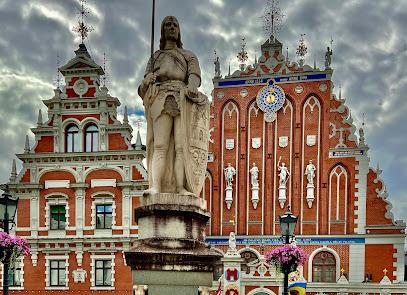
A historic landmark in Riga's Town Hall Square, symbolizing freedom, justice, and the city's Hanseatic heritage.
Kungu iela 3
0.0 km
Explore Kungu iela 3 in Riga's Old Town: A captivating blend of architectural styles and historical significance in the heart of Latvia's capital.
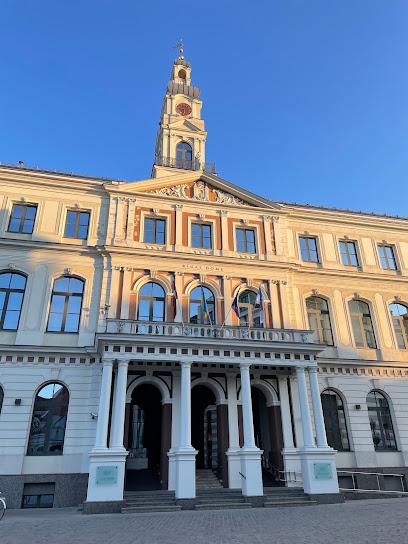
Riga City Hall
0.1 km
Discover Riga City Hall: Where history, governance, and vibrant city life converge in the heart of Latvia's capital.
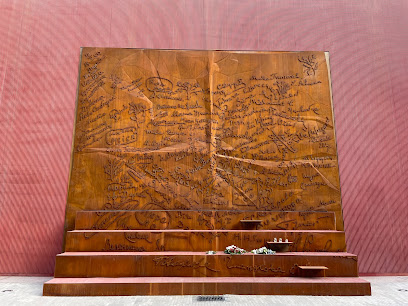
Latviešu strēlnieku laukums
0.1 km
Explore Latvian Riflemen Square in Riga, a site of historical reflection and contested meanings, honoring the soldiers of Latvia's past.
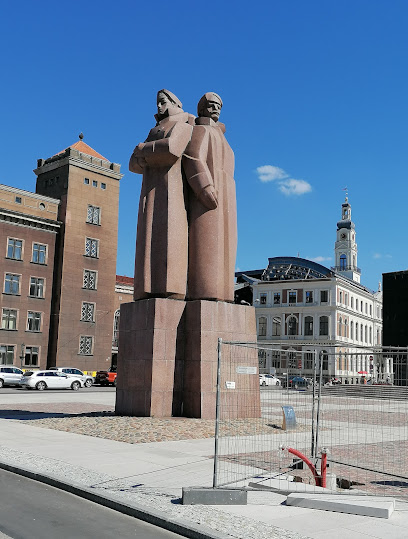
Latvian Riflemen Monument
0.1 km
Explore the Latvian Riflemen Monument in Riga, a significant historical landmark honoring bravery and resilience in Latvia's fight for independence.
Mentzendorff’s House. Rigans' house-museum
0.1 km
Explore the meticulously restored home of a wealthy 17th-century Riga merchant, showcasing unique art and artifacts.
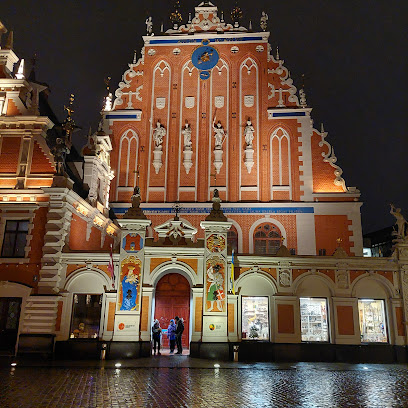
Discover Latvia Tours
0.2 km
Uncover Latvia's hidden treasures and iconic landmarks with personalized tours from Discover Latvia Tours, your ultimate travel guide in Riga.
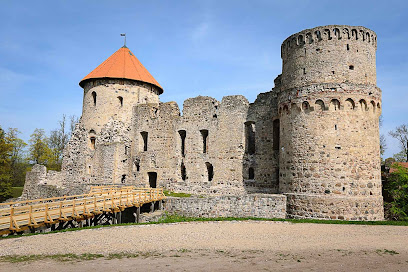
Аtpūtas Kuģītis Jūrmala
0.2 km
Relax by the Daugava River at this charming Riga marina, offering scenic views and a tranquil escape in the heart of the city.

Triangula Bastion
0.2 km
Explore Riga's Triangula Bastion: Where history meets modernity at the heart of the city's ancient fortifications.
House of Dannenstern
0.2 km
Explore the Baroque splendor of Riga's House of Dannenstern, a historical landmark offering a glimpse into the city's opulent past.
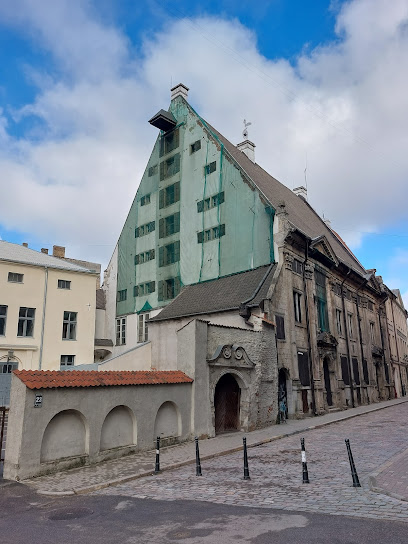
Herdera laukums 6-8
0.2 km
Explore Riga Cathedral: a majestic blend of architectural styles, rich history, and spiritual significance in the heart of Riga's Old Town.
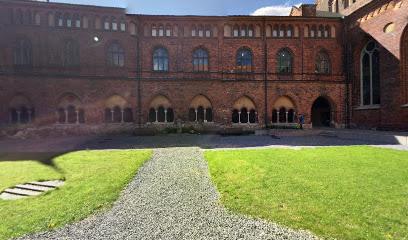
Kalēju iela 3
0.2 km
Explore Kalēju iela 3 in Riga, a stunning architectural masterpiece that showcases the city’s rich history and vibrant culture.
Dome Square
0.3 km
Experience the heart of Riga in Dome Square: a historic hub where culture, architecture, and vibrant city life converge.
UNESCO Latvijas Nacionalas komisijas sekretariats
0.3 km
Explore Latvia's cultural heritage at the UNESCO Latvijas Nacionalas komisijas sekretariats, a symbol of national pride and preservation in Riga's Central District.
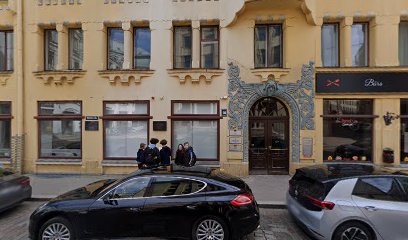
Unmissable attractions to see

Plac Ratuszowy
0.0 km
Explore Plac Ratuszowy, a vibrant square in the heart of Riga, surrounded by stunning architecture, local markets, and cultural activities.
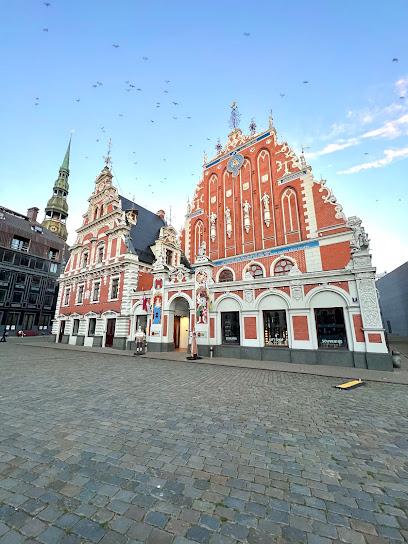
First Public Christmas Tree
0.0 km
Discover the magic of Riga's First Public Christmas Tree, a historic holiday symbol that captures the essence of festive joy and celebration.
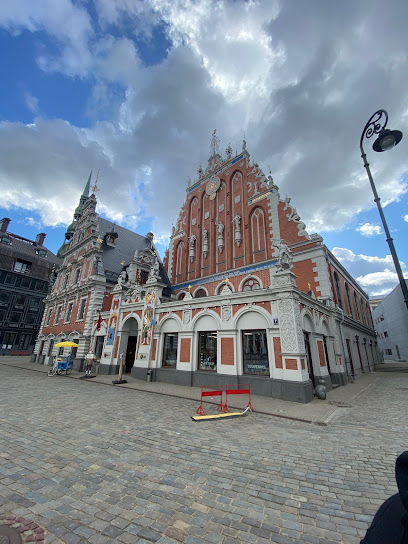
Museum of the Occupation of Latvia
0.0 km
Explore Latvia's poignant history at the Museum of the Occupation, where the stories of resilience and struggle come to life in the heart of Riga.
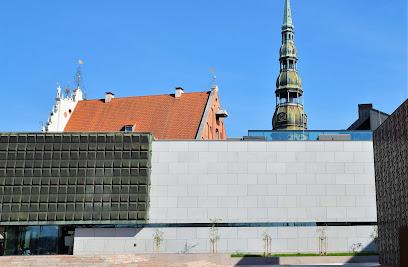
Water Fall
0.1 km
Experience the serene beauty of Riga's Waterfall, a tranquil escape amidst nature in the bustling city.
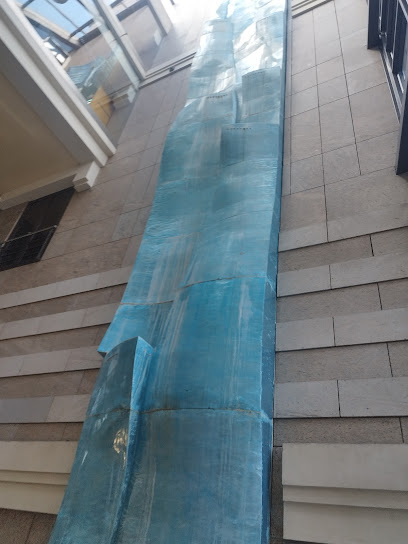
Riga Free Tours
0.1 km
Experience the charm of Riga through free walking tours, uncovering its rich history and culture while exploring iconic landmarks and hidden gems.
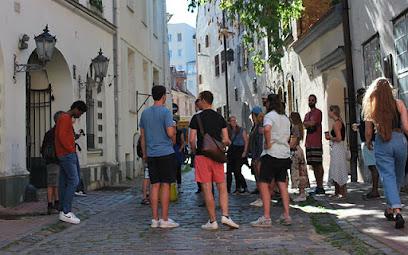
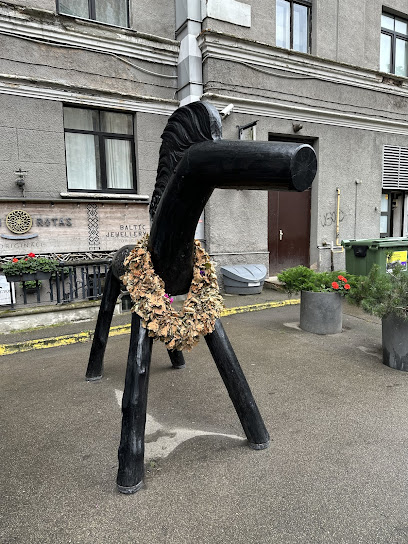
Donkey
0.1 km
Explore the whimsical Donkey sculpture in Riga, a charming tourist attraction that embodies the city's artistic spirit and playful nature.
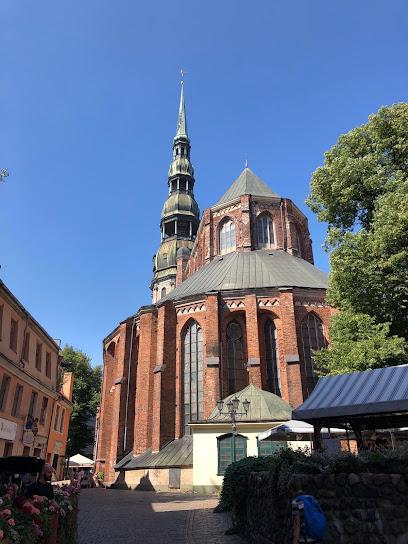
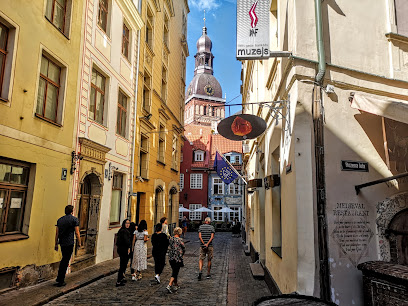
St. Peter's Church
0.1 km
Discover the stunning architecture and rich history of St. Peter's Church, a must-visit landmark in Riga's vibrant Old Town.
Jauniela
0.1 km
Explore Jauniela, a charming historic street in Riga's Central District, offering a delightful mix of culture, cuisine, and local artistry.
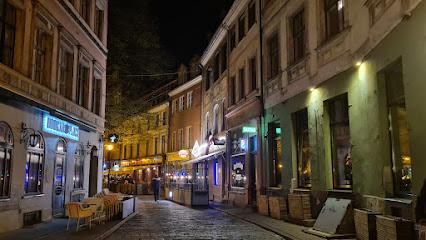
Museum of the barricades of 1991
0.2 km
Discover the powerful stories of Latvia's fight for independence at the Museum of the Barricades of 1991 in Riga, an essential stop for history enthusiasts.
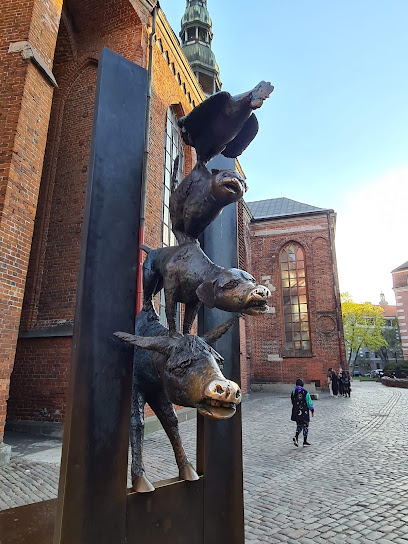
Town Musicians of Bremen
0.2 km
Experience the magic of the Town Musicians of Bremen, a remarkable sculpture in Riga celebrating friendship and adventure from the beloved fairy tale.
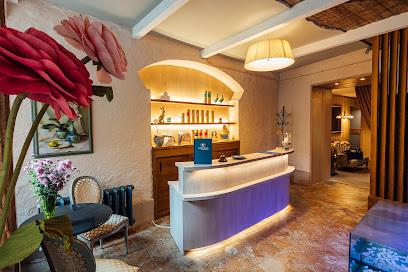
AQUA VILLA Boutique SPA
0.2 km
Discover tranquility at AQUA VILLA Boutique SPA in Riga, where relaxation meets luxury through a range of personalized wellness treatments.
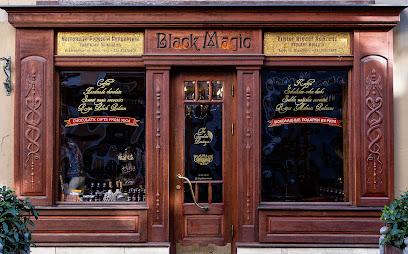
Bar "Riga Black Magic"
0.2 km
Explore the enchanting Bar Riga Black Magic, where cocktails meet exquisite chocolate creations in the heart of Latvia's capital.
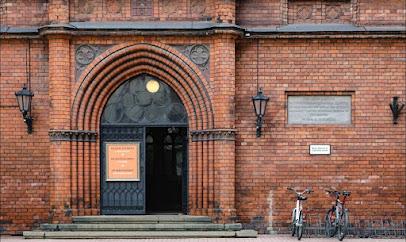
Museum of the History of Riga and Navigation
0.2 km
Uncover the historical treasures of Riga at the Museum of the History of Riga and Navigation, where the past meets the present in a captivating journey.
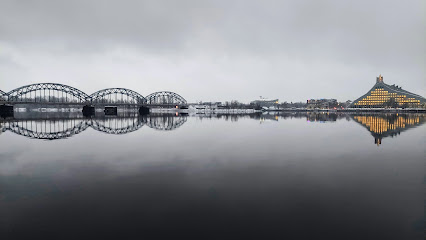
Daugava Stairs
0.2 km
Experience stunning views and the serene beauty of Riga at the Daugava Stairs, a must-visit tourist attraction in Latvia.
Riga Cathedral
0.2 km
Explore the grandeur of Riga Cathedral, a historic and architectural marvel at the heart of Latvia's capital, rich in heritage and culture.
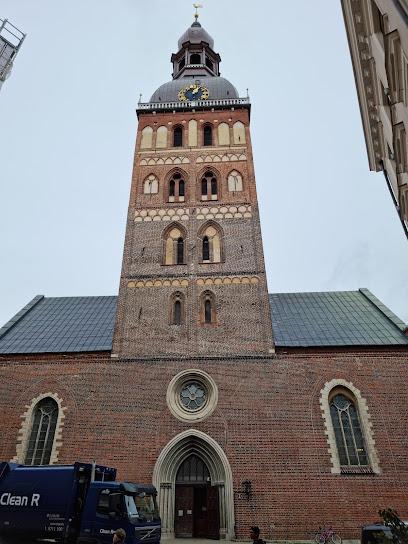
Essential places to dine

Salve Restaurant
0.0 km
Discover authentic Latvian flavors at Salve Restaurant in Riga's Central District - a must-visit for food lovers!
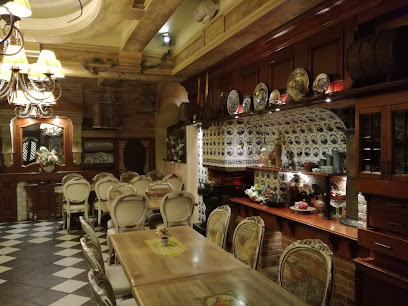
Province restaurant
0.1 km
Discover authentic Latvian flavors at Province Restaurant in Riga's Central District - perfect for families and food enthusiasts.
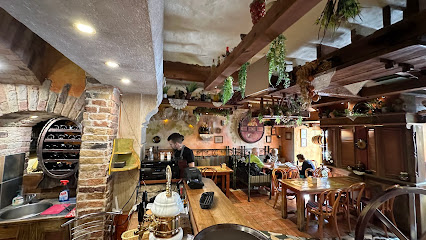
Beef Room Riga
0.1 km
Discover Beef Room Riga: A premier destination for beef lovers in Latvia's vibrant capital with exquisite dishes and welcoming ambiance.
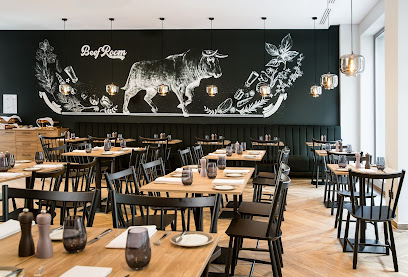
Late Night Munchies
0.1 km
Discover Late Night Munchies in Riga - where delicious burgers meet vibrant nightlife! Perfect for satisfying late-night cravings.
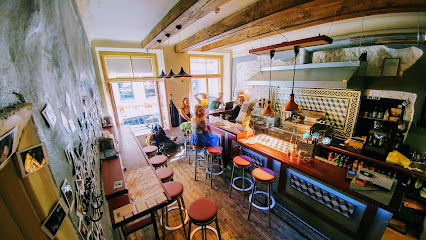
Rozengrāls (Vinarium civitatis rigensis)
0.1 km
Dine in medieval splendor at Rozengrāls - Riga's premier destination for authentic Latvian cuisine in an enchanting atmosphere.
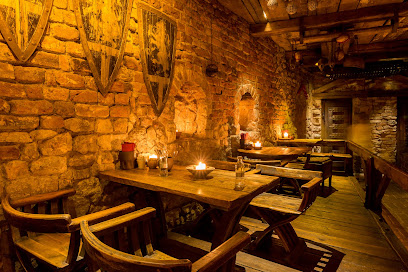
Restorāns NEIBURGS
0.1 km
Discover exquisite Latvian cuisine at Restorāns NEIBURGS in Riga – where tradition meets modern elegance.
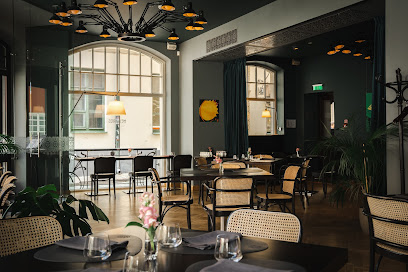
Ala Pagrabs
0.1 km
Experience authentic Latvian cuisine and vibrant nightlife at Ala Pagrabs in the heart of Riga's Central District.
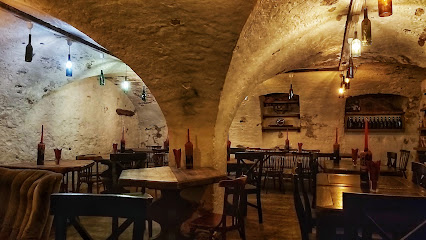
OGLE
0.1 km
Discover Ogle: A premier grill restaurant in Riga offering exquisite local cuisine and unforgettable dining experiences.
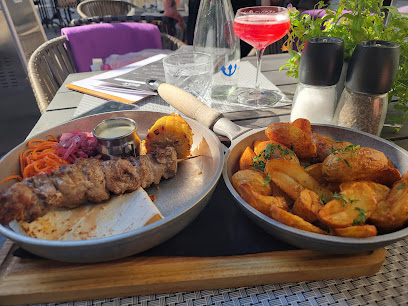
Locale Restaurant
0.2 km
Discover the finest Latvian flavors at Locale Restaurant in Riga – where tradition meets innovation.
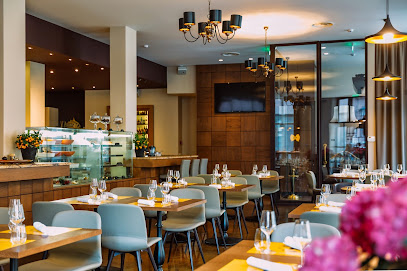
Kalku Varti
0.2 km
Experience authentic Latvian cuisine at Kalku Varti - where local flavors meet modern dining in the heart of Riga.
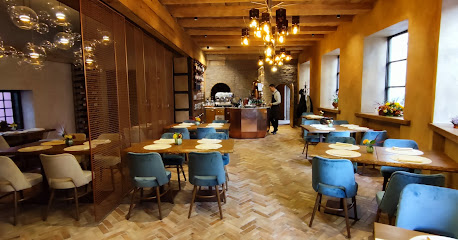
Restaurant "Old Traditions"
0.2 km
Discover authentic Latvian cuisine at Restaurant 'Old Traditions' in Riga—where every dish reflects tradition and taste.
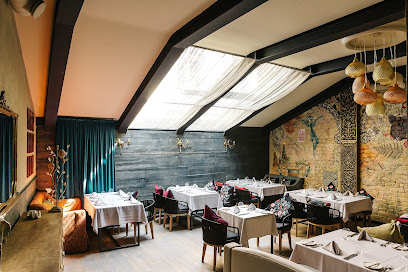
Domini Canes
0.2 km
Discover Domini Canes: A delightful European restaurant in Riga offering exquisite dishes and an unforgettable dining experience.
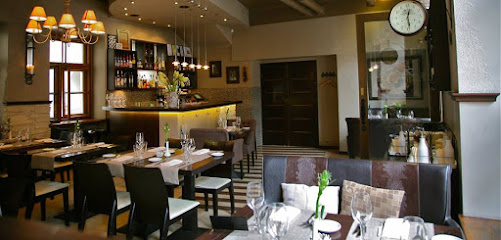
Milda
0.2 km
Savor the flavors of Latvia at Milda - where Eastern European culinary traditions meet modern dining.
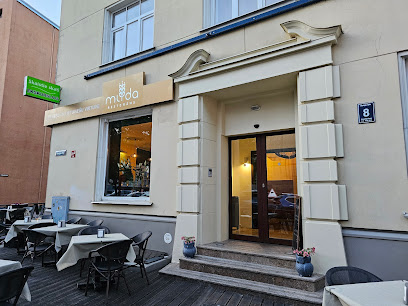
Pētergailis, restorāns
0.2 km
Discover the culinary delights at Pētergailis - where modern cuisine meets Latvian tradition in a vibrant setting.
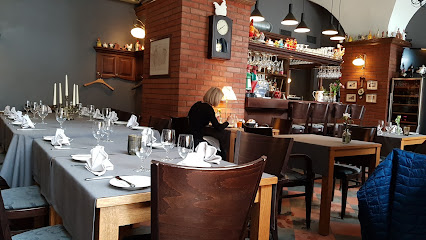
Markets, malls and hidden boutiques

Gift shop Riga
0.0 km
Explore the best gift shop in Riga for unique souvenirs and authentic Latvian crafts to cherish forever.
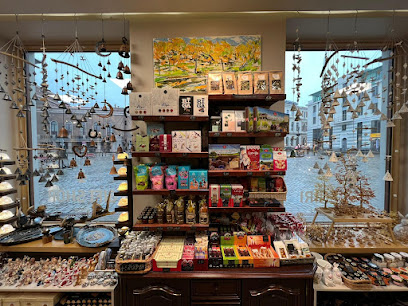
Dzenis Amber
0.0 km
Explore the enchanting world of amber at Dzenis Amber, Riga's premier craft store and jewelry destination, showcasing exquisite local artistry.
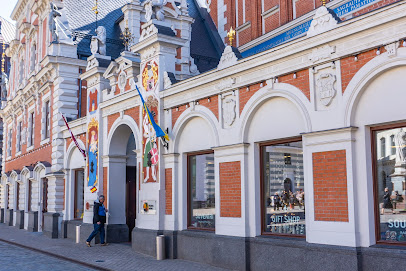
Baltic Gifts
0.0 km
Explore Baltic Gifts in Riga for authentic Latvian souvenirs and unique handcrafted treasures that celebrate the culture and spirit of Latvia.
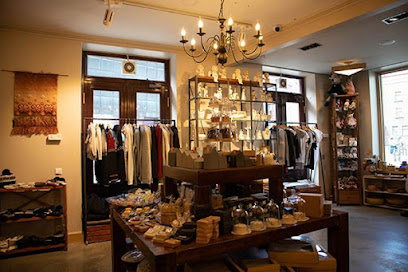
pienene
0.1 km
Discover Pienene, a unique craft store and café in Riga's Central District, where local artistry meets a cozy atmosphere for unforgettable experiences.
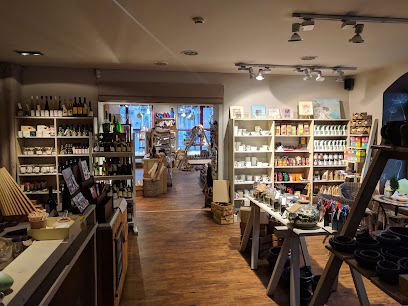
Suvenīri
0.1 km
Discover unique Latvian souvenirs at Suvenīri in Riga, offering a variety of handcrafted treasures that capture the essence of Latvia's rich culture.
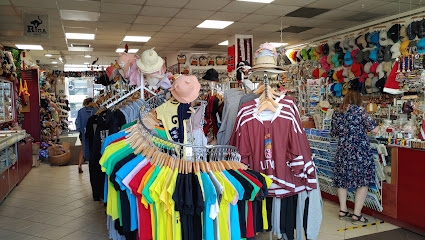
Tautas terpu centrs Sena klets , SIA
0.1 km
Explore the heart of Latvian culture at Tautas Terpu Centrs Sena Klets, a treasure trove of handicrafts and ethnographic wonders in Riga.
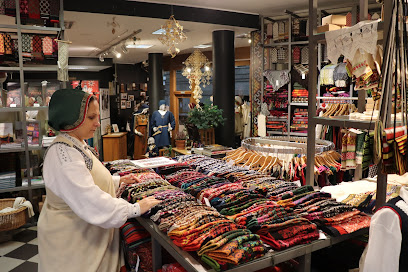
Baltu rotas
0.1 km
Discover unique handmade jewelry at Baltu Rotas in the heart of Riga, showcasing exquisite craftsmanship and local artistry.
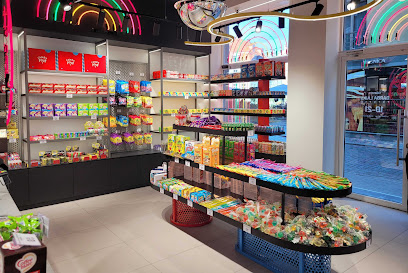
Candy Pop
0.1 km
Explore the vibrant Candy Pop in Riga, where a world of delightful sweets and artisanal treats awaits every candy lover.
Black Cat Souvenirs
0.1 km
Explore Black Cat Souvenirs in Riga for unique gifts, traditional Latvian crafts, and memorable keepsakes that capture the spirit of Latvia.
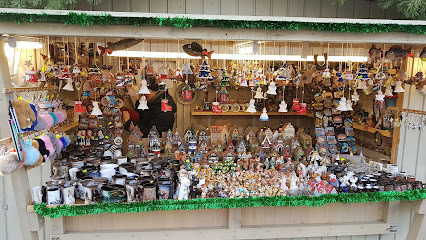
ELKOR Gift Shop suvenīru veikals
0.2 km
Explore the best of Latvian craftsmanship at ELKOR Gift Shop, your go-to destination for unique souvenirs and gifts in the heart of Riga.
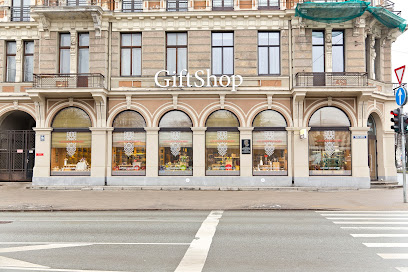
One Wolf Boutique
0.2 km
Explore One Wolf Boutique in Riga for stylish men's and women's clothing and unique fashion accessories in a chic atmosphere.
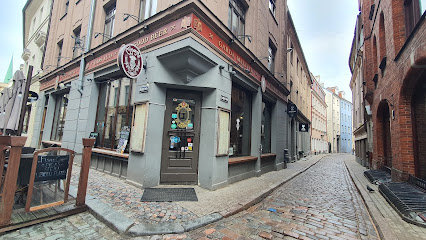
Latviskie darinājumi
0.2 km
Discover the essence of Latvia at Latviskie darinājumi, your go-to spot for authentic gifts and souvenirs in the heart of Riga.
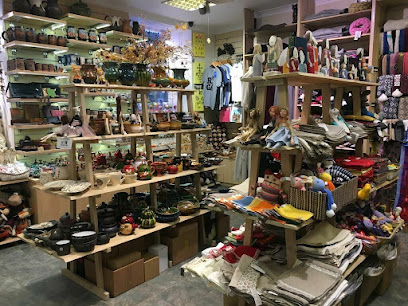
Stikla galerija
0.2 km
Explore the enchanting Stikla Galerija, a unique glass art gallery and gift shop in the heart of Riga, showcasing exquisite handicrafts and local artistry.
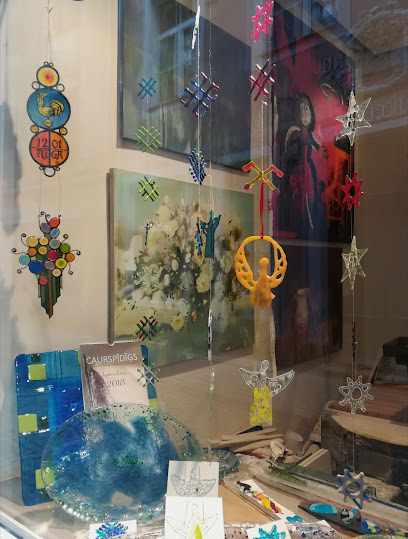
Souvenir Shop
0.3 km
Explore the Souvenir Shop in Central Riga for authentic Latvian crafts, unique gifts, and a delightful shopping experience.
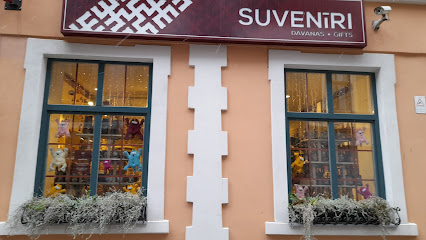
EKO SUVENĪRS Rīga /ECO SOUVENIR Riga
0.3 km
Explore EKO SUVENĪRS Rīga for authentic Latvian souvenirs that reflect the culture and craftsmanship of Latvia, perfect for unique gifts.
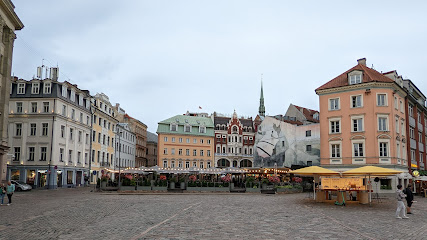
Essential bars & hidden hideouts

Queens
0.1 km
Experience the vibrant atmosphere and local flavors at Queens Pub, a must-visit spot for tourists in Riga.
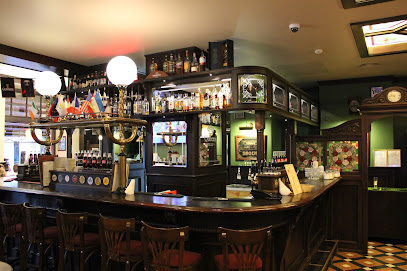
HHC BAR
0.1 km
Discover HHC BAR in Riga's Central District for a cozy atmosphere, affordable drinks, and a taste of local nightlife.
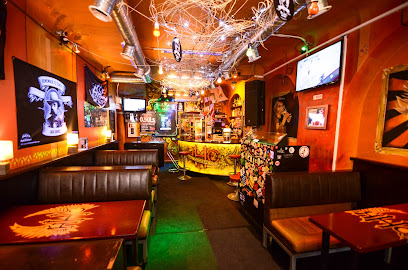
KIWI SPORTS PUB/BAR
0.1 km
Kiwi Sports Pub/Bar: Your Ultimate Destination for Live Sports, Great Food, and Vibrant Atmosphere in the Heart of Riga.
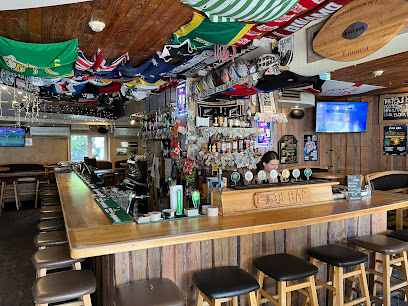
Kafejnīca, bārs Ezītis miglā
0.2 km
Discover Riga's vibrant nightlife at Ezītis miglā, a café-bar-club fusion that delights with local flavors and a lively atmosphere.
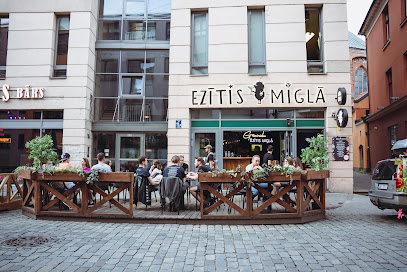
Pandemonium Night Club
0.2 km
Discover the vibrant nightlife of Riga at Pandemonium Night Club, where electrifying music and unforgettable experiences await.
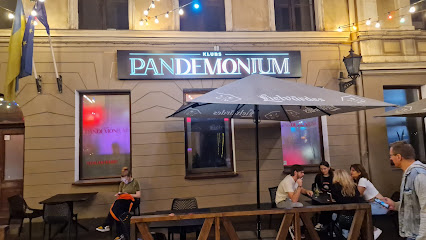
Sidrērija
0.2 km
Sidrērija: Experience the Authentic Taste of Latvian Cider in a Lively Atmosphere with Live Music.
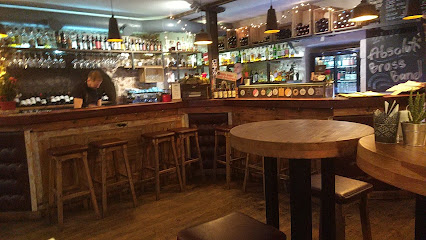
Limonāde
0.2 km
Explore the vibrant nightlife of Riga at Limonāde, a lively bar known for its creative shots and eclectic cocktails.
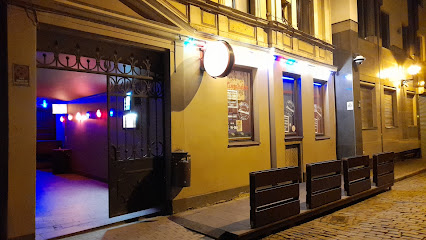
Banshee
0.2 km
Discover the vibrant atmosphere and extensive beer selection at Banshee, a must-visit bar in the heart of Riga's Central District.
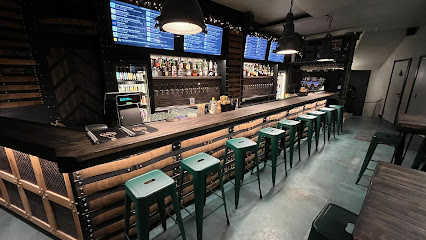
Greenwood bar
0.2 km
Discover the essence of Riga's nightlife at Greenwood Bar, where vibrant music and delicious drinks create unforgettable experiences.
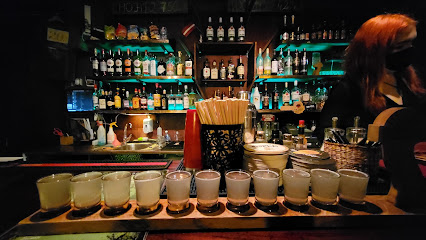
Victory Pub Riga
0.2 km
Experience the vibrant atmosphere of Victory Pub Riga, a favorite gastropub for locals and tourists alike, serving delicious food and drinks.
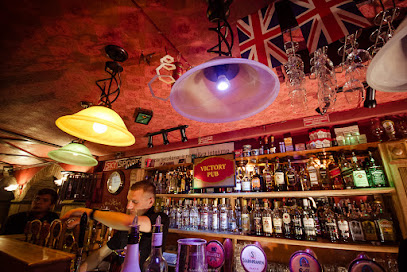
Long Island Bar
0.2 km
Discover the vibrant nightlife at Long Island Bar in Riga, where cocktails flow and the music keeps you dancing all night long.
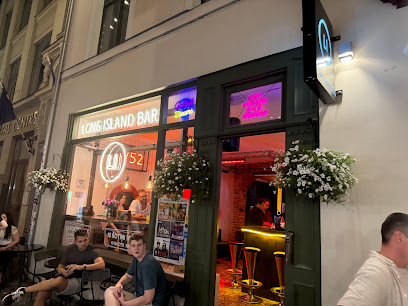
Thirsty
0.2 km
Experience the vibrant nightlife of Riga at Thirsty, a popular bar offering a diverse selection of drinks in a lively atmosphere.
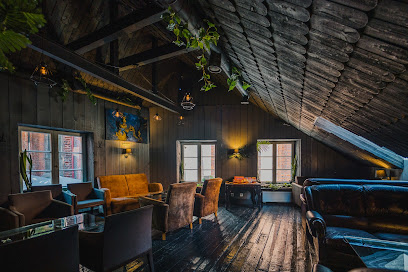
Piana Vyshnia
0.2 km
Experience Riga's vibrant nightlife at Piana Vyshnia, where delightful drinks meet a cozy ambiance in the heart of the city.
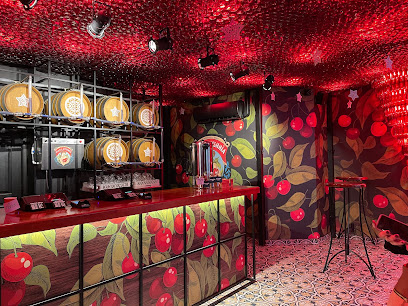
Spot Kafe
0.2 km
Experience Riga's vibrant nightlife at Spot Kafe, where delicious cocktails and high-energy vibes create the perfect night out.
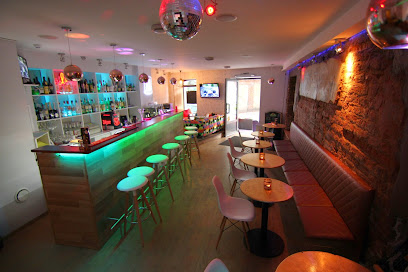
O'Paps
0.2 km
Discover O'Paps, a cozy pub in Riga offering a diverse beer selection and a vibrant atmosphere in the heart of Latvia's capital.
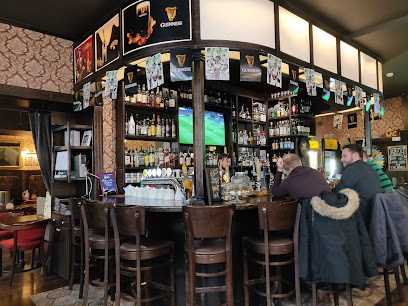
Nightclubs & after hour spots

Papillon Gentlman's Club
0.1 km
Discover the thrilling nightlife at Papillon Gentleman's Club, Riga's top destination for entertainment and unforgettable experiences.
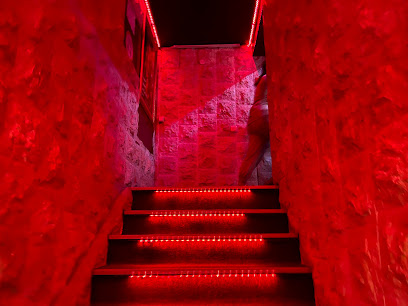
Lust Riga Bar and Night Club
0.1 km
Immerse yourself in the vibrant nightlife of Riga at Lust Bar and Night Club, featuring top DJs and a lively atmosphere for unforgettable nights.
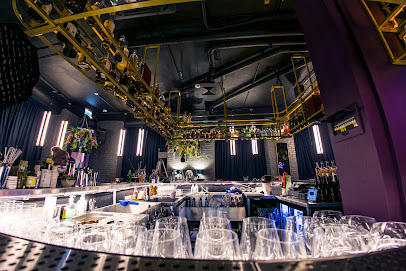
The Sinners Club
0.2 km
Discover the electrifying nightlife at The Sinners Club in Riga, a premier disco and night club perfect for unforgettable dance experiences.
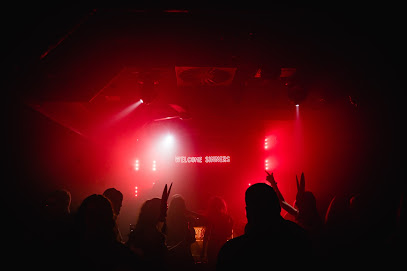
Puce. Club at Night
0.2 km
Experience the vibrant nightlife of Riga at Puce, a lively nightclub with electrifying music and an unforgettable atmosphere.
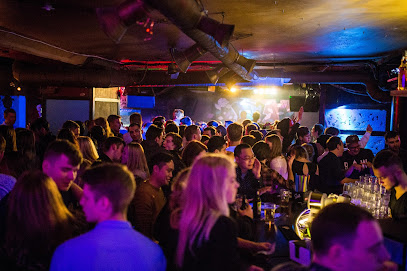
Valhalla
0.2 km
Discover the pulse of Riga's nightlife at Valhalla, where vibrant music and eclectic vibes create unforgettable experiences.
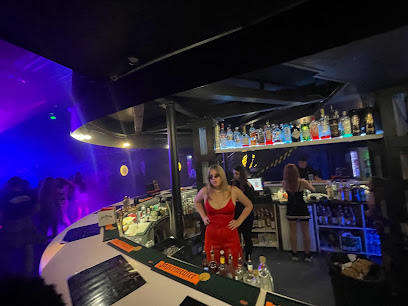
Radio bar
0.3 km
Discover the vibrant nightlife of Riga at Radio Bar, where eclectic music and exquisite cocktails create unforgettable evenings.
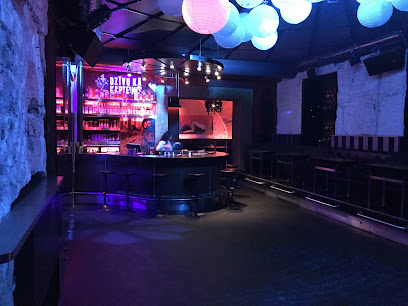
Night club Valknut
0.4 km
Unleash your wild side at Night Club Valknut, Rīga's top destination for a thrilling nightlife experience with vibrant music and exquisite cocktails.