

Triangula Bastion, Riga Travel Guide
Explore Riga's Triangula Bastion: Where history meets modernity at the heart of the city's ancient fortifications.
The Triangula Bastion, dating back to 1727, is a remnant of Riga's 18th-century fortifications. Once a key defensive structure, its foundations are now visible beneath a modern office building, offering a unique blend of historical intrigue and contemporary architecture.
A brief summary to Triangula Bastion
- 11. novembra krastmala 17, Riga, Central District, 1050, LV

Know before you go
Hi, I'm Eve. Here are a few practical things to know before exploring Triangula Bastion.
- Visit early in the morning for a quieter experience and better lighting for photography.
- Combine your visit with a walk along the nearby riverside promenade for scenic views.
- Look out for guided tours that provide deeper insights into the historical significance of the bastions.
Do you manage this location?
Take control to get all the benefits, like improved information, better appearance, and stronger visibility across AI-powered discovery. Learn more about listing your business on Evendo
Activate your presenceOther nearby places you may find interesting
The closest places of the same kind, if this one is not quite what you had in mind.
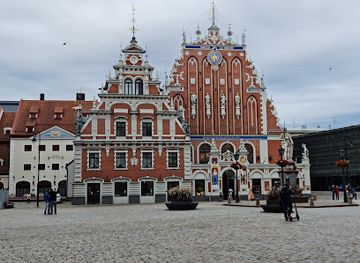
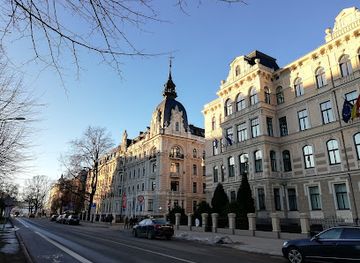
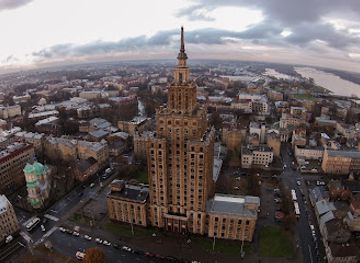
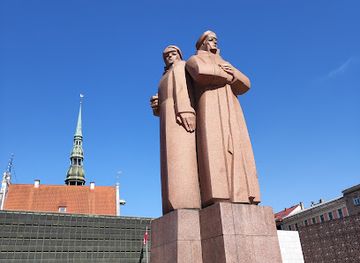
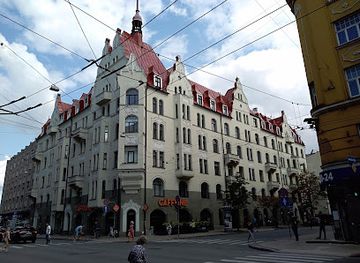
Explore Triangula Bastion on the Map
A handpicked selection of must-see spots near Triangula Bastion, mapped for you.
Getting There
-
Walking
If you are starting from the Old City (Vecrīga), head southwest towards the Daugava River. Walk along the riverbank until you reach 11. novembra krastmala street. Continue walking along the river, and you will see the Triangula Bastion on your left, located at 11. novembra krastmala 17. The walk should take about 15-20 minutes.
-
Public Transport
From the central bus station (Autoosta), take bus number 24 towards 'Zolitūde'. Get off at the '11. novembra krastmala' bus stop. From there, walk a short distance along the 11. novembra krastmala street, and you will arrive at the Triangula Bastion, located at number 17. The total journey should take approximately 30 minutes. A single 90-minute ticket costs €1.50.
-
Taxi
Taxis are readily available in Riga. A short taxi ride from the city center to Triangula Bastion will cost approximately €6-€8. Taxi fares in Riga start at €2.50, with an additional €0.70 per kilometer. Ride-sharing apps like Bolt are also available.
Discover more about Triangula Bastion













Your all‑in‑one travel companion app
Explore expert travel guides, compare and book tours, experiences, hotels, and more—all from the palm of your hand. Download now for seamless trip planning wherever your wanderlust takes you.


Explore More of Riga
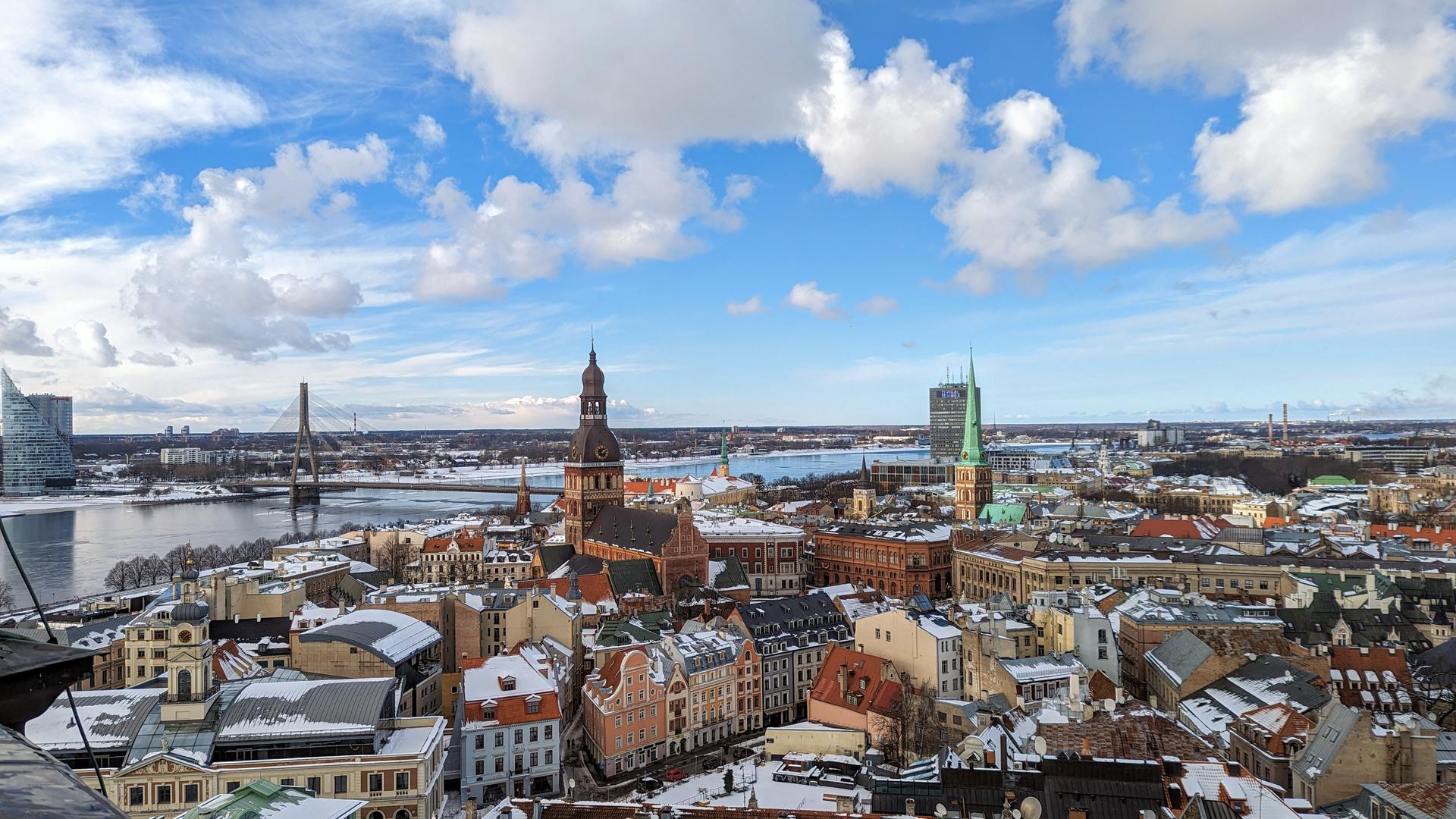
Looking beyond Triangula Bastion? Discover Riga for broader travel guides, local hot-spots, and regional highlights.
Explore Riga
Discover Riga's vibrant heart at Plac Ratuszowy, a historic square reborn with stunning architecture, lively events, and rich cultural experiences.

Explore Latvia's hidden gems and iconic landmarks with guided tours designed for immersive cultural and historical experiences.
