

Free Slītere National Park Travel Guide & Mobile App
Explore Slītere National Park with free travel guides. Discover regional history, expert tips, proposed trips, and audio guides on web or mobile app.


Slītere National Park combines Baltic coast walks, ancient forests, Livonian villages and quiet nature in Latvia’s remote Kurzeme region.
Read more about Slītere National Park
When is the best time to visit Slītere National Park?
Best: June–August · 21–22°C| Month | High (°C) | Rainfall (mm) |
|---|---|---|
| January | 1 | 45 |
| February | 1 | 40 |
| March | 5 | 40 |
| April | 11 | 45 |
| May | 17 | 50 |
| June (best) | 21 | 60 |
| July (best) | 22 | 70 |
| August (best) | 21 | 80 |
| September | 17 | 70 |
| October | 12 | 60 |
| November | 6 | 60 |
| December | 2 | 50 |
Getting to and around Slītere National Park
How to get there
Transportation
Best landmarks in Slītere National Park
Cape Kolka is Slītere’s most recognisable geographical landmark, where the northern tip of the Kurzeme coast projects between the Baltic Sea and the Gulf of Riga. Its waters, sandbanks and changing weather give the cape a strong maritime character, while the surrounding shore is marked by dunes, beach and driftwood. The Slītere lighthouse is the park’s most prominent built landmark and an important reminder of the navigational hazards of the Baltic coast; standing on the edge of the Blue Hills, it also provides a visual link between forested uplands and the sea. The Blue Hills themselves are a natural historical monument, representing an ancient shoreline and giving the landscape its defining rise above the coastal lowlands. In the Livonian villages, wooden farmsteads, old roads, cemeteries and community buildings form a dispersed cultural landmark landscape rather than a single monumental centre. Mazirbe’s Livonian House is especially significant for understanding the heritage of the coastal Livonian community.
-
National park
Gauja National Park
Explore Latvia's largest national park: a blend of stunning nature, historical castles, and outdoor adventures in the Gauja River valley.
-
Museum
House of the Black Heads
Explore Riga's iconic House of the Black Heads: a journey through history, architecture, and the legacy of the Brotherhood of Black Heads.
-
National park
Ķemeri National Park
Explore Latvia's natural beauty: Bogs, forests, and healing springs await in Ķemeri National Park. Hiking, birdwatching, and history.
-
Castle
Turaida Castle
Explore a meticulously restored medieval castle in Gauja National Park, offering panoramic views and a glimpse into Latvia's rich history.

Explore Slītere National Park on the map
Plan your trip on one map. See where the top cities, national parks and sights are, and book hotels and experiences in a few clicks.
Best hotels in Slītere National Park
Best restaurants in Slītere National Park
Dining in Slītere National Park is small-scale and closely tied to accommodation businesses, village cafés, seasonal stalls and local producers rather than a concentrated restaurant circuit. Fish reflects the coastal setting, while rye bread, potatoes, dairy products, preserves, smoked foods and simple baked goods belong to the wider culinary traditions of Latvia and Kurzeme. In Kolka and the larger coastal villages, visitors may find the most dependable choice of meals and refreshments, but rural opening arrangements can be seasonal and should be checked ahead. Guesthouses sometimes provide home-style cooking or meals by arrangement, offering a useful way to sample local produce without expecting an extensive menu. Farmers’ products, berries, mushrooms and fish may appear in season, although availability varies. The Livonian coastal heritage is also expressed through food connected with fishing households and simple rural hospitality. Carrying provisions is sensible for longer walks, as cafés and shops are not evenly distributed across the park.
-
Restaurant
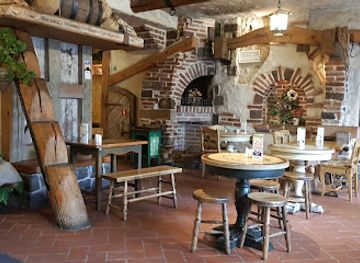
Rozengrāls (Vinarium civitatis rigensis)
Experience medieval charm and authentic Latvian cuisine at Rozengrāls in Riga - where history meets gastronomy.
-
Self service restaurant
Lido Dzirnavas
Savor authentic Latvian flavors at Lido Dzirnavas - where tradition meets taste in a cozy bistro setting.
-
Fish restaurant
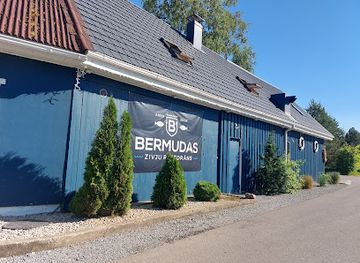
Restaurant Bermudas
Experience exceptional seafood dining at Restaurant Bermudas in Lapmežciems Parish - where every dish celebrates the ocean's bounty.
-
Italian
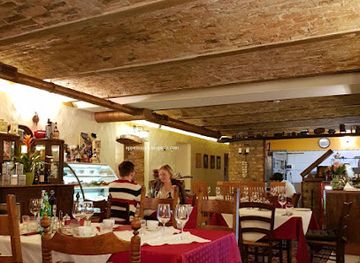
Casa Nostra Italian restaurant
Experience authentic Italian flavors at Casa Nostra in Riga – where every dish tells a story of tradition and passion.
Best bars in Slītere National Park
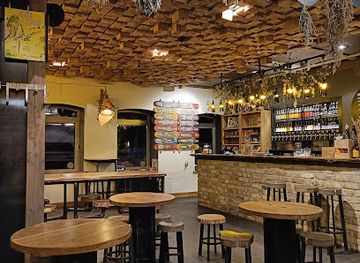
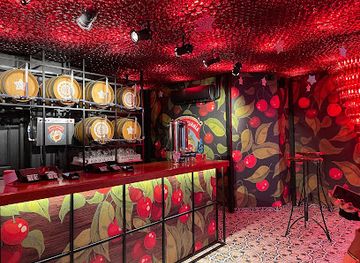
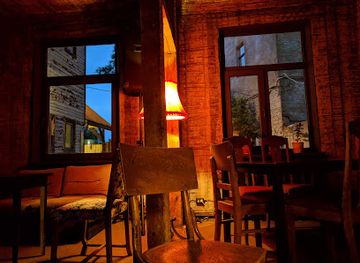
Slītere National Park does not have a significant nightclub scene. Evening life centres on guesthouse dining rooms, village cafés, traditional pubs and the communal atmosphere of seasonal cultural events rather than late-night entertainment. Kolka offers the most practical choice for an evening meal or drink, while accommodation providers in smaller coastal villages may serve guests by arrangement. Local cultural gatherings, particularly those connected with Livonian heritage, can include music, dancing or informal socialising, but dates and formats vary. The quiet setting is part of the appeal: after dark, visitors are more likely to hear wind, birds and the sea than amplified music. Drink responsibly, arrange transport before travelling between villages and do not assume that a rural establishment will remain open late. In summer, longer daylight hours extend opportunities for coastal walks, but they do not necessarily mean longer trading hours.
-
Bar
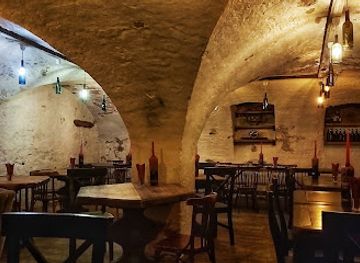
Ala Pagrabs
Discover the vibrant atmosphere of Ala Pagrabs, Riga's underground bar and restaurant, offering delicious food, craft beers, and live music.
-
Brewery
Labietis
Experience the essence of Latvian craft beer at Labietis Brewery, a delightful bar in Riga with unique brews and a vibrant atmosphere.
-
Bar
Piana Vyshnia
Discover the vibrant nightlife at Piana Vyshnia, Riga's go-to bar for unique drinks and an electric atmosphere that promises unforgettable memories.
-
Bar
Aleponija
Discover the lively Aleponija bar in Riga, where great beers and a vibrant atmosphere come together for an unforgettable night out.
Best nightclubs in Slītere National Park
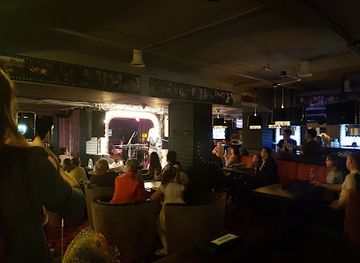
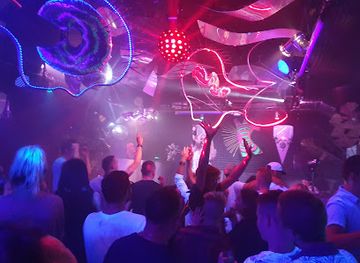
Slītere National Park does not have a significant nightclub scene. Evening life centres on guesthouse dining rooms, village cafés, traditional pubs and the communal atmosphere of seasonal cultural events rather than late-night entertainment. Kolka offers the most practical choice for an evening meal or drink, while accommodation providers in smaller coastal villages may serve guests by arrangement. Local cultural gatherings, particularly those connected with Livonian heritage, can include music, dancing or informal socialising, but dates and formats vary. The quiet setting is part of the appeal: after dark, visitors are more likely to hear wind, birds and the sea than amplified music. Drink responsibly, arrange transport before travelling between villages and do not assume that a rural establishment will remain open late. In summer, longer daylight hours extend opportunities for coastal walks, but they do not necessarily mean longer trading hours.
-
Karaoke bar
Friends club
Discover the vibrant nightlife at Friends Club, Riga's premier karaoke bar, where music, drinks, and fun unite for an unforgettable experience.
-
Night club
FIRST Club
Discover the electrifying nightlife at FIRST Club in Riga, where live performances and vibrant crowds create unforgettable memories.
-
Night club
TOP Club Riga
Discover the electric nightlife of TOP Club Riga, where rhythm and energy unite for an unforgettable party experience in the heart of Latvia's capital.
-
Night club
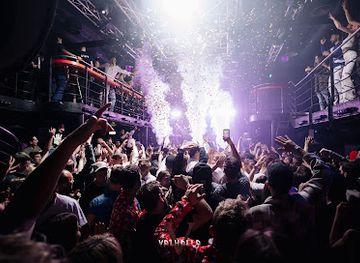
Valhalla
Discover the electrifying nightlife of Riga at Valhalla Nightclub, where vibrant music and a lively atmosphere await.

Best shops in Slītere National Park
Shopping in Slītere National Park is modest and local in character. Kolka is the most useful place for basic provisions, while smaller villages may have only limited shops or seasonal sales. Rather than conventional retail districts, visitors find interest in local food products, smoked fish where available, rye bread, preserves, honey, berries and other produce offered by small businesses or at community events. Mazirbe and other Livonian Coast settlements may provide opportunities to buy cultural publications, handmade crafts or locally themed items, although availability changes with season and opening arrangements. Guesthouses and cultural organisations can sometimes point visitors towards artisans and producers. Souvenirs are best chosen for their connection to the coast, forests or Livonian heritage rather than imported generic merchandise. Bring sufficient supplies for remote walks, and carry cash because small producers and seasonal stalls may not accept cards. Larger-scale shopping is outside the park in towns such as Talsi or Ventspils.
-
Shopping mall
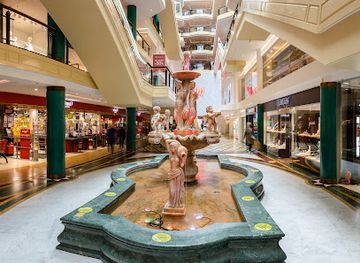
Gallery Centre, Shopping mall
Discover a shopping paradise at Gallery Centre in Riga, featuring a variety of stores, dining options, and vibrant local culture.
-
Shopping mall
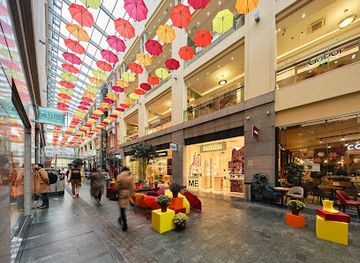
Galleria Riga
Explore Galleria Riga, the ultimate shopping destination in Rīga, where culture meets commerce in a vibrant atmosphere.
-
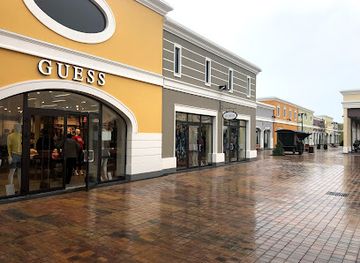
Outlet mall
Via Jurmala Outlet Village
Discover unbeatable deals on top brands at Via Jurmala Outlet Village, Latvia's premier shopping destination for tourists and locals alike.
-
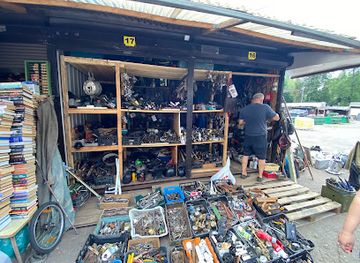
Flea market
Market Latgale
Discover the eclectic charm of Market Latgale, Riga's premier flea market, where local crafts and vintage treasures await every visitor.
Get your free copy of our complete guide to Slītere National Park, delivered straight to you.
Everything on this page, from attractions and restaurants to essentials and local phrases, in one PDF you can read offline, print or share.
Already have an account? Sign in
Your Slītere National Park guide is ready.
We'll send it to · Not you? Sign out

Getting your guide ready…
We are putting together a fresh copy of the Slītere National Park guide. This can take up to a minute.
This can take a few moments. If your browser asks, choose Allow so the download can start. You'll find the guide in your Downloads folder.
Nothing happened? Download it again
Sorry, the guide is taking longer than usual. Please try again in a minute, or get it by email instead.
Slītere National Park essentials
Currency and Payment
Safety
Emergency Situations
Do's and Don'ts
Local Tips
From Eve
Local phrases worth knowing
You don't need to get them perfect. A few words go a long way, and locals appreciate the effort.
Basics
| English | Local | Say it |
|---|---|---|
| Hello | Sveiki | [sveɪki] |
| Goodbye | Uz redzēšanos | [uz rɛˈd͡zɛʃanos] |
| Yes | Jā | [jɑ] |
| No | Nē | [neɪ] |
| Please/You're welcome | Lūdzu | [luːdzu] |
| Thank you | Paldies | [palˈdɛs] |
| Excuse me/Sorry | Atvainojiet | [atvāɪnɔːjɛt] |
| How are you? | Kā jums klājas? | [kɑ jʊms klɑːjɑs] |
| Fine. And you? | Labi. Un jūs? | [lɑːbɪ. ʊn juːs] |
| Do you speak English? | Vai jūs runājat angliski? | [vaɪ juːs ruːnɑːjɑt ɑŋɡlɪski] |
| I don't understand | Es nesaprotu | [ɛs nɛsaproːtu] |
Eating & Drinking
| English | Local | Say it |
|---|---|---|
| I'd like to see the menu, please | Es vēlētos redzēt ēdienkarti, lūdzu | [ɛs vɛːlɛtos rɛd͡zɛt ɛːdiɛnˌkɑrtɪ, luːdzu] |
| I don't eat meat | Es neēdu gaļu | [ɛs nɛːdu ɡɑlʏ] |
| Cheers! | Priekā! | [prieːkɑ] |
| I would like to pay, please | Es vēlētos samaksāt, lūdzu | [ɛs vɛːlɛtos sɑmɑkˌsɑt, luːdzu] |
Emergencies
| English | Local | Say it |
|---|---|---|
| Help! | Palīdziet! | [pɑːliːdzɪɛt] |
| Go away! | Ej projām! | [ɛɪ prɔːjɑm] |
| Call the Police! | Zvaniet policijai! | [zvanɪɛt pɔlɪˌtsɪjɑɪ] |
| Call a doctor! | Zvaniet ārstam! | [zvanɪɛt ɑːrˌstɑm] |
| I'm lost | Es esmu apmaldījies | [ɛs ɛsmu ɑpˈmɑldɪjɛs] |
| I'm ill | Es esmu slims | [ɛs ɛsmu slɪmz] |
Shopping
| English | Local | Say it |
|---|---|---|
| I'd like to buy... | Es vēlētos nopirkt... | [ɛs vɛːlɛtos nɔːpɪrkt] |
| I'm just looking | Es tikai skatījos | [ɛs tiːkɑɪ skɑːtɪoʊs] |
| How much is it? | Cik tas maksā? | [tsɪk tɑs mɑksɑ] |
| That's too expensive | Tas ir pārāk dārgi | [tɑs ɪr pɑːrɑk dɑːrɡi] |
| Can you lower the price? | Vai jūs varat samazināt cenu? | [vaɪ juːs vɑrɑt sɑmɑzɪnɑt ˈtsɛnʊ] |
Time & Numbers
| English | Local | Say it |
|---|---|---|
| What time is it? | Cik ir pulkstenis? | [tsɪk ɪr pʊlkstɛnɪs] |
| It's one o'clock | Ir viens pulkstenis | [ɪr vjɛns pʊlkstɛnɪs] |
| Half past (10) | Pusstundas (10) | [pʊsˌstʊndɑs (10)] |
| Morning | Rīts | [riːts] |
| Afternoon | Pēcpusdiena | [pɛːt͡spusˌdiɛnɑ] |
| Evening | Vakars | [vɑkɑrs] |
| Yesterday | Vakar | [vɑkɑr] |
| Today | Šodien | [ʃoːdiɛn] |
| Tomorrow | Rīt | [riːt] |
| 1 | 1 | [1] |
| 2 | 2 | [2] |
| 3 | 3 | [3] |
| 4 | 4 | [4] |
| 5 | 5 | [5] |
| 6 | 6 | [6] |
| 7 | 7 | [7] |
| 8 | 8 | [8] |
| 9 | 9 | [9] |
| 10 | 10 | [10] |
Transport & Directions
| English | Local | Say it |
|---|---|---|
| Where's a/the...? | Kur ir ...? | [kur ɪr ...?] |
| What's the address? | Kāda ir adrese? | [kɑːdɑ ɪr ɑdrɛsɛ] |
| Can you show me (on the map)? | Vai jūs varat parādīt (uz kartes)? | [vaɪ juːs vɑrɑt pɑːrɑːdɪt (uz kɑrtɛs)?] |
| When's the next (bus)? | Kad ir nākamais (autobuss)? | [kɑd ɪr nɑːkɑmɑɪs (ɑʊtɔbʊs)?] |
| A ticket (to ....) | Biļete (uz ....) | [biːlɛtɛ (uz ....)] |
History of Slītere National Park
Ancient Shorelines and Early Settlement
The landscape around Slītere records successive changes in the Baltic basin after the last Ice Age. The Blue Hills are an ancient coastal escarpment, created when the shoreline lay considerably higher than it does today. As the sea retreated and land levels changed, forests, wetlands and coastal habitats developed across the former shore terraces. The area attracted human settlement and seasonal use over many centuries, although its relatively difficult terrain and sparse transport links helped preserve large tracts of woodland and coast. These geological layers remain central to understanding why the park has such varied elevations and habitats within a compact area.
The Livonian Coastal Communities
The northern Kurzeme coast has long been associated with the Livonians, an Indigenous Finnic-speaking people whose traditional territory extended along the Gulf of Riga and the Baltic shore. Villages such as Kolka, Mazirbe, Košrags, Pitrags, Saunags and Vaide developed around fishing, seafaring, small-scale agriculture and trade. Livonian speech and customs came under pressure from the dominant Latvian and German cultural worlds, particularly as mobility and administration changed. The surviving village layouts, farmsteads, cemeteries and cultural institutions are important reminders of a coastal society that maintained a distinct identity despite demographic decline.
Medieval and Early Modern Kurzeme
Slītere formed part of the wider historical region of Kurzeme, whose political and economic structures were shaped by the Bishopric of Courland, the Duchy of Courland and Semigallia, and later the Russian Empire. Unlike major inland centres, this coast remained primarily rural and maritime. Forest resources, fishing grounds and coastal routes mattered more than urban industry, while manors and parish structures influenced landholding and administration. The region’s distance from large towns helped retain its dispersed settlement pattern, although successive political authorities brought new systems of taxation, religion, land management and communication.
Fishing, Seafaring and Coastal Trade
For generations, the Gulf of Riga and Baltic coast supplied fish and supported a modest maritime economy. Coastal families combined fishing with farming, forestry and seasonal work, adapting to storms, ice and changing markets. Cape Kolka was a significant navigational reference point, but the surrounding waters were also hazardous because of shoals, currents and shifting sand. Lighthouses and other navigational improvements reflected the growing importance of safer Baltic shipping during the nineteenth and twentieth centuries. Although industrial development remained limited, maritime work left a deep mark on village architecture, local memory and food traditions.
The Slītere Nature Reserve and National Park
Protection of the area began with the establishment of the Slītere Strict Nature Reserve in 1957, recognising the exceptional value of its forests, coastal habitats and geological features. In 2000 the protected area became Slītere National Park, with a broader framework for conserving nature while supporting carefully managed recreation and cultural heritage. The park’s designation reflects Latvia’s wider effort to protect representative landscapes after the restoration of independence. Today, conservation rules help safeguard vulnerable habitats and species, while marked routes and selected visitor facilities make the area accessible without turning it into a heavily developed resort.
Renewed Recognition of Livonian Heritage
Since the late twentieth century, cultural organisations and local communities have worked to preserve and interpret Livonian heritage along the coast. The Livonian House in Mazirbe, cultural events and village traditions provide spaces for language, music, crafts and historical memory, while museums and interpretation initiatives connect visitors with the region’s fishing past. The Livonian identity is not simply a decorative theme: it belongs to a living community whose numbers are small and whose language is endangered. Visiting cultural sites with care and supporting local initiatives helps sustain this important part of Latvia’s regional history.
Slītere National Park in Photos
Browse through our photo collection highlighting the charm and character of the destination.
Neighbouring regions of Slītere National Park
The closest regions to Slītere National Park, if you have time for more than one.
-

-

-

-

-


Swipe for more regions
Explore more

Explore more of Latvia
Explore Latvia: A Baltic treasure with rich history, stunning landscapes, vibrant festivals, and warm hospitality. Discover Riga's charm and Latvia's natural beauty.
Explore Latvia