

Free Abava River Valley Travel Guide & Mobile App
Explore Abava River Valley with free travel guides. Discover regional history, expert tips, proposed trips, and audio guides on web or mobile app.


Explore Latvia’s Abava River Valley for sandstone landscapes, historic Kandava and Sabile, open-air art, vineyards and quiet Kurzeme countryside.
Read more about Abava River Valley
When is the best time to visit Abava River Valley?
Best: June–August · 21–23°C| Month | High (°C) | Rainfall (mm) |
|---|---|---|
| January | 0 | 40 |
| February | 1 | 35 |
| March | 7 | 35 |
| April | 12 | 40 |
| May | 18 | 45 |
| June (best) | 21 | 55 |
| July (best) | 23 | 65 |
| August (best) | 22 | 65 |
| September | 17 | 55 |
| October | 11 | 50 |
| November | 6 | 45 |
| December | 2 | 45 |
Getting to and around Abava River Valley
How to get there
Transportation
Best attractions in Abava River Valley
The Abava Valley’s attractions are spread through a protected rural landscape rather than gathered in a single resort. The Abava Valley Nature Park is the central experience, combining river scenery, wooded ravines, meadows, sandstone exposures and routes suited to walking, cycling and quiet photography. Kandava provides historic streets, local heritage and access to the eastern part of the valley, while Sabile combines a compact townscape with the symbolic Wine Hill and cultural traditions associated with grape growing. The Pedvale Open-Air Art Museum is a notable cultural attraction, placing sculpture and land art among the grounds and landscape of a former estate. Archaeological hillforts, churches, manor remnants and old farmsteads add historical interest, although some are best appreciated as parts of the wider landscape rather than as fully restored monuments. Nature-focused visitors can look for birds, meadow plants and woodland wildlife, while families may prefer short walks and town-based visits over longer valley routes. Seasonal events and local produce provide additional reasons to travel slowly, but rural opening arrangements can vary, so advance checking is useful.
-
Tourist attraction
Abava valley
Experience the enchanting beauty of Abava Valley, a must-visit destination in Latvia, where nature and history intertwine seamlessly.
-
Abava waterfall
Experience the beauty of Abava Waterfall, the second widest waterfall in Latvia, surrounded by lush landscapes and serene nature.
-
Īvande waterfall
Explore the breathtaking beauty of Īvande Waterfall, a must-see natural attraction in Latvia that enchants visitors with its stunning views and tranquil atmosphere.
-
Zviedru Cepure
Discover the beauty of Zviedru Cepure in Sabile, Latvia, a family-friendly attraction perfect for recreation and relaxation amidst stunning scenery.



Best landmarks in Abava River Valley
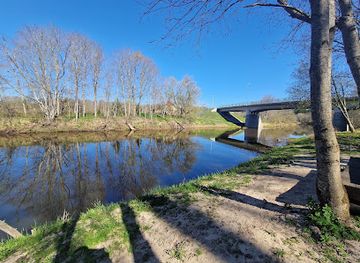
The Abava River itself is the valley’s defining natural landmark, its winding course linking wooded banks, open meadows and sandstone formations through western Latvia. Kandava’s historic centre and church provide an architectural focus at the eastern end, while the remains and setting of the former Kandava castle area recall the town’s medieval origins. In Sabile, the Wine Hill is both a geographical feature and a cultural emblem, reflecting the town’s long association with grape growing in a northern climate. The Pedvale estate landscape, now used for the open-air art museum, is significant because historic grounds and contemporary sculpture are experienced together rather than as separate attractions. Archaeological hillforts and elevated valley sites offer further evidence of early settlement, although their importance is often expressed through earthworks and terrain instead of monumental ruins. Manor remnants, Lutheran churches and old rural buildings complete a landmark landscape in which geological formations, settlement history and cultivated countryside are closely interwoven.
-
Nature preserve
Venta waterfall
Witness the breathtaking beauty of Europe's widest waterfall in Kuldīga, Latvia, where you can see fish flying over the rapids in spawning season.
-
Ravine
Abava valley
Discover the Abava Valley: A scenic Latvian escape with stunning landscapes, rich history, and outdoor adventures in the heart of Kurzeme.
-
Tourist attraction
Abava waterfall
Discover Abava Waterfall, Latvia's second widest waterfall, in the scenic Abava River Valley. A natural paradise for relaxation and exploration.
-
Tourist attraction
Zviedru Cepure
Experience the natural beauty and recreational activities at Zviedru Cepure, a unique tourist attraction in Sabile, Latvia.


Explore Abava River Valley on the map
Plan your trip on one map. See where the top cities, national parks and sights are, and book hotels and experiences in a few clicks.
Best hotels in Abava River Valley
Best restaurants in Abava River Valley
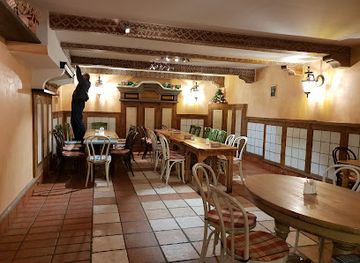
Dining in the Abava Valley is shaped by small-town cafés, rural guesthouses, traditional pubs and seasonal producers rather than a large restaurant scene. Menus may draw on wider Latvian cooking, including rye bread, potatoes, soups, smoked foods, dairy products, pork, freshwater fish and berry-based desserts, with availability changing according to season. Around Kandava and Sabile, visitors can look for simple meals, baked goods and coffee, while countryside accommodation may offer food by prior arrangement. Sabile’s association with grape growing gives local drinks and wine-related products a distinctive place in the region’s identity, although the valley is not a major wine-producing area on the scale of southern Europe. Farmers’ markets and direct purchases from small producers can reveal more about local food culture than formal dining alone. Because rural businesses may operate seasonally or with limited hours, confirming arrangements is sensible, especially outside the summer period.
-
Bistro
LIDO Vērmanītis
Discover the heart of Latvia through authentic flavors at LIDO Vērmanītis Bistro in Riga's Central District.
-
Bistro
LIDO Spice
Discover LIDO Spice: A Bistro Celebrating Authentic Latvian Flavors with Fresh Ingredients and Inviting Atmosphere.
-
Self service restaurant
Lido Dzirnavas
Experience authentic Latvian cuisine at Lido Dzirnavas, a charming self-service restaurant in Riga's Central District offering delicious traditional dishes.
-
Restaurant
36.line Grill Restaurant
Experience exquisite seafood and grilled delights at Jūrmala's premier beachfront restaurant with stunning ocean views.


Best bars in Abava River Valley
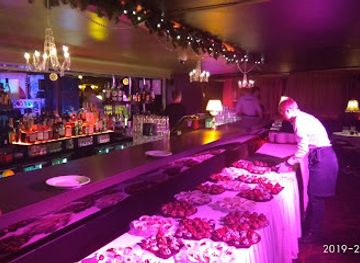
Evenings in the Abava River Valley are centred on pubs, cafés, guesthouse dining rooms and private gatherings rather than a substantial nightclub circuit. Kandava and Sabile offer the greatest choice of places to eat or have a drink, while rural accommodation may provide a quieter setting for local beer, wine or conversation. Live music and seasonal cultural events can add occasional evening activity, but programmes vary and should be checked locally. Visitors interested in the valley’s viticulture may encounter locally made grape products or wine-themed events around Sabile, although these are part of a small regional tradition rather than an extensive tasting industry. After dark, the countryside becomes notably quiet, with limited transport between settlements, so anyone staying outside the towns should arrange a return journey in advance. The area’s evening appeal lies chiefly in landscape, food and local hospitality rather than late-night entertainment.
-
Bistro
LIDO Vērmanītis
Experience authentic Latvian cuisine in a vibrant bistro setting at LIDO Vērmanītis in Riga, perfect for every foodie traveler.
-
Bistro
LIDO Spice
Discover LIDO Spice in Riga, where authentic Latvian flavors meet a cozy bistro atmosphere for an unforgettable dining experience.
-
Self service restaurant
Lido Dzirnavas
Experience authentic Latvian cuisine in a friendly bistro setting at Lido Dzirnavas, a top self-service restaurant in Riga.
-
Ravine
Abava valley
Explore the enchanting Abava Valley, a serene park in Latvia offering stunning landscapes, picnic spots, and a rich natural environment for outdoor enthusiasts.


Best nightclubs in Abava River Valley
Evenings in the Abava River Valley are centred on pubs, cafés, guesthouse dining rooms and private gatherings rather than a substantial nightclub circuit. Kandava and Sabile offer the greatest choice of places to eat or have a drink, while rural accommodation may provide a quieter setting for local beer, wine or conversation. Live music and seasonal cultural events can add occasional evening activity, but programmes vary and should be checked locally. Visitors interested in the valley’s viticulture may encounter locally made grape products or wine-themed events around Sabile, although these are part of a small regional tradition rather than an extensive tasting industry. After dark, the countryside becomes notably quiet, with limited transport between settlements, so anyone staying outside the towns should arrange a return journey in advance. The area’s evening appeal lies chiefly in landscape, food and local hospitality rather than late-night entertainment.
-
Karaoke bar
Friends club
Discover the vibrant nightlife at Friends Club, Riga's premier karaoke bar, where fun and entertainment await every visitor.
-
Bar
DM Bar Riga
Discover the vibrant nightlife of Riga at DM Bar, where delicious drinks and a lively atmosphere await you.
-
Night club
FIRST Club
Discover the vibrant nightlife at FIRST Club in Riga, where electrifying music and live performances create an unforgettable experience.
-
Night club
TOP Club Riga
Experience the electric ambiance at TOP Club Riga, the ultimate night club destination for a thrilling night out in the heart of Latvia.


Best shops in Abava River Valley
Shopping in the Abava River Valley is concentrated in the small towns of Kandava and Sabile, where everyday shops, cafés and independent businesses serve local communities rather than sustaining a large tourist retail quarter. Visitors may find regional food, rye bread, preserves, honey, herbal products, baked goods and drinks from small producers, particularly during seasonal events or at local markets. Sabile is the natural place to look for products connected with its grape-growing identity, while craft items, ceramics, textiles, woodwork and small artworks may appear through galleries, cultural venues or producer stalls. The countryside has no extensive designer-shopping scene, so purchases are more likely to be useful, handmade or edible than luxury-oriented. Opening arrangements can be limited outside the main season, and some producers sell directly or by prior agreement. A responsible souvenir is one that supports a local maker without removing plants, stones or archaeological material from the protected valley.
-
Shopping mall
Gallery Centre, Shopping mall
Discover the dynamic shopping experience at Gallery Centre in Riga, where trendy fashion meets delicious dining in a vibrant atmosphere.
-
Shopping mall
Mols
Discover Mols, a premier shopping mall in Riga, where local charm meets international flair for an unforgettable retail experience.
-
Shopping mall
Liiba
Experience a vibrant shopping atmosphere at Liiba in Ķekava, where diverse stores meet delightful dining and entertainment options.
-
Ravine
Abava valley
Discover the stunning landscapes and rich history of Abava Valley, a premier park and tourist attraction in Latvia, perfect for nature lovers and adventure seekers.



Get your free copy of our complete guide to Abava River Valley, delivered straight to you.
Everything on this page, from attractions and restaurants to essentials and local phrases, in one PDF you can read offline, print or share.
Already have an account? Sign in
Your Abava River Valley guide is ready.
We'll send it to · Not you? Sign out

Getting your guide ready…
We are putting together a fresh copy of the Abava River Valley guide. This can take up to a minute.
This can take a few moments. If your browser asks, choose Allow so the download can start. You'll find the guide in your Downloads folder.
Nothing happened? Download it again
Sorry, the guide is taking longer than usual. Please try again in a minute, or get it by email instead.
Abava River Valley essentials
Currency and Payment
Safety
Emergency Situations
Do's and Don'ts
Local Tips
From Eve
Local phrases worth knowing
You don't need to get them perfect. A few words go a long way, and locals appreciate the effort.
Basics
| English | Local | Say it |
|---|---|---|
| Hello | Sveiki | [sveh-kee] |
| Goodbye | Uz redzēšanos | [ooz reh-dzay-shah-nos] |
| Yes | Jā | [yah] |
| No | Nē | [neh] |
| Please/You're welcome | Lūdzu | [lood-zoo] |
| Thank you | Paldies | [pahl-dyehs] |
| Excuse me/Sorry | Atvainojiet | [aht-vai-noh-yet] |
| How are you? | Kā tev klājas? | [kah tehv klah-yahs] |
| Fine. And you? | Labi. Un tu? | [lah-bee. Oon too?] |
| Do you speak English? | Vai tu runā angliski? | [vai too roo-nah ahn-glis-kee?] |
| I don't understand | Es nesaprotu | [ehs neh-sah-proh-too] |
Eating & Drinking
| English | Local | Say it |
|---|---|---|
| I'd like to see the menu, please | Es vēlētos redzēt ēdienkarti, lūdzu | [ehs veh-leh-tohs reh-dzeht eh-dee-en-kahr-tee, lood-zoo] |
| I don't eat meat | Es neēdu gaļu | [ehs neh-eh-doo gah-loo] |
| Cheers! | Priekā! | [pree-kah] |
| I would like to pay, please | Es vēlētos samaksāt, lūdzu | [ehs veh-leh-tohs sah-mahk-saht, lood-zoo] |
Emergencies
| English | Local | Say it |
|---|---|---|
| Help! | Palīdziet! | [pahl-eed-zee-et] |
| Go away! | Aizveries! | [aiz-vair-ee-es] |
| Call the Police! | Zvaniet policiju! | [zvah-nee-et poh-li-tsi-yoo] |
| Call a doctor! | Zvaniet ārstu! | [zvah-nee-et ahr-stoo] |
| I'm lost | Es esmu pazaudējis | [ehs es-moo pah-zow-day-ees] |
| I'm ill | Es esmu slims | [ehs es-moo sleems] |
Shopping
| English | Local | Say it |
|---|---|---|
| I'd like to buy... | Es vēlētos nopirkt... | [ehs veh-leh-tohs noh-peerkt] |
| I'm just looking | Es tikai skatos | [ehs tee-kah-ee skah-tohs] |
| How much is it? | Cik tas maksā? | [tsik tahs mahk-sah] |
| That's too expensive | Tas ir pārāk dārgs | [tahs eer pah-rahk dahrgs] |
| Can you lower the price? | Vai tu vari pazemināt cenu? | [vai too vah-ree pah-zeh-mee-naht tseh-noo] |
Time & Numbers
| English | Local | Say it |
|---|---|---|
| What time is it? | Cik ir pulkstenis? | [tsik eer poolk-steh-nis] |
| It's one o'clock | Ir viena stunda | [eer vee-eh-nah stoon-dah] |
| Half past (10) | Pusstundas (10) | [poos-stoon-dahs (10)] |
| Morning | Rīts | [reetz] |
| Afternoon | Pēcpusdiena | [payt-poos-dee-nah] |
| Evening | Vakars | [vah-kahrs] |
| Yesterday | Vakar | [vah-kar] |
| Today | Šodien | [shoh-dyehn] |
| Tomorrow | Rīt | [reet] |
| 1 | 1 | [1] |
| 2 | 2 | [2] |
| 3 | 3 | [3] |
| 4 | 4 | [4] |
| 5 | 5 | [5] |
| 6 | 6 | [6] |
| 7 | 7 | [7] |
| 8 | 8 | [8] |
| 9 | 9 | [9] |
| 10 | 10 | [10] |
Transport & Directions
| English | Local | Say it |
|---|---|---|
| Where's a/the...? | Kur ir...? | [koor eer...?] |
| What's the address? | Kāda ir adrese? | [kah-dah eer ah-dreh-seh?] |
| Can you show me (on the map)? | Vai tu vari man parādīt (uz kartes)? | [vai too vah-ree mahn pah-rah-deet (ooz kar-tes)?] |
| When's the next (bus)? | Kad ir nākamais (autobuss)? | [kahd eer nah-kah-mice (ow-toh-booss)?] |
| A ticket (to ....) | Biļete (uz ....) | [bee-lyeh-teh (ooz ....)] |
History of Abava River Valley
Prehistoric Settlement and Hillfort Landscapes
The Abava Valley contains archaeological evidence of long-term human settlement, including hillforts and associated sites on the valley’s higher ground. These locations took advantage of natural slopes, river access and defensible positions, reflecting the importance of the Abava corridor before written records. The hillfort landscape belongs to the wider archaeological history of Kurzeme, where communities farmed, traded and maintained links along river routes. Earthworks and elevated sites are often subtle in the modern landscape, so visitors should treat them as protected heritage rather than simply as viewpoints or recreation areas.
Medieval Trade and the Growth of Kandava
Kandava developed as a settlement connected with medieval regional communications and the wider political world of the Livonian Confederation. Its position near the Abava and routes across western Latvia helped it serve as a local administrative and trading centre. The town’s name and history are closely associated with the former Kandava castle area, although the surviving urban environment is more modest than a fully preserved medieval fortress town. The modern streetscape, church and remaining historic buildings represent later layers built upon this medieval foundation.
Sabile as a Market and Craft Settlement
Sabile grew as a settlement on the valley route and became an important local centre for agricultural exchange and crafts. Its development was shaped by the changing political authorities that governed Kurzeme and by the connections between rural estates, market towns and river corridors. The town’s historic identity remains visible in its compact centre, local traditions and relationship with the surrounding slopes. Sabile’s later reputation for grape growing added a distinctive cultural association to an already established settlement history.
Manors, Lutheran Communities and Rural Estate Culture
From the early modern period into the nineteenth century, the Abava Valley was organised through estates, farms, churches and small market towns. Manor lands influenced agriculture, forestry and settlement patterns, while Lutheran congregations shaped community life in many parts of Kurzeme. Estate buildings and parkland remnants survive unevenly, often integrated into working rural landscapes rather than preserved as isolated monuments. This period left the valley with a mixture of manor traditions, farm architecture, church heritage and land divisions that still influence how the countryside is experienced.
Agriculture, Viticulture and Local Enterprise
The valley’s sheltered slopes and varied soils encouraged small-scale cultivation alongside the dominant rural economy of fields, meadows and livestock. Sabile became particularly associated with grape growing, a tradition commemorated by the Wine Hill and by local celebrations. The scale of production has never made the valley comparable with Europe’s major wine regions; its significance is cultural and local. Orchards, gardens, food production and rural hospitality continue to express the persistence of small enterprise in a landscape where agriculture and tourism overlap.
Twentieth-Century Change and Protected Landscapes
The twentieth century brought Latvia’s independence, wartime upheaval, Soviet rule and the restoration of independence in 1991. Rural estates and farms were reorganised, industries changed and some settlements lost population, while historic buildings experienced periods of neglect and renewal. Growing recognition of the valley’s geological, ecological and cultural value led to landscape protection and the development of the Abava Valley Nature Park. Contemporary projects such as the Pedvale Open-Air Art Museum reflect a newer approach in which heritage, art and open countryside are interpreted together.
Abava River Valley in Photos
Browse through our photo collection highlighting the charm and character of the destination.
Neighbouring regions of Abava River Valley
The closest regions to Abava River Valley, if you have time for more than one.
-

-

-

-

-


Swipe for more regions
Explore more

Explore more of Latvia
Explore Latvia: A Baltic treasure with rich history, stunning landscapes, vibrant festivals, and warm hospitality. Discover Riga's charm and Latvia's natural beauty.
Explore Latvia