Gola Forest National Park: A Biodiversity Hotspot
Explore the Gola Forest National Park, a West African biodiversity hotspot with rare wildlife, lush rainforest, and community-based ecotourism.
Straddling the border between Liberia and Sierra Leone, the Gola Forest National Park is a crucial protected area and one of the largest remaining blocks of the Upper Guinean Rainforest. This biodiversity hotspot is home to diverse species of mammals, birds, amphibians, and trees.
A brief summary to Gola Forest National Park Research for Forest Ecosystems
- C88Q+VJ, Tima, LR
Local tips
- The best time to visit Gola is during the dry season (November to April) for more accessible trails and pleasant weather.
- Book your visit in advance to arrange permits, guides, accommodation, and food.
- A 4WD vehicle is recommended to access the park due to unpaved roads.
- Engage with local communities through village stays to learn about their culture and support ecotourism.
- Bring binoculars and patience for wildlife spotting, especially for elusive species like the pygmy hippo.

Getting There
-
Driving
Travelers visiting Gola Rainforest National Park will need a 4WD vehicle to access the park. For detailed directions to the main entry points, contact the GRNP headquarters before visiting. Roads leading to the park are unpaved. GRNP can help arrange vehicles or motorcycle taxis if needed.
-
Public Transport
To get to Gola National Park in Liberia, catch a public taxi from Monrovia to Tappita. From there, arrange for a local guide or transportation to the park entrance. Contact the park headquarters for the most up-to-date information on transportation options and road conditions.
-
Other
All visitors entering the park must be accompanied by national park staff and a community guide. Park Entrance Fee is $15 for international adults. A Community Development Fee is $15 for international adults. A Gola Rainforest National Park Guide is $6 per guide per day (required on all camping trips). A Community Guide is $3 per guide per day (required on all trips). Food is $10 per day for all meals.
Discover more about Gola Forest National Park Research for Forest Ecosystems
Iconic landmarks you can’t miss

Moa
71.6 km
Explore the serene Moa River, a perfect blend of tranquility and adventure in nature's embrace.

Send Sierra Leone
76.8 km
Explore Send Sierra Leone in Kenema: A hub for sustainable development, community empowerment, and cultural engagement in Sierra Leone.
Paloma Guest House & Restaurant
77.0 km
Discover the warmth of Sierra Leonean hospitality at Paloma Guest House & Restaurant, your cozy retreat in Kenema.
KENEMA
77.0 km
Explore the vibrant culture and breathtaking landscapes of Kenema, Sierra Leone's diamond capital, where adventure meets hospitality in every corner.
Kenema reservation Sierra Leone
77.0 km
Discover the serene beauty and cultural significance of Kenema Mosque, a must-visit spiritual site in the heart of Sierra Leone.
Tiwai Island
77.1 km
Explore Tiwai Island in Sierra Leone, a hidden gem of biodiversity and tranquility, perfect for nature lovers and adventure seekers alike. Discover its unique wildlife and rich culture.
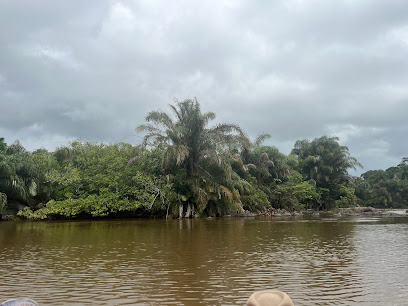
Bong Range
77.4 km
Discover the breathtaking Bong Range in Liberia, a mountain peak rich with natural beauty, diverse wildlife, and vibrant local culture for an unforgettable adventure.
Kenema Shopping Plaza
77.7 km
Experience the heart of Kenema at the Kenema Shopping Plaza, where vibrant shopping meets local culture and delicious dining options.
PALOMA GUEST HOUSE
78.0 km
Discover the charm of Kenema at Paloma Guest House, the perfect blend of comfort, convenience, and local culture in Sierra Leone.
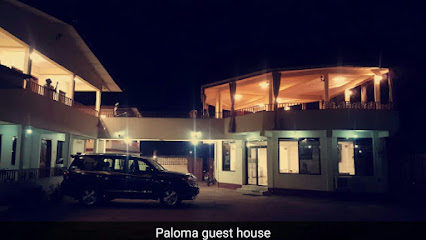
Capitol Hotel
78.0 km
Experience comfort and convenience at Capitol Hotel in Kenema, the perfect hub for your travels in Sierra Leone.
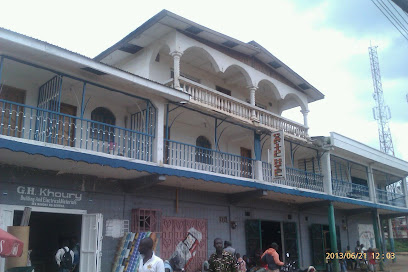
DORWAILA INN & SUITE
78.8 km
Experience the perfect blend of comfort and convenience at Dorwaila Inn & Suite in Kenema, a tranquil escape in Sierra Leone.
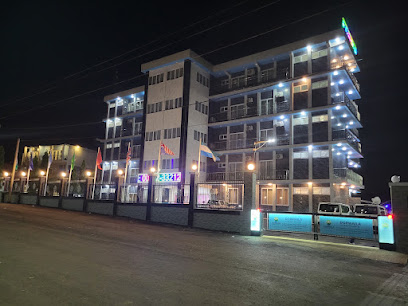
Bong Mines
79.4 km
Bong Mines: A hidden gem in Liberia offering a glimpse into mining history amidst breathtaking landscapes.
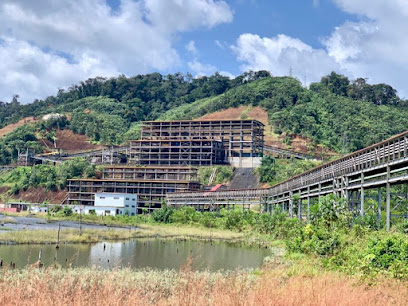
Lei
88.2 km
Discover the breathtaking beauty of Lei, a stunning mountain peak in Sierra Leone, offering adventures and serene escapes amidst nature's wonders.
Kailahun Clock tower
96.1 km
Experience the historical charm of the Kailahun Clock Tower, a stunning landmark that tells the story of Sierra Leone’s rich cultural heritage.
Unmissable attractions to see

Mayosso Wildlife Sanctuary
6.1 km
Discover Liberia's hidden gem: Mayosso Wildlife Sanctuary, a haven for diverse wildlife and untouched natural beauty.
Gola Rainforest National Park
34.1 km
Explore Gola Rainforest National Park, a breathtaking national park in Sierra Leone known for its rich biodiversity and stunning natural beauty.
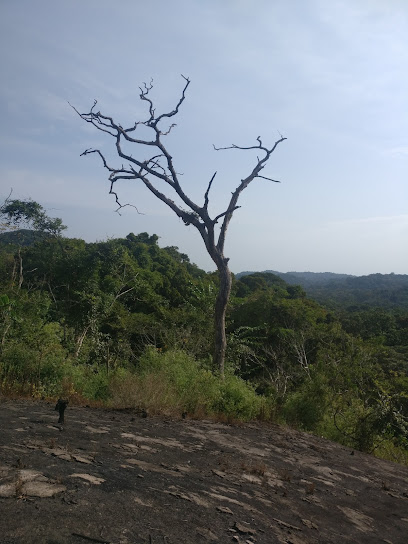
Miami beach, Lofa Bridge town Gola Konneh District Grand Cape Mount County
45.8 km
Experience the breathtaking beauty and rich culture of Lofa Bridge Town in Grand Cape Mount County, Liberia.
Gola National Forest
55.0 km
Explore Liberia's Gola National Forest: A biodiversity hotspot and key conservation area in the Upper Guinean rainforest.
Gola Rainforest National Park Head Office
75.5 km
Explore the Gola Rainforest National Park Head Office, your gateway to Sierra Leone's stunning biodiversity and conservation efforts.
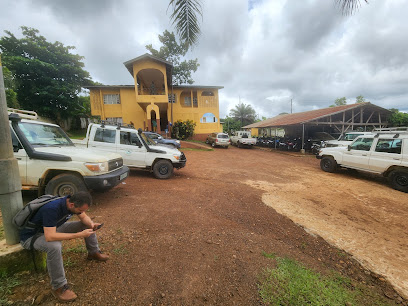
Kamboi Hills
75.6 km
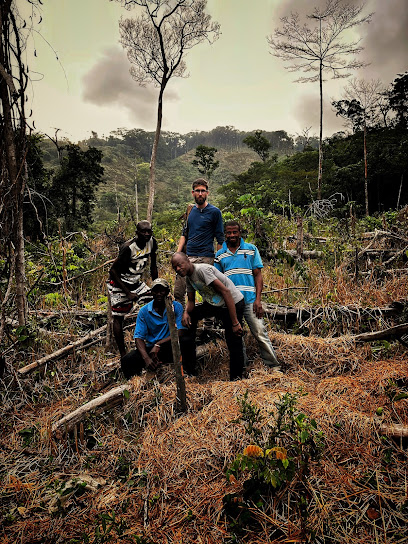
Discover Kamboi Hills: A National Forest in Sierra Leone Where Adventure Meets Tranquility Amidst Lush Greenery and Local Culture.
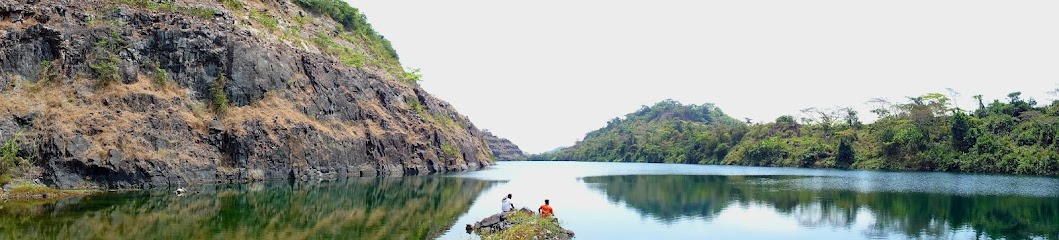
Bong Mine Blue Lake
76.1 km
Discover the stunning blue waters and serene landscapes of Bong Mine Blue Lake, a hidden gem offering adventure and tranquility in Liberia.
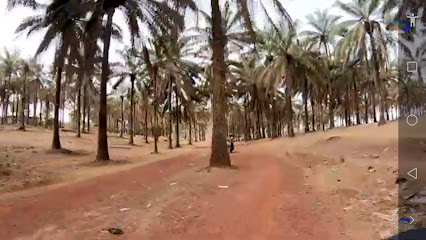
Kenema palmtree park
76.2 km
Experience the serene beauty of Kenema Palmtree Park, a tranquil escape in the heart of Kenema, Sierra Leone, perfect for relaxation and leisure.
Kenema Central Mosque 2
77.0 km
Discover the architectural beauty and cultural significance of Kenema Central Mosque, a serene spiritual retreat in the heart of Sierra Leone.
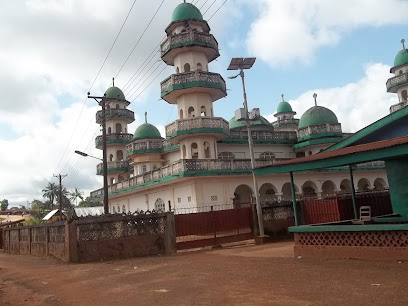
Tiwai Island Wildlife Sanctuary
78.1 km
Discover the breathtaking beauty and rich biodiversity of Tiwai Island Wildlife Sanctuary, a must-visit eco-tourism destination in Sierra Leone.
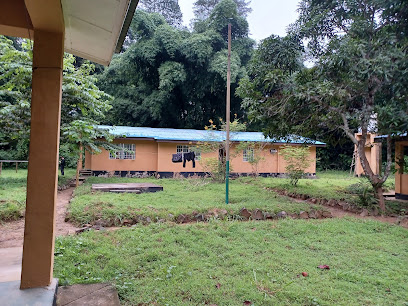
Eco Camp in Ghiuba to Tiwai Island
79.2 km
Experience the natural beauty and tranquility of Eco Camp at Ghiuba to Tiwai Island, a sustainable haven for eco-conscious travelers in Sierra Leone.
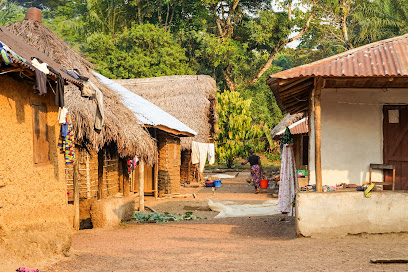
Gola Forest Reserve
79.8 km
Discover the breathtaking beauty and rich biodiversity of Gola Forest Reserve, a national treasure in Sierra Leone perfect for nature lovers and adventure seekers.
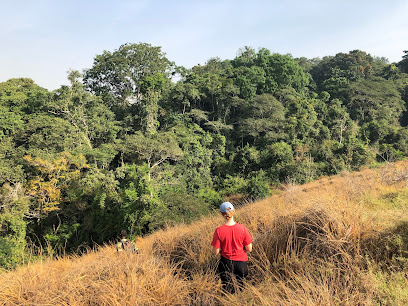
Tradin organic Sierra Leone.
81.1 km
Explore the lush landscapes of Tradin Organic Sierra Leone, a garden dedicated to sustainable practices and the beauty of local flora.
Kambui Hills Forest Reserve
88.0 km
Explore Kambui Hills Forest Reserve, a serene nature preserve in Sierra Leone offering stunning landscapes, rich wildlife, and peaceful hiking trails.
Klunah
95.1 km
Escape to Klunah Park in Weala, Liberia, for a tranquil retreat surrounded by lush greenery and natural beauty. Perfect for relaxation and picnics.
Essential places to dine

ARMANI Restaurant
77.0 km
Experience authentic Sierra Leonean flavors at ARMANI Restaurant, Blama's beloved soup kitchen offering hearty dishes and warm hospitality.
Adish Beach Bar
77.5 km
Experience vibrant beach vibes at Adish Beach Bar in Kenema—where local flavors meet stunning ocean views.
Goat modern
77.6 km
Discover Goat Modern in Kenema: A family-friendly restaurant offering delicious local cuisine in a welcoming atmosphere.
Charlie P. Investment
77.6 km
Experience the vibrant nightlife at Charlie P. Investment in Kenema, where local culture meets refreshing drinks in an inviting atmosphere.
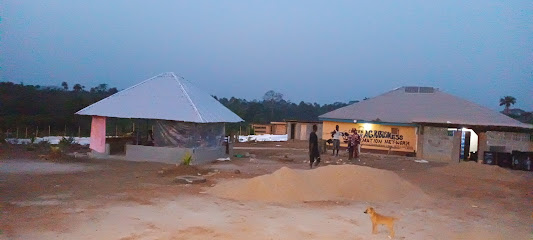
Food Master Restaurant & Bakery
77.7 km
Discover the flavors of Sierra Leone at Food Master Restaurant & Bakery in Kenema - where every meal is a delightful adventure!
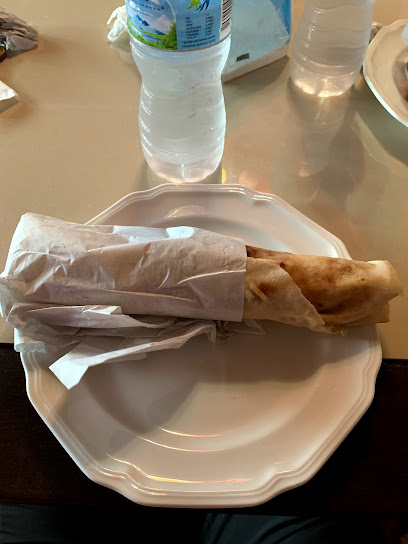
Unique
78.0 km
Discover Unique in Kenema: A delightful restaurant showcasing Sierra Leonean cuisine with fresh ingredients and warm hospitality.
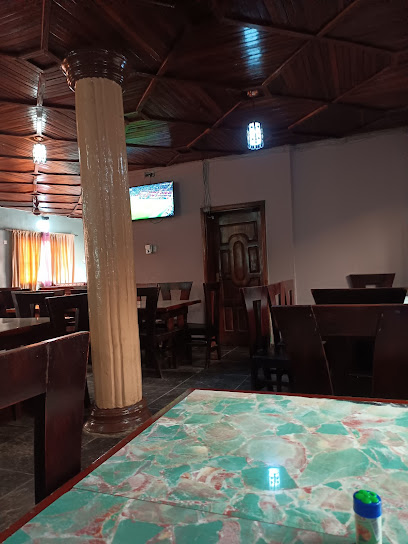
Goat Kingdom
78.0 km
Discover the flavors of Sierra Leone at Goat Kingdom - where culinary tradition meets vibrant atmosphere in Kenema.
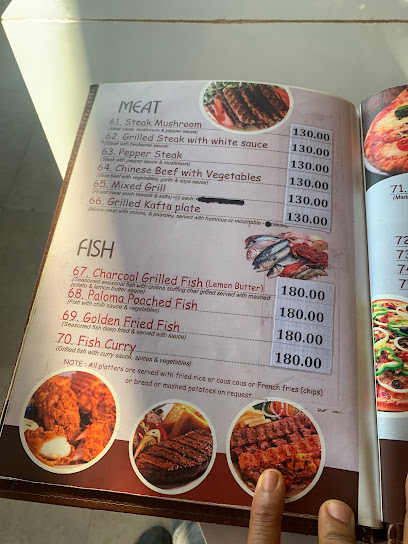
Business
78.0 km
Discover the rich flavors of Sierra Leonean coffee at this cozy Kenema café, where culture meets comfort in every cup.
ristorante pacciani
82.4 km
Discover authentic local cuisine at Ristorante Pacciani in Tanukoi Village, where every dish tells a story and every bite is a delight.
Noah Idriss
83.8 km
Experience authentic Sierra Leonean cuisine at Noah Idriss in Kenema – where local flavors meet warm hospitality.
Markets, malls and hidden boutiques

Saag store
44.6 km
Discover the authentic flavors of Liberia at Saag Store, Kalo's premier butcher shop offering fresh local meats and culinary insights.
Hope Medicine Store
63.1 km
Discover reliable healthcare at Hope Medicine Store, Tubmanburg's trusted pharmacy for tourists and locals alike.
Ah-Muchane Medicine Store
63.2 km
Ah-Muchane Medicine Store in Tubmanburg: Your Trusted Pharmacy for Health and Wellness while Exploring Liberia.
NeRAD -SL
67.8 km
Explore local culture and shop authentic Sierra Leonean goods at NeRAD Store in Segbwema - an essential stop for every traveler.
Watta Boima Retails, Baoma
75.0 km
Explore local flavors and culture at Watta Boima Retails, the go-to grocery store in Baoma, Sierra Leone, for an authentic shopping experience.
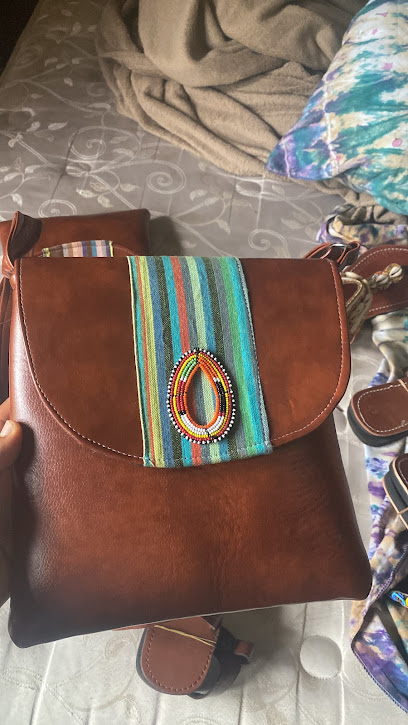
Sister Enterprise Second Street
75.1 km
Discover health and wellness at Sister Enterprise Second Street, your trusted pharmacy in Kenema for medications, health supplies, and personal care.
Shaw Man Enterprise
75.8 km
Discover Shaw Man Enterprise, your trusted pharmacy in Kenema for all health needs during your travels.
LAMIN & SON'S ENTERPRISE
76.3 km
Explore the rich craftsmanship of Sierra Leone at Lamin & Son's Enterprise, a premier building materials store in Kenema.
Shopright sierra Leone Freetown
76.9 km
Explore the vast electronics selection at Shopright Sierra Leone in Freetown, your one-stop shop for all tech needs.

Star Boy Fashion House
77.0 km
Explore unique fashion at Star Boy Fashion House in Kenema, where contemporary style meets local craftsmanship in a vibrant shopping experience.
Maggi kok’s business
77.0 km
Explore unique local crafts and fashion at Maggi Kok’s Boutique in Kenema, a must-visit for tourists seeking authentic Sierra Leonean treasures.
I D A golden
77.0 km
Experience local culture and unique craftsmanship at I D A Golden, a must-visit store in the heart of Kenema, Sierra Leone.
fishing enterprise
77.0 km
Experience local flavors at the Fishing Enterprise in Kenema, a vibrant supermarket offering fresh seafood and essential goods.
philip st HONEY
77.0 km
Experience the delightful taste of local Sierra Leonean pastries and breads at Philip St Honey Bakery in Kenema, a sweet stop for every traveler.
Salone Watta Enterprises
77.0 km
Explore Salone Watta Enterprises in Kenema - your gateway to local culture and unique shopping experiences in Sierra Leone.
Essential bars & hidden hideouts

Decakai Modern Entertainment Center
42.9 km
Discover the lively atmosphere and refreshing drinks at Decakai Modern Entertainment Center, the heart of nightlife in Bopolu, Liberia.
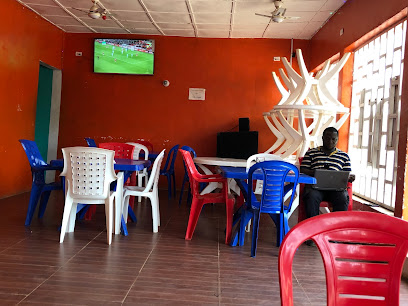
Fingers Bar And Restaurant
63.1 km
Discover the vibrant flavors of Liberia at Fingers Bar And Restaurant, a culinary gem in Tubmanburg offering traditional dishes and a warm atmosphere.
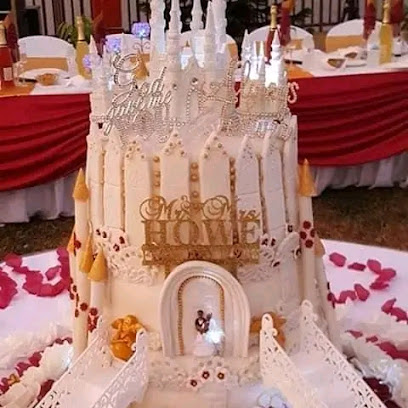
Planet 44 Night Ckub
63.5 km
Discover the lively atmosphere and vibrant culture at Planet 44 Night Club in Tubmanburg, a must-visit destination for nightlife lovers.
English
63.5 km
Experience the vibrant nightlife of Tubmanburg at this lively bar, where drinks, culture, and camaraderie come together in perfect harmony.
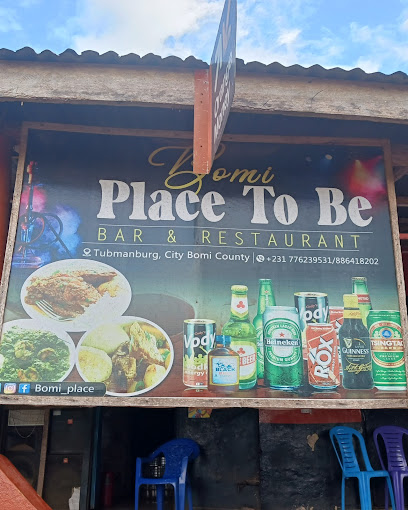
Bomi Place To Be Bar and Restaurant
63.9 km
Experience vibrant flavors and local culture at Bomi Place To Be, the premier bar and restaurant in Tubmanburg, Liberia.
Adish Beach VIP Pool Bar
77.0 km
Experience the vibrant atmosphere of Adish Beach VIP Pool Bar in Kenema, a perfect blend of relaxation, local delicacies, and stunning ocean views.
Karima night club
77.0 km
Discover the vibrant nightlife of Kenema at Karima Night Club, where music, dance, and unforgettable moments come together.
Hotel Albertson
78.0 km
Experience the vibrant culture of Kenema while enjoying the comfort and warmth of Hotel Albertson, your ideal retreat in Sierra Leone.