

Free Al Jufrah Travel Guide & Mobile App
Explore Al Jufrah with free travel guides. Discover regional history, expert tips, proposed trips, and audio guides on web or mobile app.


Explore Al Jufrah in central Libya for palm-filled oases, earthen old towns, Saharan history and the desert landscapes surrounding Hun, Waddan and Sokna.
Read more about Al Jufrah
When is the best time to visit Al Jufrah?
Best: March–April, October · 23–28°C| Month | High (°C) | Rainfall (mm) |
|---|---|---|
| January | 17 | 3 |
| February | 19 | 3 |
| March (best) | 23 | 2 |
| April (best) | 28 | 2 |
| May | 33 | 1 |
| June | 37 | 1 |
| July | 40 | 1 |
| August | 39 | 1 |
| September | 35 | 1 |
| October (best) | 28 | 2 |
| November | 22 | 2 |
| December | 16 | 3 |
Getting to and around Al Jufrah
How to get there
Transportation
Best landmarks in Al Jufrah
The old town of Waddan is among Al Jufrah’s most recognisable built landmarks, with earthen walls, narrow lanes and compact forms that express the defensive and climatic logic of a Saharan settlement. Hun’s historic quarters and surrounding palm groves provide a different but related landmark landscape, where traditional buildings stand beside the modern administrative town and cultivated oasis. Sokna is noted for its old settlement fabric and gardens, offering another perspective on the region’s architecture of mud brick, shade and limited water. The palm-filled basin itself is a geographical landmark: its green patches are sharply defined against the open desert and make visible the environmental foundations of urban life. Smaller historic sites around Zella and the wider oasis routes may be significant locally, but their condition, accessibility and interpretation vary. Many structures are fragile or privately used, so visitors should view them from public paths, seek permission and avoid climbing walls or entering buildings without a local escort.
-
Historical landmark
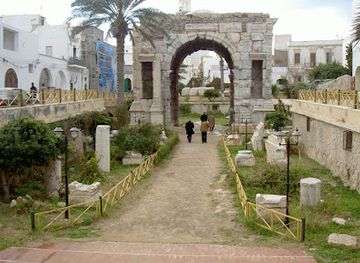
Arc of Marcus Aurelius
Explore the Arc of Marcus Aurelius in Tripoli, a magnificent historical landmark showcasing Roman heritage and architectural brilliance.
-
Zoo
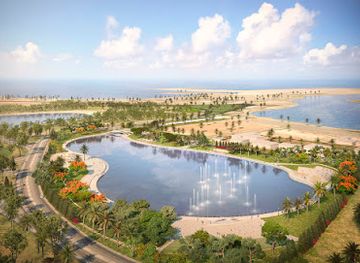
Benghazi Zoo
Explore Benghazi Zoo, a captivating destination for wildlife lovers, families, and nature enthusiasts in the heart of Libya's second-largest city.
-
Archaeological museum
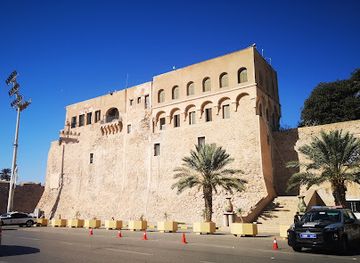
Saraya Museum
Explore the Saraya Museum in Tripoli, an archaeological marvel showcasing Libya's rich history and ancient artifacts in a beautiful setting.
-
National museum
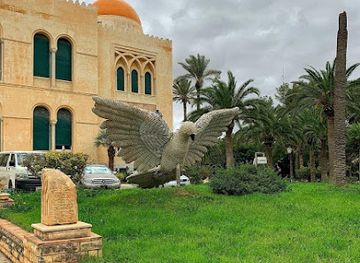
The Museum of Libya
Discover the rich cultural heritage of Libya at The Museum of Libya, a treasure trove of artifacts and history in the heart of Tripoli.
Explore Al Jufrah on the map
Plan your trip on one map. See where the top cities, national parks and sights are, and book hotels and experiences in a few clicks.
Best hotels in Al Jufrah
Best bars in Al Jufrah
Al Jufrah does not have a conventional bar and nightclub scene, and alcohol is prohibited in Libya. Evening life centres instead on family visits, cafés, tea, conversation and community gatherings, particularly in Hun and the other oasis towns. Cultural programming, poetry, music and traditional performance may become more prominent during Hun’s festival or other locally organised events, but dates and arrangements should be confirmed in advance. After dark, the region’s desert setting brings exceptionally open skies and quiet surroundings, although remote night excursions require a suitable vehicle, local guidance and careful security planning. Visitors should not assume that cafés remain open late or that entertainment is available every evening. Respect for residential neighbourhoods, religious observance and local expectations matters more than seeking a nightlife district; a calm evening around an oasis settlement often provides a more accurate impression of Al Jufrah’s social rhythm.
-
Restaurant
منصف بن صالح بن رابح
Savor authentic Libyan cuisine at منصف بن صالح بن رابح, a delightful restaurant where tradition meets taste in every dish.
-
Restaurant
شحات
Experience the authentic flavors of Libya in Shahat with a delightful culinary journey that showcases the region's rich heritage.
-
 Restaurant
ديار الامازيغ
Discover the vibrant culture of Libya at ديار الامازيغ, a lively bar in Zillah offering a unique blend of local drinks and welcoming hospitality.
-
Midncun's Spicy Nuclear Reactors
Discover the quirky allure of Midncun's Spicy Nuclear Reactors, a vibrant bar offering unique drinks and a lively atmosphere for tourists.
Best nightclubs in Al Jufrah
Al Jufrah does not have a conventional bar and nightclub scene, and alcohol is prohibited in Libya. Evening life centres instead on family visits, cafés, tea, conversation and community gatherings, particularly in Hun and the other oasis towns. Cultural programming, poetry, music and traditional performance may become more prominent during Hun’s festival or other locally organised events, but dates and arrangements should be confirmed in advance. After dark, the region’s desert setting brings exceptionally open skies and quiet surroundings, although remote night excursions require a suitable vehicle, local guidance and careful security planning. Visitors should not assume that cafés remain open late or that entertainment is available every evening. Respect for residential neighbourhoods, religious observance and local expectations matters more than seeking a nightlife district; a calm evening around an oasis settlement often provides a more accurate impression of Al Jufrah’s social rhythm.
-
Night club
قصار خيار
Experience the electrifying nightlife at قصار خيار, Libya's premier night club, where music, dance, and culture unite.
Best shops in Al Jufrah
Shopping in Al Jufrah is practical and locally oriented rather than centred on large retail centres. Small town shops and markets provide everyday supplies, while oasis communities are associated with dates and other products of palm cultivation when available. Visitors may find woven goods, household crafts, embroidered items or other locally made products through personal introductions, cultural events and small traders, although selection and availability vary. Hun is the most useful place for arranging basic provisions before visiting Waddan, Sokna or more remote sites. Regional food products make more appropriate souvenirs than fragile architectural fragments: buy dates, spices or craft items through recognised sellers and check that anything made from plant or animal materials can legally be taken across borders. Bargaining may occur in informal markets, but it should remain courteous and proportionate. Do not purchase archaeological objects, old building materials or stones claimed to come from desert sites, since their provenance may be illicit and their removal damages Libya’s heritage.
-
Electronics store
Computer Services Center
Explore the Computer Services Center in Al-Ruhaybat for diverse electronics and tech support, enhancing your travel experience with local innovations.
-
Bakery
Nafson kurfuwa
Discover the delightful flavors of Nafson Kurfuwa, a bakery in Libya offering traditional pastries and fresh, artisanal bread.
-
احبك A
Explore the heart of Libyan craftsmanship at احبك A, a unique store offering authentic local products and a glimpse into the culture.
-
Jawhara mall
Explore Jawhara Mall in Gorji for a vibrant shopping experience filled with local culture, diverse stores, and delightful dining options.
Get your free copy of our complete guide to Al Jufrah, delivered straight to you.
Everything on this page, from attractions and restaurants to essentials and local phrases, in one PDF you can read offline, print or share.
Already have an account? Sign in
Your Al Jufrah guide is ready.
We'll send it to · Not you? Sign out

Getting your guide ready…
We are putting together a fresh copy of the Al Jufrah guide. This can take up to a minute.
This can take a few moments. If your browser asks, choose Allow so the download can start. You'll find the guide in your Downloads folder.
Nothing happened? Download it again
Sorry, the guide is taking longer than usual. Please try again in a minute, or get it by email instead.
Al Jufrah essentials
Currency and Payment
Safety
Emergency Situations
Do's and Don'ts
Local Tips
From Eve
Local phrases worth knowing
You don't need to get them perfect. A few words go a long way, and locals appreciate the effort.
Basics
| English | Local | Say it |
|---|---|---|
| Hello | سلام | [Salam] |
| Goodbye | مع السلامة | [Ma'a as-salama] |
| Yes | نعم | [Na'am] |
| No | لا | [La] |
| Please/You're welcome | تفضل | [Tafaddal] |
| Thank you | شكرا | [Shukran] |
| Excuse me/Sorry | عفوا | [Afwan] |
| How are you? | كيف حالك؟ | [Kayfa halak?] |
| Fine. And you? | بخير، وأنت؟ | [Bikhayr, wa anta?] |
| Do you speak English? | هل تتكلم الإنجليزية؟ | [Hal tatakallam al-ingliziyya?] |
| I don't understand | لا أفهم | [La afham] |
Eating & Drinking
| English | Local | Say it |
|---|---|---|
| I'd like to see the menu, please | أود رؤية القائمة، من فضلك | [Awad ru'yat al-qa'ima, min fadlik] |
| I don't eat meat | لا أكل اللحم | [La akul al-lahm] |
| Cheers! | في صحتك! | [Fi sihtak!] |
| I would like to pay, please | أود الدفع، من فضلك | [Awad ad-daf', min fadlik] |
Emergencies
| English | Local | Say it |
|---|---|---|
| Help! | نجدة! | [Najda!] |
| Go away! | ابتعد! | [Ibt'id!] |
| Call the Police! | اتصل بالشرطة! | [Ittasil bil-shurta!] |
| Call a doctor! | اتصل بطبيب! | [Ittasil bi-tabib!] |
| I'm lost | أنا ضائع | [Ana dai'a] |
| I'm ill | أنا مريض | [Ana marid] |
Shopping
| English | Local | Say it |
|---|---|---|
| I'd like to buy... | أود شراء... | [Awad shira...] |
| I'm just looking | أنا فقط أشاهد | [Ana faqat ushaahid] |
| How much is it? | كم ثمنه؟ | [Kam thamanuh?] |
| That's too expensive | هذا مكلف جدا | [Hatha mukallaf jidan] |
| Can you lower the price? | هل يمكنك تخفيض السعر؟ | [Hal yumkinuka takhfid as-si'r?] |
Time & Numbers
| English | Local | Say it |
|---|---|---|
| What time is it? | كم الساعة؟ | [Kam as-saa'a?] |
| It's one o'clock | الساعة الواحدة | [As-saa'a al-wahidah] |
| Half past (10) | نصف (10) | [Nisf (10)] |
| Morning | صباحا | [Sabahan] |
| Afternoon | بعد الظهر | [Ba'd al-zuhur] |
| Evening | مساء | [Masa'a] |
| Yesterday | أمس | [Ams] |
| Today | اليوم | [Al-yawm] |
| Tomorrow | غدا | [Ghadan] |
| 1 | 1 | [1] |
| 2 | 2 | [2] |
| 3 | 3 | [3] |
| 4 | 4 | [4] |
| 5 | 5 | [5] |
| 6 | 6 | [6] |
| 7 | 7 | [7] |
| 8 | 8 | [8] |
| 9 | 9 | [9] |
| 10 | 10 | [10] |
Transport & Directions
| English | Local | Say it |
|---|---|---|
| Where's a/the...? | أين ...؟ | [Ayn ...?] |
| What's the address? | ما هو العنوان؟ | [Ma huwa al-'unwan?] |
| Can you show me (on the map)? | هل يمكنك أن تريني (على الخريطة)؟ | [Hal yumkinuka an turini (ala al-kharita)?] |
| When's the next (bus)? | متى تكون الحافلة التالية؟ | [Mata takun al-hafila at-taliya?] |
| A ticket (to ....) | تذكرة (إلى ...) | [Tadhkira (ila ...)] |
History of Al Jufrah
Early Oasis Settlement and Saharan Exchange
Al Jufrah’s history begins with the settlement of springs and cultivable pockets within the central Libyan desert. Palm cultivation and small-scale agriculture depended on careful use of groundwater, while the oasis basin offered reliable stopping places for travel across the Sahara. Although the archaeological record is less widely known internationally than that of the Fezzan, the region formed part of wider networks carrying people, animals, foodstuffs and manufactured goods between the Mediterranean, the interior and the routes leading towards Lake Chad. The survival of settled oasis communities reflects this long relationship between water, cultivation and movement.
Garamantian and Later Trans-Saharan Connections
The Garamantian civilisation, centred principally in the Fezzan, influenced much of the central Sahara through agriculture, settlement and long-distance exchange during antiquity. Al Jufrah was not the Garamantian heartland, but its oases lay within the broad Saharan world connected to those networks. Later communities continued to use desert routes that linked the region with southern Libya and the Mediterranean coast. These connections helped sustain oasis life and explain why settlements such as Waddan, Hun and Sokna developed as more than isolated agricultural villages.
Islamisation and Medieval Oasis Towns
The spread of Islam across North Africa transformed the religious and political landscape of Al Jufrah, while Arabic became increasingly important in administration, scholarship and trade. Medieval oasis towns developed defensive and communal forms suited to the desert: compact earthen quarters, shaded lanes, storage areas and cultivated gardens close to water sources. Waddan became particularly prominent in regional history, and the wider oasis basin served as a meeting point for routes crossing central Libya. Mosques, domestic compounds and traditional building methods remain among the clearest visible traces of this era.
Ottoman Rule and Caravan Commerce
From the sixteenth century, Ottoman authority was established in much of coastal Libya, though effective control varied greatly across the interior. Al Jufrah’s oasis settlements retained importance because they were connected to caravan movement and local systems of authority rather than relying solely on direct coastal administration. Trade in livestock, dates and other goods linked the region with Fezzan, the Gulf of Sirte and northern markets. The period also reinforced the political value of controlling wells, routes and fortified settlements in an environment where access to water determined the viability of travel.
Italian Colonial Rule and the Libyan Resistance
Italy invaded Ottoman Libya in 1911 and gradually extended its colonial control inland, although resistance and weak communications made the desert difficult to govern. Al Jufrah and nearby central Libyan routes became part of the wider contest between Italian forces and local resistance networks. Colonial rule brought military installations, administrative changes and attempts to control movement, while also disrupting established political and commercial relationships. The memory of resistance to Italian occupation remains part of the broader national history of Libya, even where surviving colonial structures are less prominent than the region’s older oasis architecture.
The Second World War and the Strategic Desert
During the Second World War, Libya became a major theatre of conflict, principally along the coast and in the eastern and western desert approaches. Central oasis routes such as those through Al Jufrah had strategic value because they provided movement corridors, landing grounds and access between separated parts of the country, even when they were distant from the best-known battles around Cyrenaica and Tripolitania. Wartime activity contributed to the militarisation of parts of the interior. Contemporary visitors should therefore avoid military sites and restricted areas, many of which may remain politically or physically sensitive.
Modern Al Jufrah and Cultural Continuity
Since Libya’s independence, Al Jufrah has remained a sparsely populated region whose towns depend on oasis agriculture, public services, local commerce and links with larger Libyan cities. Hun has developed a particular cultural profile through its festival, which brings attention to literature, performance and traditional expression. At the same time, migration, changing transport patterns and political instability have altered the role of the old caravan towns. The region’s contemporary identity therefore combines modern administrative life with enduring practices of palm cultivation, hospitality, craft and community management of oasis environments.
Al Jufrah in Photos
Browse through our photo collection highlighting the charm and character of the destination.
Neighbouring regions of Al Jufrah
The closest regions to Al Jufrah, if you have time for more than one.
-

-

-

-

-


Swipe for more regions
Explore more

Explore more of Libya
Discover Libya: Ancient ruins, vast deserts, and Mediterranean charm await in this North African gem.
Explore Libya