

Free Sabha Travel Guide & Mobile App
Explore Sabha with free travel guides. Discover regional history, expert tips, proposed trips, and audio guides on web or mobile app.


Sabha introduces Libya’s Fezzan through oasis landscapes, desert history, trans-Saharan culture and access to remarkable archaeological regions.
Read more about Sabha
When is the best time to visit Sabha?
Best: February–March, November · 22–28°C| Month | High (°C) | Rainfall (mm) |
|---|---|---|
| January | 19 | 1 |
| February (best) | 22 | 1 |
| March (best) | 28 | 1 |
| April | 33 | 1 |
| May | 37 | 1 |
| June | 40 | 0 |
| July | 41 | 0 |
| August | 41 | 0 |
| September | 37 | 1 |
| October | 31 | 1 |
| November (best) | 25 | 1 |
| December | 20 | 1 |
Getting to and around Sabha
How to get there
Transportation
Best attractions in Sabha
Sabha’s attractions are primarily historical, geographical and cultural rather than purpose-built for mass tourism. The city’s old fortress, commonly called Sabha Castle or Qasr Sabha, provides a visible reminder of the oasis’s strategic role and is best understood with local guidance. Palm groves, irrigated gardens and the edges of the desert offer a close view of how settlement and agriculture depend on scarce groundwater. Markets and everyday urban life are also part of the experience, although visitors should remain discreet and respect local privacy. The wider Fezzan supplies the most significant excursions: Germa and the ancient Garamantian landscape lie west of Sabha, while the Ubari area and Tadrart Acacus are farther afield, outside the city and requiring dedicated desert logistics. Their archaeological remains, dunes, rock formations, ancient art and oasis environments should not be approached as casual day trips. Sabha may also serve as a practical staging point for travellers studying Saharan history, caravan routes and contemporary southern Libyan communities. Because access, permissions and security conditions are changeable, the attraction landscape is best approached through a carefully planned, locally supported itinerary rather than an independent sightseeing schedule.
-
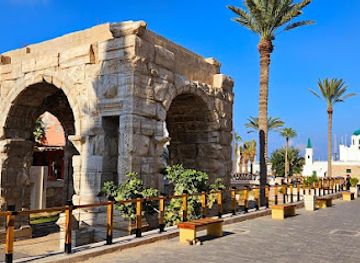
Arc of Marcus Aurelius
Discover the Roman legacy in Libya: the Arch of Marcus Aurelius, a majestic monument in Tripoli's Old City, rich in history and architectural beauty.
-
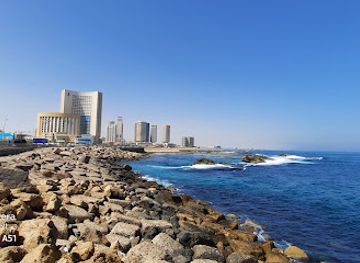
Grand Park Tuesday Market
Experience Tripoli's vibrant culture at Grand Park Tuesday Market: a weekly celebration of local crafts, cuisine, and community spirit.
-
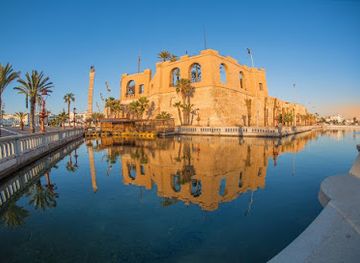
Saraya Museum
Explore the Saraya Museum in Tripoli, a gateway to Libya's rich archaeological heritage and cultural history.
-
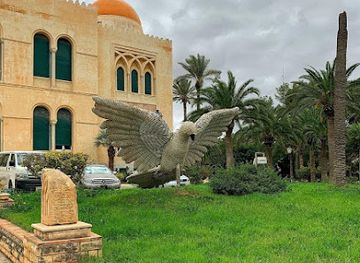
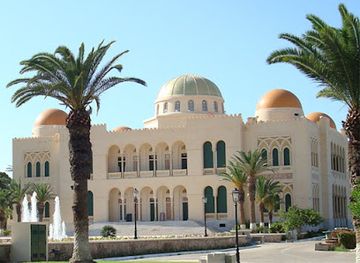
The Museum of Libya
Explore Libya's rich history at The Museum of Libya in Tripoli, where ancient artifacts meet cutting-edge technology for an unforgettable experience.
Best landmarks in Sabha
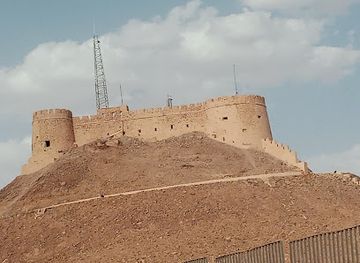
The principal built landmark in Sabha is the fortress known as Sabha Castle or Qasr Sabha, a substantial reminder of the city’s defensive and administrative importance within the Fezzan. Its significance lies in its relationship to oasis control, caravan movement and changing political authority, although its condition and accessibility should be confirmed locally before visiting. The surrounding palm groves and cultivated areas are landmarks of a different kind: they mark the boundary between irrigated settlement and open Sahara and reveal the environmental basis of urban life. Beyond Sabha, the wider historical landscape includes the ancient Garamantian centre at Germa, west of the city, but it is not a Sabha landmark and requires a separate journey. The open desert itself, with dunes, gravel plains and distant rocky escarpments, is central to the region’s visual identity, yet remote landscapes must be approached with proper vehicles, water, navigation and security support. Visitors should never climb, enter or photograph restricted structures without permission, and archaeological remains should be left undisturbed.
-
Historical landmark
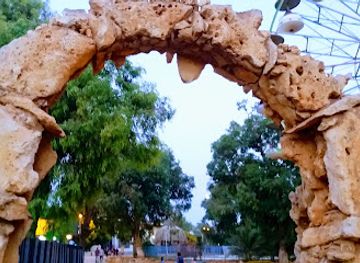
Arc of Marcus Aurelius
Discover the timeless beauty of the Arc of Marcus Aurelius in Tripoli, a remarkable historical landmark steeped in Roman history and culture.
-
Zoo
Benghazi Zoo
Discover the enchanting world of wildlife at Benghazi Zoo, a must-visit destination for families and animal lovers exploring Libya.
-
Archaeological museum
Saraya Museum
Explore the Saraya Museum in Tripoli, an archaeological gem showcasing Libya's rich history through captivating exhibits and stunning artifacts.
-
National museum
The Museum of Libya
Explore the rich heritage of Libya at The Museum of Libya, a treasure trove of artifacts showcasing the nation's vibrant history and culture.


Explore Sabha on the map
Plan your trip on one map. See where the top cities, national parks and sights are, and book hotels and experiences in a few clicks.
Best hotels in Sabha
Best restaurants in Sabha
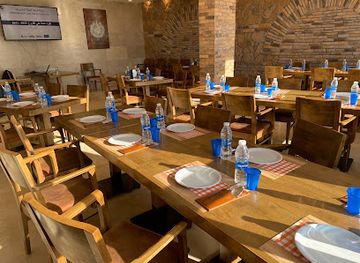
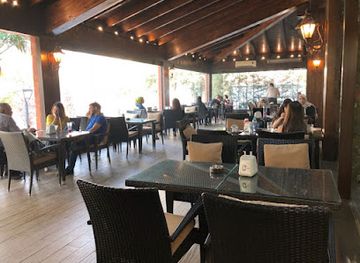
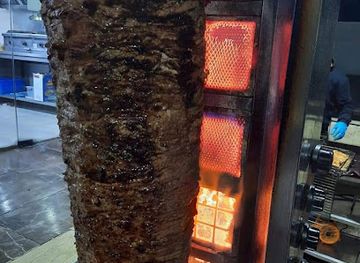
Sabha’s dining scene is modest and locally oriented, centred on cafés, simple restaurants and food served in private or family settings rather than internationally marketed venues. Meals commonly draw on wider Libyan and Saharan traditions, with couscous, rice, soups, grilled meats, flatbreads, dates and strong tea forming familiar elements of local eating. Oasis agriculture supports the use of dates and other cultivated produce, while supplies in the inland city depend partly on road connections from elsewhere in Libya. Visitors may encounter dishes and methods associated with Arab, Tebu and Tuareg communities, although food traditions vary between households and should not be presented as a single uniform cuisine. Markets can be useful for seeing dates, spices, bread and everyday provisions, but hygiene standards and availability differ. Alcohol is not part of ordinary public dining. Restaurants may have irregular opening arrangements and limited English-language information, so local contacts are valuable for identifying suitable places and understanding customary meal times. Dietary requirements should be explained clearly, and travellers should carry dependable snacks and water for long journeys beyond the city.
-
Lebanese
Fattoush Lebanese Restaurant
Experience authentic Lebanese cuisine at Fattoush Restaurant in Tripoli – a must-visit for food lovers seeking rich flavors and warm hospitality.
-
Italian
Punto Alto
Experience authentic Italian flavors at Punto Alto in Tripoli, where culinary excellence meets warm hospitality.
-
Seafood
Rubian Restuarant
Experience the finest seafood dishes at Rubian Restaurant in Tripoli - where Mediterranean flavors come alive.
-
Restaurant
La Plaka
Experience authentic Lebanese flavors at La Plaka in Tripoli - where culinary tradition meets modern dining.


Best bars in Sabha
Sabha does not have a conventional bar and nightclub scene, and alcohol-focused nightlife is not a feature of public life. Evening activity is more likely to centre on cafés, tea, conversation, family visits and informal gatherings, with restaurants and small food businesses serving local residents where conditions permit. Some venues may remain open later in busy areas, but opening arrangements and security conditions can change without notice. Visitors should avoid treating nightlife as a basis for independent exploration after dark, particularly outside familiar central areas. Those interested in local social life will gain more from observing café culture respectfully, following local introductions and asking before photographing people. Live entertainment, celebrations and community events may occur, but they should be understood through local invitation rather than assumed to operate as a tourist programme.
-
Restaurant
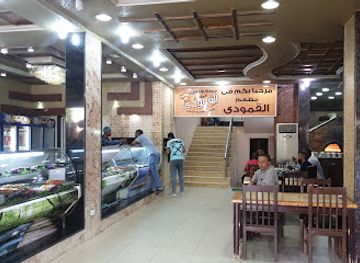
القمودي Turkish Restaurant Sabha
Discover the rich flavors of Turkey at القمودي Turkish Restaurant in Sabha, where every dish is a celebration of authentic cuisine.
-
Sebha Castle
Explore Sebha Castle, a magnificent historical landmark in Libya, steeped in rich culture and breathtaking architecture, perfect for every traveler.
-
Restaurant
مطعم حكايه
Explore the rich flavors of Libya at مطعم حكايه, a charming restaurant in Sabhā offering authentic dishes in a welcoming atmosphere.
-
Hookah bar
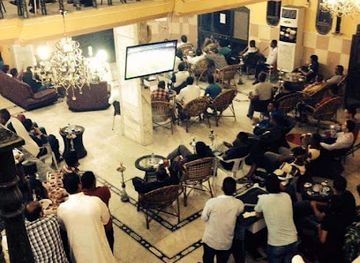
Restaurant Acacus
Experience the vibrant culture and flavors of Libya at Restaurant Acacus, a premier hookah bar and dining destination in Sabhā.
Best nightclubs in Sabha
Sabha does not have a conventional bar and nightclub scene, and alcohol-focused nightlife is not a feature of public life. Evening activity is more likely to centre on cafés, tea, conversation, family visits and informal gatherings, with restaurants and small food businesses serving local residents where conditions permit. Some venues may remain open later in busy areas, but opening arrangements and security conditions can change without notice. Visitors should avoid treating nightlife as a basis for independent exploration after dark, particularly outside familiar central areas. Those interested in local social life will gain more from observing café culture respectfully, following local introductions and asking before photographing people. Live entertainment, celebrations and community events may occur, but they should be understood through local invitation rather than assumed to operate as a tourist programme.
-

صالة بلياردو
Discover the vibrant nightlife of الصابرية at صالة بلياردو, featuring billiards, live music, and an energetic atmosphere.
Best shops in Sabha
Shopping in Sabha is practical and locally focused rather than oriented towards large retail centres or luxury brands. Markets and small shops provide everyday food, clothing, household goods, dates, spices, tea and travel supplies, while independent traders reflect the city’s role as a commercial centre for the Fezzan. Dates and other oasis products make appropriate regional purchases when sourced lawfully and packaged for travel. Visitors may also encounter textiles, jewellery or leather goods associated with Saharan communities, but quality, provenance and prices vary, so buying directly through trusted local introductions is preferable. Ancient objects, fossils and archaeological materials should never be purchased, as their removal may be illegal and contributes to damage to the region’s heritage. Retail hours, stock and payment methods can be irregular, and cash is often more useful than cards. Sabha is not known for an extensive dedicated souvenir industry; its shopping character is better understood through markets, provisions and locally made articles than through formal tourist boutiques.
-
Grocery store
Buraiki market Mutd Algdaiah
Discover the vibrant flavors and local culture at Buraiki Market, your gateway to authentic Libyan culinary experiences.
-
Cell phone store
606 Mobile Store محلات 606 للهواتف
Explore the 606 Mobile Store in Sabhā for the latest mobile devices and accessories, ensuring you stay connected during your travels.
-
Computer store
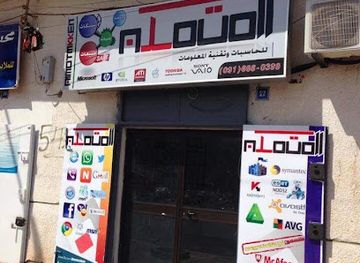
المتمكن للحاسبات Almotmakken Computers
Explore cutting-edge technology at Almotmakken Computers in Sabhā, where quality meets affordability in the heart of Libya.
-
Cell phone store
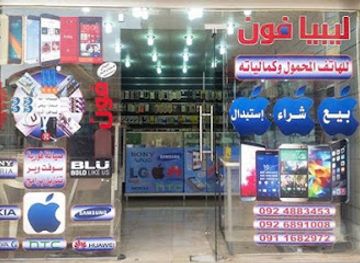
Libya iPhone mobile phone shop and Kmlyate
Explore the latest mobile technology at Libya iPhone mobile phone shop in Sabhā, your go-to destination for connectivity and gadgets.
Get your free copy of our complete guide to Sabha, delivered straight to you.
Everything on this page, from attractions and restaurants to essentials and local phrases, in one PDF you can read offline, print or share.
Already have an account? Sign in
Your Sabha guide is ready.
We'll send it to · Not you? Sign out

Getting your guide ready…
We are putting together a fresh copy of the Sabha guide. This can take up to a minute.
This can take a few moments. If your browser asks, choose Allow so the download can start. You'll find the guide in your Downloads folder.
Nothing happened? Download it again
Sorry, the guide is taking longer than usual. Please try again in a minute, or get it by email instead.
Sabha essentials
Currency and Payment
Safety
Emergency Situations
Do's and Don'ts
Local Tips
From Eve
Local phrases worth knowing
You don't need to get them perfect. A few words go a long way, and locals appreciate the effort.
Basics
| English | Local | Say it |
|---|---|---|
| Hello | مرحبا | [Marhaba] |
| Goodbye | وداعا | [Wada'an] |
| Yes | نعم | [Na'am] |
| No | لا | [La] |
| Please/You're welcome | من فضلك | [Min fadlak] |
| Thank you | شكرا | [Shukran] |
| Excuse me/Sorry | عفوا | [Afwan] |
| How are you? | كيف حالك؟ | [Kayfa halak?] |
| Fine. And you? | بخير. وأنت؟ | [Bikhayr. Wa anta?] |
| Do you speak English? | هل تتحدث الإنجليزية؟ | [Hal tatahaddath al-ingliziya?] |
| I don't understand | لا أفهم | [La afham] |
Eating & Drinking
| English | Local | Say it |
|---|---|---|
| I'd like to see the menu, please | أود رؤية القائمة، من فضلك | [Awad ru'yat al-qa'ima, min fadlak] |
| I don't eat meat | لا آكل اللحم | [La akul al-lahm] |
| Cheers! | في صحتك! | [Fi sihatak!] |
| I would like to pay, please | أود الدفع، من فضلك | [Awad al-daf', min fadlak] |
Emergencies
| English | Local | Say it |
|---|---|---|
| Help! | مساعدة! | [Musaa'da!] |
| Go away! | ابتعد! | [Ibt'id!] |
| Call the Police! | اتصل بالشرطة! | [Ittasil bil-shurta!] |
| Call a doctor! | اتصل بطبيب! | [Ittasil bi-tabib!] |
| I'm lost | أنا ضائع | [Ana da'i'] |
| I'm ill | أنا مريض | [Ana marid] |
Shopping
| English | Local | Say it |
|---|---|---|
| I'd like to buy... | أود شراء... | [Awad shira'] |
| I'm just looking | أنا فقط أنظر | [Ana faqat anzur] |
| How much is it? | كم ثمنه؟ | [Kam thamanu?] |
| That's too expensive | هذا غالي جدا | [Hatha ghali jidan] |
| Can you lower the price? | هل يمكنك تخفيض السعر؟ | [Hal yumkinuka takhfid al-si'r?] |
Time & Numbers
| English | Local | Say it |
|---|---|---|
| What time is it? | كم الساعة؟ | [Kam al-saa'a?] |
| It's one o'clock | الساعة الواحدة | [Al-saa'a al-wahida] |
| Half past (10) | ونصف (10) | [Wa nisf (10)] |
| Morning | صباحا | [Sabahan] |
| Afternoon | بعد الظهر | [Ba'd al-zuhur] |
| Evening | مساء | [Masa'a] |
| Yesterday | أمس | [Ams] |
| Today | اليوم | [Al-yawm] |
| Tomorrow | غدا | [Ghadan] |
| 1 | 1 | [1] |
| 2 | 2 | [2] |
| 3 | 3 | [3] |
| 4 | 4 | [4] |
| 5 | 5 | [5] |
| 6 | 6 | [6] |
| 7 | 7 | [7] |
| 8 | 8 | [8] |
| 9 | 9 | [9] |
| 10 | 10 | [10] |
Transport & Directions
| English | Local | Say it |
|---|---|---|
| Where's a/the...? | أين ...؟ | [Ayna ...?] |
| What's the address? | ما هو العنوان؟ | [Ma huwa al-'unwan?] |
| Can you show me (on the map)? | هل يمكنك أن تريني (على الخريطة)؟ | [Hal yumkinuka an turini (ala al-kharita)?] |
| When's the next (bus)? | متى تكون الحافلة القادمة؟ | [Mata takun al-hafila al-qadima?] |
| A ticket (to ....) | تذكرة (إلى ....) | [Tadhkira (ila ....)] |
History of Sabha
The Garamantian civilisation
The Fezzan was home to the Garamantes, an ancient Saharan civilisation whose principal centre was Garama, near modern Germa west of Sabha. From settlements linked by roads and oasis agriculture, the Garamantes cultivated land using underground water channels known as foggaras and participated in long-distance trade across the desert. Their society demonstrates that the central Sahara supported complex communities, farming and political organisation long before modern states. Archaeological remains in the wider Fezzan, rather than within Sabha’s urban area alone, provide the most important evidence of this early regional history.
Trans-Saharan trade and oasis networks
After the Garamantian period, the Fezzan remained an important zone between the Mediterranean coast and the central Sahara. Caravans carried commodities, animals and people along routes linking oasis settlements with North Africa and regions farther south. Towns and fortified settlements developed around wells, cultivated land and caravan traffic. Sabha’s later importance reflects this geography: control of water, routes and market access mattered more than the size of any single settlement. The commercial systems also connected different linguistic and cultural communities, leaving a durable legacy in southern Libya.
Ottoman administration and local power
The Fezzan was incorporated into the Ottoman sphere through a combination of formal administration, alliances and control of strategic settlements. Authority in the desert was often negotiated through local leaders, oasis communities and caravan networks rather than imposed evenly across the landscape. Fortified structures associated with Sabha and other settlements reflect the continuing need to secure water sources and routes. Ottoman influence formed part of a longer succession of political systems governing the Fezzan, rather than replacing the region’s established social and commercial connections.
Italian rule and the colonial period
Italy invaded Ottoman Libya in 1911 and gradually extended colonial control over the country, although resistance and difficult geography made the southern interior challenging to administer. The Fezzan became part of Italian colonial Libya after military campaigns and political agreements in the 1930s. Roads, administrative installations and military infrastructure altered patterns of movement, but colonial power remained dependent on local intermediaries and strategic outposts. The period also brought coercion, displacement and conflict, elements that are important when interpreting the region’s twentieth-century history.
The Fezzan in independent Libya
Libya became independent in 1951, and Sabha developed as the principal urban centre of the Fezzan. State investment, public administration, education and road construction strengthened its role as a regional capital and service centre. The discovery and exploitation of oil elsewhere in Libya transformed national finances and encouraged greater movement between the coast and the interior, although the south retained a distinct economic geography based on oasis production, trade and public-sector employment. Sabha’s growth therefore combined older desert networks with modern state institutions.
The Gaddafi era and southern social change
Under Muammar Gaddafi, political authority was highly centralised, while Sabha became associated with the regime’s southern power networks and military presence. The city expanded and attracted residents from different communities, including Arab, Tebu and Tuareg populations whose relationships with the state varied over time. Public services and infrastructure developed alongside political control and restrictions. The legacy of this period remains visible in the city’s institutions, demographic complexity and contested memories, and it helps explain why local politics in the Fezzan cannot be reduced to a simple coastal-versus-desert divide.
Conflict and fragmentation after 2011
The fall of Gaddafi in 2011 was followed by political fragmentation and recurring armed conflict across southern Libya. Sabha became affected by rival military and political authorities, competition over access and influence, and tensions involving several local communities. Security conditions have fluctuated, with consequences for transport, communications, public services and movement beyond the city. For visitors, this recent history is not merely background: it shapes the availability of guides, the operation of routes and the need for current, locally informed security planning.
Sabha in Photos
Browse through our photo collection highlighting the charm and character of the destination.
Neighbouring regions of Sabha
The closest regions to Sabha, if you have time for more than one.
-

-

-

-

-


Swipe for more regions
Explore more

Explore more of Libya
Discover Libya: Ancient ruins, vast deserts, and Mediterranean charm await in this North African gem.
Explore Libya