

Free Fezzan Travel Guide & Mobile App
Explore Fezzan with free travel guides. Discover regional history, expert tips, proposed trips, and audio guides on web or mobile app.


Explore Fezzan’s ancient Garamantian heritage, Tuareg culture, oasis towns, rock art and extraordinary Sahara landscapes in southwestern Libya.
Read more about Fezzan
When is the best time to visit Fezzan?
Best: April–May, November · 25–30°C| Month | High (°C) | Rainfall (mm) |
|---|---|---|
| January | 15 | 2 |
| February | 17 | 2 |
| March | 20 | 2 |
| April (best) | 25 | 2 |
| May (best) | 30 | 1 |
| June | 35 | 0 |
| July | 37 | 0 |
| August | 37 | 0 |
| September | 35 | 1 |
| October | 30 | 1 |
| November (best) | 25 | 2 |
| December | 20 | 2 |
Getting to and around Fezzan
How to get there
Transportation
Top city travel guides in Fezzan
The cities of Fezzan, and the easiest places to base yourself.
-

-

-

-


Swipe for more cities
Destinations in Fezzan
Resorts, valleys and scenic spots worth a trip of their own.

Swipe for more destinations
Best attractions in Fezzan
-
Historical place
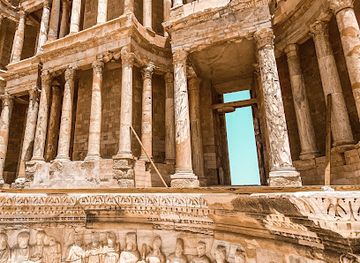
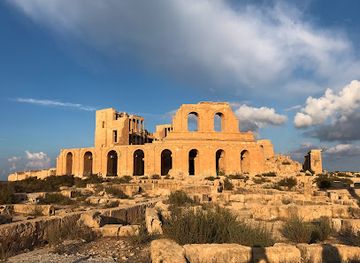
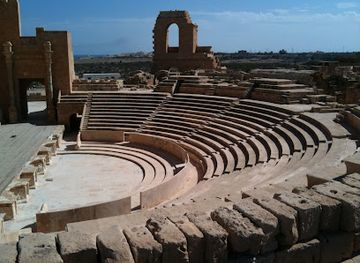
Sabratha Ancient Theatre
Explore the stunning Sabratha Ancient Theatre, a remarkably preserved Roman coastal landmark and UNESCO World Heritage Site in Libya.
-
Memorial park
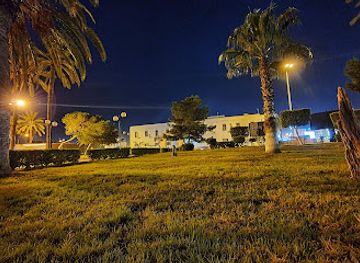
Downtown Garden
Discover tranquility and history at Downtown Garden, a serene memorial park in Misrata, perfect for relaxation and reflection.
-
City park
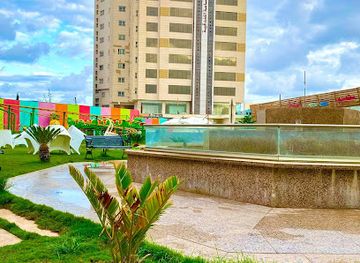
Almasa Park
Discover tranquility at Almasa Park, Misrata's lush city oasis perfect for relaxation, picnics, and leisurely strolls amidst nature's beauty.
-
Tourist attraction
Leptis Magna Museum
Explore the captivating history of Roman North Africa at Leptis Magna Museum, home to stunning artifacts from a UNESCO World Heritage site.

Best landmarks in Fezzan
-
Historical landmark
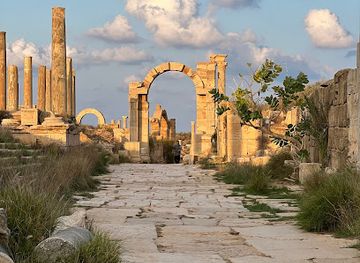
Leptis Magna
Explore Leptis Magna, a UNESCO World Heritage Site that showcases the grandeur of ancient Roman civilization amidst stunning coastal beauty.
-
International airport
Misrata International Airport
Discover Libya through Misrata International Airport - your gateway to stunning landscapes, rich history, and vibrant culture.
-
Historical place
Sabratha Ancient Theatre
Experience the grandeur of Roman architecture at Sabratha Ancient Theatre, a UNESCO World Heritage site steeped in ancient history and culture.
-
Archaeological site
Ancient Sabratha
Discover the enchanting ruins of Ancient Sabratha, a UNESCO World Heritage Site showcasing the rich history and architecture of the Roman Empire.

Explore Fezzan on the map
Plan your trip on one map. See where the top cities, national parks and sights are, and book hotels and experiences in a few clicks.
Best hotels in Fezzan
Best restaurants in Fezzan
Fezzani food reflects oasis agriculture, Saharan mobility and the wider culinary traditions of Libya. In Sabha and other larger towns, visitors are likely to find couscous, rice dishes, soups, grilled meat, flatbreads and pasta alongside dates, olives and vegetables supplied from irrigated oases. Fresh dates and simple date-based refreshments are especially associated with palm-growing areas, while tea is an important part of hospitality and social exchange. Around Ghat and other western settlements, food may reflect Tuareg and wider Saharan influences, although recipes vary between households and communities. Dining is generally more likely to take place in modest local restaurants, cafés, guesthouses or private homes than in a formal tourist restaurant scene. Desert journeys require advance provisioning, since shops and reliable food services may be widely separated. Visitors should carry suitable supplies, follow local advice on water and food hygiene, and avoid assuming that a remote lake or archaeological site has a café or restaurant nearby.
-
Restaurant
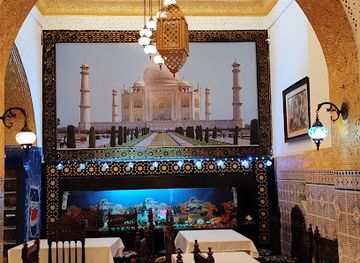
As-Safir Restaurant (Indian restaurant)
Experience the best of Indian cuisine at As-Safir Restaurant in Tripoli – where rich flavors meet warm hospitality.
-
Restaurant
Nespresso Cafe
Experience luxury at Nespresso Cafe in Tripoli – where exquisite coffee meets elegant ambiance for an unforgettable outing.
-
Restaurant
La Rambla
Discover La Rambla in Tripoli: A vibrant restaurant offering an exquisite blend of local and international cuisine in a welcoming atmosphere.
-
Restaurant
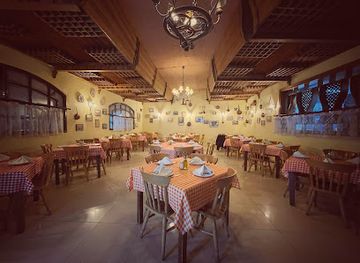
Morina Restaurant
Experience the best of Italian cuisine at Morina Restaurant in Hai Alandalus - where flavor meets tradition.

Best bars in Fezzan
Fezzan does not have a conventional bar and nightclub culture, and alcohol is not the centre of regional social life. Evening activity in Sabha, Ghat, Murzuq and other towns is more likely to focus on family visits, tea, cafés, restaurants and conversation, with patterns shaped by religious and local norms. Guesthouses or organised expeditions may provide communal evening meals and opportunities for storytelling or stargazing, while public entertainment can be limited. Visitors should not expect an established club district, late-night transport or dependable opening arrangements, particularly outside Sabha. Social conduct should remain discreet and respectful, and alcohol should never be assumed to be available or acceptable in a local setting. Desert camps, where legitimately organised and secure, are primarily places to appreciate the night sky and landscape rather than nightlife venues.
-
Lebanese
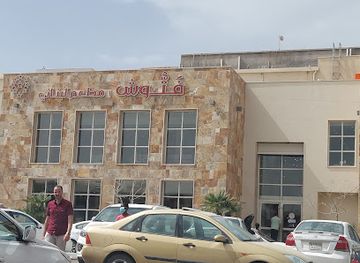
Fattoush Lebanese Restaurant
Experience the authentic flavors of Lebanon at Fattoush Lebanese Restaurant in Tripoli, where every dish tells a story of rich culinary traditions.
-
Cafe
At Home Cafe
Discover the essence of Libyan cuisine at At Home Cafe in Tripoli, where every meal is a taste of tradition and comfort.
-
Cafe
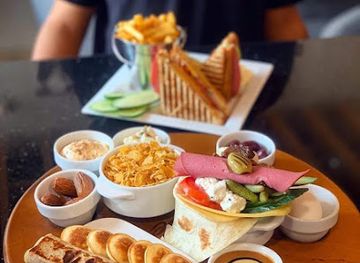
Pause Café
Discover the flavors of Benghazi at Pause Café, your go-to destination for breakfast and delightful coffee in a cozy atmosphere.
-
Cafe
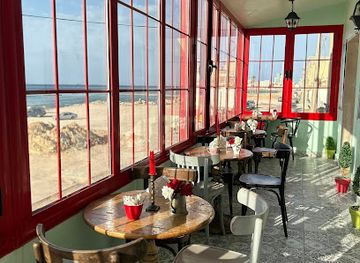
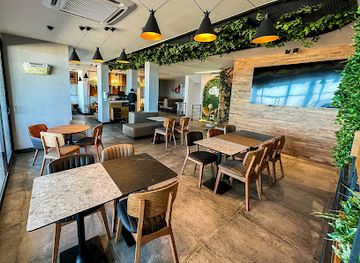
dipndip Libya
Experience the sweetness of life at Dipndip Libya, where delicious desserts meet breathtaking seaside views.
Best nightclubs in Fezzan
Fezzan does not have a conventional bar and nightclub culture, and alcohol is not the centre of regional social life. Evening activity in Sabha, Ghat, Murzuq and other towns is more likely to focus on family visits, tea, cafés, restaurants and conversation, with patterns shaped by religious and local norms. Guesthouses or organised expeditions may provide communal evening meals and opportunities for storytelling or stargazing, while public entertainment can be limited. Visitors should not expect an established club district, late-night transport or dependable opening arrangements, particularly outside Sabha. Social conduct should remain discreet and respectful, and alcohol should never be assumed to be available or acceptable in a local setting. Desert camps, where legitimately organised and secure, are primarily places to appreciate the night sky and landscape rather than nightlife venues.
-
 Night club
موندو الغير عائلي
Dive into the vibrant nightlife of Tripoli at موندو الغير عائلي, the ultimate night club experience for party lovers and socialites alike.
Best shops in Fezzan
Shopping in Fezzan is practical and locally focused, centred on town markets, small food shops, craft sellers and everyday commercial streets rather than large retail centres. Sabha has the broadest range of supplies and is the most useful place to purchase provisions, clothing, phone credit and equipment before travelling into the desert. In Ghat and other oasis communities, visitors may encounter locally made leatherwork, woven items, jewellery, textiles and desert-style clothing associated with Tuareg and wider Saharan craftsmanship, though availability and provenance vary. Dates and other oasis produce can make appropriate regional gifts when bought through ordinary local channels. Markets may be informal and their opening patterns can change, so patience and respectful bargaining are advisable where bargaining is customary. Do not buy antiquities, fossils, rock fragments or archaeological objects: exporting cultural material may be illegal and such purchases damage Fezzan’s heritage. Carry cash, as card payment is unlikely outside the largest businesses.
-
Shopping mall
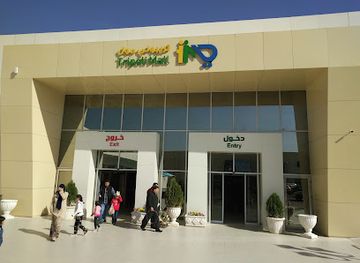
Tripoli Mall
Explore Tripoli Mall, Tajoura's premier shopping destination, with diverse shops, delightful eateries, and family-friendly entertainment.
-
Store
Otaku Dream Store
Explore a unique haven for anime and manga lovers at the Otaku Dream Store in Tripoli, packed with collectibles and merchandise that inspire creativity.
-
Fashion accessories store
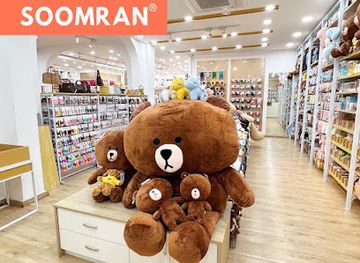
SOOMRAN SHOP
Explore Soomran Shop in Tripoli for unique fashion accessories that blend traditional craftsmanship with modern design, perfect for every style.
-
Gift shop
Turquoise store - متجر تركواز
Discover the essence of Libyan craftsmanship at Turquoise Store, a must-visit gift shop in Tripoli offering unique souvenirs and local handicrafts.

Get your free copy of our complete guide to Fezzan, delivered straight to you.
Everything on this page, from attractions and restaurants to essentials and local phrases, in one PDF you can read offline, print or share.
Already have an account? Sign in
Your Fezzan guide is ready.
We'll send it to · Not you? Sign out

Getting your guide ready…
We are putting together a fresh copy of the Fezzan guide. This can take up to a minute.
This can take a few moments. If your browser asks, choose Allow so the download can start. You'll find the guide in your Downloads folder.
Nothing happened? Download it again
Sorry, the guide is taking longer than usual. Please try again in a minute, or get it by email instead.
Fezzan essentials
Currency and Payment
Safety
Emergency Situations
Do's and Don'ts
Local Tips
From Eve
Local phrases worth knowing
You don't need to get them perfect. A few words go a long way, and locals appreciate the effort.
Basics
| English | Local | Say it |
|---|---|---|
| Hello | مرحبا | [Marhaba] |
| Goodbye | وداعا | [Wadā'an] |
| Yes | نعم | [Na'am] |
| No | لا | [Lā] |
| Please/You're welcome | من فضلك | [Min faḍlik] |
| Thank you | شكرا | [Shukran] |
| Excuse me/Sorry | عفوا | [ʿAfwan] |
| How are you? | كيف حالك؟ | [Kayfa ḥālak?] |
| Fine. And you? | بخير. وأنت؟ | [Bikhayr. Wa anta?] |
| Do you speak English? | هل تتحدث الإنجليزية؟ | [Hal tataḥaddath al-inglīziyyah?] |
| I don't understand | لا أفهم | [Lā afham] |
Eating & Drinking
| English | Local | Say it |
|---|---|---|
| I'd like to see the menu, please | أود رؤية القائمة، من فضلك | [Awad rū'yat al-qā'imah, min faḍlik] |
| I don't eat meat | لا أكل اللحم | [Lā akl al-laḥm] |
| Cheers! | صحتين | [Ṣiḥṭayn] |
| I would like to pay, please | أود الدفع، من فضلك | [Awad al-dafʿ, min faḍlik] |
Emergencies
| English | Local | Say it |
|---|---|---|
| Help! | مساعدة! | [Musāʿadah!] |
| Go away! | ابتعد! | [Ibtʿid!] |
| Call the Police! | اتصل بالشرطة! | [Ittasil bil-shurṭah!] |
| Call a doctor! | اتصل بطبيب! | [Ittasil bi-ṭabīb!] |
| I'm lost | أنا ضائع | [Ana ḍā'iʿ] |
| I'm ill | أنا مريض | [Ana marīḍ] |
Shopping
| English | Local | Say it |
|---|---|---|
| I'd like to buy... | أود شراء... | [Awad shirā'] |
| I'm just looking | أنا فقط أبحث | [Ana faqaṭ abḥath] |
| How much is it? | كم ثمنه؟ | [Kam thamanu?] |
| That's too expensive | هذا مكلف جدا | [Hādhā mukallaf jiddan] |
| Can you lower the price? | هل يمكنك خفض السعر؟ | [Hal yumkinuka khafḍ al-siʿr?] |
Time & Numbers
| English | Local | Say it |
|---|---|---|
| What time is it? | كم الساعة؟ | [Kam al-sā'ah?] |
| It's one o'clock | الساعة واحدة | [Al-sā'ah wāḥidah] |
| Half past (10) | العاشرة ونصف | [Al-ʿāshirh wa niṣf] |
| Morning | صباح | [Ṣabāḥ] |
| Afternoon | ظهر | [Ẓuhr] |
| Evening | مساء | [Masā'] |
| Yesterday | أمس | [Ams] |
| Today | اليوم | [Al-yawm] |
| Tomorrow | غدا | [Ghadan] |
| 1 | واحد | [Wāḥid] |
| 2 | اثنان | [Ithnān] |
| 3 | ثلاثة | [Thalāthah] |
| 4 | أربعة | [Arbaʿah] |
| 5 | خمسة | [Khamsah] |
| 6 | ستة | [Sittah] |
| 7 | سبعة | [Sabʿah] |
| 8 | ثمانية | [Thamāniyah] |
| 9 | تسعة | [Tisʿah] |
| 10 | عشرة | [ʿAsharah] |
Transport & Directions
| English | Local | Say it |
|---|---|---|
| Where's a/the...? | أين ...؟ | [Ayn ...?] |
| What's the address? | ما هو العنوان؟ | [Mā huwa al-ʿunwān?] |
| Can you show me (on the map)? | هل يمكنك إظهار لي (على الخريطة)؟ | [Hal yumkinuka iẓhār lī (ʿalā al-kharīṭah)?] |
| When's the next (bus)? | متى تأتي الحافلة التالية؟ | [Mata ta'tī al-ḥāfilah al-tāliyyah?] |
| A ticket (to ....) | تذكرة (إلى ...) | [Tadhkarah (ilā ...)] |
History of Fezzan
Prehistoric Green Sahara and Rock Art
Fezzan’s rock shelters and sandstone plateaux preserve evidence of a Sahara very different from the present desert. During wetter prehistoric periods, communities hunted and later kept cattle in landscapes with more vegetation and surface water. The Tadrart Acacus and neighbouring Messak areas contain paintings and engravings showing cattle, wild animals, human figures and changing artistic styles over thousands of years. These sites are historically important not only for their imagery but also for demonstrating how climate change altered settlement, mobility and subsistence across the central Sahara.
The Garamantian Kingdom
From roughly the first millennium BCE into late antiquity, the Garamantes established an influential oasis civilisation in the Fezzan. Their centre is associated with Garama, near modern Germa in the Wadi al-Hayat, where archaeology has revealed settlements, cemeteries and evidence of sophisticated underground irrigation channels known as foggaras. The Garamantes traded with Mediterranean societies and with communities deep in the Sahara. Their ability to support urban life in an arid environment made Fezzan a significant cultural and commercial zone rather than an empty margin.
Roman Contact and Late-Antique Change
Roman North Africa maintained commercial and political contact with the Garamantian sphere, although the desert frontier was never simply absorbed into the imperial system. Classical writers described Garamantian power, caravan exchange and military encounters, while Roman influence was strongest through trade, diplomacy and the northern approaches to the desert. As Roman authority declined and late-antique political networks changed, oasis settlements remained important nodes linking the Mediterranean world with Saharan communities.
Islamic Caravan Networks and Oasis Towns
After the spread of Islam across North Africa, Fezzan became part of wider religious, scholarly and commercial networks connecting the Maghreb, the Sahel and the central Sahara. Caravans carried salt, metals, textiles, animals and other goods, while oasis towns provided water, food, lodging and markets. Ghat, Murzuq and settlements along the Wadi al-Hayat developed distinctive mud-brick architecture and social institutions shaped by their position on these routes. Islamic learning and the movement of merchants and pilgrims further connected Fezzan with the wider region.
Ottoman Rule and the Sanusi Era
Ottoman authority in Fezzan expanded unevenly and was mediated through local leaders, towns and caravan interests. Murzuq became an important administrative and commercial centre, while Ghat and other western settlements retained strong connections with Tuareg societies and routes towards the Sahara. In the nineteenth century, the Sanusi movement also influenced religious and political life in Libya. These overlapping authorities illustrate why control of Fezzan historically depended on alliances, wells, trade corridors and oasis communities as much as on formal borders.
Italian Conquest and Colonial Administration
Italy invaded Ottoman Libya in 1911, but effective control over Fezzan was contested and took years to consolidate. Military campaigns, resistance and the disruption of caravan routes altered the region’s political economy. During the Second World War, Fezzan was administered by French forces after the defeat of Italian forces in the area. The period left legacies in administration, transport and territorial politics, while also intensifying the strategic importance of the desert in wider North African conflicts.
Fezzan in Independent and Contemporary Libya
Fezzan formed one of the historic regions of the federal Kingdom of Libya before the 1969 revolution centralised political authority. Sabha became an important southern administrative centre, and modern roads, public institutions and state investment reshaped oasis life. Since 2011, political fragmentation, armed competition, smuggling networks, migration routes and economic pressures have affected security and everyday movement. These circumstances are essential historical context for visitors: access to archaeological and desert sites depends on current local authority, security conditions and specialist arrangements.
Fezzan in Photos
Browse through our photo collection highlighting the charm and character of the destination.
Neighbouring regions of Fezzan
The closest regions to Fezzan, if you have time for more than one.
-

-

-

-

-


Swipe for more regions
Explore more

Explore more of Libya
Discover Libya: Ancient ruins, vast deserts, and Mediterranean charm await in this North African gem.
Explore Libya