

Free Murzuk Travel Guide & Mobile App
Explore Murzuk with free travel guides. Discover regional history, expert tips, proposed trips, and audio guides on web or mobile app.


Murzuq offers a demanding journey into Libya’s Fezzan, combining caravan history, oasis culture and the vast dunes of the Sahara.
Read more about Murzuk
When is the best time to visit Murzuk?
Best: March–April, October · 22–28°C| Month | High (°C) | Rainfall (mm) |
|---|---|---|
| January | 16 | 3 |
| February | 18 | 3 |
| March (best) | 22 | 2 |
| April (best) | 25 | 1 |
| May | 30 | 1 |
| June | 34 | 0 |
| July | 36 | 0 |
| August | 36 | 0 |
| September | 33 | 1 |
| October (best) | 28 | 1 |
| November | 21 | 2 |
| December | 17 | 3 |
Getting to and around Murzuk
How to get there
Transportation
Destinations in Murzuk
Resorts, valleys and scenic spots worth a trip of their own.

Swipe for more destinations
Best attractions in Murzuk
-
Park
حديقة حي العروبة
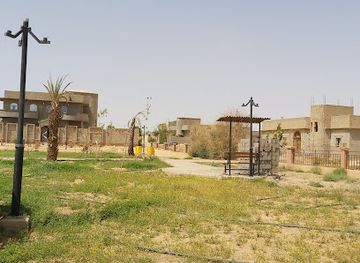
Experience the tranquility of Ghat at Hay Al Aruba Park, a serene escape for relaxation and cultural observation.
-
Tourist attraction
ساحة الوفاء البركت
Experience local life at Al Wafa Square in Al Birkah, Libya – a public space reflecting the heart of the community.
-
-
Garden
حديقة عامة
A green oasis in Al Burkat, offering a peaceful retreat for locals and visitors seeking a moment of relaxation and community connection.


Best landmarks in Murzuk
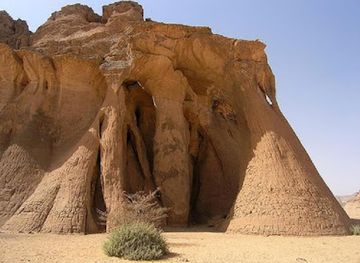
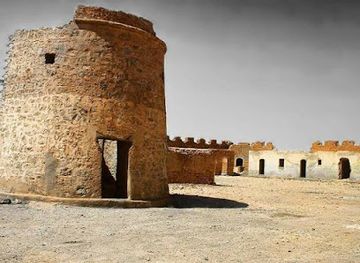
Murzuq Castle is the area’s most recognisable built landmark, recalling the town’s importance as an Ottoman administrative centre and as a point on the trans-Saharan caravan network. Its surviving presence is valuable even where walls and associated structures have deteriorated, but visitors should avoid climbing unstable masonry or entering restricted areas. The old town provides a second important reference point, with its compact oasis settlement pattern and remaining traditional architecture showing how habitation developed around water, trade and protection. Outside the settlement, the Murzuq Sand Sea is the defining natural landmark: its extensive dunes form an ever-changing horizon rather than a single viewpoint or monument. In the wider Murzuq area, Waw an Namus is a striking volcanic landmark, marked by a dark crater and contrasting desert surroundings, but its remoteness makes it an expedition destination rather than an ordinary excursion. All these places require current local permission and security advice.
-
Museum
قلعة مرزق Murzuq Castil
Explore the history of Libya at Murzuq Castle, a captivating museum showcasing the region's rich cultural heritage and architectural splendor.
Explore Murzuk on the map
Plan your trip on one map. See where the top cities, national parks and sights are, and book hotels and experiences in a few clicks.
Best hotels in Murzuk
Best restaurants in Murzuk
Murzuq has a modest dining scene centred on homes, simple local eateries and food prepared for travellers by hosts or guides rather than on a developed restaurant industry. Meals commonly reflect the wider Fezzan and Libyan tradition: couscous, rice, vegetable stews, bread, dates and grilled or slow-cooked meat may appear, with recipes varying between households and communities. Tea is an important part of social hospitality, while dates and other oasis produce are practical local foods. Supplies in the town can be limited, so desert expeditions should carry provisions bought before departure, including ample drinking water. Visitors should not expect a reliable choice of international cuisine, formal dining rooms or consistent opening arrangements. Eating with local hosts can offer a more useful insight into Murzuq’s culture than seeking a specialised tourist restaurant, but dietary requirements should be explained clearly in advance. Hygiene, water sources and food storage deserve particular attention in remote areas.
-
Abdul Aly Restaurant
Experience authentic Libyan cuisine at Abdul Aly Restaurant in Taraghin - a culinary journey through traditional flavors.
-

Shawerma and Food centre
Experience authentic Libyan flavors at Shawerma and Food Centre - a must-visit destination for food lovers exploring Murzuq.

Best bars in Murzuk
Murzuq does not have a conventional bar or nightclub scene. As a predominantly Muslim desert community, evening social life is more likely to centre on family gatherings, tea, conversation, cafés and simple restaurants than on alcohol-focused venues. Visitors should not expect a late-night entertainment district, and alcohol should neither be requested casually nor treated as part of the regional travel experience. After dark, the town becomes a practical base for rest and logistical preparation, while desert camps may offer clear skies and quiet surroundings rather than organised entertainment. Any café or restaurant arrangements are subject to local conditions and may change without notice. Respect for religious practice, privacy and community norms is particularly important in public spaces, and photography or recording of evening gatherings should only take place with permission.
-
Abdul Aly Restaurant
Discover the essence of Libyan cuisine at Abdul Aly Restaurant in Taraghin, where traditional flavors meet warm hospitality.
-
Jafar 2 fast food restaurant
Discover the vibrant tastes of Tsawah Wadi Otbh at Jafar 2 Fast Food Restaurant, where delicious fast food meets friendly service.
-
Fast Food
مخبز السبيطات
Experience authentic السبيطات cuisine at مخبز السبيطات, where tradition meets flavor in a warm and inviting atmosphere.
-
Shawerma and Food centre
Discover the authentic taste of Murzuq at Shawerma and Food Centre, where every bite tells a story of tradition and flavor.


Best nightclubs in Murzuk
Murzuq does not have a conventional bar or nightclub scene. As a predominantly Muslim desert community, evening social life is more likely to centre on family gatherings, tea, conversation, cafés and simple restaurants than on alcohol-focused venues. Visitors should not expect a late-night entertainment district, and alcohol should neither be requested casually nor treated as part of the regional travel experience. After dark, the town becomes a practical base for rest and logistical preparation, while desert camps may offer clear skies and quiet surroundings rather than organised entertainment. Any café or restaurant arrangements are subject to local conditions and may change without notice. Respect for religious practice, privacy and community norms is particularly important in public spaces, and photography or recording of evening gatherings should only take place with permission.
-
Night club
Walter Black cucina roba blu
Discover the heart of Murzuq's nightlife at Walter Black Cucina Roba Blu, where vibrant music and a lively atmosphere await you for an unforgettable evening.
Best shops in Murzuk
Shopping in Murzuq is practical and local rather than oriented towards tourism. Small shops and market areas provide everyday food, household goods, clothing, fuel-related supplies and desert journey provisions, while the range of goods can vary with transport links and local conditions. Dates and other oasis products may be available seasonally, and visitors may encounter locally made textiles, leather goods or simple craft items through personal contacts rather than established souvenir retailers. The strongest purchases are usually useful regional products, provided their origin and legality are clear. Do not buy archaeological objects, old coins, fossils or artefacts: removing cultural material from Libya is unlawful and contributes to the loss of the region’s heritage. Cash in Libyan dinars is essential, bargaining may be customary in informal markets, and visitors should shop respectfully without photographing traders or stalls without permission.
-
Supermarket
Musa dokan
Explore local flavors and essentials at Musa Dokan, a charming supermarket in Murzuq, Libya, offering a taste of Libyan culture.
-
محل أرمكلو 24 للملابس نسائية و عطور و هدايا
Explore محل أرمكلو 24 in Murzuq for exquisite perfumes, stylish women's clothing, and unique gifts that embody Libyan culture.
-
MAS
Explore MAS in Murzuq for a unique shopping experience blending traditional Libyan attire with contemporary fashion.
Get your free copy of our complete guide to Murzuk, delivered straight to you.
Everything on this page, from attractions and restaurants to essentials and local phrases, in one PDF you can read offline, print or share.
Already have an account? Sign in
Your Murzuk guide is ready.
We'll send it to · Not you? Sign out

Getting your guide ready…
We are putting together a fresh copy of the Murzuk guide. This can take up to a minute.
This can take a few moments. If your browser asks, choose Allow so the download can start. You'll find the guide in your Downloads folder.
Nothing happened? Download it again
Sorry, the guide is taking longer than usual. Please try again in a minute, or get it by email instead.
Murzuk essentials
Currency and Payment
Safety
Emergency Situations
Do's and Don'ts
Local Tips
From Eve
Local phrases worth knowing
You don't need to get them perfect. A few words go a long way, and locals appreciate the effort.
Basics
| English | Local | Say it |
|---|---|---|
| Hello | سلام | [salaam] |
| Goodbye | مع السلامة | [ma'a as-salaamah] |
| Yes | نعم | [na'am] |
| No | لا | [laa] |
| Please/You're welcome | من فضلك | [min fadlik] |
| Thank you | شكراً | [shukran] |
| Excuse me/Sorry | عفواً | [afwan] |
| How are you? | كيف حالك؟ | [kayfa halak?] |
| Fine. And you? | بخير. وأنت؟ | [bikhayr. wa anta?] |
| Do you speak English? | هل تتحدث الإنجليزية؟ | [hal tatahadath al-ingliziyah?] |
| I don't understand | لا أفهم | [laa afham] |
Eating & Drinking
| English | Local | Say it |
|---|---|---|
| I'd like to see the menu, please | أود رؤية القائمة، من فضلك | [awad ru'yat al-qa'imah, min fadlik] |
| I don't eat meat | لا آكل اللحم | [laa akul al-lahm] |
| Cheers! | في صحتك! | [fi sihatak!] |
| I would like to pay, please | أود الدفع، من فضلك | [awad ad-daf', min fadlik] |
Emergencies
| English | Local | Say it |
|---|---|---|
| Help! | نجدة! | [najdah!] |
| Go away! | ابتعد! | [ibta'id!] |
| Call the Police! | اتصل بالشرطة! | [ittasil bil-shurta!] |
| Call a doctor! | اتصل بطبيب! | [ittasil bi-tabeeb!] |
| I'm lost | أنا ضائع | [ana da'i'] |
| I'm ill | أنا مريض | [ana marid] |
Shopping
| English | Local | Say it |
|---|---|---|
| I'd like to buy... | أود شراء... | [awad shir'a...] |
| I'm just looking | أنا فقط أنظر | [ana faqat anzur] |
| How much is it? | كم ثمنه؟ | [kam thamanu?] |
| That's too expensive | هذا غالي جداً | [hatha ghali jiddan] |
| Can you lower the price? | هل يمكنك تخفيض السعر؟ | [hal yumkinuka takhfid as-si'r?] |
Time & Numbers
| English | Local | Say it |
|---|---|---|
| What time is it? | كم الساعة؟ | [kam as-saa'ah?] |
| It's one o'clock | إنها الواحدة | [innaha al-wahidah] |
| Half past (10) | نصف (10) | [nisf (10)] |
| Morning | صباح | [sabah] |
| Afternoon | بعد الظهر | [ba'd az-zuhur] |
| Evening | مساء | [masaa'] |
| Yesterday | أمس | [ams] |
| Today | اليوم | [al-yawm] |
| Tomorrow | غداً | [ghadan] |
| 1 | 1 | [1] |
| 2 | 2 | [2] |
| 3 | 3 | [3] |
| 4 | 4 | [4] |
| 5 | 5 | [5] |
| 6 | 6 | [6] |
| 7 | 7 | [7] |
| 8 | 8 | [8] |
| 9 | 9 | [9] |
| 10 | 10 | [10] |
Transport & Directions
| English | Local | Say it |
|---|---|---|
| Where's a/the...? | أين هو...؟ | [ayna huwa...?] |
| What's the address? | ما هو العنوان؟ | [ma huwa al-'unwan?] |
| Can you show me (on the map)? | هل يمكنك إخباري (على الخريطة)؟ | [hal yumkinuka ikhbari (ala al-kharita)?] |
| When's the next (bus)? | متى يأتي (الباص) التالي؟ | [mata ya'ti (al-bas) at-tali?] |
| A ticket (to ....) | تذكرة (إلى ....) | [tadhkirah (ila ....)] |
History of Murzuk
The Garamantian and prehistoric Sahara
The Fezzan was not always as arid as it is today. Rock art, ancient tracks, burial sites and traces of settlement show that people occupied and crossed the region during periods when rainfall was greater and grasslands or seasonal water sources supported pastoral life. From the first millennium BC, the Garamantes established a powerful society in the Fezzan, using underground foggara channels to obtain water and maintaining settlements linked by caravan routes. Their political centre lay elsewhere in the wider region, but the cultural and economic systems they developed shaped the oasis landscape in which later towns, including Murzuq, would grow.
Trans-Saharan caravan networks
For many centuries, the oases of the Fezzan connected the Mediterranean world with the central Sahara and lands south of the desert. Caravans carried salt, metals, textiles, dates and other goods, while enslaved people were also trafficked through the wider trans-Saharan system. Murzuq’s importance came from its position within these routes and from access to water, guides and markets. The town’s history therefore belongs to a much larger network linking North Africa with the regions around Lake Chad and the Niger basin, rather than to an isolated oasis economy.
Murzuq under Ottoman and local rule
The Ottoman Empire incorporated much of Libya at different stages from the sixteenth century, and Murzuq became an important administrative centre in Fezzan. Its castle and associated historic buildings reflect the town’s role as a seat of authority as well as a commercial settlement. Ottoman officials relied heavily on local intermediaries and established desert networks, since effective control across the Sahara depended on alliances, tribute and the movement of caravans. Murzuq remained a significant urban centre even though political power in the region was often shared or contested.
Senussi influence and European conquest
During the nineteenth and early twentieth centuries, the Senussi religious and political movement exercised considerable influence across Cyrenaica, Tripolitania and the Fezzan. Its networks connected oasis communities and helped organise resistance to outside control. Italy invaded Ottoman Libya in 1911, but Italian authority in the deep south was contested and took years to consolidate. Murzuq and other Fezzan settlements experienced the pressures of military occupation, rival political loyalties and disruption to older caravan relationships as European colonial rule replaced the Ottoman order.
From Italian Libya to independence
The Italian colonial period altered administration, communications and land control in the Fezzan, but it did not erase the region’s established social and commercial links. During the Second World War, control of southern Libya shifted amid fighting between Axis and Allied forces, and French forces occupied the Fezzan for part of the post-war transition. Libya became independent in 1951, bringing the Fezzan into the new kingdom and later republic as a sparsely populated but strategically important southern region. Murzuq’s historic role was increasingly supplemented by modern state administration and road transport.
Oil, modernisation and contemporary instability
The development of Libya’s oil economy transformed national finances and encouraged roads, public services and migration, although the benefits of modernisation were uneven across the south. Traditional caravan commerce declined as motor transport and national borders reshaped movement through the Sahara. Since the 2011 conflict, southern Libya has faced political fragmentation, armed competition, smuggling networks and periodic insecurity. Murzuq has also been affected by tensions involving local communities and wider national rivalries. These recent conditions are essential to understanding why travel requires current security information and careful local arrangements.
Murzuk in Photos
Browse through our photo collection highlighting the charm and character of the destination.
Neighbouring regions of Murzuk
The closest regions to Murzuk, if you have time for more than one.
-

-

-

-

-


Swipe for more regions
Explore more

Explore more of Libya
Discover Libya: Ancient ruins, vast deserts, and Mediterranean charm await in this North African gem.
Explore Libya