
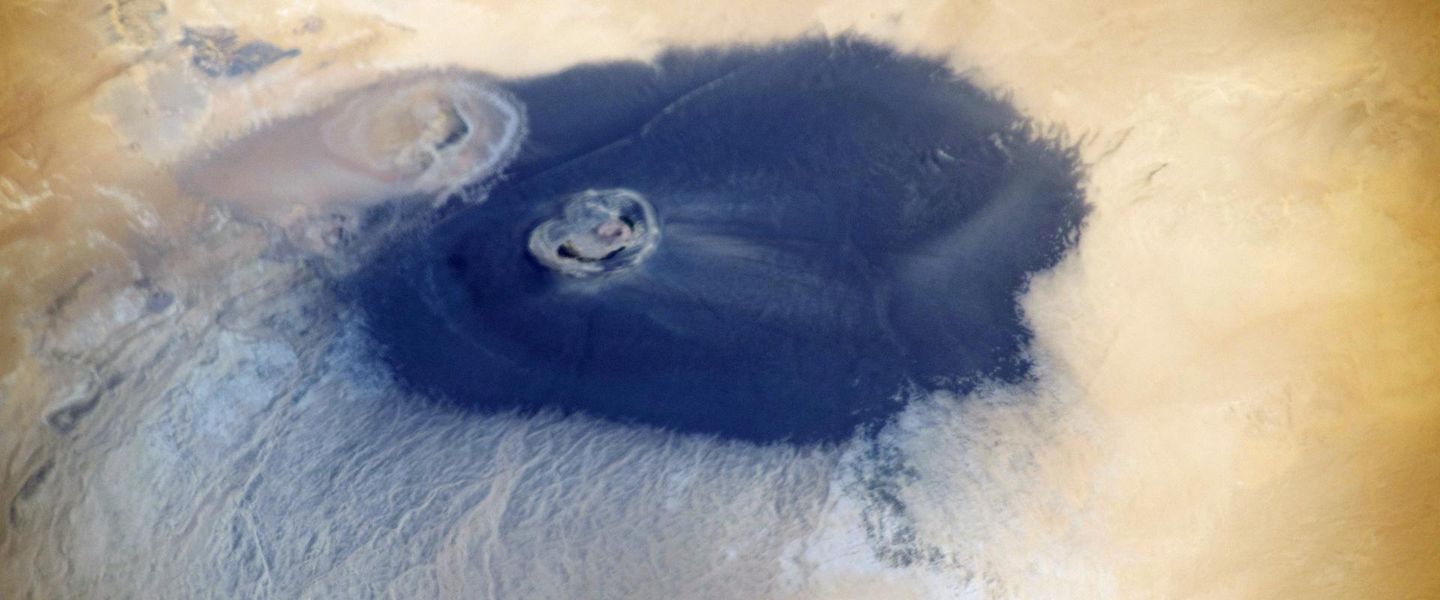
Surt Desert, Libya Travel Guide
Discover the endless dunes and ancient secrets of the Surt Desert in Libya, where adventure meets tranquility in the heart of the Sahara.
The Surt Desert, also known as the Sirte Desert, is a vast and enigmatic expanse located in northern Libya. This desert, part of the larger Sahara, offers a unique and mysterious landscape marked by endless sand dunes, rocky plateaus, and ancient oases. The Surt Desert is a perfect destination for those seeking adventure and solitude, far from the hustle and bustle of urban life. Visitors to the Surt Desert can experience the raw beauty of the desert environment, with its dramatic contrasts of light and shadow, and the serene silence that envelops the landscape. The desert is home to a variety of flora and fauna, adapted to the harsh conditions, and offers opportunities for camel trekking, dune bashing, and stargazing under the clear night sky. Exploring the Surt Desert also provides a glimpse into Libya's rich cultural heritage. The desert is dotted with ancient ruins, including remnants of Roman and Byzantine settlements, which tell the story of a region that has been inhabited for thousands of years. Traditional Bedouin communities still live in the desert, offering a chance to learn about their way of life and experience their legendary hospitality.

Know before you go
Hi, I'm Eve. Here are a few practical things to know before exploring Surt Desert.
- Visit during the cooler months from October to March to avoid the extreme heat.
- Hire a local guide for a safer and more informative desert experience.
- Bring plenty of water, sunscreen, and a hat to protect yourself from the sun.
- Try to experience a night in the desert for stargazing; the clear skies are breathtaking.
- Respect local customs and traditions, especially when visiting Bedouin communities.
Explore Surt Desert: Things to Do, Places to Eat, Hotels & More
Handpicked recommendations for top attractions, local dining, accommodations, and more

Top Attractions & Sightseeing in Surt Desert
Top-rated picks
Best Attractions

Ancient City of Cyrene
Discover Cyrene, Libya: Explore the stunning ruins of this ancient Greek and Roman city, a UNESCO World Heritage site with a rich history.
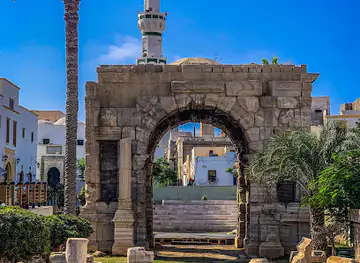
Arc of Marcus Aurelius
Explore the ancient Arc of Marcus Aurelius in Tripoli, a testament to Roman triumphs and enduring history.

Greater Flamingo Island
Discover Greater Flamingo Island: a Tunisian paradise where pristine beaches meet vibrant wildlife, offering a serene escape into nature's beauty.

Saraya Museum
Explore 5,000 years of Libyan history within the walls of the Red Castle at the Saraya Museum in Tripoli's Old City.

Best landmarks in Surt Desert
Top-rated picks
Best Landmarks
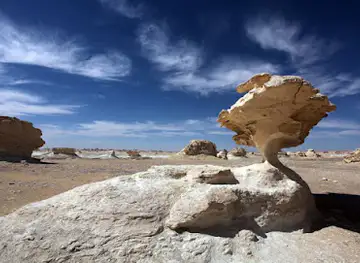
Libyan Desert
Explore the vast beauty of the Libyan Desert, where ancient history meets breathtaking landscapes under a canopy of stars.

Benghazi Zoo
Discover the family-friendly Benghazi Zoo, where wildlife meets conservation in a beautiful park setting, ideal for unforgettable family outings.

Arc of Marcus Aurelius
Visit the Arc of Marcus Aurelius in Tripoli, a remarkable historical landmark that showcases ancient Roman architecture and offers a glimpse into Libya's rich cultural heritage.
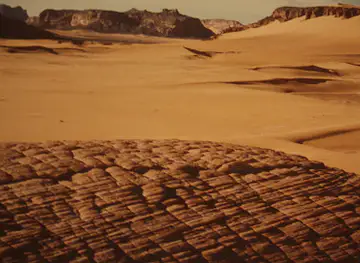
Saraya Museum
Explore Libya's rich archaeological heritage at Saraya Museum, a captivating journey through time in Tripoli's historic Old City.

Best restaurants in Surt Desert
Top-rated picks
Best Restaurants

Fattoush Lebanese Restaurant
Experience authentic Lebanese flavors at Fattoush Restaurant in Tripoli - where every dish tells a story.
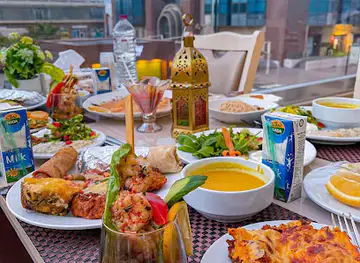
Rubian Restuarant
Discover exquisite seafood dishes at Rubian Restaurant in Tripoli – where fresh flavors meet warm hospitality.

Latino
Discover the best burgers in Tripoli at Latino - where local flavors meet vibrant dining.

Aldyafa Restaurant
Experience authentic Libyan flavors at Aldyafa Restaurant in Tripoli – a culinary gem offering delightful dishes and warm hospitality.

Best bars in Surt Desert
Top-rated picks
Best Bars

Fattoush Lebanese Restaurant
Discover authentic Lebanese cuisine at Fattoush Lebanese Restaurant in Tripoli, where Mediterranean flavors come alive in a warm, inviting atmosphere.

At Home Cafe
Discover At Home Cafe in Tripoli: A breakfast haven offering delightful cuisine and a cozy atmosphere for all visitors.

Mood Café and Restaurant
Discover Mood Café and Restaurant in Benghazi for a delightful blend of Libyan and international cuisine in a cozy atmosphere.

Pause Café
Discover the cozy charm of Pause Café in Benghazi, where delicious breakfasts and inviting coffee await you.

Best nightclubs in Surt Desert
Top-rated picks
Best Nightclubs
Victoria Hotel
Discover the heart of Tripoli with a stay at Victoria Hotel, where Libyan hospitality and comfort meet.

Pause Café
Discover the charming Pause Café in Benghazi, a delightful breakfast spot offering delicious meals and a cozy atmosphere that’s perfect for visitors.

dipndip Libya
Experience the ultimate chocolate haven at dipndip Libya, where every bite is a delightful journey of taste by the seaside.

جزيرة باب تاجوراء
Explore جزيرة باب تاجوراء, a lush park in Tripoli offering scenic beauty and a peaceful escape for nature lovers and tourists.

Best shops in Surt Desert
Top-rated picks
Best Shops

سوق ليبيا مرسى مطروح - Marsa Matrouh
Discover the bustling Marsa Matrouh Market, a shopper's paradise offering local crafts, delicious cuisine, and a taste of Egyptian culture.

Tripoli Mall
Discover the ultimate shopping experience at Tripoli Mall in Tajoura—where modern retail meets Libyan culture and hospitality.

Mall Of Benghazi
Explore the bustling Mall of Benghazi for shopping, dining, and entertainment, a vibrant hub in Libya's second-largest city.

Budzirh Mall
Explore Budzirh Mall in Benghazi for a unique shopping experience with diverse brands, delicious food, and family-friendly entertainment.

Explore Surt Desert on the Map
A handpicked selection of must-see spots in Surt Desert, mapped for you.
Surt Desert Essentials
-
Surt Desert is located in the central region of Libya. The nearest major city is Surt (Sirte), which has a small domestic airport, Sirte Airport (SRX). International travelers usually fly into Tripoli International Airport (TIP) or Benina International Airport (BEN) in Benghazi. From these airports, you can reach Surt by domestic flight, bus, or car. The drive from Tripoli to Surt takes approximately 5 hours, while from Benghazi, it takes around 7 hours. It is advisable to arrange transportation in advance due to the limited public transport options.
-
In Surt Desert, the most convenient mode of transportation is renting a 4x4 vehicle due to the rugged terrain. Local taxis are available but can be expensive for long distances. There are no regular public buses operating within the desert region. Guided tours often include transportation, which can be a hassle-free way to explore the area. Make sure to have a reliable GPS device and sufficient fuel and water supplies when driving.
-
The official currency in Libya is the Libyan Dinar (LYD). Credit cards are not widely accepted in Surt Desert, so it is essential to carry enough cash for your expenses. ATMs are scarce, so it's advisable to withdraw cash in major cities like Tripoli or Benghazi before traveling to Surt. Ensure you have small denominations of cash for easier transactions.
-
Surt Desert is generally safe for tourists, but it is crucial to stay informed about the current security situation in Libya, as it can change rapidly. Avoid traveling alone and stick to well-trodden paths. It is advisable to travel with a guide who knows the area well. Be cautious of areas with high crime rates, particularly in the outskirts of Surt city where tourists may be targeted. Always inform someone of your travel itinerary and avoid traveling after dark.
-
In case of emergency, contact the local authorities immediately. The emergency number in Libya is 193 for police and 1515 for medical emergencies. It is essential to have travel insurance that covers medical evacuation, as local medical facilities may not be up to international standards. Carry a basic first aid kit, and familiarize yourself with the location of the nearest medical facilities in Surt city.
-
Fashion: Do dress modestly, covering your shoulders and knees, to respect local customs. Avoid wearing flashy or revealing clothing. Religion: Do respect Islamic customs and traditions. Avoid public displays of affection and be discreet when photographing religious sites. Public Transport: Do arrange your transportation in advance. Don't rely on public transport within the desert, as it is virtually non-existent. Greetings: Do greet people with a friendly 'Salam Alaikum' (Peace be upon you). Handshakes are common but wait for the other person to initiate. Eating & Drinking: Do accept food and drink offerings graciously, as hospitality is a significant part of the culture. Don't eat or drink in public during Ramadan.
-
To experience Surt Desert like a local, consider visiting traditional Bedouin camps where you can learn about the nomadic lifestyle and enjoy local cuisine. Engage with local guides who can provide insights into the desert's history and natural features. Try to visit the desert during the cooler months (October to April) to avoid the extreme summer heat. Additionally, exploring the ancient ruins of Qasr Abu Hadi and the unique rock formations in the desert can provide a glimpse into the region's rich history.
When is the best time to visit Surt Desert?
Useful Local Phrases for Surt Desert
You don't need to speak the language perfectly. Even learning a few simple words can make conversations warmer—and locals usually appreciate the effort.
— Eve

Here are the phrases I use most often in Surt Desert. Try a few—you'll be surprised how far they go! 😊
❤️
-
- Helloمرحبا
[Marhaban] - Goodbyeوداعا
[Wada'an] - Yesنعم
[Na'am] - Noلا
[La] - Please/You're welcomeمن فضلك
[Min fadlik] - Thank youشكرا
[Shukran] - Excuse me/Sorryعفوا
[Afwan] - How are you?كيف حالك؟
[Kayfa halak?] - Fine. And you?بخير. وأنت؟
[Bikhayr. Wa anta?] - Do you speak English?هل تتحدث الإنجليزية؟
[Hal tatahaddath al-Ingliziyya?] - I don't understandلا أفهم
[La afham]
- Helloمرحبا
-
- I'd like to see the menu, pleaseأود رؤية القائمة، من فضلك
[Awad ru'yat al-qaimah, min fadlik] - I don't eat meatلا آكل اللحم
[La akul al-lahm] - Cheers!في صحتك
[Fi sihtak] - I would like to pay, pleaseأود الدفع، من فضلك
[Awad al-daf', min fadlik]
- I'd like to see the menu, pleaseأود رؤية القائمة، من فضلك
-
- Help!المساعدة!
[Al-musa'ada!] - Go away!ابتعد!
[Ibt'id!] - Call the Police!اتصل بالشرطة!
[Ittasil bil-shurta!] - Call a doctor!اتصل بالطبيب!
[Ittasil bil-tabeeb!] - I'm lostأنا ضائع
[Ana da'i'] - I'm illأنا مريض
[Ana marid]
- Help!المساعدة!
-
- I'd like to buy...أود شراء...
[Awad shira'] - I'm just lookingأنا فقط أنظر
[Ana faqat anzur] - How much is it?كم ثمنه؟
[Kam thamanuh?] - That's too expensiveهذا مكلف جدا
[Hatha mukallaf jiddan] - Can you lower the price?هل يمكنك خفض السعر؟
[Hal yumkinuka khafdh al-si'r?]
- I'd like to buy...أود شراء...
-
- What time is it?كم الساعة؟
[Kam al-saa'a?] - It's one o'clockالساعة الواحدة
[Al-saa'a al-wahidah] - Half past (10)العاشرة والنصف
[Al-‘ashirah wal-nisf] - Morningصباحا
[Sabaahan] - Afternoonبعد الظهر
[Ba'd al-zhuhr] - Eveningمساء
[Masa'a] - Yesterdayأمس
[Ams] - Todayاليوم
[Al-yawm] - Tomorrowغدا
[Ghadan] - 1واحد
[Wahid] - 2اثنان
[Ithnan] - 3ثلاثة
[Thalatha] - 4أربعة
[Arba'a] - 5خمسة
[Khamsa] - 6ستة
[Sitta] - 7سبعة
[Sab'a] - 8ثمانية
[Thamaniya] - 9تسعة
[Tis'a] - 10عشرة
[Ashra]
- What time is it?كم الساعة؟
-
- Where's a/the...?أين...؟
[Ayna...?] - What's the address?ما هو العنوان؟
[Ma huwa al-'unwan?] - Can you show me (on the map)?هل يمكنك إظهار لي (على الخريطة)؟
[Hal yumkinuka izhar li (ala al-kharita)?] - When's the next (bus)?متى يأتي (الباص) التالي؟
[Mata ya'ti (al-bus) al-tali?] - A ticket (to ....)تذكرة (إلى ....)
[Tathkirah (ila ....)]
- Where's a/the...?أين...؟
History of Surt Desert
-
For centuries, the Surt Desert served as a crucial passageway for ancient caravan routes. Merchants traveling from sub-Saharan Africa to the Mediterranean coast would traverse this arid expanse, transporting goods such as gold, salt, and spices. These routes fostered not only trade but also cultural exchanges that significantly influenced the development of civilizations on both ends.
-
The Garamantes, an ancient Berber-speaking people, thrived in the Surt Desert from around 500 BC to 700 AD. They established complex societies with advanced irrigation systems known as foggaras, which allowed them to cultivate crops and maintain settlements in the otherwise inhospitable desert. The remnants of their fortified cities and burial mounds still dot the landscape, offering a glimpse into their sophisticated way of life.
-
During the Roman Empire, the Surt Desert became a frontier region. The Romans established military outposts and forts to protect their territories from nomadic tribes. These outposts facilitated the control and taxation of trade routes passing through the desert. The ruins of these Roman fortifications, such as the ones at Ghadames, highlight the strategic importance of the Surt Desert in ancient times.
-
With the rise of Islam in the 7th century, the Surt Desert became part of the expanding Islamic world. Islamic scholars and traders traversed the region, spreading the new religion and integrating it into the local culture. The introduction of Islamic architecture, education, and trade practices left a lasting impact on the desert’s social and cultural landscape.
-
In the early 20th century, the Surt Desert fell under Italian control as part of the colonization of Libya. The Italians sought to exploit the desert's resources and strategic position. They built roads, military installations, and attempted to establish agricultural projects. The legacy of Italian colonization is still evident in the region’s infrastructure and historical records.
-
The Surt Desert has also been a stage for modern conflicts, particularly during the Libyan Civil War. Control over this vast and strategically significant area has been contested by various factions. These conflicts have impacted the local population and disrupted the archaeological efforts to preserve the desert's rich historical heritage.
Neighbouring Regions of Surt Desert
The closest regions to Surt Desert, if you have time for more than one.




Your all‑in‑one travel companion app
Explore expert travel guides, compare and book tours, experiences, hotels, and more—all from the palm of your hand. Download now for seamless trip planning wherever your wanderlust takes you.


Explore More of Libya

Looking beyond Surt Desert? Discover Libya for broader travel guides, local hot-spots, and regional highlights.
Explore LibyaSurt Desert in Photos
Browse through our photo collection highlighting the charm and character of the destination.


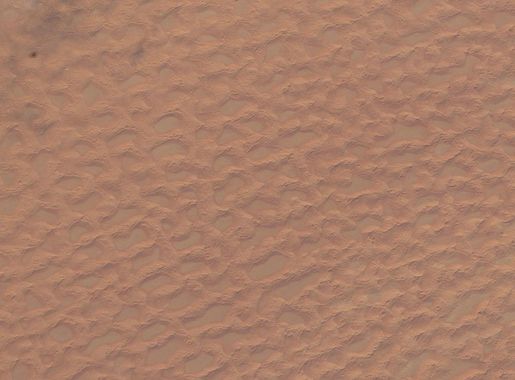

The Enigmatic Surt Desert of Libya
The Surt Desert, also known as the Sirte Desert, is a vast and enigmatic expanse located in northern Libya. This desert, part of the larger Sahara, offers a unique and mysterious landscape marked by endless sand dunes, rocky plateaus, and ancient oases. The Surt Desert is a perfect destination for those seeking adventure and solitude, far from the hustle and bustle of urban life. Visitors to the Surt Desert can experience the raw beauty of the desert environment, with its dramatic contrasts of light and shadow, and the serene silence that envelops the landscape. The desert is home to a variety of flora and fauna, adapted to the harsh conditions, and offers opportunities for camel trekking, dune bashing, and stargazing under the clear night sky. Exploring the Surt Desert also provides a glimpse into Libya's rich cultural heritage. The desert is dotted with ancient ruins, including remnants of Roman and Byzantine settlements, which tell the story of a region that has been inhabited for thousands of years. Traditional Bedouin communities still live in the desert, offering a chance to learn about their way of life and experience their legendary hospitality.