

Free Derna Travel Guide & Mobile App
Explore Derna with free travel guides. Discover regional history, expert tips, proposed trips, and audio guides on web or mobile app.


Derna, Libya, combines Mediterranean coast, wadi scenery and Cyrenaican history, but travel requires careful security planning and local guidance.
Read more about Derna
When is the best time to visit Derna?
Best: April–May, October · 23–28°C| Month | High (°C) | Rainfall (mm) |
|---|---|---|
| January | 17 | 54 |
| February | 17 | 45 |
| March | 20 | 40 |
| April (best) | 23 | 15 |
| May (best) | 27 | 6 |
| June | 32 | 2 |
| July | 36 | 1 |
| August | 36 | 4 |
| September | 33 | 20 |
| October (best) | 28 | 40 |
| November | 22 | 48 |
| December | 18 | 56 |
Getting to and around Derna
How to get there
Transportation
Best attractions in Derna
Derna’s attractions are principally its landscape, urban history and cultural significance rather than a developed tourism infrastructure. The Mediterranean shoreline provides a visual counterpoint to the steep valley of Wadi Derna, while the surrounding eastern Libyan countryside leads towards the limestone uplands of the Jebel Akhdar. Access to the coast, wadi and higher ground must be checked locally because flooding, erosion, reconstruction and security restrictions have altered familiar routes. Within the city, older mosques, cemeteries, surviving historic streets and remnants of earlier civic architecture help explain Derna’s role as a religious and commercial centre. The wider Cyrenaican setting also gives the area archaeological importance, although major ancient sites such as Cyrene are outside Derna and should not be treated as city attractions. Visitors should not expect museums, interpretation centres, organised excursions or family entertainment facilities on the scale found in established Mediterranean destinations. The most responsible experience is usually one arranged through a local institution, guide or professional organisation, with attention to the city’s history and recovery rather than intrusive sightseeing in damaged neighbourhoods.
-
Derna Waterfalls
Discover the breathtaking Derna Waterfalls in Libya: a serene escape with cascading waters, lush landscapes, and abundant wildlife, perfect for nature and adventure lovers.

Best landmarks in Derna
Derna’s defining landmark is its setting at the meeting point of the Mediterranean coast and Wadi Derna, a valley that shaped the city’s growth and became central to its modern tragedy. The wadi and the dams upstream are also reminders of the environmental and engineering conditions behind the catastrophic September 2023 flood; these areas should not be approached without explicit permission because of unstable ground, debris and reconstruction work. Al Sahaba Mosque has long been one of Derna’s best-known religious buildings and an important point of reference in the city, although visitors must confirm its current condition and access after the disaster. Older mosques, cemeteries and surviving streets provide further evidence of Derna’s Islamic and Ottoman-era urban history, but many structures have been damaged, altered or closed. The coastline, harbour area and surrounding limestone hills complete a landscape landmarked as much by geography and recent memory as by monumental architecture.
-
Tourist attraction
Derna Waterfalls
Experience the stunning Derna Waterfalls, a natural wonder in Libya offering breathtaking views and a serene escape into nature's beauty.
-
Tourist attraction
Derna waterfalls
Discover the enchanting Derna Waterfalls in Libya, a breathtaking natural wonder surrounded by lush landscapes and tranquility.
-
Park
سد وادي درنة - Derna Valley Dam
Experience the tranquil beauty of Derna Valley Dam, a serene park perfect for relaxation, picnics, and enjoying nature's peaceful ambiance.
-
 Park
I love Derna
Discover the serene beauty of I Love Derna Park - a tranquil escape in Libya's stunning landscapes, perfect for relaxation and nature lovers.


Explore Derna on the map
Plan your trip on one map. See where the top cities, national parks and sights are, and book hotels and experiences in a few clicks.
Best hotels in Derna
Best restaurants in Derna
Derna’s food culture belongs to eastern Libya and the wider North African Mediterranean, with meals commonly built around bread, couscous, rice, pasta, vegetables, pulses, lamb, chicken and boldly seasoned sauces. Coastal proximity supports the availability of fish when supplies and local conditions permit, while olive oil, dates, tea and sweet pastries are familiar elements of the regional table. Dining is more likely to take place in modest local restaurants, cafés, bakeries or family settings than in a formal international restaurant scene. Following the 2023 flood, the availability and location of food businesses can change, and visitors should not rely on older online listings. Arrange meals through accommodation providers or trusted local contacts, carry suitable provisions for journeys, and use bottled or otherwise reliably treated water. Hospitality is important, but visitors should remain sensitive when eating in a community still coping with loss and reconstruction.
-
Restaurant
Happy Chicken
Discover delightful chicken dishes at Happy Chicken in Derna – where flavor meets comfort in every bite!
-
Restaurant
Liberia Restaurant
Experience authentic Libyan cuisine at Liberia Restaurant in Derna – where local flavors meet warm hospitality.
-
Cafe
O'clock Coffe
Discover O'clock Coffee in Derna: A cozy café offering aromatic brews and delightful pastries in an inviting atmosphere.
-
Restaurant
Lumberjack Restaurant, Derna
Discover authentic Libyan cuisine at Lumberjack Restaurant in Derna - where tradition meets taste in a cozy setting.


Best bars in Derna
Derna does not have a conventional bar and nightclub culture. Libya is predominantly Muslim, and alcohol is restricted and socially inappropriate in ordinary public settings, so evenings generally centre on family visits, cafés, tea, conversation and local restaurants rather than licensed nightlife. Any café or restaurant opening, location and operating arrangements may change because of security conditions, power interruptions and reconstruction. Visitors should avoid assuming that entertainment districts exist or that late-night independent movement is advisable. Evening activity is best arranged through trusted local contacts, with respect for prayer times, Ramadan customs and the privacy of residential communities. Cultural and social life is present, but it is expressed through religious, family and community settings rather than a commercial club scene.
-
Restaurant
مطعم كودو
Discover the flavors of Derna at مطعم كودو, a restaurant offering a delightful blend of local and international cuisine for every palate.
-
Restaurant
Happy Chicken
Experience the taste of Libyan hospitality at Happy Chicken, a must-visit restaurant in Derna for chicken lovers and food enthusiasts.
-
Liberia Restaurant
Experience the authentic tastes of Libya at Liberia Restaurant in Derna, where local traditions meet warm hospitality.
-
Palm Market
Explore the lively Palm Market in Derna for fresh produce, local delicacies, and an authentic taste of Libyan culture.


Best nightclubs in Derna
Derna does not have a conventional bar and nightclub culture. Libya is predominantly Muslim, and alcohol is restricted and socially inappropriate in ordinary public settings, so evenings generally centre on family visits, cafés, tea, conversation and local restaurants rather than licensed nightlife. Any café or restaurant opening, location and operating arrangements may change because of security conditions, power interruptions and reconstruction. Visitors should avoid assuming that entertainment districts exist or that late-night independent movement is advisable. Evening activity is best arranged through trusted local contacts, with respect for prayer times, Ramadan customs and the privacy of residential communities. Cultural and social life is present, but it is expressed through religious, family and community settings rather than a commercial club scene.
Best shops in Derna
Shopping in Derna is primarily practical and local, centred on small food shops, bakeries, general stores, market-style businesses and modest high-street commerce rather than large retail centres. Visitors may encounter eastern Libyan staples such as dates, olive oil, spices, tea, pastries and packaged foods, although availability and quality vary and should be checked locally. Traditional crafts and distinctive souvenirs are less reliably organised than in established tourist destinations, so purchases should be made through reputable shops or markets rather than informal sellers near sensitive sites. The 2023 flood disrupted commercial areas and supply chains, and older references to particular streets or businesses may no longer be current. Carry essential personal items from a larger gateway city, while buying locally where practical can support recovering businesses. Photography, bargaining and visits to market areas should follow local etiquette and any security instructions.
-
Grocery store
Palm Market
Discover the vibrant local culture and flavors at Palm Market, a must-visit grocery store in Derna, Libya.
-
Shopping mall
Market to sell vegetables and meat
Explore the colorful market in Derna for fresh produce and local delicacies, immersing yourself in Libyan culture and flavor.
-
Ice Cream
مومو للمثلجات الإيطالية - Momo Gelato italiano
Experience authentic Italian gelato at Momo Gelato Italiano in Derna, where every scoop is a delicious journey into flavor.
-
Shopping mall
Construction materials shop
Discover the vibrant construction materials shop in Derna, a hub for builders where local craftsmanship meets quality supplies.


Get your free copy of our complete guide to Derna, delivered straight to you.
Everything on this page, from attractions and restaurants to essentials and local phrases, in one PDF you can read offline, print or share.
Already have an account? Sign in
Your Derna guide is ready.
We'll send it to · Not you? Sign out

Getting your guide ready…
We are putting together a fresh copy of the Derna guide. This can take up to a minute.
This can take a few moments. If your browser asks, choose Allow so the download can start. You'll find the guide in your Downloads folder.
Nothing happened? Download it again
Sorry, the guide is taking longer than usual. Please try again in a minute, or get it by email instead.
Derna essentials
Currency and Payment
Safety
Emergency Situations
Do's and Don'ts
Local Tips
From Eve
Local phrases worth knowing
You don't need to get them perfect. A few words go a long way, and locals appreciate the effort.
Basics
| English | Local | Say it |
|---|---|---|
| Hello | مرحبا | [Marhaban] |
| Goodbye | وداعا | [Wada'an] |
| Yes | نعم | [Na'am] |
| No | لا | [La] |
| Please/You're welcome | من فضلك | [Min fadlik] |
| Thank you | شكرا | [Shukran] |
| Excuse me/Sorry | عفوا | [Afwan] |
| How are you? | كيف حالك؟ | [Kayfa halak?] |
| Fine. And you? | بخير. وأنت؟ | [Bikhayr. Wa anta?] |
| Do you speak English? | هل تتحدث الإنجليزية؟ | [Hal tatahadath al-ingliziya?] |
| I don't understand | لا أفهم | [La afham] |
Eating & Drinking
| English | Local | Say it |
|---|---|---|
| I'd like to see the menu, please | أود رؤية القائمة، من فضلك | [Awad ru'yat al-qaimah, min fadlik] |
| I don't eat meat | لا آكل اللحم | [La akul al-lahm] |
| Cheers! | في صحتك! | [Fi sihhatak!] |
| I would like to pay, please | أود الدفع، من فضلك | [Awad al-daf', min fadlik] |
Emergencies
| English | Local | Say it |
|---|---|---|
| Help! | ساعدني! | [Sa'idni!] |
| Go away! | ابتعد! | [Ibt'id!] |
| Call the Police! | اتصل بالشرطة! | [Ittasil bil-shurta!] |
| Call a doctor! | اتصل بالطبيب! | [Ittasil bil-tabeeb!] |
| I'm lost | أنا ضائع | [Ana da'i'] |
| I'm ill | أنا مريض | [Ana marid] |
Shopping
| English | Local | Say it |
|---|---|---|
| I'd like to buy... | أود شراء... | [Awad shira'] |
| I'm just looking | أنا فقط أنظر | [Ana faqat anzur] |
| How much is it? | كم ثمنه؟ | [Kam thamanuh?] |
| That's too expensive | هذا مكلف جدا | [Hatha mukallif jidan] |
| Can you lower the price? | هل يمكنك تخفيض السعر؟ | [Hal yumkinuka takhfid al-si'r?] |
Time & Numbers
| English | Local | Say it |
|---|---|---|
| What time is it? | ما الوقت الآن؟ | [Ma al-waqt al-an?] |
| It's one o'clock | الساعة الواحدة | [Al-sa'ah al-wahidah] |
| Half past (10) | العاشرة والنصف | [Al-'ashirah wal-nisf] |
| Morning | صباحا | [Sabahan] |
| Afternoon | بعد الظهر | [Ba'd al-zuhur] |
| Evening | مساء | [Masa'an] |
| Yesterday | أمس | [Ams] |
| Today | اليوم | [Al-yawm] |
| Tomorrow | غدا | [Ghadan] |
| 1 | واحد | [Wahid] |
| 2 | اثنان | [Ithnan] |
| 3 | ثلاثة | [Thalathah] |
| 4 | أربعة | [Arba'a] |
| 5 | خمسة | [Khamsah] |
| 6 | ستة | [Sittah] |
| 7 | سبعة | [Sab'ah] |
| 8 | ثمانية | [Thamaniyah] |
| 9 | تسعة | [Tis'ah] |
| 10 | عشرة | [Asharah] |
Transport & Directions
| English | Local | Say it |
|---|---|---|
| Where's a/the...? | أين ...؟ | [Ayna ...?] |
| What's the address? | ما هو العنوان؟ | [Ma huwa al-'unwan?] |
| Can you show me (on the map)? | هل يمكنك إرشادي (على الخريطة)؟ | [Hal yumkinuka irshadi (ala al-kharita)?] |
| When's the next (bus)? | متى يأتي (الحافلة) التالية؟ | [Mata ya'ti (al-hafila) al-taliya?] |
| A ticket (to ....) | تذكرة (إلى ....) | [Tadhkirah (ila ....)] |
History of Derna
Ancient Cyrenaica and the Greek World
Derna stands within the historic region of Cyrenaica, whose Mediterranean coast and uplands were shaped by Greek settlement from the seventh century BC onwards. The principal ancient centre was Cyrene, in the Jebel Akhdar hinterland to the west of Derna, while other coastal settlements connected the area to sea routes across the eastern Mediterranean. Although the major archaeological remains of Cyrene are not in Derna itself, the city belongs to the same historical landscape, where Greek, Egyptian, Roman and later Christian influences left a lasting cultural framework.
Roman and Byzantine Cyrenaica
Under Roman rule, Cyrenaica became part of the empire’s North African provinces, exporting agricultural products and maintaining coastal and inland connections. Christianity became influential during the late Roman and Byzantine periods, and the wider region contains evidence of churches, farms, roads and fortified settlements from these eras. Derna’s immediate history is less archaeologically visible than that of Cyrene, but its location on the eastern Libyan coast placed it within the long infrastructure and trading network linking the Mediterranean shore with the interior.
The Medieval Foundation of Derna
The modern settlement of Derna developed during the Islamic period and is traditionally associated with Muslim communities arriving from al-Andalus after the Christian conquest of parts of Iberia. Over time, the town became a coastal centre serving surrounding agricultural districts and routes across eastern Libya. Islamic religious life, Arabic language and regional commerce gave Derna the cultural foundations that continue to define it, even though later rebuilding, political change and conflict have altered much of the historic urban fabric.
Ottoman Rule and the Senussi Era
Derna formed part of the Ottoman imperial sphere from the sixteenth century, although effective control in Cyrenaica varied over time and local authorities retained considerable influence. In the nineteenth century, the Senussi order became a major religious and political force in eastern Libya, building networks of lodges, education and authority across the region. Derna’s mosques, religious institutions and connections with the inland communities reflect this broader history of Ottoman administration, local leadership and Senussi influence.
Italian Occupation and the Second World War
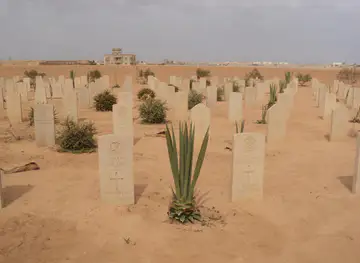
Italy invaded Libya in 1911 and incorporated the territory into its colonial system, including eastern coastal towns such as Derna. Colonial rule brought new administrative structures and construction but was accompanied by coercion, land disruption and violent resistance. During the Second World War, Cyrenaica became a major theatre of fighting between British Commonwealth and Axis forces. Derna’s strategic position on the coast made the surrounding area important to military movements, though the war’s broader legacy is more significant than any single surviving battlefield site within the city.
Independence, Conflict and the 2023 Flood
Libya became independent in 1951 under King Idris, whose political base was closely associated with Cyrenaica, before the monarchy was overthrown in 1969. The conflicts that followed the 2011 uprising deeply affected eastern Libya, including Derna, producing political division, insecurity and disrupted public services. In September 2023, Storm Daniel caused catastrophic flooding when dams above the city failed or were overwhelmed. The disaster destroyed neighbourhoods, killed and displaced large numbers of people, and created a defining new chapter in Derna’s history of loss, resilience and reconstruction.
Derna in Photos
Browse through our photo collection highlighting the charm and character of the destination.
Neighbouring regions of Derna
The closest regions to Derna, if you have time for more than one.
-

-

-

-
-


Swipe for more regions
Explore more

Explore more of Libya
Discover Libya: Ancient ruins, vast deserts, and Mediterranean charm await in this North African gem.
Explore Libya