

Free Ajdabiya Travel Guide & Mobile App
Explore Ajdabiya with free travel guides. Discover regional history, expert tips, proposed trips, and audio guides on web or mobile app.


Ajdabiya offers eastern Libya’s historic crossroads, desert-edge landscapes and access to Cyrenaica’s wider archaeological and overland routes.
Read more about Ajdabiya
When is the best time to visit Ajdabiya?
Best: March–April, November · 22–26°C| Month | High (°C) | Rainfall (mm) |
|---|---|---|
| January | 17 | 1 |
| February | 18 | 1 |
| March (best) | 22 | 1 |
| April (best) | 26 | 1 |
| May | 30 | 1 |
| June | 34 | 1 |
| July | 37 | 1 |
| August | 36 | 1 |
| September | 33 | 1 |
| October | 29 | 1 |
| November (best) | 22 | 1 |
| December | 18 | 1 |
Getting to and around Ajdabiya
How to get there
Transportation
Top city travel guides in Ajdabiya
The cities of Ajdabiya, and the easiest places to base yourself.

Swipe for more cities
Destinations in Ajdabiya
Resorts, valleys and scenic spots worth a trip of their own.

Swipe for more destinations
Best attractions in Ajdabiya
Ajdabiya’s attractions are principally historical and geographical rather than purpose-built for mass tourism. The old settlement and its medieval Islamic remains provide the clearest focus, while local mosques and surviving historic fabric offer context for the city’s role in eastern Libya. The surrounding landscape is an attraction in its own right: broad, dry plains mark the transition from Cyrenaica’s settled coast towards the desert routes leading to the oases. Visitors with suitable local arrangements may use the city as a waypoint on journeys towards Jalu or farther south, but these are demanding overland excursions rather than casual day trips. Everyday experiences include markets, cafés, road-side movement and observation of contemporary Libyan urban life. Ajdabiya is not a conventional beach, resort or museum destination, and formal interpretation at historical sites may be limited. Travel should therefore be planned around access, security and local guidance, with adequate water, transport and communications. The city’s value lies in connecting the history of Cyrenaica with the practical geography of Libya’s eastern interior.
-
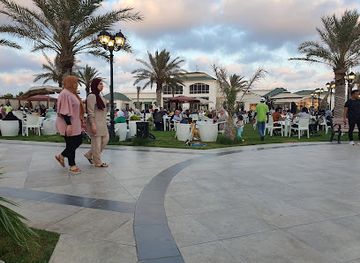
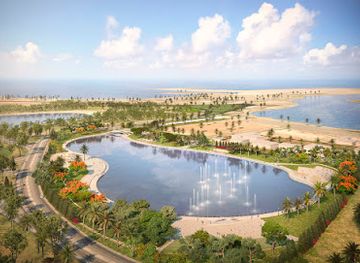
Golden Palm Tree Resort
Experience relaxation and Libyan culture at the Golden Palm Tree Resort in Benghazi, a coastal oasis with beaches, dining, and entertainment.
-
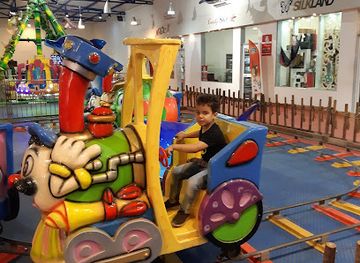
Al-Sindibad Park
Escape to Al-Sindibad Park in Benghazi for family fun, relaxation, and a touch of nature in the heart of the city.
-
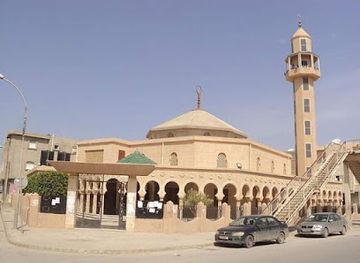
Omar Al-Mukhtar Mosque
Discover the architectural beauty and spiritual significance of Benghazi's Omar Al-Mukhtar Mosque, a landmark embodying Libyan heritage.
-
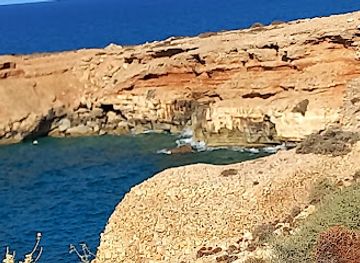
Jebel Akhdar
Discover Oman's Green Mountain: Hike through stunning landscapes, explore traditional villages, and experience a unique cultural heritage.
Best landmarks in Ajdabiya
The principal historic landmark associated with Ajdabiya is the old mosque and the remains of the medieval settlement, which illustrate the city’s importance on Islamic-era routes across eastern Libya. These remains matter less for monumental scale than for their connection to the Fatimid period and to the movement of people, goods and political authority between the coast and the oases. The wider city is also a geographical landmark in practical terms: its road corridors mark the transition from the more settled Cyrenaican zone towards Libya’s interior desert. Unlike coastal cities such as Benghazi or ancient sites elsewhere in Cyrenaica, Ajdabiya has relatively little formally presented monumental architecture for visitors. Access, preservation and interpretation can be limited, so any visit to historic structures should be arranged with local guidance and conducted respectfully. The surrounding open landscape, fuel routes and long-distance roads are part of the city’s identity, reflecting its continuing role as a strategic inland crossroads.
-
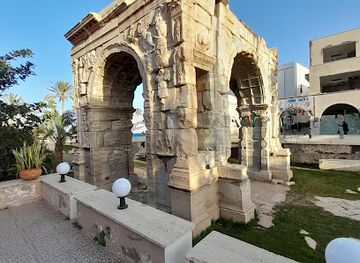
Historical landmark
Arc of Marcus Aurelius
Explore the Arc of Marcus Aurelius, a stunning historical landmark in Tripoli, rich with Roman heritage and intricate architectural beauty.
-
Zoo
Benghazi Zoo
Explore the enchanting Benghazi Zoo, where wildlife meets beautiful landscapes in the heart of Libya's vibrant city.
-
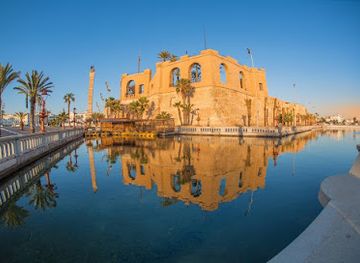
Archaeological museum
Saraya Museum
Discover the rich archaeological heritage of Libya at Saraya Museum in Tripoli, where history comes alive through stunning artifacts and captivating exhibits.
-
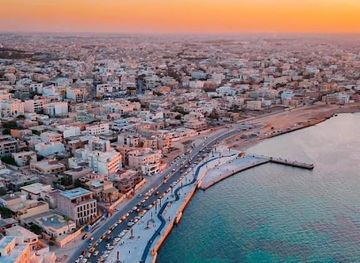
City park
Hay Al-Andalus Corniche
Explore Hay Al-Andalus Corniche, a tranquil city park in Tripoli, offering lush greenery, scenic views, and a perfect escape for families and nature lovers.
Explore Ajdabiya on the map
Plan your trip on one map. See where the top cities, national parks and sights are, and book hotels and experiences in a few clicks.
Best hotels in Ajdabiya
Best restaurants in Ajdabiya
Dining in Ajdabiya is grounded in ordinary Libyan and North African food rather than a developed international restaurant scene. Local establishments commonly serve couscous, rice with meat or vegetables, grilled meats, soups, flatbreads and salads, while tea and strong coffee are central to social hospitality. Dates and other shelf-stable foods are particularly practical in a city connected to desert travel. Cafés and modest restaurants are more useful to visitors than formal dining rooms, although standards, opening arrangements and menus can vary. Travellers should ask local contacts which establishments are operating and avoid assuming that online listings are current. Alcohol is not part of public dining culture, and visitors should follow local expectations around Ramadan, meal times and dress. Food supplies on longer road journeys should be arranged in advance, especially when travelling south or away from the main urban area.
-
Chophouse restaurant
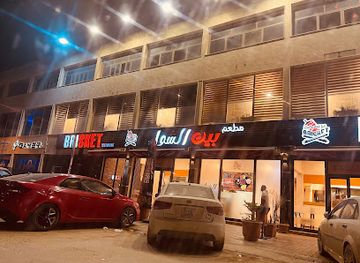
Brisket
Discover Brisket - A premier chophouse in Western Fwayhat renowned for its mouthwatering grilled meats and inviting atmosphere.
-
Restaurant
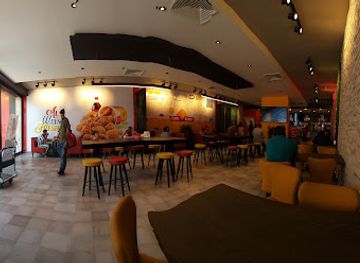
Big Break Restaurant
Experience authentic Libyan cuisine at Big Break Restaurant in Bin Jawad – where every meal tells a story.
-
Restaurant
Kudu (Venice)
Discover Kudu in Benghazi for an unforgettable taste of Venetian cuisine amidst Libyan charm.
-
Restaurant
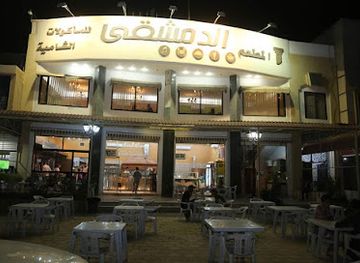
Aldemashki
Discover Aldemashki: A delightful restaurant in Benghazi serving authentic Libyan dishes with a modern twist.

Best bars in Ajdabiya
Ajdabiya does not have a conventional bar or nightclub scene. Evening social life centres on family visits, cafés, tea, coffee, restaurants and informal gatherings, with activity concentrated in the city rather than along a dedicated entertainment district. Alcohol is prohibited in Libya, so visitors should not expect licensed drinking venues. Night-time movement should be kept practical and locally guided because security conditions, road access and business hours can change. For many travellers, the evening experience is simply a meal, conversation in a café or an early start planned for the following day’s journey. Live entertainment and larger nightlife offerings are not a dependable feature of the city.
-
Lounge
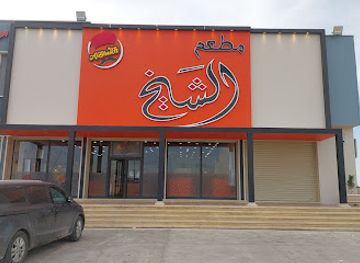
مطعم الشيخ
Savor authentic Libyan flavors at مطعم الشيخ, a culinary haven on the coastal road of Ajdabiya, perfect for tourists seeking a true taste of Libya.
-
Lounge
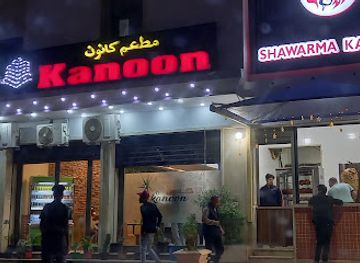
مطعم كانون
Experience authentic Libyan flavors at مطعم كانون in Ajdabiya, where every dish tells a story of tradition and taste.
-
Lounge
مطعم الباهي باهي
Experience authentic Libyan cuisine in a cozy atmosphere at مطعم الباهي باهي, a must-visit dining destination in Ajdabiya.
-
Lounge
اجدابيا
Experience the rich flavors and culinary diversity of Ajdabiya, Libya's vibrant heart of gastronomy.
Best nightclubs in Ajdabiya
Ajdabiya does not have a conventional bar or nightclub scene. Evening social life centres on family visits, cafés, tea, coffee, restaurants and informal gatherings, with activity concentrated in the city rather than along a dedicated entertainment district. Alcohol is prohibited in Libya, so visitors should not expect licensed drinking venues. Night-time movement should be kept practical and locally guided because security conditions, road access and business hours can change. For many travellers, the evening experience is simply a meal, conversation in a café or an early start planned for the following day’s journey. Live entertainment and larger nightlife offerings are not a dependable feature of the city.
-
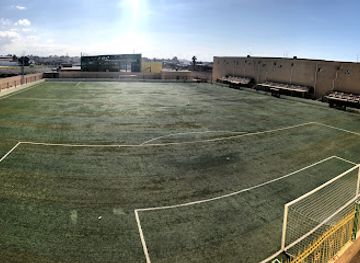
Benghazi Aljadida Sports Club
Experience the vibrant spirit of Benghazi at Aljadida Sports Club, a hub for sports and local culture where community and passion collide.
-
 Amphitheater
Al-Ahly, the leader of the Libyan clubs
Experience the essence of Libyan sports culture at Al-Ahly, the iconic amphitheater in Benghazi, where passion and pride unite.
-
Night club
٠٩١٧٨٦٨٤٠٢
Discover the vibrant nightlife of Kuwayfiyah at its top night club, where music, dance, and an unforgettable atmosphere await.
Best shops in Ajdabiya
Shopping in Ajdabiya is primarily practical and local, centred on small shops, food retailers, clothing outlets, markets and businesses serving residents and long-distance road users. Visitors may find dates, packaged foods, spices, tea, locally used textiles and everyday household goods, but the city is not a major craft or luxury-shopping destination. There is no reliable basis for assuming a permanent tourist market or extensive international retail area. Market activity and stock can vary, so ask local contacts about current locations and suitable payment methods. For travellers continuing into the desert, water, food, fuel-related supplies and basic personal necessities are more important purchases than souvenirs. Any antiquities offered for sale should be avoided: archaeological artefacts belong to Libya’s cultural heritage and their export may be illegal. Modest gifts such as locally purchased food products or textiles are more appropriate than attempting to buy historical objects.
-
Clothing store
Bozaty
Explore Bozaty in Ajdabiya for unique clothing that blends traditional Libyan styles with modern fashion trends.
-
Store
سيف فون sief fon
Experience the heart of Ajdabiya at سيف فون sief fon, where local culture meets unique shopping in a welcoming atmosphere.
-
Clothing store
معرض اقعيم G&K
Explore the vibrant clothing at معرض اقعيم G&K in Ajdabiya, where modern styles meet traditional Libyan fashion for an unforgettable shopping experience.
-
Supermarket
محل حمد بيوض 2
Discover local flavors and vibrant culture at محل حمد بيوض 2, Ajdabiya's premier supermarket for a unique shopping experience.


Get your free copy of our complete guide to Ajdabiya, delivered straight to you.
Everything on this page, from attractions and restaurants to essentials and local phrases, in one PDF you can read offline, print or share.
Already have an account? Sign in
Your Ajdabiya guide is ready.
We'll send it to · Not you? Sign out

Getting your guide ready…
We are putting together a fresh copy of the Ajdabiya guide. This can take up to a minute.
This can take a few moments. If your browser asks, choose Allow so the download can start. You'll find the guide in your Downloads folder.
Nothing happened? Download it again
Sorry, the guide is taking longer than usual. Please try again in a minute, or get it by email instead.
Ajdabiya essentials
Currency and Payment
Safety
Emergency Situations
Do's and Don'ts
Local Tips
From Eve
Local phrases worth knowing
You don't need to get them perfect. A few words go a long way, and locals appreciate the effort.
Basics
| English | Local | Say it |
|---|---|---|
| Hello | سلام | [salaam] |
| Goodbye | مع السلامة | [ma'a as-salaama] |
| Yes | نعم | [na'am] |
| No | لا | [laa] |
| Please/You're welcome | من فضلك | [min fadlik] |
| Thank you | شكرا | [shukran] |
| Excuse me/Sorry | عذرا | [udhru] |
| How are you? | كيف حالك؟ | [kayfa halak?] |
| Fine. And you? | بخير. وأنت؟ | [bikhayr. wa anta?] |
| Do you speak English? | هل تتحدث الإنجليزية؟ | [hal tatahaddath al-ingliziya?] |
| I don't understand | أنا لا أفهم | [ana la afham] |
Eating & Drinking
| English | Local | Say it |
|---|---|---|
| I'd like to see the menu, please | أود رؤية القائمة، من فضلك | [awad ru'yat al-qa'ima, min fadlik] |
| I don't eat meat | أنا لا آكل اللحم | [ana la akul al-lahm] |
| Cheers! | صحة | [sahha] |
| I would like to pay, please | أود الدفع، من فضلك | [awad ad-da'f, min fadlik] |
Emergencies
| English | Local | Say it |
|---|---|---|
| Help! | نجدة! | [najda!] |
| Go away! | ابتعد! | [ibta'id!] |
| Call the Police! | اتصل بالشرطة! | [ittasil bil-shurta!] |
| Call a doctor! | اتصل بالطبيب! | [ittasil bil-tabeeb!] |
| I'm lost | أنا ضائع | [ana da'i'] |
| I'm ill | أنا مريض | [ana marid] |
Shopping
| English | Local | Say it |
|---|---|---|
| I'd like to buy... | أود شراء... | [awad shira'] |
| I'm just looking | أنا فقط أنظر | [ana faqat anzur] |
| How much is it? | كم سعره؟ | [kam si'ru?] |
| That's too expensive | هذا مكلف جدا | [hadha mukallaf jiddan] |
| Can you lower the price? | هل يمكنك تخفيض السعر؟ | [hal yumkinuka takhfid as-si'r?] |
Time & Numbers
| English | Local | Say it |
|---|---|---|
| What time is it? | كم الساعة؟ | [kam as-saa'a?] |
| It's one o'clock | الساعة الواحدة | [as-saa'a al-wahidah] |
| Half past (10) | نصف الساعة (10) | [nisf as-saa'a (10)] |
| Morning | صباح | [sabah] |
| Afternoon | بعد الظهر | [ba'd al-zuhur] |
| Evening | مساء | [masa'] |
| Yesterday | أمس | [ams] |
| Today | اليوم | [al-yawm] |
| Tomorrow | غدا | [ghadan] |
| 1 | واحد | [wahid] |
| 2 | اثنان | [ithnain] |
| 3 | ثلاثة | [thalatha] |
| 4 | أربعة | [arba'a] |
| 5 | خمسة | [khamsa] |
| 6 | ستة | [sitta] |
| 7 | سبعة | [sab'a] |
| 8 | ثمانية | [thamaniya] |
| 9 | تسعة | [tis'a] |
| 10 | عشرة | [ashara] |
Transport & Directions
| English | Local | Say it |
|---|---|---|
| Where's a/the...? | أين هو/هي...؟ | [ayn huwa/hiya...?] |
| What's the address? | ما هو العنوان؟ | [ma huwa al-unwan?] |
| Can you show me (on the map)? | هل يمكنك أن تريني (على الخريطة)؟ | [hal yumkinuka an turini (ala al-kharita)?] |
| When's the next (bus)? | متى يأتي (الباص) القادم؟ | [mataa ya'ti (al-bas) al-qadim?] |
| A ticket (to ....) | تذكرة (إلى ....) | [tathkara (ila ....)] |
History of Ajdabiya
Ancient Cyrenaica and the Interior Routes
Ajdabiya lies within the broad historical sphere of Cyrenaica, a region influenced by ancient Greek settlement along the coast, later incorporated into the Roman world and connected to inland routes across Libya. The city’s precise modern form developed much later, but its location reflects an older geographical reality: routes between the Mediterranean, the coastal plains and the oases of the interior had strategic and commercial value. These corridors helped link settled communities with pastoral and desert societies.
The Medieval Islamic Settlement
Ajdabiya became significant during the medieval Islamic period, when eastern Libya was connected to changing dynasties and trans-Saharan routes. Archaeological remains and the old mosque are associated with the historic settlement, whose position made it useful as a centre between coastal Cyrenaica and the desert. The town is particularly connected with the Fatimid period, when the dynasty’s early power extended across North Africa before its political centre shifted eastwards to Egypt.
Ottoman Administration in Eastern Libya
From the sixteenth century, Ottoman authority was established in parts of Libya, although effective control varied across the interior and depended on local alliances, provincial officials and established communities. Ajdabiya’s importance continued to derive from its position within eastern routes rather than from a large coastal port. Ottoman-era political geography helped shape the relationship between towns, tribal territories and caravan corridors that remained important into the modern period.
Italian Rule and the Colonial Road Network
Italy invaded Libya in 1911 and gradually expanded its control, facing prolonged resistance in Cyrenaica. Colonial administration brought military infrastructure, roads and new forms of settlement, while also imposing major social and economic disruption. The region became a principal theatre of resistance, especially during the campaigns associated with Omar al-Mukhtar. The road connections that later supported modern movement through Ajdabiya developed within this wider, contested colonial transformation.
The Senussi Movement and the Kingdom of Libya
Cyrenaica was the heartland of the Senussi religious and political movement, which established networks of lodges and influence across eastern Libya and the Sahara. After independence in 1951, the Senussi-linked monarchy ruled the Kingdom of Libya under King Idris I, whose political base was strongly associated with the east. Ajdabiya consequently formed part of a region with a distinctive political history and enduring connections between urban communities, desert routes and eastern institutions.
Oil, State Development and Strategic Conflict
The discovery and exploitation of oil transformed Libya after the Second World War, bringing new state revenue, infrastructure and migration while increasing the strategic importance of transport corridors across the eastern interior. Ajdabiya’s location near routes serving oil-producing areas contributed to its modern role. Since the 2011 uprising, eastern Libya has also been affected by armed conflict, divided institutions and shifting control, conditions that continue to influence travel, commerce and public life.
Ajdabiya in Photos
Browse through our photo collection highlighting the charm and character of the destination.
Neighbouring regions of Ajdabiya
The closest regions to Ajdabiya, if you have time for more than one.
-

-

-

-

-


Swipe for more regions
Explore more

Explore more of Libya
Discover Libya: Ancient ruins, vast deserts, and Mediterranean charm await in this North African gem.
Explore Libya