

Free Bayda Travel Guide & Mobile App
Explore Bayda with free travel guides. Discover regional history, expert tips, proposed trips, and audio guides on web or mobile app.


Bayda in eastern Libya combines Green Mountain landscapes, Senussi history and access to the ancient heritage of Cyrenaica.
Read more about Bayda
When is the best time to visit Bayda?
Best: April–May, October · 25–29°C| Month | High (°C) | Rainfall (mm) |
|---|---|---|
| January | 15 | 30 |
| February | 16 | 25 |
| March | 20 | 20 |
| April (best) | 25 | 15 |
| May (best) | 29 | 10 |
| June | 32 | 5 |
| July | 35 | 2 |
| August | 35 | 2 |
| September | 32 | 5 |
| October (best) | 28 | 15 |
| November | 20 | 20 |
| December | 17 | 25 |
Getting to and around Bayda
How to get there
Transportation
Best attractions in Bayda
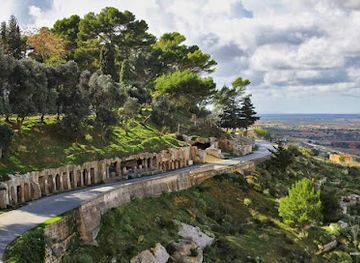
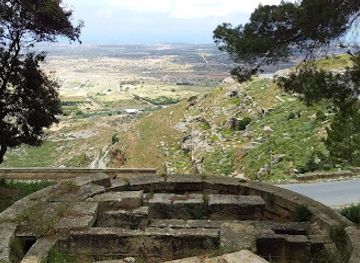
Bayda's attractions are shaped more by landscape, history and regional context than by a dense concentration of ticketed sights. The city provides access to the elevated country of Jabal al Akhdar, where limestone ridges, cultivated valleys, olive groves and seasonal greenery contrast with Libya's desert image. Short excursions into the surrounding countryside can reveal rural settlements, viewpoints and agricultural landscapes, although access should be arranged with informed local assistance. In the city, public institutions, educational facilities and local markets offer insight into contemporary eastern Libyan life. The area's greatest historical attraction, the ancient Greek and Roman city of Cyrene, lies near Shahhat and outside Bayda; it is a separate excursion rather than a city sight. The Mediterranean coast, including the area around Susah, is also beyond Bayda and should be planned as a distinct journey. Visitors interested in archaeology, Islamic history, the Senussi legacy and anti-colonial resistance will find the wider Cyrenaican region especially significant, while those seeking outdoor experiences can focus on highland walks and scenic drives where conditions permit. Because opening arrangements, permissions and security conditions may change, local coordination is more important here than a fixed sightseeing schedule.
-
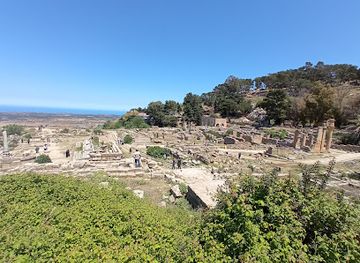
Ruins of Cyrene
Discover the ancient wonders of Cyrene, a UNESCO World Heritage Site in Libya, with Greek and Roman ruins dating back to the 7th century BC.
-
Temple of Zeus
Explore the Temple of Zeus in Shahat, Libya, an ancient Greek temple withstanding the test of time, showcasing remarkable architecture and rich history.
-
Haua Fteah Cave
Explore Haua Fteah Cave: A journey through 200,000 years of human history in Libya's Green Mountain, a must-see for history and nature lovers.
-
Hospitum
Explore the historical echoes of Shahat at Hospitum, a gateway to Libya's ancient past and cultural heritage.

Best landmarks in Bayda
Bayda's most defining landmark is its position on the elevated Jabal al Akhdar plateau, where the city overlooks a greener and more cultivated landscape than much of Libya. The surrounding limestone escarpments and valleys are geographical landmarks in their own right, although many viewpoints lie outside the built-up centre and require local guidance. Within the city, government and institutional buildings recall Bayda's importance during the final years of the Libyan monarchy, when it served as the seat of national government in the 1960s. The city's relationship with the Senussi tradition and the memory of Omar al-Mukhtar gives its public spaces and historical landscape added significance. The monumental ruins of Cyrene near Shahhat are the most important ancient landmarks associated with a Bayda visit, but they are outside the Bayda area and should be described as a nearby regional excursion. The Mediterranean escarpment and coastal views beyond the plateau likewise belong to the wider Cyrenaican landscape rather than to the city itself.
-
Historical landmark
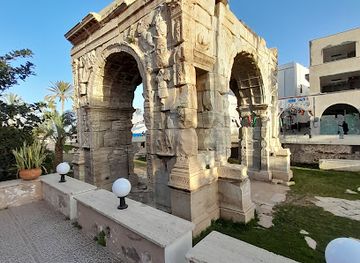
Arc of Marcus Aurelius
Discover the Arc of Marcus Aurelius in Tripoli, a stunning historical landmark that embodies the grandeur of ancient Rome and invites exploration of its rich past.
-
Zoo
Benghazi Zoo
Discover the vibrant animal kingdom at Benghazi Zoo, a beautiful park and tourist attraction in the heart of Libya's second-largest city.
-
Archaeological museum
Saraya Museum
Explore the rich history of Libya at Saraya Museum, an archaeological gem in Tripoli's Old City, showcasing artifacts that tell the story of a nation.
-
City park
Hay Al-Andalus Corniche
Experience the natural beauty and tranquility of Hay Al-Andalus Corniche, a picturesque park in Tripoli ideal for relaxation and leisure.
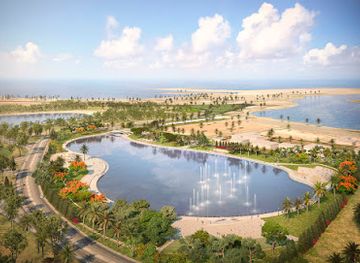
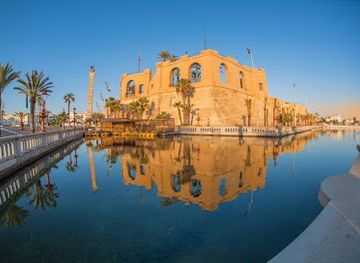
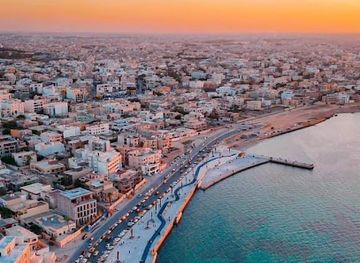
Explore Bayda on the map
Plan your trip on one map. See where the top cities, national parks and sights are, and book hotels and experiences in a few clicks.
Best hotels in Bayda
Best restaurants in Bayda
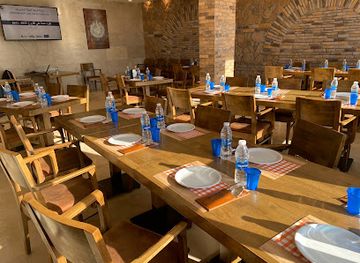
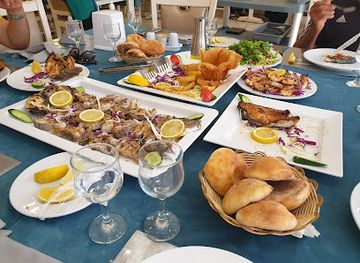
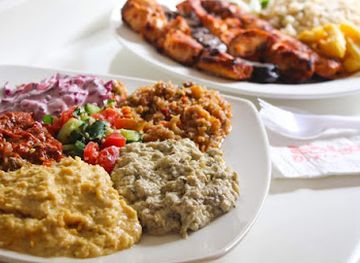
Dining in Bayda reflects eastern Libyan home cooking and the produce of the Green Mountain rather than a specialised tourist restaurant scene. Couscous, rice-based dishes, soups, grilled meat, chicken, flatbreads and vegetable stews are familiar choices, often accompanied by salads, dates and sweet tea. Olive cultivation and orchard farming in Jabal al Akhdar contribute locally important produce, although availability varies by season. Cafés and straightforward restaurants are generally more useful than formal dining venues, and meals may be shared in a social setting. Visitors should expect menus and opening arrangements to be simple and should ask locally about current options. Seafood becomes more prominent on the coast, but coastal settlements lie outside Bayda and are not a substitute for the city's highland food culture. Carrying water and allowing flexibility around meal times is sensible when travelling beyond the urban area.
-
Lebanese
Fattoush Lebanese Restaurant
Experience authentic Lebanese flavors at Fattoush Restaurant in Tripoli – where every dish tells a story.
-
Seafood
Rubian Restuarant
Experience the best of Libyan seafood at Rubian Restaurant in Tripoli – where freshness meets tradition.
-
Restaurant
Happy Chicken
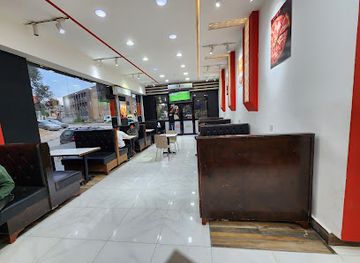
Experience the vibrant flavors of Libyan cuisine at Happy Chicken in Al Bayda – where every bite tells a story.
-
Restaurant
Aldyafa Restaurant
Discover authentic Libyan flavors at Aldyafa Restaurant in Tripoli, where culinary tradition meets warm hospitality.
Best bars in Bayda
Bayda does not have a conventional bar-and-nightclub culture. Evening life centres on cafés, tea, family visits and restaurants, with conversation and social gatherings continuing after sunset in the city centre and commercial areas. Alcohol is not part of ordinary public entertainment, and visitors should not expect the seafront club scene associated with some Mediterranean destinations. Occasional cultural, university or community events may provide evening activity, but programmes and access can change. Outside Bayda, rural Jabal al Akhdar becomes quiet after dark, and travelling between settlements at night is best avoided unless arranged with a trusted local driver. The evening atmosphere is therefore more useful for observing everyday social life and enjoying local food or tea than for seeking organised nightlife.
-
Happy Chicken
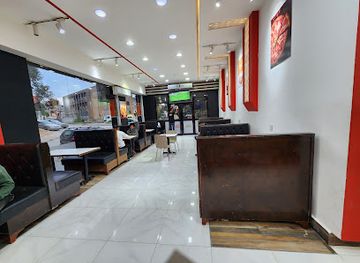
Experience the heart of Al Bayda's culinary scene at Happy Chicken, where delicious chicken dishes and a friendly atmosphere await.
-
Restaurant
Al-Barasi Restaurant
Experience the authentic taste of Libya at Al-Barasi Restaurant, a culinary haven in Al Bayda offering traditional dishes and a warm atmosphere.
-
Bar
مطعم الباشا
Discover the rich flavors of Libya at مطعم الباشا, a delightful restaurant in Al Bayda offering authentic local cuisine.
-
Bar
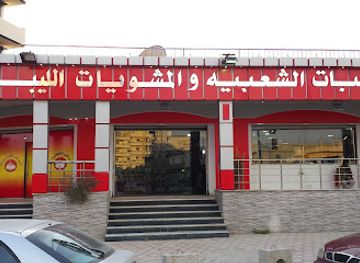
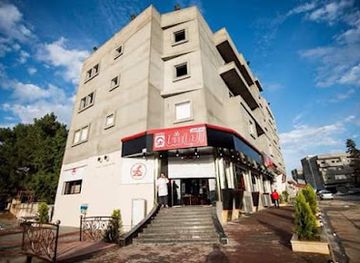
مطعم البيك
Discover the flavors of Libya at مطعم البيك, where every dish tells a story in the heart of Al Bayda.
Best nightclubs in Bayda
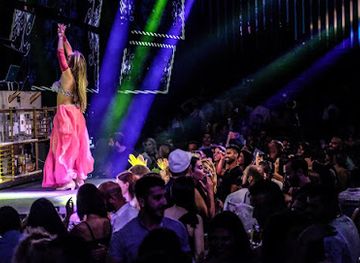
Bayda does not have a conventional bar-and-nightclub culture. Evening life centres on cafés, tea, family visits and restaurants, with conversation and social gatherings continuing after sunset in the city centre and commercial areas. Alcohol is not part of ordinary public entertainment, and visitors should not expect the seafront club scene associated with some Mediterranean destinations. Occasional cultural, university or community events may provide evening activity, but programmes and access can change. Outside Bayda, rural Jabal al Akhdar becomes quiet after dark, and travelling between settlements at night is best avoided unless arranged with a trusted local driver. The evening atmosphere is therefore more useful for observing everyday social life and enjoying local food or tea than for seeking organised nightlife.
-
Mine Beirut
Discover the pulsating nightlife at Mine Beirut, where live music and vibrant energy create unforgettable experiences along the beautiful coast.
-
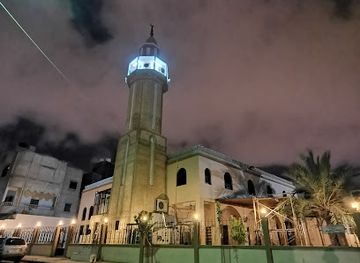
wessaayt abderri Mosque
Discover the architectural beauty and cultural significance of Wessaayt Abderri Mosque in Tripoli, a must-visit for every traveler exploring Libya.
-
BOLD rooftop
Experience the electrifying nightlife at BOLD Rooftop in Lebanon, where stunning views and vibrant music create unforgettable memories.
-
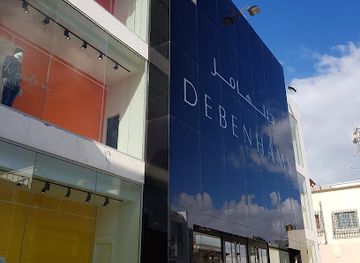
Debenhams
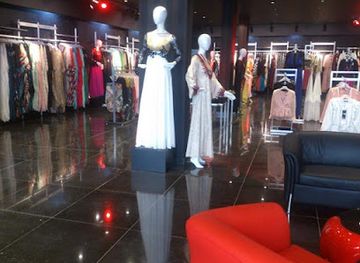
Discover authentic fashion at Debenhams, a leading clothing store in Al-Seyaheyya, offering a diverse range of styles for every occasion.

Best shops in Bayda
Shopping in Bayda is primarily local and practical, with small food shops, general stores, clothing retailers, cafés and market-oriented businesses serving residents rather than an international visitor trade. Look for dates, olive products, honey, spices, tea, locally produced foods and simple household goods, while availability and provenance should be checked with sellers. Traditional dress materials, prayer items and modest craft goods may appear in local shops, but the range is not comparable with a major tourist market. The city's commercial streets and markets are most useful for observing everyday trade and purchasing supplies for journeys into the Green Mountain. Larger or more specialised shopping options may be found in Benghazi, outside the Bayda area, but visitors should not assume that all products or services are available there at short notice. Bargaining customs vary, so ask locally and keep transactions courteous.
-
Bakery
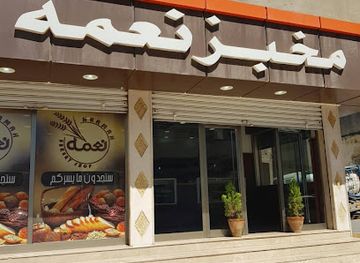
مخبز نعمة Neamah Bakery shop
Discover the authentic taste of Libya at Neamah Bakery, where freshly baked delights await every visitor in Al Bayda.
-
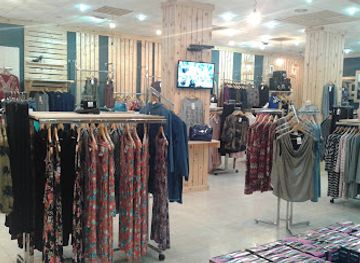
Women's clothing store
Linh Store for women Clothes
Discover stylish women's clothing at Linh Store in Al Bayda, where fashion meets comfort for every occasion.
-
Clothing store
Top Tattoo Agency
Experience the vibrant artistry and culture at Top Tattoo Agency in Al Bayda, where every tattoo tells a unique story.
-
Clothing store
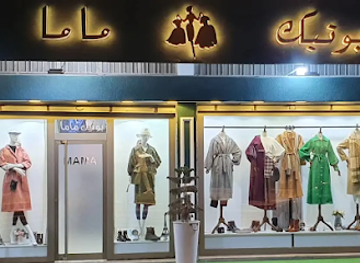
Mama Boutique for Women's Clothes
Discover unique women's fashion at Mama Boutique in Al Bayda, where style meets local culture in a delightful shopping experience.
Get your free copy of our complete guide to Bayda, delivered straight to you.
Everything on this page, from attractions and restaurants to essentials and local phrases, in one PDF you can read offline, print or share.
Already have an account? Sign in
Your Bayda guide is ready.
We'll send it to · Not you? Sign out

Getting your guide ready…
We are putting together a fresh copy of the Bayda guide. This can take up to a minute.
This can take a few moments. If your browser asks, choose Allow so the download can start. You'll find the guide in your Downloads folder.
Nothing happened? Download it again
Sorry, the guide is taking longer than usual. Please try again in a minute, or get it by email instead.
Bayda essentials
Currency and Payment
Safety
Emergency Situations
Do's and Don'ts
Local Tips
From Eve
Local phrases worth knowing
You don't need to get them perfect. A few words go a long way, and locals appreciate the effort.
Basics
| English | Local | Say it |
|---|---|---|
| Hello | مرحبا | [Marhaba] |
| Goodbye | وداعا | [Wada'an] |
| Yes | نعم | [Na'am] |
| No | لا | [La] |
| Please/You're welcome | من فضلك | [Min fadlik] |
| Thank you | شكرا | [Shukran] |
| Excuse me/Sorry | عفوا | [Afwan] |
| How are you? | كيف حالك؟ | [Kayfa halak?] |
| Fine. And you? | أنا بخير. وأنت؟ | [Ana bekhayr. Wa anta?] |
| Do you speak English? | هل تتحدث الإنجليزية؟ | [Hal tatahaddath alinglizia?] |
| I don't understand | أنا لا أفهم | [Ana la afham] |
Eating & Drinking
| English | Local | Say it |
|---|---|---|
| I'd like to see the menu, please | أود رؤية القائمة، من فضلك | [Awad ru'yat alqaimah, min fadlik] |
| I don't eat meat | أنا لا أتناول اللحم | [Ana la atanaul al-lahm] |
| Cheers! | في صحتك! | [Fi sihatak!] |
| I would like to pay, please | أود الدفع، من فضلك | [Awad al-daf', min fadlik] |
Emergencies
| English | Local | Say it |
|---|---|---|
| Help! | ساعدني! | [Sa'idni!] |
| Go away! | ابتعد! | [Ibt'id!] |
| Call the Police! | اتصل بالشرطة! | [Ittasil bil-shurta!] |
| Call a doctor! | اتصل بطبيب! | [Ittasil bi-tabeeb!] |
| I'm lost | أنا ضائع | [Ana da'i'] |
| I'm ill | أنا مريض | [Ana marid] |
Shopping
| English | Local | Say it |
|---|---|---|
| I'd like to buy... | أود شراء... | [Awad shirā...] |
| I'm just looking | أنا فقط أنظر | [Ana faqat anzur] |
| How much is it? | كم ثمنه؟ | [Kam thamanuh?] |
| That's too expensive | هذا مكلف جدا | [Hatha mukallaf jidan] |
| Can you lower the price? | هل يمكنك تخفيض السعر؟ | [Hal yumkinuka takhfid al-siar?] |
Time & Numbers
| English | Local | Say it |
|---|---|---|
| What time is it? | كم الساعة؟ | [Kam al-saa'a?] |
| It's one o'clock | الساعة واحدة | [Al-saa'a wahida] |
| Half past (10) | نصف (10) | [Nisf (10)] |
| Morning | صباحا | [Sabahan] |
| Afternoon | بعد الظهر | [Ba'd al-dhuhr] |
| Evening | مساء | [Masa'a] |
| Yesterday | أمس | [Ams] |
| Today | اليوم | [Al-yawm] |
| Tomorrow | غدا | [Ghadan] |
| 1 | واحد | [Wahid] |
| 2 | اثنان | [Ithnan] |
| 3 | ثلاثة | [Thalatha] |
| 4 | أربعة | [Arba'a] |
| 5 | خمسة | [Khamsa] |
| 6 | ستة | [Sitta] |
| 7 | سبعة | [Sab'a] |
| 8 | ثمانية | [Thamaniya] |
| 9 | تسعة | [Tis'a] |
| 10 | عشرة | [Ashara] |
Transport & Directions
| English | Local | Say it |
|---|---|---|
| Where's a/the...? | أين ...؟ | [Ayn ...?] |
| What's the address? | ما هو العنوان؟ | [Ma huwa al-'unwan?] |
| Can you show me (on the map)? | هل يمكنك أن تريني (على الخريطة)؟ | [Hal yumkinuka an turini (ala al-kharita)?] |
| When's the next (bus)? | متى يكون (الباص) التالي؟ | [Mata yakun (al-bus) al-tali?] |
| A ticket (to ....) | تذكرة (إلى ...) | [Tadhkirah (ila ...)] |
History of Bayda
Ancient Cyrenaica and the Greek Settlement
Bayda lies within the wider historical landscape of Cyrenaica, the north-eastern part of Libya shaped by Greek, Roman and later Islamic cultures. The Greek colony of Cyrene, founded in the seventh century BC near present-day Shahhat, became the leading city of the region and developed a network of agricultural and religious sites across the Green Mountain. Cyrene is outside Bayda itself, but its proximity explains the area's exceptional archaeological importance. The surrounding uplands supplied grain, olives and livestock, while the plateau's natural springs supported settlement and cultivation.
Roman and Byzantine Cyrenaica
Roman rule incorporated Cyrenaica into the imperial world and strengthened urban, agricultural and commercial links across the region. Roads, public buildings, temples and water-management systems left a lasting archaeological record around the Green Mountain. Later Byzantine administration maintained important towns and Christian communities, although political instability, earthquakes and changing trade patterns weakened the old urban system. The remains near Shahhat and other parts of eastern Libya show how ancient settlement was concentrated across the plateau rather than limited to the modern city of Bayda.
Arab-Islamic and Ottoman-era Transformations
Following the Arab conquest in the seventh century, Cyrenaica became part of the Islamic political and cultural world, with settlement patterns gradually shifting away from the classical cities. Medieval and Ottoman-era authority was often exercised through local leaders and tribal networks rather than through continuous central administration. Caravan routes, pastoral movement and agricultural communities remained important across the uplands. These centuries helped form the social and religious environment into which the modern Senussi movement later expanded.
The Senussi Movement and Omar al-Mukhtar
The Senussi religious order became especially influential in Cyrenaica from the nineteenth century, establishing lodges and networks of learning, mediation and community leadership. Its influence shaped eastern Libya's political identity and remained strong in the area around Bayda. During the Italian occupation, Omar al-Mukhtar led sustained resistance in Cyrenaica until his capture and execution in 1931. His legacy is central to modern Libyan historical memory, and Bayda's regional identity is closely connected with the wider landscape of Senussi religious authority and anti-colonial resistance.
Italian Occupation and the Second World War
Italy occupied Libya from 1911, but control over Cyrenaica remained contested for much of the colonial period. Repression, forced displacement and military campaigns profoundly affected communities across the Green Mountain. The Second World War brought further disruption as British and Axis forces fought for control of eastern Libya and its approaches. After the war, international administration and political negotiations prepared the country for independence. The demographic and economic consequences of colonial rule and wartime conflict continued to influence Cyrenaica well beyond 1945.
Bayda and the Libyan Monarchy
After Libyan independence in 1951, the Senussi monarchy under King Idris I gave Cyrenaica a prominent place in national political life. Bayda became the seat of the Libyan government in the 1960s, when constitutional changes and administrative arrangements elevated its importance alongside Tripoli. Government offices and public institutions expanded during this period. The monarchy ended with the 1969 revolution led by Muammar al-Gaddafi, after which political power was reorganised and Bayda's role changed, although the city retained its significance as a centre of eastern Libyan administration and education.
Bayda in Photos
Browse through our photo collection highlighting the charm and character of the destination.
Neighbouring regions of Bayda
The closest regions to Bayda, if you have time for more than one.
-

-

-

-

-


Swipe for more regions
Explore more

Explore more of Libya
Discover Libya: Ancient ruins, vast deserts, and Mediterranean charm await in this North African gem.
Explore Libya